Content []

When Is The Best Time To Visit Sapa ?

When is the best time to visit Sapa ?

Are you wondering about the best time to visit Sapa for your upcoming adventure? Nestled in the Hoang Lien Son Mountains, this misty town offers a unique charm in every season. Whether you want to know when to visit Sapa Vietnam for trekking or simply want to check the Sapa weather before packing, timing is everything. From the blooming flowers of spring to the iconic harvest season, understanding what is the best time to visit Sapa ensures you don't miss the breathtaking scenery. Dive into our guide to discover the ideal months for your dream mountain getaway !

I. Sapa weather by season overview

Sapa’s climate is unique compared to the rest of Vietnam, featuring a subtropical highland atmosphere with cool air year-round. Understanding Sapa weather is crucial because the landscape transforms dramatically between the dry and rainy periods. Here is a breakdown of what to expect during the two main seasons.

1. Visiting Sapa in the Dry Season (October to April)

The dry season is widely considered the best time to visit Sapa for outdoor enthusiasts. During these months, the humidity drops, and the skies clear up, offering breathtaking views of the Hoang Lien Son mountain range.
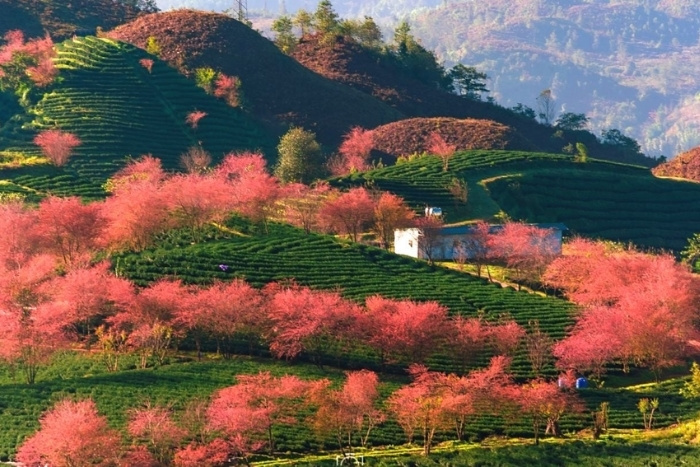
Visiting Sapa in the Dry Season

  • October to November: This is the "golden window." The weather is cool and stable, making it the best period to visit Sapa for trekking and photography without the interference of heavy rains.Temperatures range from 10°C to 20°C, with cooler evenings and minimal rainfall. These periods periods are especially popular for witnessing the golden rice terraces after harvest
  • December to February: Winter brings a biting chill, with temperatures often dropping below 5°C, Sapa becomes colder, sometimes with mist or even frost, creating a unique winter atmosphere. While it’s the driest time, thick mist can sometimes obscure the views. If you're lucky, you might even witness rare snowfall on Mount Fansipan.
  • March to April: Spring arrives with blooming cherry and plum blossoms. The mild Sapa weather during these months is perfect for exploring local ethnic villages like Cat Cat or Ta Van.

2. Visiting Sapa in the Rainy Season (May to September)

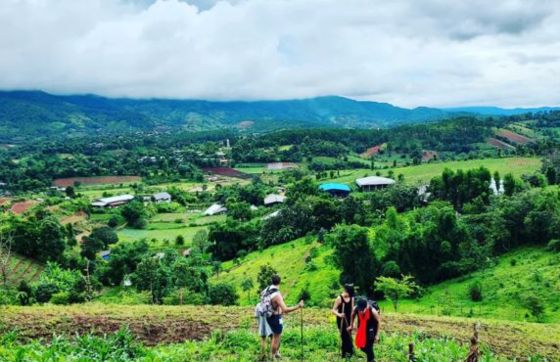
If you are wondering when to visit Sapa Vietnam to see the lush, vibrant green landscapes, the rainy season is surprisingly beautiful despite the showers.The rainy season transforms Sapa into a lush green paradise. Although rainfall is more frequent, this is the best time to see green rice terraces in Sapa.

Visiting Sapa in the Rainy Season

  • May to June: This is the "Falling Water" season. Heavy rains fill the terraces, turning the mountainsides into giant mirrors reflecting the sky. This time ís when the rice fields are at their greenest, offering stunning views across the valleys
  • July to August: These are the wettest months. Rain usually comes in quick, heavy bursts rather than lasting all day. The advantage ? The waterfalls are at their most powerful, and the air is incredibly fresh.
  • September: As the rain subsides, Sapa transitions into its most famous state, the harvest season. The Sapa weather is particularly attractive, as the rice begins to turn golden, marking the start of the harvest season. For travelers who don’t mind occasional rain, this period can still be a rewarding time to visit Sapa.

II. Best time to visit Sapa for different travel experiences

Sapa is not a "one-size-fits-all" destination. Depending on whether you are an adventure seeker, a landscape photographer, or a culture enthusiast, the best time to visit Sapa will vary significantly.

1. Best time to visit Sapa for trekking

Trekking is undeniably the soul of any Sapa adventure, offering a raw and intimate connection with the majestic landscapes of Northern Vietnam. However, the region's rugged terrain, characterized by steep limestone cliffs, muddy rice terrace paths, and deep valleys, requires specific weather conditions to ensure both a safe and an enjoyable journey. To avoid the slippery slopes of the monsoon or the bone-chilling mists that can obscure your path, the best period to visit Sapa for hiking is during the two transitional windows: March to May and September to November. During these months, the weather is cooler, rainfall is limited, and mountain trails are safer and less slippery. Clear skies also provide spectacular views of valleys, rice terraces, and surrounding peaks.
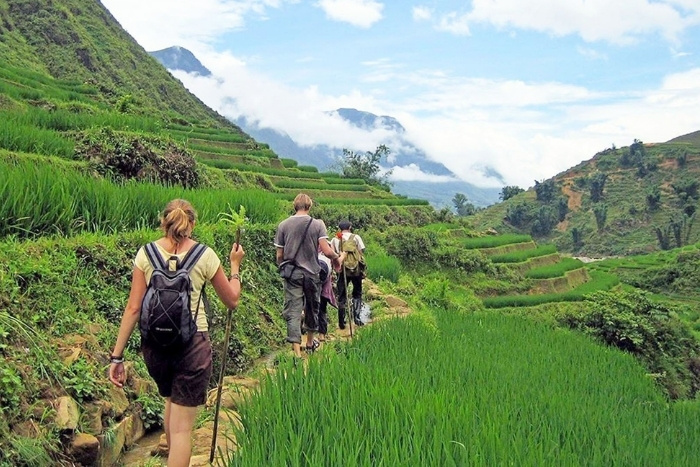
Best time to visit Sapa for trekking

The best period to visit Sapa is during the transitional months:

  • Spring (March - May): This is arguably the most pleasant time for long-distance trekking. The Sapa weather is mild, with temperatures ranging from 15°C to 22°C. The trails are dry and firm, and you will be rewarded with the sight of blooming wild peach and plum blossoms along the paths to ethnic villages like Lao Chai or Ta Van.
  • Autumn (September - November): After the rainy season, the air becomes crisp and the skies are crystal clear. This is the best time to visit Sapa Vietnam for panoramic views from the mountain peaks. You can trek for hours without the sweltering heat of summer or the biting frost of winter.

Avoid trekking in July and August. The heavy rains can make the earthen paths extremely slippery and dangerous, especially in steep areas like Cat Cat or the trek to the Silver Waterfall.

2. Best period to see green rice terraces

For travelers seeking vibrant landscapes teeming with life, summer specifically between June and August transforms the region into a veritable ocean of greenery. During this period, Sapa's climate fosters a rapid growth of vegetation, blanketing every mountainside in a velvety mantle. It is the precise moment when untamed nature and the centuries-old work of the local ethnic groups merge to offer a scene of rare intensity.
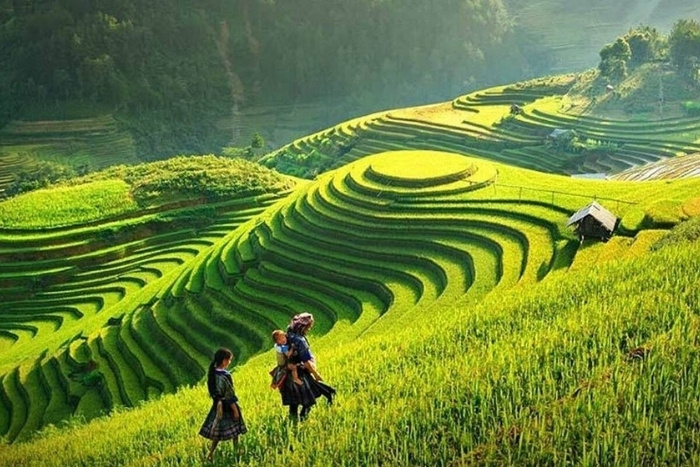
Best period to see green rice terraces

During these three months, temperatures typically fluctuate between 20°C and 28°C, creating a natural greenhouse atmosphere ideal for rice cultivation. If you're wondering when to visit Sapa to escape the gray skies of the lowlands, summer offers the most saturated and vivid colors of the year.

  • In June: Young rice shoots begin to colonize the terraces. The landscapes start to unify, and a tender, delicate green dominates the valleys. It's a time of great activity in the fields, making it the best time to visit Sapa Vietnam for observing authentic rural life and the traditional farming techniques of the H'mong and Dao people.
  • In July and August: The visual peak of the "Green Season" is reached. The rice plants grow tall and dense, completely obscuring the soil and revealing only a magnificent gradient of emerald green. For photography enthusiasts, this is often considered the best season for Sapa, as the dramatic light following tropical downpours offers breathtaking color contrasts and crystal-clear visibility.

3. Best season to visit Sapa for golden rice fields

If there is one image that defines the soul of Northern Vietnam, it is the sight of endless terraced fields draped in brilliant yellow. For those seeking this iconic "Golden Harvest," the best season to visit Sapa is undoubtedly from late August to late September. This fleeting window is when the rugged mountainsides are transformed into cascading waves of gold, signaling the most prosperous time of the year for the local ethnic communities.
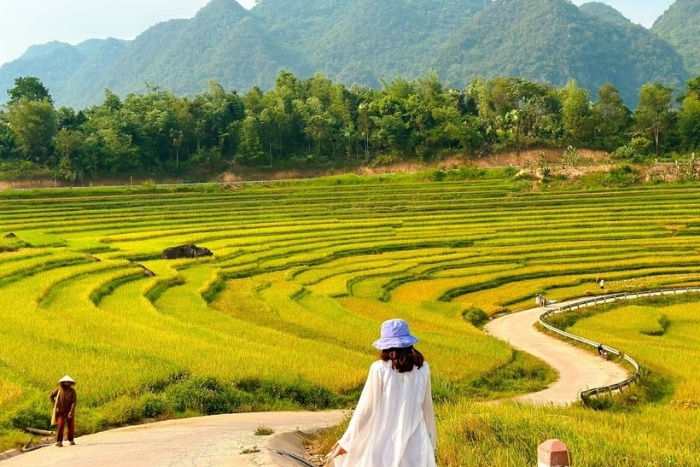
Best season to visit Sapa for golden rice fields

During this period, the Sapa weather begins to shift from the humid heat of summer to the crisp, cool air of early autumn. The skies turn a deep, clear blue, providing the perfect canvas for the shimmering yellow fields below. It is a sensory masterpiece: the sight of golden grain swaying in the breeze, the earthy scent of ripe rice, and the rhythmic sounds of the harvest.

  • Late August: The transition begins. You can witness a stunning patchwork of lime green and pale yellow as the first fields start to ripen. This is a unique time for photography, offering a diverse palette of colors across the Muong Hoa and Ta Van valleys.
  • September (The Peak): This is the best time to visit Sapa for the full "Golden Ocean" effect. By mid-September, the entire region is bathed in a warm, honey-colored glow. The terraces look like molten gold flowing down the mountains.
  • Early October: Be mindful that the harvest happens quickly! By early October, most of the rice has been gathered, leaving behind the bare, brown earth of the "post-harvest" season. To catch the peak beauty, aim for the first three weeks of September.

For anyone wondering what is the best time to visit Sapa for world-class landscape photography or to witness centuries-old agricultural traditions, the golden harvest is the ultimate answer. It is a moment of rare intensity where nature’s bounty and human labor reach a perfect, shimmering harmony.

4. Is winter a good time to visit Sapa ? (December to February)

Winter offers one of the most unique atmospheres in Sapa and can be a surprisingly rewarding time for travelers seeking a different mountain experience. From December to February, temperatures typically range between 5°C and 12°C, and at higher elevations such as Fansipan Peak, it can drop close to freezing. The town is often covered in mist, creating a mysterious and romantic landscape unlike any other season.

Is winter a good time to visit Sapa ?

Although winter is not the best time to visit Sapa for rice terraces, it is ideal for those who enjoy cool weather, peaceful surroundings, and dramatic scenery. Early mornings may reveal valleys wrapped in clouds, while afternoons can bring clearer skies with breathtaking mountain views. On rare occasions, Sapa even experiences frost or light snowfall, making it one of the very few destinations in Vietnam where you can witness a winter-like scene. Trekking is still possible during winter, especially on dry days, but trails may be damp and visibility can sometimes be limited due to fog. This season is better suited for relaxed exploration, cultural visits to ethnic minority villages, enjoying local cuisine and experiencing the tranquil charm of Sapa town without peak-season crowds.

III. Essential travel tips for your Sapa trip

To ensure your adventure is as seamless as the scenery, here are the "must-know" tips to navigate the unique Sapa weather and terrain:

  • The layering rule: Sapa’s temperature can fluctuate by 10°C in a single day. Even in the height of summer, bring a windbreaker or a light sweater for chilly evenings in the mountains.
  • Footwear is key: If you are visiting during the best time to visit Sapa for trekking, don't settle for sneakers. Bring waterproof hiking boots with deep treads to handle slippery mud and uneven limestone paths.
  • Cash is king: While many hotels in town accept cards, the remote ethnic villages and local markets deal almost exclusively in VND (cash). Ensure you have enough small bills before heading into the valleys.
  • Smart Booking: If your trip coincides with the golden rice field season (September), book your transportation and accommodation at least 3 weeks in advance. This is Sapa’s busiest time, and the best mountain-view rooms disappear fast.
  • Responsible Photography: Sapa is a photographer's dream, but always ask for permission before snapping photos of the local H'mong or Red Dao people. It’s a small gesture that shows great respect for their culture.

Choosing the best time to visit Sapa depends on the experience you crave. Whether you are drawn to the emerald terraces of July, the iconic golden harvest in September, or the ethereal winter mists, this highland gem never fails to enchant. By understanding the nuances of Sapa weather, you can better prepare for the rugged trails and breathtaking vistas that await. Sapa remains one of Vietnam’s most profound landscapes, a place where nature and culture harmonize perfectly. As a leading expert in the region, Autour Asia - Vietnam Travel Guide is dedicated to helping you craft the most authentic and unforgettable journeys through these majestic mountains.

5/5 - (1001 Vote)
Camille
5.0 Excellent
What Is the Best Time to Visit Sapa ?

The best time to visit Sapa depends on your travel preferences, but generally, the months from March to May and from September to November are the most recommended. During these periods, the weather in Sapa is more stable, with pleasant temperatures and less heavy rainfall. Spring offers lush green landscapes and blooming flowers, making it ideal for trekking, while autumn allows visitors to admire the famous golden rice terraces. If you are wondering when to visit Sapa for favorable weather and stunning scenery, these two seasons provide the perfect balance.

John
5.0 Excellent
What Is the Best Way to Travel from Hanoi to Sapa ?

Traveling from Hanoi to Sapa can be done in several ways depending on your budget and comfort level. The overnight train to Lao Cai, followed by a short transfer to Sapa, is a popular option for those seeking an authentic experience. Direct buses and sleeper buses are the most common choices due to their affordable prices and travel time of around 5 to 6 hours. For greater comfort, VIP limousine vans or private cars offer faster, door-to-door service with added convenience.

Olivia
5.0 Excellent
What Is Included in the 3-Day Tour to Mai Chau and Pu Luong ?

The 3-day nature tour takes you to the Northwest of Vietnam, combining ethnic villages, rice fields, and unspoiled landscapes. The journey begins in Mai Hich (Mai Chau) with cycling or walking through rice paddies and traditional stilt houses. You then explore Kho Muong Cave and the terraced rice fields of Ban Don in Pu Luong, followed by a visit to the bamboo water wheels along the Cham River. The trip ends with relaxation at Hieu Waterfall before returning to Hanoi. It is an ideal itinerary for nature and culture lovers.

CUSTOMIZABLE BY LOCAL EXPERTS

CUSTOMIZABLE BY LOCAL EXPERTS

Personalized trip at the original price!

REFUND GUARANTEE

REFUND GUARANTEE

We believe in our work and promise to give you money back.

GOOD PRICE / QUALITY

GOOD PRICE / QUALITY

95% satisfied more than expected!

24/7 LOCAL SUPPORT

24/7 LOCAL SUPPORT

We are always available online to provide assistance at any time.

Most read articles

Quick Tour Inquiry

Answer: 7 + 1 =