Quang Phu Cau sticky incense village is a traditional Vietnamese craft village in Ung Hoa district, located about 35 km from the center of Hanoi. The village is famous for its unique incense-making process and long-standing, that is passed down from one generation to another. The people here have preserved and promoted craft village traditions by harmoniously combining them to create the most unique incense bouquets. Quang Phu Cau sticky incense village is a famous tourist destination and is also where villagers continue to practice their traditional craft. The village is a great place to learn more about Vietnamese culture.
.jpg)
The main ingredients for making incense are indispensable bamboo, wood, sandalwood, and essential oils. Villagers use a special sticky glue to stick the ingredients together, then the incense is dried. Sticky rice incense is used to produce incense because it has the ability to burn deeply and radiate fragrance. It is often used in temples or lit in every home. Quang Phu Cau sticky incense village is one of the few places in Vietnam that still produces this traditional type of incense.
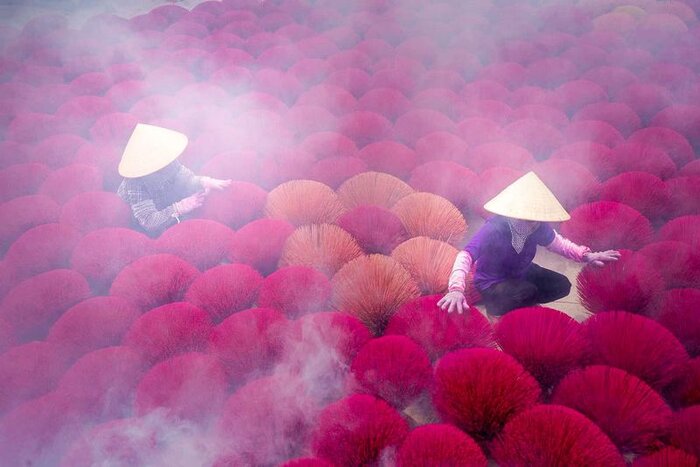
Incense sticks are made from a blend of bamboo, sandalwood, and essential oils. The ingredients are mixed together using a sticky substance called "glue", made from local tree bark. This mixture is then rolled into thin bars and dried in the sun. This makes the incense burn longer than traditional incense.
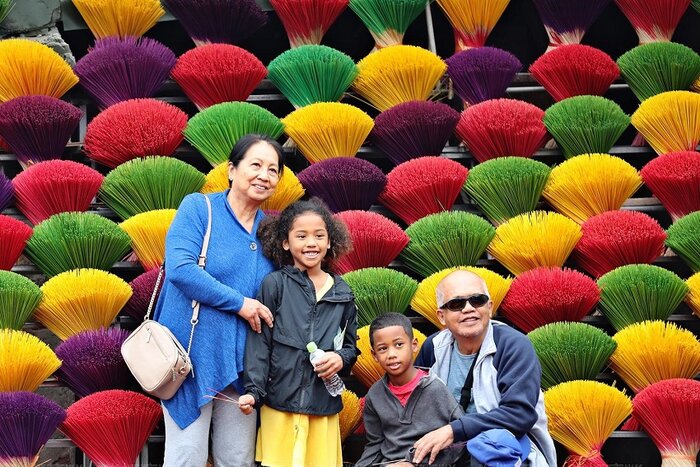
One of the things that makes Quang Phu Cau's sticky incense village unique is the way incense is dried. Incense sticks are often arranged in elaborate patterns on the ground, creating a truly beautiful sight. Everywhere you look, there are large courtyards. In the bright yellow sunlight, they are decorated with huge bouquets of colorful incense sticks. People dry incense in empty lots, shared spaces, and courtyards, creating a beautiful scene.
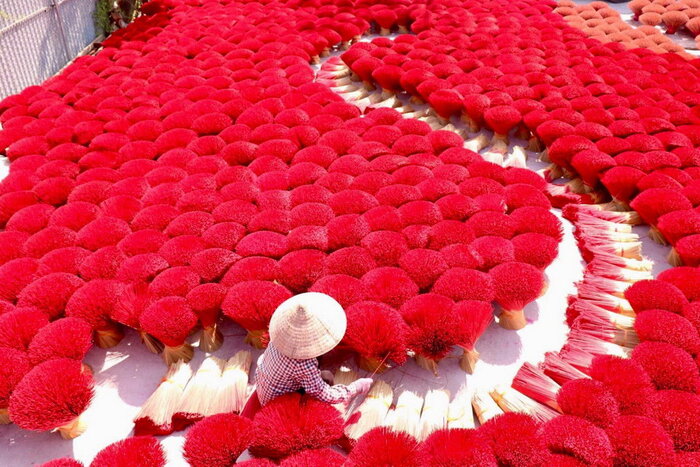
A great time to explore Quang Phu Cau sticky incense village in Hanoi is during the summer, lasting from May to September. During this season, the climate is wonderful with sunny days, creating the perfect environment for the incense drying process. On these days, drying incense is one of the main tasks in incense production. The bouquets of incense look like giant flowers under the bright sunlight. The village comes alive with vibrant colors as the streets are decorated with gracefully shaped dried incense sticks.
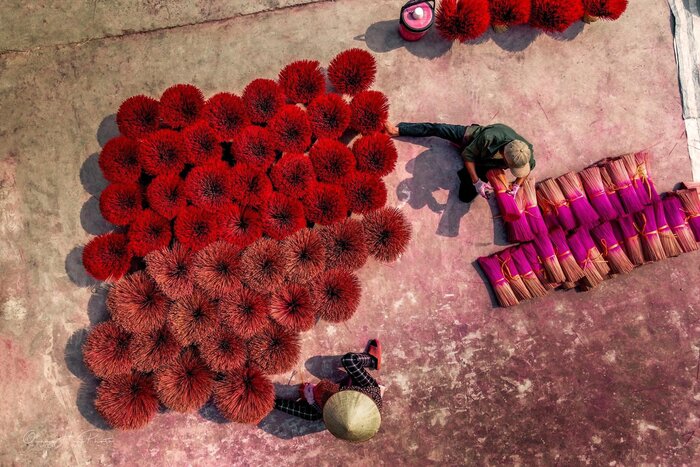
Another special time to immerse yourself in the charming beauty of Quang Phu Cau is during the Lunar New Year. Around this time, when incense production developed and millions of fragrant incense sticks were dried on the streets, Quang Phu Cau village was the place with the most spectacular scenery for tourists to visit and take beautiful photos... This festival sees a surge in incense production, and the entire village turns into a picturesque sea of red and pink as countless fragrant incense sticks are meticulously displayed on the streets.
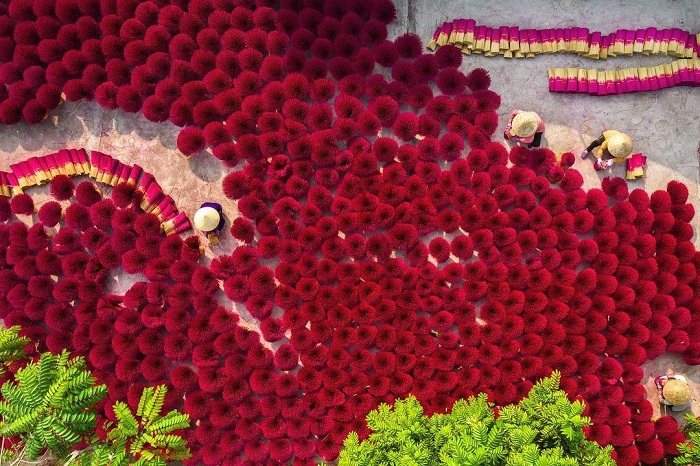
The ticket entrance fee for Quang Phu Cau sticky incense village Hanoi is 50,000 VND (approximately $2.5 USD) per person. This fee includes everything in the village, such as check-in, the incense workshops, and drying incense sticks...
Respect the locals and their culture & environment. This includes dressing appropriately asking permission before taking photos, and not littering or damaging the property of the villagers...
Purchase some incense sticks to support the local community. This fee includes everything in the village, such as the incense workshops, drying incense sticks, and food stalls.
Try some of the local food: The village has many restaurants that serve Vietnamese food such as banh cuon (steamed rice rolls) and bun cha (grilled pork with noodles).
We hope this guide has been helpful and your journey to this exquisite destination promises to be a memorable and captivating experience.
In conclusion, if you're seeking a meaningful and culturally rich thing to do in Hanoi, a visit to its traditional craft villages is a must. Among them, the incense village Hanoi travelers rave about most is undoubtedly Quang Phu Cau village. With its striking visuals, warm local artisans, and deep-rooted history, it offers a one-of-a-kind experience that blends art, tradition, and authenticity. Whether you're a culture enthusiast or simply looking to explore off-the-beaten-path gems, Quang Phu Cau promises an unforgettable memory from your journey through Vietnam’s capital. Don’t forget your camera—this is one spot where every moment is picture-perfect.


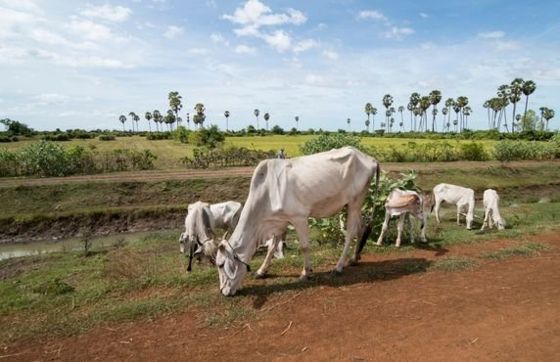
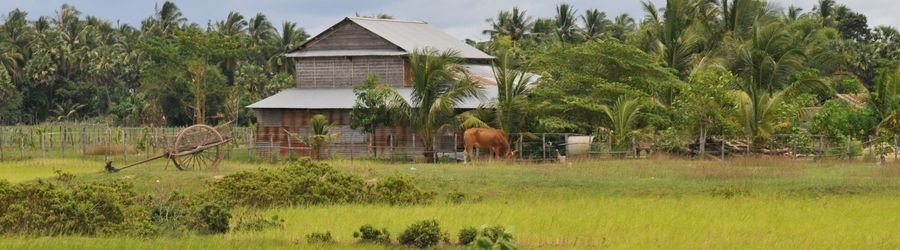
After exploring Angkor’s temples, bustling markets and the streets of Phnom Penh, Cambodia can also be discovered through its countryside. A weekend farm tour in Cambodia offers a chance to slow down and experience a rural way of life that remains closely connected to the land, the seasons and the harvest. Depending on the region, you may take part in farm activities, cook with a local family or follow rural paths between rice fields and orchards. This countryside escape is ideal for couples and families looking to experience Cambodia beyond the usual tourist routes. To make travel easier and choose an experience suited to your needs, a Cambodia travel company can also incorporate this rural immersion into a more comprehensive itinerary.
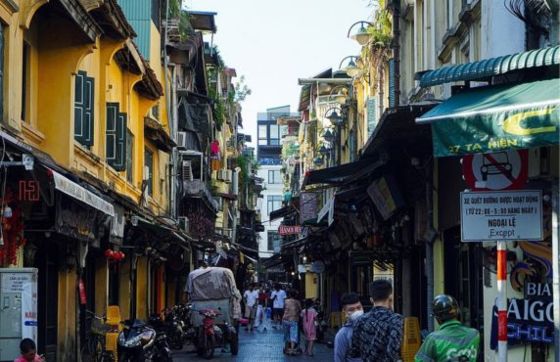
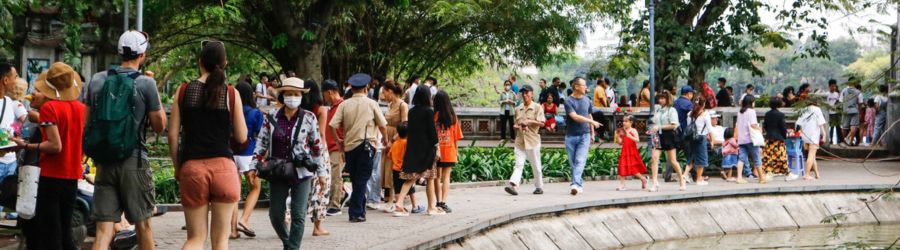
In Hanoi, walking is not just a way of getting around: it is one of the best ways to experience the rhythm of the capital. Between the bustling shopping streets of the Old Quarter, colonial-era façades, shady lakes and street food stalls, each area has its own atmosphere. But which Hanoi walking tour should you choose if you have half a day, a full day or just a few hours? This guide presents five ways to explore the city, from Hoan Kiem Lake to Long Bien Bridge, via Truc Bach and Hanoi’s food districts. Heritage, photography, gastronomy or local life: everyone can find a route that suits them. To plan a more comprehensive trip, the Local travel agency in Hanoi - Autour Asia can also help you incorporate Hanoi into the other stages of your itinerary.
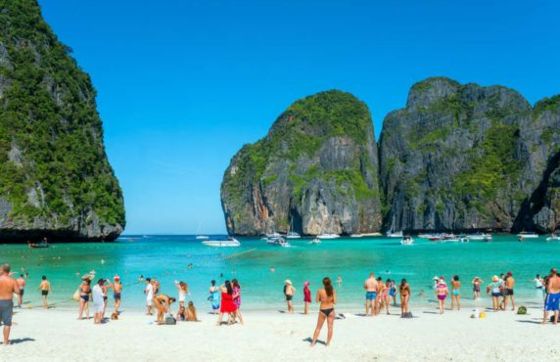
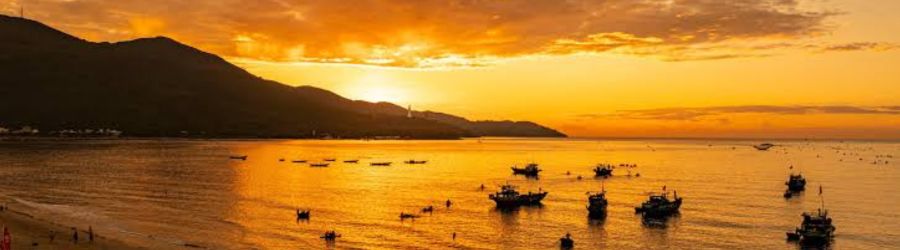
A 3 weeks in Vietnam with beach itinerary allows you to combine cultural discoveries, natural landscapes, and a few days of seaside relaxation, without turning the trip into a succession of transfers. In 21 days, it is possible to start in Hanoi, discover Ha Long Bay or Lan Ha Bay, continue to Hue and Hoi An, then head south before ending with a beach destination suited to the season. But where should you go to the beach in Vietnam? The answer depends mainly on the time of year: Phu Quoc is particularly suitable during the dry months in the South, while Da Nang, Hoi An, or Quy Nhon are good options during part of the year. To build a coherent itinerary, the Vietnam travel agency - Autour Asia can also adapt the stops to each traveler's pace and preferences.
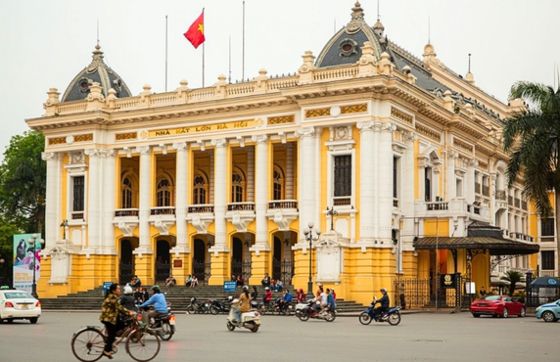
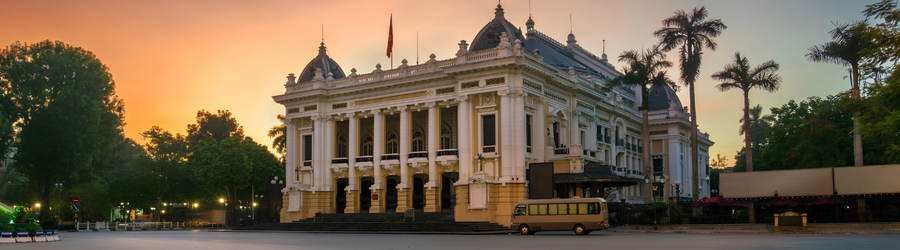
Located in the heart of Vietnam’s capital, the Hanoi Opera House is one of the city’s most iconic cultural and architectural landmarks. Built during the French colonial period, this elegant building has become an essential stop for travelers interested in Hanoi’s history and performing arts. But what can you actually see during a visit? Is visiting Hanoi Opera House possible without attending a show, and is a Hanoi Opera House tour worth adding to your itinerary? In this guide, discover the history, architecture, cultural significance and practical information you need to make the most of your visit to the Hanoi Opera House Vietnam.
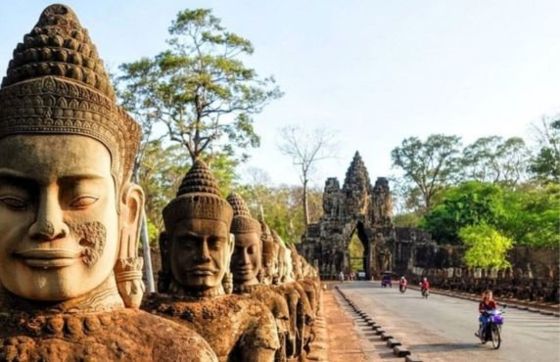

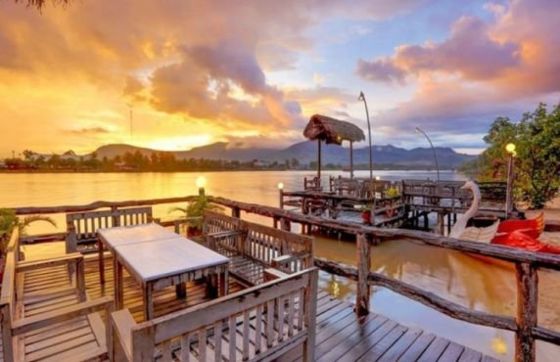

Traveling with children in southern Cambodia makes it easy to enjoy a variety of experiences: peaceful small towns, tropical landscapes, beaches, islands, local markets, and nature discoveries. To know where to visit Southern Cambodia with family, however, it is better not to include too many stops. Kampot, Kep, and the islands of Preah Sihanouk Province offer complementary atmospheres, with family-friendly activities and plenty of opportunities to relax. The choice mainly depends on the children’s age, your preferred pace, and the season. In this guide, we offer a balanced itinerary and practical ideas for organizing your stay, with advice from Cambodia travel company - Autour Asia to help you enjoy southern Cambodia without turning your holiday into a race against the clock.
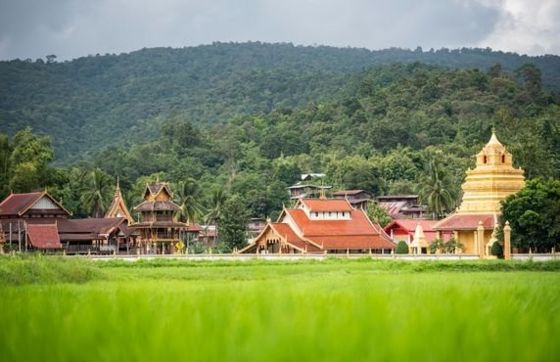
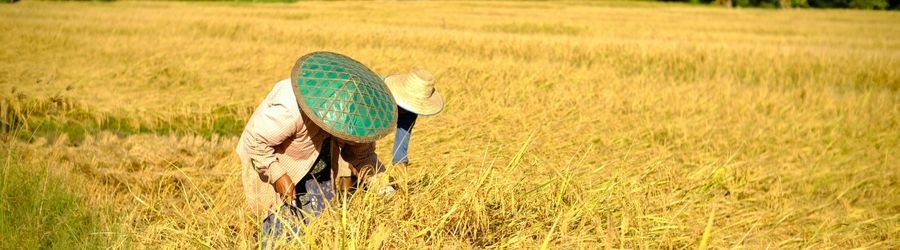
When we think of Thailand, the first images that often come to mind are temples, lively markets, tropical islands, or the beaches of the south. Yet, the country has another, more discreet side that is deeply connected to its identity: its countryside and agricultural heritage. Today, agritourism trends are attracting travelers looking for authentic experiences, closer to nature and local communities. To discover this different side of Thailand, a Thailand travel company can include rural stops in a classic itinerary. It is a great way to slow down, taste local products, and understand the daily life of local communities.
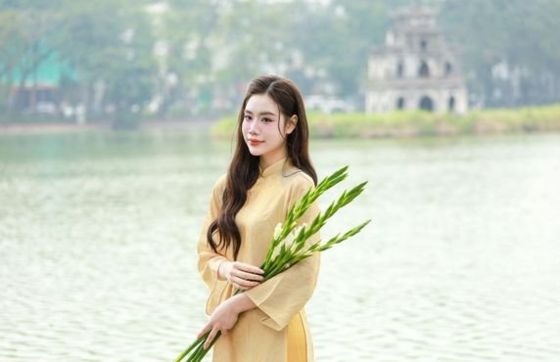
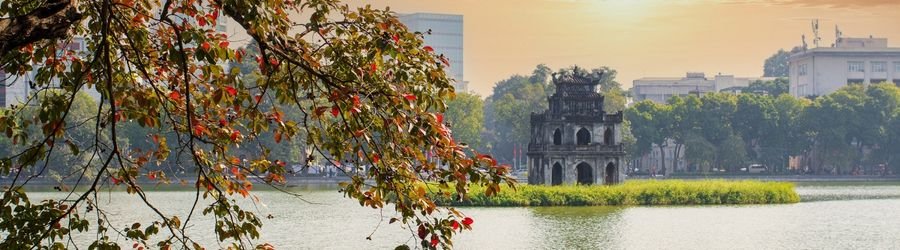
In the heart of Hanoi, some places tell the story and spirit of the Vietnamese capital better than others. Hoan Kiem lake is certainly one of them. Surrounded by trees, historic monuments and lively streets, it is a meeting point between heritage, traditions and daily life. A walk around the lake also allows visitors to experience the unique rhythm of Hanoi, from early-morning tai chi sessions to family walks and the lively atmosphere of the weekend. For travelers who want to discover the capital in a different way, this iconic site deserves a place in any itinerary planned by a Vietnam travel agency. But what is really hidden behind this famous lake?



 FR
FR EN
EN