
Pad Thai - Iconic Dish Of Thai Cuisine
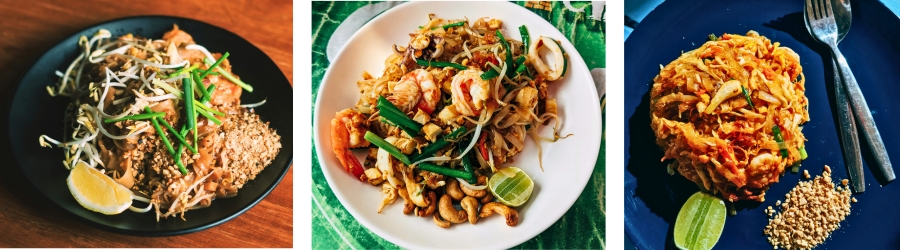
When exploring the rich flavors of Thai cuisine, few dishes are as recognizable and beloved as pad Thai. Known for its perfect balance of sweet, sour, salty, and savory flavors, this iconic noodle dish has captured the hearts of both locals and travelers from around the world. Whether served at a bustling Thai street food stall or a local restaurant, pad Thai offers a delicious introduction to Thailand’s vibrant culinary culture. For travelers planning their next adventure with Autour Asia, discovering authentic pad Thai is an experience not to be missed. More than just a popular meal, pad Thai reflects the unique flavors and traditions that have made Thailand a world-renowned destination for food lovers. In this article, we explore what makes pad Thai such an enduring symbol of Thailand’s food heritage.
Pad Thai - Iconic Dish Of Thai Cuisine
I. What is pad Thai ?
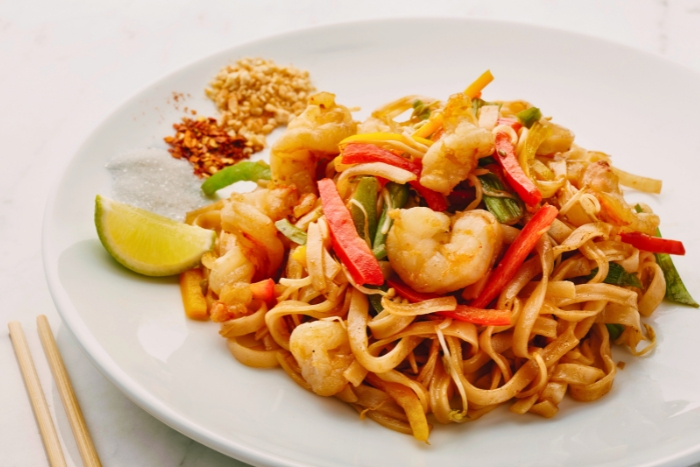
Pad Thai, which literally means "Thai-style stir-fry" ("Pad" means stir-fry and "Thai" refers to Thailand), is one of the best introductions to traditional Thai food. This popular stir-fried rice noodle dish combines rice noodles, eggs, bean sprouts, tofu, and a choice of protein such as shrimp or chicken. What makes pad Thai stand out is its distinctive balance of sweet, sour, salty, and savory flavors, created with ingredients such as tamarind, fish sauce, and palm sugar.
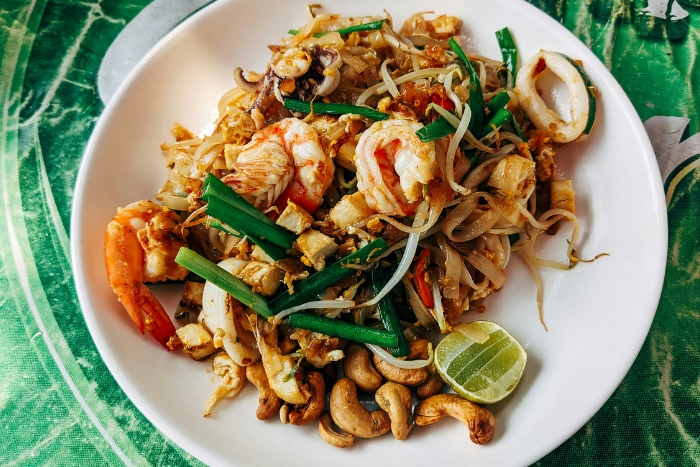
As you travel to Thailand, you will quickly notice this iconic dish everywhere, from busy street food stalls to local restaurants. While not typically very spicy, it can be customized with chili flakes to suit individual tastes. Traditionally served with fresh bean sprouts, a lime wedge, and crushed peanuts, pad Thai offers an authentic taste of Thailand’s vibrant street food culture.
II. The history behind pad Thai
Long before it became one of the world's most famous Thai dishes, pad Thai emerged during a period of significant change in Thailand in the late 1930s and early 1940s. Under Prime Minister Plaek Phibunsongkhram, the government launched campaigns to modernize the country and strengthen national identity. As part of these efforts, a stir-fried rice noodle dish was promoted as a distinctly Thai meal, helping transform noodles from a foreign influence into a symbol of national pride.
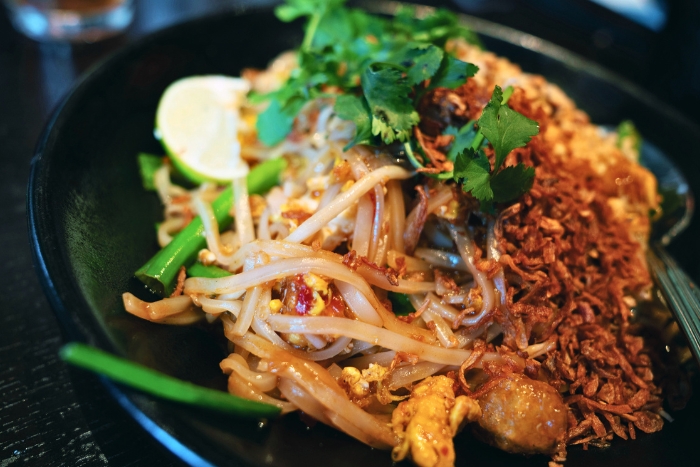
Over the decades, pad Thai continued to evolve as cooks adapted the recipe to local ingredients and regional preferences. Despite these variations, its signature combination of rice noodles, tamarind, fish sauce, and palm sugar remained unchanged. As tourism expanded and Thai restaurants opened around the world, pad Thai became a global ambassador of Thai cuisine, introducing millions of travelers to Thailand's rich culinary heritage.
III. How to Make pad Thai from A to Z ?
1. Essential pad Thai ingredients
Recreating the authentic taste of Thai street food at home begins with gathering the right ingredients. The key lies in achieving the right balance of flavors. Most authentic recipes include :
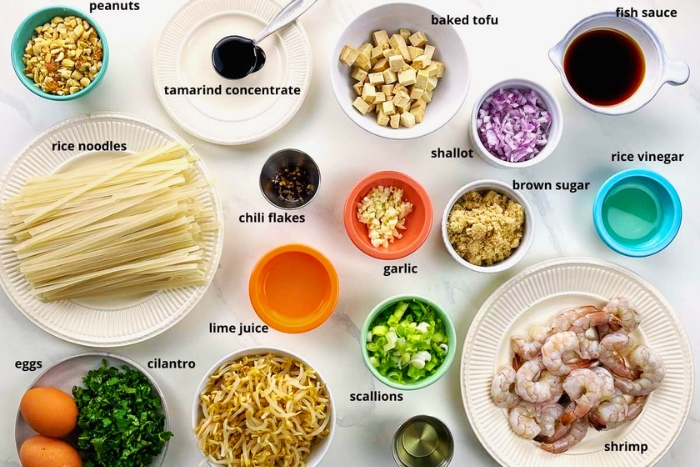
- Rice noodles, which provide the dish’s signature chewy texture
- Tamarind paste, fish sauce, and palm sugar to create the classic sweet, sour, and savory sauce
- Garlic and shallots for added aroma and depth of flavor
- Eggs, bean sprouts, and garlic chives for freshness and texture
- Shrimp, chicken, or tofu as the main protein
- Crushed peanuts, lime wedges, and chili flakes for serving
Depending on regional variations or personal preference, some recipes may also include dried shrimp or preserved radish for extra flavor.
2. Step-by-Step pad Thai cooking process
One reason pad Thai remains a beloved example of traditional Thai food is its straightforward cooking method. While every cook has their own technique, the basic process generally follows these steps :
- Step 1 : Soak the dried rice noodles in water until softened but still firm, then drain well.
- Step 2 : Prepare the sauce by mixing tamarind paste, fish sauce, and palm sugar until fully combined.
- Step 3 : Heat oil in a wok or large pan, then stir-fry the garlic and shallots until fragrant. Cook the chosen protein and set it aside.
- Step 4 : Push the ingredients to one side, crack in the eggs, and scramble gently.
- Step 5 : Add the noodles and sauce, tossing everything together over high heat until evenly coated.
- Step 6 : Return the protein and mix in the bean sprouts and garlic chives, then stir-fry briefly to maintain their freshness and crunch.
- Step 7 : Serve immediately with crushed peanuts, lime wedges, and optional chili flakes for an authentic pad Thai experience.
For the best results, cook pad Thai quickly over high heat so the noodles absorb the sauce while maintaining their texture.
3. Variations of pad Thai
One of the reasons pad Thai remains so popular is its versatility. While the classic version is the most common, travelers who travel to Thailand can also find many regional and modern variations. Each one offers a unique twist while preserving the dish’s signature sweet, sour, and savory flavors :
- Shrimp Pad Thai (Goong Pad Thai) : The most traditional and commonly found version at Thai street food stalls across the country.
- Chicken Pad Thai (Gai Pad Thai) : A mild and approachable variation that is especially popular among international visitors.
- Tofu Pad Thai : A vegetarian-friendly option that replaces meat with tofu while maintaining the dish's authentic character.
- Woon Sen Pad Thai : Made with glass noodles instead of rice noodles, creating a lighter texture and a slightly different eating experience.
- Seafood Pad Thai : Often prepared with shrimp, squid, or other seafood for a richer coastal-inspired flavor.
No matter which variation is chosen, the essence of pad Thai remains the same: a harmonious combination of ingredients, flavors, and cooking techniques that has made this dish a favorite around the world.
IV. How to eat pad Thai like a local
To enjoy pad Thai like a local, the best approach is surprisingly simple - taste it before adding any extra seasonings. Like many famous Thai dishes, this noodle specialty is built on a careful balance of sweet, sour, salty, and savory flavors. After a few bites, diners can adjust the taste with a squeeze of lime, a sprinkle of chili flakes, or extra peanuts according to personal preference. For the most authentic experience, order pad Thai from a busy street food stall and enjoy it while it's still hot from the wok.
V. Best places to enjoy pad Thai in Thailand
As one of the most iconic dishes in Thai cuisine, pad Thai can be found almost everywhere in Thailand. Here are some of the best places to enjoy this beloved noodle dish during your trip :
- Bangkok : Thipsamai, Baan Phadthai, Pad Thai Ekamai, Chatuchak Market, and Jodd Fairs Night Market are among the city's most popular spots for enjoying authentic Pad Thai.
- Chiang Mai : Travelers can try local favorites such as Thaan Aoan, Lan Pad Thai, and Padthai Mustache Style, or explore the Sunday Walking Street Market and Chiang Mai Night Bazaar for freshly prepared street food versions.
- Southern Thailand : Phad Thai Rock n Roll in Koh Lanta, Krabi Night Market, and the beachfront food stalls of Hua Hin are excellent places to enjoy Pad Thai while experiencing the region's relaxed coastal atmosphere.
For the most authentic experience, look for busy local stalls where pad Thai is prepared fresh in a hot wok and served immediately.
Ultimately, experiencing pad Thai is one of the best ways to discover the essence of Thai cuisine. More than just a popular noodle dish, it reflects the balance of flavors, local ingredients, and culinary traditions that have made it one of the most famous Thai dishes in the country. Whether enjoyed at a bustling street food stall, a local restaurant, or a night market, pad Thai offers a memorable taste of everyday life in Thailand. As you travel to Thailand, taking the time to explore authentic local food experiences can provide a deeper connection to the culture and people. With Autour Asia, you can discover not only the country's iconic dishes but also the stories and traditions behind them.
You might be interested in :
- Looking to discover authentic pad Thai during your trip to Thailand ? Autour Asia, your trusted Thailand travel agency, is here to help you plan your journey while exploring the history, flavors, and cultural significance of this iconic Thai dish.
- 15 days Thailand tour package
- Thailand travel guide
- Best beaches in Thailand to visit in December
- Best places to visit in Thailand in January
- 21-day solo female travel in Thailand in January
- Best honeymoon travel packages in Southeast Asia
A 2-week itinerary in Thailand offers enough time to experience the country's diverse attractions at a comfortable pace. Many travelers begin in Bangkok, exploring its temples, markets, and vibrant city life before visiting the historic ruins of Ayutthaya. The journey often continues north to Chiang Mai and Chiang Rai, where cultural landmarks, mountain landscapes, and the famous White Temple await. To end the trip on a relaxing note, spending a few days on Koh Chang allows visitors to enjoy beautiful beaches, snorkeling, and a slower island atmosphere. This itinerary provides a balanced mix of culture, nature, and relaxation.
The daily budget in Thailand varies depending on travel style, but the country remains one of the most affordable destinations in Southeast Asia. Budget travelers can expect to spend around 30–40 USD per day on basic accommodation, local transportation, and street food. A mid-range budget of 50–80 USD allows for more comfortable hotels, restaurant meals, and guided activities. For luxury travel, daily expenses often exceed 100 USD. The good news is that Thailand offers excellent value for money, making it easy for visitors to enjoy memorable experiences regardless of their budget.
Yes, Pad Thai can easily be made vegetarian. Traditional versions often include shrimp and fish sauce, but many restaurants and home cooks prepare vegetarian Pad Thai using tofu as the main protein. Fish sauce is usually replaced with soy sauce or other plant-based seasonings to maintain a rich, savory flavor. The dish still includes classic ingredients such as rice noodles, bean sprouts, garlic chives, peanuts, and tamarind sauce. As a result, vegetarian Pad Thai retains the sweet, sour, and savory balance that makes this dish so popular while offering a delicious meat-free alternative.
Related travel guide
Other similar articles


CUSTOMIZABLE BY LOCAL EXPERTS
Personalized trip at the original price!

REFUND GUARANTEE
We believe in our work and promise to give you money back.

GOOD PRICE / QUALITY
95% satisfied more than expected!

24/7 LOCAL SUPPORT
We are always available online to provide assistance at any time.

Most read articles


Autour Asia is highly recommended on
Embracing the mission of "Satisfied more than expected" and providing authentic experiences, we have received numerous recommendations on reputable travel forums: