
Sapa Or Ha Giang - Which Is Better For Nature Trip In Vietnam
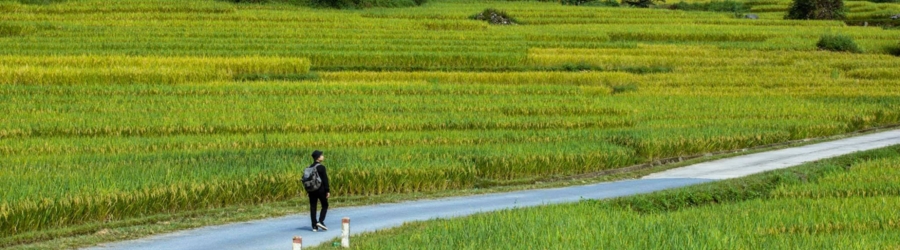
When planning a nature trip to Vietnam, two iconic destinations - Sapa vs Ha Giang - often leave travelers torn between options. Sapa, with its famous treks through terraced rice fields and its cool mountain resort climate, offers an accessible and poetic experience. In contrast, Ha Giang captivates adventurers with its raw, untamed appeal, especially through the legendary Ha Giang Loop, which winds its way across dramatic mountain passes and authentic karst plateaus. This detailed comparative guide to Sapa and Ha Giang will help you choose the destination that best matches your travel style—whether you prefer gentle hikes or intense exploration-for an unforgettable journey through breathtaking landscapes.
Sapa vs Ha Giang
I. Why visit Sapa for your nature trip in Vietnam?
Nestled at 1,500m altitude in Lao Cai Province, Sapa captivates with its soothing landscapes and easy access, making it ideal for a first immersion into the Vietnamese mountains.
1. What is Sapa famous for ?
Sapa offers a pastoral and often mystical beauty:
The terraced rice fields of Muong Hoa: a true icon, they change color with the seasons: vibrant green in spring, flamboyant gold in autumn.
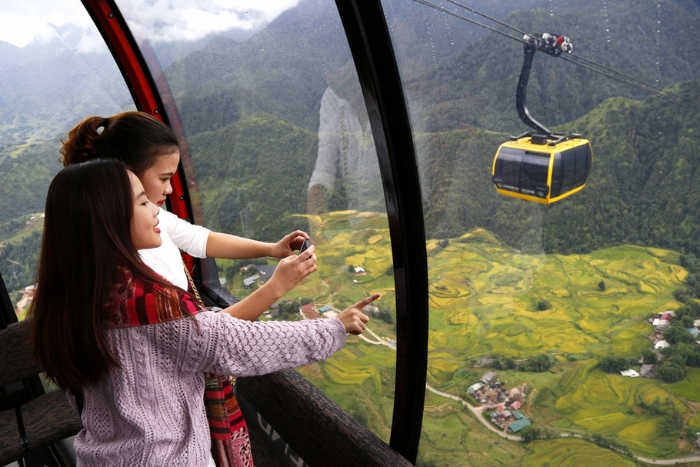
The Hoang Lien Son mountain range and Mount Fansipan: nicknamed "the roof of Indochina" (3,143m), it is accessible via an ambitious hike or the panoramic cable car.
The misty atmosphere: a romantic characteristic that regularly envelops the valleys, creating ethereal scenes.

2. Things to do in Sapa
Sapa is an ideal destination for a nature trip in Vietnam, with its mountain landscapes and ethnic villages. It offers varied activities for all travelers who love nature and culture.
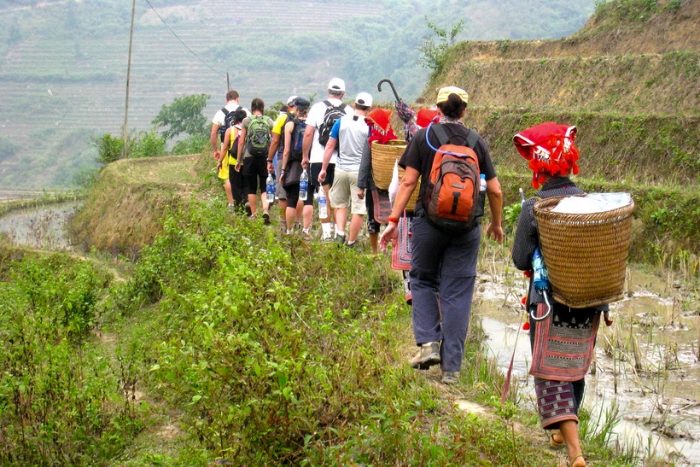
Easy and accessible trekking places in Sapa: you can trek to ethnic villages like Cat Cat, Ta Van, Ta Phin Lao Chai (H'Mong, Dao) or Giang Ta Chai village. Perfect for families and all levels. You can see the rice fields in Sapa and meet the local people.
The ascent of Fansipan: via the cable car for 360° views, or by trek over 2-3 days for the more athletic. It's the highest peak in Vietnam, with forests and clouds.
Relaxation and culture: the ethnic markets in Sapa, such as Pha Long, Y Ty, Lung Khau Nhin, Cao Son or Coc Ly, where local ethnic groups gather each week. You can buy handmade textile products, handmade jewelry or herbal tea from Sapa to support the inhabitants. After the visit, the herbal baths of the Red Dao and Mount Ham Rong, with its flower gardens and views over the town, offer an ideal break.
Explore the waterfalls: go see the Silver Waterfall (Thac Bac) or the Love Waterfall for refreshing walks and beautiful photos.
3. Who is Sapa for ?
Sapa is an ideal destination for all those who want to visit northern of Vietnam. Here is who might love this place:
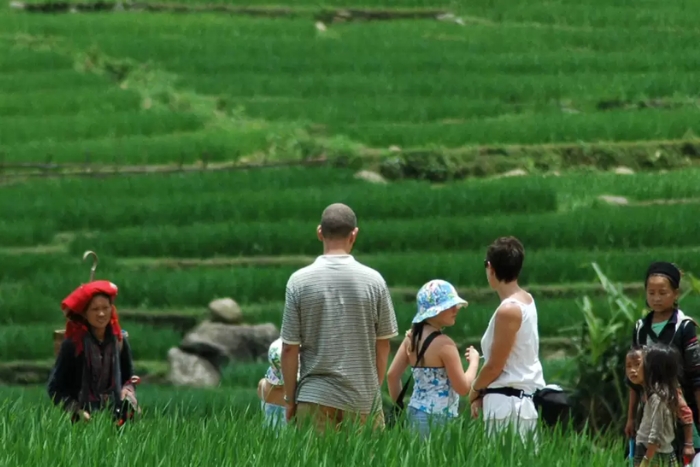
Travelers with families (accessible paths, numerous infrastructures).
Photography enthusiasts and seekers of serene landscapes.
First-time visitors to northern of Vietnam or those looking for a relaxing-comfortable stay.
People with limited travel time.
>>> How many days to spend in Sapa?
>>> 1 week in Sapa Vietnam
>>> How to get from Hanoi to Sapa?
II. Why is Ha Giang attractive for a nature trip?
The northernmost province of Vietnam, bordering China, Ha Giang captivates with its dizzying roads, karst peaks, and preserved cultures. Famous for the Ha Giang Loop, considered one of the most impressive motorcycle road trip routes in the world, it's a top destination for adventurous souls.
1. What is Ha Giang famous for?
A raw and spectacular nature awaits you there:
The UNESCO Global Geopark of Dong Van: a unique limestone plateau, arid and lunar.
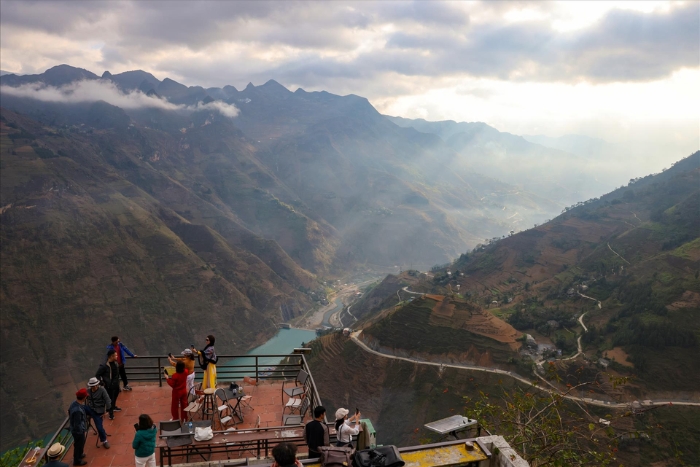
The Ma Pi Leng Pass and Tu San Canyon: a vertiginous corniche road overlooking the spectacular Nho Que River, of a deep blue.
The buckwheat flower fields: Ha Giang in November, the plateau is adorned with white and pink, a fairy-tale spectacle.
Ha Giang rice terraces: even if they are fewer than in Sapa, you can see beautiful terraces in Hoang Su Phi or Xin Man, especially in autumn when the rice is yellow. It's a good spot for photos and easy walks.
A rugged beauty: here, few gentle rice fields, but jagged mountains, deep valleys, and a feeling of being at the end of the world.
2. Things to do in Ha Giang
Ha Giang is a good choice for visiting northern of Vietnam. It offers activities for those who love adventure and wild nature.
Ha Giang Loop by motorcycle/car: this is the main activity. You can drive on famous roads like Ma Pi Leng and Bac Sum. It gives great freedom and incredible views over the mountains and valleys. The trip often lasts 3-4 days, and it's best to rent a motorcycle in Ha Giang town to explore safely.
Cruise on the Nho Quo River: to see the canyon walls up close, from the bottom of the valley. You take a boat for a calm ride on the blue water, with high cliffs around. It's a good way to rest after a tough road, and you can see local birds and plants.
Hiking in ethnic villages: walk to places like Lo Lo Chai village, Thôn Tha (Tha village) or Lao Xa to meet the H'Mong and Lo Lo people. You discover their traditional houses and daily life. The paths are a bit tough but with beautiful views over the stone plateaus.
Visit the Dong Van Karst Plateau Geopark: Explore this UNESCO-protected site with its local markets and old houses. Go to the Lung Cu Flag Tower, the northernmost point of Vietnam, for a view over the border and memorable photos.
Visit the ethnic markets in Ha Giang: Ha Giang is also known for its very lively traditional markets, like the Dong Van market, Hoang Su Phi market, Pho Cao, Du Gia, Lung Phin or even the Khau Vai market in Meo Vac. You discover agricultural products, local handicrafts and an authentic atmosphere, ideal for better understanding the culture of the northern mountains.

3. Who is Ha Giang for ?
Adventurers and motorcyclists seeking sensational roads.
Wildlife photographers in search of unique and dramatic landscapes.
Travelers seeking authenticity and deep cultural encounters.
Backpackers and those with more time.

>>> How to get from Hanoi to Ha Giang?
>>> Ha Giang Travel Guide A to Z
>>> 5 days in Ha Giang
III. Sapa vs Ha Giang: how to make your choice for a nature trip in Vietnam?
Choosing between Sapa and Ha Giang depends above all on how you want to experience nature during your nature trip in Vietnam.
Sapa is ideal for an accessible and balanced nature trip. The landscapes of terraced rice fields, verdant valleys, and ethnic villages are mainly discovered on foot, during easy to moderate hikes. The region is perfect for travelers who want to enjoy the mountains without too much effort, with developed infrastructures, comfortable accommodations, and activities suitable for families.
Ha Giang is for travelers seeking wild nature and adventure. Here, discovery is mainly on the road, through the famous Ha Giang Loop. The panoramas are more spectacular and raw, with vertiginous passes, karst plateaus, and impressive canyons. The trip requires more endurance and adaptation, but offers total immersion in a still-preserved Vietnam.

In summary, the choice between Sapa vs Ha Giang depends above all on your way of experiencing a nature trip in Vietnam. If you are looking for calm, gentle landscapes, and easily accessible activities, Sapa is the ideal destination for relaxation. On the other hand, if you love adventure, spectacular roads, and wild nature, Ha Giang stands out as an obvious choice. Many travelers choose to combine Sapa and Ha Giang to discover all the diversity of northern of Vietnam. For a well-balanced itinerary, adapted to your budget, your health, and the best travel period, calling on a travel agency in Vietnam like Autour Asia can help you organize a customized and stress-free experience.
>>> Nature travel in Vietnam in March
>>> Traveling before Tet festival in Vietnam
>>> Vietnam Travel Guide
>>> Best of Northern Vietnam itinerary 2 weeks
>>> Vietnam Tours
The best time to visit Sapa and Ha Giang is generally between September and October. This is the period when the terraced rice fields turn golden, offering very beautiful landscapes that are easy to photograph. The climate is pleasant, with mild temperatures and less rain, which is ideal for hiking. The months from March to May are also recommended, as the nature is green and flowering. On the other hand, from December to February, it is colder and often foggy, which can limit visibility, even though the mountain atmosphere remains charming.
The choice between Sapa vs Ha Giang mainly depends on the type of trip you want to experience in northern of Vietnam. Sapa is a more accessible destination, known for its terraced rice fields, easy hikes, and comfortable infrastructure, ideal for families and travelers seeking relaxation and cultural discoveries. In contrast, the Ha Giang Loop captivates with its adventurous character, spectacular roads, and wild landscapes, perfect for road trip enthusiasts and thrill-seekers.
For a North Vietnam itinerary 7 days, traveling from Ha Giang to Sapa is one of the most common routes to connect two major nature destinations. There is no direct connection: the most commonly used solution is the bus or minivan with a transfer in Lào Cai, for a total journey of about 7 to 9 hours depending on the road conditions. Night buses allow you to save time, while a car with a driver offers more comfort and flexibility, especially for a well-organized itinerary.
Related travel guide
Other similar articles


CUSTOMIZABLE BY LOCAL EXPERTS
Personalized trip at the original price!

REFUND GUARANTEE
We believe in our work and promise to give you money back.

GOOD PRICE / QUALITY
95% satisfied more than expected!

24/7 LOCAL SUPPORT
We are always available online to provide assistance at any time.

Most read articles


Autour Asia is highly recommended on
Embracing the mission of "Satisfied more than expected" and providing authentic experiences, we have received numerous recommendations on reputable travel forums: