If you're wondering when to visit Vietnam for 2 weeks, November is one of the strongest travel windows of the year. The north is dry and clear, the south is leaving its rainy season, and flight prices haven't peaked yet. The main thing to plan around is Central Vietnam's coast, which is at its rainiest. A well-planned 2-week Vietnam itinerary works around this, and once it does, November has very little going against it.
Why November works | What to watch out for |
North is dry, clear and low-humidity, the best trekking season of the year | Central coast at peak rainy season, with residual storm risk |
South is exiting the rainy season, without the harsh summer heat | Northern highlands get cold at night (5-10°C), pack real warm layers |
Best light and visibility of the year for photography | High season begins, so book 4-8 weeks ahead |
Fewer crowds than December-January, with calm seas in Ha Long Bay | Rice terraces already harvested (golden peak was September) |
Who it suits : November is ideal for first-time visitors doing a north-to-south overview, couples and families wanting a relaxed pace, trekkers and photographers heading to the northern highlands, and travellers who want to avoid extreme heat. If beach time in Hoi An, Da Nang or Nha Trang is your priority, March-August is a better fit.
For everything else, November lands right in the middle-ground sweet spot. Compared with October (wetter and more humid) and December (colder up north, with sharply higher prices), Vietnam weather in November stays reliably pleasant across the north and south, and it comes at a noticeably lower cost.
For additional information, explore Autour Asia's guide to planning 2 weeks in Vietnam.
Region | Temperature | Rainfall |
North lowlands (Hanoi, Ninh Binh, Ha Long) | 18-27°C | Low |
North mountains (Sapa, Ha Giang, Moc Chau) | 12-20°C day, 5-10°C night | Low |
Central coast (Hue, Da Nang, Hoi An) | 22-29°C | Very high |
South-central coast (Nha Trang, Quy Nhon) | 23-30°C | High |
Central Highlands (Da Lat, Pleiku) | 14-24°C | Low |
South (HCMC, Mekong Delta) | 24-33°C | Low-medium |
Islands (Phu Quoc, Con Dao) | 24-31°C | Moderate |
These are monthly averages, so plan your 2 weeks in Vietnam in November week by week. Hanoi cools from 25-28°C early to 18-22°C by month's end, while the south moves the opposite way : showers early, mostly dry after mid-month. Time your route around this shift and the month works far better.
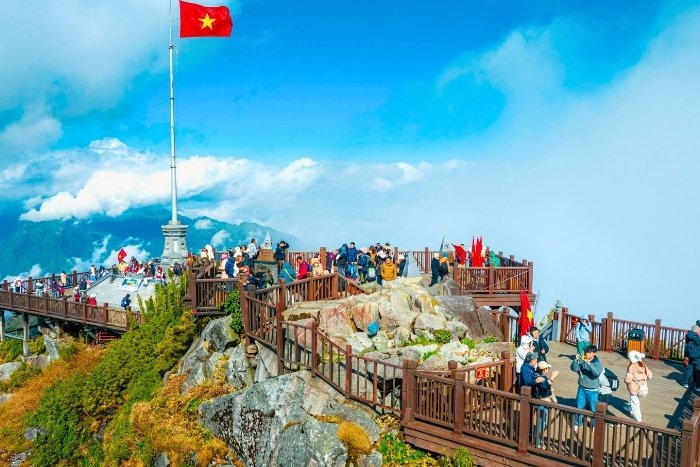
Vietnam in November is especially rewarding in the north, with cooler temperatures and generally drier conditions. Hanoi is pleasant for exploring the Old Quarter, enjoying street food, and stopping for lakeside coffee. Ha Long Bay is also a good choice for an overnight cruise, with Bai Tu Long Bay and Lan Ha Bay offering quieter alternatives. In the mountains, Sapa and Ha Giang can be much colder, especially at night, so pack warm layers if you plan to trek.
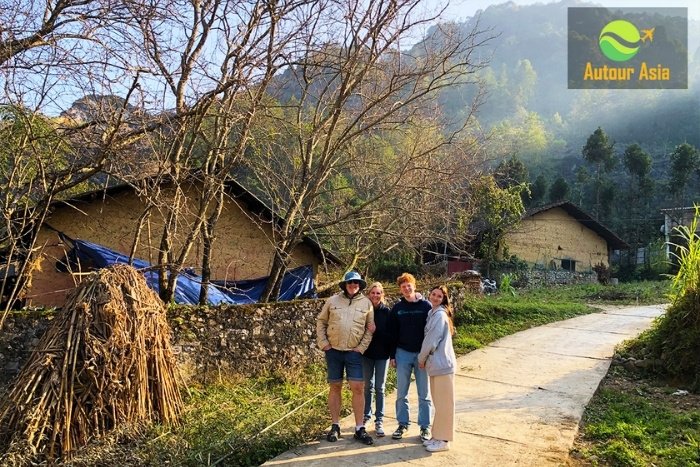
November brings a different kind of scenery to Northern Vietnam. The main rice harvest is usually over, but there is still plenty to see:
Expect misty mountains, post-harvest terraces, clouds, and pine-covered slopes rather than golden rice fields.
November is one of the wettest months along the Hue-Da Nang-Hoi An coast, with frequent downpours, possible tropical storms, and occasional flooding in Hoi An’s Ancient Town. Temperatures remain warm at around 22-29°C, but rough seas can make swimming unsafe. Nha Trang and Quy Nhon can also be rainy in November. Farther south, Mui Ne and Phan Thiet generally begin moving toward drier conditions.
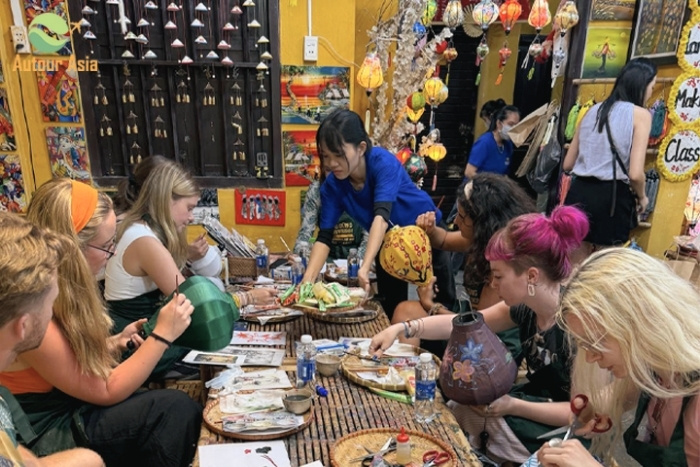
That doesn’t mean you need to skip Central Vietnam altogether. Instead, treat this part of the journey as more of a culture-and-food stop :
Da Lat and the Central Highlands : Inland, Da Lat’s cooler climate begins turning drier in November, while wild sunflowers brighten the roads and pine-covered hills around Lang Biang, Xuan Huong Lake, and Tuyen Lam Lake. Farther north, Pleiku offers Chu Dang Ya Volcano and T’Nung Lake for a more off-the-beaten-path experience. If rain disrupts the central coast during your 2-week trip to Vietnam, the Central Highlands can be a practical alternative.
Timing matters when you travel to Vietnam in November, especially in the south. Early November can still bring afternoon showers, but conditions generally become drier as the month progresses. This makes Southern Vietnam a good choice for the final part of your itinerary.
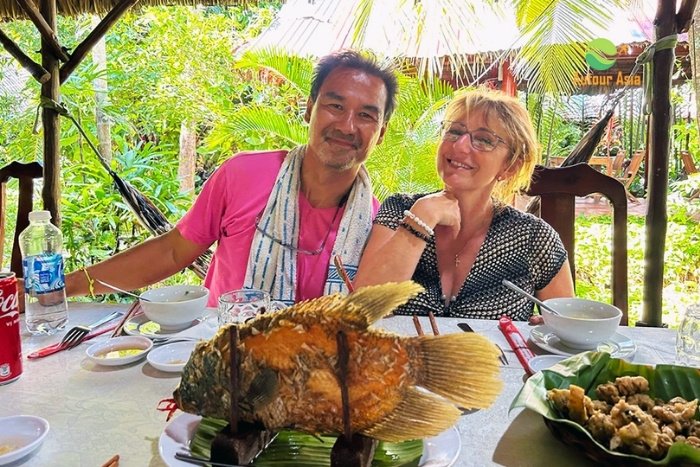
Ho Chi Minh City becomes easier to explore as the rain eases, from Ben Thanh Market to Nguyen Hue Walking Street. In the Mekong Delta, high water levels keep the canals lively, and an early-morning visit to Cai Rang Floating Market is worth considering. For beach time, Phu Quoc and Con Dao generally become more appealing as the dry season approaches, although occasional showers are still possible.
A practical starting point for a 2-week Vietnam itinerary is the 6-4-4 rule : around six nights in Northern Vietnam, four in Central Vietnam or the Central Highlands, and four in Southern Vietnam. Keep it flexible, especially if rain or storms affect the central coast.
Aim for 4-5 main bases over 14 days and at least 2 nights per stop where possible. Fewer stops mean less time spent on transfers, packing, and check-ins, giving you more time to enjoy 2 weeks in Vietnam in November.
How long to stay at each stop :
Northern Vietnam :
Central Vietnam :
Southern Vietnam :
If you have an extra day, a 15-day Vietnam travel itinerary in November gives you more flexibility for long transfers or an additional night in your favourite destination.
Itinerary | Best suited for | Suggested route | Route note |
North-focused | Nature, trekking, photography, slow travel | Hanoi (2) → Ninh Binh (2) → Mai Chau (2) → Ha Giang (3-4) → Ha Long (1) → Hanoi | Allow a full travel day between Ha Giang and Ha Long |
North + Central | Nature, mountains, and cultural heritage | Hanoi (2) → Sapa (2-3) → Ninh Binh (2) → Ha Long (1) → Da Nang → Hoi An (2) → Hue (2) | Keep the Central section flexible in case of heavy rain |
North + South | Mountains, cities, and beach time | Hanoi (2) → Ha Giang (3-4) → Ha Long (1) → HCMC (2) → Phu Quoc (2-3) | Skips the wetter Central Coast and gives more time to the north and south |
Full three regions | First-timers wanting a broad overview | Hanoi (2) → Ninh Binh (2) → Ha Long (1) → Hue (2) → Hoi An (2) → HCMC (2) → Mekong Delta (1) | Requires domestic flights and careful timing between regions |
North + Central Highlands | Cool climates and an alternative to the Central Coast | Hanoi (2) → Sapa (3) → Ninh Binh (2) → Ha Long (1) → Da Lat (3) → HCMC (2) | Replaces the wetter Central Coast with Da Lat and the Highlands |
Here are two suggested routes for a 14-day trip :
Full north-to-south :
Route : Hanoi → Ha Long Bay → Surprise Cave → Ninh Binh → Tam Coc → Thung Nham → Bai Dinh Pagoda → Mai Chau → local villages → Hanoi → Da Nang → Hoi An → Hue → Ho Chi Minh City → Ben Tre → Ho Chi Minh City
Highlights :
- Explore Hanoi's historical and cultural landmarks.
- Cruise Ha Long Bay and visit Surprise Cave.
- Discover Tam Coc, Thung Nham, and Bai Dinh Pagoda in Ninh Binh.
- Experience rural landscapes and ethnic minority villages around Mai Chau.
- Explore Hue's imperial heritage and Hoi An's lantern-lit streets.
- Stay overnight in Ben Tre to experience local life in the Mekong Delta.
This route lets you experience all three regions during 2 weeks in Vietnam, with Central Vietnam positioned mid-trip so it can be shortened if severe weather is forecast. Southern Vietnam comes last as conditions generally move toward the drier season.
North-focused loop :
Route : Hanoi → Lao Cai → Sapa → Bac Ha → Ha Giang → Dong Van → Meo Vac → Bao Lac → Cao Bang → Lang Son → Ha Long → Hanoi
Highlights:
- Explore Hanoi's historic neighbourhoods and cultural attractions.
- Trek through Sapa and discover the ethnic communities and market culture around Bac Ha.
- Travel through Ha Giang, Dong Van, Meo Vac, and the Nho Que River area.
- Visit Ban Gioc Waterfall near Cao Bang.
- Finish with a cruise through Bai Tu Long Bay, a quieter alternative to the main Ha Long Bay routes.
This Northern Vietnam itinerary 2 weeks is best suited to travellers who prefer mountains, road trips, trekking, and cultural encounters over covering the whole country. Staying entirely in the north also avoids the wetter Central Coast.
Getting around is fairly straightforward when you travel to Vietnam in November, but weather and long distances can affect your plans. Choose transport based on distance, route, and local conditions.
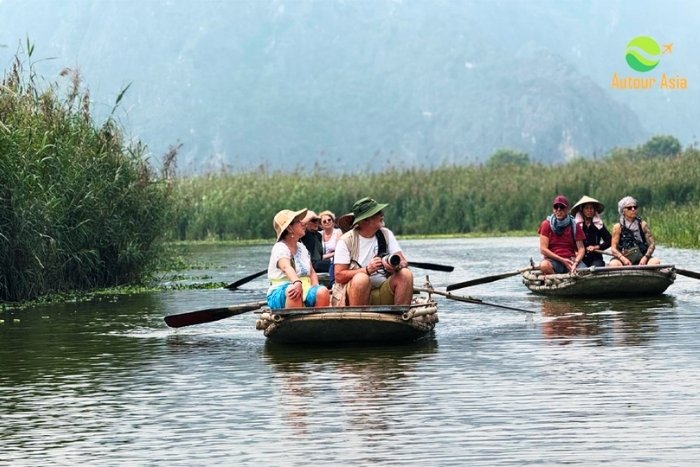
Combining these options can save travel time and keep your 2-week trip to Vietnam flexible when November weather affects your plans.
Read more : How to get around in Vietnam
The cost of 2 weeks in Vietnam in November depends mainly on your travel style, accommodation, transport, and activities. International flights are not included in the estimates below.
Travel style | Per day | 14-day budget | Typical inclusions |
Budget | €30-50 | €420-700 | Hostels, street food, buses and trains |
Mid-range | €60-80 | €840-1,120 | 2-3 star hotels, local restaurants, some domestic flights |
Comfort | €80-120 | €1,100-1,700 | 3-4 star hotels, domestic flights, guided activities |
High-end | €150-200+ | €2,000+ | 4-5 star hotels, private transfers, guides and premium experiences |
Typical costs to consider:
November can bring stronger demand in popular destinations, so prices and availability may vary. Booking key accommodation, domestic transport, and Ha Long Bay cruises in advance can help you secure suitable options.
For more information :
- 2 week in Vietnam on a budget
- Is 1500 USD enough for a 2-week family trip to Vietnam ?
- How much does a Vietnam 2 weeks trip cost ?
A little preparation can make 2 weeks in Vietnam in November much easier, especially when your route crosses different climate zones.
Pack for different conditions rather than one season. Vietnam weather in November can range from cool mountain nights to heavy rain in Central Vietnam and warm conditions in the south.
Food is a highlight of Vietnam in November, with regional dishes matching the changing conditions across the country.
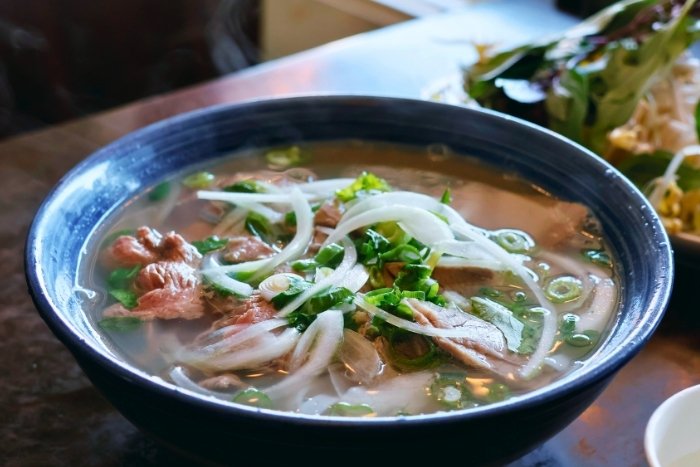
Food tours and cooking classes are also useful alternatives when rain limits outdoor activities.
Planning 2 weeks in Vietnam in November gives you the chance to experience different landscapes, climates, and cultures in one journey. The key is to match your route with regional weather, avoid too many stops, and leave enough flexibility for changing conditions. A well-planned 2-week trip to Vietnam can combine the cooler mountains and cultural highlights of the north, the historic cities of Central Vietnam, and the warmer destinations of the south. Rather than trying to see everything, focus on places that match your interests, budget, and travel pace. If you need help planning Vietnam in November, Autour Asia can create a personalised itinerary based on your preferred destinations and travel style, helping you organise a practical and enjoyable journey from arrival to departure.
You might be interested in :
- Planning to spend 2 weeks in Vietnam in November? Autour Asia, your Vietnam travel agency, is here to help you create a personalized itinerary with suitable destinations, accommodation, transport and local experiences for the season.
- Vietnam travel guide
- Vietnam day trips
- What to eat in Vietnam
- Vietnamese fried spring rolls
- Solo female travelers in Vietnam for 15 days


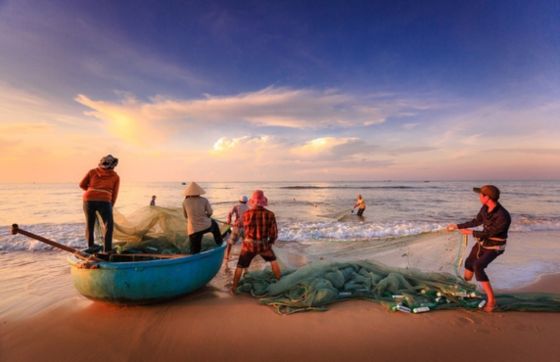
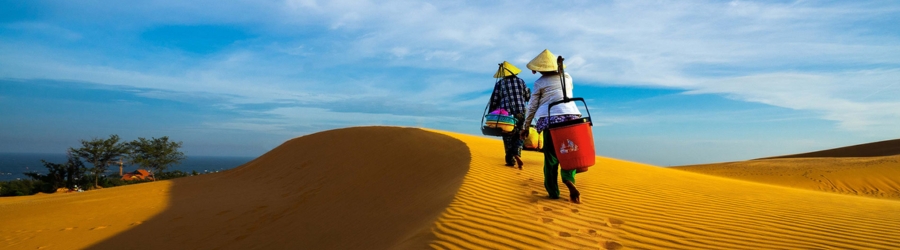
Phan Thiet, a coastal city in Binh Thuan Province, is best known for Mui Ne, an internationally renowned seaside destination. With its beaches, fishing villages, and desert-like sand dunes, the region offers a diverse range of landscapes rarely found elsewhere in Southeast Asia. In November, temperatures remain pleasant for exploring the coast, although occasional showers are still possible. Visiting Phan Thiet Mui Ne in November requires a little preparation to make the most of your stay. This complete guide covers the weather, must-see attractions, transportation options, and practical tips to help you plan your trip to Vietnam in November.
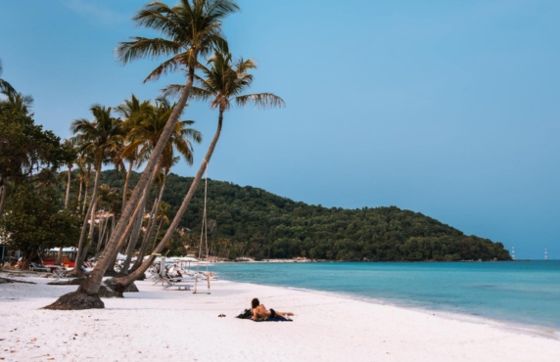
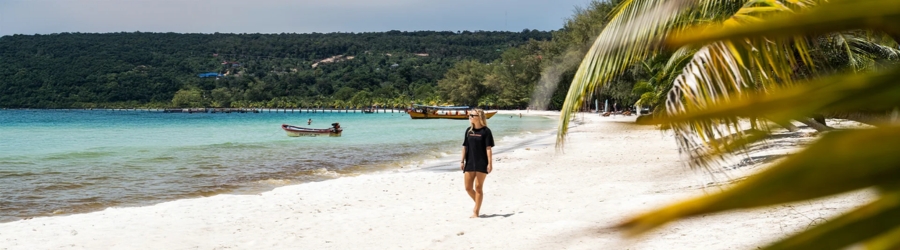
Vietnam’s beaches are best enjoyed at different times of the year, depending on the region. From the turquoise waters of the South to the long stretches of white sand in the Central region and tropical islands, each area has its own climate patterns. To better understand when to visit Vietnam, it is important to consider the weather conditions in each destination. The best time to visit beaches in Vietnam depends on region you choose as well as the activities you have planned. The best time to swim in Vietnam also varies according to rainfall, water temperature and sea conditions. Understanding the Vietnam beach season helps you choose destinations that match your travel dates and enjoy the coastline in good conditions.
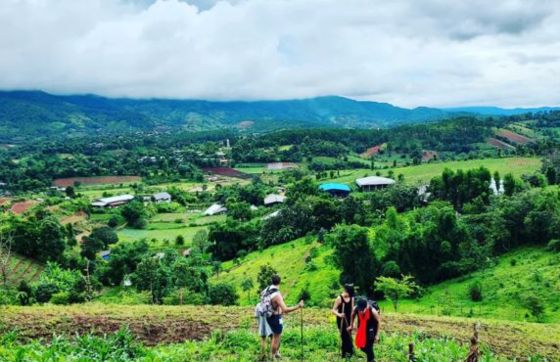
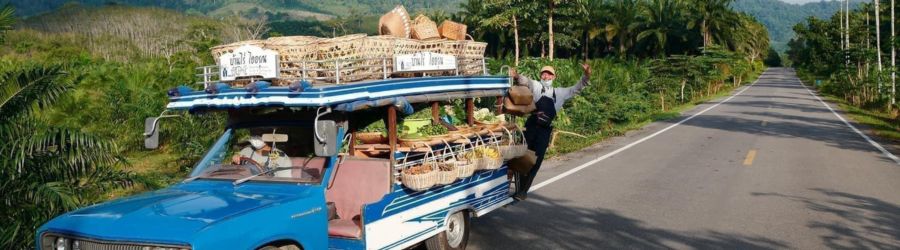
Discovering Thailand through its rice fields, plantations, and rural villages offers a different way to travel, far from traditional tourist circuits. But how can you choose the best agency for Thailand farm tours to enjoy authentic experiences with local communities? Several tour operators offer trips combining agriculture, gastronomy, and encounters with producers. Among them, Autour Asia is an option for travelers who want to personalize their itinerary. Known as Vietnam travel agency - Autour Asia, the company also offers tailor-made trips to several countries in Southeast Asia. With the local travel agency in Thailand - Autour Asia, travelers can explore a trip designed around their interests. Here are five organizations worth knowing, their distinctive features, and the essential criteria for planning a successful agricultural tour in Thailand.
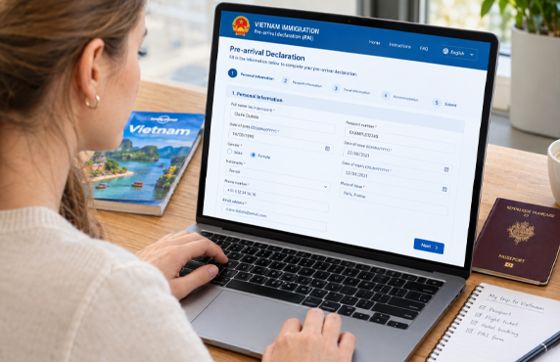
Planning a trip to Vietnam? Before packing your bags, take a few minutes to check the latest entry requirements and prepare the documents you may need at the airport.
Vietnam’s Pre-Arrival Information (PAI) system allows international travellers to submit selected personal, visa and travel details online before arriving in the country. After a successful submission, the system generates a QR code that travellers can save on their phones or print for use during immigration procedures. Although the online declaration is designed to help make arrival procedures smoother, travellers should understand when it applies, how to complete it correctly and which documents they still need to enter Vietnam.
In this practical guide, you will discover where to access the official PAI portal, what information to prepare, how to complete the declaration step by step, how to correct common mistakes and what to do when you arrive at the airport.
With its exotic landscapes, fascinating cultures and diverse experiences, Vietnam and Thailand are among the most popular destinations in Southeast Asia. However, safety remains an important criterion when planning your trip. So, how can you choose Vietnam or Thailand for a safe trip depending on the way you travel ? And is Vietnam safer than Thailand ? Each destination has its own characteristics and points to consider. In this article, Autour Asia helps you compare Vietnam and Thailand to better understand their differences and choose the destination that meets your expectations for your next trip to Asia.
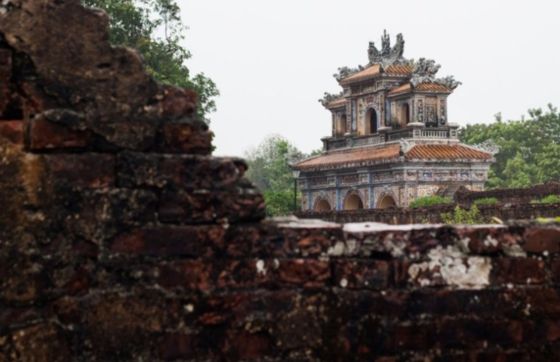
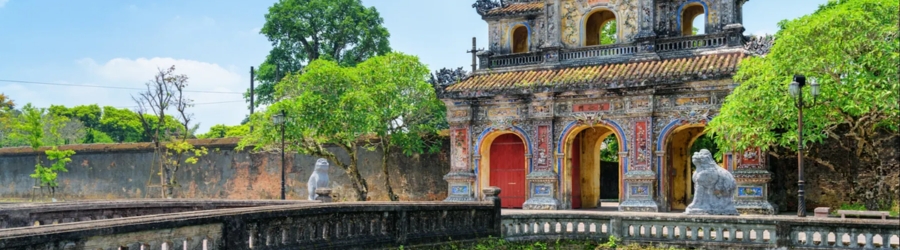
Planning a trip to Hue in November requires a little more flexibility than at other times of the year. Visiting Hue in November means experiencing the rainy season in central Vietnam, with prolonged showers and a risk of flooding. However, this period can also be an opportunity to explore the former imperial capital’s royal heritage, pagodas and renowned cuisine in a quieter atmosphere. The key is to choose your activities carefully, prepare alternative plans and check the weather conditions before setting out.
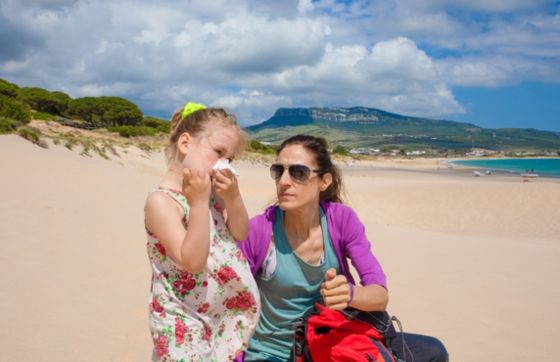

When travelling in Cambodia, some everyday habits may raise questions about local customs. Is blowing your nose in public considered polite? How should you behave in restaurants, on public transport or during a visit? These small details matter when you want to respect the local culture. Discover how to manage blowing your nose in Cambodia discreetly, along with practical tips on using tissues during your trip. Autour Asia, Cambodia travel agency, helps you discover local customs with advice tailored to travellers. From Cambodia travel etiquette to personal hygiene and everyday situations, a few simple guidelines can make your journey more comfortable. In Phnom Penh, Siem Reap or Kampot, understanding local customs helps you avoid awkward moments while making the most of your stay.
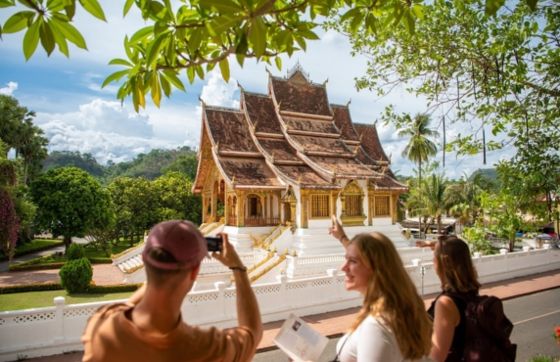
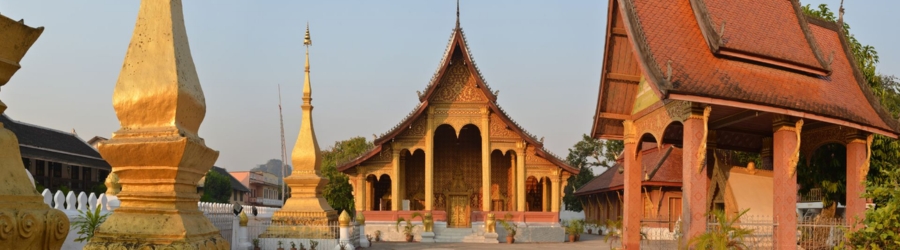
Blow your nose in Laos is not necessarily considered rude, but it is best to do so discreetly, especially in quiet places or during meals. If you have a cold, use a clean tissue and avoid blowing your nose loudly in public. In temples and other places of worship, respect the peaceful atmosphere and local customs. If you need to blow your nose frequently, step away from others for a moment whenever possible. Finally, dispose of used tissues in a rubbish bin. These simple habits will help you observe good manners during your trip to Laos.



 FR
FR EN
EN