January is winter in Northern Vietnam. Hanoi and Halong Bay generally have cool temperatures, with skies that can be cloudy or misty. In mountainous areas such as Ha Giang and Sapa, it is colder, especially in the morning and evening.
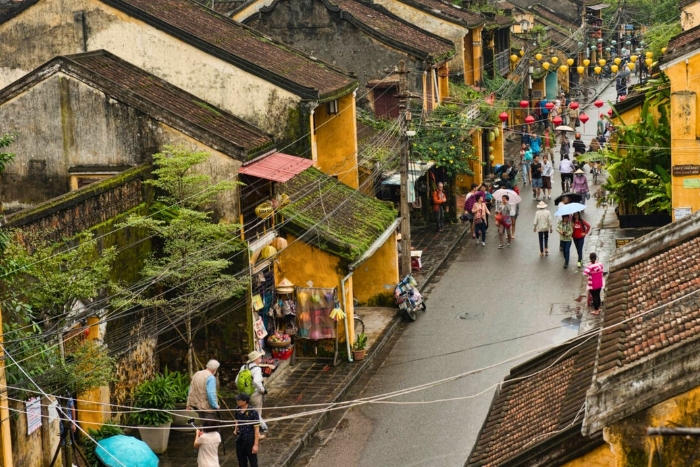
Central Vietnam has different weather conditions. In Hoi An, January is still a cool and relatively wet period, with mostly cloudy skies and occasional rainfall. From September to January, Hoi An experiences its wettest season, while January is generally the coolest month of the year.
Further south, the weather changes noticeably. Ho Chi Minh City and the Mekong Delta enter their dry season, while Phu Quoc also enjoys favorable conditions for beach activities. Southern Vietnam is generally recommended from December to April, while the Mekong Delta is particularly suitable for travel from November to April.
| Region | In January | Best for |
| North | Cool, sometimes cloudy or misty | Culture, landscapes, food |
| Central Vietnam | Mild to cool, still humid | Heritage, local life |
| South | Warm, drier and sunnier | Sunshine, Mekong Delta, relaxation |
| Phu Quoc | Warm and pleasant | Beach and a relaxing stay |
You should therefore avoid thinking of Vietnam as a destination with one single climate. During 2 weeks in Vietnam in January, you can start your trip wearing a jacket in Hanoi and end it a few days later in light summer clothes in the South.
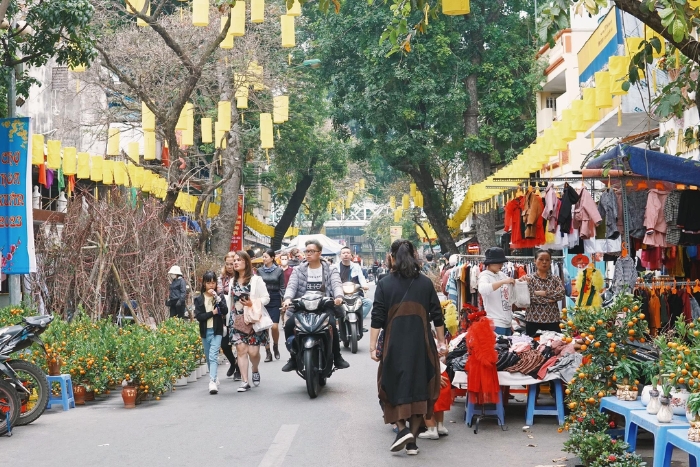
Depending on the year, Tet, the Vietnamese Lunar New Year, falls in late January or February. Before the festival, cities and local markets are decorated with flowers and traditional ornaments. It is an interesting time to experience the preparations for the Vietnamese New Year, although you should also expect increased domestic travel as the public holidays approach.
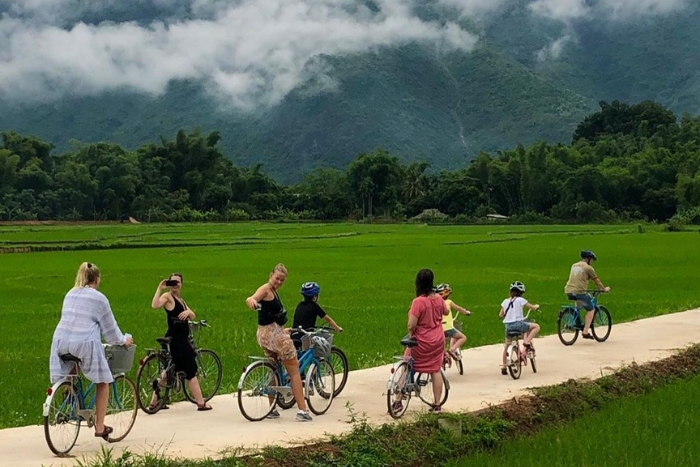
Outside the Tet holiday period, 2 weeks in Vietnam in January can offer a more peaceful atmosphere at some tourist destinations. In Ninh Binh, the cooler temperatures are pleasant for cycling and boat trips. In Moc Chau, January is also known for its plum blossom season, which is particularly beautiful in the rural areas of Northern Vietnam.
January is part of the dry season in Southern Vietnam. Ho Chi Minh City, the Mekong Delta and Phu Quoc are therefore well suited to travelers looking for more sunshine. An itinerary can easily combine cultural discoveries, a Mekong Delta excursion and a few relaxing days by the sea.
In January, Vietnam is suitable for many different travel styles. Depending on your interests, you can focus on cultural discoveries, landscapes, local encounters, adventure or simply a few days by the sea.
For a 15 days in Vietnam cultural trip, Hanoi is an excellent starting point. The Old Quarter, local markets, small streets, cafés and historic buildings make it easy to discover everyday life in the capital.
You can then travel to Ninh Binh, the former capital of Vietnam, to combine heritage and natural scenery. A boat trip in Tam Coc or Trang An takes you through rivers, rice fields and impressive limestone formations.
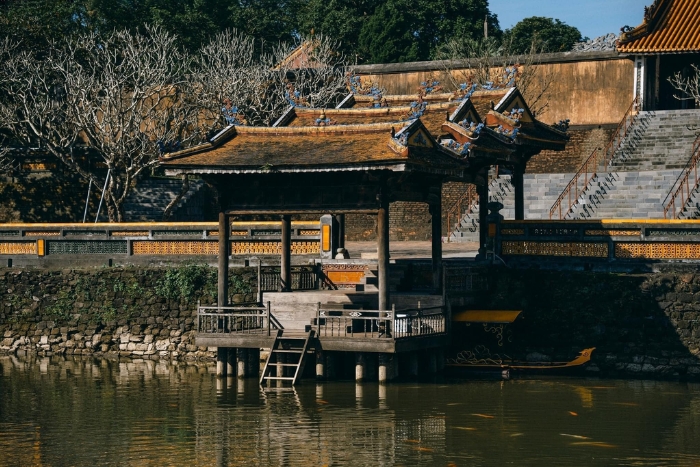
In Hue, the Imperial Citadel and the tombs of the Nguyen emperors offer a deeper understanding of Vietnam's imperial history. Hoi An, with its old houses, colorful lanterns and peaceful streets, is a natural addition to this cultural itinerary.
For a first visit, 2 weeks in Vietnam in January do not necessarily have to include every region of the country. An itinerary combining Hanoi, Ninh Binh, Halong Bay, Ho Chi Minh City and the Mekong Delta already gives you an overview of several sides of Vietnam.
You can alternate between heritage, landscapes, urban life and local experiences while avoiding too many long journeys. In January, this combination also allows you to gradually move from the cooler climate of the North to the warmer temperatures of the South.
If you want to slow down, focus on destinations where local encounters and everyday life take center stage.
Mai Chau, Pu Luong and Ninh Binh are ideal for staying in a rural environment, discovering villages and, if you wish, spending a night in a local homestay. Staying with a local family is a simple way to experience traditional food and Vietnamese hospitality.
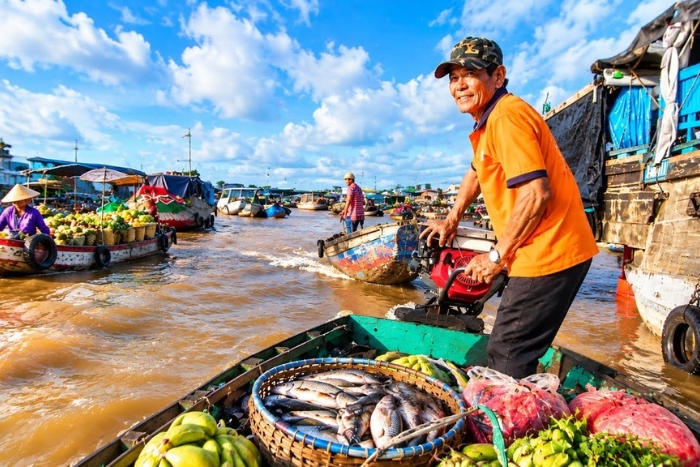
In the South, you can also take your time exploring Ben Tre, Can Tho or Cai Be, with their markets, small canals and villages scattered throughout the Mekong Delta.
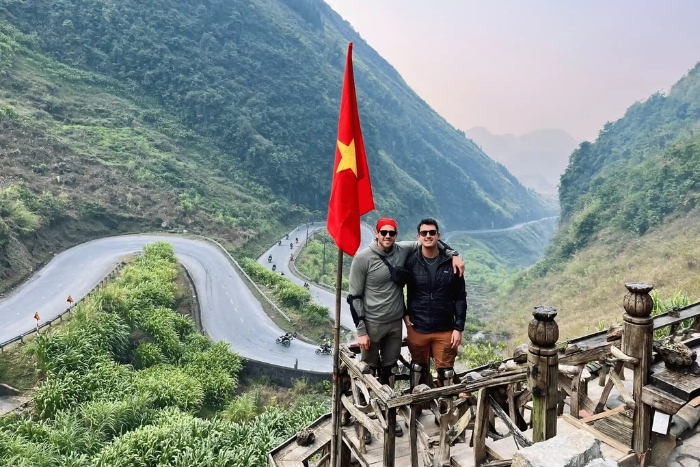
Travelers looking for wide-open spaces can head to Northern Vietnam. 15-day Vietnam backpacking itinerary with Ha Giang Loop is particularly appealing for its mountain roads, spectacular scenery and cultural diversity among its ethnic communities. The region can be explored by motorbike or with a local driver.
For a different type of adventure, Phong Nha offers an impressive network of caves surrounded by dramatic karst landscapes. Several excursions allow you to explore the area on foot and discover its remarkable natural environment.
In January, however, make sure to pack warm clothing for the mountainous areas of Northern Vietnam, where temperatures can be quite low.
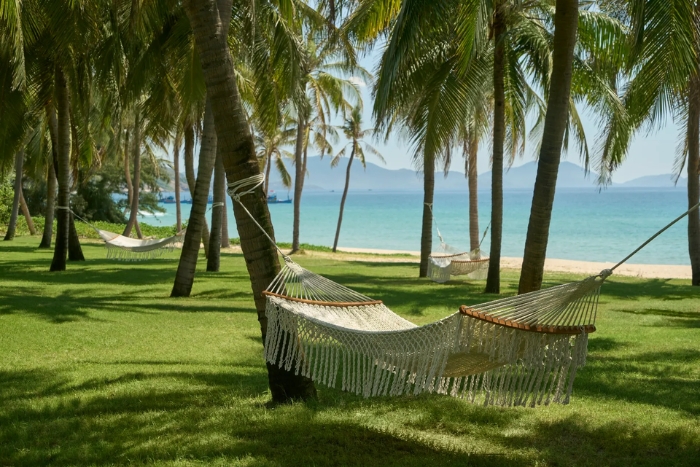
If your priority is sunshine and the sea in January, Southern Vietnam is the better choice.
Phu Quoc is particularly suitable for a family holiday or a few relaxing days at the end of a tour. Its white-sand beaches, boat trips and leisure activities allow you to combine swimming with island exploration.
For a more upscale atmosphere, Cam Ranh offers beautiful beaches and several high-end resorts. Quy Nhon is a quieter alternative, with small bays, coastal roads and seafood restaurants.
It is possible, but it will significantly change the pace of your trip.
An itinerary covering Hanoi – Ninh Binh – Halong Bay – Hue – Hoi An – Ho Chi Minh City – Mekong Delta can fit into 15 days. However, you will have little flexibility to change your plans, and several days will be partly taken up by transportation.
The issue is not only the distance. At every new destination, you need to get to a train station or airport, complete the journey, reach your hotel and get familiar with a new place. Over a short trip, these hours add up quickly.
For this reason, focusing on two major regions can often be more enjoyable than trying to cover three. For example, you could choose:
Days 1–3: Hanoi
Days 4–5: Ninh Binh
Day 6: Halong Bay or Lan Ha Bay
Days 7–9: Ho Chi Minh City
Days 10–11: Ben Tre
Days 12–13: Can Tho
Days 14–15: Return to Ho Chi Minh City and departure
This is a well-balanced option if you want to experience two very different sides of Vietnam. You begin in the cooler North before gradually heading toward the warmer climate of the South.
Hanoi: 3 days
Ninh Binh: 2 days
Mai Chau: 2 days
Pu Luong: 3 days
Halong Bay: 2 days / 1 night
Hanoi: 2 days
Transfer / departure: 1 day
With 15 days, you can take your time exploring several landscapes in Northern Vietnam without rushing from one city to another.
After Hanoi and Ninh Binh, spend a few days in Mai Chau or Pu Luong. Local homestays and village walks allow you to slow down and experience rural life. Finish your trip with a cruise in Halong Bay or Lan Ha Bay.
In January, however, make sure you bring warm clothing, especially for nights in rural and mountainous areas.
Ho Chi Minh City: 3 days
Ben Tre: 2 days
Can Tho: 2 days
Chau Doc: 2 days
Phu Quoc: 5 days
Departure / transfer: 1 day
This route is particularly suitable for travelers who would rather avoid the cool temperatures of Northern Vietnam.
After a few days in Ho Chi Minh City, gradually travel into the Mekong Delta. In Ben Tre, coconut groves and small canals offer a different perspective on Vietnam. Can Tho allows you to experience more of the region's river life before ending your trip with several days in Phu Quoc.
The Mekong Delta is particularly suitable for travel from November to April, while Phu Quoc enjoys pleasant temperatures during the dry season.
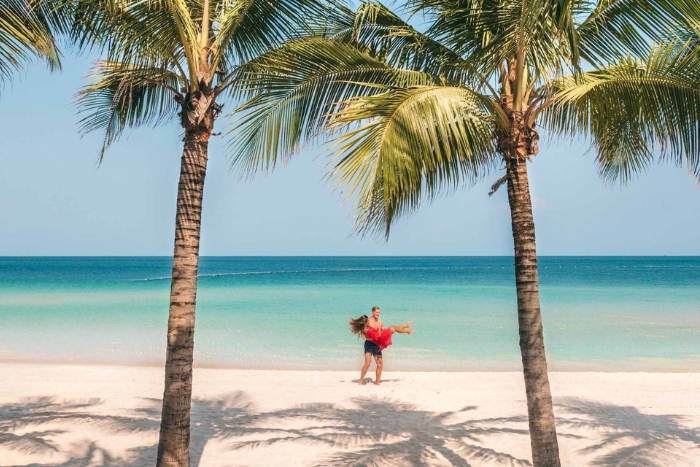
Hanoi: 3 days
Ninh Binh: 2 days
Halong Bay: 2 days / 1 night
Hue: 3 days
Hoi An: 4 days
Departure / transfers: 1 day
This combination is well suited to travelers who want to explore Vietnam's historical and architectural heritage.
Hanoi and Ninh Binh make up the first part of your 2 weeks in Vietnam in January, before continuing to Hue and Hoi An. In January, however, you should expect more variable weather in Central Vietnam. Hoi An can be cool, cloudy and humid, while February to August is generally more favorable for warmer and sunnier conditions.
Choose this itinerary for heritage and atmosphere rather than for two weeks of sunshine.
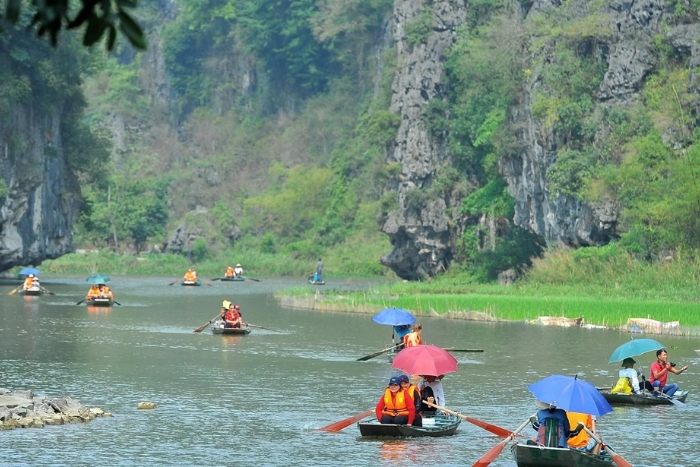
2 weeks in Vietnam in January are well suited to experiences where cooler weather is not necessarily a problem.
In Hanoi, take time to walk around the Old Quarter, try Vietnamese coffee or explore local markets. In Ninh Binh, a boat trip or cycling excursion is a pleasant way to enjoy the scenery without having to deal with intense heat.
In rural Northern Vietnam, spending a night in a homestay in Mai Chau or Pu Luong offers a different experience, with family-style meals, traditional houses and a glimpse into everyday local life.
If you choose Southern Vietnam, the pace changes. A sampan ride along the small canals of the Mekong Delta, a walk through the coconut groves of Ben Tre or a visit to local markets are particularly suitable at this time of year.
If you finish your trip in Phu Quoc, simply leave a few days without too many planned activities. In January, the island can be a genuine break after sightseeing and long journeys.
Finally, January can offer some interesting seasonal experiences in Northern Vietnam. In Moc Chau, plum blossoms add a special atmosphere to the landscapes at the beginning of the year.
The main mistake to avoid during 2 weeks in Vietnam in January is packing as if the entire country had the same climate.
If your itinerary starts in Hanoi, Ninh Binh or the mountains, bring several layers: a sweater, a light to warm jacket, trousers and closed shoes. A waterproof jacket can also be useful.
For Central Vietnam, add something to protect you from the rain. In Hoi An and Hue, it is better to be prepared for cool and humid days.
In the South, you will mainly need lightweight, breathable clothing. If Phu Quoc is part of your itinerary, obviously pack a swimsuit, sunglasses, a hat and sun protection.
A practical packing list for 15 days can therefore include:
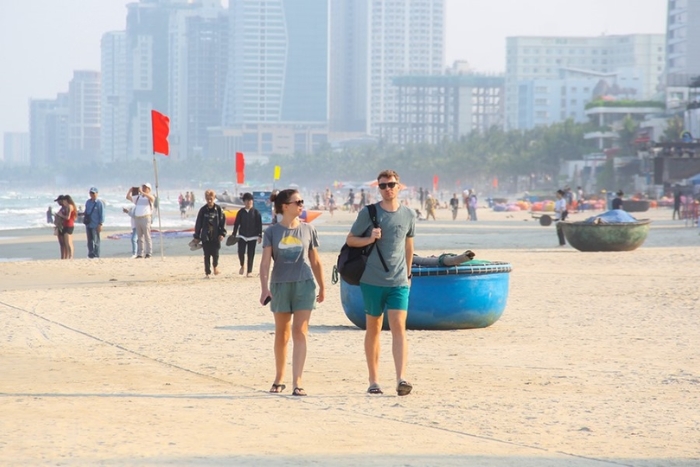
January is a good time to discover Vietnam, provided that you choose your itinerary according to the weather. The South attracts travelers with its dry and sunny climate, while the North offers misty landscapes and a distinctive winter atmosphere. In Central Vietnam, it is better to remain flexible because rain is still possible. January is also an interesting time to experience the preparations for Tet, flower markets and everyday local life.
To make the most of your 2 weeks in Vietnam in January, Autour Asia, a travel agency in Vietnam, can help you create an itinerary adapted to your interests and preferred pace.


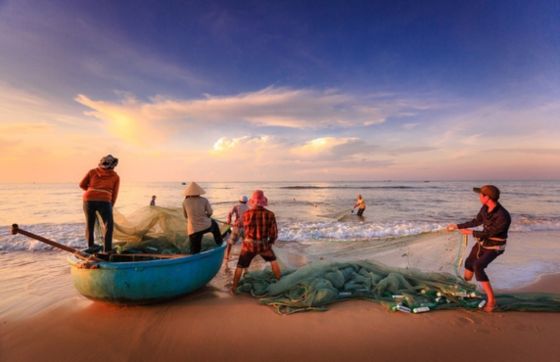
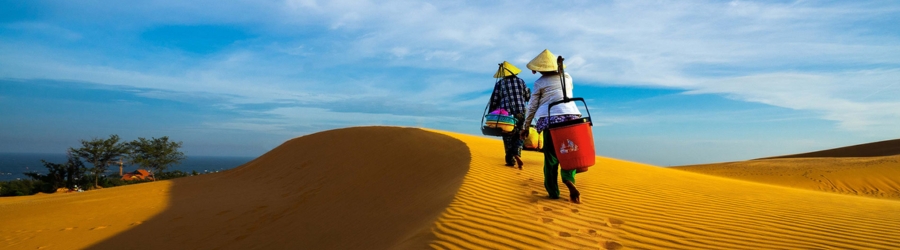
Phan Thiet, a coastal city in Binh Thuan Province, is best known for Mui Ne, an internationally renowned seaside destination. With its beaches, fishing villages, and desert-like sand dunes, the region offers a diverse range of landscapes rarely found elsewhere in Southeast Asia. In November, temperatures remain pleasant for exploring the coast, although occasional showers are still possible. Visiting Phan Thiet Mui Ne in November requires a little preparation to make the most of your stay. This complete guide covers the weather, must-see attractions, transportation options, and practical tips to help you plan your trip to Vietnam in November.
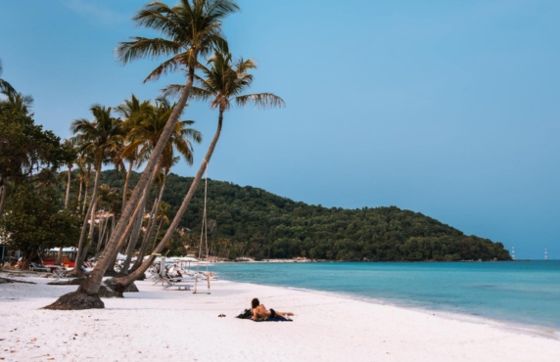
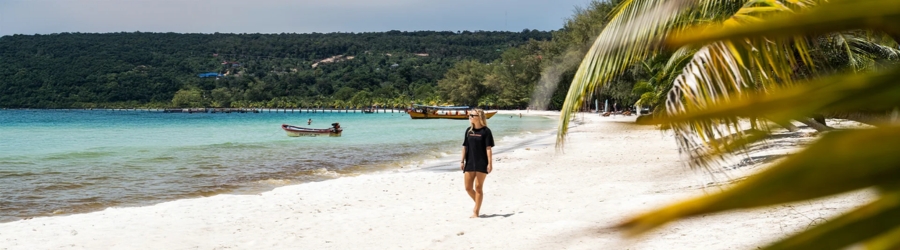
Vietnam’s beaches are best enjoyed at different times of the year, depending on the region. From the turquoise waters of the South to the long stretches of white sand in the Central region and tropical islands, each area has its own climate patterns. To better understand when to visit Vietnam, it is important to consider the weather conditions in each destination. The best time to visit beaches in Vietnam depends on region you choose as well as the activities you have planned. The best time to swim in Vietnam also varies according to rainfall, water temperature and sea conditions. Understanding the Vietnam beach season helps you choose destinations that match your travel dates and enjoy the coastline in good conditions.
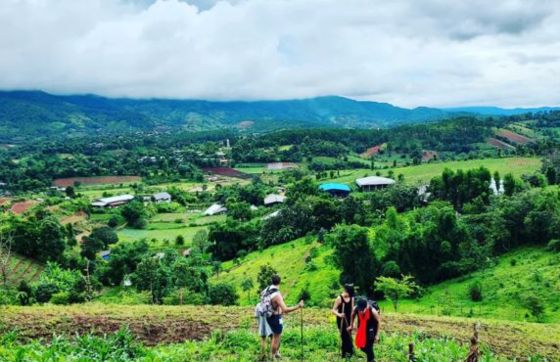
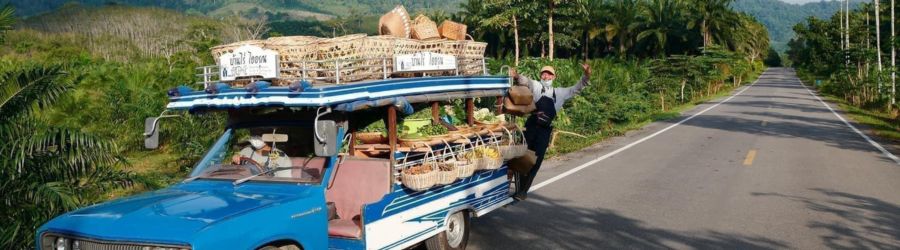
Discovering Thailand through its rice fields, plantations, and rural villages offers a different way to travel, far from traditional tourist circuits. But how can you choose the best agency for Thailand farm tours to enjoy authentic experiences with local communities? Several tour operators offer trips combining agriculture, gastronomy, and encounters with producers. Among them, Autour Asia is an option for travelers who want to personalize their itinerary. Known as Vietnam travel agency - Autour Asia, the company also offers tailor-made trips to several countries in Southeast Asia. With the local travel agency in Thailand - Autour Asia, travelers can explore a trip designed around their interests. Here are five organizations worth knowing, their distinctive features, and the essential criteria for planning a successful agricultural tour in Thailand.
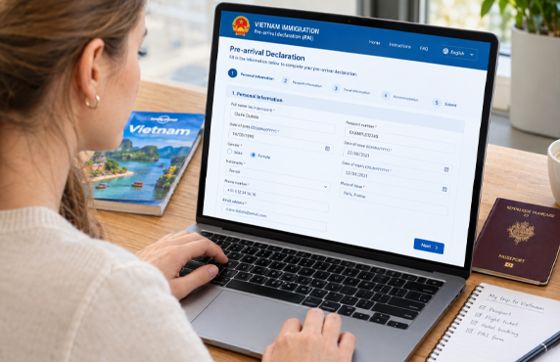
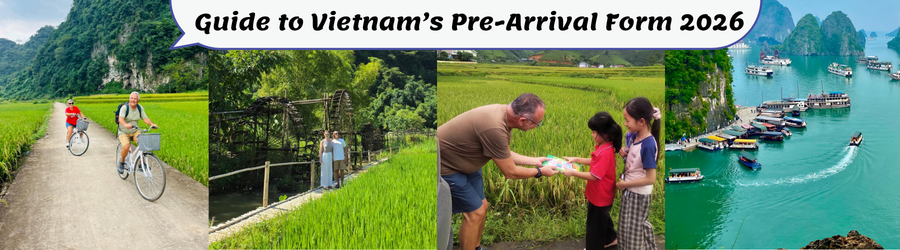
Planning a trip to Vietnam? Before packing your bags, take a few minutes to check the latest entry requirements and prepare the documents you may need at the airport.
Vietnam’s Pre-Arrival Information (PAI) system allows international travellers to submit selected personal, visa and travel details online before arriving in the country. After a successful submission, the system generates a QR code that travellers can save on their phones or print for use during immigration procedures. Although the online declaration is designed to help make arrival procedures smoother, travellers should understand when it applies, how to complete it correctly and which documents they still need to enter Vietnam.
In this practical guide, you will discover where to access the official PAI portal, what information to prepare, how to complete the declaration step by step, how to correct common mistakes and what to do when you arrive at the airport.
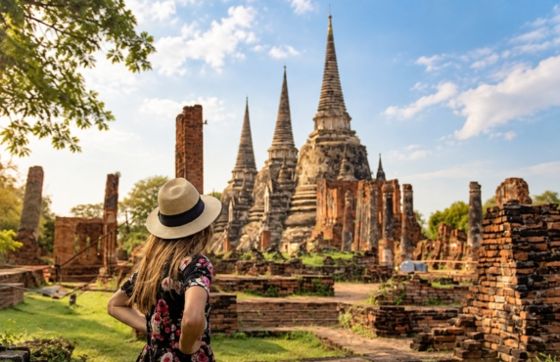
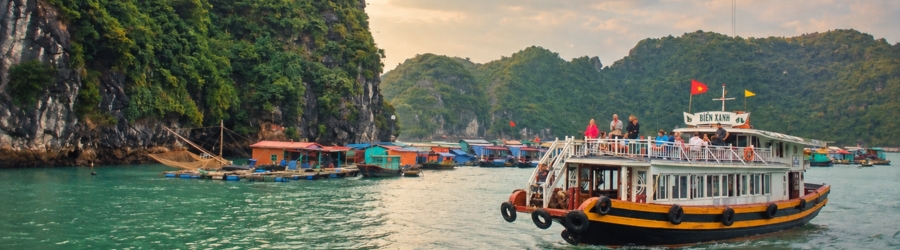
With its exotic landscapes, fascinating cultures and diverse experiences, Vietnam and Thailand are among the most popular destinations in Southeast Asia. However, safety remains an important criterion when planning your trip. So, how can you choose Vietnam or Thailand for a safe trip depending on the way you travel ? And is Vietnam safer than Thailand ? Each destination has its own characteristics and points to consider. In this article, Autour Asia helps you compare Vietnam and Thailand to better understand their differences and choose the destination that meets your expectations for your next trip to Asia.
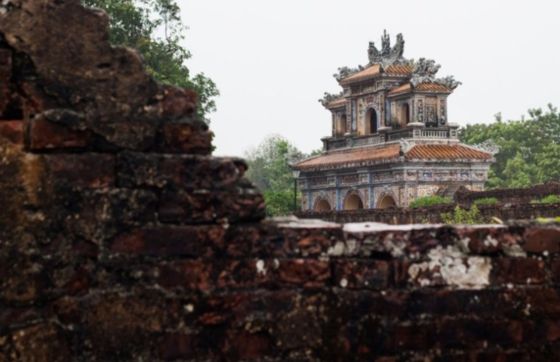
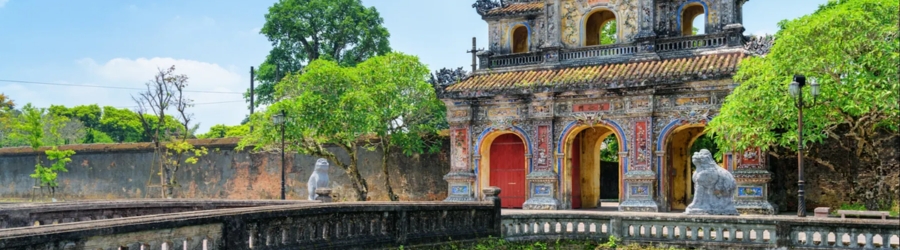
Planning a trip to Hue in November requires a little more flexibility than at other times of the year. Visiting Hue in November means experiencing the rainy season in central Vietnam, with prolonged showers and a risk of flooding. However, this period can also be an opportunity to explore the former imperial capital’s royal heritage, pagodas and renowned cuisine in a quieter atmosphere. The key is to choose your activities carefully, prepare alternative plans and check the weather conditions before setting out.
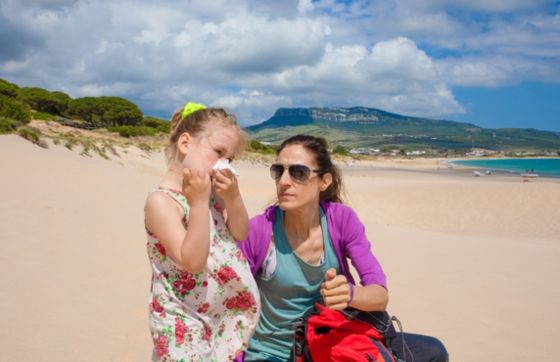

When travelling in Cambodia, some everyday habits may raise questions about local customs. Is blowing your nose in public considered polite? How should you behave in restaurants, on public transport or during a visit? These small details matter when you want to respect the local culture. Discover how to manage blowing your nose in Cambodia discreetly, along with practical tips on using tissues during your trip. Autour Asia, Cambodia travel agency, helps you discover local customs with advice tailored to travellers. From Cambodia travel etiquette to personal hygiene and everyday situations, a few simple guidelines can make your journey more comfortable. In Phnom Penh, Siem Reap or Kampot, understanding local customs helps you avoid awkward moments while making the most of your stay.
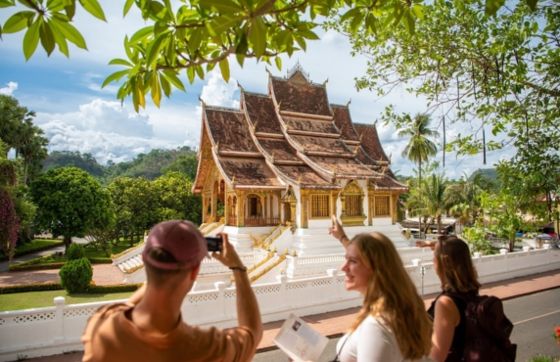
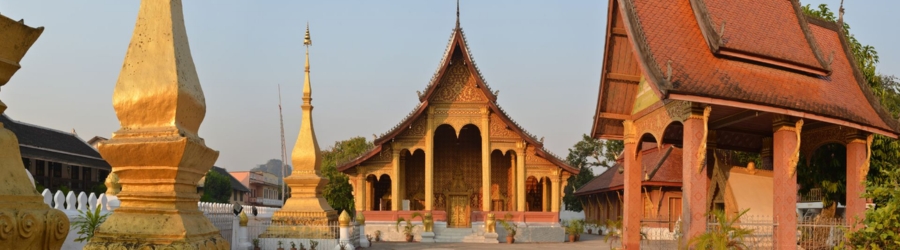
Blow your nose in Laos is not necessarily considered rude, but it is best to do so discreetly, especially in quiet places or during meals. If you have a cold, use a clean tissue and avoid blowing your nose loudly in public. In temples and other places of worship, respect the peaceful atmosphere and local customs. If you need to blow your nose frequently, step away from others for a moment whenever possible. Finally, dispose of used tissues in a rubbish bin. These simple habits will help you observe good manners during your trip to Laos.



 FR
FR EN
EN