March is an excellent time to discover Vietnam in 15 days, particularly thanks to an overall climate that is favorable for traveling from North to South. Between the mild spring weather of the North and the dry heat of the South, you can enjoy varied but generally pleasant temperatures, with less heavy rainfall than during the peak monsoon season.
These conditions allow you to combine cultural visits, cycling, cruises, rural discoveries and seaside relaxation. You also travel during a busy tourist season: hotels, excursions and transportation operate fully, with many services available. In return, some sites are more crowded and popular services require advance booking. March thus offers a good balance between weather, experiences and comfort for organizing a 15-day Vietnam tour.
Learn more: Vietnam in 2 weeks in March
Places to visit in Vietnam in March
Vietnam stretches over more than 1,600 km from north to south, explaining significant climatic variations. During your 15-day Vietnam trip in March, you go from a mild and humid spring atmosphere to a hot and dry climate. Understanding these differences makes it easier to organize your activities and your luggage.
Between cool mornings and mild spring weather, Northern Vietnam in March offers a pleasant atmosphere, with temperatures often ranging between 17 and 25°C in the lowlands. Humidity remains present: light rain, cloudy skies or light mist may accompany your mornings. However, this mild climate becomes a real advantage for exploring the region and starting your Vietnam itinerary in March without having to endure the summer heat.
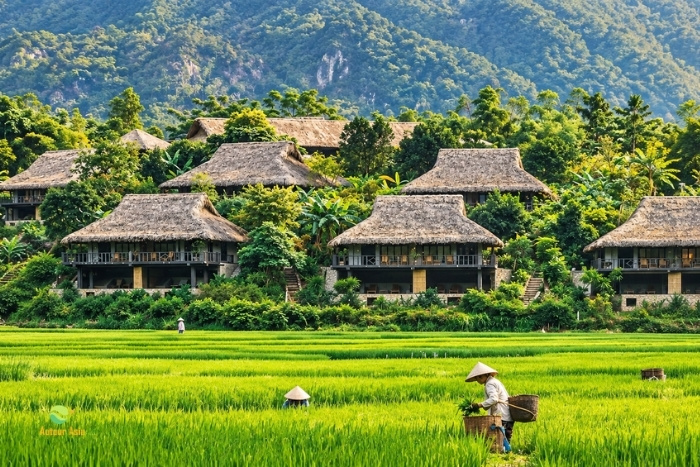
You can explore the streets of Hanoi, cycle between villages and rice fields in Mai Chau or climb Hang Mua in Ninh Binh in comfortable conditions. In Lan Ha Bay, the mist sometimes surrounding the karst peaks brings a peaceful atmosphere to your cruise or kayaking trip. Simply pack layers of clothing, a light jacket and a windbreaker to fully enjoy each stop.
As you continue your journey toward Central Vietnam, you find a brighter and warmer atmosphere after the cool weather of the North. Around Hoi An and Da Nang, temperatures generally range between 21 and 29°C: mild mornings and pleasantly warm afternoons. Rainfall is less frequent than at the end of the year, while sunny periods are more favorable for outdoor activities.
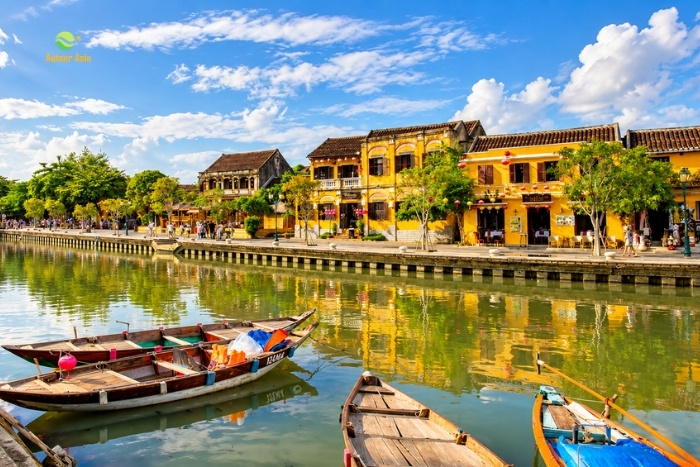
This climate allows you to vary your experiences during your 15 days in Vietnam in March: stroll among yellow houses and lanterns, cycle to the vegetable gardens of Tra Que or craft villages. Sunny days invite you to take a break at An Bang, with swimming depending on sea conditions. In the evening, when the heat subsides, walk along the river, dine on a terrace and enjoy the illuminated streets without the summer heat.
Further south, the climate becomes distinctly tropical. March falls in the middle of the dry season, with temperatures generally ranging between 25 and 35°C, abundant sunshine and relatively low rainfall. Mornings are warm but still pleasant, while the heat intensifies around midday and in the early afternoon, particularly in Ho Chi Minh City and the Mekong Delta. These conditions are generally favorable for a 15-day Vietnam trip, even though it is better to adapt your pace to the hottest hours of the day.
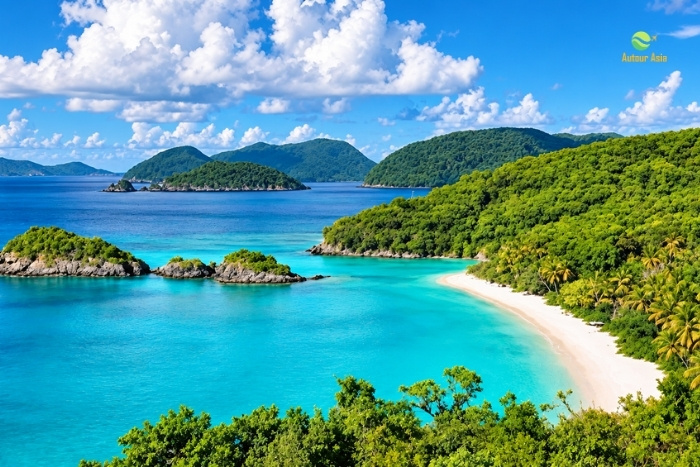
In Phu Quoc, March remains a popular time to enjoy the coastline and sea activities when conditions allow. This heat contrasts sharply with the mild weather of the North: therefore, choose breathable clothing, good hydration and effective sun protection throughout your stay.
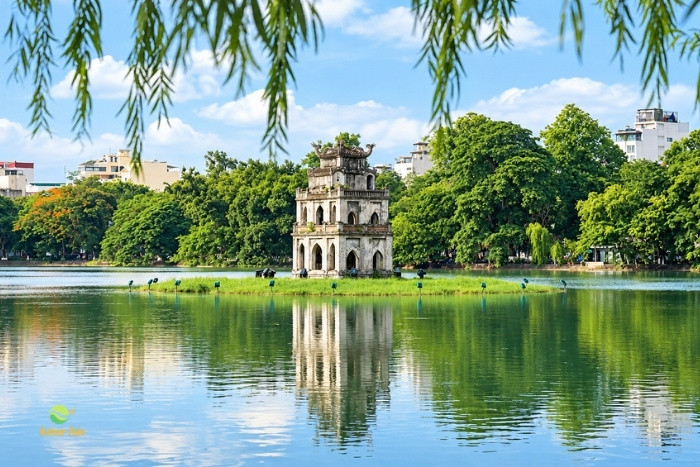
To start your 15-day Vietnam tour at a gentle pace, devote your first two days to Hanoi, which is pleasant to explore on foot in March. After your arrival, walk around Hoan Kiem Lake, cross the red The Huc Bridge to Ngoc Son Temple, then immerse yourself in the lively atmosphere of the Old Quarter. In the early evening, attend a water puppet show, a traditional art of the Red River Delta, before enjoying a steaming bowl of pho or grilled bun cha.
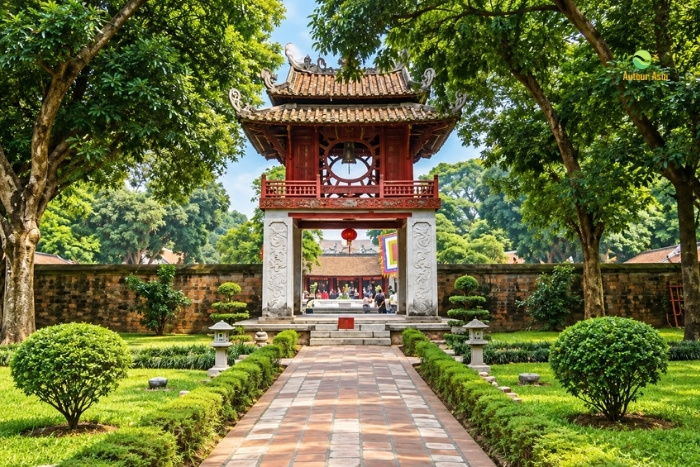
The next day, immerse yourself in Hanoi’s history at the Temple of Literature and the Ho Chi Minh Complex, then discover the French Quarter or a museum. In the afternoon, return to the streets of the old guilds, lively with the daily life of the Old Quarter. Then take a break to taste the famous egg coffee. For your 15 days in Vietnam in March, mist and light rain remain possible in the North: a light jacket is enough to comfortably enjoy your walks.
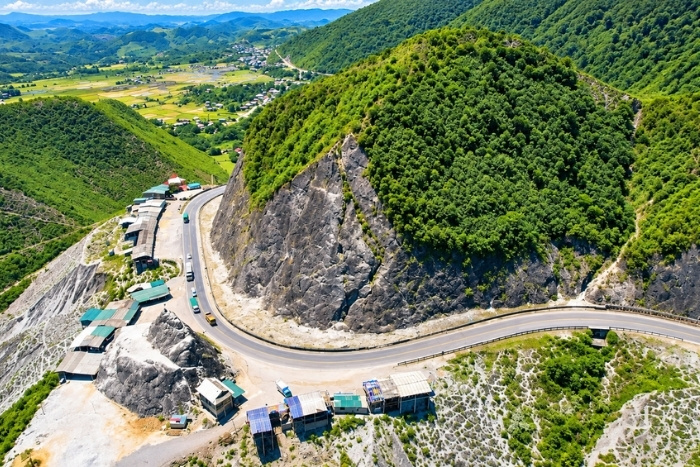
After two days in the lively atmosphere of Hanoi, your 15-day Vietnam itinerary in March continues toward Mai Chau and its rural character. Allow around 3.5 hours for the journey: little by little, the city gives way to hills and mountainous landscapes. If conditions allow, a stop at Thung Khe Pass offers a beautiful view over the valley before your arrival.
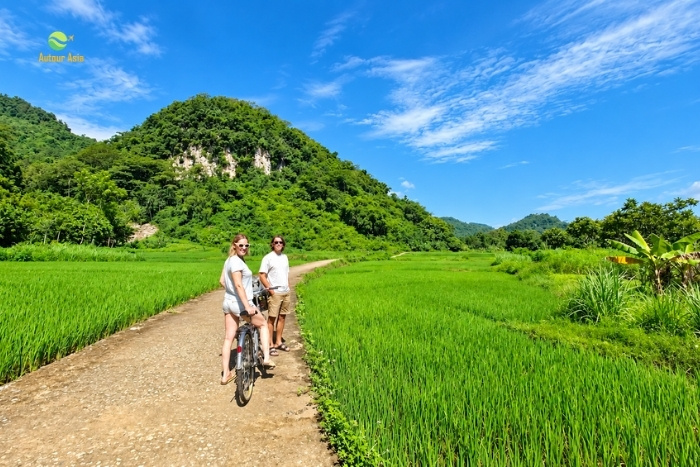
After lunch, get on a bicycle to explore the countryside and the villages of Lac or Pom Coong. Among rice fields, stilt houses and rural paths, discover the daily life of Thai communities and traditional weaving in a family workshop. If you choose to travel to Vietnam in March, the mild climate pleasantly accompanies this ride. In the evening, enjoy Mai Chau specialties such as com lam and grilled meats, then watch traditional dances and try mua sap, before spending the night in a lodge or stilt house.
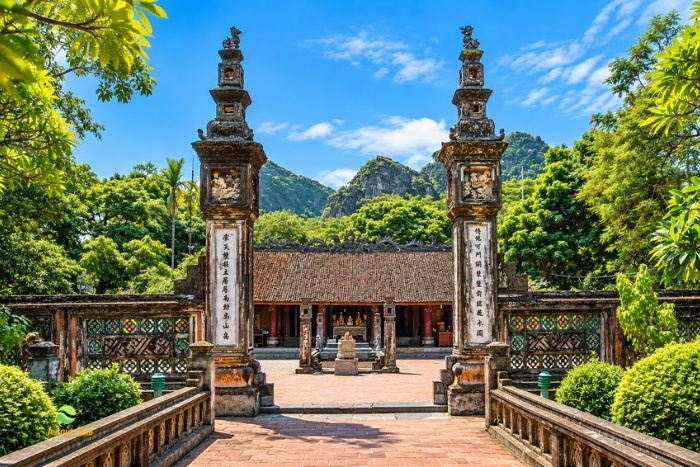
Your 15-day Vietnam tour in March continues from the mountains of Mai Chau toward Ninh Binh, where limestone formations rise amid peaceful countryside. After around four hours on the road and settling in, keep a relaxed pace by discovering Hoa Lu, the former capital of Vietnam. Dinh Le Temple allows you to learn about the country’s history without making the day too busy. Then continue by bicycle along the small roads around Tam Coc, between villages, fields and imposing karst peaks.
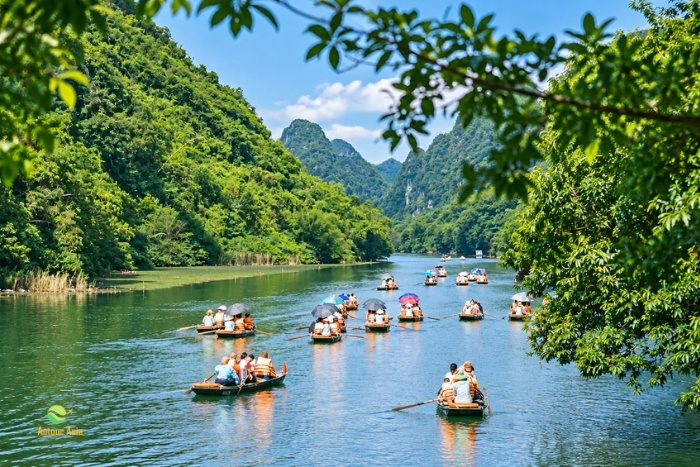
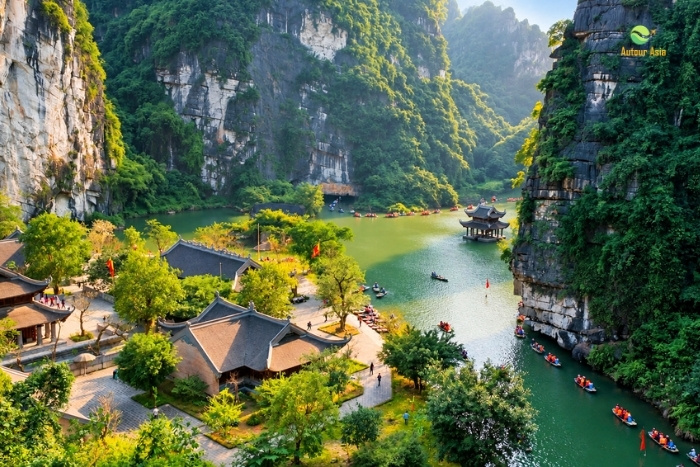
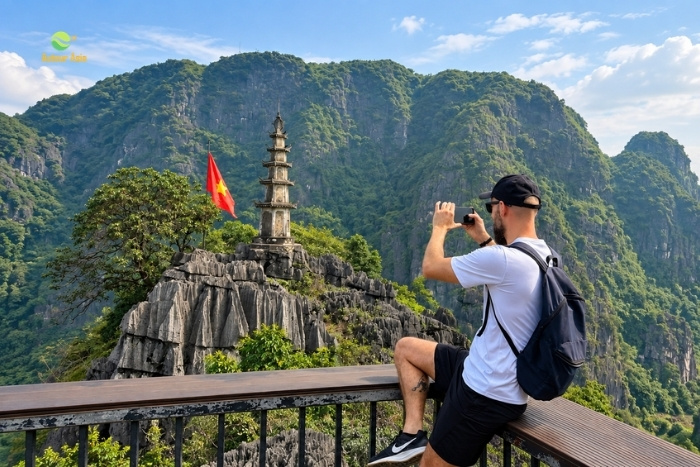
The next morning, change your perspective at Trang An: by boat, navigate between limestone cliffs, natural caves and isolated sanctuaries. In the afternoon, head to Hang Mua and climb its approximately 500 steps to admire one of the most beautiful panoramas in Ninh Binh. During your 15 days in Vietnam in March, the mild temperatures make cycling and walking more pleasant. If you prefer to avoid the climb, continue cycling peacefully through the countryside or choose a boat ride at Van Long to end this stage in the heart of Ninh Binh’s landscapes.

Your 15-day Vietnam trip in March continues in Lan Ha Bay. After an early morning departure from Ninh Binh, embark on an overnight cruise among limestone islets and coves. Have lunch while cruising, then go kayaking at the foot of the cliffs. Swimming remains possible if conditions allow. Back on board, enjoy the outdoor deck, a cooking workshop or the scenery before dinner and the night on the bay. In March, mist and cloudy skies sometimes envelop the karst formations in a mysterious atmosphere.

Upon waking, enjoy a few more hours on the water with a morning activity, then have breakfast or brunch before disembarking. Your Vietnam itinerary in March continues toward Central Vietnam: transfer to the airport, fly to Da Nang, then travel by road to Hoi An. Once settled in, enjoy a quiet evening and save the discovery of the Old Town for the following days.
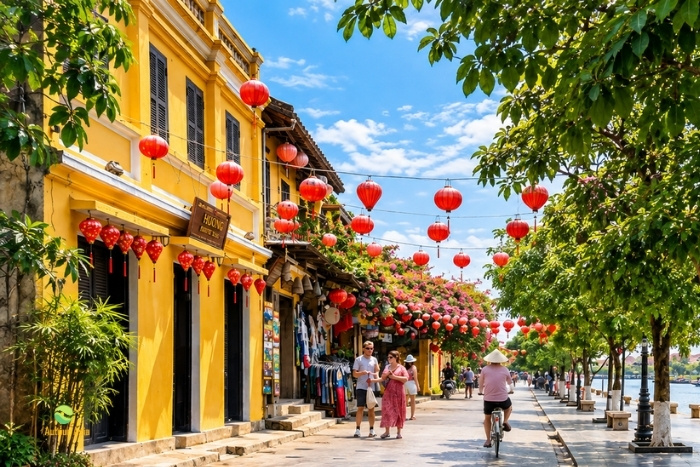
3 days in Hoi An allow you to slow down and vary your experiences without long journeys. If you are wondering what to do in Hoi An, explore the Old Town on foot, between the Japanese Bridge, old merchant houses and Chinese assembly halls. Stop at a café or the market before heading to the Hoai River. At nightfall, lanterns illuminate the yellow facades: a walk along the river and a dinner of cao lau or white rose dumplings pleasantly extend the evening.
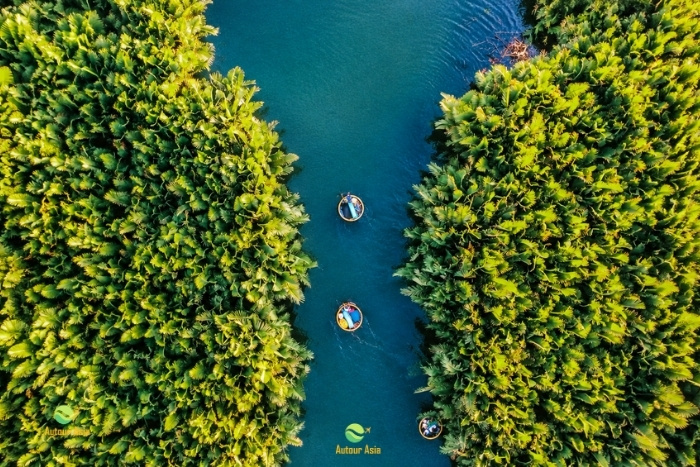
Change the atmosphere completely the next day by getting on a bicycle toward Tra Que Vegetable Village. The country paths lead you to the vegetable gardens to discover local herbs and take part in a farming activity or a cooking class. In the afternoon, choose an experience according to your preferences: make your own lantern in a craft workshop or discover the water coconut palms of Cam Thanh by boat. During your 15 days in Vietnam in March, the mild and relatively dry conditions are particularly favorable for these outdoor activities.
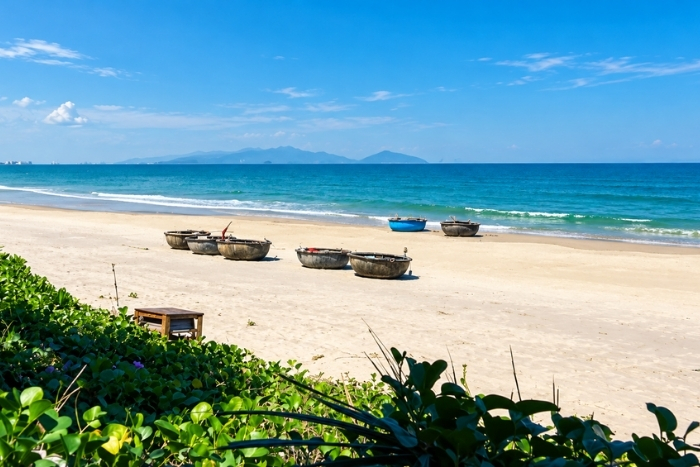
For your last morning in Hoi An, take a break at An Bang Beach: walk on the sand, relax or swim if conditions allow. After a light lunch, return to the hotel to collect your luggage. Your 15-day Vietnam trip then continues toward the South: head to Da Nang Airport and fly to Ho Chi Minh City. Upon arrival, settle in at a relaxed pace and have dinner near your hotel, before devoting the following day to discovering the metropolis.
Explore more: 1 week in Hue Da Nang Hoi An
7 days in Hoi An Ho Chi Minh City
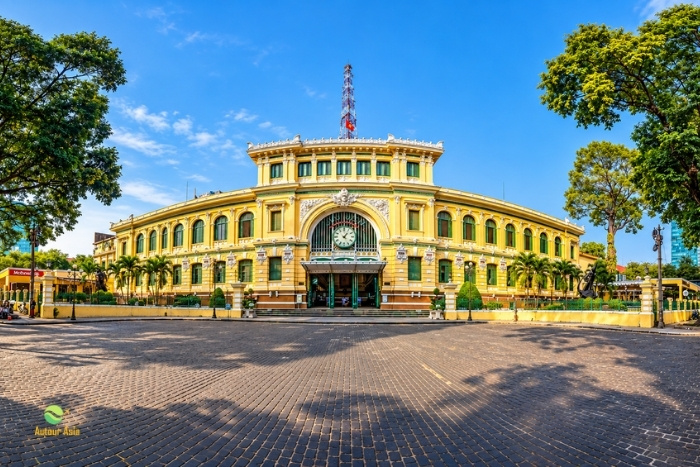
Ho Chi Minh City immerses you in a different energy, between historic buildings, scooters and modern districts. Among the things to do in Ho Chi Minh City, discover the Independence Palace, the Central Post Office and the surroundings of Saigon Notre-Dame Cathedral. Depending on your preferences, also visit the War Remnants Museum to better understand contemporary history. At lunchtime, slow down over a com tam or a Vietnamese coffee: in March, a break during the hottest hours makes the visit more pleasant.
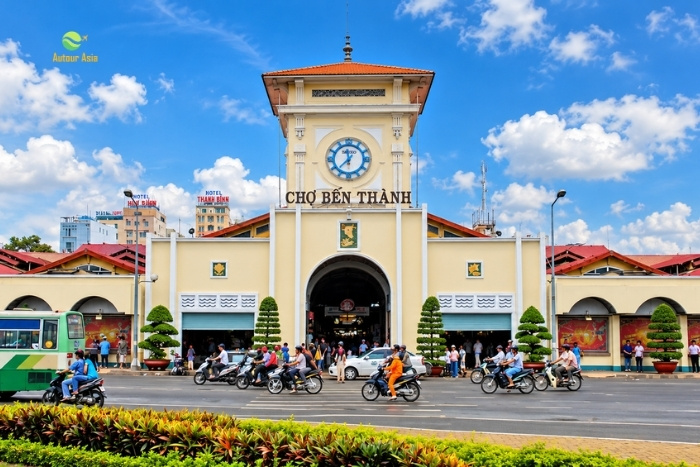
In the late afternoon, your 15-day Vietnam itinerary in March brings you back into the lively atmosphere of Ben Thanh Market, among spices, coffee, fruits and local specialties, or toward Cholon and its Sino-Vietnamese atmosphere. As the sun goes down, the city becomes particularly lively: walk along Nguyen Hue, taste a few street food dishes in the nearby streets then, if you want to get a higher view, end the evening on a rooftop overlooking the lights of the metropolis.
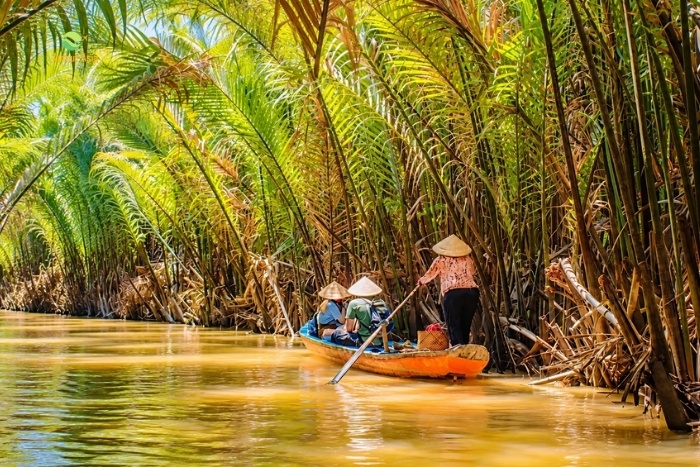
During your 15 days in Vietnam in March, leave Ho Chi Minh City for Ben Tre, among rivers, coconut groves and villages. Embark on the Ham Luong River, then glide by boat through canals lined with water palms. Discover a family-run coconut processing workshop and taste local products. After a lunch featuring the flavors of the delta, continue by bicycle among tropical gardens, plantations and peaceful hamlets. In the late afternoon, head to Can Tho for dinner and an overnight stay.
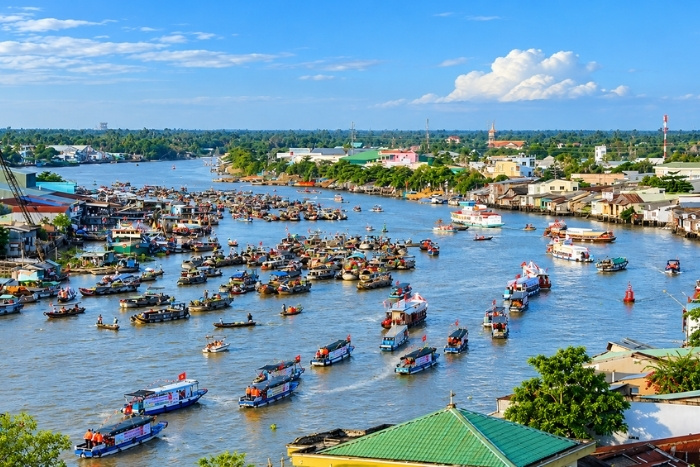
Day 13 begins early in Can Tho with a boat trip to Cai Rang Floating Market, where boats loaded with fruits, vegetables and agricultural products illustrate the river trade of the delta. Upon returning, have lunch before continuing your trip to Vietnam in March toward Phu Quoc. Head to the airport for your flight or, if the itinerary requires a return to Ho Chi Minh City, allow enough time. Upon your arrival on the island, quietly enjoy a first evening by the sea.
See more: 4 days in Saigon Mekong Southern Vietnam
When is the best time to visit Mekong Delta in Vietnam
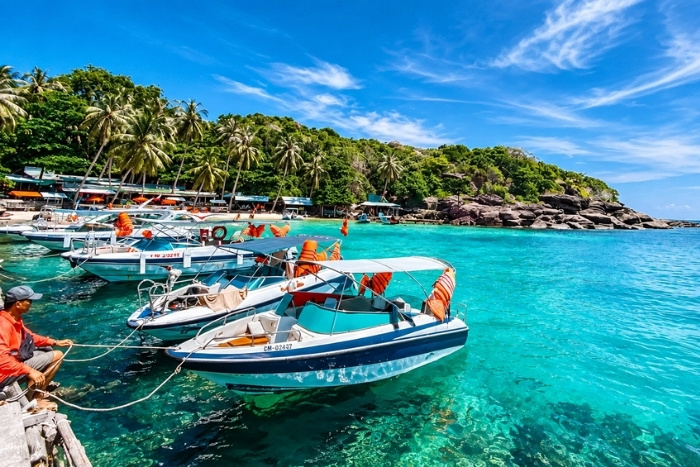
The last days of your 15-day Vietnam tour in Phu Quoc invite you to enjoy your time without filling every hour. Start with a morning at Bai Sao or Bai Khem, between swimming, light-colored sand and relaxation. For more adventure, take a boat to the An Thoi Islands and go snorkeling if sea conditions allow. Upon returning, head to the west coast to admire the sunset over the Gulf of Thailand, then enjoy a seafood dinner. In March, conditions are favorable for seaside activities.
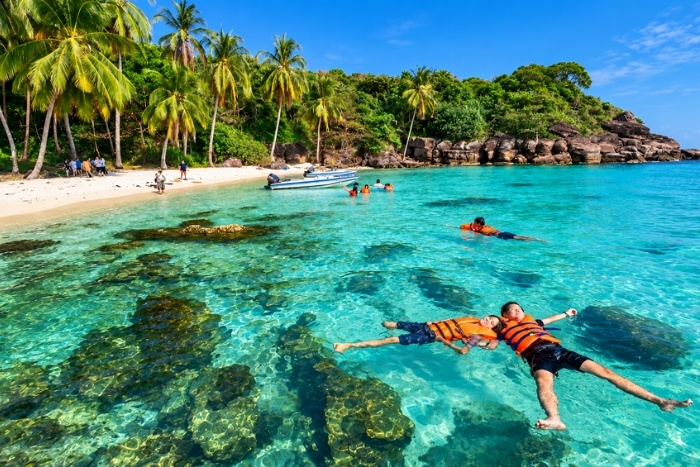
For your last morning, enjoy the quieter atmosphere of Ong Lang Beach. A walk on the sand, a coffee by the sea or one last swim offer a gentle conclusion to your stay. Simply adapt this program to your flight schedule, then collect your luggage and head to Phu Quoc Airport for departure.
With a route connecting Hanoi, the mountains of the North, Central Vietnam, the Mekong Delta and Phu Quoc, no single means of transportation is suitable for every stage. To optimize your 15 days in Vietnam in March, the most practical option is to combine several solutions depending on the distance and pace of the trip.
Plane: Choose domestic flights for long distances, particularly between the North and Da Nang, between Da Nang and Ho Chi Minh City, then to Phu Quoc. They allow you to save valuable time on a 15-day Vietnam itinerary.
Minivan or private car: These options are particularly suitable for the Hanoi - Mai Chau - Ninh Binh journeys as well as travel between Ho Chi Minh City, Ben Tre and Can Tho. A private car offers greater comfort and flexibility, especially for families or small groups.
Boat: It is an integral part of the experience in Ninh Binh, Lan Ha Bay and the Mekong Delta. Depending on the stage, you alternate between a traditional rowboat, a local boat and an overnight cruise.
Bicycle: Mai Chau, Ninh Binh and Hoi An are particularly well suited to bicycle rides for exploring villages, rice fields and the countryside at a relaxed pace.
Taxi, shuttle or scooter: Practical for short trips in Hoi An, Ho Chi Minh City and Phu Quoc. The scooter is especially suitable for travelers who are already comfortable with this means of transportation.
The train can be an interesting option on other tours, but it fits less easily into this fast-paced 15-day itinerary.
The budget travel 15 days in Vietnam in March mainly depends on accommodation, domestic flights, transfers and the cruise in Lan Ha Bay. For this itinerary, generally plan a budget of $90 to $2,050 per person, excluding international flights. With 4 to 5-star hotels, private transfers and a superior cabin, the budget can easily increase.
Item | Budget | Mid-range | Comfort |
Accommodation | around $205 - $320 | around $400 - $570 | around $680 - $1,025 |
Meals | around $135 - $205 | around $230 - $340 | around $400 - $570 |
Domestic transportation | around $205 - $320 | around $285 - $400 | around $400 - $570 |
Visits and activities | around $90 - $150 | around $150 - $250 | around $250 - $400 |
Lan Ha cruise | around $150 - $205 | around $205 - $285 | around $285 - $455 |
Estimated total | around $785 - $1,195 | around $1,265 - $1,840 | around $2,015 - $3,015 |
Several choices can quickly affect your budget: a cabin with a balcony in Lan Ha Bay, better-located hotels in Hoi An or Phu Quoc, private transfers or a boat excursion with snorkeling. Domestic flight fares also vary depending on the date and the time of booking.
Preparing your luggage for 15 days in Vietnam in March requires a little versatility, as you go from the sometimes humid mild weather of the North to the tropical heat of the South. The ideal option is therefore to choose clothes that are easy to layer and compact luggage, which is particularly practical with the many transfers and domestic flights.
For the North: Pack t-shirts, lightweight trousers, a jacket or a light sweater for cooler mornings and evenings. A waterproof windbreaker remains useful in Hanoi, Mai Chau and Lan Ha Bay in case of drizzle or wind.
For Central and Southern Vietnam: Choose lightweight and breathable clothing, along with a hat or cap, sunglasses and good sun protection. Also keep an outfit that covers your shoulders and knees for temples and pagodas.
For walking and activities: Bring comfortable sneakers for Hang Mua, bicycle rides and sightseeing days. Sandals are practical for Hoi An, the Mekong Delta and seaside stops.
For Lan Ha and Phu Quoc: Add a swimsuit, quick-drying clothes and a small waterproof pouch to protect your phone and documents during boat trips.
In your day bag: Mosquito repellent, personal medication, a small first-aid kit, a power bank and digital copies of your essential documents will be particularly useful.

15 days in Vietnam in March offers a great overview of the country, between heritage, rural landscapes, Lan Ha Bay, lively cities and the beaches of Phu Quoc. At this time of year, the differences in climate between the North, Central Vietnam and the South make it important to carefully organize your itinerary, transportation and luggage. By selecting complementary stops and transportation suited to long distances, you can fully enjoy these two weeks without turning the trip into a constant race. To create a 15-day Vietnam itinerary that matches your preferences, pace and budget, Autour Asia, a tailor-made travel agency in Vietnam, can assist you in creating a personalized tour.
You may also like:
- 15 days in Vietnam in February
- Central Vietnam 15 day itinerary
- 15-day Vietnam backpacking itinerary
- Vietnam in 2 weeks in summer
- Vietnam Travel Guide
- 15 day Vietnam itinerary
- Vietnam Packages Tours


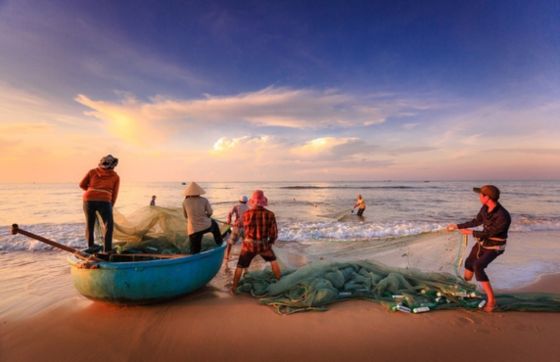
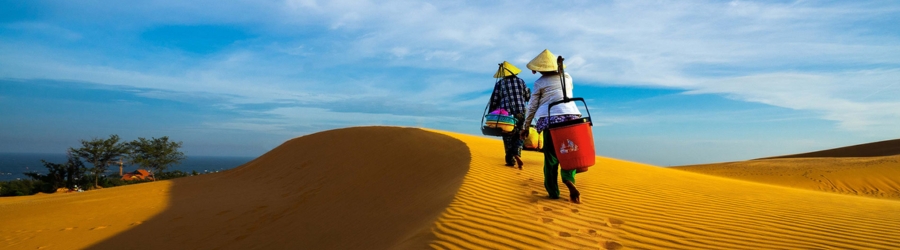
Phan Thiet, a coastal city in Binh Thuan Province, is best known for Mui Ne, an internationally renowned seaside destination. With its beaches, fishing villages, and desert-like sand dunes, the region offers a diverse range of landscapes rarely found elsewhere in Southeast Asia. In November, temperatures remain pleasant for exploring the coast, although occasional showers are still possible. Visiting Phan Thiet Mui Ne in November requires a little preparation to make the most of your stay. This complete guide covers the weather, must-see attractions, transportation options, and practical tips to help you plan your trip to Vietnam in November.
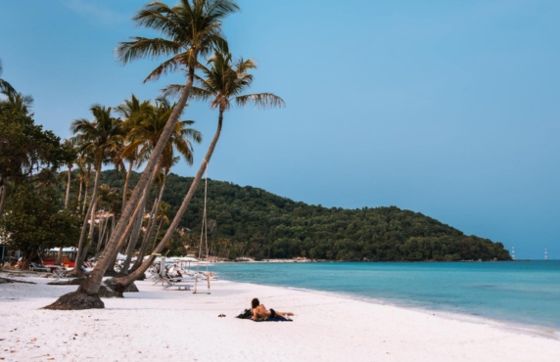
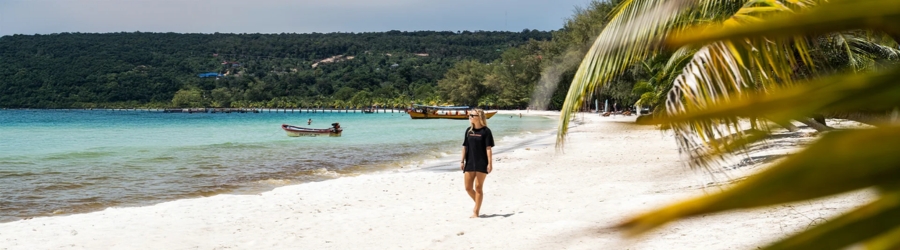
Vietnam’s beaches are best enjoyed at different times of the year, depending on the region. From the turquoise waters of the South to the long stretches of white sand in the Central region and tropical islands, each area has its own climate patterns. To better understand when to visit Vietnam, it is important to consider the weather conditions in each destination. The best time to visit beaches in Vietnam depends on region you choose as well as the activities you have planned. The best time to swim in Vietnam also varies according to rainfall, water temperature and sea conditions. Understanding the Vietnam beach season helps you choose destinations that match your travel dates and enjoy the coastline in good conditions.
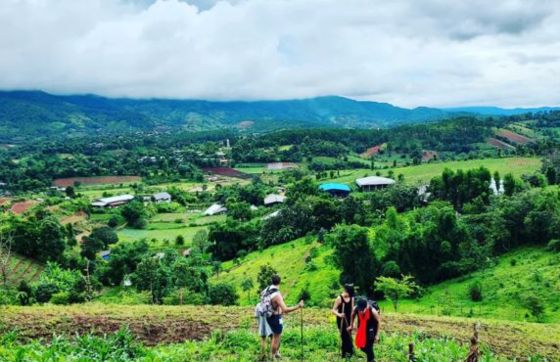
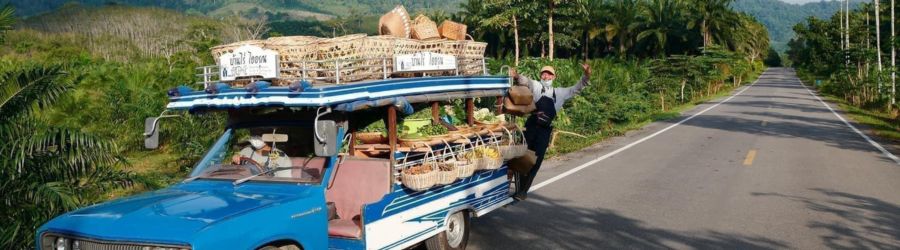
Discovering Thailand through its rice fields, plantations, and rural villages offers a different way to travel, far from traditional tourist circuits. But how can you choose the best agency for Thailand farm tours to enjoy authentic experiences with local communities? Several tour operators offer trips combining agriculture, gastronomy, and encounters with producers. Among them, Autour Asia is an option for travelers who want to personalize their itinerary. Known as Vietnam travel agency - Autour Asia, the company also offers tailor-made trips to several countries in Southeast Asia. With the local travel agency in Thailand - Autour Asia, travelers can explore a trip designed around their interests. Here are five organizations worth knowing, their distinctive features, and the essential criteria for planning a successful agricultural tour in Thailand.
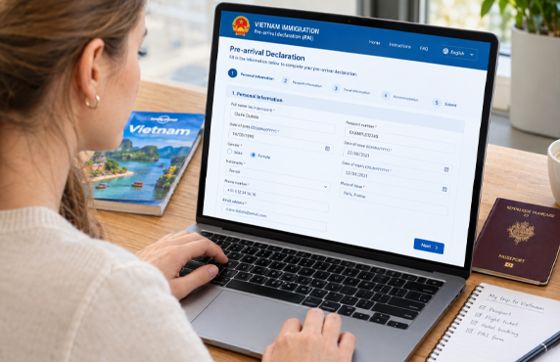
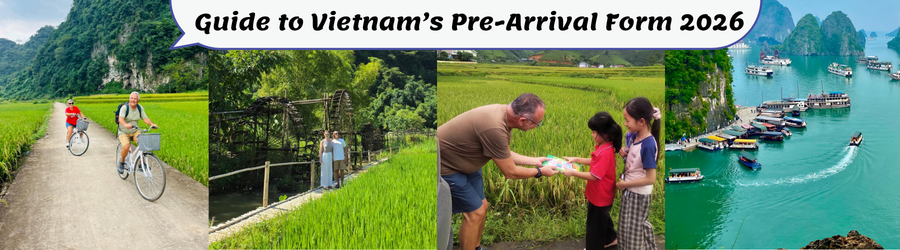
Planning a trip to Vietnam? Before packing your bags, take a few minutes to check the latest entry requirements and prepare the documents you may need at the airport.
Vietnam’s Pre-Arrival Information (PAI) system allows international travellers to submit selected personal, visa and travel details online before arriving in the country. After a successful submission, the system generates a QR code that travellers can save on their phones or print for use during immigration procedures. Although the online declaration is designed to help make arrival procedures smoother, travellers should understand when it applies, how to complete it correctly and which documents they still need to enter Vietnam.
In this practical guide, you will discover where to access the official PAI portal, what information to prepare, how to complete the declaration step by step, how to correct common mistakes and what to do when you arrive at the airport.
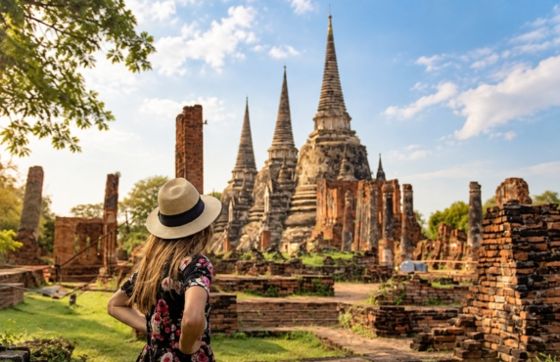
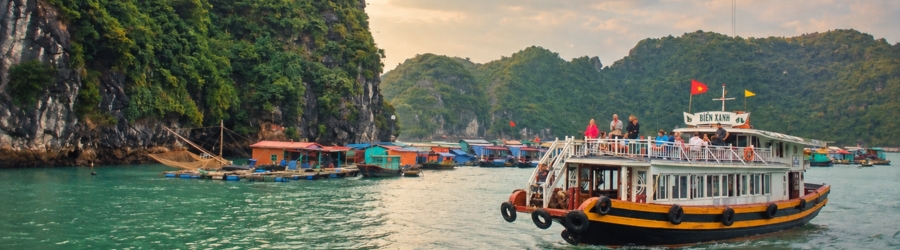
With its exotic landscapes, fascinating cultures and diverse experiences, Vietnam and Thailand are among the most popular destinations in Southeast Asia. However, safety remains an important criterion when planning your trip. So, how can you choose Vietnam or Thailand for a safe trip depending on the way you travel ? And is Vietnam safer than Thailand ? Each destination has its own characteristics and points to consider. In this article, Autour Asia helps you compare Vietnam and Thailand to better understand their differences and choose the destination that meets your expectations for your next trip to Asia.
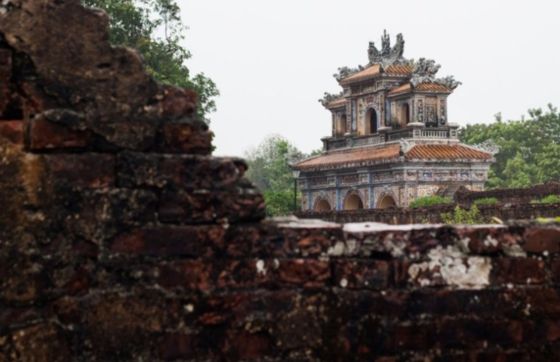
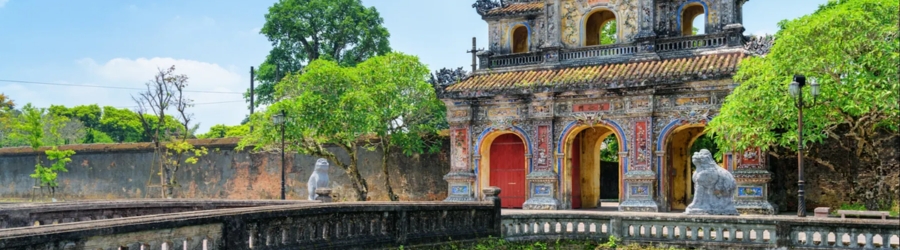
Planning a trip to Hue in November requires a little more flexibility than at other times of the year. Visiting Hue in November means experiencing the rainy season in central Vietnam, with prolonged showers and a risk of flooding. However, this period can also be an opportunity to explore the former imperial capital’s royal heritage, pagodas and renowned cuisine in a quieter atmosphere. The key is to choose your activities carefully, prepare alternative plans and check the weather conditions before setting out.
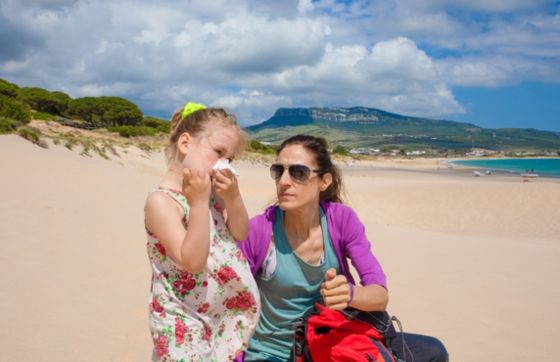

When travelling in Cambodia, some everyday habits may raise questions about local customs. Is blowing your nose in public considered polite? How should you behave in restaurants, on public transport or during a visit? These small details matter when you want to respect the local culture. Discover how to manage blowing your nose in Cambodia discreetly, along with practical tips on using tissues during your trip. Autour Asia, Cambodia travel agency, helps you discover local customs with advice tailored to travellers. From Cambodia travel etiquette to personal hygiene and everyday situations, a few simple guidelines can make your journey more comfortable. In Phnom Penh, Siem Reap or Kampot, understanding local customs helps you avoid awkward moments while making the most of your stay.
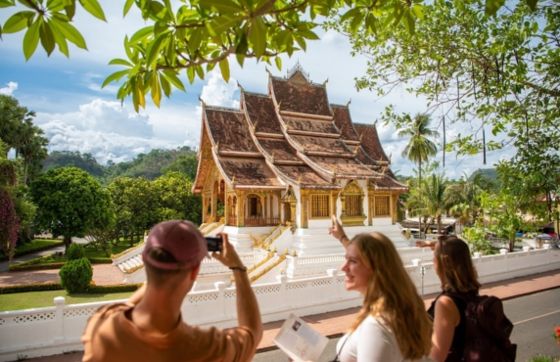
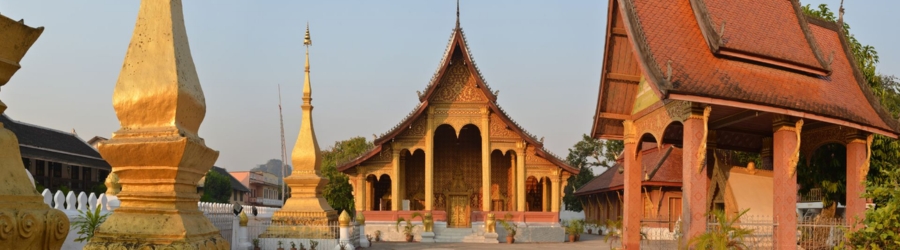
Blow your nose in Laos is not necessarily considered rude, but it is best to do so discreetly, especially in quiet places or during meals. If you have a cold, use a clean tissue and avoid blowing your nose loudly in public. In temples and other places of worship, respect the peaceful atmosphere and local customs. If you need to blow your nose frequently, step away from others for a moment whenever possible. Finally, dispose of used tissues in a rubbish bin. These simple habits will help you observe good manners during your trip to Laos.



 FR
FR EN
EN