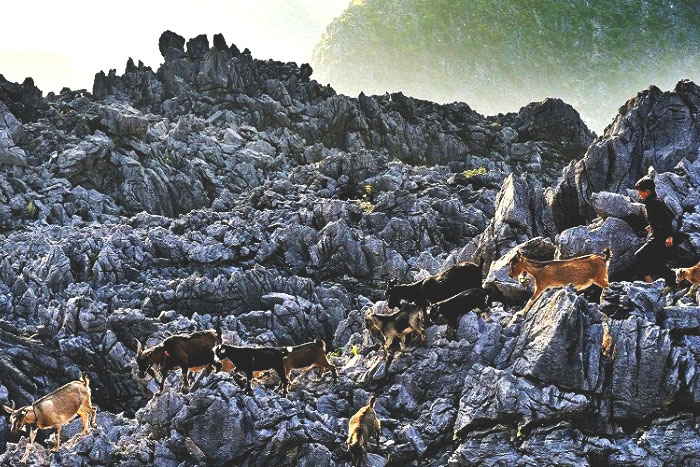
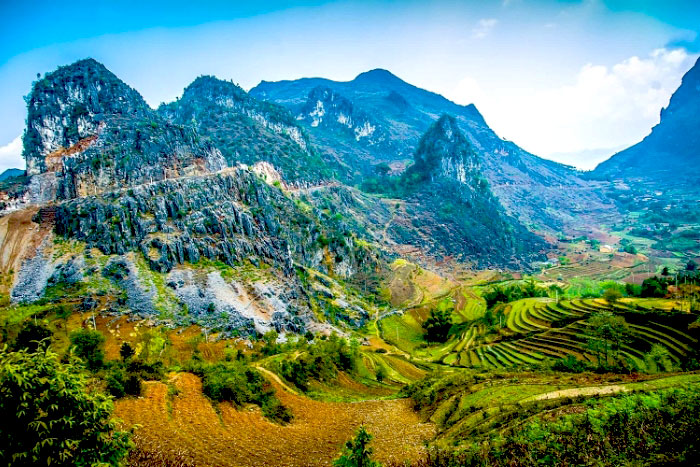
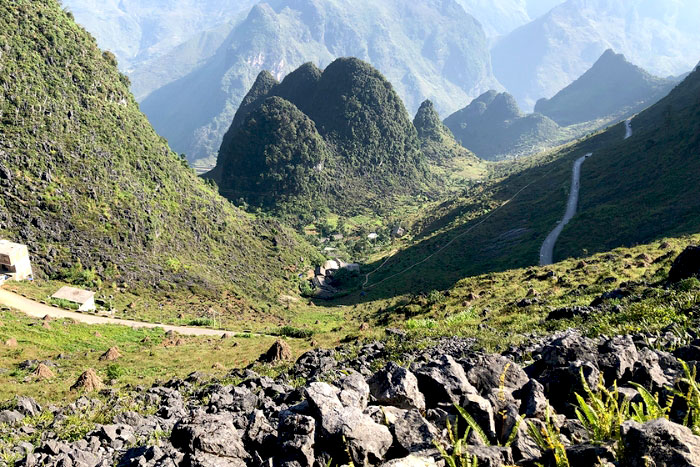
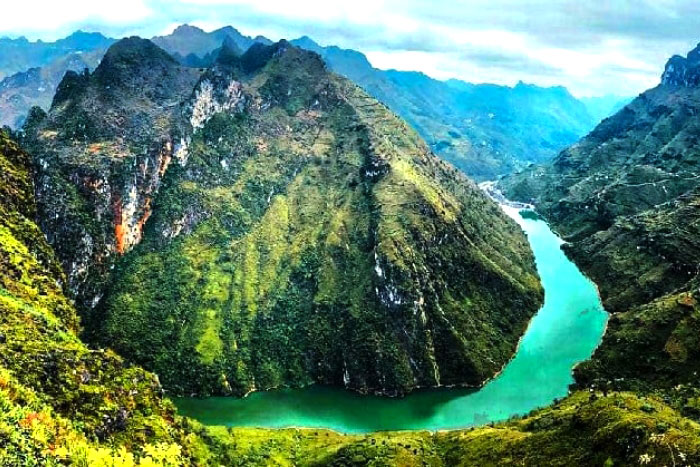
The Tu San Canyon and Nho Que River are the highlights of the Dong Van Karst Plateau, a place that offers you a chance to discover the wild and mysterious beauty of Ha Giang, Vietnam. Tu San Canyon, which is considered the deepest canyon in Southeast Asia, is located at the foot of the Ma Pi Leng Pass, where the Nho Que River flows like a turquoise-blue soft silk ribbon. The canyon has a depth of 700 – 800 meters and a length of 1,700 meters. You can admire the majestic scenery of the canyon from the top of the pass, or take a boat ride along the Nho Que River to experience the tranquility and beauty of the water.
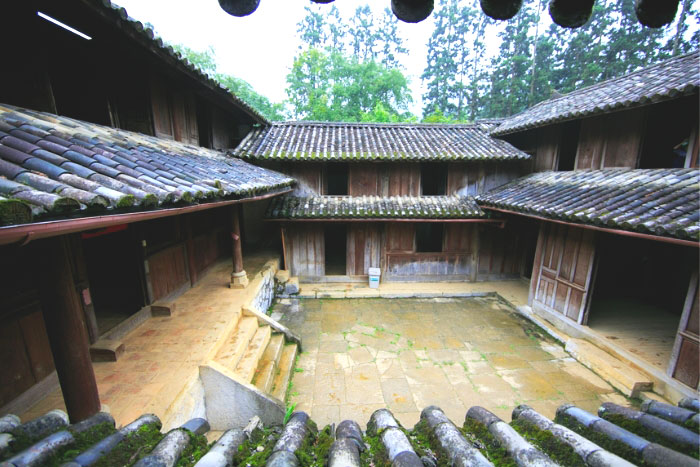
The mansion of the Vuong family is a historical and architectural relic located in the Sa Phin Valley, about 14km from Dong Van district town, where it exudes wild and mysterious beauty. The mansion was built by Vuong Chinh Duc, the leader of the Hmong people in the region, in the early 20th century. It has a unique design that combines the architectural styles of Chinese, European, and Hmong cultures, such as the turtle-shaped layout, the stone carvings of dragons and phoenixes, and the wooden furniture and decorations, which are symbols of royalty and prosperity. The mansion reflects the wealth and power of the Vuong family, who ruled over the area for more than half a century.
Visit Lung Cu Flagpole, the place that marks the northernmost point of the country, around 28 km from Dong Van Karst Plateau Geopark, Lung Cu Flag Tower stands as an iconic symbol within Ha Giang, Vietnam. This massive flagpole is modeled on the flag tower of Hanoi and was erected in 2010, at an altitude of about 1,600 meters above sea level.
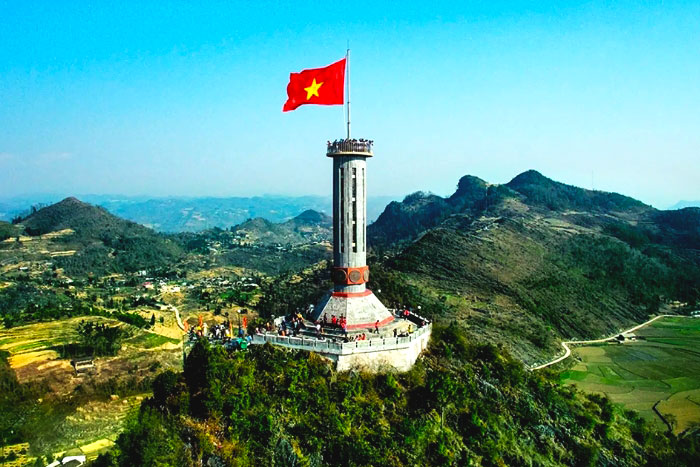
The flagpole is 34.85 meters high, with a large national flag of 54 square meters on top, representing the unity of 54 ethnic groups in Vietnam. It symbolizes the position and sovereignty of Vietnam as well as honoring the patriotism and bravery of the people and soldiers in the border area. Lung Cu Flagpole is also a place to honor the national culture of Vietnam, especially the ethnic minorities who live in this area. This towering structure holds great historical and cultural significance, beckoning you to explore its captivating presence.
Besides, on the top of the flag tower, you can also enjoy the majestic panoramic view of Dong Van District, the stunning scenery of the rocky plateau, the terraced fields, and the Nho Que River. Lung Cu Flagpole is a destination that will leave a lasting impression on anyone who visits it.
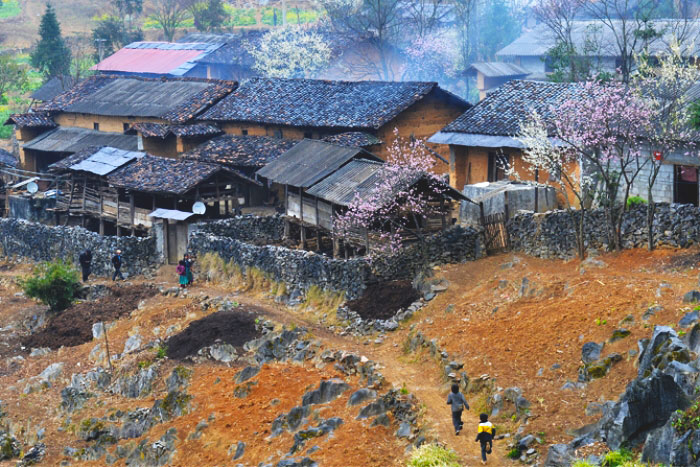
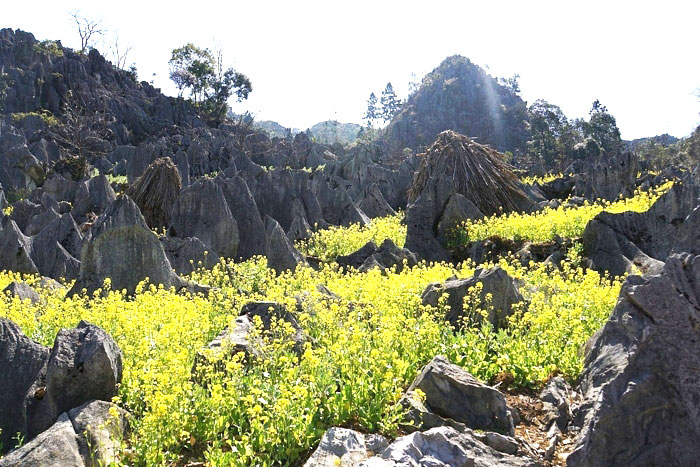
Nestled amidst the rugged beauty of the Dong Van Karst Plateau in Ha Giang, Vietnam, lies the enchanting Sung La Valley, a hidden gem often referred to as the "valley of flowers". This picturesque destination captivates travelers with its breathtaking landscapes, harmoniously blending vibrant blossoms with the stoic grandeur of the rocky plateau, the rustic beauty of the quiet small log home, and the green corn fields.
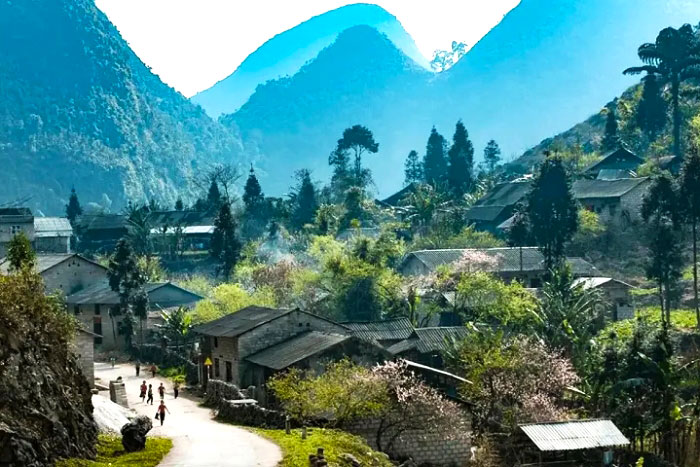
As you embark on your journey through Dong Van, Sung La Valley unfolds like a vibrant canvas painted with a myriad of colors. In spring, the valley comes alive with a kaleidoscope of blooming peach and plum blossoms, transforming the landscape into an enchanting panorama. The delicate petals of various indigenous flora gracefully sway in the gentle mountain breeze, creating a scene that seems almost surreal against the backdrop of the rugged, rocky terrain. Sung La Valley is also famous for the “Pao's House”, a traditional Hmong house that was featured in a popular Vietnamese movie. You can visit the house and learn about the culture and history of the local people.
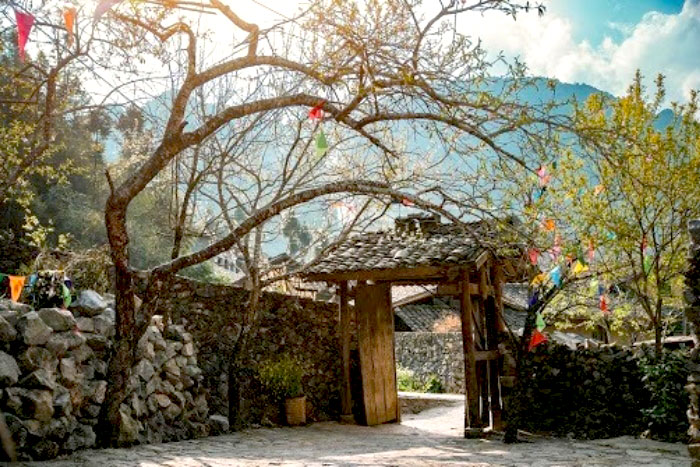
Exploring Sung La Valley is a sensory experience, where the vibrant hues of wildflowers mingle with the earthy tones of the plateau. The valley is home to a diverse range of plant species, some of which are found nowhere else in the world, making it a haven for botany enthusiasts and nature lovers alike.
Dong Van Old Quarter is a charming and ancient town located in the heart of the Dong Van Karst Plateau, beckoning visitors seeking to discover the pristine charm and historical tapestry of ethnic minorities. This ancient quarter, with its well-preserved architecture in Vietnam, stands as a testament to the rich cultural heritage of the region.
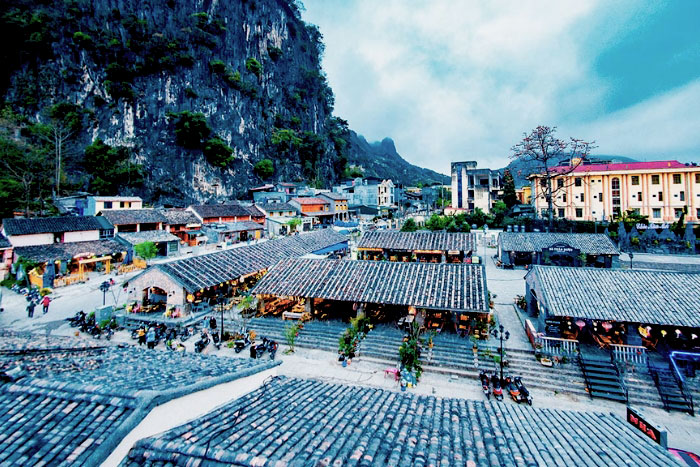
The town was built in the early 20th century by French colonialists and Chinese traders. Dong Van, an ancient town, features the typical architecture of both cultures against the dramatic backdrop of sheer mountains and green rice fields. As you stroll along the narrow streets and traverse the cobblestone streets of Dong Van Old Quarter, you'll find yourself transported back in time, surrounded by century-old houses that tell stories of generations past. The traditional Hmong, Lo Lo, Tay, and Hoa ethnic dwellings showcase the architectural prowess of these communities and reflect the harmonious coexistence with nature. This ideal destination not only offers a glimpse into the architectural splendor but also serves as a gateway to discovering the unique customs and traditions of the ethnic minorities.
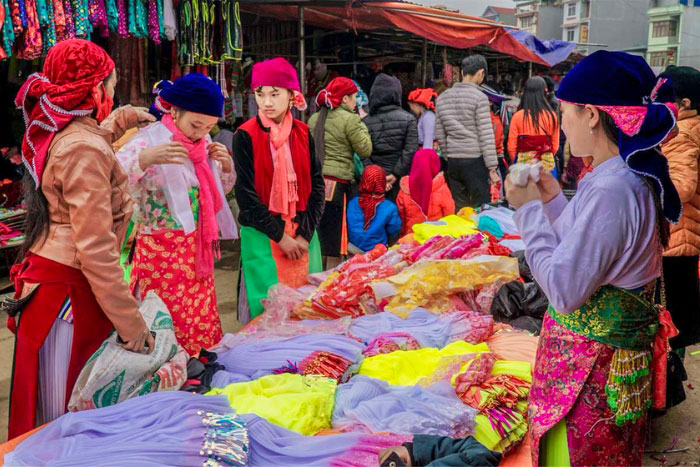
You also can visit the vibrant local markets, where locals trade their handmade crafts and traditional wares, and enjoy the delicious cuisine such as thang co, armpit pork, men men, buckwheat cake, and corn wine, providing an immersive experience into the daily lives of these indigenous people. Dong Van Old Quarter is a place where you can experience the authentic and fascinating life of the highlanders, and immerse yourself in the stunning scenery of the rocky mountains.
Take a look at:
>> What to do in Ha Giang
>> Exploring Nho Que River Ha Giang, Vietnam
It is advisable to refer to the following circuits:
>> Authentic Vietnam Tour
>> Vietnam Itinerary 14 Days
>> North Vietnam Tours


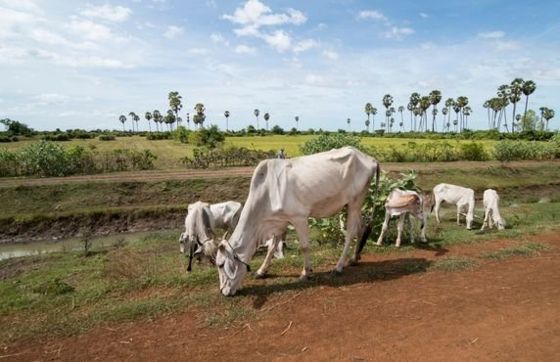
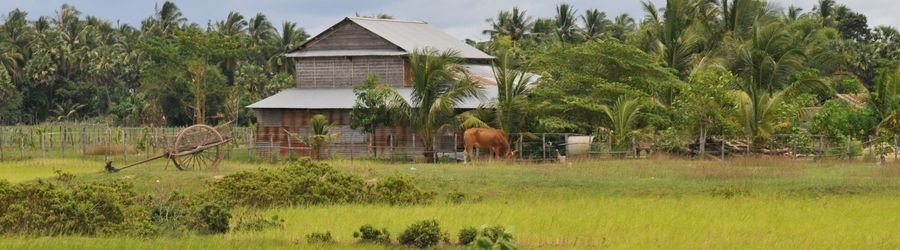
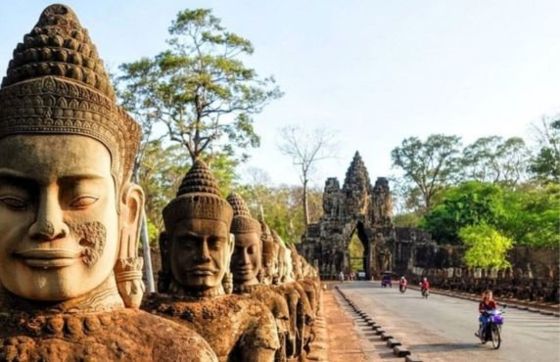
After exploring Angkor’s temples, bustling markets and the streets of Phnom Penh, Cambodia can also be discovered through its countryside. A weekend farm tour in Cambodia offers a chance to slow down and experience a rural way of life that remains closely connected to the land, the seasons and the harvest. Depending on the region, you may take part in farm activities, cook with a local family or follow rural paths between rice fields and orchards. This countryside escape is ideal for couples and families looking to experience Cambodia beyond the usual tourist routes. To make travel easier and choose an experience suited to your needs, a Cambodia travel company can also incorporate this rural immersion into a more comprehensive itinerary.
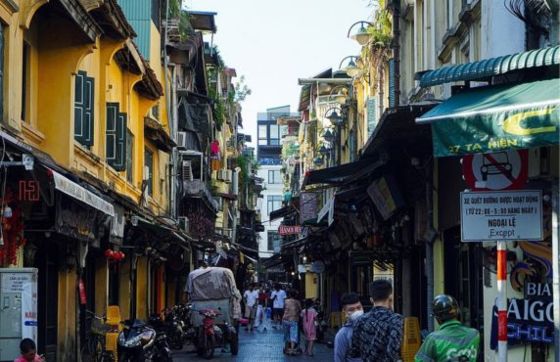
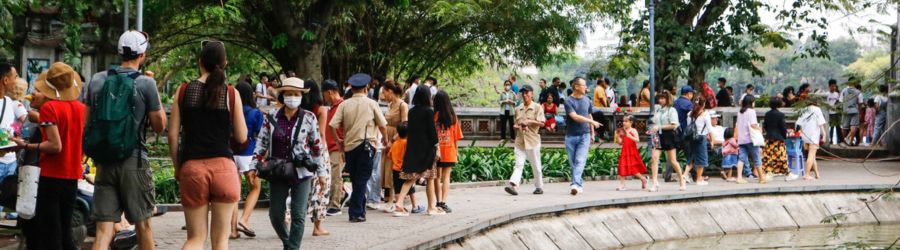
In Hanoi, walking is not just a way of getting around: it is one of the best ways to experience the rhythm of the capital. Between the bustling shopping streets of the Old Quarter, colonial-era façades, shady lakes and street food stalls, each area has its own atmosphere. But which Hanoi walking tour should you choose if you have half a day, a full day or just a few hours? This guide presents five ways to explore the city, from Hoan Kiem Lake to Long Bien Bridge, via Truc Bach and Hanoi’s food districts. Heritage, photography, gastronomy or local life: everyone can find a route that suits them. To plan a more comprehensive trip, the Local travel agency in Hanoi - Autour Asia can also help you incorporate Hanoi into the other stages of your itinerary.
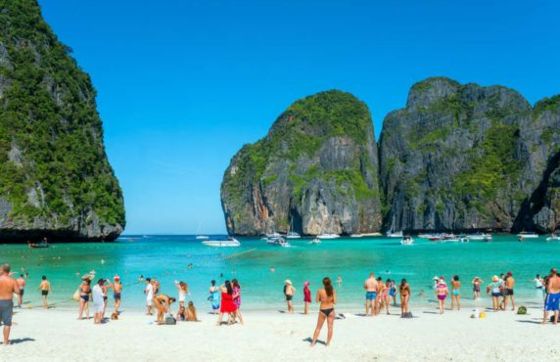
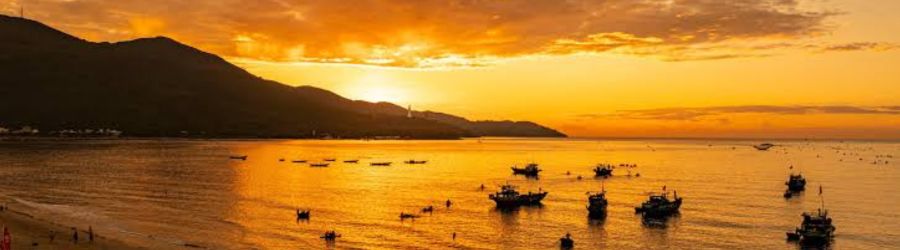
A 3 weeks in Vietnam with beach itinerary allows you to combine cultural discoveries, natural landscapes, and a few days of seaside relaxation, without turning the trip into a succession of transfers. In 21 days, it is possible to start in Hanoi, discover Ha Long Bay or Lan Ha Bay, continue to Hue and Hoi An, then head south before ending with a beach destination suited to the season. But where should you go to the beach in Vietnam? The answer depends mainly on the time of year: Phu Quoc is particularly suitable during the dry months in the South, while Da Nang, Hoi An, or Quy Nhon are good options during part of the year. To build a coherent itinerary, the Vietnam travel agency - Autour Asia can also adapt the stops to each traveler's pace and preferences.
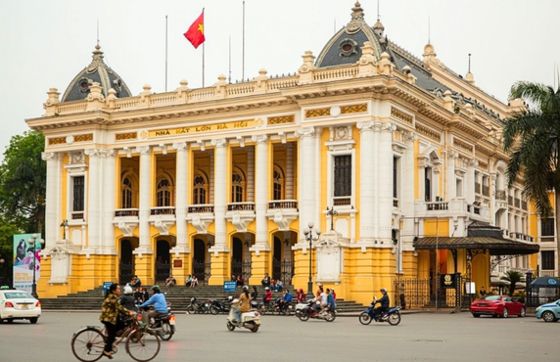
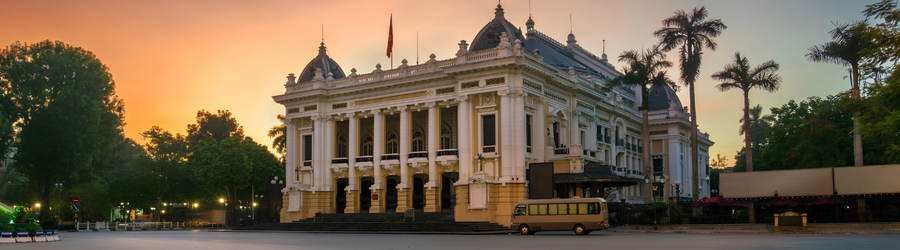
Located in the heart of Vietnam’s capital, the Hanoi Opera House is one of the city’s most iconic cultural and architectural landmarks. Built during the French colonial period, this elegant building has become an essential stop for travelers interested in Hanoi’s history and performing arts. But what can you actually see during a visit? Is visiting Hanoi Opera House possible without attending a show, and is a Hanoi Opera House tour worth adding to your itinerary? In this guide, discover the history, architecture, cultural significance and practical information you need to make the most of your visit to the Hanoi Opera House Vietnam.

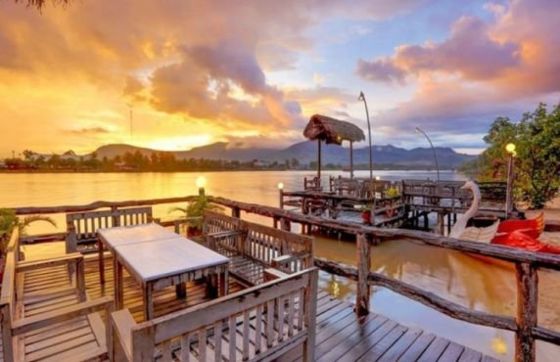

Traveling with children in southern Cambodia makes it easy to enjoy a variety of experiences: peaceful small towns, tropical landscapes, beaches, islands, local markets, and nature discoveries. To know where to visit Southern Cambodia with family, however, it is better not to include too many stops. Kampot, Kep, and the islands of Preah Sihanouk Province offer complementary atmospheres, with family-friendly activities and plenty of opportunities to relax. The choice mainly depends on the children’s age, your preferred pace, and the season. In this guide, we offer a balanced itinerary and practical ideas for organizing your stay, with advice from Cambodia travel company - Autour Asia to help you enjoy southern Cambodia without turning your holiday into a race against the clock.
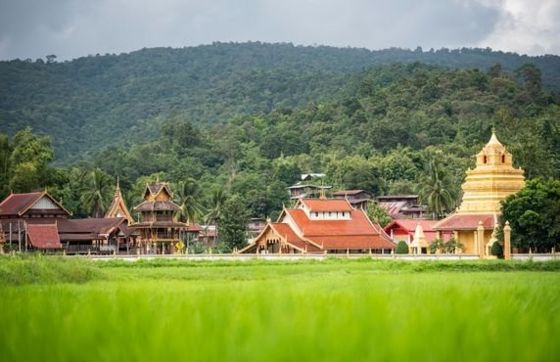

When we think of Thailand, the first images that often come to mind are temples, lively markets, tropical islands, or the beaches of the south. Yet, the country has another, more discreet side that is deeply connected to its identity: its countryside and agricultural heritage. Today, agritourism trends are attracting travelers looking for authentic experiences, closer to nature and local communities. To discover this different side of Thailand, a Thailand travel company can include rural stops in a classic itinerary. It is a great way to slow down, taste local products, and understand the daily life of local communities.

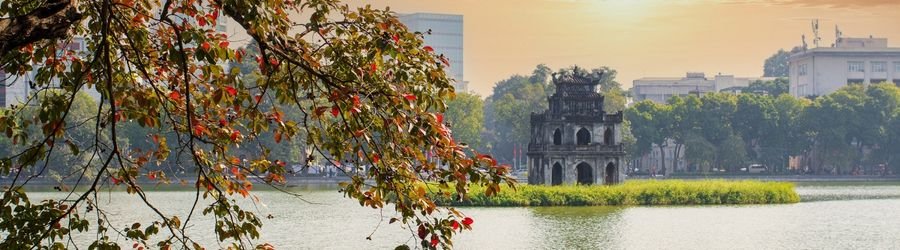
In the heart of Hanoi, some places tell the story and spirit of the Vietnamese capital better than others. Hoan Kiem lake is certainly one of them. Surrounded by trees, historic monuments and lively streets, it is a meeting point between heritage, traditions and daily life. A walk around the lake also allows visitors to experience the unique rhythm of Hanoi, from early-morning tai chi sessions to family walks and the lively atmosphere of the weekend. For travelers who want to discover the capital in a different way, this iconic site deserves a place in any itinerary planned by a Vietnam travel agency. But what is really hidden behind this famous lake?



 FR
FR EN
EN