Vietnamese tea is far more than a daily drink - it reflects Vietnam's diverse landscapes, traditions, and generations of craftsmanship. Most traditional Vietnamese tea is made from the leaves of Camellia sinensis and processed into a remarkable range of green, oolong, black, white, and scented teas. Cultivated across the country, each region produces distinctive flavors shaped by its altitude, climate, and local expertise.
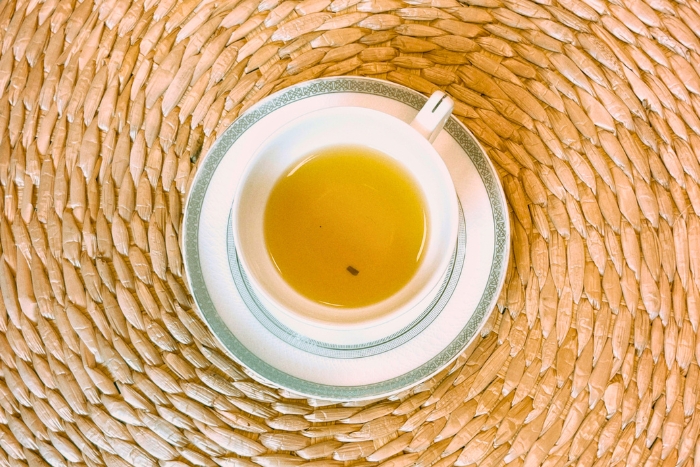
Unlike some highly ceremonial tea traditions in Asia, tea culture in Vietnam is simple, relaxed, and centered on sharing. In Vietnamese homes, offering guests a cup of tea before any conversation begins is a gesture of hospitality and respect. Beyond the home, people gather at traditional tea houses and roadside tea stalls to chat and unwind over a cup of tea. From trà đá vỉa hè (sidewalk iced tea) to trà chanh (lemon iced tea), these everyday drinks continue to bring people together and reflect the warmth of Vietnamese culture.
The origins of tea culture in Vietnam are often traced back to the legendary Hung Kings era, when wild tea was already known and valued as a gift from nature. During the Ly and Tran dynasties, tea drinking flourished, becoming an important part of royal ceremonies, religious rituals, and scholarly gatherings. Over the centuries, cultural exchange with neighboring countries further shaped local customs, while Vietnam gradually developed its own regional traditions and brewing styles.
Modern commercial tea cultivation began in the late 19th century, when French colonists established the first commercial tea plantations in Phu Tho Province. Today, Vietnam is one of the world's leading tea producers and exporters. From centuries-old Shan Tuyet tea trees in the northern mountains to modern plantations in the Central Highlands, every cup of Vietnamese tea reflects generations of craftsmanship, regional diversity, and cultural heritage.
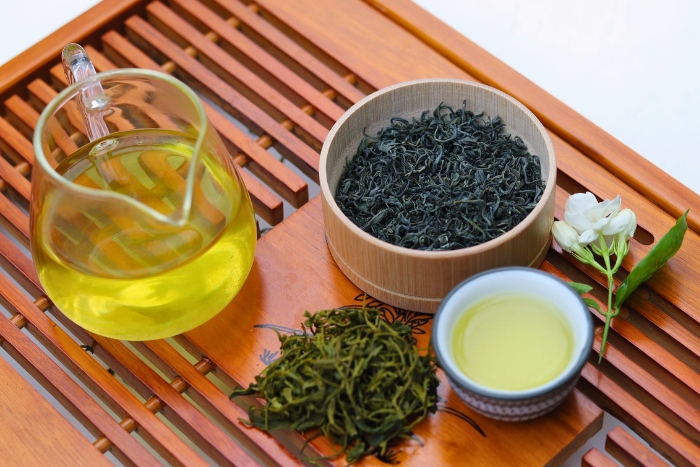
As the country's most popular tea, green tea is enjoyed throughout Vietnam, from homes and roadside tea stalls to traditional tea houses. Some of the finest green tea comes from Tan Cuong in Thai Nguyen Province, where skilled tea makers carefully process young leaves through picking, wilting, shaping, and drying. Because it is unoxidized, green tea retains high levels of natural antioxidants and polyphenols, highlighting some of the benefits of Vietnamese tea. It is known for its light green or yellow liquor, fresh vegetal aroma, gentle bitterness, and naturally sweet aftertaste. It pairs beautifully with roasted sunflower seeds or sesame rice crackers during casual tea breaks.
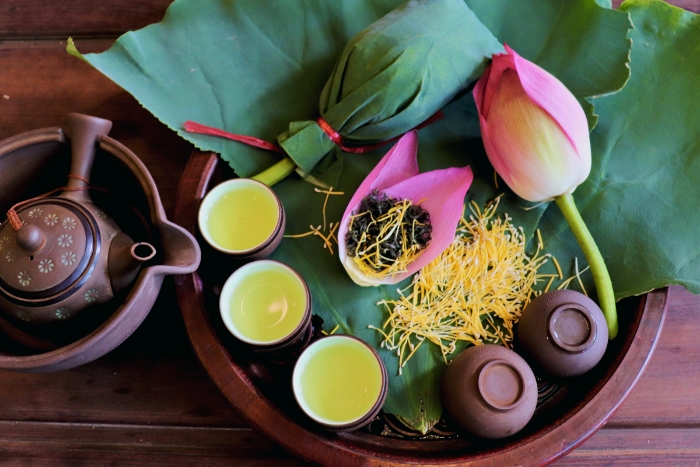
Among the most prized tea varieties, traditional lotus tea is considered one of Vietnam's finest examples of artisanal tea craftsmanship. In Hanoi's famous West Lake area, premium green tea is traditionally scented with fresh lotus flowers, allowing the leaves to naturally absorb their delicate fragrance over several rounds. The result is an elegant tea with a soft floral aroma, a smooth, mildly sweet flavor, and a lingering finish. Enjoying lotus tea also offers a deeper appreciation of tea culture in Vietnam, where sharing tea reflects hospitality, respect, and tradition.
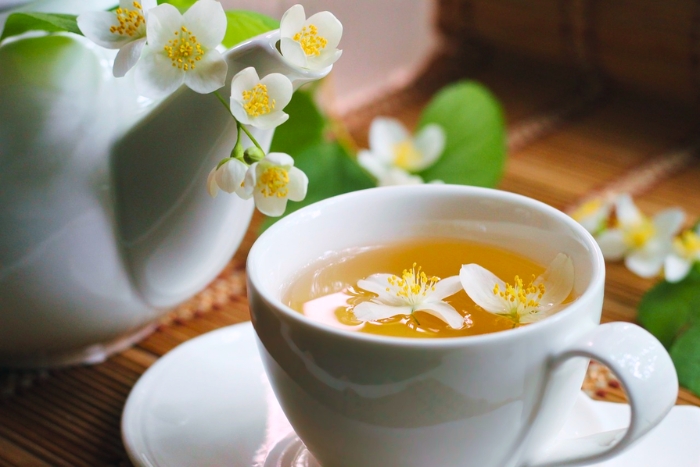
If you enjoy fragrant floral teas, jasmine tea is an excellent choice. Fresh jasmine blossoms are repeatedly layered with green tea leaves until the flowers naturally infuse their fragrance into the tea. Compared with lotus tea, jasmine tea has a richer floral aroma and a bolder taste while preserving the fresh character of green tea. Popular throughout the country, this Vietnamese tea is often enjoyed during relaxed conversations or as a light afternoon drink.
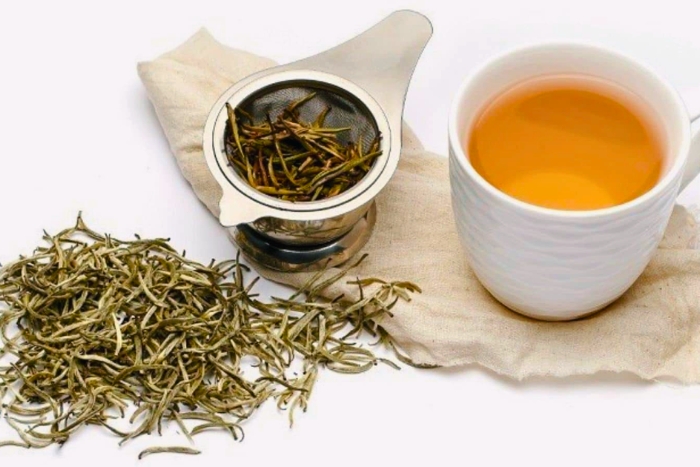
Found in the high mountains of Ha Giang, Yen Bai, Lao Cai, and other northern provinces, Shan Tuyet tea comes from centuries-old wild tea trees growing at elevations above 1,200 meters. Fine white hairs covering the young buds give the tea its name, meaning "Snow Tea". One of the most distinctive examples of tea in Vietnam, Shan Tuyet is prized for its rich mountain aroma, subtle mineral notes, natural sweetness, and lingering aftertaste. It can be processed into green, black, white, or aged tea, each offering its own unique flavor profile.
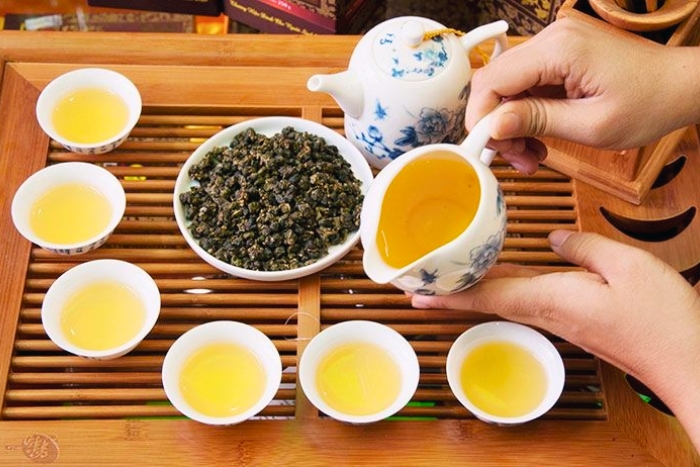
Although introduced more recently than traditional green tea, Vietnamese oolong has become one of the country's most highly regarded tea varieties. Mainly cultivated in Bao Loc (Lam Dong) and Moc Chau (Son La), it is a partially oxidized tea produced through carefully controlled oxidation and repeated rolling. The result is a tea with a delicate floral aroma, a well-balanced flavor, and low bitterness, making it one of the finest examples of Vietnamese tea for both beginners and experienced tea drinkers.
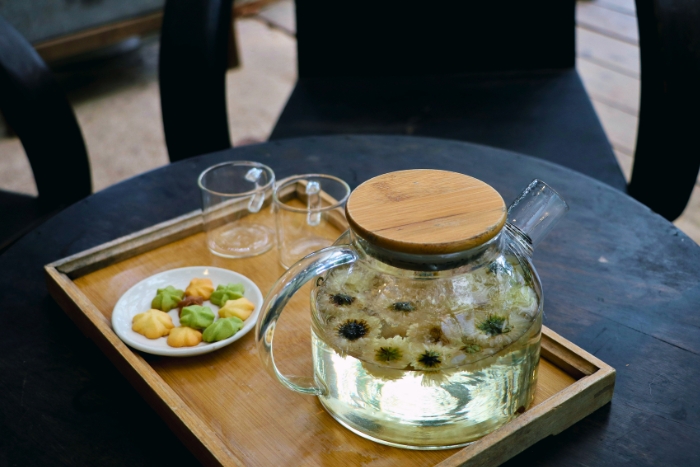
Beyond traditional tea leaves, tea culture in Vietnam also includes a wide variety of herbal infusions made from local ingredients such as artichoke, chrysanthemum, ginger, lemongrass, and pandan leaves. Naturally caffeine-free, these drinks are commonly enjoyed after meals or in the evening for their comforting flavors. They also showcase the diversity of Vietnamese tea traditions and offer another enjoyable way to experience the country's rich tea heritage.
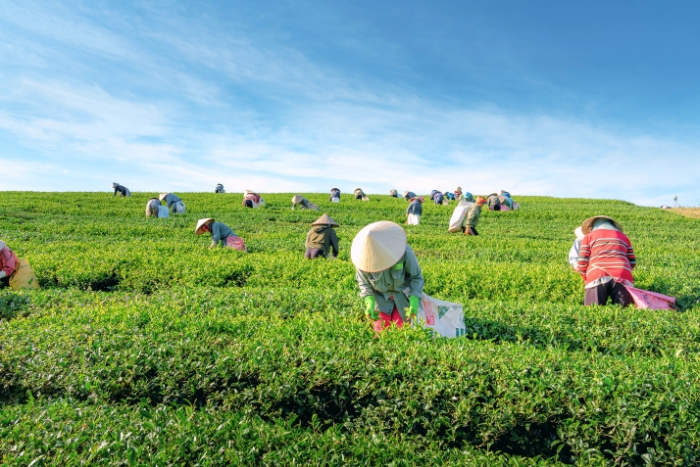
From the northern mountains to the Central Highlands, Vietnam's diverse landscapes create ideal conditions for growing high-quality Vietnamese tea. Visiting these regions lets you explore scenic tea plantations, taste freshly brewed tea, and discover centuries-old tea traditions.
Widely regarded as the heart of Vietnam's green tea industry, Thai Nguyen is best known for producing some of the country's finest green tea, particularly the famous Tan Cuong variety. Located about 80 km north of Hanoi, it is one of the easiest places to discover authentic tea in Vietnam.
With its cool climate and high-altitude plateau, Moc Chau has become one of Vietnam's leading tea-growing regions. It is well known for high-quality green tea and oolong tea, while its rolling tea hills have become one of the country's most photographed landscapes.
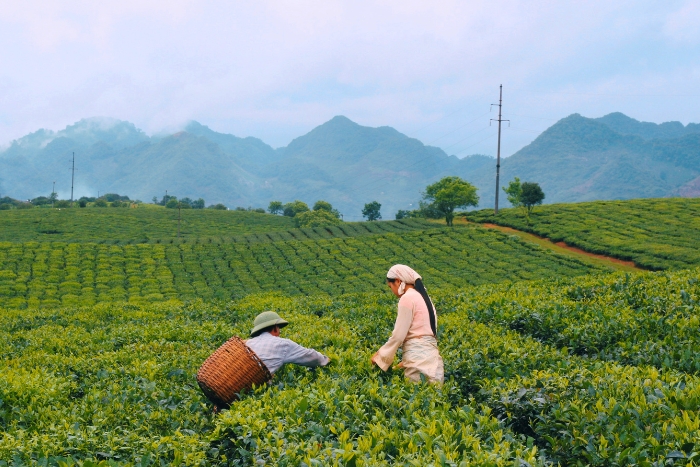
For a more authentic experience, Ha Giang is home to some of Vietnam's oldest Shan Tuyet tea trees. Many centuries-old wild trees grow naturally at elevations above 1,200 meters and are harvested by Dao, H'Mong, and Nung communities using traditional methods. This remarkable landscape also reflects the rich tea culture in Vietnam, where tea remains closely connected to local heritage.
Nestled in Lam Dong Province, Bao Loc enjoys cool weather year-round and has become one of the country's leading tea production centers. Alongside modern factories, family-owned tea farms continue producing premium teas that are enjoyed across domestic and international markets, making this region an essential stop for anyone interested in Vietnamese tea.
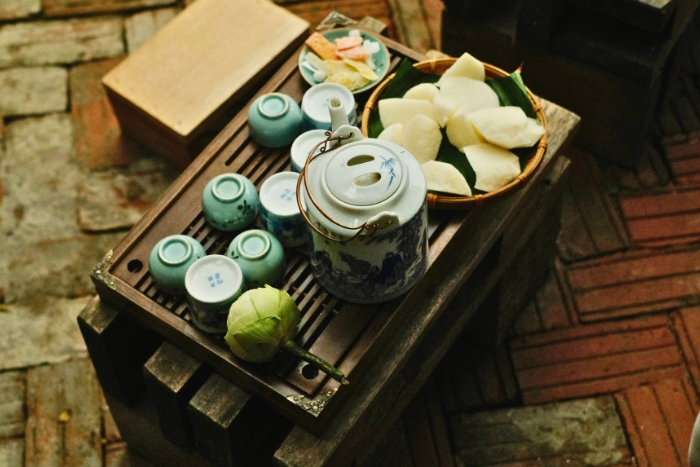
Offering tea is one of Vietnam's oldest gestures of hospitality. Guests are usually welcomed with a freshly brewed pot before any conversation begins, while serving tea to parents and elders reflects respect and gratitude. Today, tea culture in Vietnam continues to strengthen family ties, friendships, and neighborhood connections, turning an everyday drink into a meaningful social tradition.
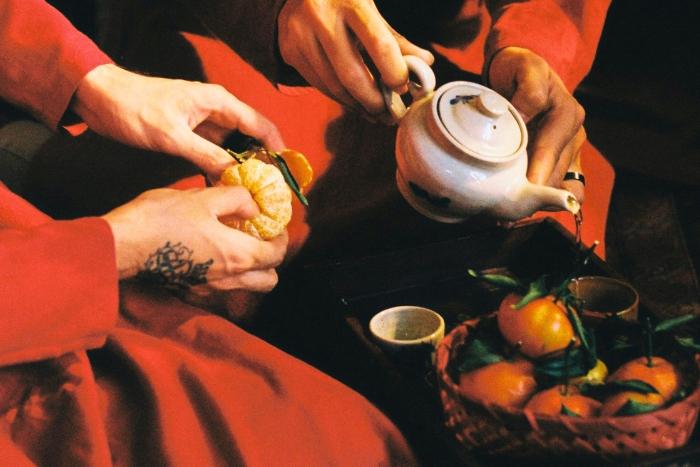
Vietnamese tea plays an important role in many traditional ceremonies throughout the country. During weddings and engagement ceremonies, couples serve tea to their parents and elders as a symbol of respect, gratitude, and family unity. Tea is also placed on ancestral altars during Tết (Vietnamese Lunar New Year), death anniversaries, and other family commemorations, reflecting the tradition of honoring previous generations.
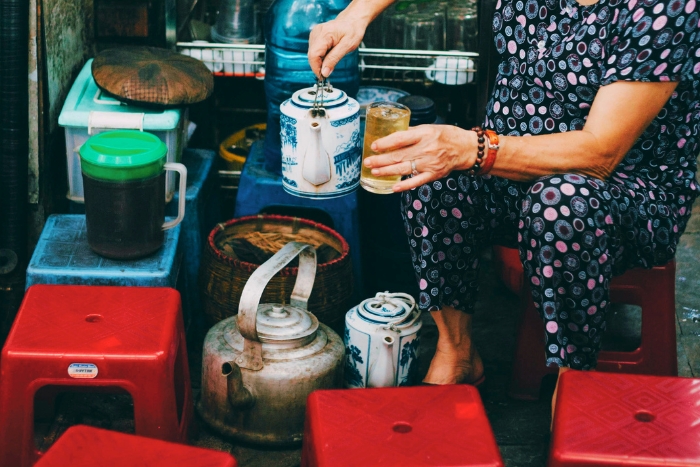
Beyond ceremonies, tea is part of everyday life across Vietnam. Many people start the day with hot green tea, enjoy a glass of trà đá (Vietnamese iced tea) during a break, or finish a meal with another warm cup. Complimentary iced tea is commonly served at local restaurants, while roadside tea stalls and "quán cóc" remain popular gathering places where people relax, chat, and catch up with friends. These simple traditions make it easy to experience tea in Vietnam like a local.
Beyond its cultural significance, discovering the benefits of Vietnamese tea is another reason to enjoy this traditional drink. While tea is not a medicine, research suggests that its natural compounds may support overall well-being as part of a balanced lifestyle.
Brewing Vietnamese tea is simple, but a few small details can make a big difference. The right teaware, water temperature, and steeping time help bring out the tea's natural aroma and delicate flavors. Once you know the basics, every cup becomes more enjoyable.
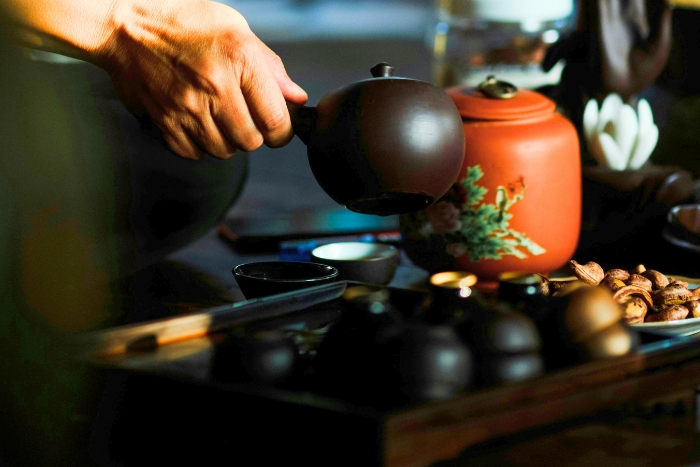
You only need a few basic tools to brew a great cup of tea :
Different teas require different brewing temperatures, so avoid using boiling water for every variety.
Tea type | Water temperature | Steeping time |
Green tea | 75-85°C | 1-2 minutes |
Lotus & jasmine tea | 80-85°C | 2-3 minutes |
Oolong tea | 85-90°C | 2-3 minutes |
For the best results :
If you're exploring tea culture in Vietnam, enjoy the first infusion without sugar, honey, or lemon to fully appreciate the tea's original aroma and flavor.
Bringing home Vietnamese tea is a wonderful way to relive the flavors of your journey long after you've returned home. With so many options available, knowing how to identify quality tea and where to buy it will help you choose authentic products with confidence.
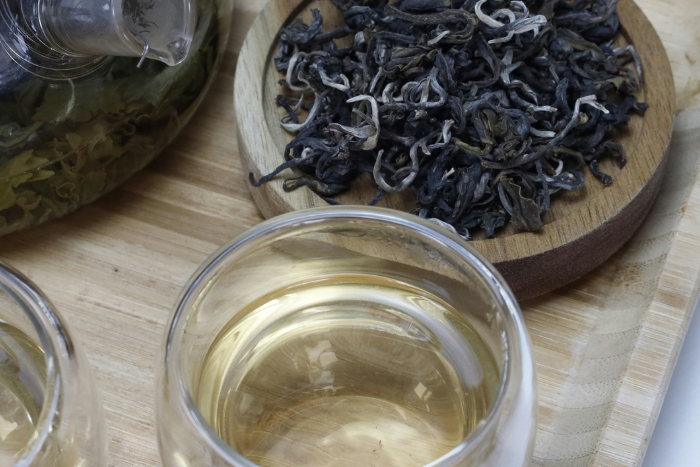
Good tea is easy to recognize once you know what to look for :
For the freshest products, visit tea farms in Thai Nguyen, Moc Chau, Ha Giang, or Bao Loc. Besides buying directly from local producers, you can walk through the plantations, watch traditional processing techniques, and gain a deeper appreciation of tea culture in Vietnam. If your itinerary focuses on major cities, reputable tea houses are another excellent place to discover authentic tea in Vietnam while learning more about its history and craftsmanship.
Recommended tea houses :
In Hanoi :
In Ho Chi Minh City :
Sipping your way through Vietnam's misty northern mountains or lingering over a street-side glass of trà đá quickly reveals that Vietnamese tea is far more than a daily drink. It is a timeless tradition that brings families together, honors ancestral heritage, and welcomes every guest with genuine hospitality. Exploring tea culture in Vietnam offers more than exceptional flavors - it provides a deeper understanding of the country's history, people, and way of life. From ancient Shan Tuyet tea forests to fragrant lotus tea in Hanoi and modern plantations in the Central Highlands, every destination tells a unique story. If you're ready to experience authentic tea in Vietnam firsthand, let Autour Asia create a personalized journey that takes you to the heart of Vietnam's most remarkable tea-growing regions.
You might be interested in :
- Looking to discover authentic Vietnamese tea during your trip to Vietnam ? Autour Asia, your trusted Vietnam travel agency, is here to help you explore the country's famous tea-growing regions, experience traditional tea culture, and enjoy some of the finest Vietnamese tea firsthand.
- Vietnam travel guide
- Vietnam day trips
- What to eat in Vietnam
- Vietnamese fried spring rolls
- Best honeymoon travel packages in Southeast Asia


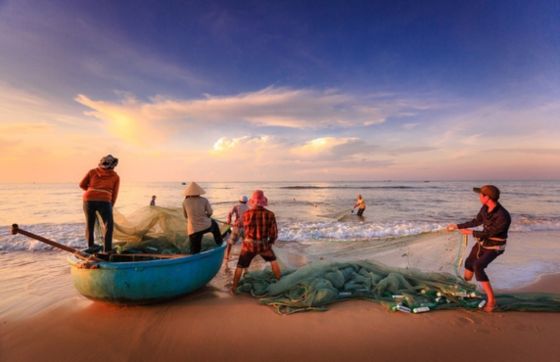

Phan Thiet, a coastal city in Binh Thuan Province, is best known for Mui Ne, an internationally renowned seaside destination. With its beaches, fishing villages, and desert-like sand dunes, the region offers a diverse range of landscapes rarely found elsewhere in Southeast Asia. In November, temperatures remain pleasant for exploring the coast, although occasional showers are still possible. Visiting Phan Thiet Mui Ne in November requires a little preparation to make the most of your stay. This complete guide covers the weather, must-see attractions, transportation options, and practical tips to help you plan your trip to Vietnam in November.
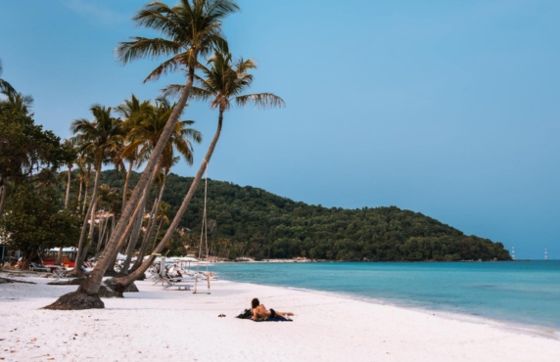
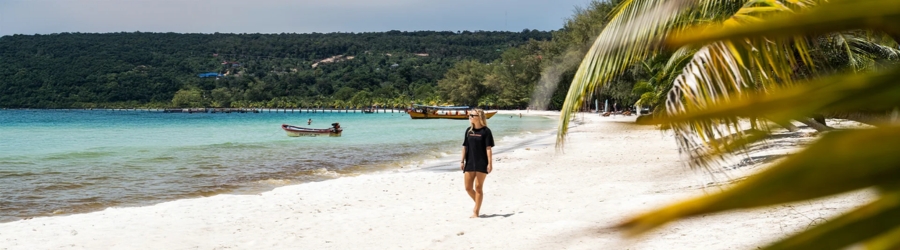
Vietnam’s beaches are best enjoyed at different times of the year, depending on the region. From the turquoise waters of the South to the long stretches of white sand in the Central region and tropical islands, each area has its own climate patterns. To better understand when to visit Vietnam, it is important to consider the weather conditions in each destination. The best time to visit beaches in Vietnam depends on region you choose as well as the activities you have planned. The best time to swim in Vietnam also varies according to rainfall, water temperature and sea conditions. Understanding the Vietnam beach season helps you choose destinations that match your travel dates and enjoy the coastline in good conditions.
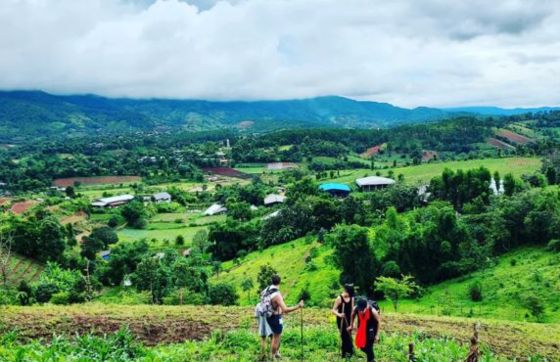
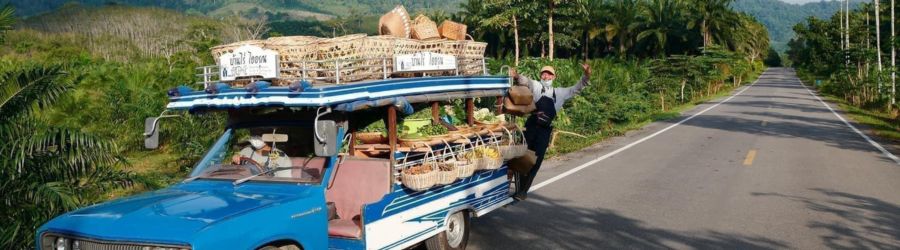
Discovering Thailand through its rice fields, plantations, and rural villages offers a different way to travel, far from traditional tourist circuits. But how can you choose the best agency for Thailand farm tours to enjoy authentic experiences with local communities? Several tour operators offer trips combining agriculture, gastronomy, and encounters with producers. Among them, Autour Asia is an option for travelers who want to personalize their itinerary. Known as Vietnam travel agency - Autour Asia, the company also offers tailor-made trips to several countries in Southeast Asia. With the local travel agency in Thailand - Autour Asia, travelers can explore a trip designed around their interests. Here are five organizations worth knowing, their distinctive features, and the essential criteria for planning a successful agricultural tour in Thailand.
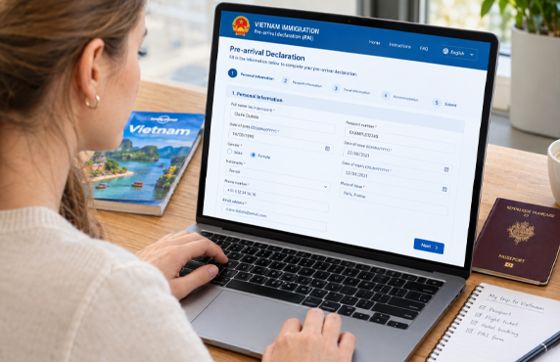
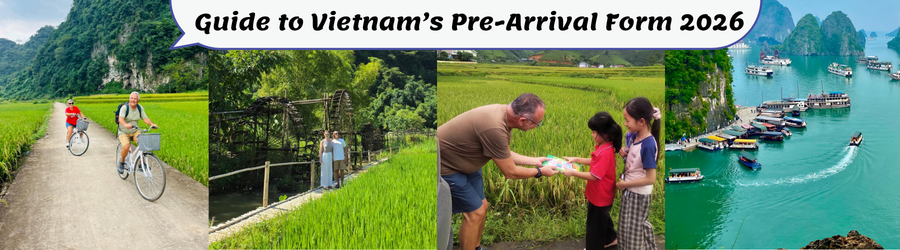
Planning a trip to Vietnam? Before packing your bags, take a few minutes to check the latest entry requirements and prepare the documents you may need at the airport.
Vietnam’s Pre-Arrival Information (PAI) system allows international travellers to submit selected personal, visa and travel details online before arriving in the country. After a successful submission, the system generates a QR code that travellers can save on their phones or print for use during immigration procedures. Although the online declaration is designed to help make arrival procedures smoother, travellers should understand when it applies, how to complete it correctly and which documents they still need to enter Vietnam.
In this practical guide, you will discover where to access the official PAI portal, what information to prepare, how to complete the declaration step by step, how to correct common mistakes and what to do when you arrive at the airport.
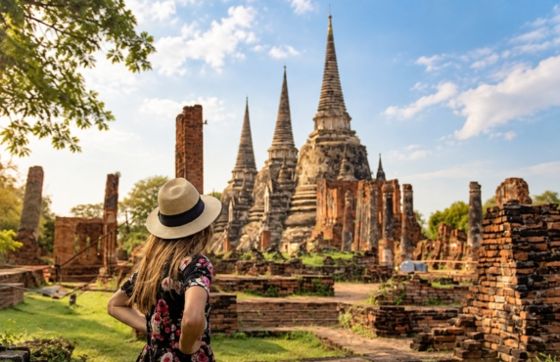
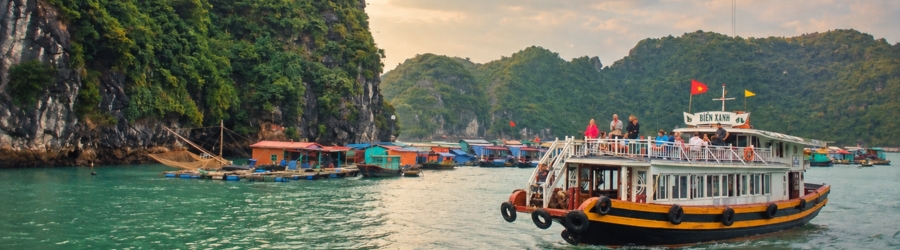
With its exotic landscapes, fascinating cultures and diverse experiences, Vietnam and Thailand are among the most popular destinations in Southeast Asia. However, safety remains an important criterion when planning your trip. So, how can you choose Vietnam or Thailand for a safe trip depending on the way you travel ? And is Vietnam safer than Thailand ? Each destination has its own characteristics and points to consider. In this article, Autour Asia helps you compare Vietnam and Thailand to better understand their differences and choose the destination that meets your expectations for your next trip to Asia.
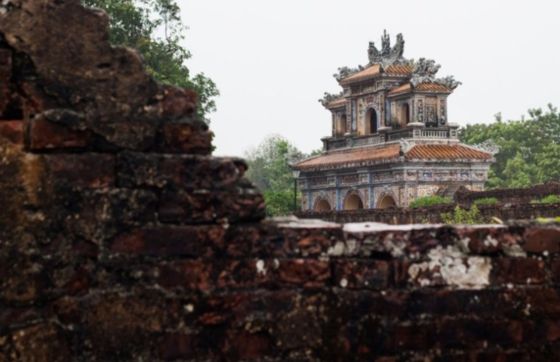
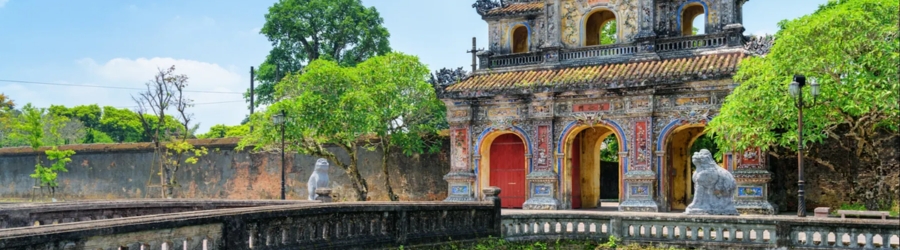
Planning a trip to Hue in November requires a little more flexibility than at other times of the year. Visiting Hue in November means experiencing the rainy season in central Vietnam, with prolonged showers and a risk of flooding. However, this period can also be an opportunity to explore the former imperial capital’s royal heritage, pagodas and renowned cuisine in a quieter atmosphere. The key is to choose your activities carefully, prepare alternative plans and check the weather conditions before setting out.
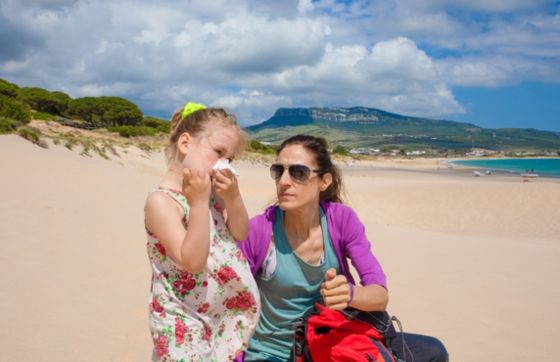

When travelling in Cambodia, some everyday habits may raise questions about local customs. Is blowing your nose in public considered polite? How should you behave in restaurants, on public transport or during a visit? These small details matter when you want to respect the local culture. Discover how to manage blowing your nose in Cambodia discreetly, along with practical tips on using tissues during your trip. Autour Asia, Cambodia travel agency, helps you discover local customs with advice tailored to travellers. From Cambodia travel etiquette to personal hygiene and everyday situations, a few simple guidelines can make your journey more comfortable. In Phnom Penh, Siem Reap or Kampot, understanding local customs helps you avoid awkward moments while making the most of your stay.
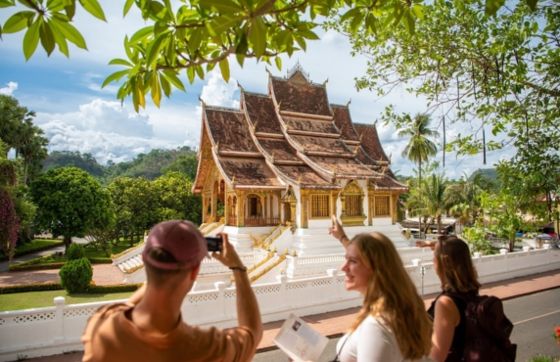
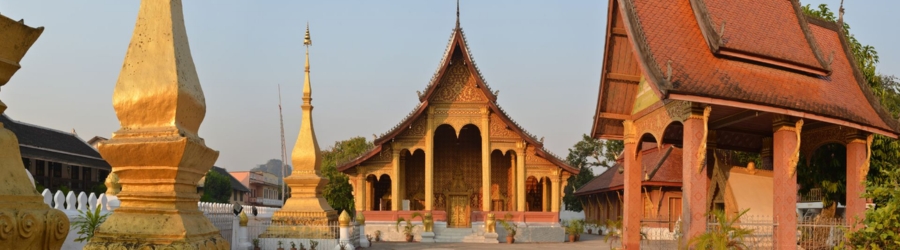
Blow your nose in Laos is not necessarily considered rude, but it is best to do so discreetly, especially in quiet places or during meals. If you have a cold, use a clean tissue and avoid blowing your nose loudly in public. In temples and other places of worship, respect the peaceful atmosphere and local customs. If you need to blow your nose frequently, step away from others for a moment whenever possible. Finally, dispose of used tissues in a rubbish bin. These simple habits will help you observe good manners during your trip to Laos.



 FR
FR EN
EN