Stretching over 1,600 kilometers (1,000 miles) from north to south, Vietnam offers several transportation options, including domestic flights, trains, private cars, and buses. For many travelers, however, buses provide the perfect balance between affordability, flexibility, and accessibility.
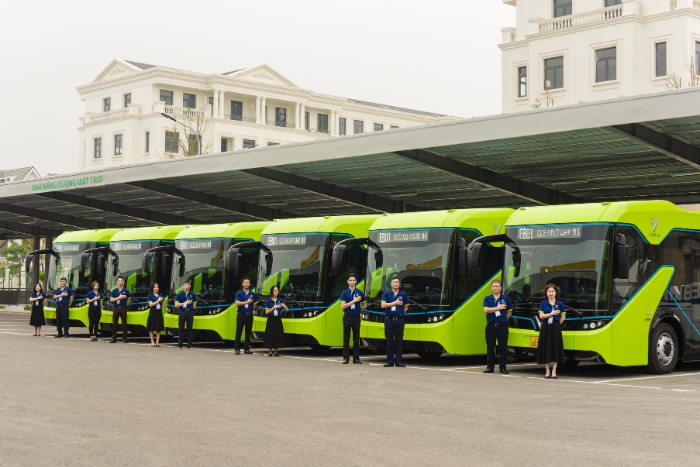
Unlike domestic flights, which mainly connect major cities, buses reach remote destinations such as Ha Giang, Sapa, Phong Nha, Mai Chau, and the Mekong Delta. They also operate multiple departures throughout the day, making it easy to travel without booking weeks in advance.
Overall, our review bus experience is highly positive for travelers looking to explore Vietnam while keeping transportation costs under control.
Not all buses in Vietnam offer the same level of comfort. The travel experience depends on the bus category, the operating company, and the distance of your journey.
Local buses Vietnam are primarily designed for Vietnamese residents and offer the lowest ticket prices. While they are the most economical option, they provide only basic amenities.
Their main advantages include:
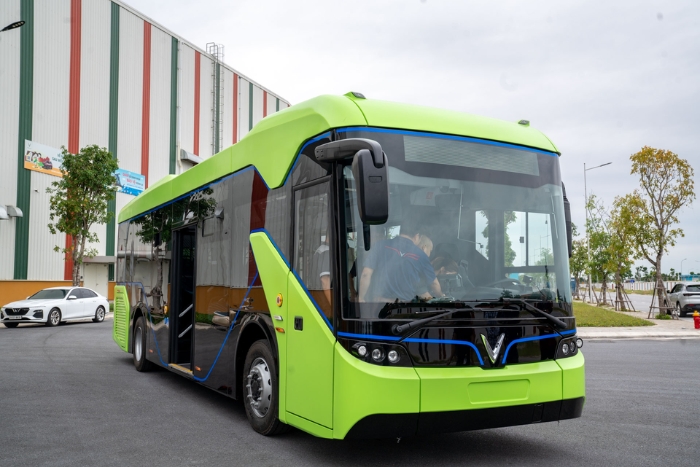
However, they also have a few drawbacks:
Local buses are best suited for experienced travelers who want an authentic glimpse into everyday life in Vietnam.
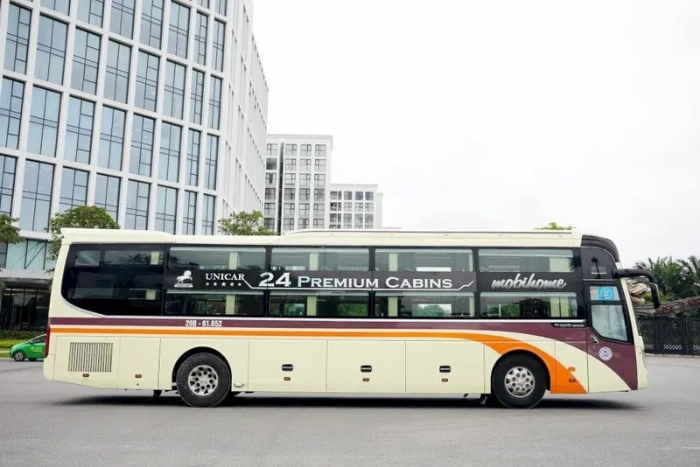
The Vietnam sleeper bus is one of the country's most popular transportation options for long-distance travel.
Instead of traditional seats, passengers are provided with reclining berths that allow them to lie almost flat throughout the journey. Overnight sleeper buses are especially popular because they save both travel time and the cost of one night's accommodation.

Most modern sleeper buses include amenities such as:
For journeys covering several hundred kilometers, sleeper buses often provide the best value for money.
In recent years, Vietnam limousine buses have become increasingly popular among both domestic and international travelers.
Despite the name, these are not traditional limousines but premium minibuses that typically accommodate between 9 and 19 passengers. They offer a much more comfortable experience than standard coaches.
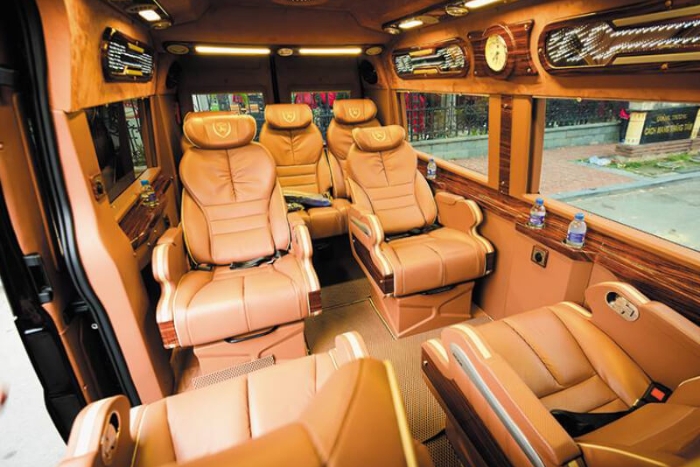
Passengers can enjoy:
Limousine buses Vietnam are particularly recommended for routes such as Hanoi to Halong Bay, Hanoi to Ninh Binh, Hanoi to Sapa, or Hoi An to Da Nang. For travelers seeking extra comfort without paying the price of a private transfer, they are an excellent choice.
One of the biggest advantages of traveling by bus is its excellent value for money. Compared to domestic flights or private transfers, buses are a much more budget-friendly option while still offering reliable service across the country.
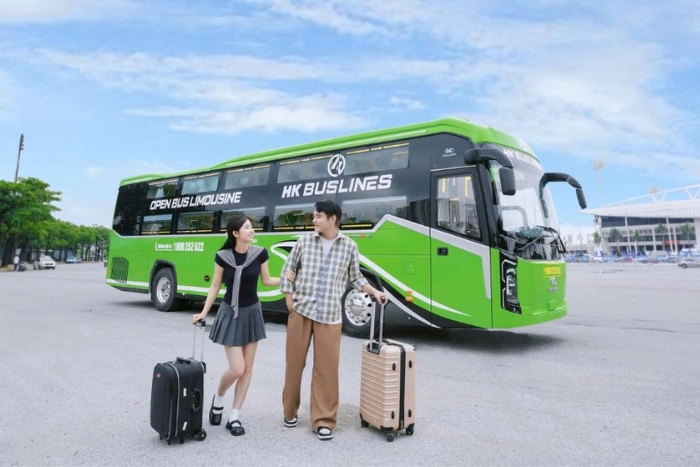
Ticket prices generally depend on the travel distance, the type of bus, the season, and the bus company. Below are some average fares for popular routes:
| Route | Average Price |
|---|---|
| Hanoi – Ninh Binh | €7 – €12 |
| Hanoi – Sapa | €12 – €22 |
| Hue – Hoi An | €8 – €15 |
| Da Nang – Hoi An | €5 – €10 |
| Ho Chi Minh City – Da Lat | €12 – €20 |
| Ho Chi Minh City – Nha Trang | €15 – €25 |
Even premium limousine buses are often significantly cheaper than similar transportation services in many other Asian countries. In our Vietnam bus review, affordability is undoubtedly one of the strongest advantages of Vietnam's bus network.
The level of comfort largely depends on the bus company you choose. Leading operators invest in modern vehicles equipped with amenities that make long-distance travel much more enjoyable.
Most premium buses offer comfortable reclining seats or sleeping berths, efficient air conditioning, free Wi-Fi, USB charging ports, and scheduled rest stops along the route. These features make overnight journeys particularly convenient, allowing travelers to arrive at their destination early in the morning while saving on accommodation costs.
Older buses, however, may provide a more basic experience with narrower seats or less consistent air conditioning. For the best travel experience, it is always recommended to choose well-reviewed bus companies rather than simply booking the cheapest option.
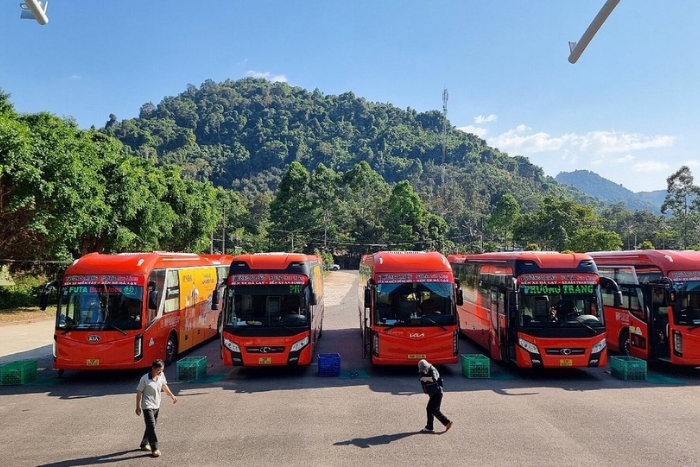
Safety is one of the most common concerns for first-time visitors to Vietnam. Fortunately, traveling by bus is generally safe, especially when choosing established and reputable operators. In recent years, many bus companies have upgraded their fleets, improved vehicle maintenance, and enhanced customer service to meet the expectations of international travelers.
That said, road traffic in Vietnam can be much busier and more dynamic than in many Western countries. Travel times may vary due to traffic congestion or weather conditions. To ensure a smooth journey, book your tickets with trusted companies, keep your valuables with you, and arrive at the departure point a little early.
Overall, our Vietnam bus review finds that buses remain a safe and dependable way to travel throughout the country.
Vietnam is home to many bus operators, but a few companies have built an excellent reputation for their service quality and reliability.
Futa Bus Lines (Phương Trang) is one of the country's largest and most trusted operators, known for its modern fleet, extensive route network, and affordable prices. For travelers heading to northern destinations such as Sapa, Sapa Express is a popular choice thanks to its comfortable buses, punctual schedules, and professional service. Another well-known operator is The Sinh Tourist, which connects many of Vietnam's most popular tourist destinations. Its services are designed with international travelers in mind, making it an excellent option for those seeking a convenient and hassle-free travel experience.
Traveling by bus offers many advantages for visitors exploring Vietnam. The biggest benefit is its affordability. Buses connect almost every region of the country, including destinations that are not easily accessible by train or plane. Overnight sleeper buses also help travelers save both time and accommodation costs, making them an excellent choice for long-distance journeys.
On the other hand, there are a few drawbacks to consider. Travel times may be longer due to traffic, especially near major cities. The quality of Wi-Fi and air conditioning can also vary depending on the bus company. Nevertheless, most travelers agree that the advantages far outweigh these minor inconveniences.
Choosing between the bus and the train depends largely on your itinerary, travel style, and budget.
Train travel offers a more relaxed experience with beautiful scenery, especially along Vietnam's famous north-south railway. Buses, however, are often faster on certain routes and provide access to many destinations that trains do not serve.
For many visitors, combining both transportation options is the best way to experience Vietnam. Taking the train on scenic routes and using buses for regional travel offers both convenience and flexibility.
Overall, traveler feedback is overwhelmingly positive. Modern buses in Vietnam provide a good level of comfort, competitive prices, and an extensive route network covering almost every corner of the country.
Whether you choose a local bus, a sleeper bus, or a premium limousine bus, traveling by road remains one of the most practical and cost-effective ways to discover Vietnam. If you book with a reliable company, you can expect a comfortable, safe, and enjoyable journey.
Booking a bus in Vietnam has never been easier. Most bus companies now offer online reservations, and tickets can also be purchased through local travel agencies. During peak travel periods, such as the Lunar New Year (Tet) or summer holidays, it is advisable to book a few days in advance to secure your seat.
For the best travel experience, choose well-reviewed bus operators and compare departure times before making your reservation. If you're taking an overnight bus, bring a light jacket, as air conditioning can sometimes be quite cold. It's also a good idea to keep your passport, valuables, and essential belongings with you throughout the trip.
Buses are one of the best ways to travel around Vietnam thanks to their affordable prices, extensive route network, and wide variety of services. From budget-friendly local buses to comfortable sleeper buses and premium limousine buses, there is an option to suit every travel style and budget.
In this Vietnam bus review, we've seen that Vietnam's bus system offers excellent value for money, reliable transportation, and convenient access to both famous tourist destinations and off-the-beaten-path locations. By choosing a reputable bus company and planning your journey in advance, you can enjoy a safe, comfortable, and memorable travel experience.
If you're planning a trip to Vietnam and would like expert assistance, AUTOUR ASIA is here to help. As a trusted local travel agency specializing in tailor-made tours across Vietnam and Southeast Asia, AUTOUR ASIA can assist you with bus, train, and domestic flight bookings, as well as creating a personalized itinerary based on your interests, schedule, and budget. With extensive local knowledge and a dedicated English-speaking team, this travel agency in Vietnam is committed to making your journey through Vietnam smooth, authentic, and unforgettable.











 FR
FR ITA
ITA