If you have already explored Vietnam’s main highlights, the Central Highlands offer a different way to travel. This region remains less visited by international travellers. A Vietnam Central Highlands 15 days itinerary allows you to move beyond the usual routes and discover a land shaped by coffee, ethnic villages, waterfalls, lakes, forests and volcanic landscapes.
During 2 weeks in Vietnam, the journey also takes on a more relaxed pace. Spending several nights in each region gives you time to explore the surroundings without constantly taking long journeys. In Buon Ma Thuot, coffee plays a central role in local life. At Lak Lake, the landscape is best experienced through contact with the M’nong communities. Further north, Pleiku reveals the volcanic landscapes of Gia Lai, while Kon Tum offers a closer look at Bahnar and Jarai traditions.
A 15 day Vietnam Central Highlands itinerary is particularly suitable for travellers interested in nature, local cultures and human encounters. With a Central Highlands Vietnam 2 week itinerary, each stop offers a different experience without making the journey feel like a simple collection of destinations.
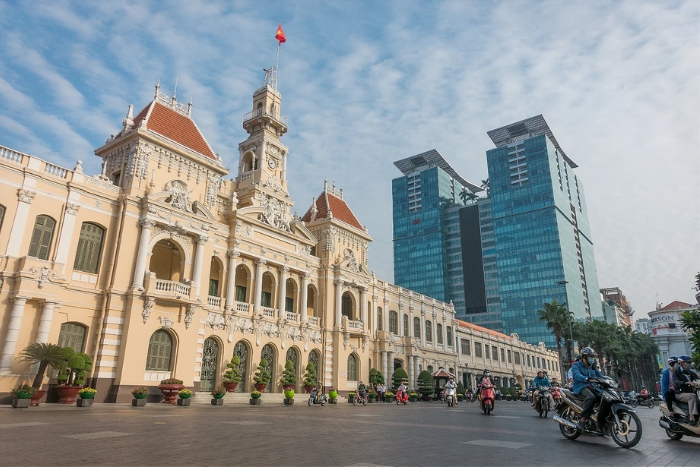
After an international flight, the first day remains intentionally light. Arrival at Tan Son Nhat Airport is followed by a transfer to the hotel and some time to rest. In the afternoon, travellers who feel ready can explore a few well known sites in the city centre, such as the Central Post Office, Notre Dame Cathedral, Nguyen Hue Street or Ben Thanh Market. In the evening, dinner near the hotel allows you to recover before heading to the Central Highlands.
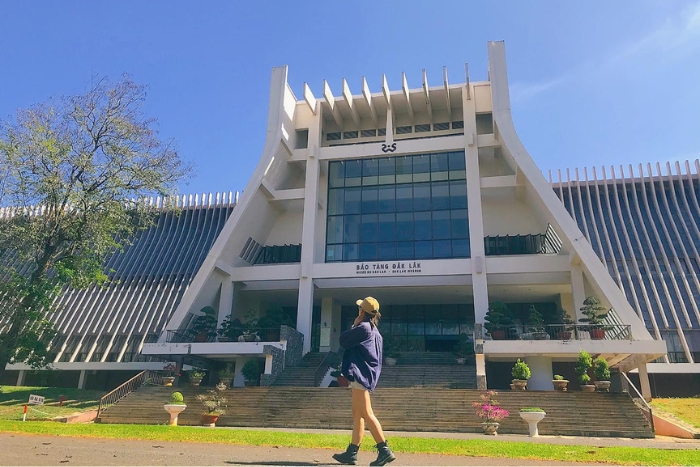
The journey really begins in Buon Ma Thuot after a short flight from Ho Chi Minh City. An initial visit to the Dak Lak Museum introduces the history of the communities of the Central Highlands. The city can also be explored through its coffee culture, which has an important place in local life.
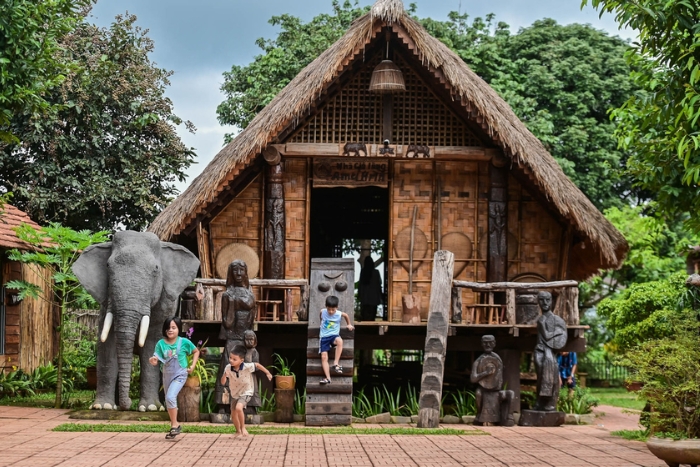
The third day focuses on coffee plantations. A visit introduces the coffee growing process, from harvesting to bean processing, followed by a tasting of locally produced coffee. In the afternoon, Ako Dhong Village reveals the traditional architecture of the Ede through its longhouses. Day four takes on a more natural dimension with a visit to Dray Nur Waterfall, followed by a discovery of the countryside around Buon Ma Thuot.
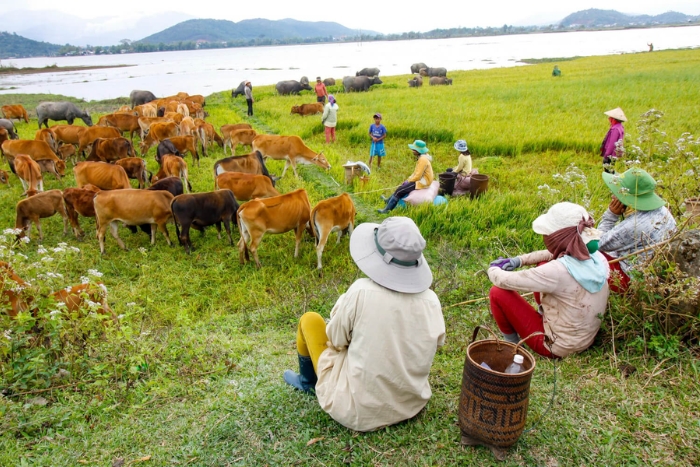
After Buon Ma Thuot, the journey continues to Lak Lake, home to the M’nong community. A traditional boat ride offers a different perspective of the lake and its surroundings. A visit to a local village provides a first introduction to the traditions of this community.
The following day, a walk or cyclingtrip takes you through the countryside, rice fields and villages around the lake. The pace becomes slower, with time to observe daily life, meet local people and enjoy the natural surroundings. This stop gives the 15 day Vietnam Central Highlands itinerary a more authentic dimension, far from the classic tourist routes.
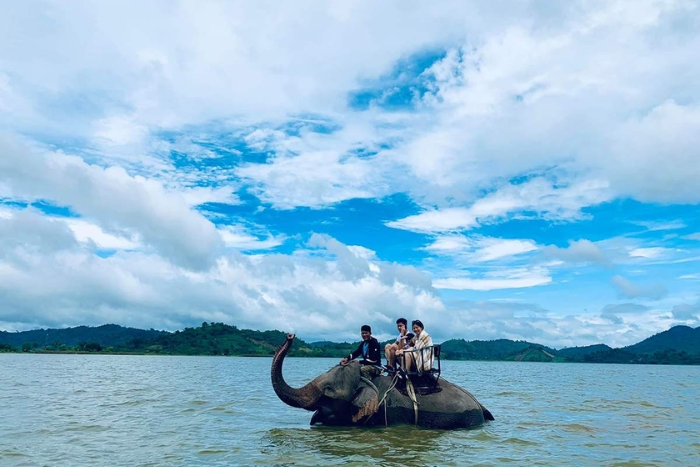
After Lak Lake, the landscape gradually changes. Red soil, coffee plantations and volcanic terrain announce your arrival in Pleiku. This stage of the Vietnam Central Highlands 15 days itinerary introduces a region that remains relatively little visited by foreign travellers.
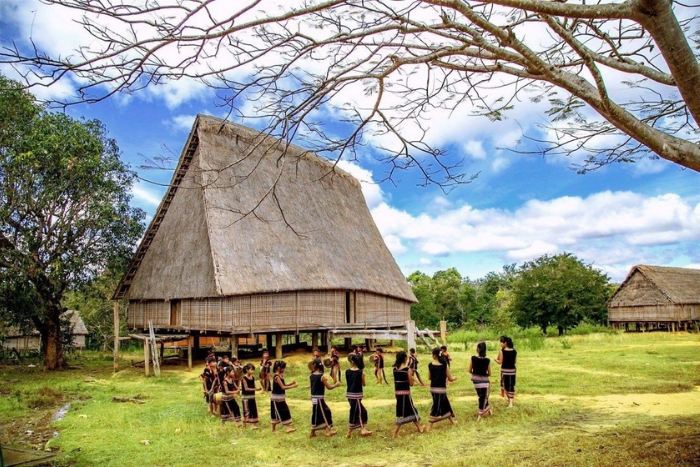
The first afternoon begins with a visit to T’Nung Lake, also known as Bien Ho. The view across the lake offers an initial glimpse of the volcanic landscapes of Gia Lai. The following day, Chu Dang Ya reveals another side of the region through its volcanic terrain, agricultural fields and basaltic soil. Bahnar and Jarai villages then offer a closer look at local traditions, including communal houses, traditional architecture and everyday life. A coffee or tea plantation, along with a cycling trip through the countryside, completes this local experience.
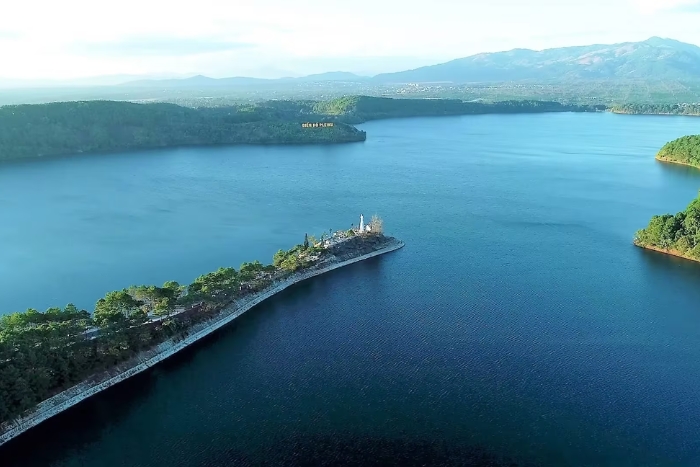
Furthernorth, Kon Tum adds a stronger cultural dimension to this Central Highlands Vietnam 2 week itinerary. After travelling from Pleiku, the city can first be explored through its famous Wooden Church, followed by a walk around the Dak Bla River.
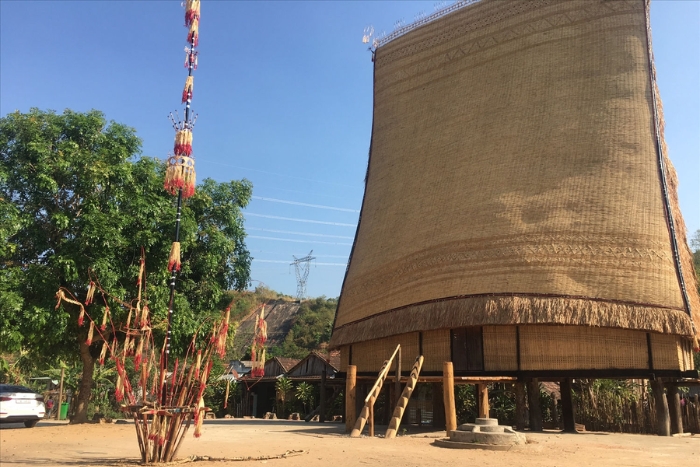
The following two days focus on Bahnar villages. Kon K’Tu offers opportunities to observe communal houses, agricultural activities and rural landscapes. Depending on the local experiences arranged during the trip, an evening around traditional gongs can add another dimension to the stay. For travellers interested in local cultures, this stage offers closer contact with communities in Central Vietnam.
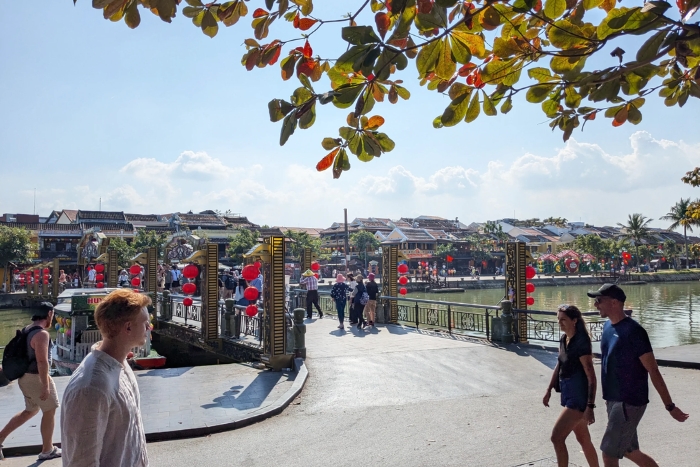
After several days in the mountains, Hoi An brings a change of pace. This final stage of the Vietnam Central Highlands 15 days journey leaves more time for walking, local food and relaxed discoveries.
A cycling trip through the countryside introduces vegetable villages as well as some traditional crafts. In the afternoon, old houses, historic Chinese assembly halls and the small streets of the ancient town offer another perspective on Vietnamese heritage. In the evening, lanterns gradually transform the old town into a lively setting, creating a relaxed way to finish the journey before departing from Da Nang on the final day.
A 15 day trip does not suit every traveller in the same way. This Vietnam Central Highlands 15 days itinerary can therefore be adjusted to match your preferred pace while keeping the character of the journey.
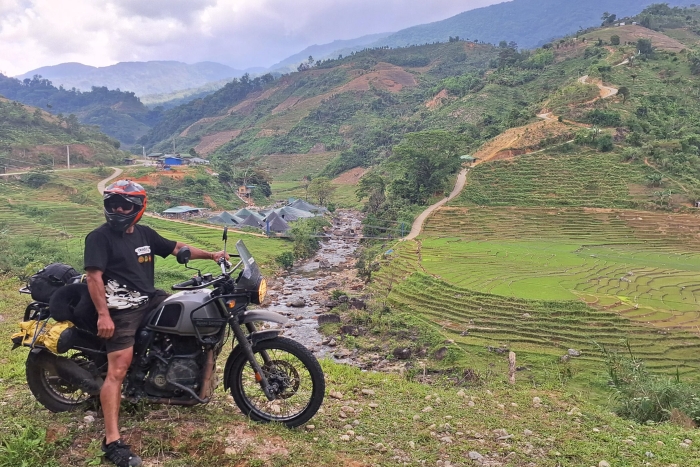
A Vietnam Central Highlands 15 days trip requires a little more planning than a classic itinerary. Distances are long, temperatures vary with altitude, and some areas remain less touristy. A few practical tips can help you enjoy the journey without making the programme too busy.
The period from November to April generally corresponds to the dry season in the Central Highlands. The weather is more suitable for hiking, cycling and visiting coffee plantations. From May to October, rainfall is more frequent, with occasional heavy showers. However, the landscapes become greener during this period. When to visit Vietnam can help you plan your 15 day Vietnam Central Highlands itinerary according to the wider climate conditions. For a comfortable trip, December to March often offers a good balance between pleasant weather, accessible nature and moderate temperatures.
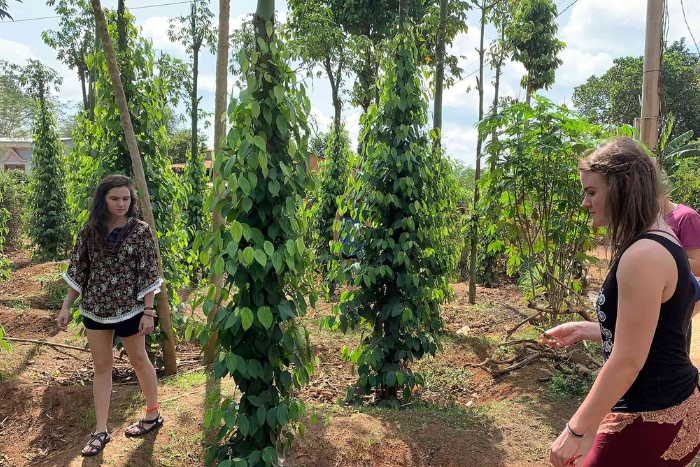
For this 15 day Vietnam Central Highlands itinerary, private transfers are practical between the different stops. The roads connecting Buon Ma Thuot, Lak, Pleiku and Kon Tum can take several hours. A private car with a driver provides greater comfort, especially when travelling with luggage. Domestic flights can also reduce travel time between Ho Chi Minh City and Buon Ma Thuot. For short journeys, walking, cycling or local cars are convenient options.
For Vietnam Central Highlands 15 days, expect around €900 to €1,300 per person, excluding international flights, for a trip with comfortable accommodation, private transfers on longer routes, local meals and main sightseeing activities. The total cost varies depending on accommodation, transport and activities. Rural stops such as Lak are generally affordable, while some private transfers can increase the overall budget.
For a more detailed estimate based on your travel style, our guide to budget travel in Vietnam covers the main expenses to expect during a trip to Vietnam.
A 2 weeks Central Highlands Vietnam trip requires a suitcase suitable for changing temperatures, rural walks and journeys between different destinations:
A Vietnam Central Highlands 15 days trip offers a different way to discover the country, away from the classic routes. From coffee plantations and volcanic landscapes to Bahnar and Jarai villages and rural scenery, each stop brings a different experience. From Buon Ma Thuot to Lak, then Pleiku and Kon Tum, the journey gradually becomes more local. A few days in Hoi An then offer a change of pace before departure from Da Nang. This Central Highlands Vietnam 2 week itinerary is particularly suitable for travellers looking for more nature, local encounters and cultural discoveries. With Autour Asia, local Vietnam travel agency, your 15 day Vietnam Central Highlands itinerary can be tailored to your pace, interests and travel style.


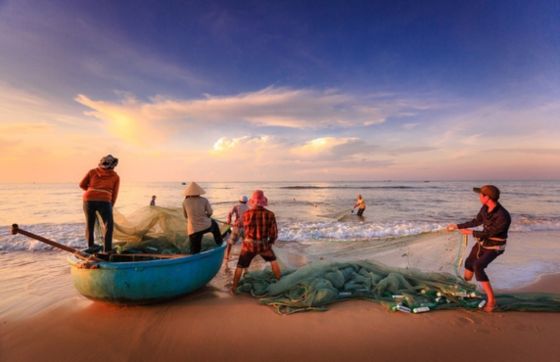
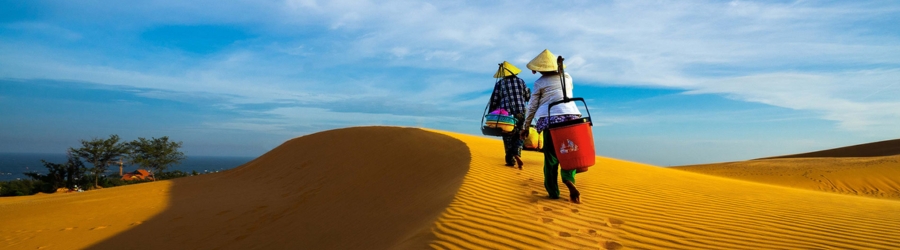
Phan Thiet, a coastal city in Binh Thuan Province, is best known for Mui Ne, an internationally renowned seaside destination. With its beaches, fishing villages, and desert-like sand dunes, the region offers a diverse range of landscapes rarely found elsewhere in Southeast Asia. In November, temperatures remain pleasant for exploring the coast, although occasional showers are still possible. Visiting Phan Thiet Mui Ne in November requires a little preparation to make the most of your stay. This complete guide covers the weather, must-see attractions, transportation options, and practical tips to help you plan your trip to Vietnam in November.
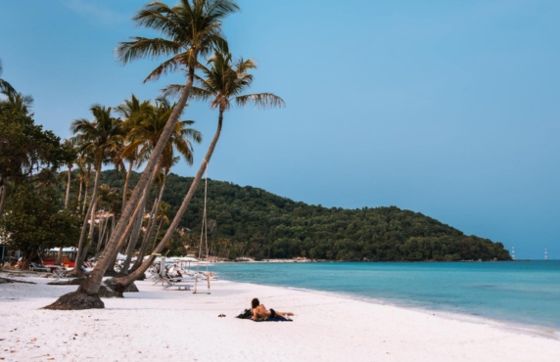
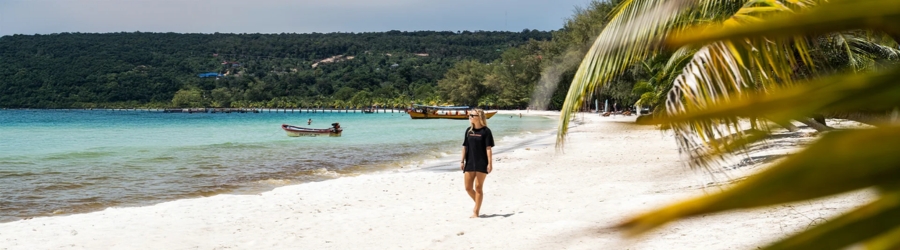
Vietnam’s beaches are best enjoyed at different times of the year, depending on the region. From the turquoise waters of the South to the long stretches of white sand in the Central region and tropical islands, each area has its own climate patterns. To better understand when to visit Vietnam, it is important to consider the weather conditions in each destination. The best time to visit beaches in Vietnam depends on region you choose as well as the activities you have planned. The best time to swim in Vietnam also varies according to rainfall, water temperature and sea conditions. Understanding the Vietnam beach season helps you choose destinations that match your travel dates and enjoy the coastline in good conditions.
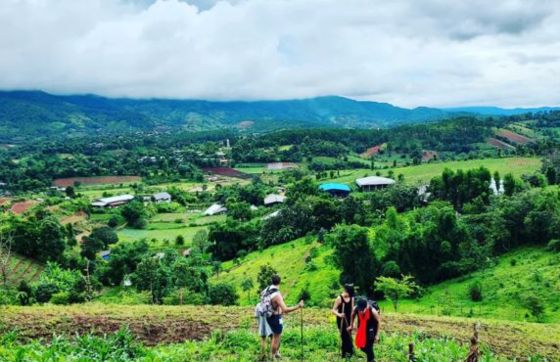
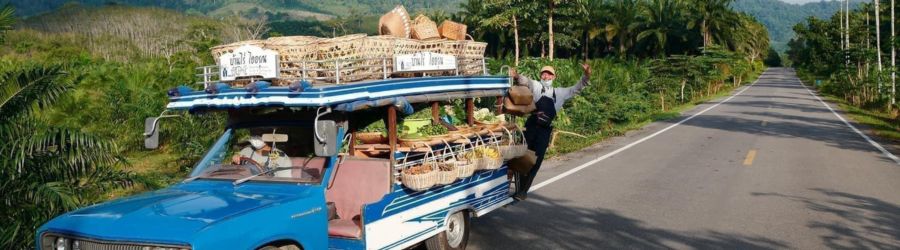
Discovering Thailand through its rice fields, plantations, and rural villages offers a different way to travel, far from traditional tourist circuits. But how can you choose the best agency for Thailand farm tours to enjoy authentic experiences with local communities? Several tour operators offer trips combining agriculture, gastronomy, and encounters with producers. Among them, Autour Asia is an option for travelers who want to personalize their itinerary. Known as Vietnam travel agency - Autour Asia, the company also offers tailor-made trips to several countries in Southeast Asia. With the local travel agency in Thailand - Autour Asia, travelers can explore a trip designed around their interests. Here are five organizations worth knowing, their distinctive features, and the essential criteria for planning a successful agricultural tour in Thailand.
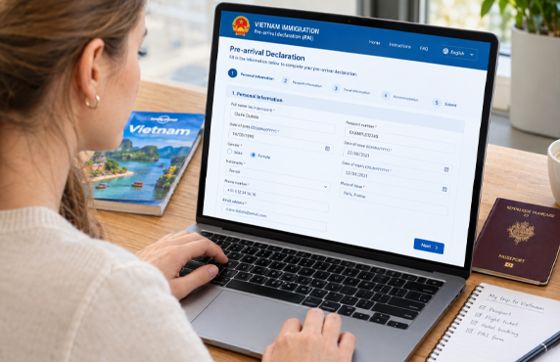
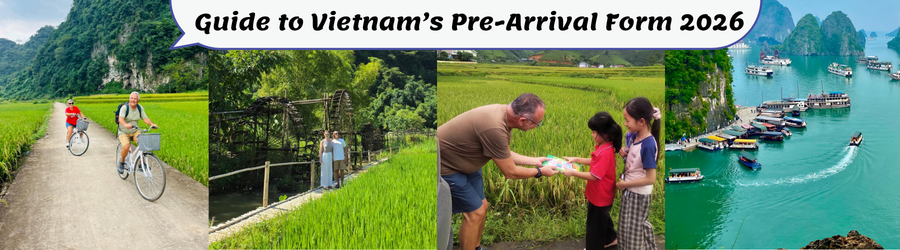
Planning a trip to Vietnam? Before packing your bags, take a few minutes to check the latest entry requirements and prepare the documents you may need at the airport.
Vietnam’s Pre-Arrival Information (PAI) system allows international travellers to submit selected personal, visa and travel details online before arriving in the country. After a successful submission, the system generates a QR code that travellers can save on their phones or print for use during immigration procedures. Although the online declaration is designed to help make arrival procedures smoother, travellers should understand when it applies, how to complete it correctly and which documents they still need to enter Vietnam.
In this practical guide, you will discover where to access the official PAI portal, what information to prepare, how to complete the declaration step by step, how to correct common mistakes and what to do when you arrive at the airport.
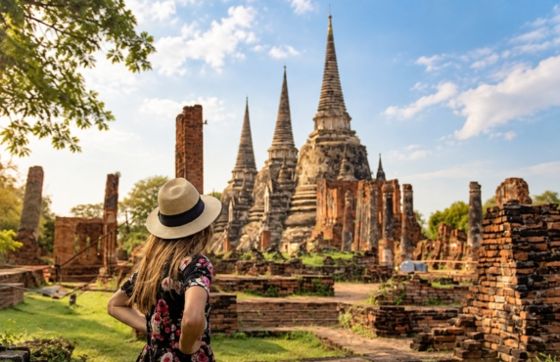
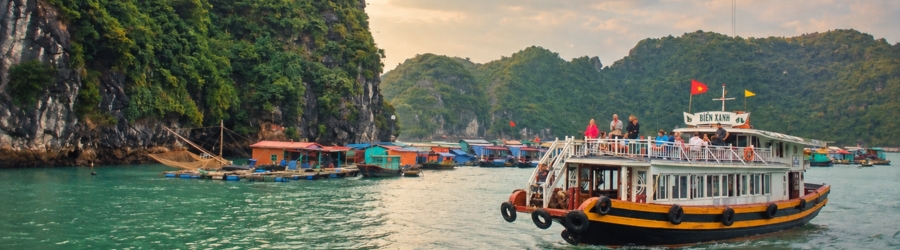
With its exotic landscapes, fascinating cultures and diverse experiences, Vietnam and Thailand are among the most popular destinations in Southeast Asia. However, safety remains an important criterion when planning your trip. So, how can you choose Vietnam or Thailand for a safe trip depending on the way you travel ? And is Vietnam safer than Thailand ? Each destination has its own characteristics and points to consider. In this article, Autour Asia helps you compare Vietnam and Thailand to better understand their differences and choose the destination that meets your expectations for your next trip to Asia.
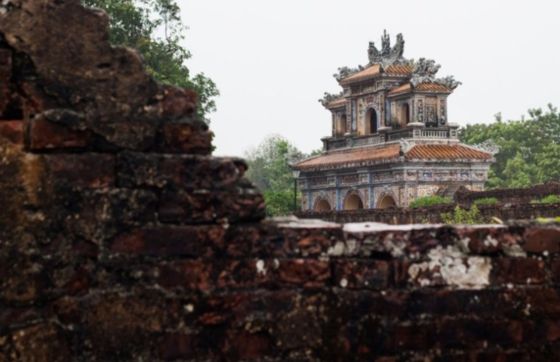
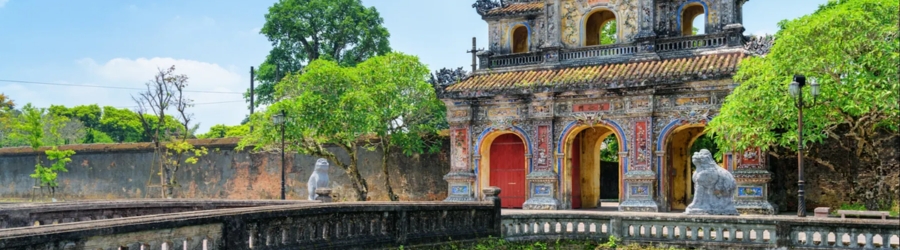
Planning a trip to Hue in November requires a little more flexibility than at other times of the year. Visiting Hue in November means experiencing the rainy season in central Vietnam, with prolonged showers and a risk of flooding. However, this period can also be an opportunity to explore the former imperial capital’s royal heritage, pagodas and renowned cuisine in a quieter atmosphere. The key is to choose your activities carefully, prepare alternative plans and check the weather conditions before setting out.
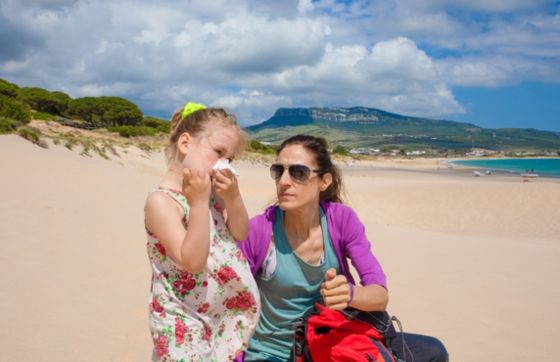
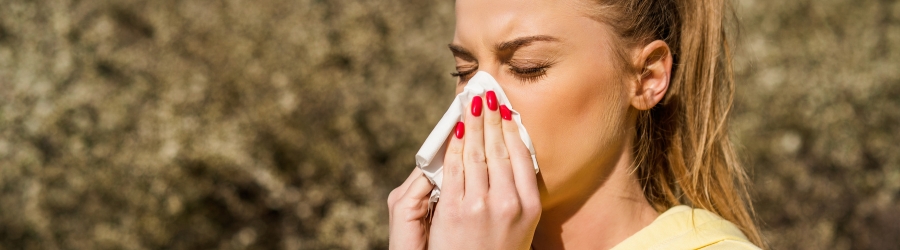
When travelling in Cambodia, some everyday habits may raise questions about local customs. Is blowing your nose in public considered polite? How should you behave in restaurants, on public transport or during a visit? These small details matter when you want to respect the local culture. Discover how to manage blowing your nose in Cambodia discreetly, along with practical tips on using tissues during your trip. Autour Asia, Cambodia travel agency, helps you discover local customs with advice tailored to travellers. From Cambodia travel etiquette to personal hygiene and everyday situations, a few simple guidelines can make your journey more comfortable. In Phnom Penh, Siem Reap or Kampot, understanding local customs helps you avoid awkward moments while making the most of your stay.
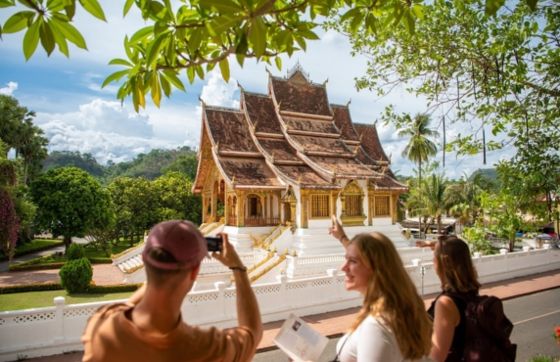
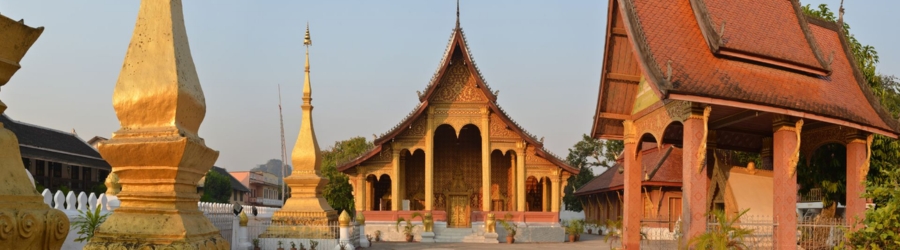
Blow your nose in Laos is not necessarily considered rude, but it is best to do so discreetly, especially in quiet places or during meals. If you have a cold, use a clean tissue and avoid blowing your nose loudly in public. In temples and other places of worship, respect the peaceful atmosphere and local customs. If you need to blow your nose frequently, step away from others for a moment whenever possible. Finally, dispose of used tissues in a rubbish bin. These simple habits will help you observe good manners during your trip to Laos.



 FR
FR EN
EN