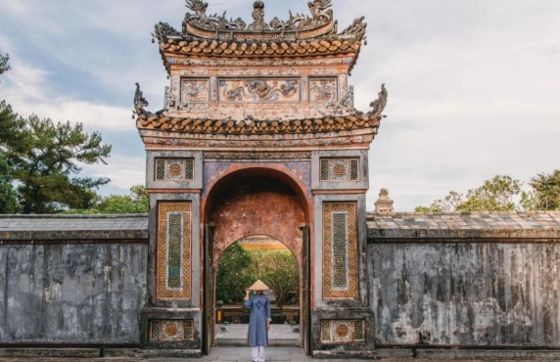
 If you're not in the mood to travel far, Dục Đức Tomb is a suitable choice because it's located within the city borders. Only three days could Duc Duc rule before he was overthrown and executed under dubious circumstances. Duc Duc Tomb is the best site to see in Hue.
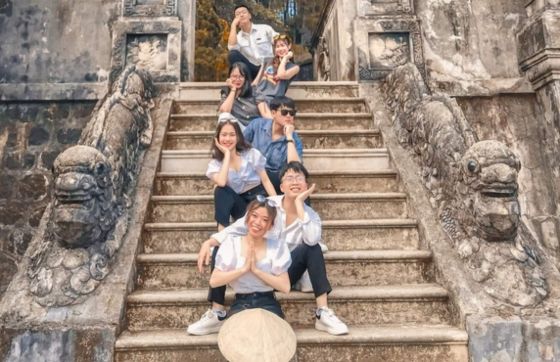
 The art architecture of Dong Khanh Tomb combines Asian and European elements in a very beautiful way. Dong Khanh Tomb was also designated as a World Cultural Heritage by UNESCO. Another remarkable artifact in the network of mausoleums built during the Nguyen Dynasty is the tomb of Dong Khanh, also known as Tu Lang. It is the best place to visit in Hue. Furthermore, following 35 years of formation and four generations of Nguyen Emperors. When visiting Hue, tourists should not miss the spectacular Dong Khanh Tomb. Apart from being close to other emperors' graves. Additionally, there are areas of Dong Khanh's tomb with exceptional architectural, artistic, and decorative qualities. Dong Khanh Tomb is the best place to see in Hue.
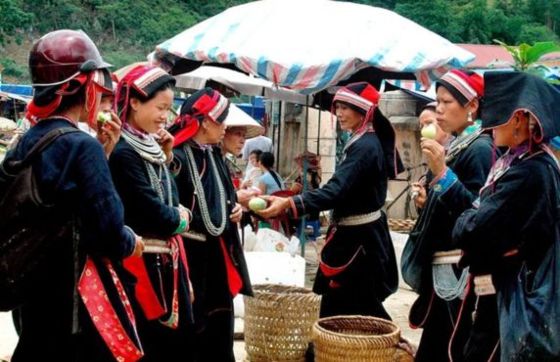
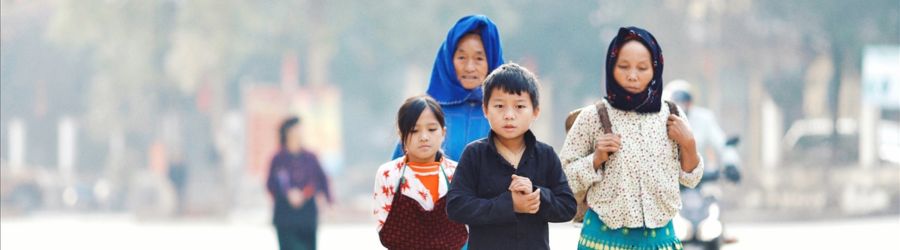
Yen Minh market, located in a small town about 100 km from Ha Giang city center, reflects the lively spirit of the locals amidst a wild and majestic nature. Due to its distance from other Ha Giang ethnic markets, Yen Minh market stands as a hidden pearl, waiting to be discovered by visitors. Not just a bustling marketplace, it is also a living tableau of the cultural life and customs of various ethnic groups in northern Vietnam. Yen Minh market is an essential gathering place where residents from distant ethnic villages come together to exchange their unique local products, creating a typical highland trading atmosphere.
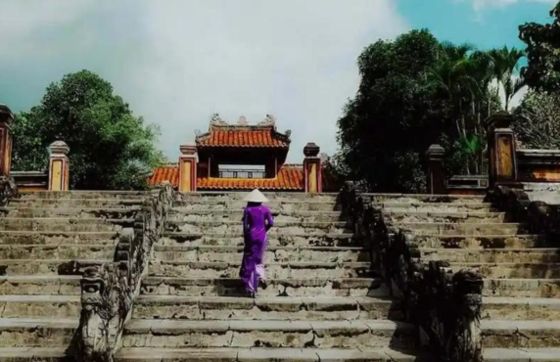
 One of the most well-visited and well-preserved royal tombs in Hue is Gia Long Tomb, also called the Thien Tho Royal Tomb. Vietnam's stunning architectural wonder, Gia Long Tomb, highlights the rich history and culture of the nation. It is located in Hue. Gia Long Tomb is the best place to visit in Hue.
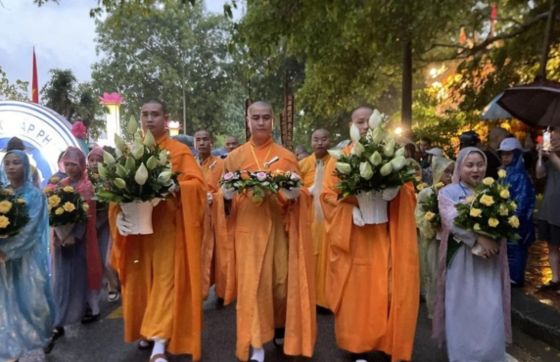
 Tu Dam Pagoda should undoubtedly be on your list of places to visit in Hue. Tu Dam Pagoda, renowned for its lengthy history and enduring beauty, has been crucial to Vietnamese Buddhism. It is the best place to see in Hue.

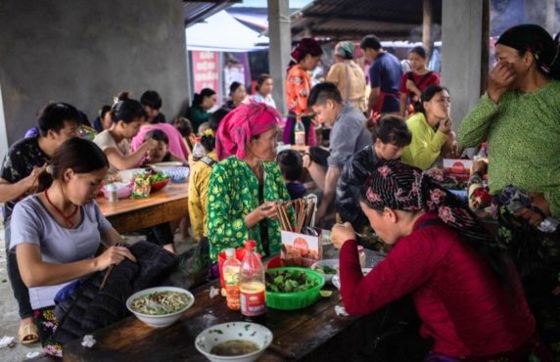
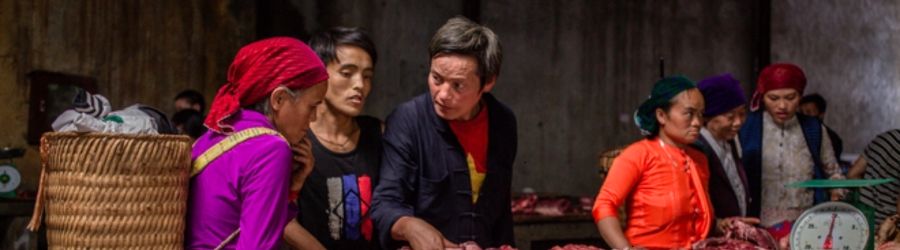
Nestled in Ha Giang majestic mountains, Trang Kim market offers a true showcase of local ethnic traditions from northern Vietnam. The unique appeal of this ethnic market lies not only in its role as a meeting and exchange point for various ethnic groups but also in its ideal setting for discovering culinary specialties. Among these, pho Trang Kim stands out as an emblematic dish of Quan Ba district and Ha Giang as a whole. For visitors to Ha Giang, tasting this unique pho, found only at Trang Kim market, is a must. From artisanal products to traditional dishes, every stall at Trang Kim market tells a story, providing visitors with an authentic immersion into the rich cultural and gastronomic heritage of this fascinating land.
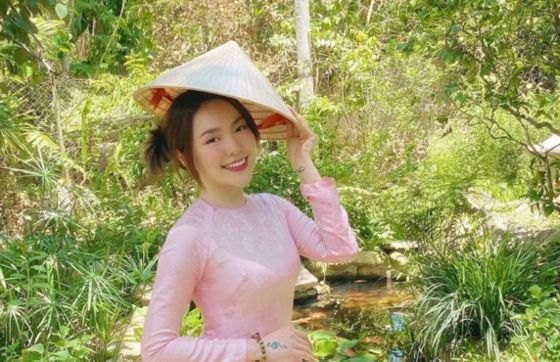
 Tu Hieu Pagoda is a well-known Buddhist pagoda in Vietnam with a rich history spanning over 160 years. Apart from its spiritual significance, Tu Hieu Temple is a must-see place for tourists.
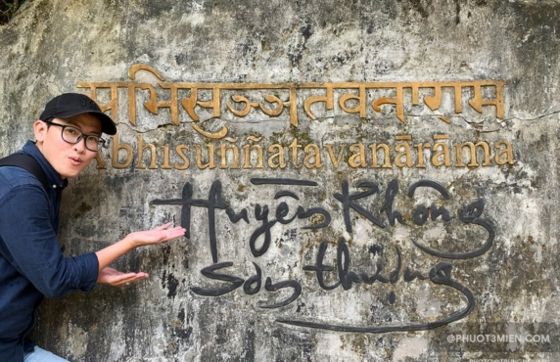

Huyen Khong Son Thuong Pagoda is a masterful fusion of historic architecture with poetic beauty. Huyen Khong Son Thuong is a perfect location for those who enjoy culture and history. Huyen Khong Son Thuong Pagoda, also known as Huyen Khong 2 Pagoda, is one of the numerous must-see attractions in the idyllic city of Hue. It draws both local and foreign tourists each year. This pagoda promises to highlight your journey to Hue while preserving important cultural characteristics. It is the best place to see in Hue.
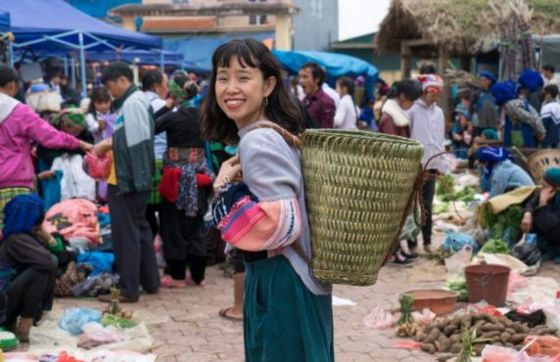
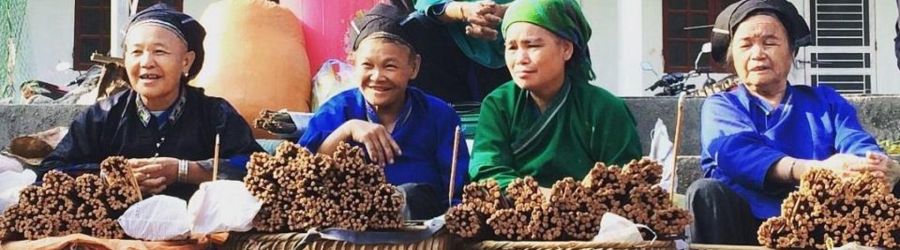
When discussing the Ha Giang Loop, it's impossible not to mention its unique ethnic markets, among which Hoang Su Phi market stands out as the oldest and most remarkable, nestled within this majestic landscape. Established long ago by the local residents of Hoang Su Phi district, this ethnic market has preserved its original beauty, rich in color and uniqueness. The article below will serve as an essential guide for those looking to visit Hoang Su Phi market in Ha Giang, northern Vietnam.
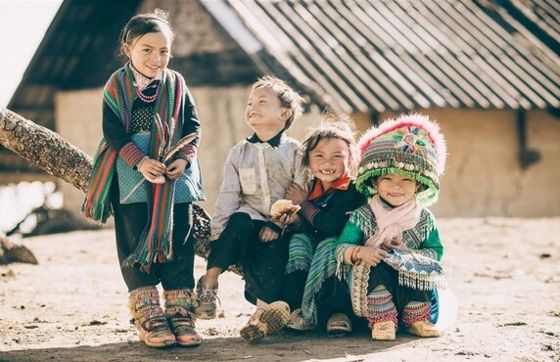

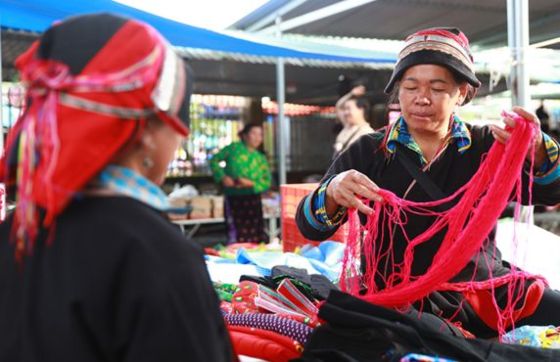
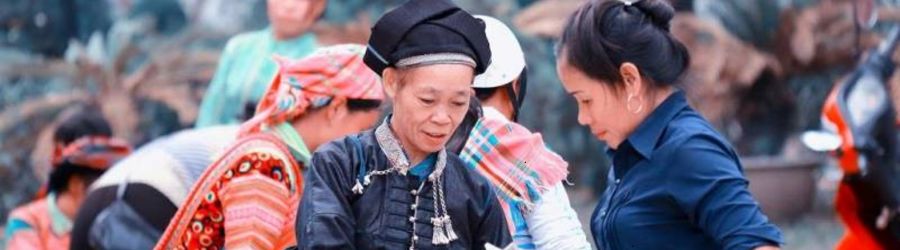
Exploring Ha Giang Loop, you will not only be amazed by the grand natural landscapes but also discover the rich cultural diversity of ethnic minorities through Quan Ba market – one of the must-visit destinations in Ha Giang. Quan Ba market is not just a place for trading and commerce but also an opportunity for different ethnic groups to meet, discuss, and share their culture. Thus, by visiting this ethnic market, you will experience Ha Giang in all its liveliness and vibrancy. The article below will provide you with all the useful information about Quan Ba market in Ha Giang, northern Vietnam.


Before travelling to Vietnam, you need to familiarise yourself with main electrical specifications such as voltage, vietnam power plug frequency and some types of electric plug vietnam to ensure a smooth experience. Understanding local voltage standards, frequency variations, and the need for compatible adapters and plugs will help you prepare and be well equipped for your journey in Vietnam. Follow the article below from Autour Asia for more useful information about Vietnam electrical outlet plug !
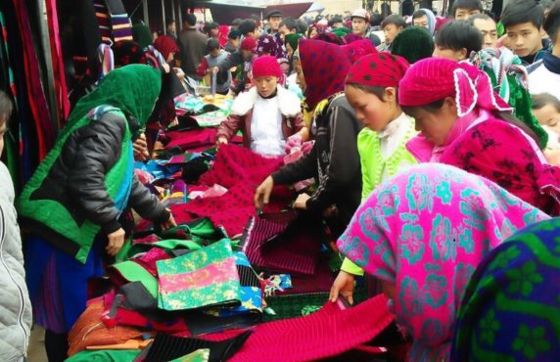
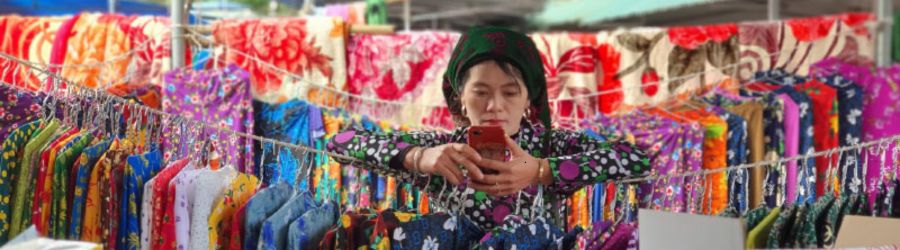
In Quan Ba district, Ha Giang, there is Quyet Tien market that always attracts large crowds, with people looking to buy all kinds of products, such as food, clothing, and jewelry. Unlike the wild and majestic nature of Ha Giang, Quyet Tien market offers a lively and bustling atmosphere, characteristic of the ethnic minorities of Northern Vietnam. They always warmly welcome visitors to their region. Explore the article below to learn more about Quyet Tien market, one of the best Ha Giang ethnic markets!
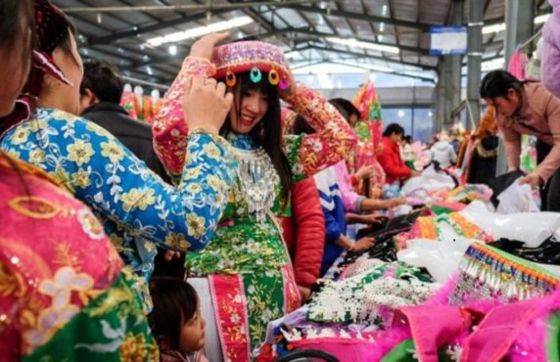
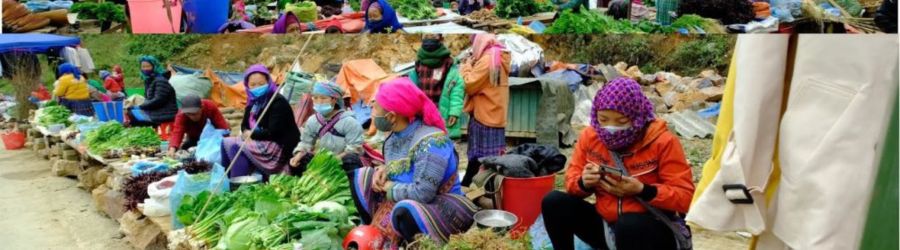
Meo Vac market, famous for being the largest ethnic market in Ha Giang, offers a vibrant scene where buyers and sellers from different ethnic minorities, as well as locals and tourists, come together. It can be said that Meo Vac market is the most representative showcase of the culture, customs, and daily life of the ethnic groups in northern Vietnam. This is why the market is a must-visit when exploring Ha Giang Loop. Here’s an essential guide to exploring Meo Vac market, one of the best ethnic markets in Ha Giang.
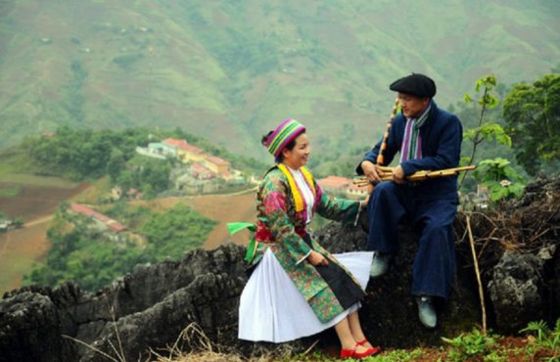
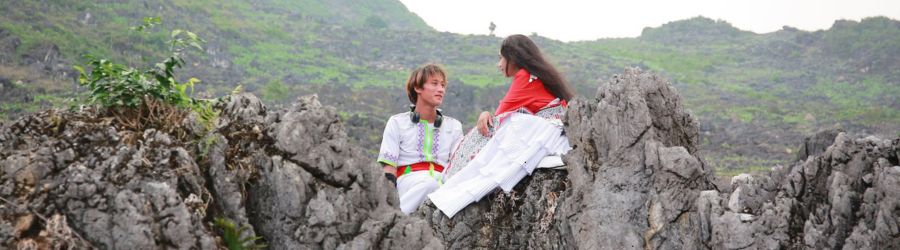
Located in the Meo Vac district, the Khau Vai love market is famous for being one of the most unique ethnic markets in Ha Giang. Perhaps because at the Khau Vai love market, buying and selling are not the most important aspects, as the ethnic groups believe that this market is a place where they preserve the traditional cultural values of Ha Giang, which have existed for over 100 years. The Khau Vai love market remains a destination that attracts the attention of all visitors. The article below explains why this market is so appealing!
Vietnam, a peaceful and friendly country in Southeast Asia, is a member of ASEAN. It attracts tourists with its captivating natural beauty and hospitable locals. From beautiful sandy beaches to adventurous mountains, and dynamic cities to tranquil villages, Vietnam offers a variety of experiences for all types of travelers.
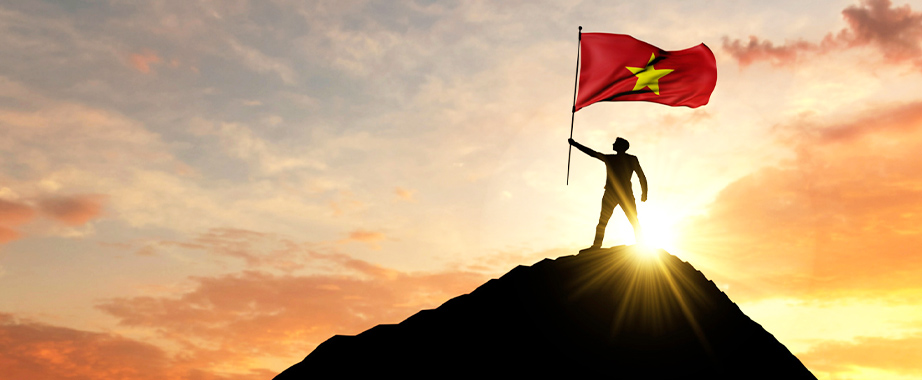
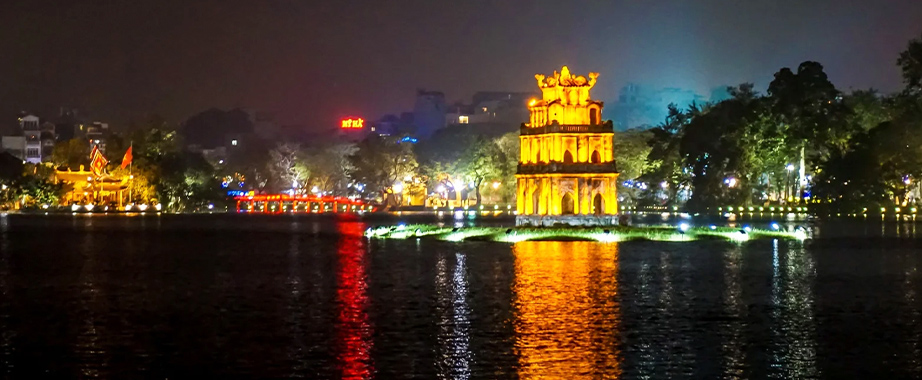
Vietnam has a long and brave history, marked by wars and struggles. For tourists, a visit to the country's historical sites is a must.
Halong Bay: A Dazzling Natural Landscape
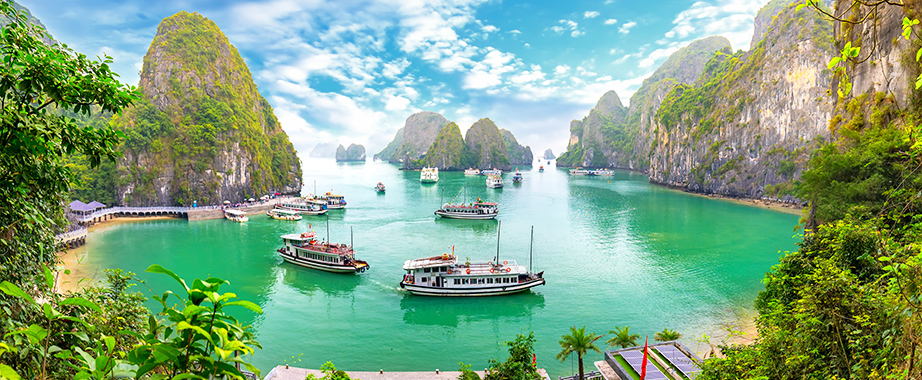
Halong Bay, a UNESCO World Heritage Site, is a stunning destination with over 2,000 sparkling limestone islands surrounded by crystal-clear waters in the South East Sea. To experience its breathtaking beauty, consider spending a night on a ship, exploring mysterious caves, swimming with marine life, and savoring fresh seafood. There are 4 cruise piers to choose from, each offering unique experiences. For a serene and authentic experience, opt for Ben Beo, where you can marvel at sites like the Surprise Cave, Tunnel Cave, Titop Island, and more.
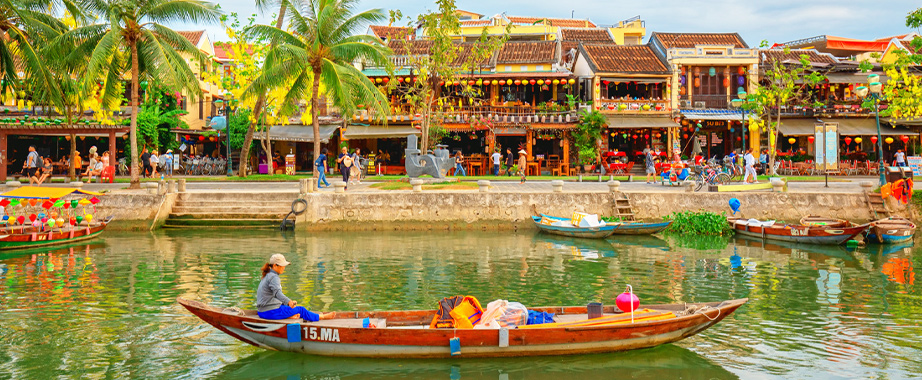
Hoi An, a mystical old town on Vietnam's central coast, is a true treasure trove of the nation's cultural legacy. Its winding cobblestone paths, vivid wooden houses, and ancient Japanese archways create a beguiling atmosphere. Immerse yourself in its rich history by exploring sacred shrines, artisanal boutiques, and local culinary delights. Don't miss the Quan Cong Temple, Phuc Kien Pagoda, Japanese Bridge, and Tan Ky Ancient House.
Vietnam has 54 official ethnic groups, with the majority being Kinh/Viet. Its diverse culture offers a mix of customs, beliefs, and religions for foreigners to experience. Marriages were historically influenced by family interests, not just love.
Vietnamese society embraces 37 religious organizations, including Buddhism, Catholicism, Protestantism, Muslim, Caodaism, and Hoa Hao Buddhism. Ancestor worship is also common.
Festivals in Vietnam showcase its rich history and art. Tet holiday features rituals, fireworks, and temple visits, while the Mid-Autumn Festival includes lanterns, lion dances, and moon cakes. Highland areas offer more adventurous festivals.
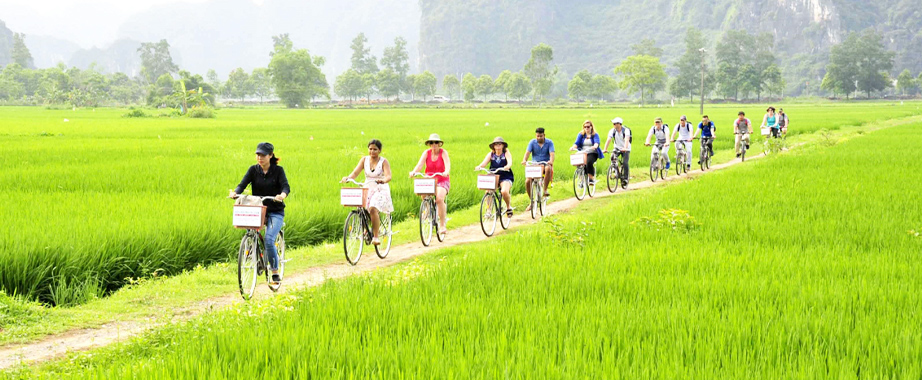
Vietnam experiences dramatic seasonal variations from North to South. The North has four seasons, with harsh cold in Winter and Spring and scorching heat in Summer. Tourists prefer visiting the North during Autumn for pleasant weather.
Conversely, the South has two main seasons: rainy and dry. For a sunny trip, plan your visit between April to September.
The middle area, known for its beautiful long beaches, faces storms during the rainy season. Travelers should be cautious and plan their trips accordingly.


 FR
 EN
