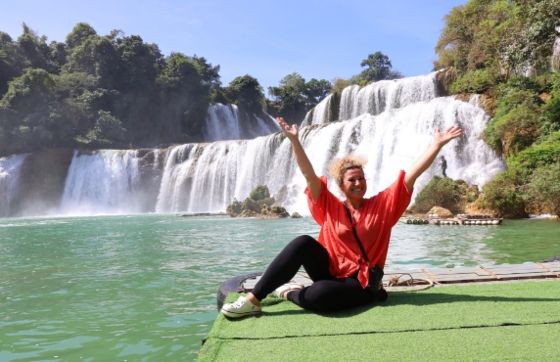

This journey was more than sightseeing, it was a window into a world of natural beauty and authentic human connection. Join me as I share my memories of this remarkable corner of Cao Bang Vietnam, discover this land and its people: majestic, wonderful, yet beautifully simple and warm-hearted.
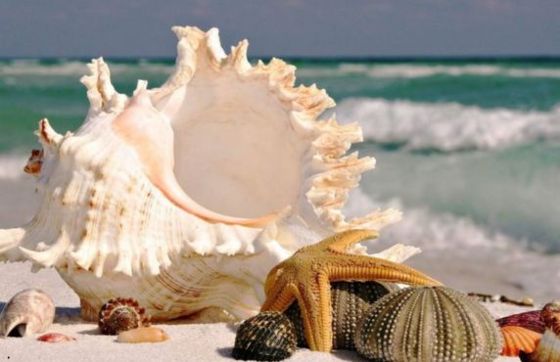

Wondering what to take back home after visiting Cat Ba? Besides diving into the turquoise waters of this stunning island, many visitors are curious about the shopping in Cat Ba. You can bring home typical souvenirs, and local specialties for your family and friends, or simply keep an item as a memory of your time on the island. Check out our selection below and choose a meaningful Cat Ba souvenir during your Vietnam trip!
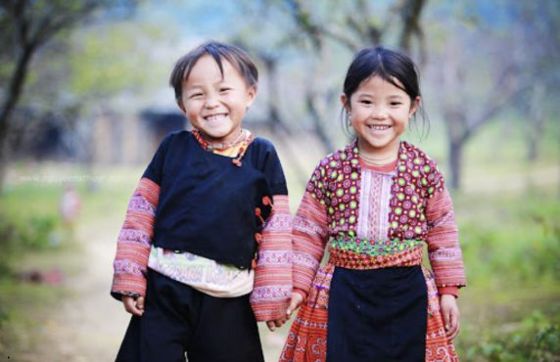
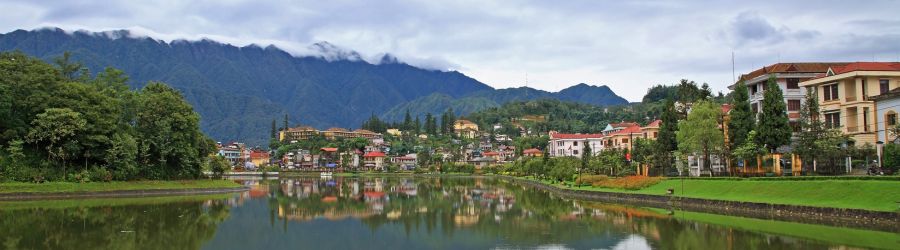
Planning a travel itinerary in northern Vietnam can be challenging with so many beautiful destinations like Sapa and Moc Chau. While Sapa is famous for its majestic nature, with enormous mountains and vast rice terraces, Moc Chau invites you to explore its lush tea hills, high plateaus, and charming villages. This blog will help you decide between Sapa and Moc Chau for your next trip to Vietnam!
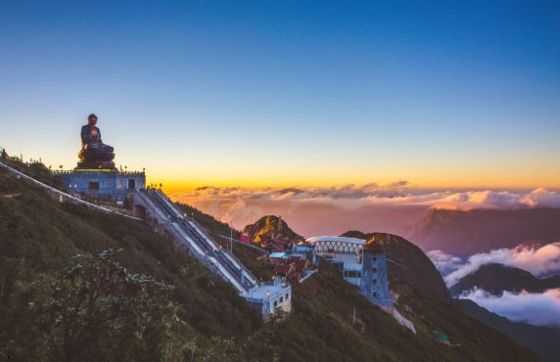

Located in the northern part of Vietnam, Sapa and Tam Dao are two breathtaking destinations, each offering a unique experience with stunning landscapes, misty clouds, and impressive natural beauty. However, if your budget and time are limited, it’s important to consider which destination best suits your travel preferences. Whether you choose Sapa or Tam Dao, both promise an unforgettable adventure, offering the perfect opportunity to explore the charm of northern Vietnam!
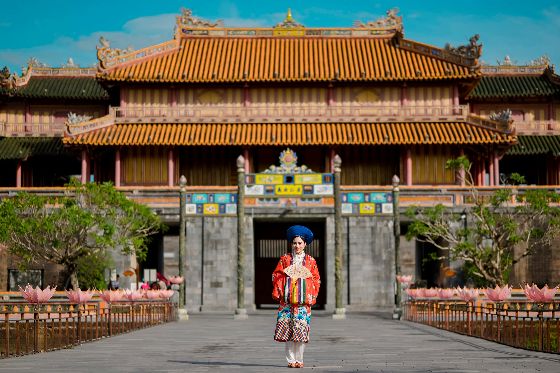

What to do in a day in Hue to make the most of this ancient imperial capital of Vietnam? Visit the Imperial City, explore royal tombs, admire pagodas, and stroll along the Perfume River. An immersive experience guaranteed in the authentic soul of Vietnam. Please refer to the following article from AUTOUR ASIA, Vietnam Travel Agency, to learn more about the 24-hour itinerary in Hue.
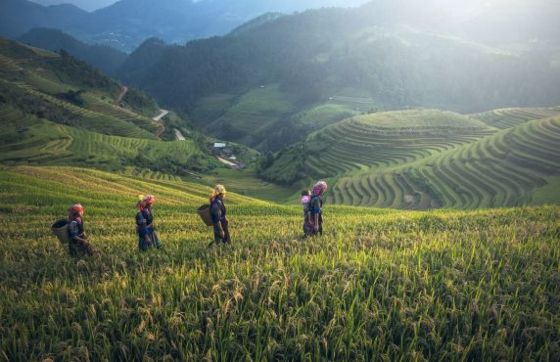

When traveling in northern Vietnam, Sapa and Mu Cang Chai are two highly sought-after destinations for travelers. With their picturesque natural landscapes and the unique cultural life of ethnic minorities, Sapa and Mu Cang Chai offer unforgettable experiences. However, if you’re unsure between Sapa and Mu Cang Chai, check out the article below to find out which of these destinations would suit you best!
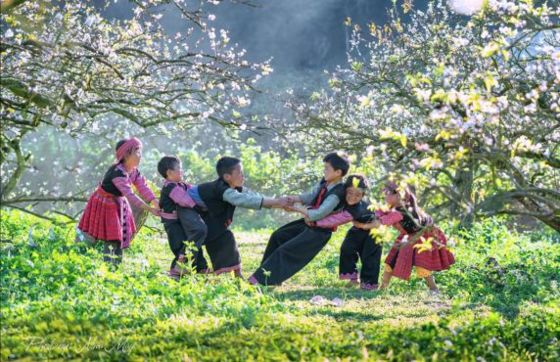
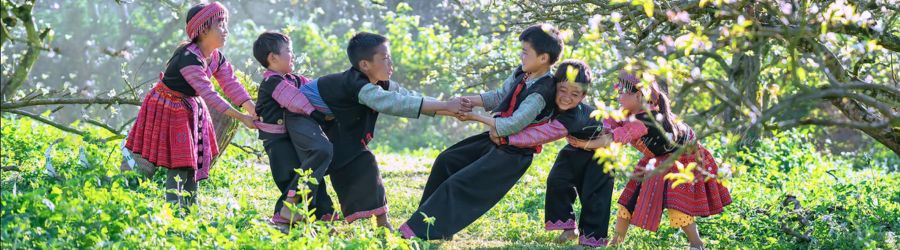
As you plan your travel itinerary in northern Vietnam, you probably wonder: Sapa or Bac Ha? Both destinations captivate travelers with breathtaking landscapes and the authentic culture of ethnic minorities. So, should you choose between Sapa and Bac Ha, or take the time to explore both? In this blog, we’ll help you make the best choice for your next trip to Vietnam!
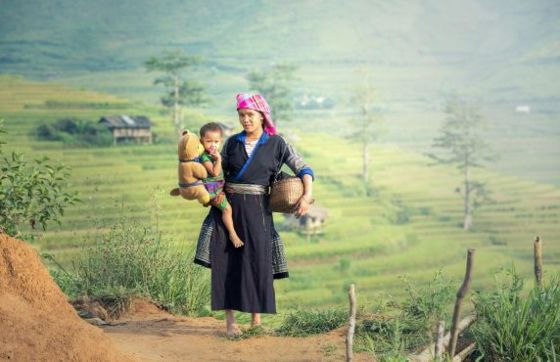
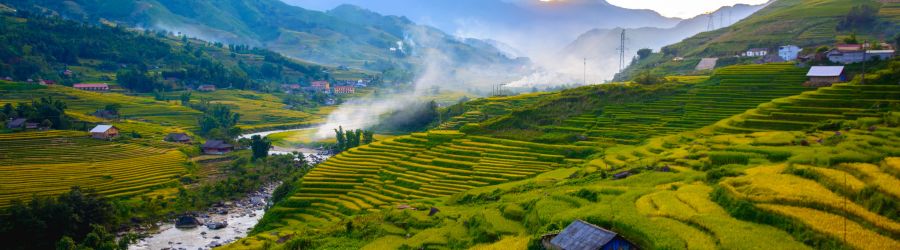
Sapa and Pu Luong are increasingly attracting worldwide travelers, drawn by their lush nature and the cultural beauty of ethnic minorities. However, it is not always possible to explore both destinations in a single trip. If you're passionate about discovering the daily life of the ethnic groups, Sapa will be the perfect choice. On the other hand, if you prefer outdoor activities like trekking through villages and swimming under waterfalls, the Pu Luong Nature Reserve will captivate you. This blog will help you make the right choice for a trip to Vietnam!
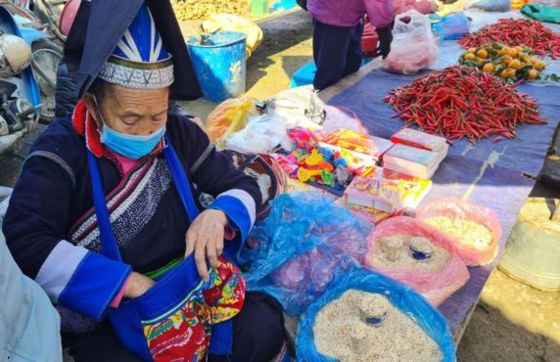

When you visit Sapa in northern Vietnam, the Pha Long market is a must-see. People often say: "Going to an ethnic market is not just for shopping, but to admire the richness of the local culture". The Pha Long market is a true cultural treasure that takes place every Saturday. You’ll encounter lively crowds at the stalls, buying, selling, chatting, meeting new people, flirting, and more. Additionally, this market is also the venue for unique traditional celebrations. The travel guide below will provide you with all the useful information about the Pha Long ethnic market in Sapa and why it’s worth a visit.
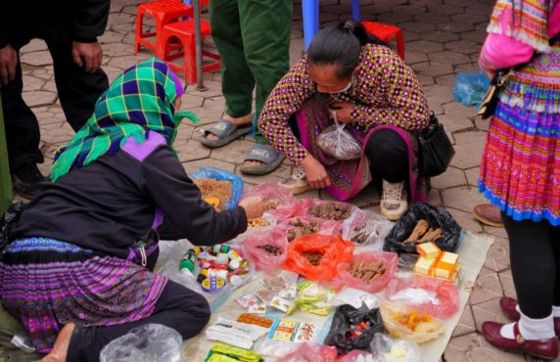
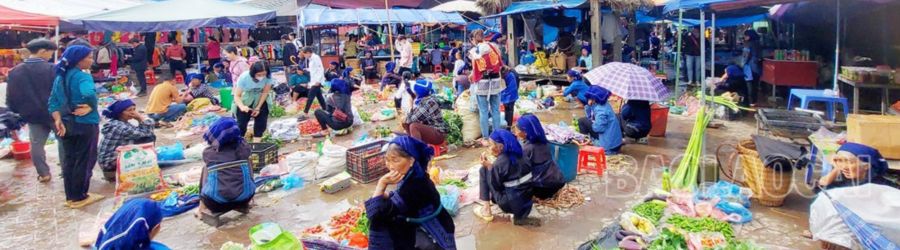
Located about 70 km from Sapa, the Y Ty market (Vietnamese name: Y Tý) has long drawn travelers with the warmth and hospitality of its ethnic minorities, combined with the wild, majestic beauty of northern Vietnam’s landscapes. Nestled amid stunning mountain vistas, this vibrant market is a cultural hub where Hmong, Dao, and Ha Nhi people gather to trade goods, showcase traditional crafts and share their heritage. Join us as we delve into the colorful world of the Y Ty ethnic market in Sapa with Mr. Ben Toure, exploring this cultural highlight held every Saturday — a truly unforgettable experience.
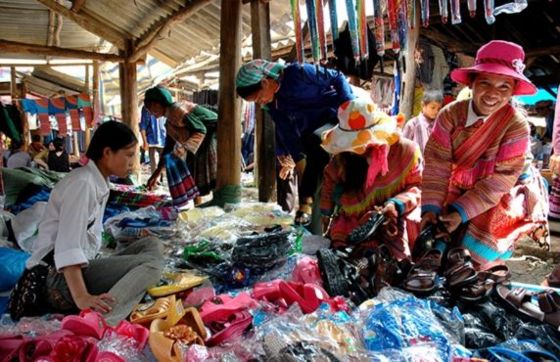

Traveling to Sapa, in northern Vietnam, we were fortunate to visit the Châu market (in Vietnamese: chợ Chậu). Unlike other well-known ethnic markets, this one is smaller and more authentic, with few tourists. This allowed us to delve deeply into the daily lives of ethnic minorities and their unique local crafts. For this trip, we were accompanied by a driver and a local guide, both recommended and organized by Autour Asia, a very professional Vietnam travel company, making our stay even more memorable. Here is my experience and our fascinating discoveries at Châu market in Sapa, Lao Cai.
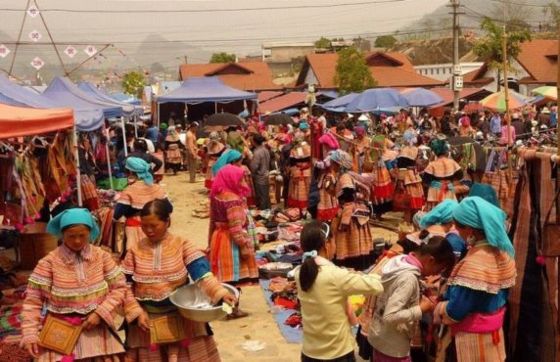

As one of the ethnic markets most deeply rooted in northern Vietnam’s culture, the Lung Khau Nhin Market in Sapa, Lao Cai, attracts many visitors. They come not only to discover unique local products but also to immerse themselves in the lively, vibrant atmosphere created by the various ethnic minorities present. If you’re unsure what to buy at the Lung Khau Nhin ethnic market, this ultimate guide to shopping will answer all your questions!
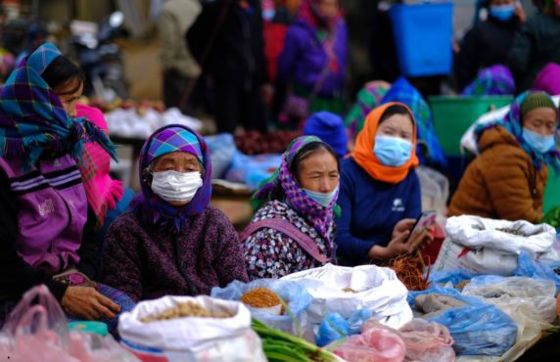

Not far from Sapa, you will find a vibrant ethnic market called Lung Phinh Bac Ha. Every Friday, people from nearby villages and towns flock to this market. People come not only to buy, sell, or trade goods but also to meet and celebrate the unique culture of their ethnic group. The essential guide below provides useful information for shopping at Lung Phinh Bac Ha Market, as well as insights into the unique products you shouldn’t miss!
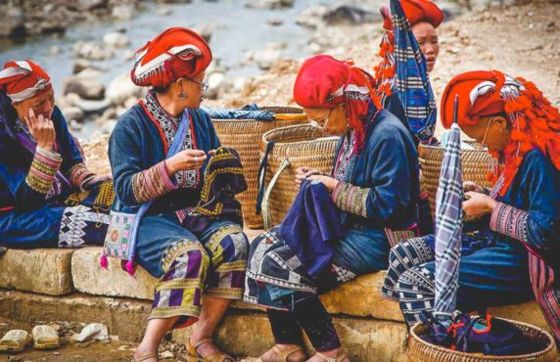

Among the best Sapa ethnic markets, Cao Son Market attracts numerous visitors yearly. This ethnic market is infused with the cultural beauty of Vietnam's ethnic minorities, reflected through its stalls of agricultural products, traditional crafts, and enticing dishes typical of the northwest. Additionally, Cao Son Market allows tourists to discover the daily lives of the residents of the Sapa Lao Cai mountains, making each visit a memorable part of your authentic journey in Vietnam.
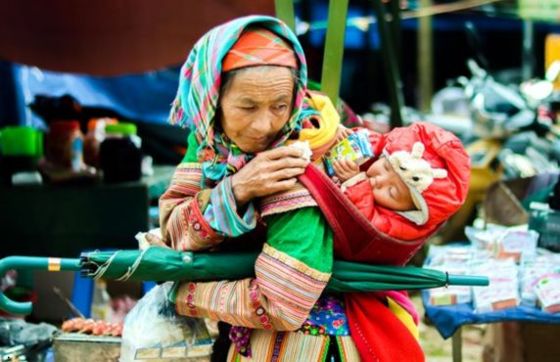

Not far from Sapa, at the border of Lao Cai province, the lively Sin Cheng market takes place every week, a true cultural treasure of northern Vietnam. This ethnic market is more than just a place for trading local products; it’s a genuine celebration, an opportunity for various ethnic minorities to meet. For the Hmong people, there are 50 occasions to celebrate Tet each year: the Hmong New Year, the Lunar New Year, and 48 market days — each serving as a major annual festival. Discover below why the Sin Cheng market is so beloved and explore the rich culture of the local ethnic groups!
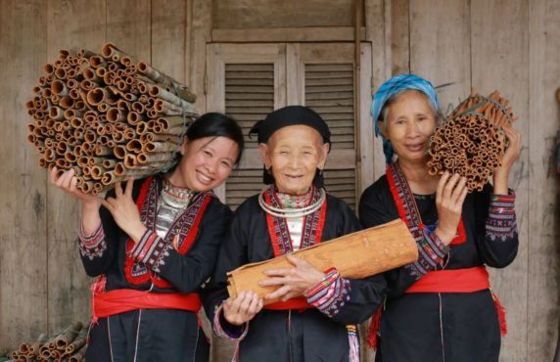

From Sapa to Bac Ha, don’t miss Coc Ly Market, a place steeped in cultural beauty and unique northern Vietnamese traditions. Alongside admiring the magnificent landscapes of Bac Ha and Lao Cai, you’ll have the chance to meet ethnic minorities and immerse yourself in the lively atmosphere of a mountain market. Our detailed guide and practical information below will help you discover why Coc Ly Tuesday Market is so special and worth a visit in Sapa, Vietnam.
Vietnam, a peaceful and friendly country in Southeast Asia, is a member of ASEAN. It attracts tourists with its captivating natural beauty and hospitable locals. From beautiful sandy beaches to adventurous mountains, and dynamic cities to tranquil villages, Vietnam offers a variety of experiences for all types of travelers.

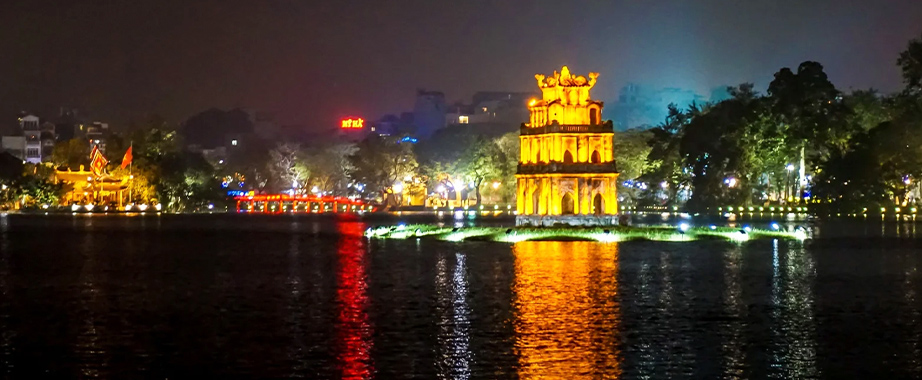
Vietnam has a long and brave history, marked by wars and struggles. For tourists, a visit to the country's historical sites is a must.
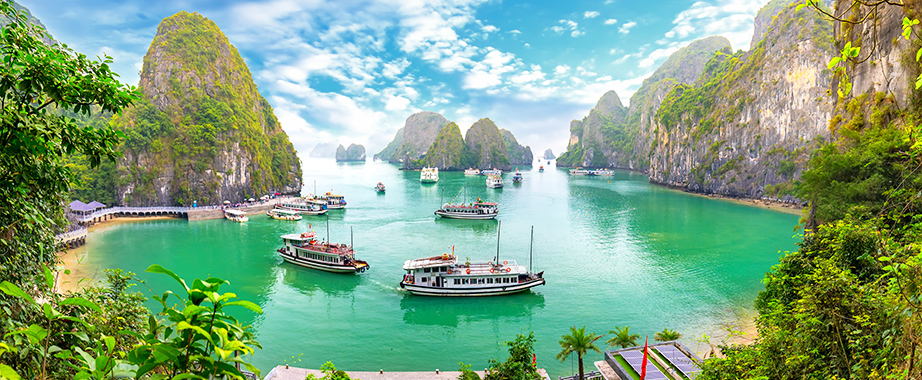
Halong Bay: A Dazzling Natural Landscape
Halong Bay, a UNESCO World Heritage Site, is a stunning destination with over 2,000 sparkling limestone islands surrounded by crystal-clear waters in the South East Sea. To experience its breathtaking beauty, consider spending a night on a ship, exploring mysterious caves, swimming with marine life, and savoring fresh seafood. There are 4 cruise piers to choose from, each offering unique experiences. For a serene and authentic experience, opt for Ben Beo, where you can marvel at sites like the Surprise Cave, Tunnel Cave, Titop Island, and more.
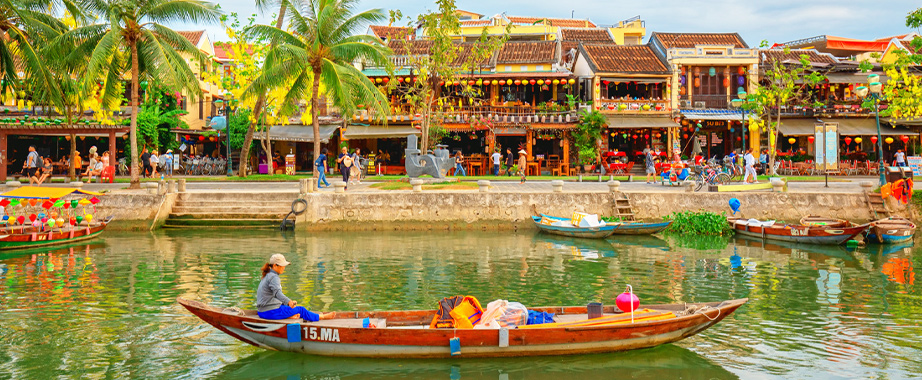
Hoi An, a mystical old town on Vietnam's central coast, is a true treasure trove of the nation's cultural legacy. Its winding cobblestone paths, vivid wooden houses, and ancient Japanese archways create a beguiling atmosphere. Immerse yourself in its rich history by exploring sacred shrines, artisanal boutiques, and local culinary delights. Don't miss the Quan Cong Temple, Phuc Kien Pagoda, Japanese Bridge, and Tan Ky Ancient House.
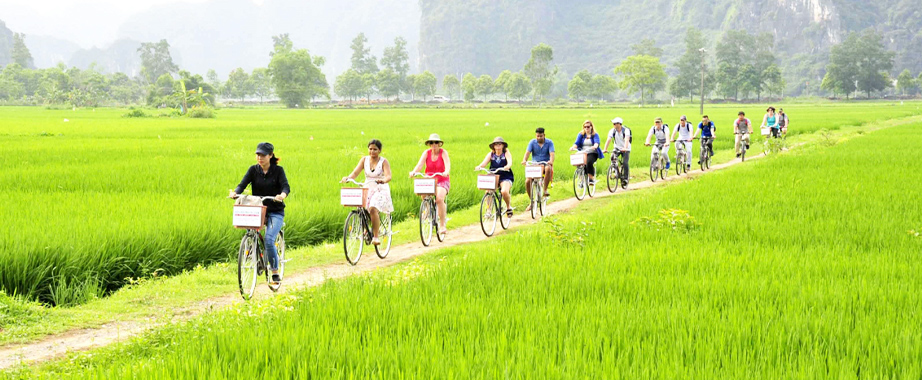
Vietnam has 54 official ethnic groups, with the majority being Kinh/Viet. Its diverse culture offers a mix of customs, beliefs, and religions for foreigners to experience. Marriages were historically influenced by family interests, not just love.
Vietnamese society embraces 37 religious organizations, including Buddhism, Catholicism, Protestantism, Muslim, Caodaism, and Hoa Hao Buddhism. Ancestor worship is also common.
Festivals in Vietnam showcase its rich history and art. Tet holiday features rituals, fireworks, and temple visits, while the Mid-Autumn Festival includes lanterns, lion dances, and moon cakes. Highland areas offer more adventurous festivals.
Vietnam experiences dramatic seasonal variations from North to South. The North has four seasons, with harsh cold in Winter and Spring and scorching heat in Summer. Tourists prefer visiting the North during Autumn for pleasant weather.
Conversely, the South has two main seasons: rainy and dry. For a sunny trip, plan your visit between April to September.
The middle area, known for its beautiful long beaches, faces storms during the rainy season. Travelers should be cautious and plan their trips accordingly.



 FR
 EN
