Hanoi Travel Guide - Discover Vietnam's Ancient Capital
Hanoi, one of the world's oldest capitals, is a treasure trove for travelers seeking well-preserved colonial buildings, historical sites, and a taste of local traditions.
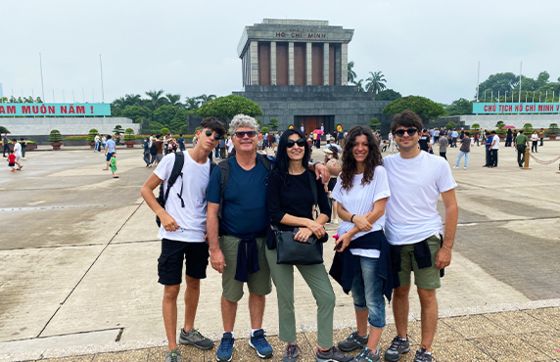
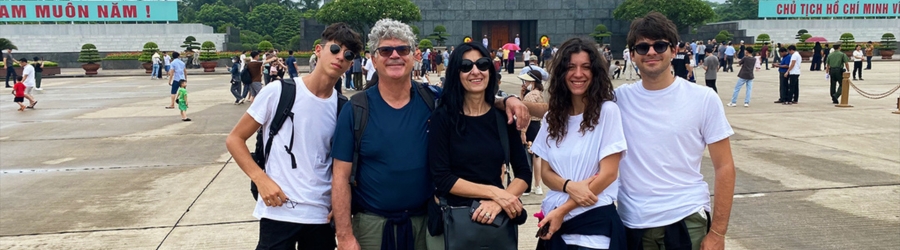
Immerse yourself in the city's rich history by visiting war memorials, museums, and mausoleums, including the revered Ho Chi Minh Mausoleum. Influenced by Chinese, French, and Russian cultures, Hanoi offers a blend of old-world charm and vibrant nightlife, along with delectable local cuisine.
Inhabited since 3,000 B.C., Hanoi has a storied past, serving as the capital of various kingdoms and dynasties. Today, it stands as Vietnam's capital, attracting visitors with its fascinating heritage.
I. Hanoi's Historical Evolution
Hanoi has witnessed remarkable transformations over the years. From 1010 to 1802, it was Vietnam's political epicenter. However, during the Nguyen Dynasty (1802 to 1945), Hue became the imperial capital, leading Hanoi to a subordinate role.
In 1873, the French occupation began, and from 1883 to 1945, Hanoi served as their colonial administrative center. This period brought modern infrastructure but also saw the destruction of imperial palaces and citadels. Lakes and canals were also modified, shaping the city's current layout.
During World War II, Hanoi faced challenges under Japanese control. Nevertheless, on September 2nd, 1945, Hanoi played a pivotal role when President Ho Chi Minh proclaimed the Democratic Republic of Vietnam at Ba Dinh Square. Consequently, on January 6th, 1946, Hanoi officially became Vietnam's capital, solidifying its significance in the nation's development.
II. Top places to visit in Hanoi
Temple of Literature: Unlike other temples, the Temple of Literature holds special historical significance as Vietnam's first university. While it remains a historical attraction, many students and candidates also visit to pray for academic success, adding to its cultural and educational importance.
III. Hanoi Culture
Hanoi: A Multicultural City with Vibrant Traditions
Hanoi is often stereotyped as more formal compared to other cities in the South or elsewhere. However, the ethnic residents are friendly and hospitable. The city's diversity arises from people coming from various Northern provinces in search of better opportunities, leading to a blend of customs and behaviors.
Religious and traditional festivals hold significant importance in Hanoi and other Northern regions. If you wish to experience authentic festival culture, don't miss the Perfume Festival at the iconic Perfume Pagoda or the Lim Festival in Bac Ninh province. These festivals showcase local traditions and offer opportunities to enjoy UNESCO-listed “Quan ho” folk singing and partake in various folk games like bamboo swings, cockfighting, tug-of-war, wrestling, blind man’s bluff, and human chess.
IV. Weather in Hanoi
Best Time to Visit Hanoi: Seasons and Recommendations
Hanoi experiences a warm humid subtropical climate with distinct seasons. Here's what you can expect throughout the year:
Summer (May to August): Hot and humid with abundant rainfall.
Fall (September and October): Decreasing temperatures and precipitation, often cloudy and foggy but cool and dry.
Winter (November to January): Cool and dry weather.
Spring (March and April): Mild weather, not too hot or wet.
For the most pleasant visit, consider coming to Hanoi during these periods:
September to November or March to April: Mild weather, avoiding extreme heat and heavy rainfall.
If you prefer cold days: November to March is recommended.
V. Transportation Options in Hanoi
1. Motorbikes and Taxis:
Grap app: Similar to Uber, easily install the app and create an account with your phone number for convenient taxi bookings.
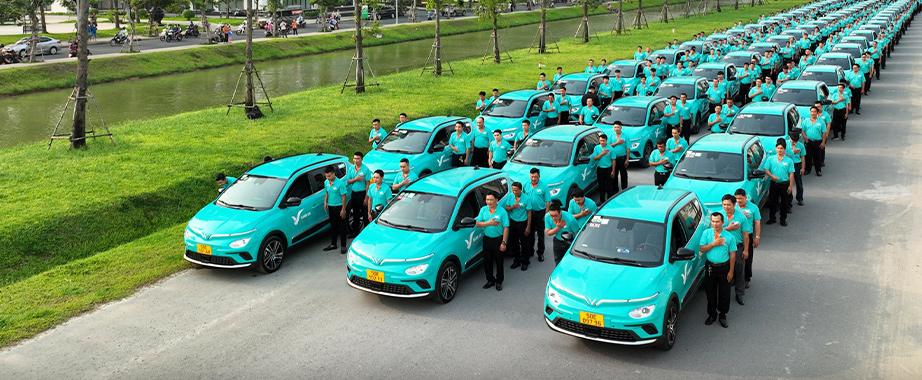
SM green electric taxi: Install the app or call the hotline (+84) 19002088. Offers relatively cheaper prices compared to other cities in Vietnam.
2. Metro: One line from Ha Dong to Cat Linh station in Dong Da district, spanning 13km. Known for its cleanliness, safety, and comfort.
3. Buses: A well-connected network of buses and green electric buses covers the city, providing convenient transportation options.
4. Old Town Transport:
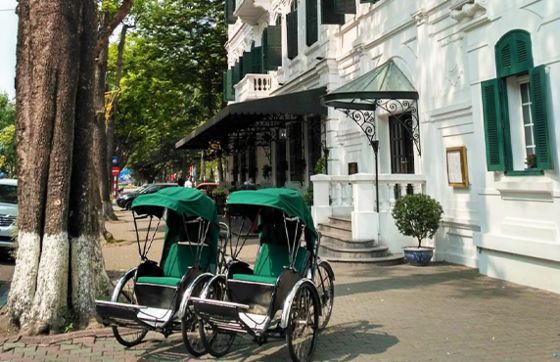
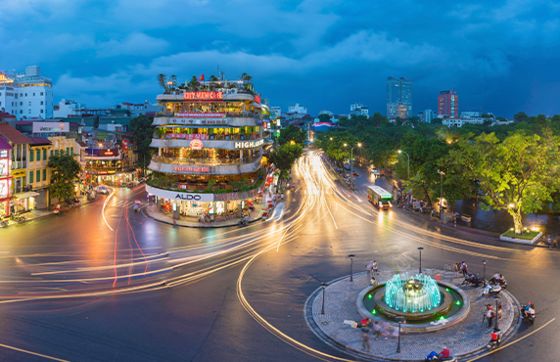
Traditional cyclos and mini trams near Hoan Kiem Lake offer a charming way to explore the old town.
A double-decker bus also provides a comprehensive tour of the area.
5. Inter-province Connectivity:
- Buses and trains connect Hanoi with other provinces.
- For private car rentals for tours or work, Autour Asia is a reliable option.
*Experience the various transportation options in Hanoi to explore the city and beyond with ease!
VI. Tips for Traveling in Hanoi
Carry Sufficient Cash: Many local vendors and attractions in Hanoi do not accept cards, so be sure to bring more cash than usual. From special local food to hand-made products, you'll want cash to enjoy the authentic experiences the city has to offer.
Be Ready to Bargain: Foreigners are often charged higher prices than locals, especially in tourist areas. Don't hesitate to negotiate and seek fair deals when shopping or engaging in transactions.
Keep a Low Profile: Hanoi locals can be straightforward, and confrontations should be avoided. If you find yourself in a disagreement, it's best to apologize and walk away to maintain peace and convenience during your trip.
Currency Exchange: The official currency in Vietnam is the Vietnam Dong. Look for Currency Exchange stations in tourist areas or city centers to exchange your money. Doing so within Vietnam usually provides better rates compared to exchanging abroad.
Immerse yourself in the local culture and experiences while being mindful of these helpful tips for a memorable trip to the ancient city of Hanoi.

 FR
FR EN
EN