
Things to Know Before Exploring Northern Vietnam
Northern Vietnam is one of the most diverse and rewarding regions in Southeast Asia, combining dramatic mountain ranges, fertile river valleys, ancient cultural traditions, spectacular rice terraces and some of the country's most important historical landmarks.
For travelers arriving from the United Kingdom, the United States, Australia and other long-haul destinations, northern Vietnam tours offer an excellent introduction to the country's history, landscapes and local communities. Within a relatively compact region, you can move from the vibrant streets of Hanoi to the limestone islands of Halong Bay, the rice terraces of Sapa, the peaceful valleys of Pu Luong, the dramatic mountains of Ha Giang and the remote border landscapes around Ban Gioc Waterfall.
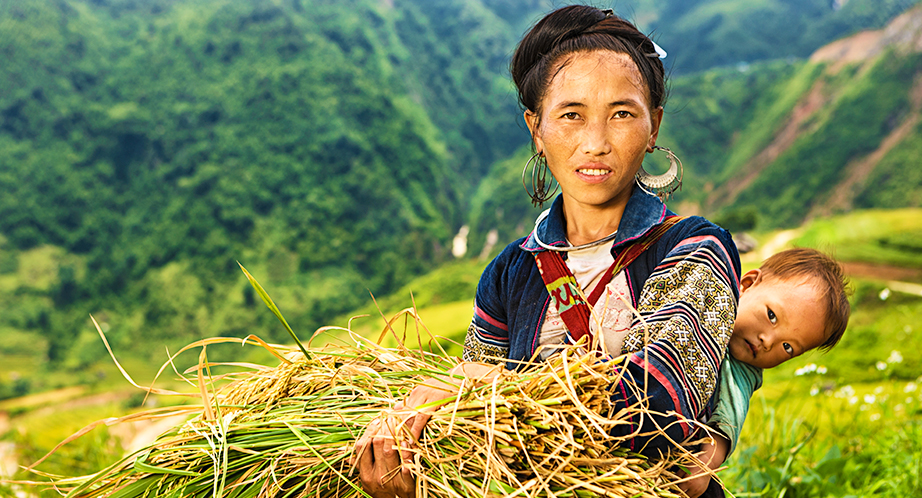
What makes northern Vietnam particularly special is the contrast between its destinations. The capital combines ancient traditions with modern Vietnamese life, while the countryside remains closely connected to farming, handicrafts and community traditions. Mountain areas are home to diverse ethnic communities, each with their own clothing, customs, architecture and way of life.
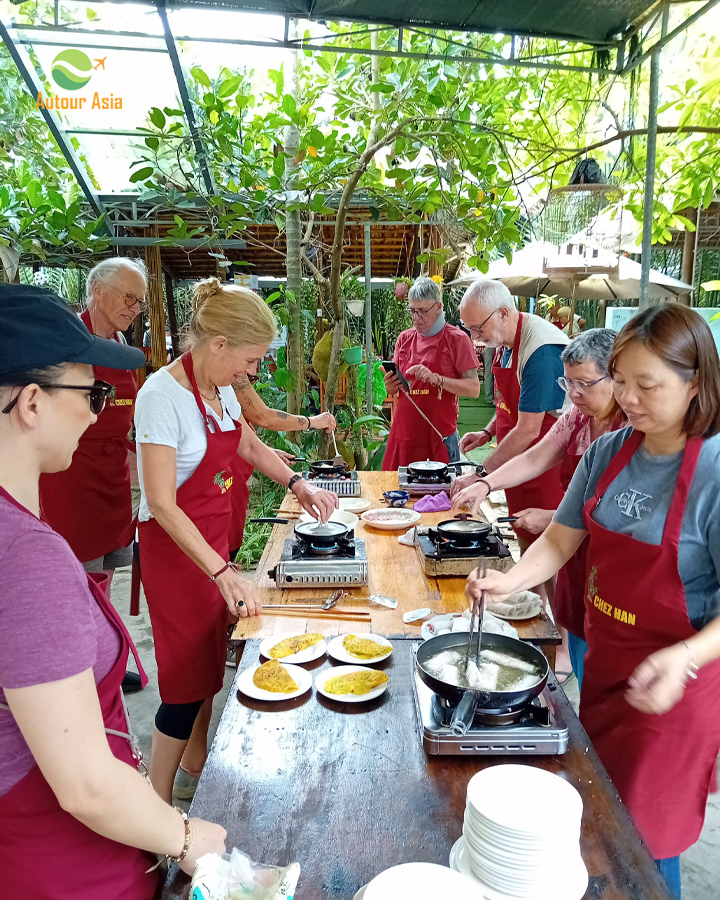
For travelers looking beyond conventional sightseeing, Vietnam north tours can be customized to include trekking, cycling, boat journeys, village visits, homestays, food experiences, cultural encounters and scenic road trips.
Things to Do in Northern Vietnam
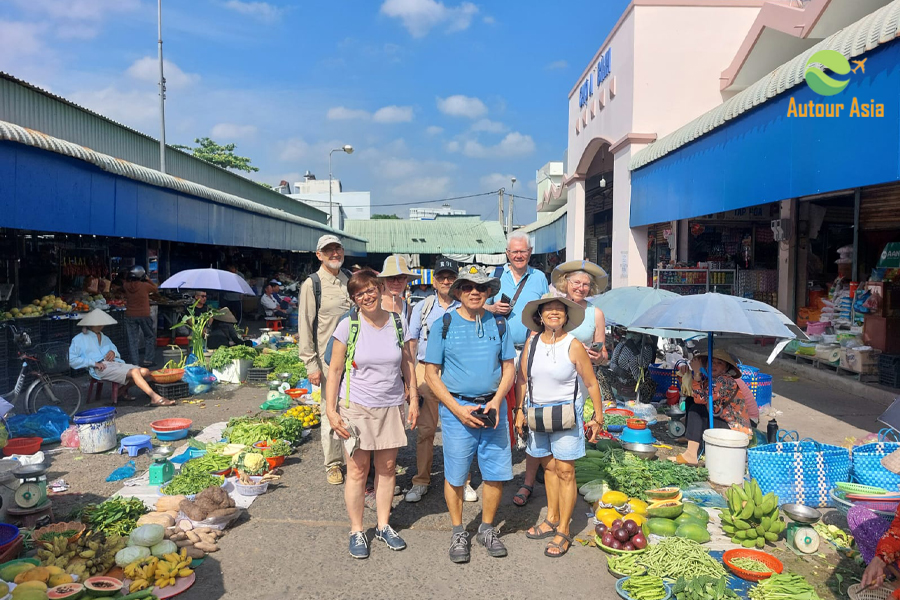
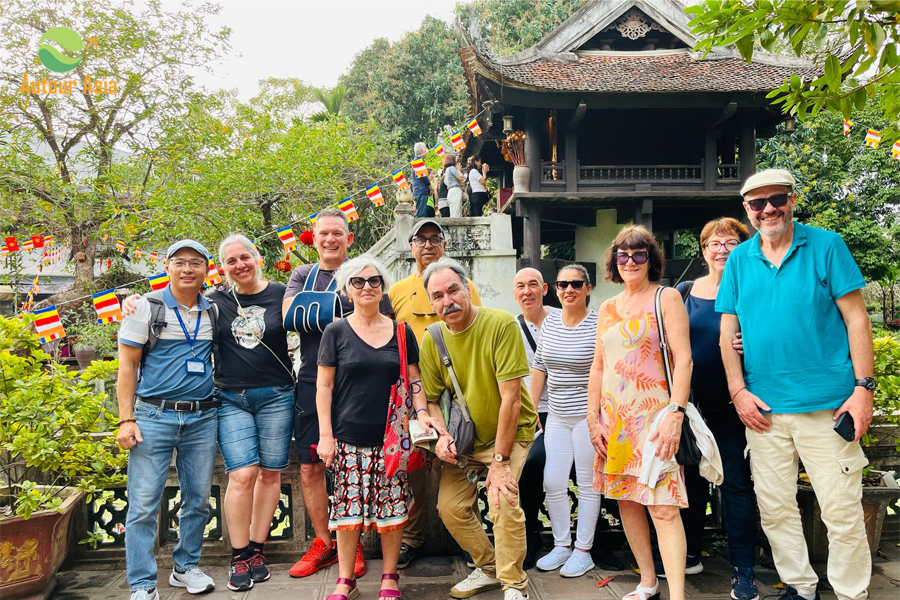
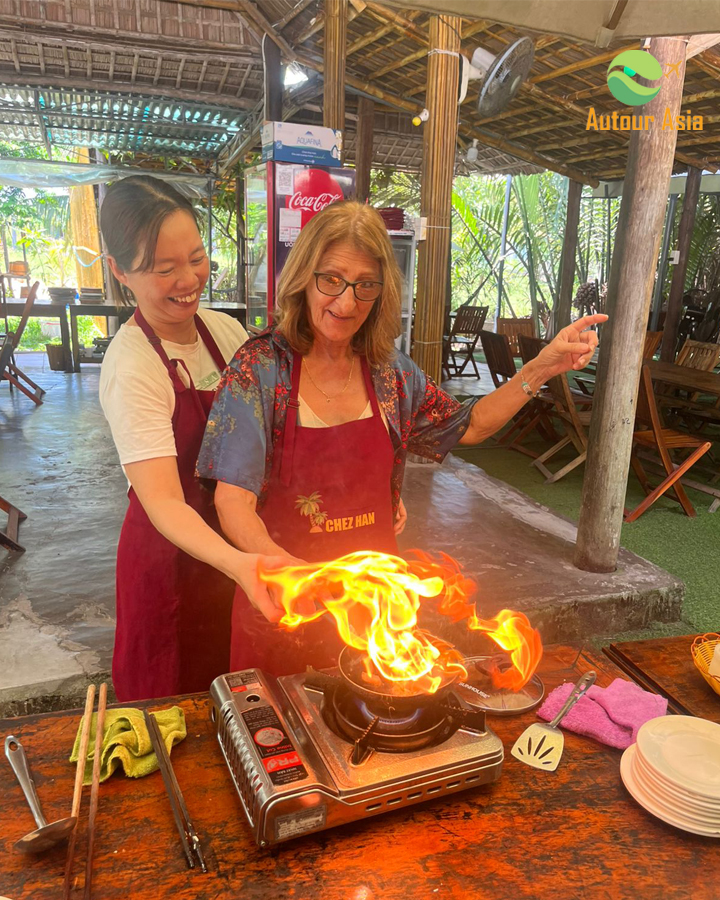
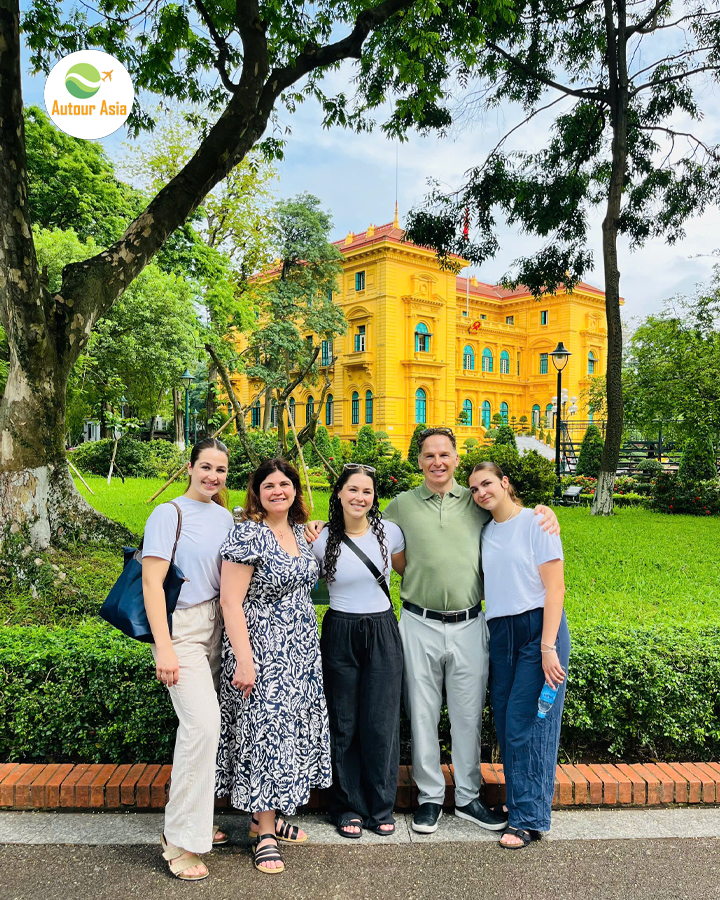
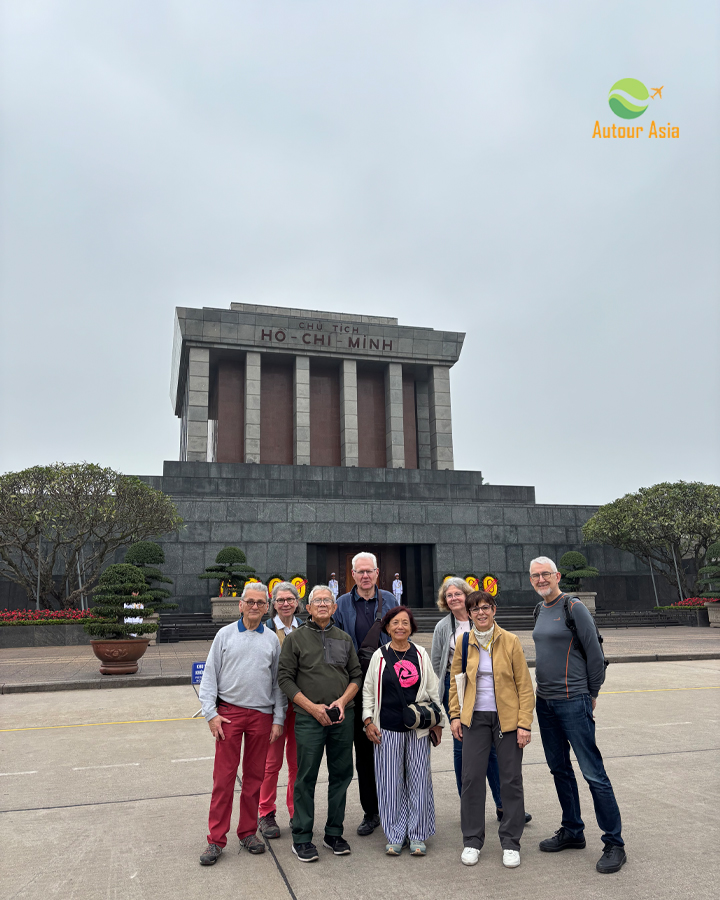
Hanoi is the natural starting point for many northern Vietnam tours. Explore the historic Old Quarter, walk around Hoan Kiem Lake, visit the Ho Chi Minh Mausoleum and Temple of Literature, discover traditional markets and experience the city's famous street-food culture. Hanoi is also an excellent place to taste pho, bun cha, egg coffee and other regional specialties.
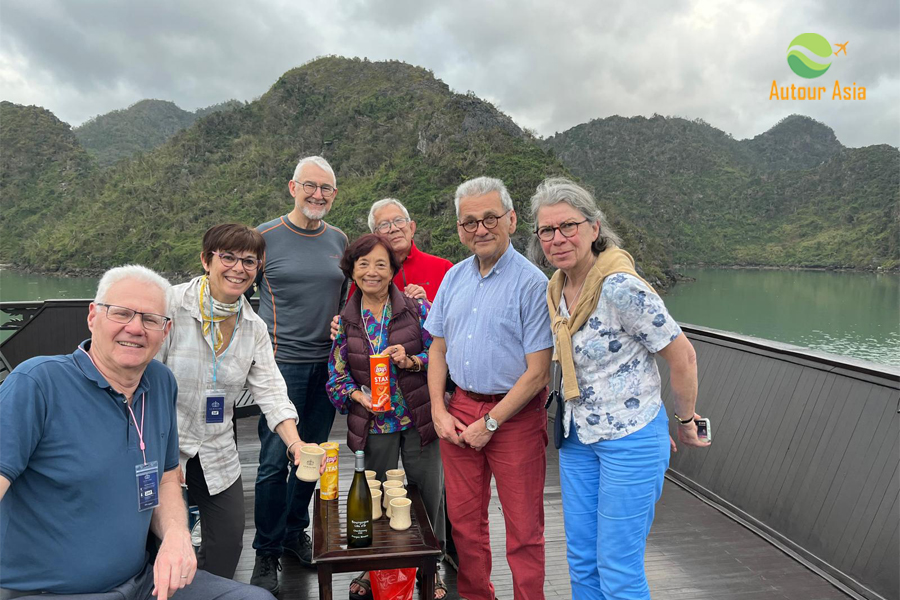
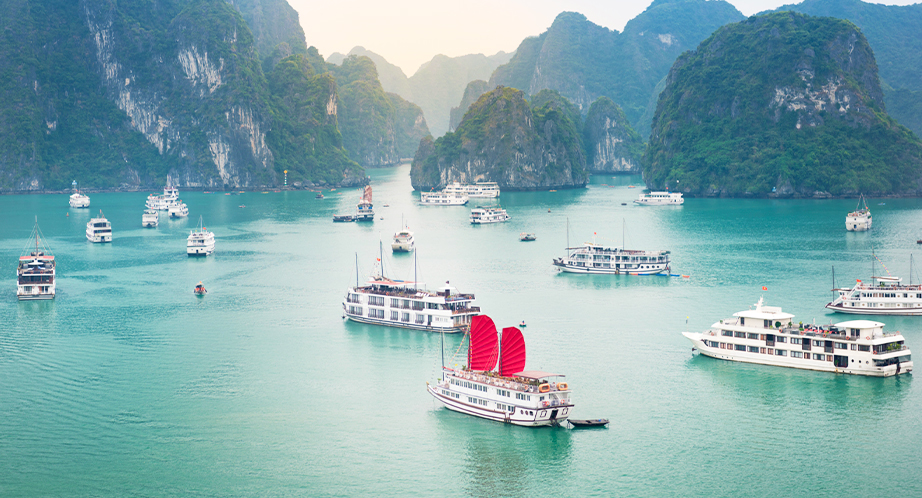
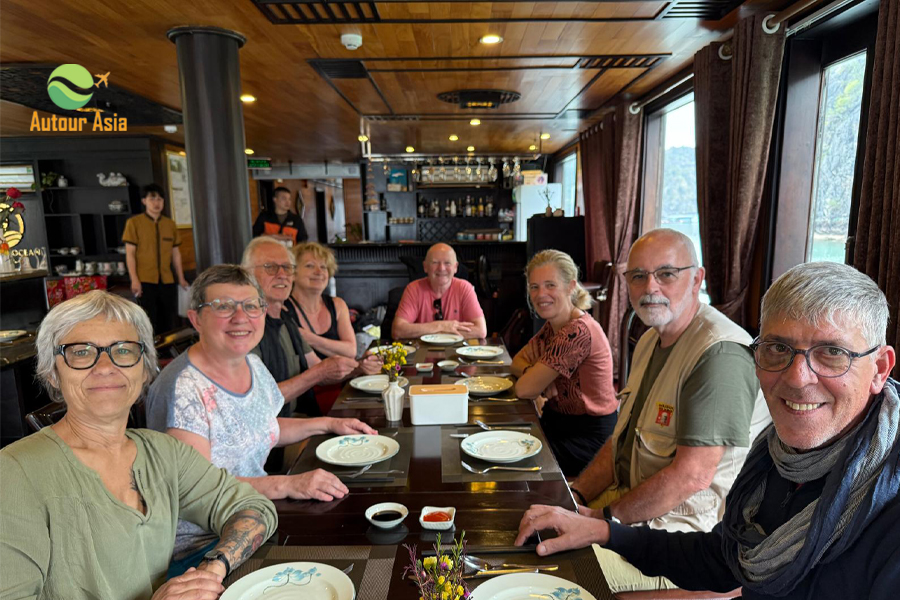
Halong Bay is one of Vietnam's most recognizable natural attractions and a UNESCO World Heritage Site. An overnight cruise allows you to sail among towering limestone karsts, explore caves, kayak through calm waters and enjoy sunrise or sunset over the Gulf of Tonkin.
Cat Ba Island offers a more natural island experience, with forested landscapes, beaches, limestone cliffs and opportunities for hiking, kayaking and exploring the wider Lan Ha Bay area.
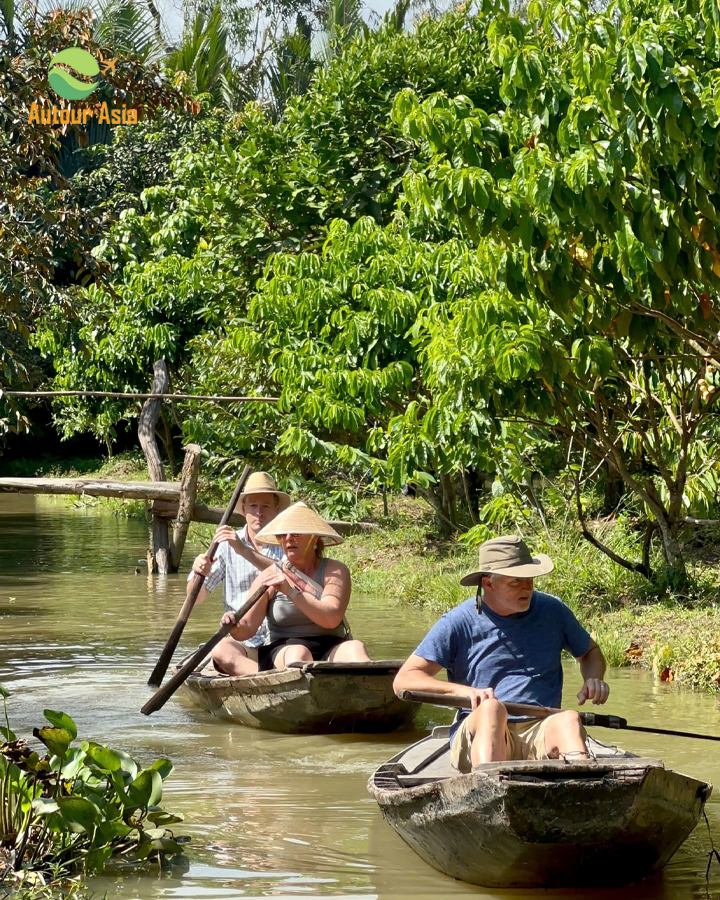
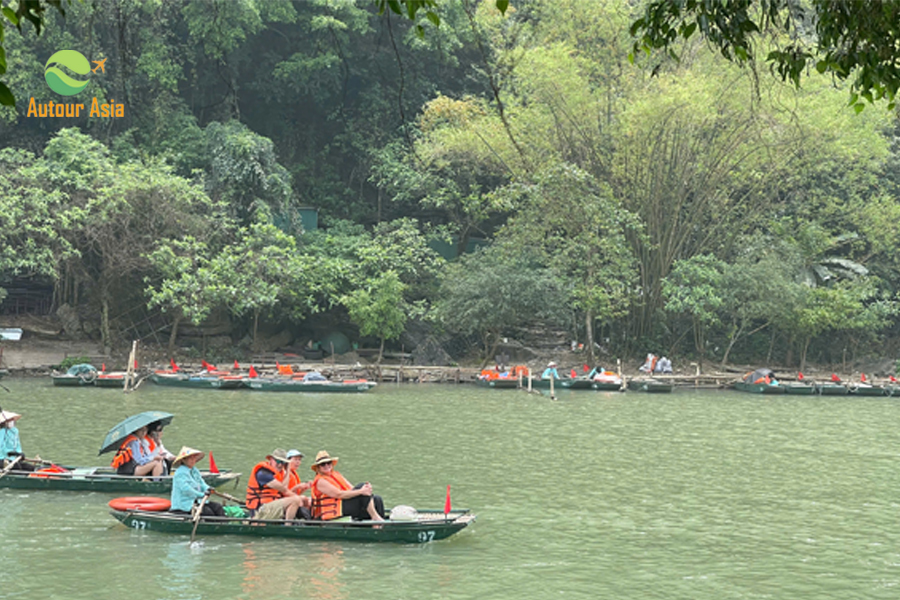
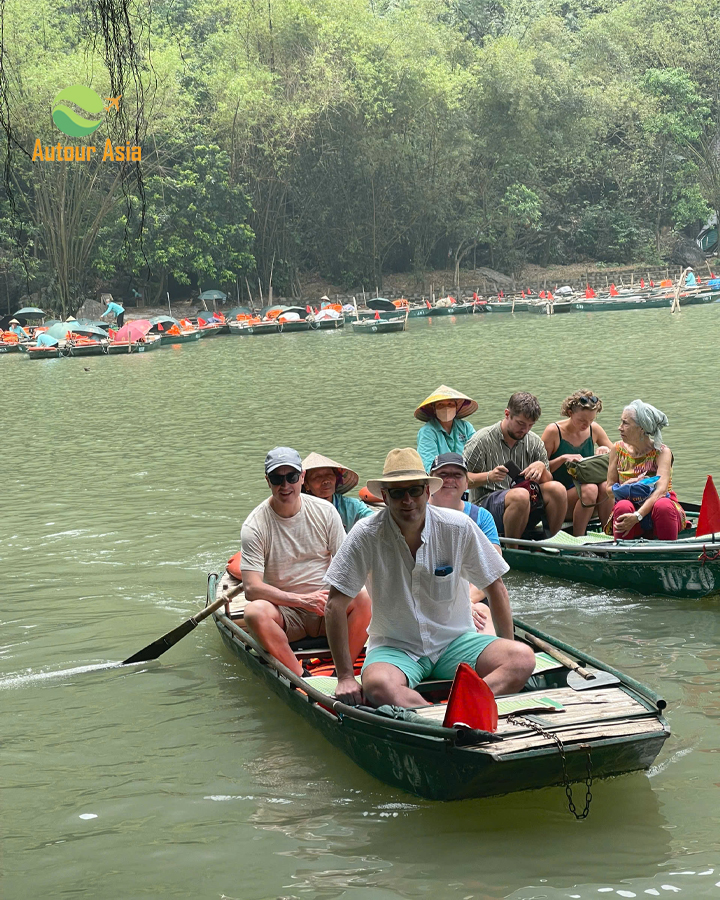
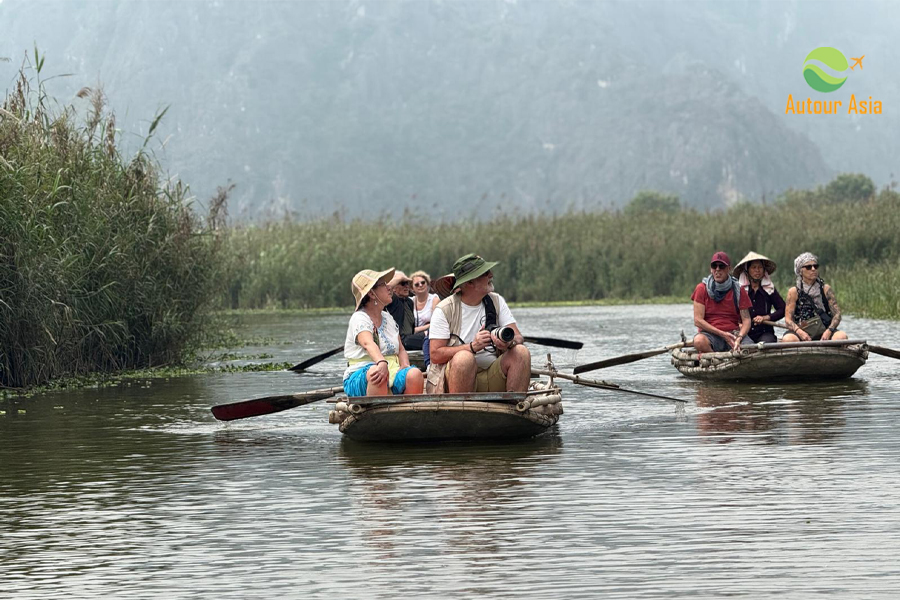
Tam Coc and Hoa Lu are among the most attractive destinations around Ninh Binh. Traditional sampan boats travel between limestone mountains, caves and rice fields, while Hoa Lu recalls the early history of Vietnam's imperial dynasties.
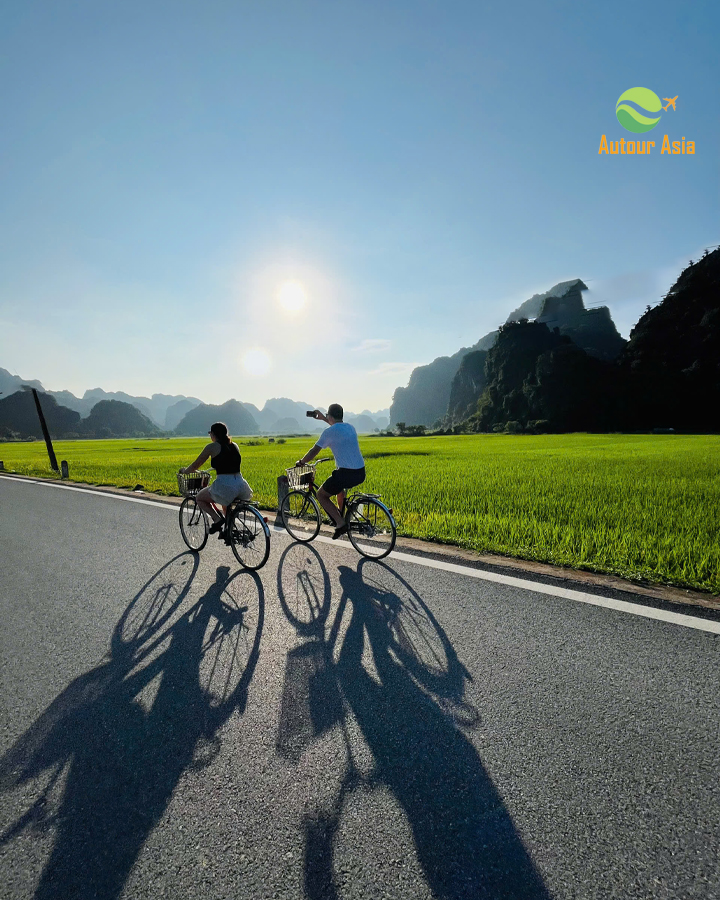
Ninh Binh combines dramatic scenery with cultural and religious heritage. Visitors can explore Trang An, Tam Coc, Bai Dinh Pagoda and the surrounding countryside by boat, bicycle or on foot.
Pu Luong Nature Reserve is ideal for travelers seeking quieter mountain landscapes. Terraced rice fields, bamboo water wheels, forested valleys and traditional villages create an atmosphere that feels far removed from the country's major tourist centres.
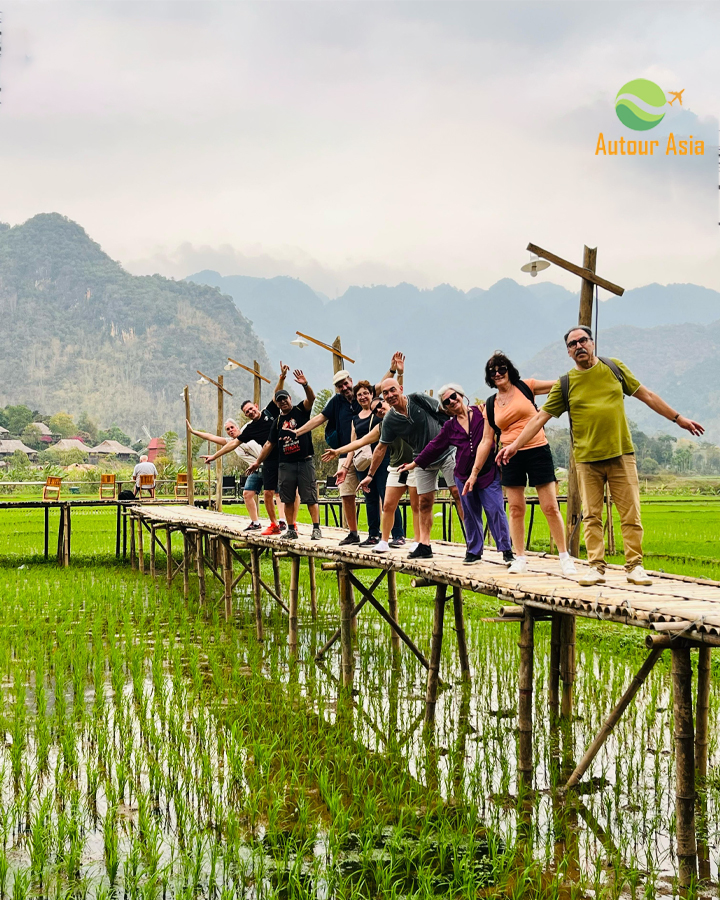
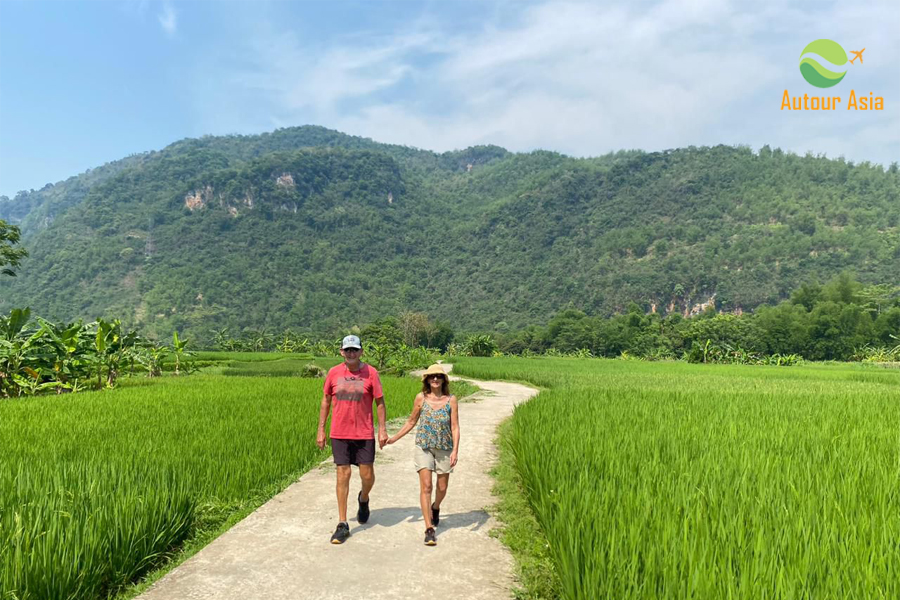
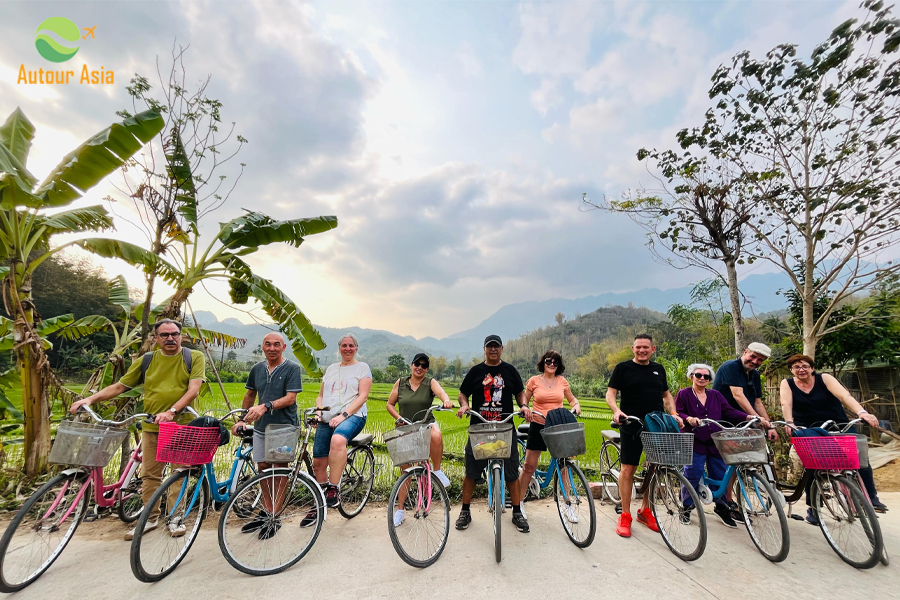
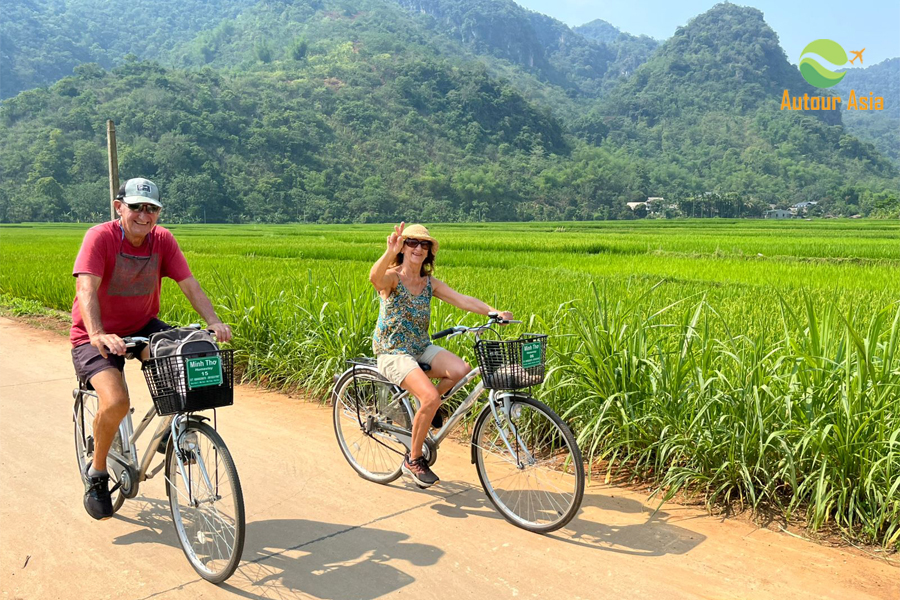
Mai Chau is a peaceful valley surrounded by mountains and rice fields. Cycling, walking and village visits provide an opportunity to experience rural life and learn about the traditions of local communities.
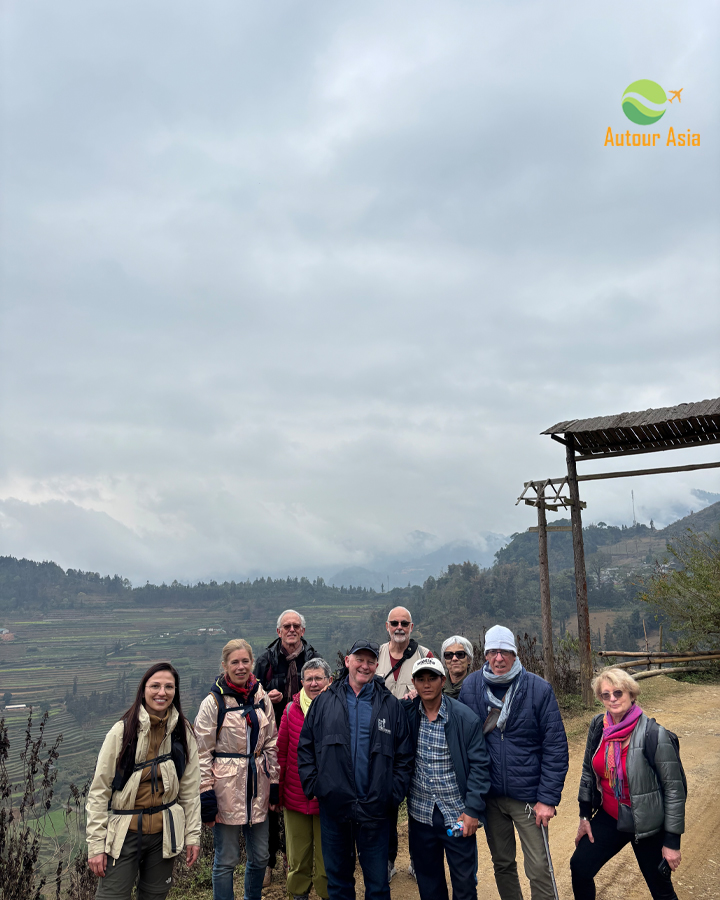
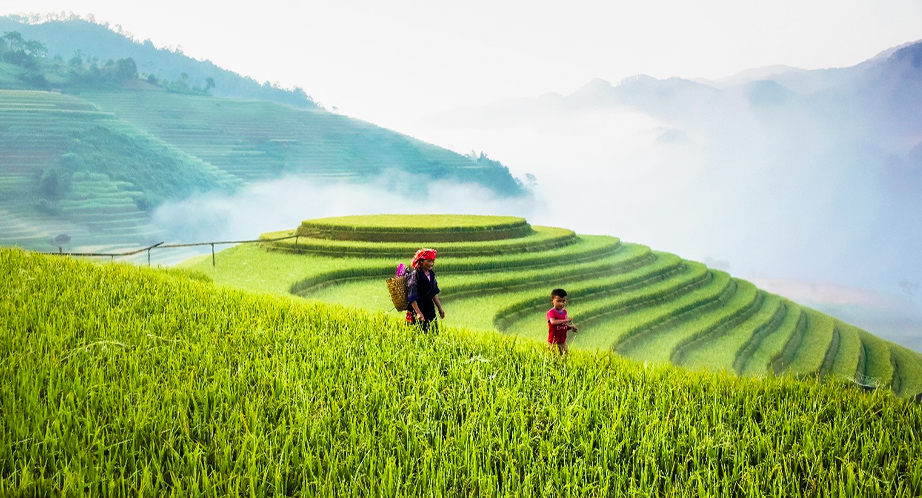
Sapa is famous for its spectacular terraced rice fields, mountain valleys and ethnic villages. Trekking routes can lead through communities of Hmong, Dao and Dzay people, offering opportunities to learn about local traditions, farming and handicrafts.
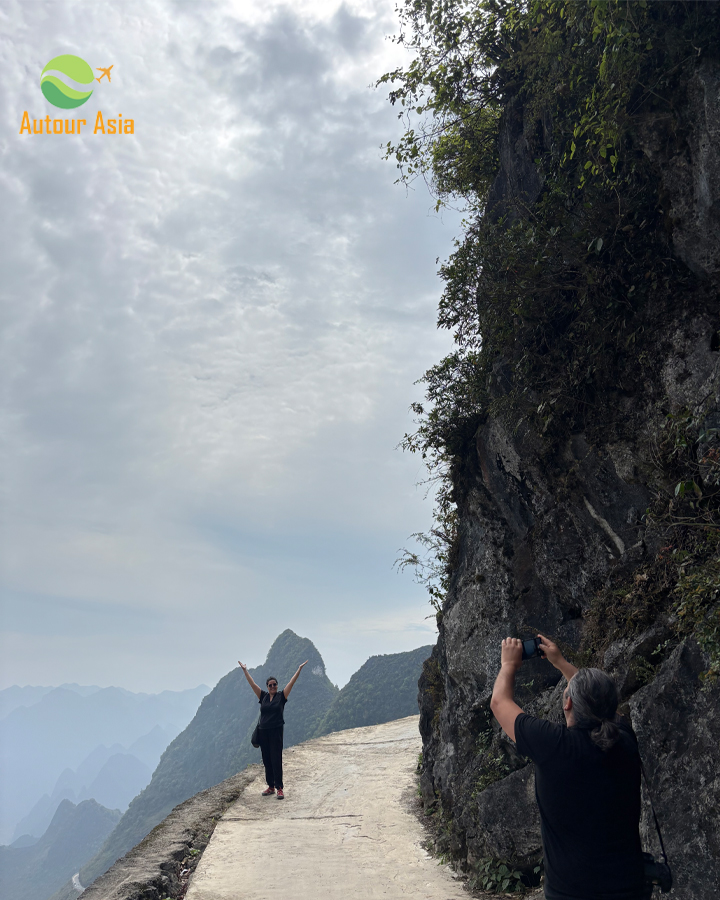
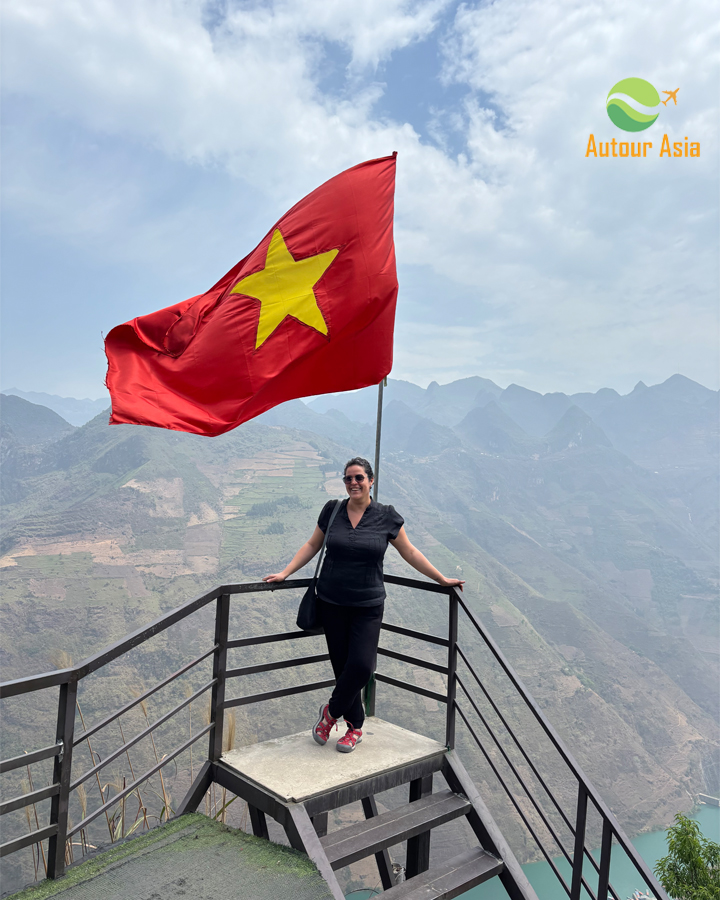
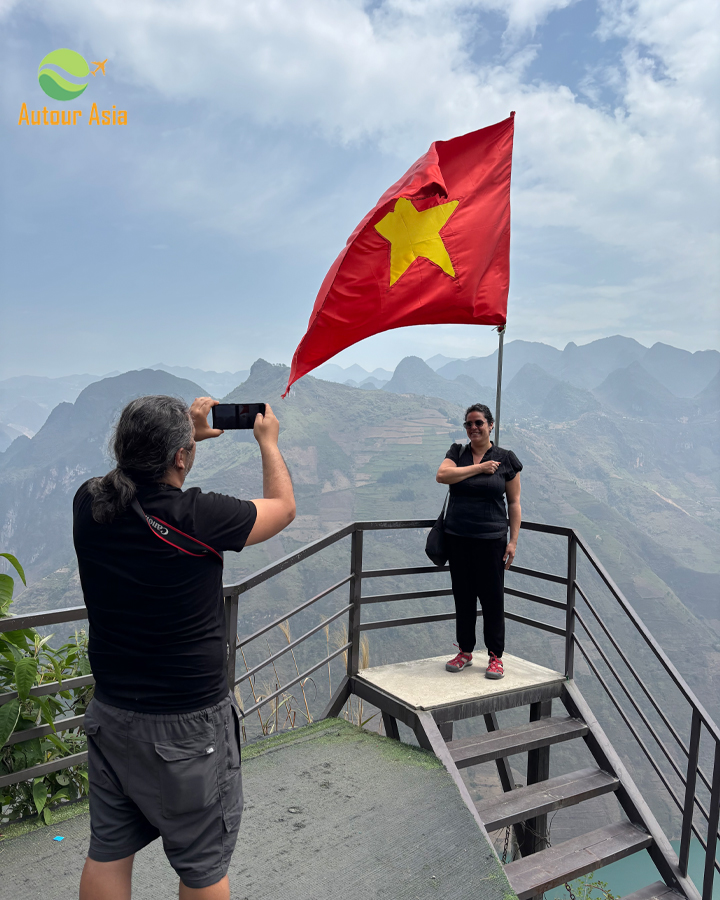
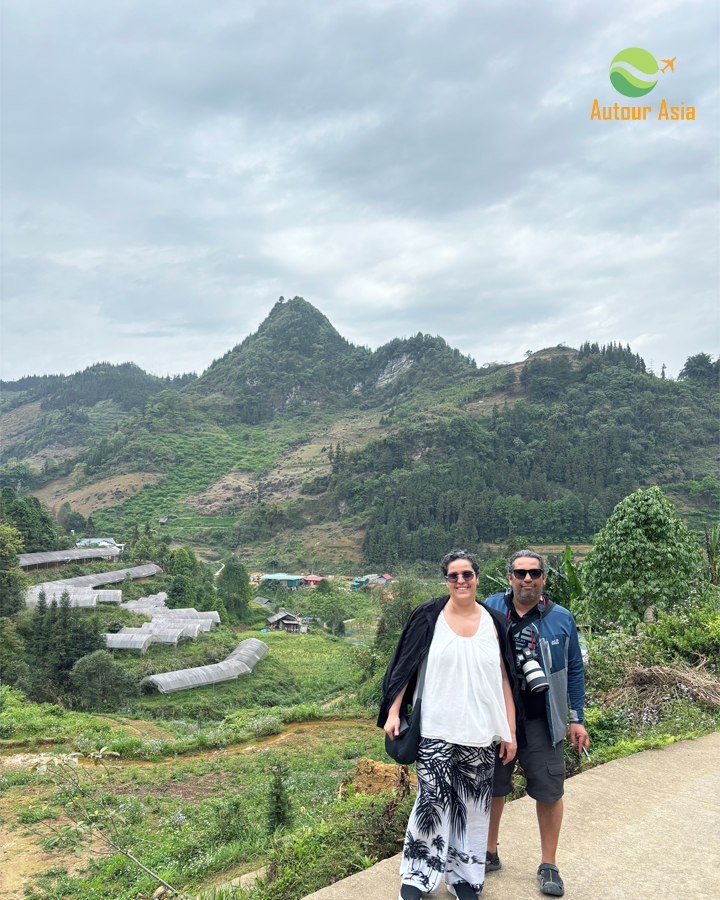
Ha Giang is one of the most dramatic destinations in northern Vietnam, particularly for travelers interested in mountain scenery and cultural diversity. The famous Ha Giang Loop passes through steep valleys, mountain passes, traditional villages and remote landscapes.
Ban Gioc Waterfall is one of Vietnam's most impressive waterfalls, located in the northern border region near China. The surrounding karst mountains, rural villages and peaceful countryside make the area particularly appealing to adventurous travelers.
Dien Bien Phu is an important historical destination for travelers interested in the history of the First Indochina War. The museum, battlefield sites and remaining historical landmarks provide context for understanding a significant chapter of modern Vietnamese history.
Ba Be Lake offers a tranquil escape surrounded by limestone mountains and forest. Boat trips across the lake and through nearby waterways provide opportunities to appreciate the region's biodiversity and rural communities.
Together, these destinations reveal the extraordinary natural beauty, cultural diversity and historical depth of northern Vietnam.
For further inspiration, explore the Northern Vietnam travel guide!
1. Why Visit Northern Vietnam?
There are many reasons to choose northern Vietnam for your next journey.
The region offers an exceptional combination of mountains, rice terraces, limestone landscapes, historic cities and ethnic cultures. Travelers can move from the lively streets of Hanoi to peaceful countryside and remote mountain communities within a few hours.
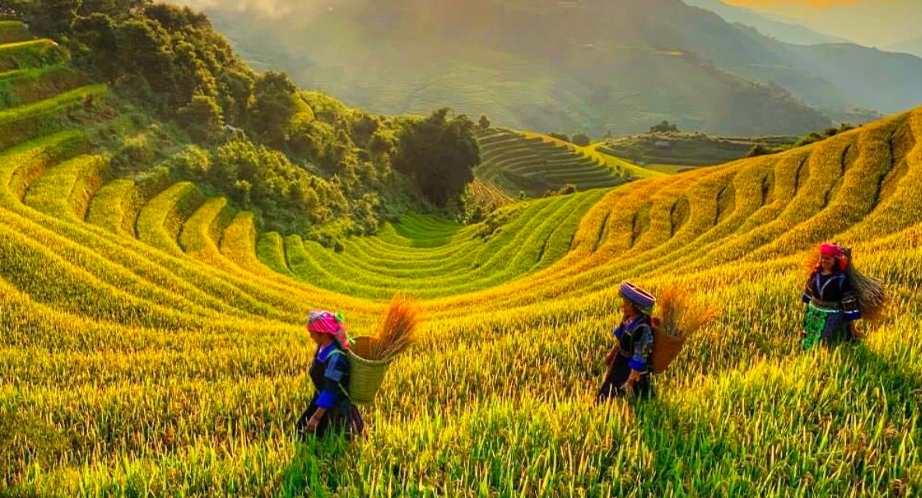
The Red River Delta provides fertile agricultural landscapes and is home to Hanoi and numerous traditional villages. Further north, the landscape gradually becomes more mountainous, with spectacular valleys and terraced fields around Sapa, Ha Giang, Mu Cang Chai and other highland areas.
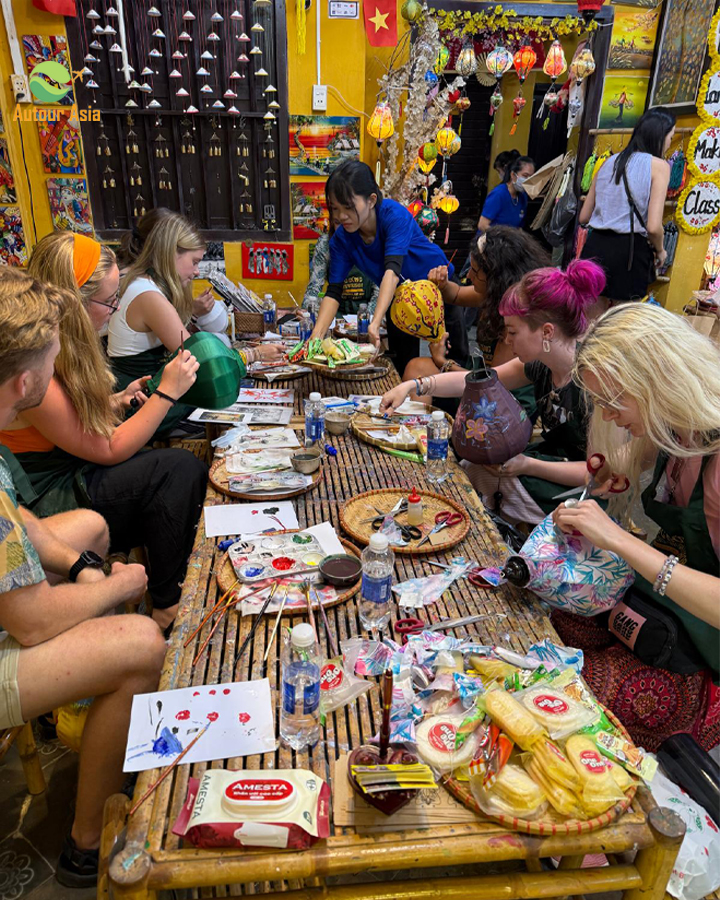
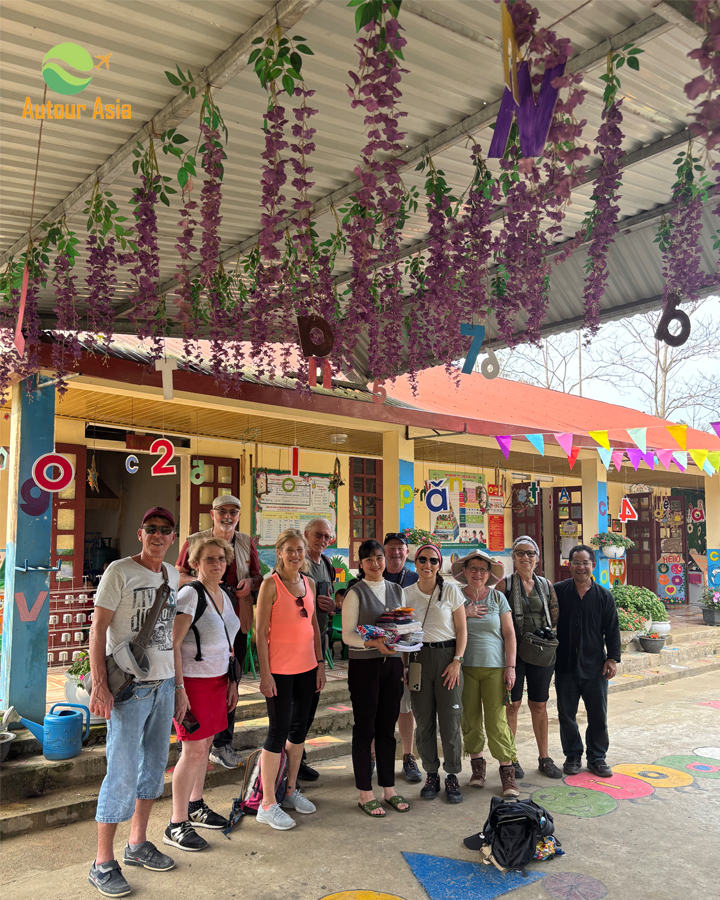
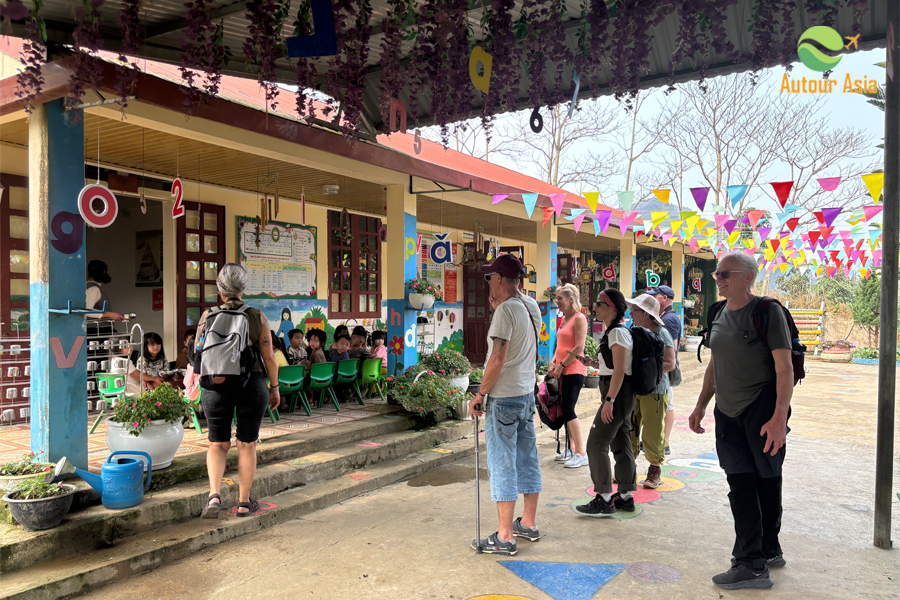
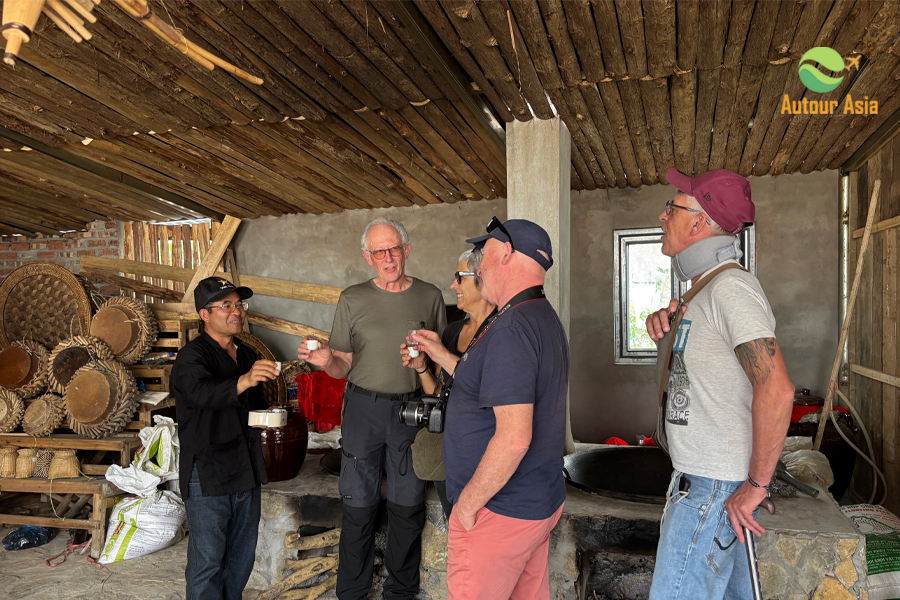
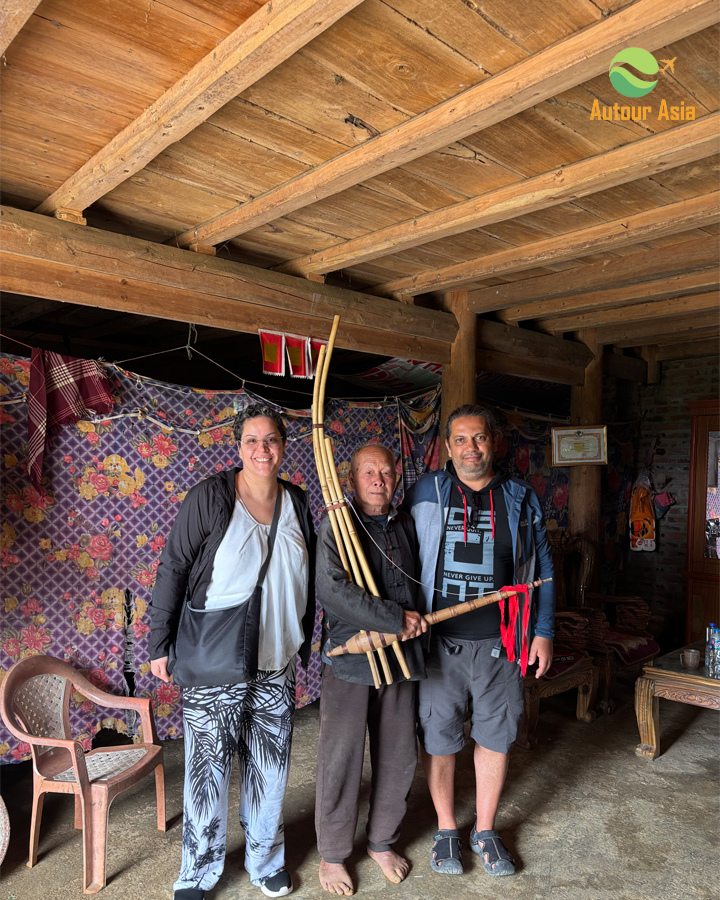
Northern Vietnam is also particularly rewarding for travelers interested in authentic cultural experiences. Rather than simply visiting monuments, you can meet local families, stay in traditional houses, walk through villages, visit markets and learn about customs that have been passed down through generations.
For photographers and nature lovers, the region offers constantly changing scenery throughout the year. Misty mountains, golden rice terraces, green valleys, waterfalls and limestone peaks create very different photographic opportunities depending on the season.
2. When Is the Best Time to Visit Northern Vietnam?
The best time to visit depends on the destinations and experiences you want to enjoy.
Spring, particularly March and April, is generally a pleasant period for exploring Hanoi, Ninh Binh, Mai Chau, Pu Luong and other northern destinations. Temperatures are usually comfortable for sightseeing, walking and cycling.
Autumn, especially September to November, is another excellent period for northern Vietnam tours. The weather is often cooler and more comfortable, while mountain landscapes can be especially beautiful during the rice harvest season.
September and October can be particularly attractive around Sapa, Mu Cang Chai and other rice-growing regions, when terraces may display golden harvest colours.
Summer is warmer and more humid, with a greater chance of rain. However, the countryside can become exceptionally green, and this period can still be rewarding for travelers who enjoy lush landscapes.
Winter brings cooler temperatures, especially in the mountains. Sapa, Ha Giang and higher-altitude areas can become surprisingly cold, so travelers should prepare appropriate clothing.
3. How Many Seasons Does Northern Vietnam Have?
Unlike Southern Vietnam, which generally has distinct wet and dry seasons, northern Vietnam experiences four recognizable seasons: spring, summer, autumn and winter.
Spring typically brings mild temperatures and occasional mist or light rain.
Summer is generally hot, humid and greener, with occasional heavy rainfall.
Autumn is often considered one of the most pleasant periods for travel, with milder temperatures and clearer conditions in many areas.
Winter can be cool and occasionally cold, particularly in mountain destinations such as Sapa and Ha Giang.
This seasonal variation means that Vietnam north tours can offer very different experiences depending on when you travel.
4. What Is the Weather Like in Northern Vietnam?
Weather conditions vary considerably between the lowlands and mountains.
In Hanoi and other lowland areas, summer can be hot and humid, while winter can be considerably cooler. Mountain destinations generally have lower temperatures, particularly at night.
The higher elevations around Sapa, Ha Giang and other northern mountain areas can feel much colder than Hanoi during winter.
Travelers planning trekking should therefore consider both temperature and rainfall. Comfortable walking shoes, breathable clothing, rain protection and warmer layers may all be useful depending on the season and destination.
The weather can also change quickly in mountainous regions, which is another reason why working with a knowledgeable local travel specialist can be helpful when planning a multi-destination itinerary.
5. Is Northern Vietnam Better Than Southern Vietnam?
There is no single answer because the two regions offer very different travel experiences.
Northern Vietnam is particularly attractive for travelers interested in history, mountain scenery, rice terraces, traditional villages, ethnic cultures and the heritage of Hanoi.
Southern Vietnam is better known for the energetic atmosphere of Ho Chi Minh City, the waterways of the Mekong Delta, tropical landscapes and destinations such as Phu Quoc and Con Dao.
For travelers with enough time, combining both regions is often the best choice. A journey can begin in Hanoi, continue through Halong Bay, Ninh Binh and Sapa, and then continue south towards Hoi An, Hue, Ho Chi Minh City and the Mekong Delta.
The right choice ultimately depends on your interests, available time and preferred travel style.
6. Which Bay Is Most Famous in Northern Vietnam?
Halong Bay is the most internationally famous bay in northern Vietnam.
Located in northeastern Vietnam, the bay is known for its extraordinary collection of limestone islands and karst formations rising from the sea.
A classic experience is an overnight cruise, allowing travelers to enjoy the landscape from the water rather than simply visiting for a few hours.
Activities may include kayaking, cave visits, swimming, cooking demonstrations and sunrise photography, depending on the cruise and weather conditions.
For travelers looking for a quieter alternative, Lan Ha Bay around Cat Ba Island can also provide beautiful limestone scenery and opportunities for kayaking and boat excursions.
7. What Is the Famous Loop in Northern Vietnam?
The Ha Giang Loop is one of the most spectacular scenic routes in northern Vietnam.
The route travels through remote mountain landscapes and offers dramatic views of limestone peaks, deep valleys, winding roads and traditional villages.
Travelers can encounter communities belonging to different ethnic groups and experience a part of Vietnam that remains considerably less developed for mass tourism.
Although the Ha Giang Loop is famous among independent motorbike travelers, it can also be explored through private guided journeys with an experienced local driver, which may be a more comfortable option for travelers who prefer not to ride themselves.
The journey can be customized according to the season, road conditions, fitness level and travel preferences.
8. What Is the Hidden Gem of Northern Vietnam?
Pu Luong Nature Reserve is one of the most rewarding quieter destinations in northern Vietnam.
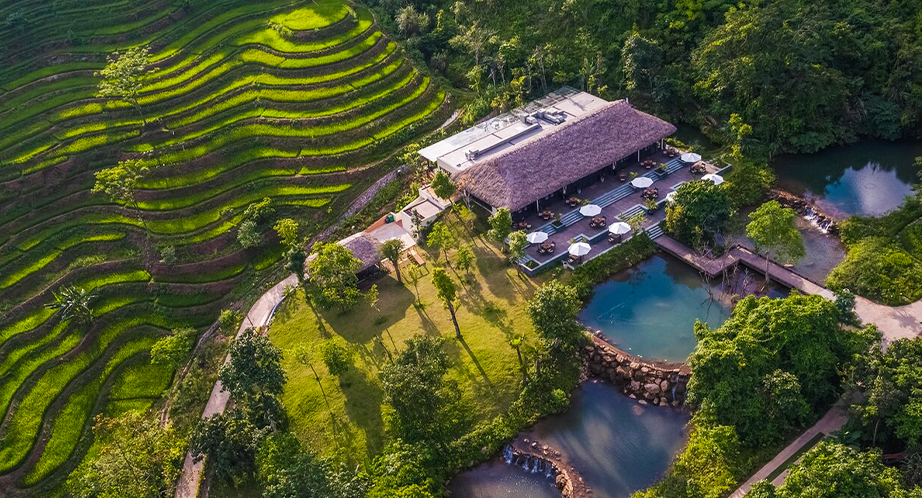
Located in Thanh Hoa Province, Pu Luong is known for its terraced rice fields, forested mountains, traditional villages, bamboo water wheels and peaceful valleys.
Compared with some of Vietnam's better-known mountain destinations, Pu Luong offers a slower and more intimate atmosphere.
Travelers can hike between villages, stay in traditional-style accommodation, meet local families, enjoy regional meals and observe farming life.
For visitors who want to combine nature and authentic local encounters without the intensity of a major tourist centre, Pu Luong can be an excellent addition to a Vietnam north tours itinerary.
What Our Travelers Said
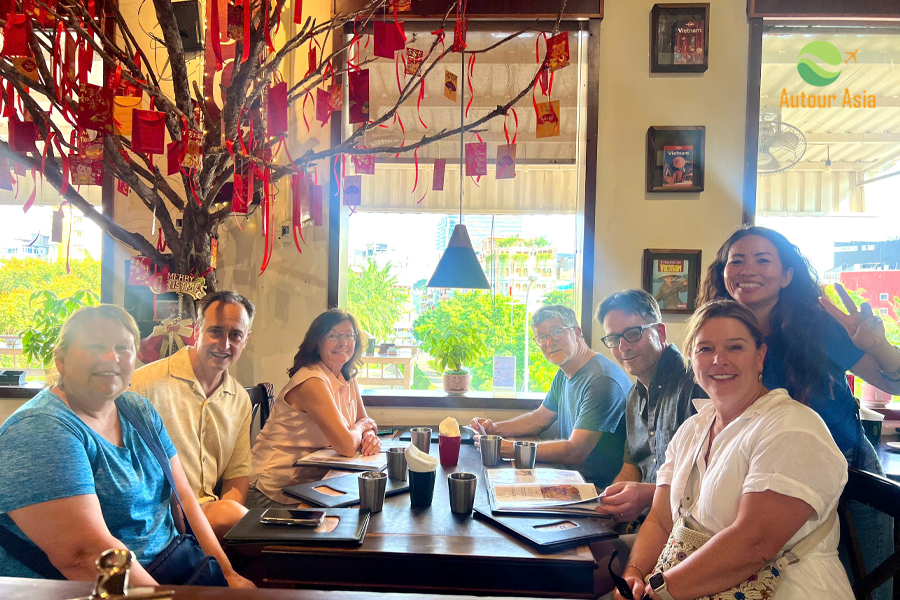
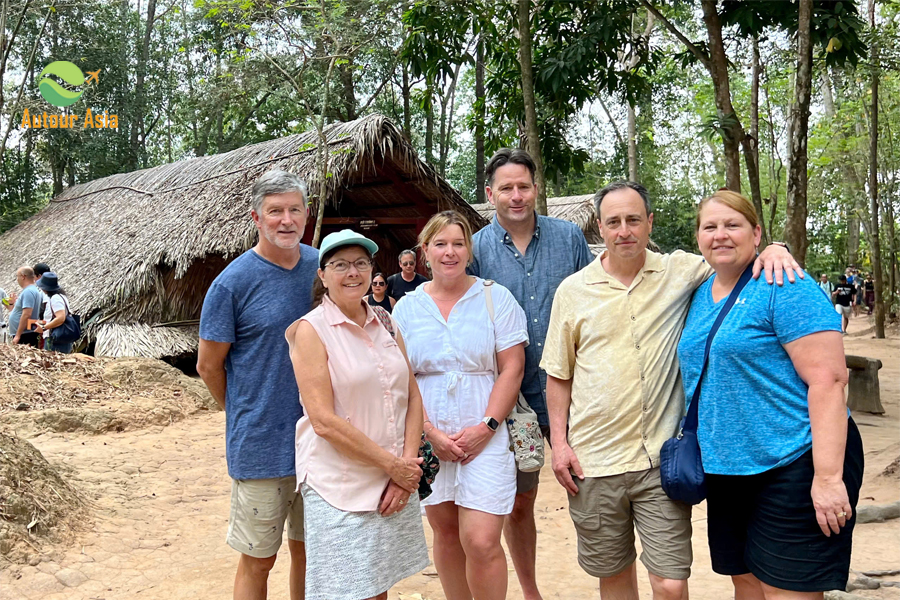
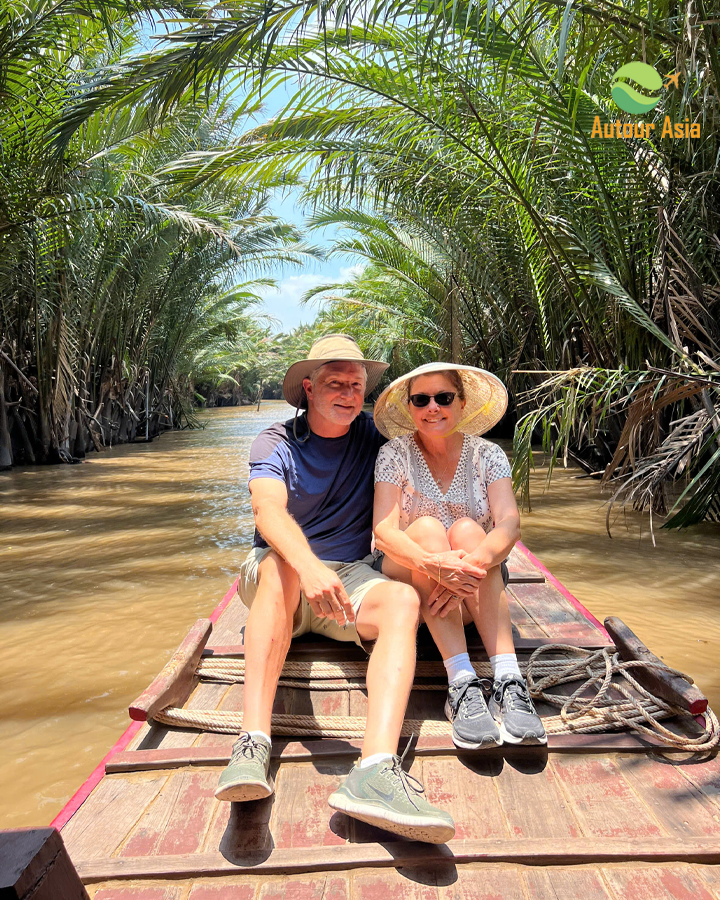
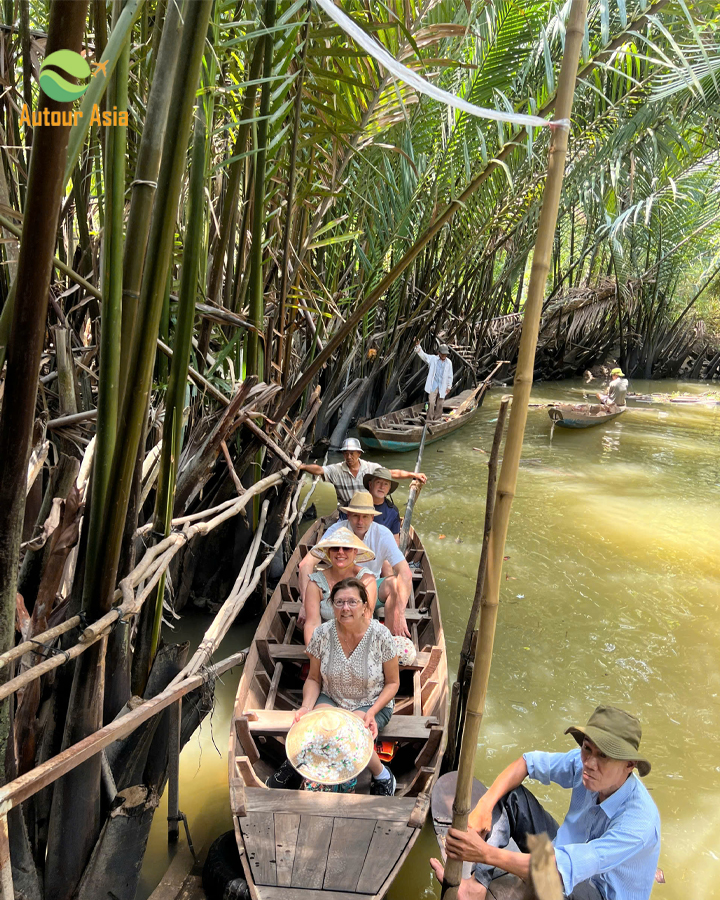
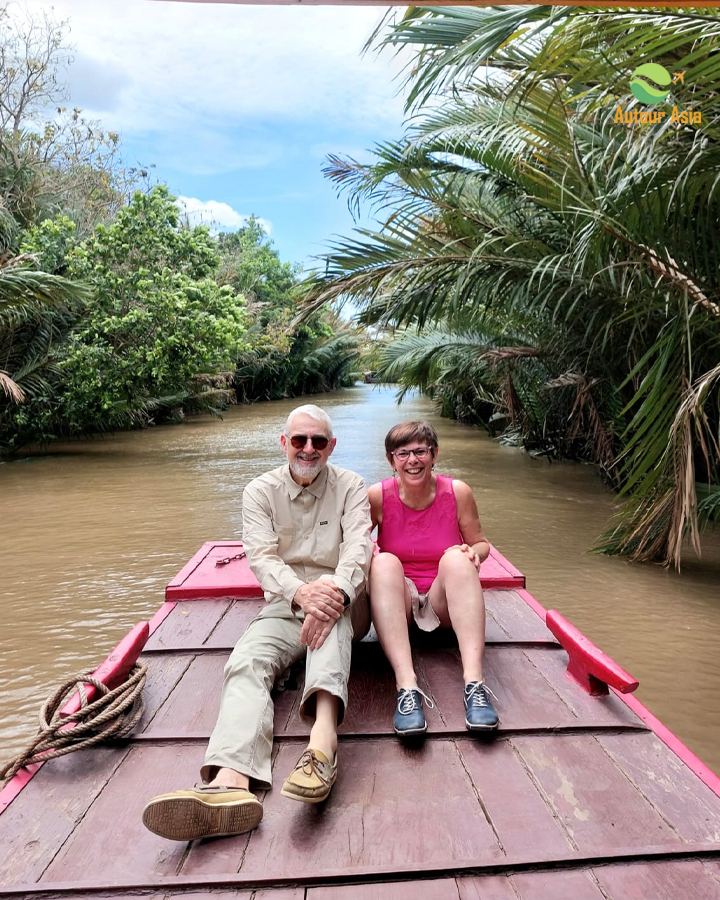
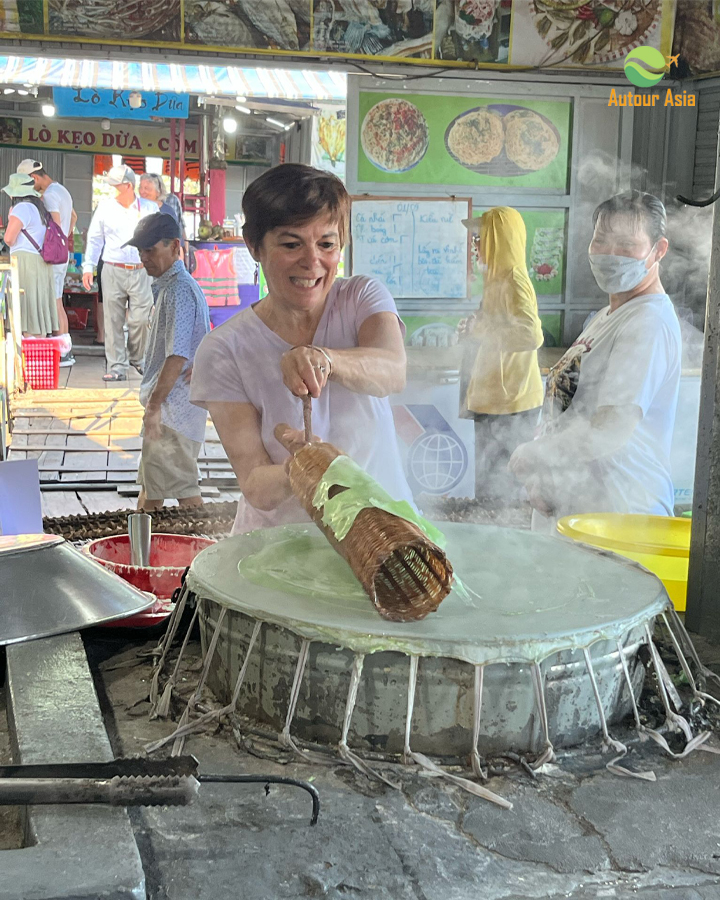
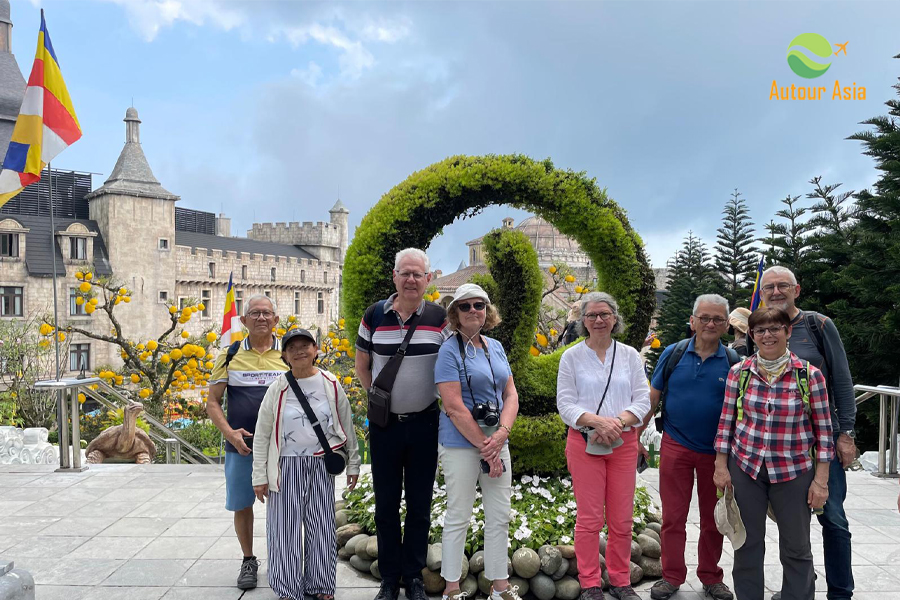
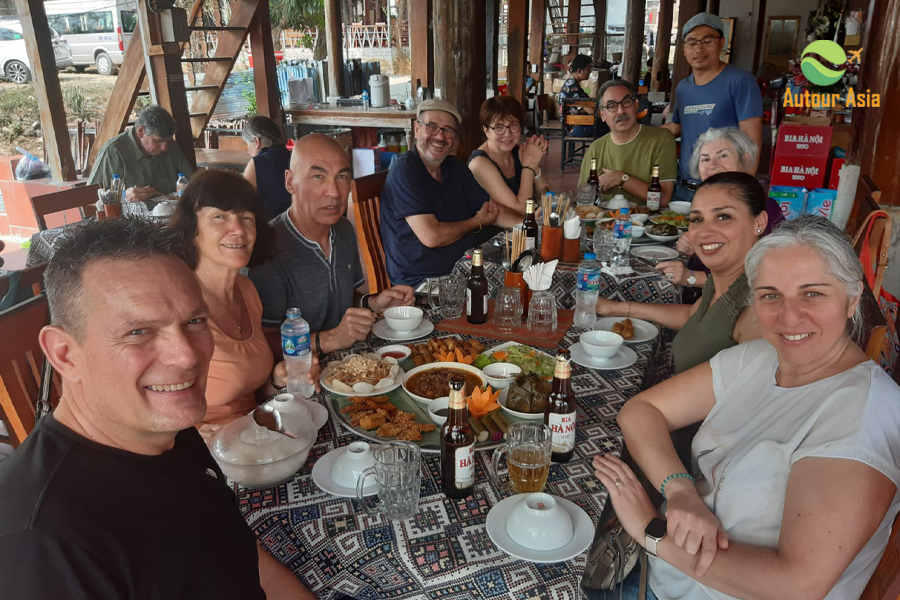
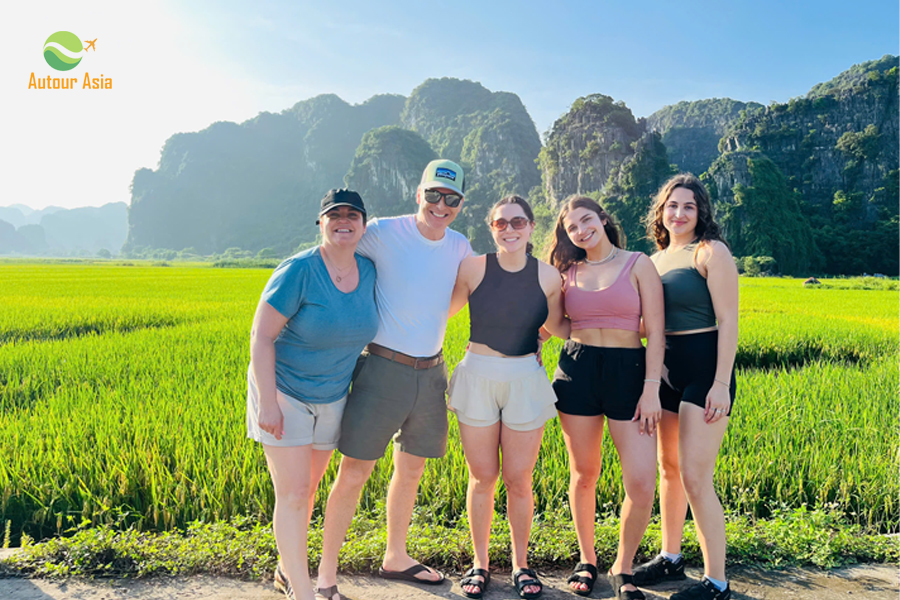
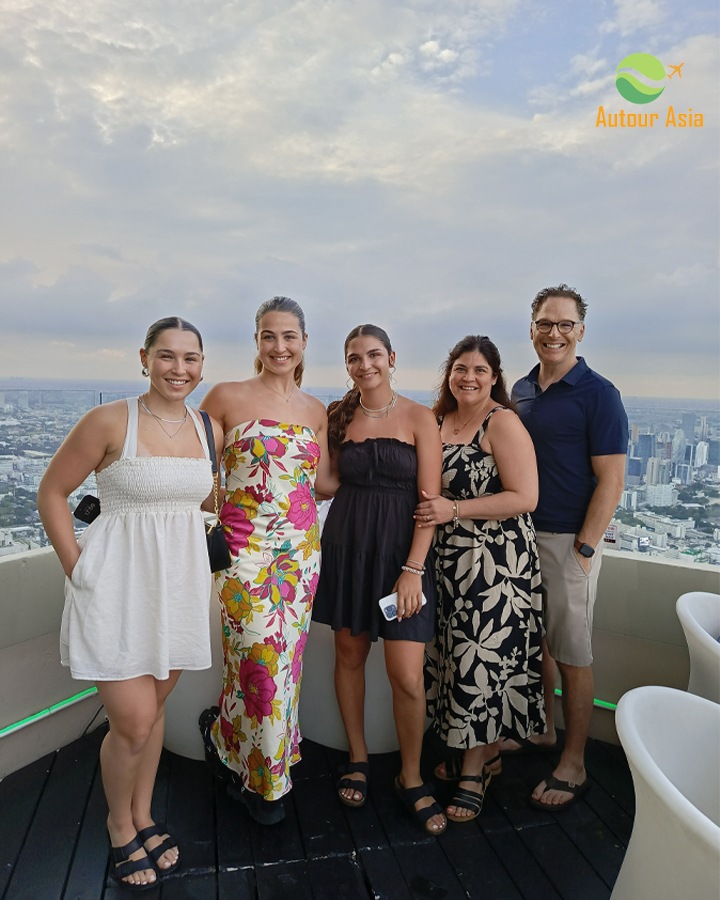
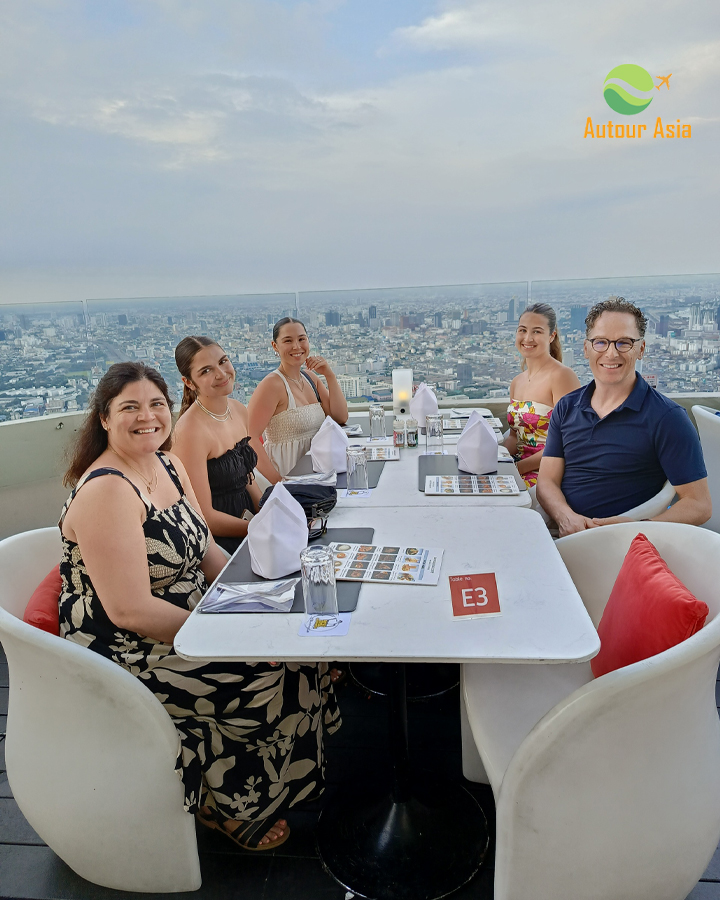
The strongest memories from northern Vietnam tours often come from the moments that cannot be found in a standard guidebook: a conversation with a local family, a quiet walk through rice terraces, a meal in a village or the feeling of being genuinely welcomed.
Peter Harrison, United Kingdom
"Our northern Vietnam journey was one of the most memorable holidays we have ever taken. Our travel consultant responded very quickly from the beginning and, most importantly, listened to what we wanted. We explained that we preferred quiet villages and authentic experiences rather than crowded tourist attractions, and she customized the itinerary around us. Her WhatsApp responses were incredibly fast throughout the trip."
Jonathan Reed, United States
"The service was exceptional. Our consultant was attentive from the first enquiry and continued to take care of us throughout the holiday. She was happy to adjust the itinerary when we changed our preferences. Our guide had an impressive knowledge of Vietnamese history, traditions and local culture, while our driver was careful, punctual and extremely considerate."
Emily Watson, Australia
"What we loved most about northern Vietnam was its authenticity. The mountains around Sapa and the rice terraces were spectacular, but the people were even more memorable. We met friendly families, tasted simple local food and saw a way of life that felt peaceful and genuine. We came home with a real affection for Vietnam."
Andrew Mitchell, United Kingdom
"Our guide transformed the sightseeing into a cultural experience. He explained the history of Hanoi, the traditions of the ethnic communities and the significance of the landscapes we visited. Our driver was also excellent and drove very carefully on the mountain roads. We always felt safe and well looked after."
Sarah Peterson, United States
"Pu Luong was one of the highlights of our trip. It was beautiful, quiet and much less commercial than we expected. Walking through the rice fields and seeing traditional houses was unforgettable. The entire journey felt personal because our consultant was always listening and adapting the program to what we wanted."
Daniel Cooper, Australia
"Vietnam surprised us with how warm and welcoming people were. We expected impressive scenery, but we also discovered so many simple moments that stayed with us. Watching farmers work in the rice fields, meeting villagers and travelling through the mountains gave us a much deeper connection with the country."
Why Choose Autour Asia for Your Northern Vietnam Travel?
Choosing a local travel specialist is particularly valuable when exploring the more remote areas of northern Vietnam.
Mountain destinations such as Ha Giang, Sapa, Pu Luong, Ba Be Lake and Ban Gioc Waterfall require careful planning because travel times, road conditions, weather and local logistics can vary significantly.
Autour Asia is a locally based travel company specializing in tailor-made journeys throughout Vietnam and Indochina. Our travel consultants have first-hand knowledge of the destinations and can help you create an itinerary based on your interests, fitness level, travel dates and preferred comfort.
From your first enquiry, our team listens carefully. If you want more trekking, fewer hotel changes, more cultural encounters, comfortable private transportation or additional time in the countryside, your itinerary can be adapted accordingly.
Our English-speaking guides provide insight into Vietnamese history, ethnic cultures, religion, architecture, agriculture and everyday life.
Our professional drivers focus on safety, punctuality and comfort, particularly on the winding roads of mountainous northern Vietnam.
We also understand the importance of communication when you are travelling far from home. Our sales consultants respond quickly to enquiries and remain available through WhatsApp during the journey when travelers need assistance.
Most importantly, we believe that exploring northern Vietnam should be about more than visiting viewpoints and taking photographs. It should provide opportunities to meet people, understand local traditions and appreciate the landscapes responsibly.
Whether you want a private Sapa trekking holiday, a scenic Ha Giang adventure, a peaceful Pu Luong escape, a classic Halong Bay cruise or a comprehensive journey through northern Vietnam, Autour Asia can help you create a personalized experience.
Take a Look at These Useful Travel Links
If you are ready to discover the landscapes, cultures and local communities of northern Vietnam, contact us for a personalized travel proposal and let our local specialists design your ideal northern Vietnam tours experience.
👤Verified and approved by the founder Tran Ba Duy
🧭 Last reviewed and updated: August 2026
Real Customer Experiences









Autour Asia is highly recommended on
Embracing the mission of "Satisfied more than expected" and providing authentic experiences, we have received numerous recommendations on reputable travel forums: