
Snorkeling In Northern And Southern Vietnam - Which Region Is Best ?

What really waits beneath the surface of Vietnam’s long, winding coastline ? Beyond beaches and island sunsets lies a diverse underwater world waiting to be explored. From dramatic limestone bays in the north to the clear tropical waters surrounding southern archipelagos, snorkeling in Northern and Southern Vietnam offers two distinctly different experiences. Some travelers prefer calm emerald bays, while others seek vibrant tropical biodiversity around remote islands. To help visitors decide, Autour Asia highlights some of the best snorkeling spots in Vietnam while comparing the unique strengths of each region. Whether you are a beginner or an experienced reef explorer, understanding these regional differences is the first step toward planning a rewarding and well-prepared snorkeling adventure in Vietnam.
Snorkeling in Northern and Southern Vietnam
I. Why Vietnam is ideal for snorkeling ?
Beyond the surface, Vietnam’s 3,260 kilometer coastline spans two distinct marine environments, explaining why snorkeling in Northern and Southern Vietnam feels like exploring separate destinations. Northern bays feature majestic limestone karsts and calm, sheltered waters, while southern seas are warmer and shaped by tropical reef ecosystems. Water temperatures range from 22-29°C in the north during peak months to 26-30°C year-round in the south, giving travelers flexible timing and diverse underwater landscapes within one country.
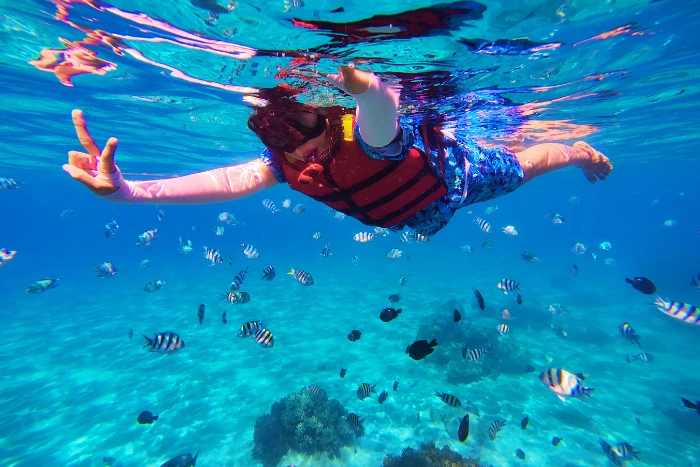
As a result, many visitors ask where to snorkel in Vietnam for the best visibility and safety. Southern regions typically offer clearer waters, ranging from 8-20 meters during the dry season, and in some protected reef areas visibility can extend even further depending on weather conditions. Meanwhile, northern areas provide dramatic scenery and quieter exploration. With over 2,000 islands creating protected snorkeling spots in Vietnam, the country suits both beginners and experienced reef explorers.
II. Snorkeling in Northern Vietnam
Unlike the tropical south, snorkeling in Northern Vietnam focuses more on scenery than dense coral reefs. Calm bays, limestone cliffs, and sheltered waters define the experience. Visibility typically ranges from 3 to 8 meters, with the best conditions occurring between April and September when temperatures average 22-29°C and seas remain relatively stable.
1. Best snorkeling spots in Northern Vietnam
Ha Long Bay

As one of the most iconic snorkeling spots in Vietnam, Ha Long Bay offers more than its famous limestone cliffs. The bay contains nearly 120 hectares of coral reefs with over 100 recorded species, mainly concentrated around Cong Do Island and Trai Cave. Snorkeling is often included in overnight cruise itineraries, allowing visitors to explore calm, sheltered waters beneath the UNESCO-listed landscape. Visibility varies depending on tides and seasonal weather, but stable summer conditions generally provide comfortable opportunities for relaxed underwater exploration.
Lan Ha Bay

For travelers wondering where to snorkel in Vietnam away from larger crowds, Lan Ha Bay offers a quieter alternative just south of Ha Long. Home to more than 400 limestone islets, the bay features calm coves such as Ba Trai Dao, where clear water appears during stable summer months. Coral patches and small reef fish can be observed while snorkeling close to secluded beaches. Many tours combine kayaking and swimming stops, creating a gentle and scenic experience ideal for beginners and travelers seeking peaceful surroundings.
Co To Island
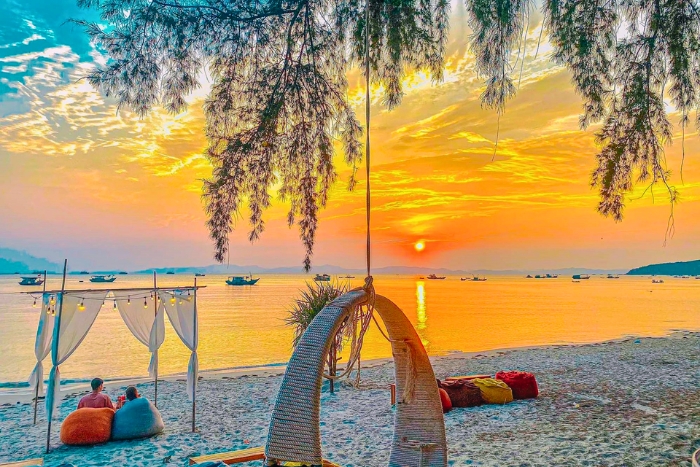
Further offshore, Co To Island provides one of the most structured options for snorkeling in Northern Vietnam. Licensed coral-viewing tours have operated since 2023 around Hon Chim and Ong Tich islets, mainly between April and early summer when sea conditions are calmest. Visibility improves during sunny weather, offering clearer views of reef habitats compared to other northern locations. Organized tours typically include boat transfers, snorkeling equipment, and safety support, making Co To a convenient and accessible destination for guided underwater exploration.
2. Pros and cons of snorkeling in Northern Vietnam
After exploring the main locations, it becomes easier to see the strengths and limitations of snorkeling in Northern Vietnam. Here’s a quick overview to help travelers decide if it’s the right fit.
Pros :
- Dramatic limestone karst scenery unlike anywhere else in Southeast Asia
- Sheltered bays with generally calm waters between April and September
- Fewer mass reef-tour crowds compared to southern destinations
- Snorkeling often included in cruise packages, making it cost-efficient
- Suitable for relaxed exploration and first-time snorkelers
- Coral diversity is moderate compared to tropical southern reefs
- Visibility typically ranges from 3–8 meters and depends heavily on tides and weather
- Water temperatures may drop below 20°C between December and February
- Snorkeling is usually secondary to sightseeing rather than the main activity
Overall, snorkeling in Northern Vietnam best suits travelers who value scenery, tranquility, and a balanced cruise experience over vibrant coral intensity.
III. Snorkeling in Southern Vietnam
Warmer seas and stronger coral ecosystems define snorkeling in Southern Vietnam. Water visibility often reaches 8–20 meters during the dry season from November to April, creating reliable conditions for reef exploration and underwater photography.
1. Best snorkeling spots in Southern Vietnam
Con Dao Island

Among the region’s highlights, Con Dao stands out for its protected marine ecosystem. As part of Con Dao National Park, this archipelago of 16 islands supports healthy coral reefs and seasonal sea turtle activity. The best snorkeling period runs from March to September, when calmer seas improve water clarity. Sites such as Bay Canh and Hon Tai showcase staghorn corals and diverse reef fish in relatively undisturbed habitats. When comparing snorkeling in Northern and Southern Vietnam, Con Dao clearly represents the conservation-focused advantage of the south.
Phu Quoc Island
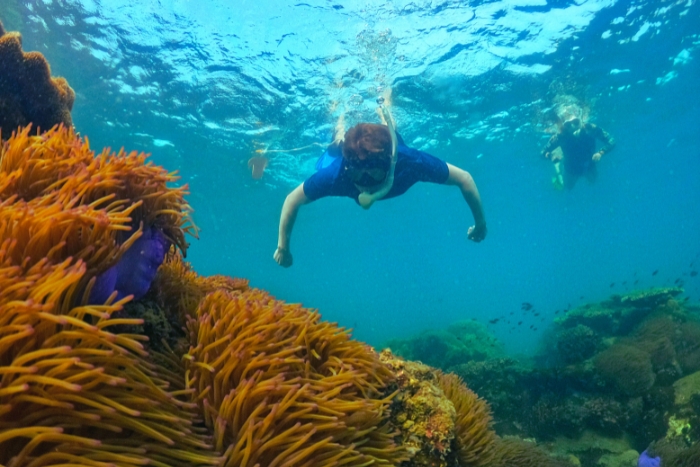
Further south in the Gulf of Thailand, Phu Quoc attracts travelers wondering where to snorkel in Vietnam with consistent comfort and accessibility. The An Thoi Archipelago, including Gam Ghi and May Rut islets, features shallow coral gardens well suited for beginners. During the dry season, visibility commonly reaches 10-15 meters under stable weather conditions. Boat tours usually include equipment and transfers, making snorkeling convenient and accessible for a wide range of travelers.
Nam Du Island
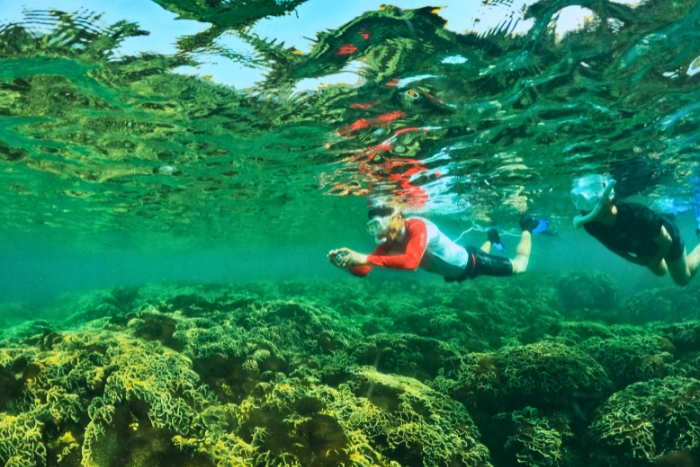
For those seeking quieter alternatives, snorkeling in Southern Vietnam can also lead travelers to the lesser-known Nam Du Archipelago in Kien Giang Province, a more off-the-radar escape. Covering around 1,050 hectares across 21 islands, Nam Du features clear shallows around Hon Dau and Hai Bo Dap, particularly between January and March when seas are calmest. While infrastructure remains modest, guided boat trips allow visitors to explore coral patches and reef fish in peaceful surroundings, creating a slower and more nature-focused marine experience.
2. Pros and cons of snorkeling in Southern Vietnam
After reviewing the main destinations, the strengths of snorkeling in Southern Vietnam become clear, although the experience may not suit every travel style. Here is a practical breakdown for travelers planning their trip.
Pros :
- Warm sea temperatures year-round, averaging 26-30°C
- Greater coral diversity, especially around protected marine zones
- Visibility often ranges from 8-20 meters during the dry season (November-April)
- Well-developed tour services with organized boat transfers and equipment
- Suitable for beginners, families, and underwater photography enthusiasts
Cons :
- Peak-season crowding, particularly between December and March
- Higher tour prices in premium or protected marine zones
- Visibility may decrease during the monsoon season from May to October
Overall, snorkeling in Southern Vietnam usually delivers the stronger experience for travelers seeking vibrant reefs and clearer underwater conditions.
IV. Northern vs Southern Vietnam : Which is better for snorkeling ?
Criteria | Northern Vietnam | Southern Vietnam |
Water clarity | Typically 3-8 meters, highly dependent on weather and tides | Commonly 8-20 meters during dry season (Nov-Apr), more stable conditions |
Coral & biodiversity | Moderate coral coverage, smaller reef systems | Richer tropical reef ecosystems with greater coral and fish diversity |
Best time to snorkel | April-September (warmer and calmer seas). | November-April for optimal visibility. |
Water temperature | 22-29°C in peak season, may drop below 20°C in winter | 26-30°C year-round. |
Tour style & pricing | Often bundled with cruises, generally more affordable | Range from budget island tours to premium marine experiences |
Crowd levels | Moderate, quieter outside of the peak cruise season. | Busier during the dry season, especially from December-March. |
Overall experience | Scenic, relaxed, landscape-focused | Reef-focused, clearer water, ideal for biodiversity and underwater photography |
So, which region should travelers choose ?
Choose Northern Vietnam if :- Limestone scenery and dramatic bay landscapes matter more than coral density
- Snorkeling is a secondary activity alongside cruising and sightseeing
- A quieter atmosphere feels more appealing than busy reef tours
- You are traveling outside the tropical dry season but still want calm, sheltered waters
Northern waters offer a scenic and relaxed pace, ideal for travelers who value atmosphere and landscapes over intense reef exploration.
Choose Southern Vietnam if :
- Vibrant coral reefs and marine biodiversity are the top priority
- Underwater photography is part of the plan
- Snorkeling is the main purpose of the trip rather than an add-on activity
- You are traveling with children or beginners who benefit from warmer, clearer water
For reef-focused travelers seeking stronger visibility and richer ecosystems, snorkeling in Southern Vietnam generally provides more consistent and rewarding conditions.
V. Practical tips for snorkeling in Vietnam
Planning ahead makes a real difference when visiting snorkeling spots in Vietnam, as weather and sea conditions can change depending on the region and season. Proper preparation helps travelers enjoy the experience safely and responsibly.
Before booking :- Reserve tours early during peak dry season (December-April in the south, April-September in the north)
- Choose licensed operators with clear safety briefings and reef-protection policies
- Stay flexible, as ferries and boat trips may change due to wind or sea conditions
- Never snorkel alone; always go with a guide or buddy
- Check sea forecasts carefully, especially in Northern Vietnam where weather can shift quickly
- Avoid snorkeling if feeling unwell or prone to severe seasickness
- Do not stand on or touch coral reefs
- Avoid feeding fish or disturbing marine life
- Use reef-safe sunscreen, especially in Southern Vietnam where coral density is higher
- Wear a rash guard to reduce sunscreen impact and protect your skin
- Personal mask or snorkel (optional, for comfort and hygiene)
- Rash guard or long-sleeve swimwear
- Drinking water and small snacks
- Waterproof bag for valuables
With thoughtful planning and respect for marine ecosystems, snorkeling in Northern and Southern Vietnam can be both safe and unforgettable.
As the journey comes to an end, one question remains : where to snorkel in Vietnam for an experience that truly matches each traveler’s expectations ? The answer ultimately depends on personal priorities. Snorkeling in Northern and Southern Vietnam reveals two distinct marine worlds - one shaped by limestone bays and tranquil scenery, the other defined by tropical reefs and clearer waters. Both regions have their strengths, and understanding seasonal timing makes all the difference. Travelers seeking structured guidance and local insight can rely on experienced operators such as Autour Asia to plan safely and responsibly. With thoughtful preparation and realistic expectations, Vietnam’s underwater landscapes can transform a simple swim into a memorable ocean adventure.
You might be interested in :
- Thinking about exploring snorkeling in Northern and Southern Vietnam on your next beach getaway ? As a trusted Vietnam travel agency, Autour Asia provides expert guidance to help travelers choose the best region, season, and snorkeling experience for an unforgettable trip.
- Top beach Northern Vietnam
- 2 weeks in Central Vietnam
- Vietnam Travel Guide
- Snorkeling in Northern and Central Vietnam
- Vietnam Tours
Three weeks in Vietnam allows travelers to explore the country at a comfortable pace while experiencing its diversity. Start in the north with Hanoi’s vibrant streets and local food scene, then take a cruise through the limestone landscapes of Ha Long Bay. Continue to central Vietnam to visit Hue’s imperial heritage and wander through the lantern-lit town of Hoi An. After that, relax on the southern beaches before discovering daily life along the Mekong Delta. Finish in Ho Chi Minh City, where historic landmarks and modern energy blend together, offering a dynamic conclusion to the journey.
Snorkeling costs in Northern Vietnam are generally affordable compared to southern reef destinations. On average, Northern Vietnam snorkeling prices range from around 800,000 to 1,500,000 VND per person, depending on location and services included. In places like Co To Island, guided coral-viewing tours often include boat transfers, snorkeling gear, fruit, drinking water, and insurance. In Ha Long Bay or Lan Ha Bay, snorkeling is usually part of a cruise package rather than a standalone activity, which can make it more cost-efficient. Prices may vary slightly during peak summer months, so booking in advance is recommended for better availability and stable rates.
Several destinations stand out when travelers ask about the most popular snorkeling spots in Vietnam. In the south, Phu Quoc is often the top choice thanks to its warm water, clear visibility, and coral reefs around the An Thoi Archipelago. Con Dao is another favorite, known for healthier reefs and protected marine areas. In south-central Vietnam, Nha Trang offers accessible snorkeling tours near Hon Mun Marine Protected Area. In the north, Ha Long Bay and Lan Ha Bay provide calmer waters and scenic limestone surroundings, though coral diversity is more limited compared to southern locations.
Related travel guide
Other similar articles


CUSTOMIZABLE BY LOCAL EXPERTS
Personalized trip at the original price!

REFUND GUARANTEE
We believe in our work and promise to give you money back.

GOOD PRICE / QUALITY
95% satisfied more than expected!

24/7 LOCAL SUPPORT
We are always available online to provide assistance at any time.

Most read articles


Autour Asia is highly recommended on
Embracing the mission of "Satisfied more than expected" and providing authentic experiences, we have received numerous recommendations on reputable travel forums: