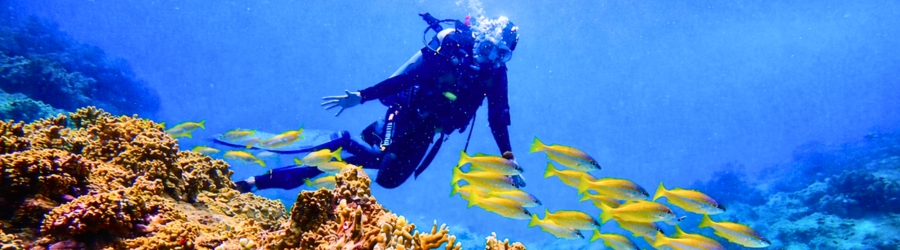
Looking for the best snorkeling experience in Vietnam and still wondering about the best places to go snorkeling in Vietnam ? From the dramatic limestone bays of the north to the turquoise coral islands along the central coast, snorkeling in Northern and Central Vietnam reveals two completely different underwater worlds. Whether you prefer a scenic cruise with light snorkeling or a coral-rich marine adventure, choosing the right region can shape your entire trip. This guide compares destinations, costs, seasons and practical travel tips to help you plan confidently. If you would rather leave the logistics to professionals, working with a trusted local travel agency in Vietnam such as Autour Asia can help you design a seamless snorkeling itinerary that fits your schedule, travel style and budget - without unexpected surprises along the way.
When you choose to go snorkeling in Vietnam, you are choosing more than just a seaside activity - you are stepping into a world of contrasts. With over 3,200 kilometers of coastline, Vietnam offers warm tropical waters, diverse marine life and surprisingly accessible reefs. In Central Vietnam, you can float above vibrant coral gardens in clear turquoise seas, often just a short boat ride from shore. In Northern Vietnam, the experience feels wilder and more dramatic, as you snorkel beneath towering limestone karsts rising from emerald bays. You are not simply observing fish; you are witnessing the meeting point between geology and marine biodiversity in a setting that feels both intimate and grand.
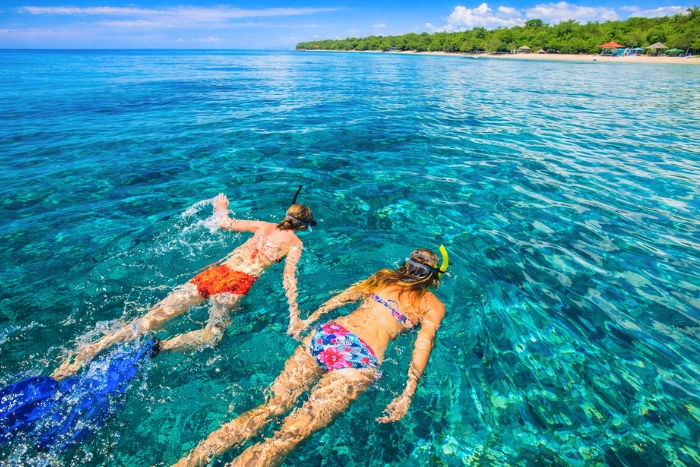
What makes the experience even more compelling - whether you choose snorkeling in Northern or Central Vietnam - is the balance between quality and affordability. Compared to destinations like Thailand or the Philippines, you often spend less while still enjoying organized tours, fresh seafood lunches and relatively uncrowded waters. In many places, you share the sea with only a few other travelers, which keeps the atmosphere personal rather than commercial. Once back on shore, local fishermen, island villages and simple beachfront meals naturally extend the experience beyond the water. With that in mind, let’s explore the key differences between Northern and Central Vietnam to help you choose the setting that best fits your travel style.
If you are drawn to dramatic landscapes and raw beauty, snorkeling in Northern Vietnam offers a uniquely atmospheric experience. Towering limestone karsts, emerald bays and quiet fishing boats frame your time in the water. Coral coverage is lighter than in the south, but the setting feels cinematic and untouched. Here, snorkeling blends naturally with kayaking, island cruising and exploring secluded beaches far from mass tourism.
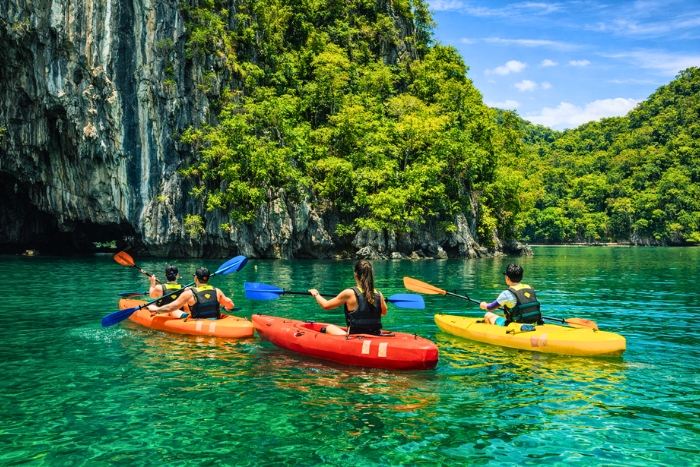
Snorkeling in Halong Bay offers you a truly distinctive experience and is often highlighted when travelers discuss snorkeling in Northern and Central Vietnam or search for the best places to go snorkeling in Vietnam, thanks to its dramatic limestone karsts framing every moment above and below the water. In secluded areas such as Cong Do Island, Titov Island and parts of Lan Ha Bay, clustered karsts create sheltered pockets where visibility is steadier and surface conditions remain gentle. Instead of vast coral fields, you discover small marine habitats along vertical stone walls - reef fish, soft corals and sea anemones thriving in quiet corners. The bay’s emerald water makes it ideal if you prefer calm conditions or are new to snorkeling and you can easily combine your session with kayaking or a snorkeling tour from Hanoi as part of a cruise.
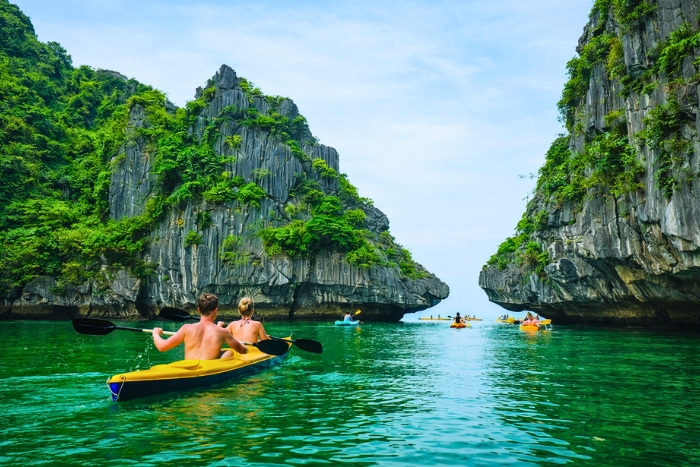
Continuing your journey through Northern Vietnam’s waters, Cat Ba Archipelago offers a different rhythm from Halong Bay and is often listed among the best snorkeling spots in Northern Vietnam for travelers asking where is the best place to snorkel in Vietnam without heading to the central coast. Lan Ha Bay’s limestone islets create calmer, less crowded waters, especially from April to October when visibility improves. Around Van Boi and Monkey Island, you can snorkel above rocky reefs dotted with small coral patches, sea anemones and reef fish weaving between stone formations. The underwater scene feels intimate and relaxed rather than overwhelming. Beyond snorkeling, kayaking through hidden lagoons or trekking in Cat Ba National Park allows you to shift easily from forest to ocean in one day, adding depth to the experience.
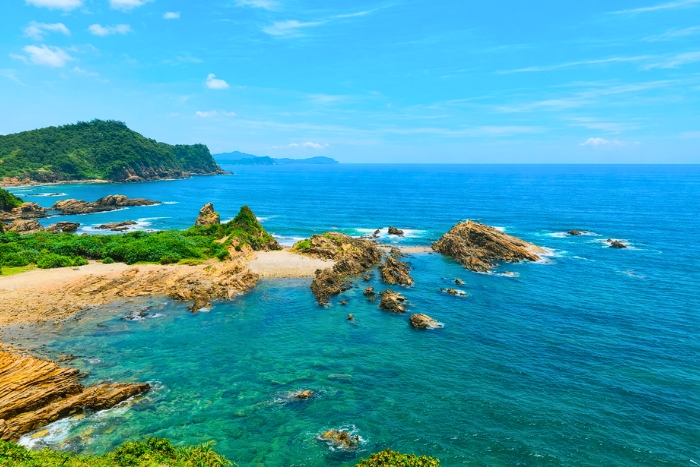
As you move further east along Northern Vietnam’s coastline, Co To Island offers a noticeably different atmosphere - more open, quieter and refreshingly unhurried. For travelers comparing snorkeling in Northern and Central Vietnam, it presents a strong candidate for the best snorkeling region in Vietnam if you value tranquility over crowds. Reaching the island by speedboat from Van Don already feels like a small adventure and that extra distance helps preserve its peaceful character. From May to September, the sea becomes clearer and brighter, improving underwater visibility. Around Hong Van Beach, Van Chay and Co To Con, you drift above sandy bottoms and rocky reefs where reef fish, sea urchins and occasional starfish appear in calm waters. With fewer organized tours, arranging a small wooden boat with local fishermen gives you flexibility and a more personal connection to the sea.
If snorkeling in Northern or Central Vietnam leaves you undecided, snorkeling in Central Vietnam stands out for its clarity and color. Here, turquoise water and warmer temperatures - especially from March to September - create better visibility and livelier marine life. You are more likely to encounter dense coral gardens, tropical fish and vibrant reef ecosystems in shallow, accessible areas, making the experience feel brighter, warmer and distinctly tropical.
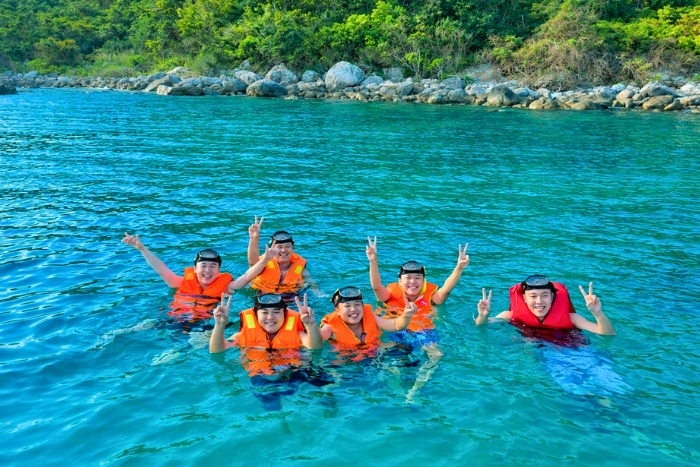
Just 20 minutes by speedboat from Hoi An, the Cham Islands invite you into a completely different underwater world - brighter, warmer and undeniably more vibrant. For those wondering where is the best places to snorkel in Vietnam, this protected marine reserve often tops the list. The reefs here have been carefully preserved, so when you slip into the water, you are greeted by healthy coral gardens alive with movement. Around Hon Dai and Hon Tai, you float above branching staghorn corals, rounded brain corals and schools of butterflyfish and parrotfish flashing through the reef. From March to September, visibility is at its best, with sunlight illuminating every detail beneath the surface. Afterward, returning to Hoi An’s lantern-lit streets creates a beautiful contrast - morning in the sea, evening in history.

Unlike the island escape of the Cham Islands, Son Tra Peninsula offers you something few destinations can: the feeling of escaping into nature without ever truly leaving the city behind, a unique contrast that highlights the diversity of snorkeling in Northern and Central Vietnam. Within just 20 - 30 minutes from central Da Nang, you find yourself at the edge of forested hills sloping into the sea. In sheltered spots like Bai Nom and Bai But, calm water during the dry season invites you to slip in and explore rocky reefs dotted with coral patches and reef fish. While coral is less dense than offshore islands, the scenery makes it memorable - green mountains behind you, sunlight in clear water and the skyline in the distance. If you want to go snorkeling in Vietnam without long transfers, Son Tra offers a spontaneous and refreshing ocean pause.

If you are willing to travel a little farther for something less predictable, Ly Son Island offers a snorkeling experience that feels raw and genuinely different, adding a distinctive contrast to snorkeling in Northern or Central Vietnam for travelers seeking something beyond the usual reef spots. After a speedboat ride from Quang Ngai, you reach a volcanic island where dramatic cliffs meet remarkably clear water. Around Be Island (An Binh), you drift above dark basalt formations shaped by ancient eruptions, with coral clusters growing along natural cracks and reef fish gathering in sheltered pockets against the black seabed. On bright summer days, visibility can be so clear that you feel suspended in open air. Exploring garlic fields, fishing villages and rugged coastlines afterward turns the outing into a quiet, personal adventure rather than just another tour.

Before planning your snorkeling adventure, understanding the cost is essential. Prices for snorkeling in Northern and Central Vietnam vary depending on location, tour type, season and level of service. From budget-friendly half-day trips to full-day reef excursions with lunch included, the range is broad enough to suit different travel styles and expectations.
Snorkeling in Northern Vietnam:
Location | Tour type | Price | What’s included | Best for | What you should know |
Halong Bay | Half-day boat | 500,000 - 800,000 (around $20 - $33) | Boat transfer, local guide, basic snorkeling gear | First-timers, cruise travelers | Often part of a larger bay cruise; coral is moderate but scenery is spectacular |
Halong Bay | Full-day cruise | 900,000 - 1,500,000 (around $36 - $62) | Lunch, kayaking, swimming, snorkeling gear | Scenic and activity mix | Good value if you want multiple activities in one day |
Cat Ba (Lan Ha Bay) | Half-day tour | 600,000 - 900,000 (around $24 - $36) | Boat, guide, snorkeling gear | Travelers seeking fewer crowds | Water clarity is often better than central Ha Long |
Cat Ba | Private small boat | 600,000 - 1,200,000/ boat (around $24 - $50) | Private boat only (gear extra) | Groups, flexible schedule | Cost-effective if shared among 3–5 people |
Co To Island | Local boat trip | 800,000 - 1,200,000 (around $33 - $50) | Small local boat and simple gear | Quiet and remote seekers | Fewer organized tours; more independent experience |
The snorkeling cost in Northern Vietnam is generally more affordable and ideal if you prioritize dramatic limestone scenery over dense coral reefs.
Snorkeling in Central Vietnam:
Location | Tour type | Price | What’s included | Best for | What you should know |
Cham Islands (Hoi An) | Speedboat day tour | 900,000 - 1,400,000 (around $36 - $57) | Speedboat, guide, snorkeling gear, lunch | Coral lovers | Best coral density in Vietnam; marine protection fee may apply |
Son Tra (Da Nang) | Half-day boat | 400,000 - 700,000 (around $17 - $29) | Boat ride and snorkeling gear | Quick city escape | Very convenient from Da Nang; good for short stays |
Ly Son Island | Island snorkeling tour | 800,000 - 1,300,000 (around $33 - $53) | Boat, guide, snorkeling gear | Explorers | Exceptional water clarity in summer; ferry ticket from mainland not included |
The price of snorkeling in Central Vietnam is slightly higher but it offers clearer turquoise water and richer coral ecosystems.
Choosing between Northern and Central Vietnam depends on what you value most: dramatic scenery and lower costs, or clearer water and richer coral reefs. The comparison below highlights the key differences to help you decide.
Key differences | Northern Vietnam | Central Vietnam |
Overall experience style | Scenic and atmospheric - snorkeling complements limestone landscapes | Reef-focused and tropical - snorkeling is the main highlight |
Landscape above water | Towering limestone karsts, emerald bays, sheltered coves | Sandy islands, volcanic cliffs, turquoise open sea |
Coral density | Moderate coral coverage, scattered reef areas | Dense and colorful coral gardens, especially around Cham Islands |
Water clarity | Generally good in summer, slightly greener tones | Clearer, bluer tropical water with stronger visibility in dry season |
Marine biodiversity | Small reef fish, scattered coral ecosystems | Rich marine life, tropical species, healthier reef systems |
Best season | May - September (calmer sea conditions) | March - September (dry season, best visibility) |
Water temperature | Warm in summer, cooler in winter | Warm most of the year |
Crowd level | Moderate; quieter in Cat Ba and Co To | Moderate to busy at Cham Islands in peak season |
Accessibility | Very easy from Hanoi | Easy from Da Nang or Hoi An |
Average cost | $20 - $50 (Generally more budget-friendly) | $33 - $57 (Slightly higher but stronger reef quality) |
Best for | Beginners, families, cruise travelers, scenery lovers | Snorkeling enthusiasts, underwater photographers |
Bonus activities | Kayaking, overnight cruises, island hopping | Beach relaxation, island villages, cultural combo with Hoi An |
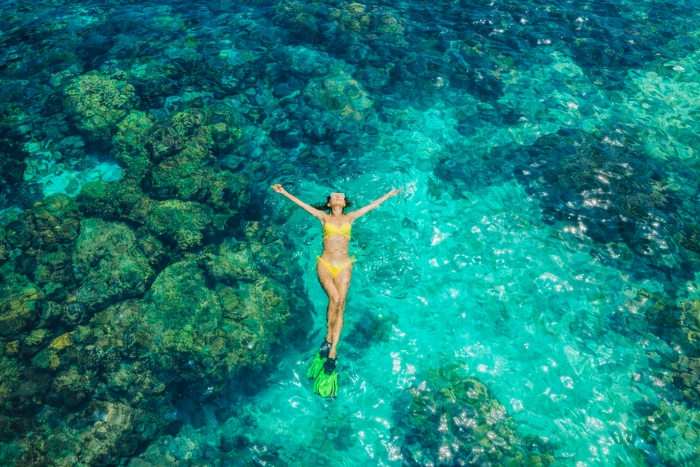
Exploring snorkeling in Northern and Central Vietnam is not just about choosing a location, but about defining the kind of experience you want to take home - especially if you are still deciding on the best places to go snorkeling in Vietnam. From the quiet limestone bays of the north to the vibrant coral ecosystems along the central coast, each region offers its own rhythm and atmosphere. By understanding seasonal conditions, typical costs and site characteristics, you can plan more confidently and avoid common travel pitfalls. With the right preparation, a simple snorkeling outing can become one of the most memorable highlights of your trip. If you prefer expert guidance, partnering with a leading local tour operator in Vietnam like Autour Asia can help you craft a smooth, well-organized itinerary that lets you focus entirely on the ocean and the experience.
To make the most of your snorkeling in Northern and Central Vietnam, consider contacting AUTOUR ASIA, a trusted travel partner in Vietnam specializing in authentic and personalized itineraries.
You might be interested in:
- Top beach Northern Vietnam
- 2 weeks in Central Vietnam
- Vietnam Travel Guide
- Vietnam Travel itinerary 2 weeks
- Vietnam Tours








 FR
FR ITA
ITA