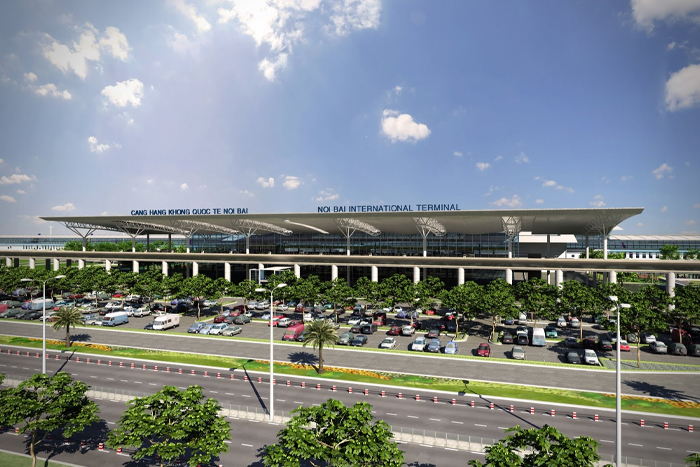
IATA (International Air Transport Association) code: HAN
ICAO (International Civil Aviation Organization) code: VVNB
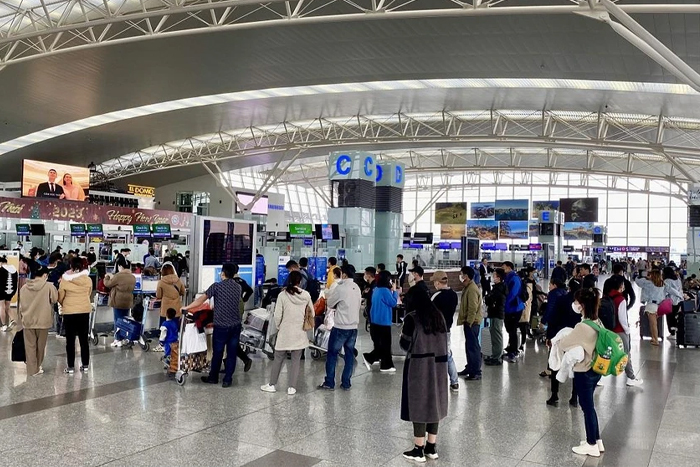
ATM service: ATMs are conveniently situated in the lobby area on the first floor of Terminal 1, as well as in the west and east wings of Terminal 2.
Food options: Numerous food stalls are available throughout both terminals' lobbies and departure lounges, ensuring passengers can easily find refreshments.
Sleeping pods: Passengers can enjoy the comfort of 4-square-meter sleeping pods located on the second and third floors of Terminal 1 and the second floor of Terminal 2, ideal for quick naps during early morning departures, long layovers, or unexpected delays.
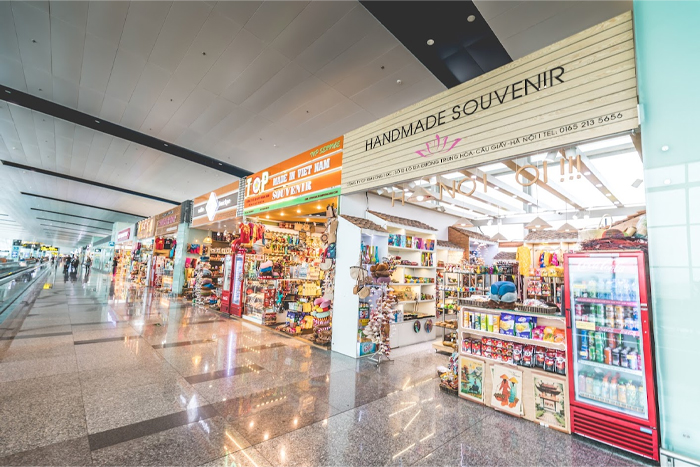
Shopping opportunities: Souvenir shops in the departure lounges of both terminals offer a variety of Vietnamese specialties, handicrafts, textiles, cosmetics, accessories, and more.
Free trolley service: Passengers can easily obtain trolleys on the second floor of Lobbies A, B, and E in Terminal 1, as well as in the departure and arrival lounge areas of Terminal 2.
Luggage packing service: Available on the second floor of Lobbies A, B, and E in Terminal 1, and in the lobby area on the third floor of Terminal 2.
Free battery charging service: Charging stations are provided in Terminal 1's Lobbies A-E and the departure lounge area on the second floor, as well as in the lobby area on the third floor and the departure lounge area of Terminal 2.
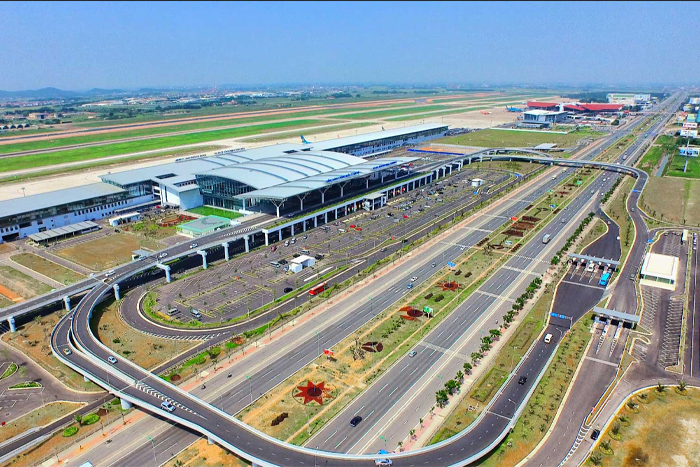
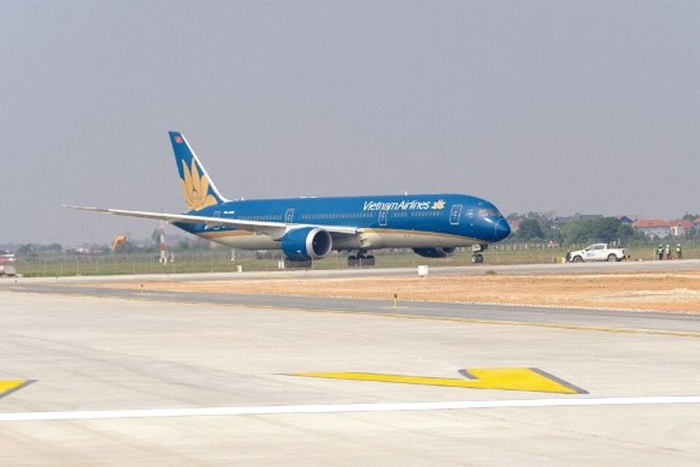
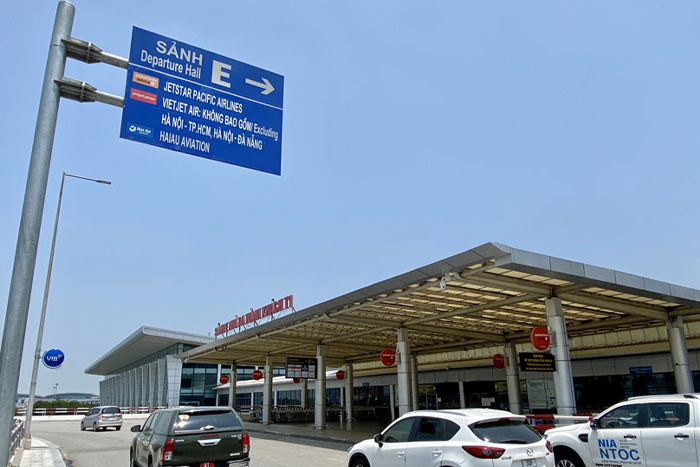
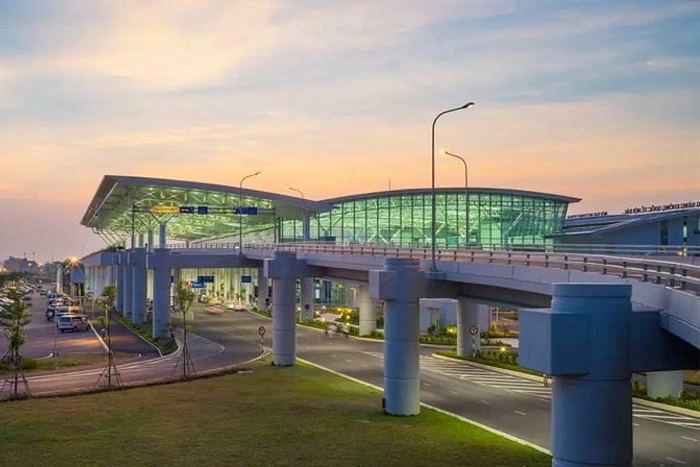
Terminal 1 covers an area of 115,000 square meters and boasts an annual capacity to accommodate up to 15 million passengers. This terminal primarily handles domestic flights.
Terminal 2 spans across 139,216 square meters and has an annual capacity of 10 million passengers. It is dedicated to servicing international flights.
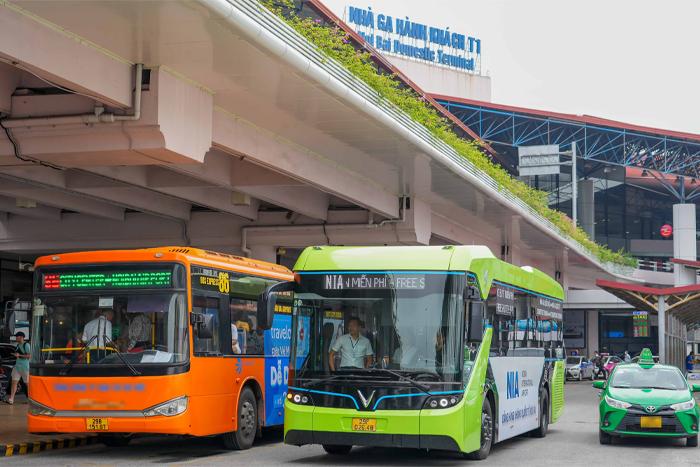
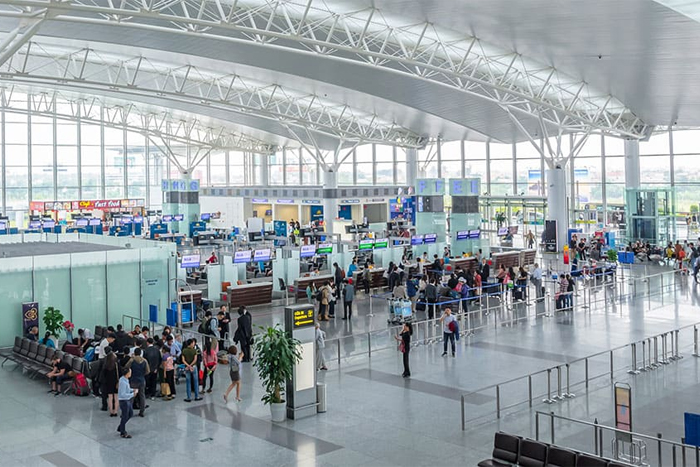
Arrive early: It's advisable to arrive at the airport well in advance of your flight, especially during peak travel times, to allow ample time for check-in, security screening, and any unforeseen delays.
Check visa requirements: Ensure you have the necessary visa or travel documents required for your destination before arriving at the airport to avoid any last-minute complications.
Keep important documents handy: Keep your passport, boarding pass, and any other essential documents easily accessible throughout your journey, as you will need them at various checkpoints.
Pack light: If possible, pack light to expedite the check-in and security screening process. Avoid carrying prohibited items in your carry-on luggage to prevent delays at security checkpoints.
Stay informed: Stay updated on your flight status by regularly checking the airport's flight information displays or using the airline's mobile app for real-time updates on any changes to your flight schedule.
Utilize airport facilities: Take advantage of the airport's facilities, such as free Wi-Fi, charging stations, restrooms, and dining options, to make your wait more comfortable.
Stay alert: Stay vigilant of your belongings at all times and be cautious of your surroundings, especially in crowded areas, to prevent theft or loss of personal items.
Respect local customs: Remember to respect local customs and regulations while at the airport and in Vietnam, including dress codes, cultural norms, and security protocols.


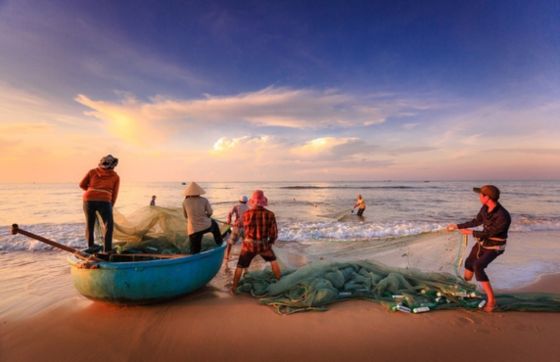
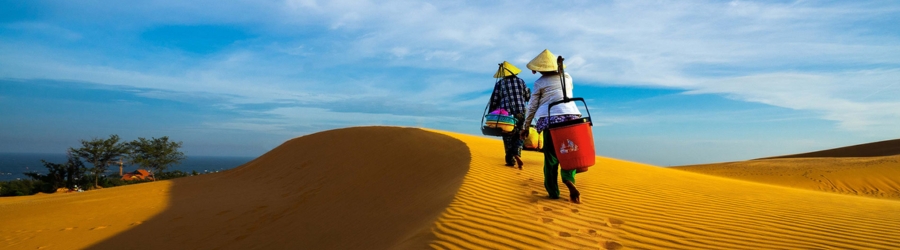
Phan Thiet, a coastal city in Binh Thuan Province, is best known for Mui Ne, an internationally renowned seaside destination. With its beaches, fishing villages, and desert-like sand dunes, the region offers a diverse range of landscapes rarely found elsewhere in Southeast Asia. In November, temperatures remain pleasant for exploring the coast, although occasional showers are still possible. Visiting Phan Thiet Mui Ne in November requires a little preparation to make the most of your stay. This complete guide covers the weather, must-see attractions, transportation options, and practical tips to help you plan your trip to Vietnam in November.
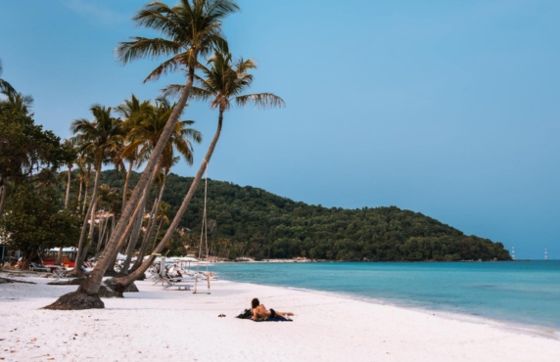
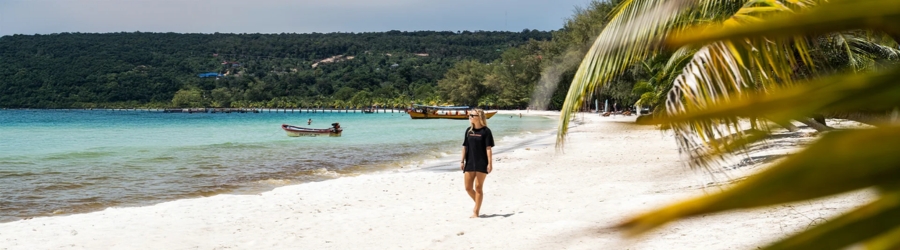
Vietnam’s beaches are best enjoyed at different times of the year, depending on the region. From the turquoise waters of the South to the long stretches of white sand in the Central region and tropical islands, each area has its own climate patterns. To better understand when to visit Vietnam, it is important to consider the weather conditions in each destination. The best time to visit beaches in Vietnam depends on region you choose as well as the activities you have planned. The best time to swim in Vietnam also varies according to rainfall, water temperature and sea conditions. Understanding the Vietnam beach season helps you choose destinations that match your travel dates and enjoy the coastline in good conditions.
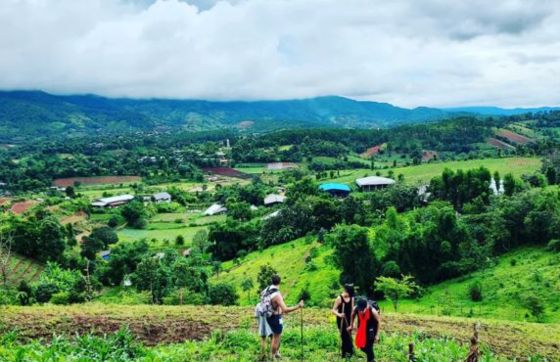
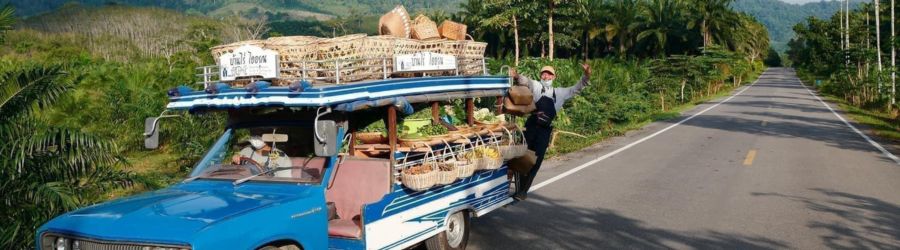
Discovering Thailand through its rice fields, plantations, and rural villages offers a different way to travel, far from traditional tourist circuits. But how can you choose the best agency for Thailand farm tours to enjoy authentic experiences with local communities? Several tour operators offer trips combining agriculture, gastronomy, and encounters with producers. Among them, Autour Asia is an option for travelers who want to personalize their itinerary. Known as Vietnam travel agency - Autour Asia, the company also offers tailor-made trips to several countries in Southeast Asia. With the local travel agency in Thailand - Autour Asia, travelers can explore a trip designed around their interests. Here are five organizations worth knowing, their distinctive features, and the essential criteria for planning a successful agricultural tour in Thailand.
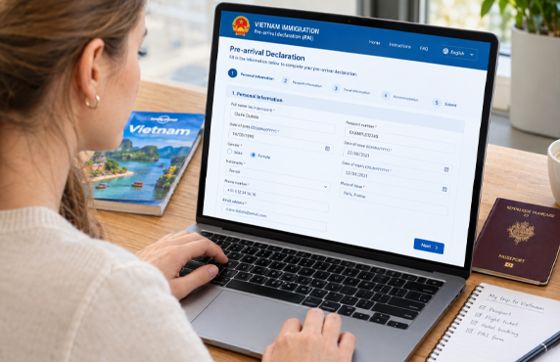
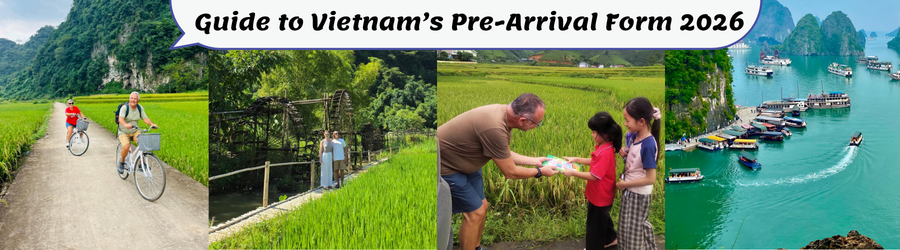
Planning a trip to Vietnam? Before packing your bags, take a few minutes to check the latest entry requirements and prepare the documents you may need at the airport.
Vietnam’s Pre-Arrival Information (PAI) system allows international travellers to submit selected personal, visa and travel details online before arriving in the country. After a successful submission, the system generates a QR code that travellers can save on their phones or print for use during immigration procedures. Although the online declaration is designed to help make arrival procedures smoother, travellers should understand when it applies, how to complete it correctly and which documents they still need to enter Vietnam.
In this practical guide, you will discover where to access the official PAI portal, what information to prepare, how to complete the declaration step by step, how to correct common mistakes and what to do when you arrive at the airport.
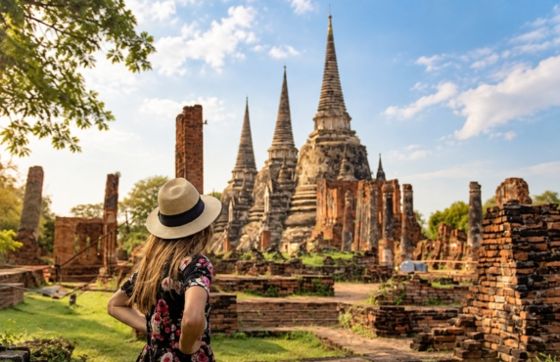
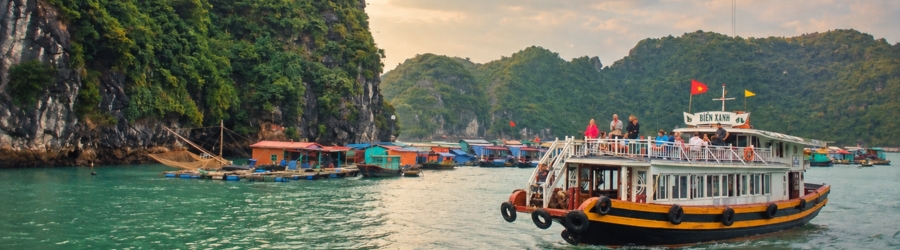
With its exotic landscapes, fascinating cultures and diverse experiences, Vietnam and Thailand are among the most popular destinations in Southeast Asia. However, safety remains an important criterion when planning your trip. So, how can you choose Vietnam or Thailand for a safe trip depending on the way you travel ? And is Vietnam safer than Thailand ? Each destination has its own characteristics and points to consider. In this article, Autour Asia helps you compare Vietnam and Thailand to better understand their differences and choose the destination that meets your expectations for your next trip to Asia.
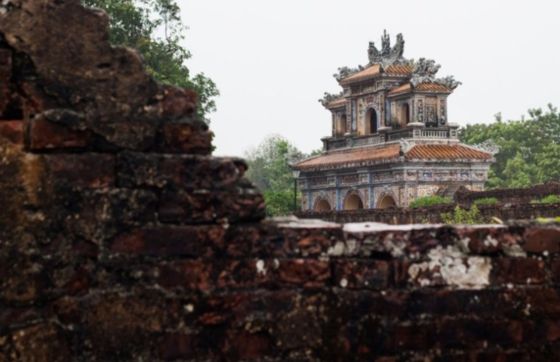
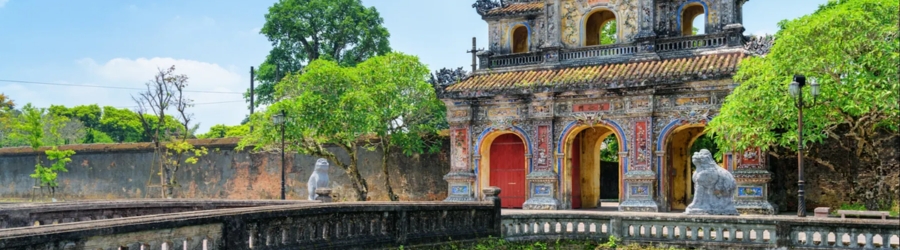
Planning a trip to Hue in November requires a little more flexibility than at other times of the year. Visiting Hue in November means experiencing the rainy season in central Vietnam, with prolonged showers and a risk of flooding. However, this period can also be an opportunity to explore the former imperial capital’s royal heritage, pagodas and renowned cuisine in a quieter atmosphere. The key is to choose your activities carefully, prepare alternative plans and check the weather conditions before setting out.
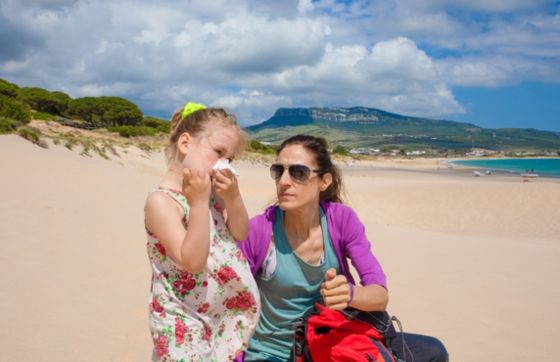
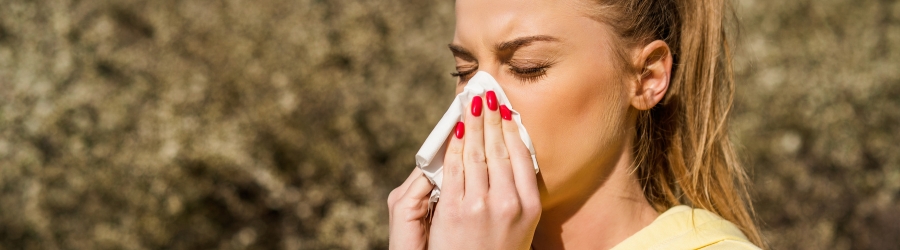
When travelling in Cambodia, some everyday habits may raise questions about local customs. Is blowing your nose in public considered polite? How should you behave in restaurants, on public transport or during a visit? These small details matter when you want to respect the local culture. Discover how to manage blowing your nose in Cambodia discreetly, along with practical tips on using tissues during your trip. Autour Asia, Cambodia travel agency, helps you discover local customs with advice tailored to travellers. From Cambodia travel etiquette to personal hygiene and everyday situations, a few simple guidelines can make your journey more comfortable. In Phnom Penh, Siem Reap or Kampot, understanding local customs helps you avoid awkward moments while making the most of your stay.
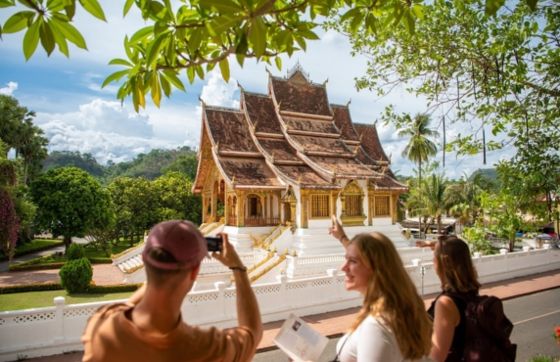
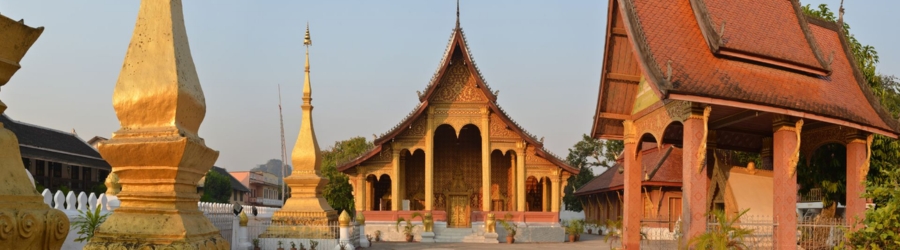
Blow your nose in Laos is not necessarily considered rude, but it is best to do so discreetly, especially in quiet places or during meals. If you have a cold, use a clean tissue and avoid blowing your nose loudly in public. In temples and other places of worship, respect the peaceful atmosphere and local customs. If you need to blow your nose frequently, step away from others for a moment whenever possible. Finally, dispose of used tissues in a rubbish bin. These simple habits will help you observe good manners during your trip to Laos.



 FR
FR EN
EN