Located in the heart of southern Laos, Pakse is often considered a simple stopover between the 4000 Islands, the Bolaven Plateau, and other must-see sites in the region. However, this peaceful city deserves much more than a quick stop. Thanks to its strategic location, it is an excellent base for discovering the natural, cultural, and culinary treasures of southern Laos. So, how many days in Pakse should you spend to fully enjoy it? The answer naturally depends on your travel pace and interests. As a Laos tour agency, we generally recommend 2 to 4 days to explore the surroundings without rushing.
Unlike Luang Prabang or Vientiane, Pakse does not immediately attract visitors with its monuments or lively atmosphere. Its main appeal lies in the many discoveries located just a few kilometers away.
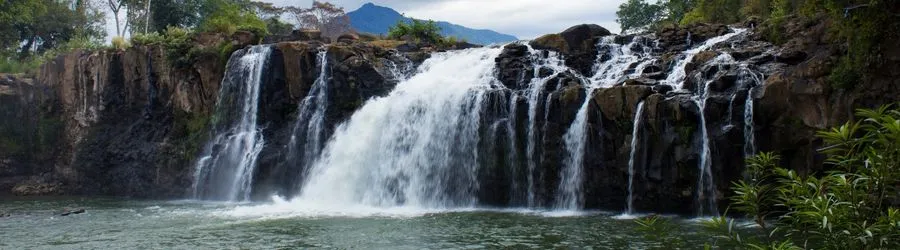
First, Pakse is the gateway to the famous Bolaven Plateau, a region known for its spectacular waterfalls, coffee plantations, and ethnic villages. The lush green landscapes offer a striking contrast to the Mekong plains.
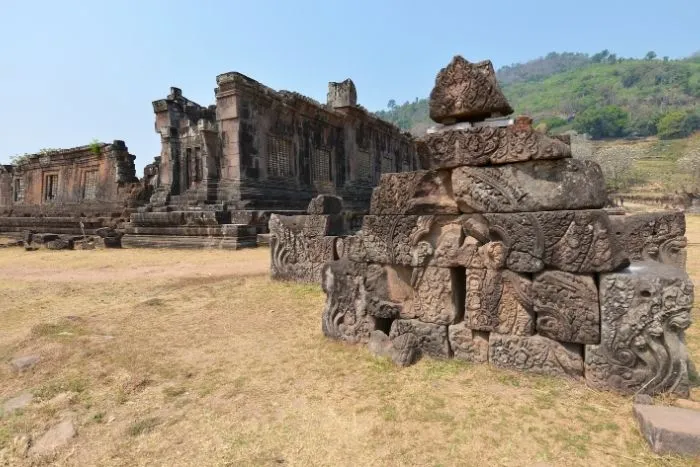
Next, the city provides easy access to the Wat Phou archaeological site, one of the oldest temples in Laos and a UNESCO World Heritage Site. Less crowded than the temples of Angkor in Cambodia, it nevertheless offers an exceptional cultural experience in a remarkable natural setting.
In addition, Pakse is an ideal stop before continuing to the 4000 Islands, a must-visit destination for travelers seeking relaxation and authenticity.
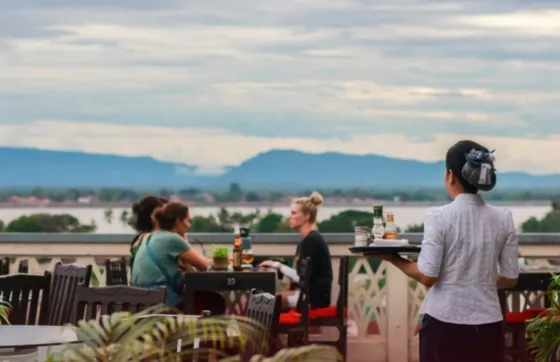
Finally, the city has a pleasant atmosphere. Local markets, riverside cafés along the Mekong, and the typical Lao laid-back lifestyle allow visitors to experience a more authentic Laos, far from the most crowded tourist routes.
As a Laos tour agency, we find that Pakse is often underestimated. Yet it offers a great balance of culture, nature, and local immersion. When deciding how many days to spend in Pakse, it is essential to consider the richness of available experiences. With its historical sites, southern Laos landscapes, and relaxed lifestyle, the city stands out as a key stop on any trip through the country.
If you are wondering how many days in Pakse for a short Laos itinerary, two days are enough to cover the essentials, even though the pace remains fairly intense.
The first day can be dedicated to exploring the city and its immediate surroundings. Climb to the Golden Buddha viewpoint to enjoy a beautiful view over the Mekong and the city. Then stroll through the local markets where residents come to sell fruits, vegetables, and regional specialties.
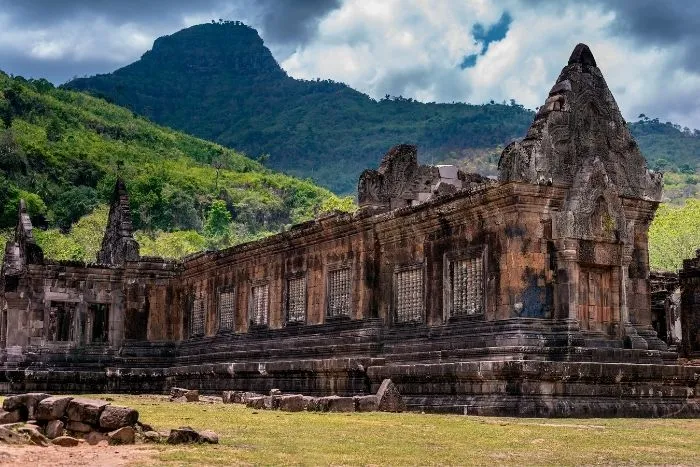
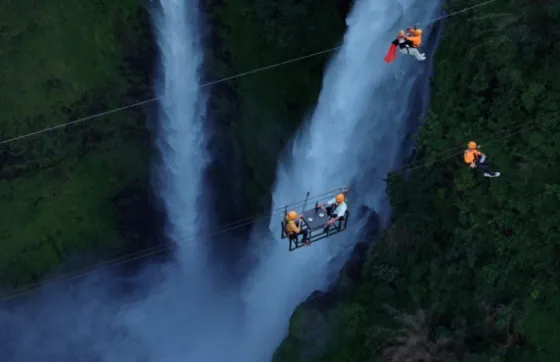
The second day is dedicated to discovering the Bolaven Plateau. Several iconic waterfalls are located less than two hours from Pakse. Among them, Tad Fane impresses with its twin waterfalls plunging into a deep valley. Tad Yuang, on the other hand, offers an ideal setting for a nature walk.
A two-day stay is perfect for travelers on a relatively short Laos itinerary. However, this duration remains quite limited to fully explore the diversity of the region.
Itinerary summary for 2 days:
For most travelers wondering how many days in Pakse, three days offer an excellent balance between discovery and relaxation.
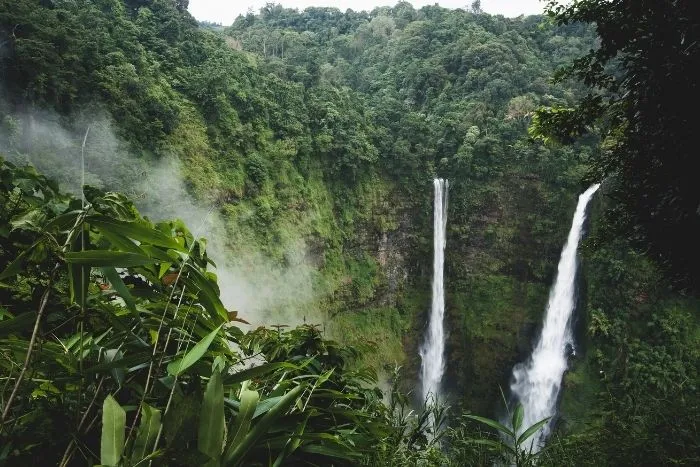
After a first day dedicated to Pakse and a second exploring the Bolaven Plateau, the third day allows you to visit Wat Phou and the Champassak region.
Located on the foothills of a sacred mountain, Wat Phou is one of the most important remnants of the ancient Khmer Empire. The peaceful atmosphere of the site and its natural surroundings make it a particularly memorable visit.
You can also discover the charming village of Champassak, located on the banks of the Mekong River. Its colonial houses, temples, and slow-paced lifestyle appeal to travelers seeking authenticity.
This three-day itinerary combines nature, culture, and local encounters without too many transfers. It is also the duration generally recommended by a Laos tour agency for a first discovery of Pakse.
Itinerary summary for 3 days:
When you start wondering how many days in Pakse beyond a standard itinerary, a few extra days open the door to a much deeper discovery of southern Laos.
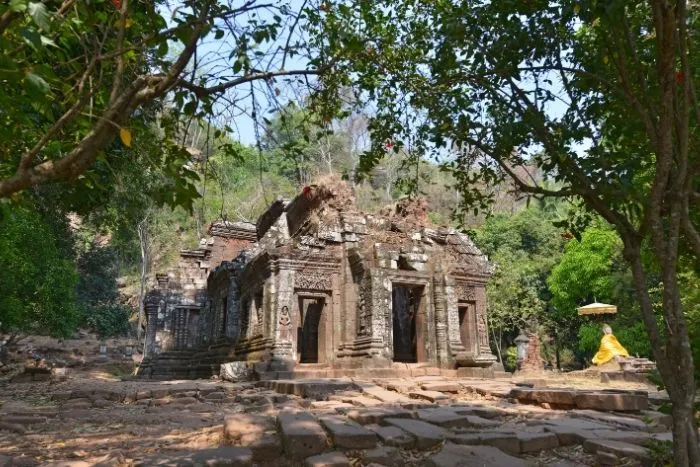
A fourth day can be dedicated to exploring lesser-known areas of the Bolaven Plateau. Some family-run coffee plantations welcome visitors to explain the different stages of coffee production, from harvesting to roasting. Bolaven coffee is now considered one of the best in Southeast Asia.
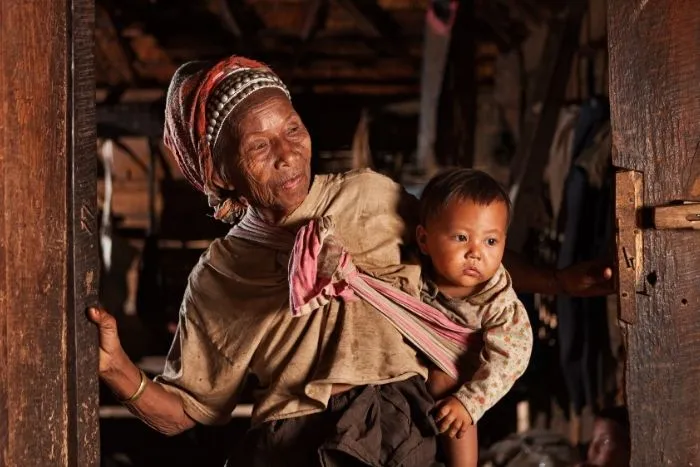
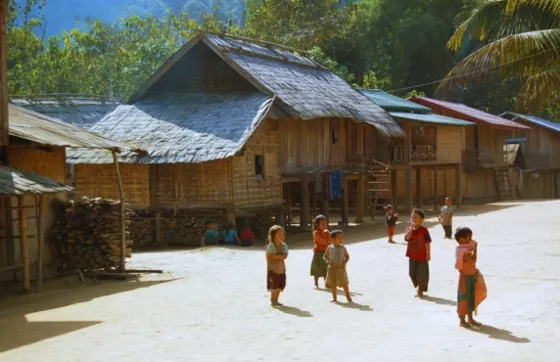
Nature lovers can also meet the ethnic villages that inhabit the highlands. These visits offer a deeper understanding of local traditions and preserved rural lifestyles.
Beyond four days, Pakse becomes an excellent base to explore the entire Champassak province. Some travelers even choose to take boat trips on the Mekong or extend their stay toward the 4000 Islands.
This option is especially suited for those who want to discover an authentic Laos, far from classic tourist routes.
Itinerary summary for 4 days and more:
Before preparing your trip, a few tips can help you optimize your stay.
The best time to visit Pakse generally runs from November to March. During these months, temperatures are pleasant and rainfall is limited. In contrast, the rainy season from May to October offers particularly lush green landscapes and more impressive waterfalls.
Regarding transportation, renting a car with a driver is the most comfortable option for exploring the region. Distances can be significant, and some secondary roads may be difficult for visitors not used to driving in Laos.
It is also recommended to book certain excursions in advance, especially during the peak tourist season.
Finally, when planning your itinerary and wondering how many days to spend in Pakse, it is useful to consider the overall organization of the trip. Working with a Laos tour agency often saves valuable time. A personalized itinerary, tailored to your preferences and pace, will allow you to fully enjoy each stage while discovering lesser-known places off the beaten path.
So, how many days in Pakse should you spend? For most travelers, three days is the ideal duration to discover the main highlights of southern Laos. This timeframe allows you to visit the Bolaven Plateau, the Wat Phou site, and the Champassak area without rushing. Those with more time can extend their stay to explore more remote areas and enjoy authentic experiences with local communities. As a Laos tour agency, we recommend this duration to appreciate the region’s diversity fully. Thanks to its cultural richness, natural landscapes, and peaceful atmosphere, Pakse fully deserves a key place in any Laos itinerary.





 FR
 ITA


