Everything About Vietnam General Information For Expats And Tourists
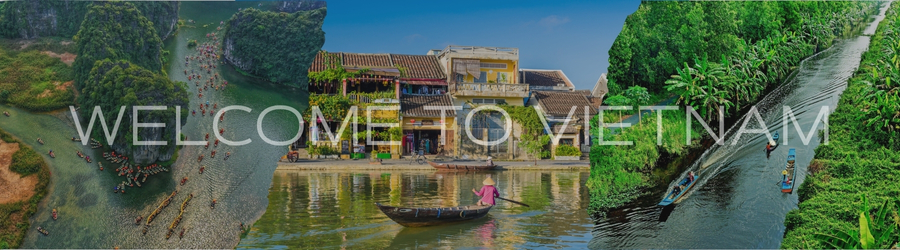
Planning a trip or moving to a new country requires reliable insights to ensure a smooth transition. This guide covers essential Vietnam general information tailored for both visitors and residents. Whether you seek Vietnam information for tourists regarding hidden gems or specific Vietnam information for expats about local life, these Vietnam facts provide a clear picture of the nation. Understanding the general information Vietnam offers helps you navigate cultural nuances while accessing practical Vietnam travel information simplifies your daily logistics. Learning what to know before traveling to Vietnam empowers you to explore bustling cities or serene landscapes with complete confidence. Discover everything this vibrant destination has to offer through a modern lens designed for the contemporary global traveler. Start your journey today.
Vietnam general information
- I. Vietnam History and National Evolution Through the Ages
- II. Administrative Organization of Vietnam and Practical Information
- III. When to Visit Vietnam? Climate and Ideal Periods by Region
- IV. Culture and Gastronomy: The Riches of Vietnamese Heritage
- V. Security and Etiquette: Tips for Your Vietnam Trip
I. Vietnam History and National Evolution Through the Ages
1. Origins and Meanings of the Names of Vietnam
National identity develops through historical names over thousands of years. This Vietnam travel information guide for 2026 notes that the earliest state traces date back to the Van Lang kingdom under the legendary Hung kings followed by the Au Lac kingdom centered around Co Loa citadel. During centuries of northern domination, authorities named the region Giao Chi, Tuong Quan, or An Nam, a term signifying peace in the south often used by Chinese dynasties.
The era of regained independence saw prestigious names expressing national pride such as Dai Co Viet under the Dinh dynasty or Dai Ngu under the Ho family. The name Dai Viet remains the most iconic since it lasted over seven centuries while symbolizing territorial expansion plus major cultural strength in Southeast Asia.
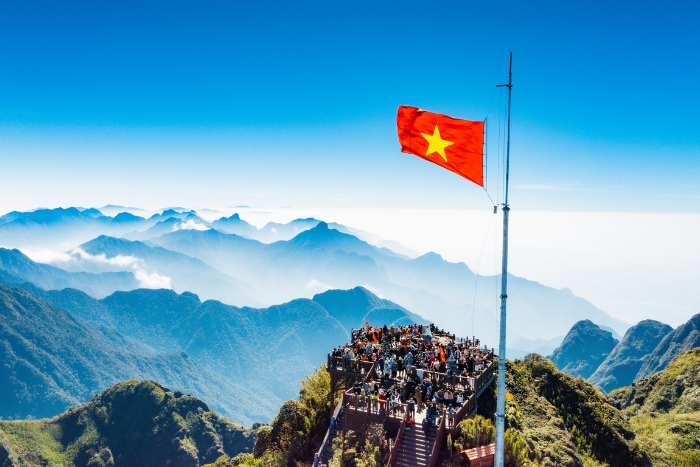
The name Vietnam officially appeared in 1804 under Emperor Gia Long to unify northern plus southern peoples within one territory. Although Emperor Minh Mang later preferred the name Dai Nam to assert imperial power, the term Vietnam was carried forward by patriotic movements in the early 20th century. Since 1945, this name has embodied unity plus the warmth of a common home for fifty-four sister ethnic groups.
2. History of Vietnam from Feudalism to the Colonial Period
The foundation of the nation between 200 BC plus 111 BC began with Van Lang then Au Lac. These early states structured an agricultural society based on rice cultivation plus bronze metallurgy illustrated by Dong Son drums. Local populations also resisted the Han dynasty in 111 BC.
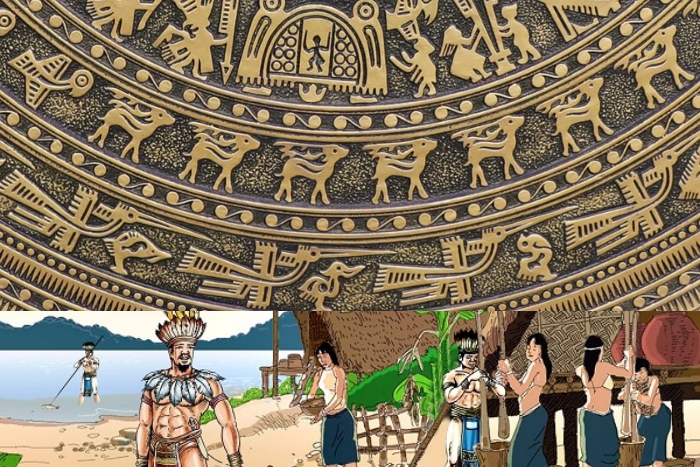
The feudal period from 939 to 1858 represents the affirmation of an independent state after nearly one thousand years of Chinese rule. The Ngo, Ly, Tran, plus Le dynasties won decisive victories against Song, Mongol Yuan, plus Ming armies particularly during the battles of Bach Dang. The country progressed in administration, law, hydraulics, woodblock printing, urban planning, plus trade. These elements structure the Vietnam general information found in any modern travel guide.

The struggle against France then the United States from 1858 to 1975 marks a succession of major conflicts. The victory at Dien Bien Phu in 1954 ended French colonization. The subsequent war against the United States led to reunification in 1975 as a symbol of prolonged national resistance. This period saw the development of innovative military strategies plus underground logistics networks adapted to extreme conditions while shaping a unified national consciousness.

Contemporary peace since 1975 rests on political reunification, social reconstruction, plus economic transformation. The Doi Moi policy launched in 1986 marked a major turning point favoring a market economy, agricultural innovation, industrialization, plus the rise of education with technology. Vietnamese society evolves toward increased cultural openness, a connected youth, plus strong entrepreneurial dynamism.
II. Administrative Organization of Vietnam and Practical Information
1. Administrative Organization and Regional Distribution of Vietnam
The country structures itself around three large regions with distinct characteristics. This regional reading constitutes an essential basis for any general information Vietnam section.- The North stands out for its political role, ancient historical heritage, plus a climate marked by four distinct seasons.
- The Centre stretches along a narrow coastal strip exposed to typhoons while being recognized for its imperial cities, beaches, plus dense cultural heritage.
- The South presents strong economic dynamism, a stable tropical climate, plus a history of commercial openness.
Regarding administrative plans, the country has undergone a territorial reorganization since 2025 involving the merger of certain provinces. This reform aims for more efficient management leading to the modification of several administrative names found in older Vietnam information for expats. This evolution deserves special attention for anyone seeking what to know before traveling to Vietnam.
2. Capital and Major Urban Centers
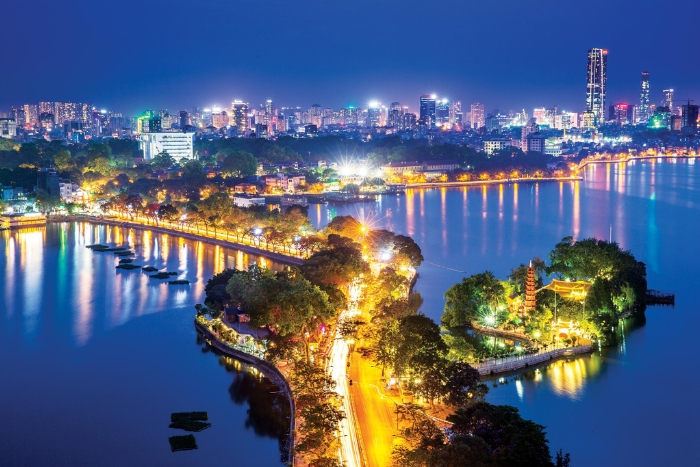
Hanoi concentrates political, diplomatic, plus cultural institutions. Its urbanism blends colonial heritage, traditional architecture, plus progressive modernity.
Ho Chi Minh City stands as an economic, financial, plus logistical engine with rapid growth plus strong international attractiveness.
Da Nang plays a strategic role in tourism, services, plus coastal infrastructure. These hubs structure the national organization during a trip.
3. Local Time and International Offset
Vietnam's time zone is UTC +7 throughout the year without seasonal changes. This configuration places the country seven hours ahead of Greenwich Mean Time (GMT+7) meaning it is generally five to six hours later than in France depending on the European season.
4. Official Language
The official language is Vietnamese which uses a Romanized Latin alphabet officially called the national Vietnamese alphabet widely used by the majority of the population.
Ethnic minority languages exist in mountain regions spoken by local communities but they are not used in national administration.
English is increasingly mastered especially in tourist areas, urban centers, plus among younger generations which facilitates practical exchanges for international travelers. This remains an essential point in Vietnam information for tourists plus general travel advice.
5. Currency
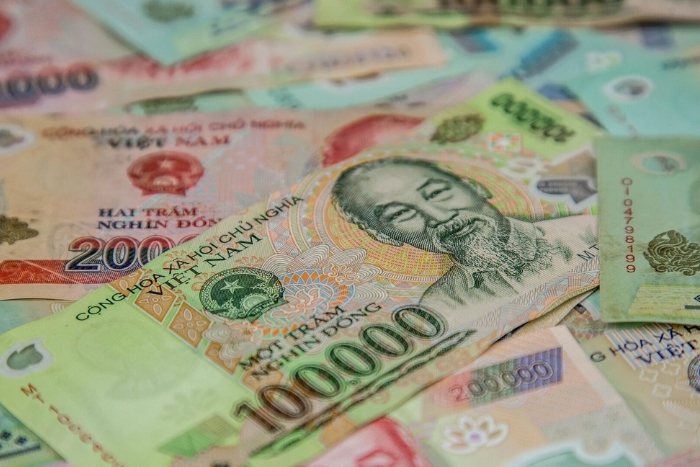
The official currency is the Vietnamese Dong abbreviated as VND with the symbol ₫ issued by the State Bank of Vietnam. Exchange rates vary based on financial markets but 1 USD generally equals between 24,000 to 26,000 VND while 1 EUR equals approximately 26,000 to 30,000 VND according to daily fluctuations.
Cash payments in VND remain the most common, especially outside large cities. In main urban areas like Hanoi, Ho Chi Minh City, or Da Nang, international credit cards like Visa plus MasterCard are accepted in most hotels, restaurants, and modern shops. Many automated teller machines (ATM) distribute VND bills offering a practical solution for local withdrawals. These Vietnam facts help visitors manage their budgets effectively.
6. Visa
Since reforms applied from August 2023 then updated in 2025, the entry policy has become more flexible plus readable for international tourist flows.
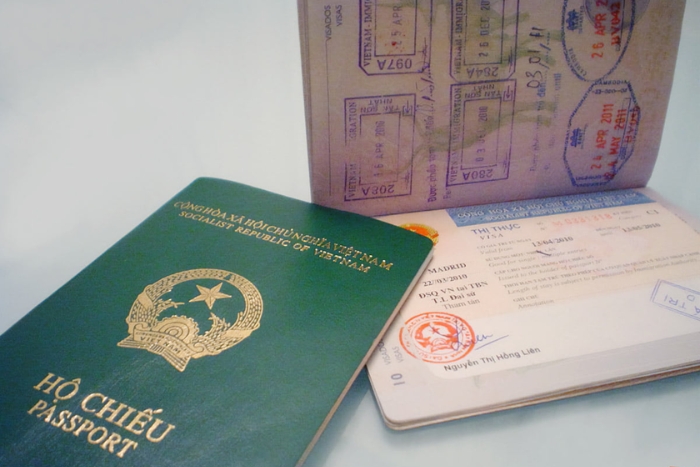
Many European citizens including those from France now benefit from a tourist visa exemption for up to 45 days provided they have a passport valid for at least six months after the departure date.
For travelers not covered by the exemption or wishing to stay longer, the Vietnamese e-visa constitutes the most used solution. It allows a stay of up to 90 days with single or multiple entry for almost all nationalities. This is vital Vietnam information for tourists looking to plan their stay.
III. When to Visit Vietnam? Climate and Ideal Periods by Region
The climate across the country varies significantly between different zones, representing an essential element within any Vietnam general information guide before booking a trip. The nation stretches over 1,600 kilometers from north to south, which explains the sharp meteorological contrasts often mentioned in Vietnam travel information for 2026.
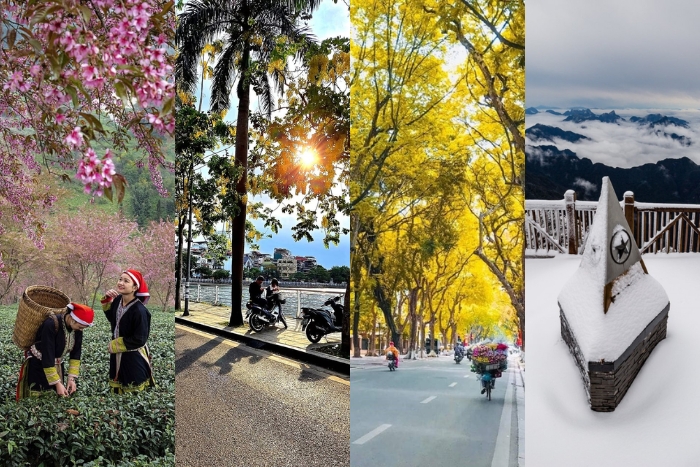
The North, including Hanoi, experiences a subtropical climate with four distinct seasons. Winter from December to February brings cool or damp weather. Spring introduces progressive warmth. Summer from June to August remains hot with frequent rainfall. Autumn stands out as the most pleasant period due to clear skies plus moderate temperatures, serving as a vital reference for planning your arrival.
The Central region, featuring Hue plus Da Nang, encounters a tropical climate influenced by the sea. The rainy season generally spans from September to November, occasionally accompanied by typhoons. The months from February to August offer stable conditions for discovering cultural heritage sites or relaxing on beaches.
The South, centered around Ho Chi Minh City, presents two primary seasons. The dry season from December to April guarantees constant heat plus low humidity. The rainy season stays brief and predictable. To understand what to know before traveling to Vietnam, the ideal nationwide window falls between February plus April, providing a balanced compromise found in modern Vietnam travel information.
IV. Culture and Gastronomy: The Riches of Vietnamese Heritage
1. Ethnic Groups and Religion in Vietnam
The country officially recognizes 54 ethnic groups. The Kinh majority represents approximately 85 percent of the population while living mainly in plains, coastal zones, or major hubs like Hanoi plus Ho Chi Minh City. Minority groups concentrate within northern mountainous regions such as Sapa or Ha Giang plus the Central Highlands around Da Lat. Notable groups include the Hmong, Dao, Tay, Nung, E De, plus Gia Rai, who each maintain distinct clothing, crafts, plus languages.
The religious landscape relies on flexible spiritual practices. Buddhism constitutes the primary influence throughout daily life. Confucianism structures social values regarding family, respect for elders, plus education. Taoism influences certain folk beliefs. Ancestor worship remains central within most households. The nation also hosts Catholic, Protestant, Muslim communities, alongside local religions like Cao Dai or Hoa Hao.

2. National Festivals
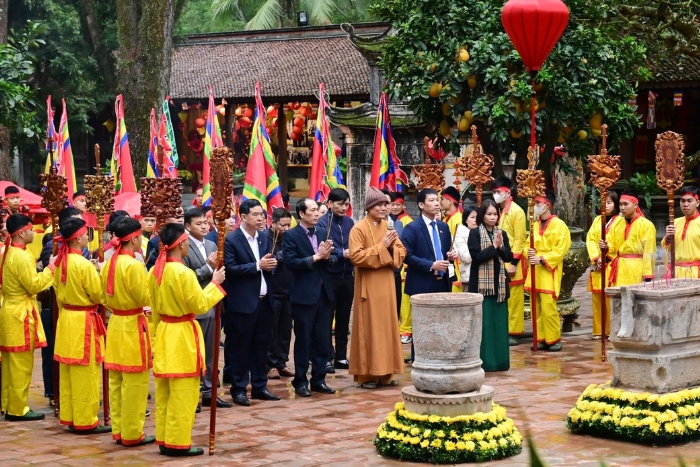
Vietnamese New Year or "Tet Nguyen Dan" (January or February based on the lunar calendar) symbolizes renewal, family reunions, plus respect for ancestors. This period remains a major milestone for understanding social rhythms within general information Vietnam.
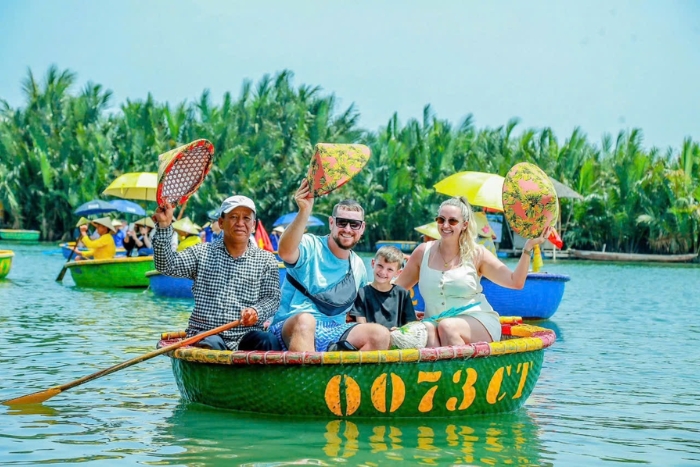
Hoi An Lantern Festival (monthly during the full moon) highlights historical heritage, traditional aesthetics, plus the nocturnal atmosphere of the ancient town.
Mid-Autumn Festival (September or October) focuses on children, the moon, plus family values, influencing urban energy across several regions.
Regional Ethnic Festivals (varying by community) involve agricultural or spiritual rituals within the northern mountains, acting as key Vietnam facts regarding local traditions.
3. Gastronomy of Vietnam
Pho, originating in northern regions, consists of a clear simmered broth, rice noodles, beef or chicken, plus fresh herbs offering a subtle balance of flavors.
Banh mi, developed in the urban landscape of Ho Chi Minh City, combines crispy bread with French-Vietnamese influences featuring meats, pickled vegetables, plus sauces.
Iced milk coffee, born from the national coffee culture, relies on intense Robusta beans mixed with sweetened condensed milk plus ice.
Bun cha, a Hanoi specialty, brings together grilled pork, rice vermicelli, fresh herbs, plus a lightly sweet dipping sauce, serving as a culinary reference for the north.
Food Street Vietnam
Must-Try Vietnamese Vermicelli Noodles
Vietnamese Bread
Traditional Vietnamese Breakfast
Top Desserts To Try In Vietnam
V. Security and Etiquette: Tips for Your Vietnam Trip
1. Is Vietnam Safe for Traveling?
The common question regarding whether the country remains secure finds a reassuring answer through the political stability of the nation. Vietnam operates under a stable system without civil unrest or exposure to international terrorism which creates a protected environment for your journey. This institutional safety pairs with a population famous for hospitality plus kindness toward foreign visitors as a central aspect of Vietnam general information. Crime rates stay globally low especially concerning violent acts. These Vietnam facts provide peace of mind for anyone seeking reliable general information Vietnam.
2. Vietnam Travel Tips: Dos and Don’ts
During your stay, knowing local customs facilitates daily interactions while enhancing your cultural experience as a key part of Vietnam information for tourists.- Respecting local traditions particularly toward elders plus removing shoes when entering a home remains essential Vietnam information for expats.
- Wearing appropriate clothing in temples or rural areas with shoulders plus knees covered constitutes vital Vietnam travel information.
- Bargaining with courtesy in local markets is a common practice mentioned in various general information Vietnam resources.
- Using both hands to give or receive objects plus money serves as an important polite gesture.
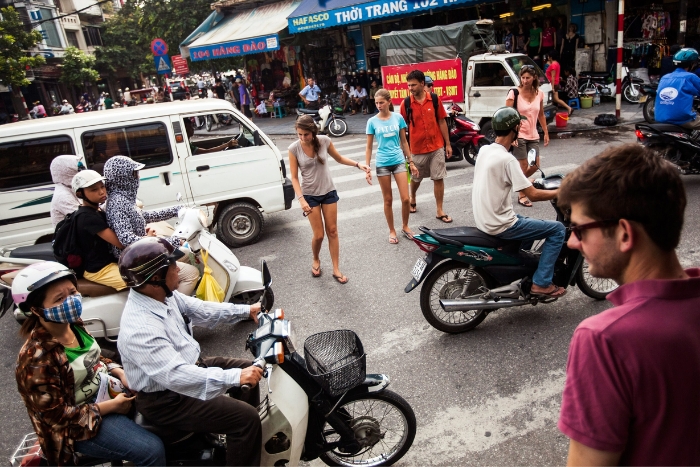
- Staying vigilant in crowded places against pickpockets is a point to consider regardless of what to know before traveling to Vietnam.
- Avoiding disrespectful behaviors like taking photos without permission plus showing excessive public affection helps maintain local harmony.
Grasping the essential Vietnam general information marks the first step toward an unforgettable adventure or a successful relocation. This comprehensive guide highlights vital Vietnam information for tourists alongside practical Vietnam information for expats to ensure every traveler feels prepared. These interesting Vietnam facts illustrate a nation blending rich traditions with rapid modern growth. Relying on accurate general information Vietnam allows you to move through local neighborhoods with ease. Accessible Vietnam travel information remains a key factor for anyone curious about local customs or transportation options. Knowing what to know before traveling to Vietnam helps bridge the gap between expectation plus reality. Autour Asia, Vietnam Travel Agency provides continuous support for your exploration of this incredible country. Your journey begins here.
Read more:
How To Get Around In Vietnam?
Vietnam Travel Guide
Vietnam Tours
Vietnam itinerary 2 weeks family
Travel spots to avoid in Vietnam help tourists and expats make smarter travel decisions. While Vietnam is generally safe, some overcrowded or poorly managed destinations may affect the overall experience. This type of Vietnam information for expats and tourists highlights areas prone to scams, extreme overcrowding, or environmental degradation. Knowing these Vietnam facts allows travelers to adjust their itinerary and focus on more authentic destinations. For anyone researching what to know before traveling to Vietnam, understanding which places to skip is just as important as knowing where to go.
Northern Vietnam itinerary 2 weeks is an ideal plan for travelers seeking culture, nature, and authentic local experiences. This route usually includes Hanoi, Ha Long Bay, Ninh Binh, Sapa, and ethnic villages in the northern mountains. It provides valuable Vietnam information for tourists, especially first-time visitors who want a balanced pace. For expats, it offers deeper insight into general information Vietnam, local lifestyles, and regional diversity. This itinerary combines scenic landscapes with historical landmarks, making it a practical reference for anyone looking for reliable Vietnam travel information and immersive travel experiences.
Understanding Vietnam general information is essential for both expats and tourists planning a long or short stay. Vietnam is known for its political stability, safety, and friendly locals. Key Vietnam facts include a tropical climate that varies by region, a cash-based economy with increasing digital payments, and a rapidly developing infrastructure. For visitors, Vietnam travel information such as visa policies, transportation options, and local etiquette is crucial. Expats should also be aware of healthcare quality, cost of living, and work permits. Overall, knowing what to know before traveling to Vietnam helps travelers adapt quickly and enjoy a smoother experience.
Related travel guide
Other similar articles


CUSTOMIZABLE BY LOCAL EXPERTS
Personalized trip at the original price!

REFUND GUARANTEE
We believe in our work and promise to give you money back.

GOOD PRICE / QUALITY
95% satisfied more than expected!

24/7 LOCAL SUPPORT
We are always available online to provide assistance at any time.

Most read articles


Autour Asia is highly recommended on
Embracing the mission of "Satisfied more than expected" and providing authentic experiences, we have received numerous recommendations on reputable travel forums: