
Yes, Dien Bien is a very good destination for trekking, especially for travelers looking for adventure beyond the usual routes. The province offers rugged mountains, remote passes, and iconic spots like A Pa Chai, the westernmost point of Vietnam, making it ideal for experienced trekkers. Compared to Sapa or Ha Giang, Dien Bien is less crowded and more untouched. Trekking here also brings strong cultural value, with opportunities to stay in ethnic minority villages and explore traditional markets. In addition, some trails pass historical sites from the Dien Bien Phu campaign, adding depth to the journey. However, trekking in Dien Bien requires good preparation, as the terrain can be challenging, permits are sometimes needed, and local guides are often essential.
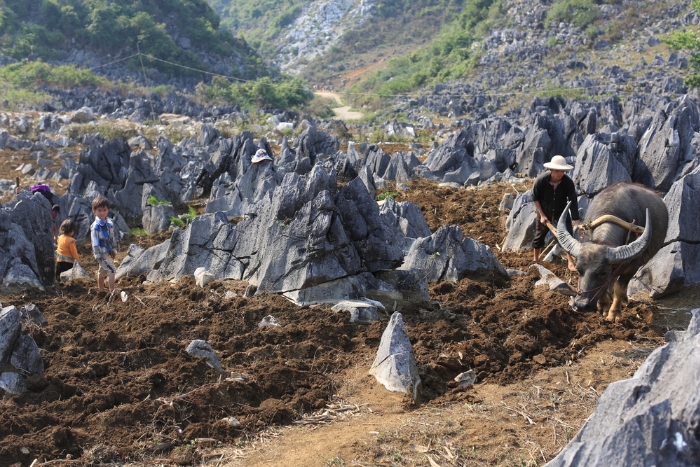
The Tua Chua Karst Plateau is one of the best places to trek in Dien Bien and a true highlight of Northern Vietnam trekking tour, known for its impressive limestone peaks, pine forests, and rolling tea hills. Trekking here brings a strong sense of adventure, with rocky paths and steep climbs through quiet, rural landscapes. Along the way, hikers can admire the Chieu Tinh rice fields, Turtle Hill, and the Ban Flower Forest, especially beautiful during the Ban Flower Festival in March. Watching ethnic people here carefully sow seeds in the rocky soil, using buffaloes to plough small fields among sharp limestone plates, offers a moving insight into H’Mong life in Sin Chai Commune. Their hard work reflects both the challenges of daily life and a remarkable harmony between people and nature.
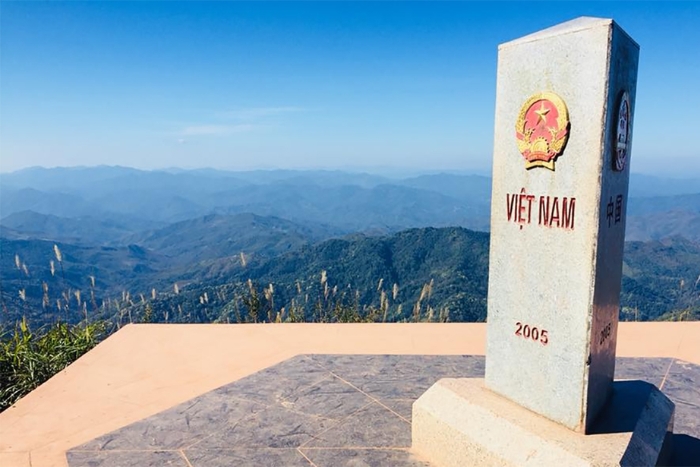
A Pa Chai is a challenging trek to Vietnam’s westernmost point, located at the border of Vietnam, Laos, and China. This route is considered one of the most demanding trekking routes in Northern Vietnam, featuring steep climbs, muddy sections, and high altitude. The goal of the journey is Border Marker No. 0, a dream destination for many adventure travelers and trekking enthusiasts. The trek usually takes around 5 to 7 hours on foot, depending on weather conditions and hiking pace.
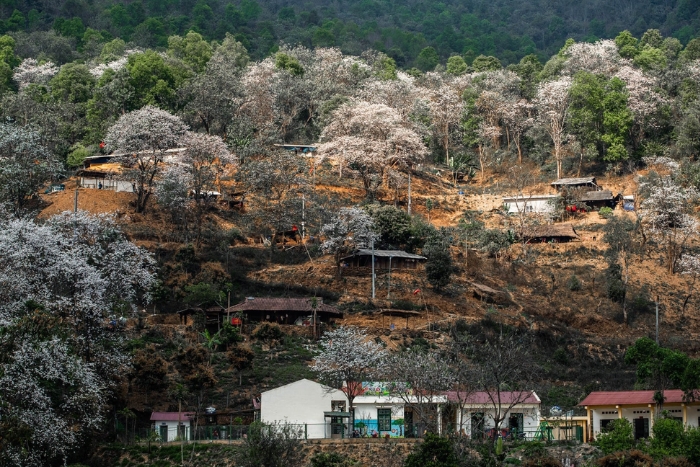
The best time to explore A Pa Chai is from September to April, during the dry season in Dien Bien, when the weather is cooler and rainfall is limited. Visiting in March is especially rewarding, as white ban flower forests bloom across the hillsides, a signature symbol of Northwest Vietnam. Along the way, travelers pass dense forests and remote villages, offering a true off-the-beaten-path experience.
Due to its border location, permits are mandatory, and trekkers must carry valid identification for procedures at the border post before climbing the marker. Hiring a local guide is required for safety and navigation. Warm clothing is also essential, as temperatures can drop sharply at night and early morning. This trek is best suited for those with solid trekking experience and proper preparation for remote mountain conditions.
Muong Nhe Nature Reserve is one of the wildest and most untouched areas in Dien Bien, often described as the green lung of the province. Spreading over more than 310,000 hectares, the reserve protects nearly intact ecosystems of primary forests, flowing streams, and steep mountain terrain. It is home to hundreds of rare plant and animal species, as well as ethnic minority communities such as the Ha Nhi, H’Mong, and Si La. For trekking enthusiasts and nature photographers, this reserve is truly one of the most rewarding places to trek in Dien Bien, offering a rare sense of isolation and raw beauty. Each season brings a different charm, from lush green scenery in the rainy months to golden landscapes during the dry season. With its forest trails, quiet streams, and rich biodiversity, Muong Nhe is perfect for those seeking a true “back to nature” trekking experience, best explored with experienced local guides.
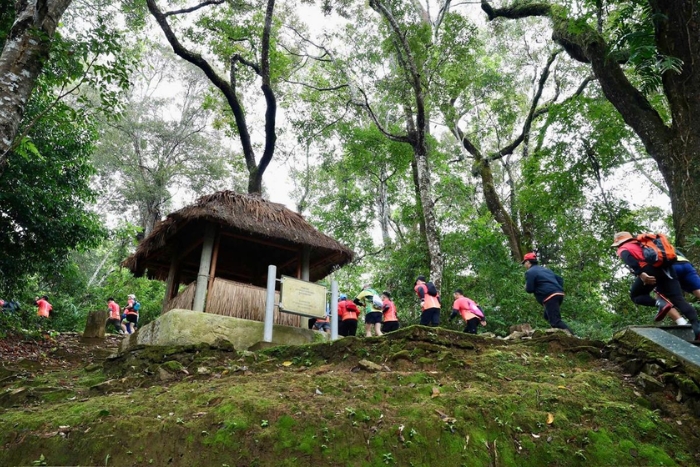
The Pu To Co War Trails follow historic paths from the 1954 Dien Bien Phu Campaign, starting at the guard station of the Dien Bien Phu Campaign Command in Muong Phang. From here, hikers complete a scenic 9-kilometre trek in around three to four hours, along a moderately sloped trail winding through lush primeval forests. As the climb continues, the forest canopy opens to blue skies and drifting clouds, creating a strong sense of freedom. At the summit, panoramic views reveal the Dien Bien basin, including Dien Bien Phu Airport, Pe Luong Lake, Hong Khenh Lake, nearby communes, and the distant Pa Khoang Lake. Combining rich history, natural beauty, and guided storytelling, this route stands out as one of the most meaningful hiking trails in Dien Bien.
In conclusion, Dien Bien stands out as a rewarding destination for travelers seeking authentic trekking experiences in Northern Vietnam. From the limestone landscapes of Tua Chua to the remote border trail of A Pa Chai, the pristine forests of Muong Nhe, and the historic Pu To Co War Trails, the region offers some of the most memorable places to trek in Dien Bien. To explore these remote areas safely and responsibly, traveling with a trusted travel agency in Vietnam – Autour Asia helps ensure well-organized itineraries, experienced local guides, and a deeper understanding of Dien Bien’s landscapes and communities.


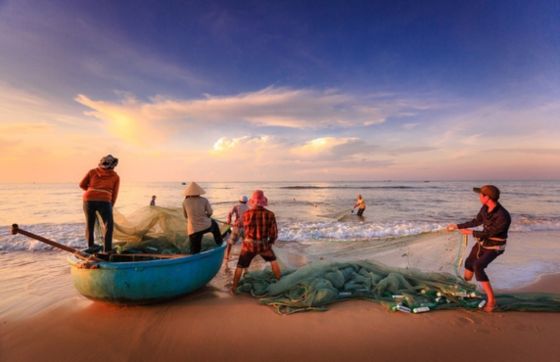
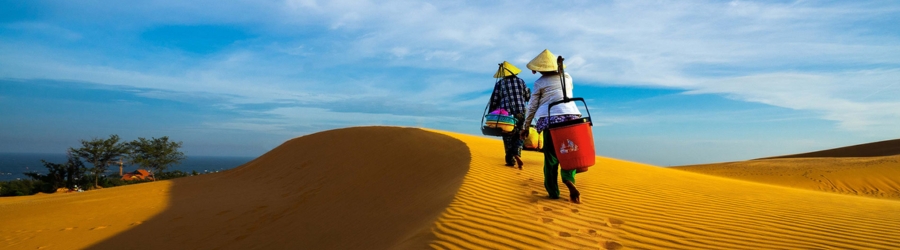
Phan Thiet, a coastal city in Binh Thuan Province, is best known for Mui Ne, an internationally renowned seaside destination. With its beaches, fishing villages, and desert-like sand dunes, the region offers a diverse range of landscapes rarely found elsewhere in Southeast Asia. In November, temperatures remain pleasant for exploring the coast, although occasional showers are still possible. Visiting Phan Thiet Mui Ne in November requires a little preparation to make the most of your stay. This complete guide covers the weather, must-see attractions, transportation options, and practical tips to help you plan your trip to Vietnam in November.
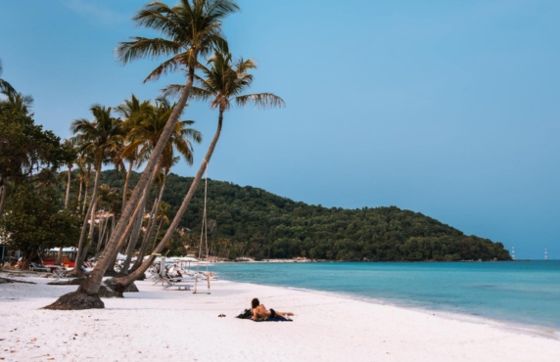
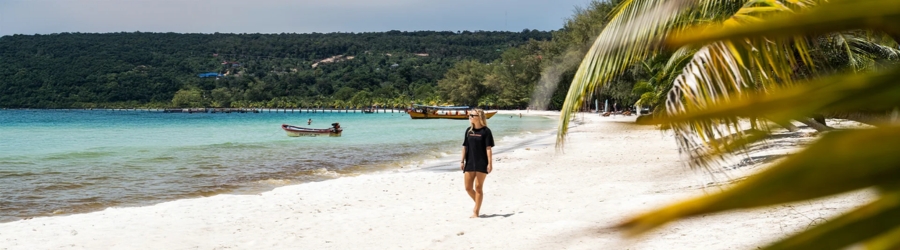
Vietnam’s beaches are best enjoyed at different times of the year, depending on the region. From the turquoise waters of the South to the long stretches of white sand in the Central region and tropical islands, each area has its own climate patterns. To better understand when to visit Vietnam, it is important to consider the weather conditions in each destination. The best time to visit beaches in Vietnam depends on region you choose as well as the activities you have planned. The best time to swim in Vietnam also varies according to rainfall, water temperature and sea conditions. Understanding the Vietnam beach season helps you choose destinations that match your travel dates and enjoy the coastline in good conditions.
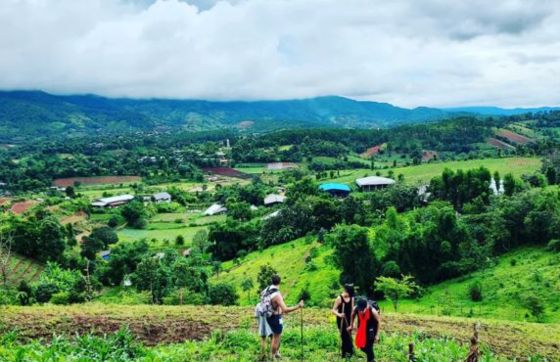
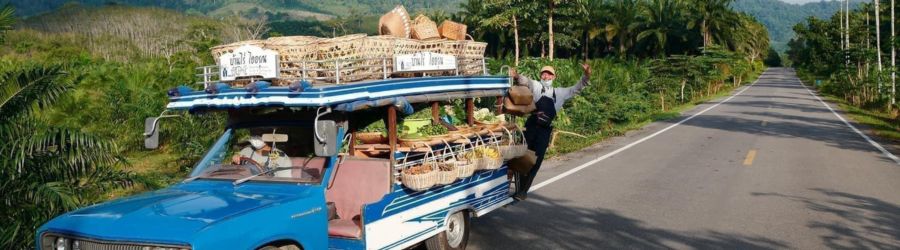
Discovering Thailand through its rice fields, plantations, and rural villages offers a different way to travel, far from traditional tourist circuits. But how can you choose the best agency for Thailand farm tours to enjoy authentic experiences with local communities? Several tour operators offer trips combining agriculture, gastronomy, and encounters with producers. Among them, Autour Asia is an option for travelers who want to personalize their itinerary. Known as Vietnam travel agency - Autour Asia, the company also offers tailor-made trips to several countries in Southeast Asia. With the local travel agency in Thailand - Autour Asia, travelers can explore a trip designed around their interests. Here are five organizations worth knowing, their distinctive features, and the essential criteria for planning a successful agricultural tour in Thailand.
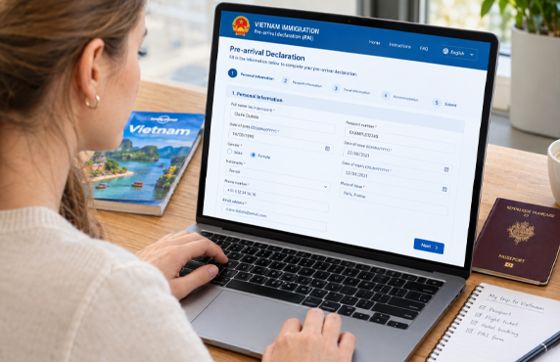
Planning a trip to Vietnam? Before packing your bags, take a few minutes to check the latest entry requirements and prepare the documents you may need at the airport.
Vietnam’s Pre-Arrival Information (PAI) system allows international travellers to submit selected personal, visa and travel details online before arriving in the country. After a successful submission, the system generates a QR code that travellers can save on their phones or print for use during immigration procedures. Although the online declaration is designed to help make arrival procedures smoother, travellers should understand when it applies, how to complete it correctly and which documents they still need to enter Vietnam.
In this practical guide, you will discover where to access the official PAI portal, what information to prepare, how to complete the declaration step by step, how to correct common mistakes and what to do when you arrive at the airport.
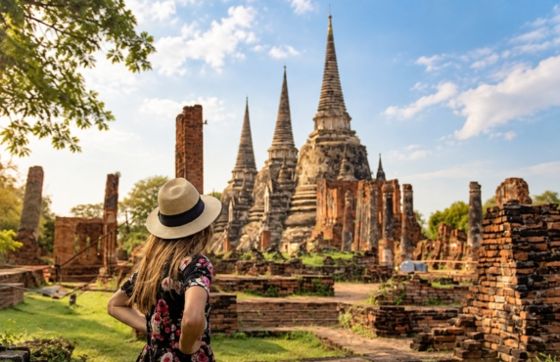
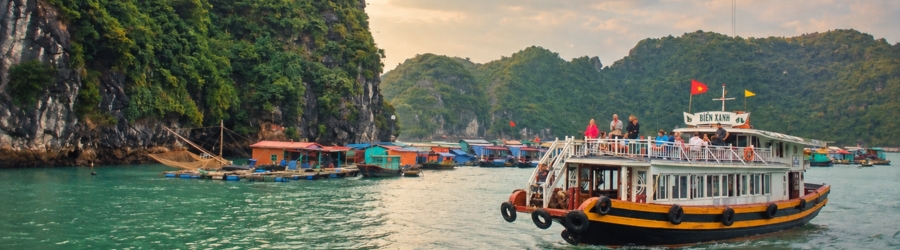
With its exotic landscapes, fascinating cultures and diverse experiences, Vietnam and Thailand are among the most popular destinations in Southeast Asia. However, safety remains an important criterion when planning your trip. So, how can you choose Vietnam or Thailand for a safe trip depending on the way you travel ? And is Vietnam safer than Thailand ? Each destination has its own characteristics and points to consider. In this article, Autour Asia helps you compare Vietnam and Thailand to better understand their differences and choose the destination that meets your expectations for your next trip to Asia.
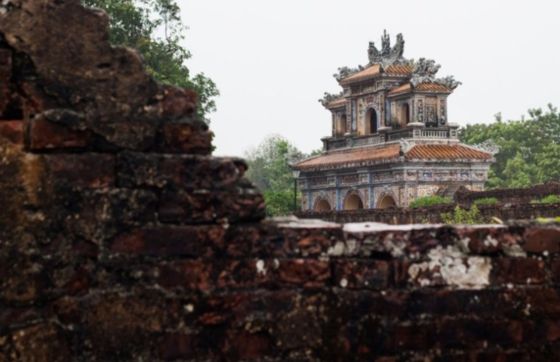
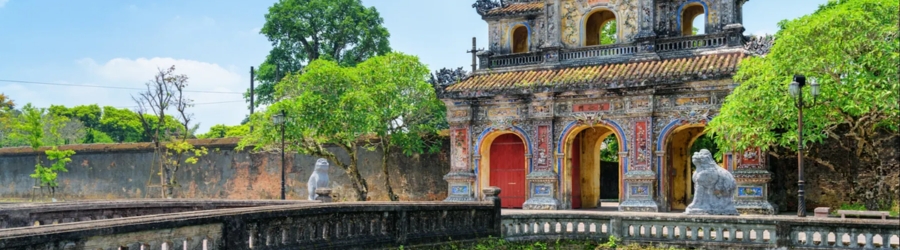
Planning a trip to Hue in November requires a little more flexibility than at other times of the year. Visiting Hue in November means experiencing the rainy season in central Vietnam, with prolonged showers and a risk of flooding. However, this period can also be an opportunity to explore the former imperial capital’s royal heritage, pagodas and renowned cuisine in a quieter atmosphere. The key is to choose your activities carefully, prepare alternative plans and check the weather conditions before setting out.
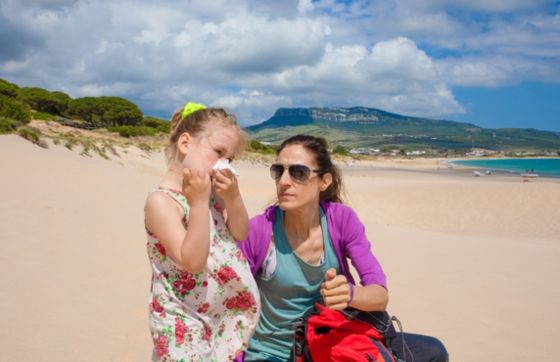
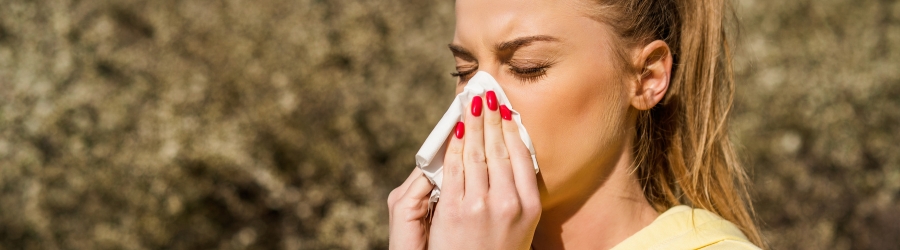
When travelling in Cambodia, some everyday habits may raise questions about local customs. Is blowing your nose in public considered polite? How should you behave in restaurants, on public transport or during a visit? These small details matter when you want to respect the local culture. Discover how to manage blowing your nose in Cambodia discreetly, along with practical tips on using tissues during your trip. Autour Asia, Cambodia travel agency, helps you discover local customs with advice tailored to travellers. From Cambodia travel etiquette to personal hygiene and everyday situations, a few simple guidelines can make your journey more comfortable. In Phnom Penh, Siem Reap or Kampot, understanding local customs helps you avoid awkward moments while making the most of your stay.
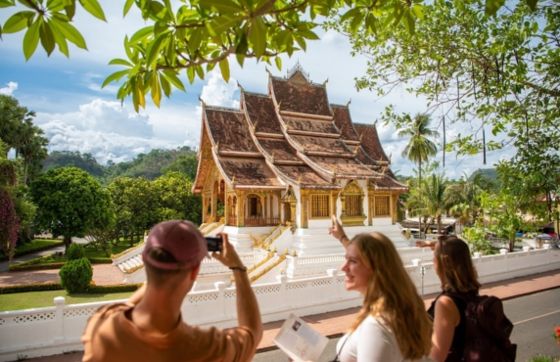
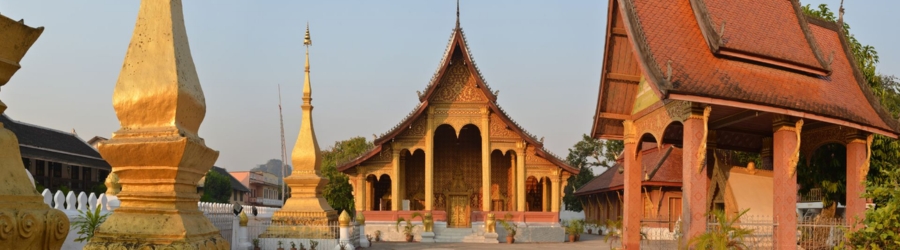
Blow your nose in Laos is not necessarily considered rude, but it is best to do so discreetly, especially in quiet places or during meals. If you have a cold, use a clean tissue and avoid blowing your nose loudly in public. In temples and other places of worship, respect the peaceful atmosphere and local customs. If you need to blow your nose frequently, step away from others for a moment whenever possible. Finally, dispose of used tissues in a rubbish bin. These simple habits will help you observe good manners during your trip to Laos.



 FR
FR EN
EN