Autumn is one of the most beautiful seasons to explore Vietnam, particularly the northern regions. From September to November, the weather gradually becomes cooler, while the countryside is transformed by golden rice fields, misty mountains and peaceful rural villages. For travelers interested in photography, trekking and local culture, Autumn in Vietnam offers a wonderful combination of pleasant weather and spectacular landscapes. However, the timing of the rice harvest varies from one destination to another, so choosing the right place and travel period is essential to enjoy the most beautiful rice fields.
When to see the Vietnam rice fields ? The best time to see rice fields in Vietnam depends on whether you prefer green landscapes or golden rice terraces.
August: rice fields in many northern mountain destinations are lush and green. This is a good period for seeing vibrant countryside landscapes. In some areas around Sapa, the rice begins to ripen and turn golden by mid-August, making this an interesting period to see the transition from green to golden terraces.
September: some highland rice fields gradually begin changing from green to yellow as the harvest approaches.
Late September to early October: often considered one of the best periods for seeing spectacular golden rice terraces in northern Vietnam.
October: Many areas remain beautiful, although harvesting may already have started in certain locations.
Located in the western mountains of Tuyen Quang Province, Hoang Su Phi is famous for its spectacular terraced rice fields, recognized as a national scenic heritage site in 2012. Covering around 3,700 hectares across 24 communes and towns, the terraces are particularly concentrated in San Sa Ho, Ban Phung, Nam Ty and Thong Nguyen. It is one of the most attractive places to see the golden rice season in northern Vietnam.
The best time to visit is from late September to early October, when the terraces gradually turn a brilliant golden yellow. Against a backdrop of rugged mountains and floating clouds, the golden rice fields create a breathtaking landscape that is perfect for photography and sightseeing.
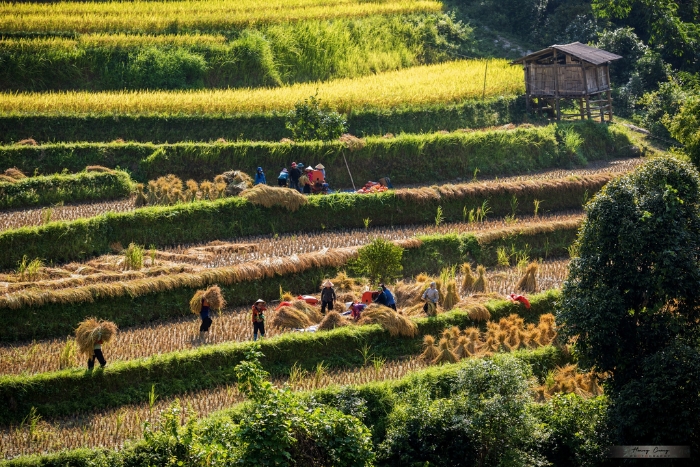
Mu Cang Chai is one of the most spectacular destinations for seeing golden rice terraces in northern Vietnam. The terraces around La Pan Tan, Che Cu Nha and De Xu Phinh cover around 2,200 hectares and have been recognized as a national scenic heritage site.
The best time to visit is from September to early October, when the hillsides are covered in golden rice. Visitors can also explore Tu Le Valley and Khau Pha Pass, enjoy panoramic views of the terraces and discover the distinctive culture of the local H'Mong communities.
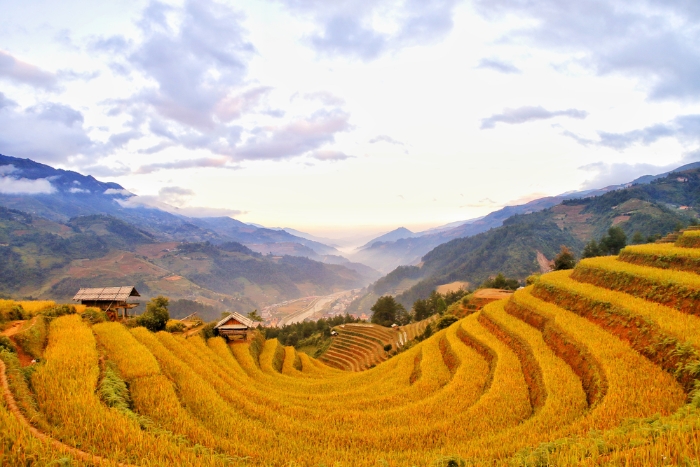
While Mu Cang Chai is known for its dramatic mountain terraces, Tu Le Valley charms visitors with its peaceful and picturesque countryside. During Autumn in Vietnam, the valley is covered with golden rice fields during the harvest season, with a few green paddies adding contrasting colors to the landscape. Surrounded by three mountain ranges, Tu Le offers a beautiful setting to enjoy the changing colors of the northern countryside.
The most beautiful period is from mid-September to early October, when travelers come to admire the golden fields and experience local culture. Tu Le is also famous for its traditional sticky rice and cốm, while specialties such as five-color sticky rice and bamboo-cooked rice are also worth trying.
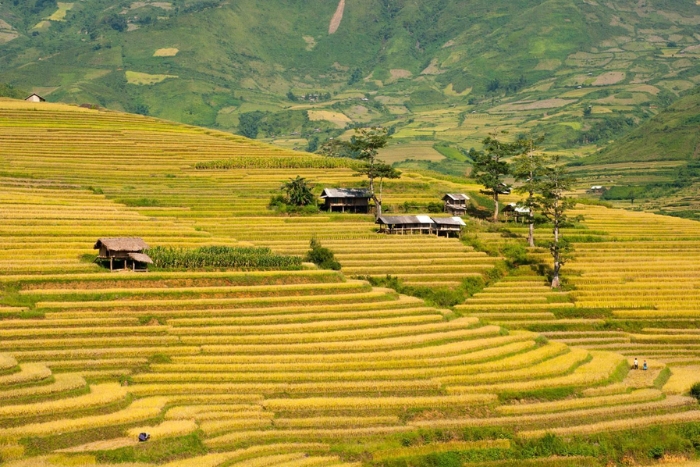
Sapa is one of the most popular destinations for seeing rice terraces in northern Vietnam, thanks to its cool climate and spectacular mountain scenery. The villages of Ta Van, Ta Phin, Hau Thao, Su Pan, Nam Cang and Trung Chai are among the best places to admire the rice fields.
Depending on the location, the rice terraces around Sapa can begin turning golden from mid-August and continue through September and October. Visitors can walk among the terraces, enjoy the fragrance of ripe rice and discover traditional villages. From simple homestays to comfortable hotels, Sapa also offers a wide range of accommodation for travelers.
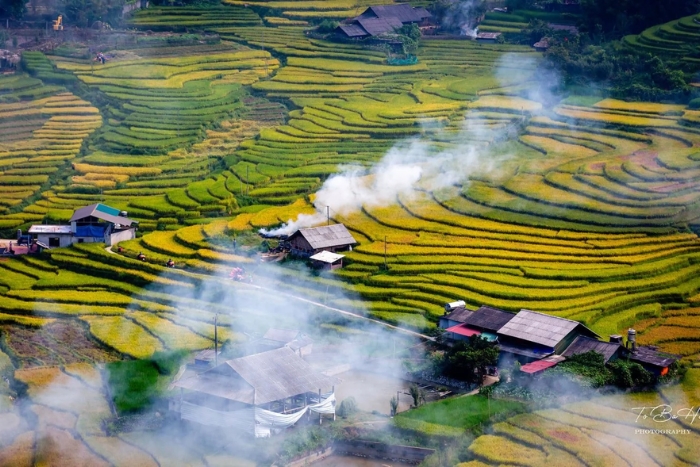
Known as the “golden valley”, Bac Son is particularly beautiful during the rice harvest season. As part of the Autumn in Vietnam, this period transforms the valley into a sea of golden rice fields, surrounded by dramatic limestone mountains, creating one of the most impressive rural landscapes in northern Vietnam.
Visitors can explore nearby Tay, Nung and Dao villages, experience local culture and taste traditional mountain dishes. Na Lay Mountain is the most famous viewpoint, offering panoramic views over the golden valley. Travelers can climb the mountain in the afternoon, stay overnight and enjoy the sunrise and sunset over the rice fields.
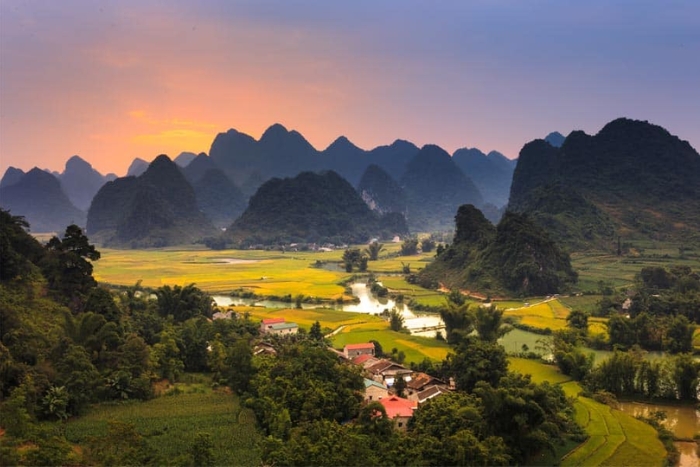
Pu Luong has become a favorite destination for international travelers looking to experience Vietnam's countryside and rice harvest season. Ban Cong, Ban Don, Ban Hieu and Kho Muong are among the best places to admire the golden rice fields while enjoying trekking and discovering local traditions.
The area also offers a good selection of resorts, guesthouses and traditional homestays surrounded by lush landscapes. Visitors can enjoy views of the ripe rice fields directly from their accommodation while experiencing the peaceful atmosphere of the mountain villages.
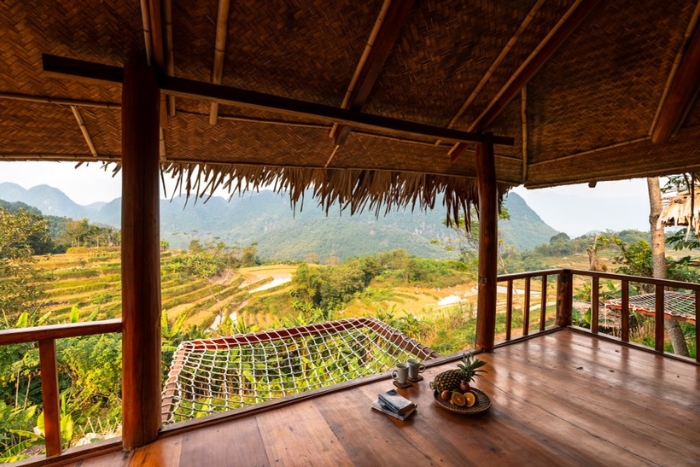
Y Ty is one of the most impressive destinations for seeing golden rice terraces in northern Vietnam. The fields stretch across the mountain slopes, often hidden among clouds and mist, creating a dreamlike landscape that is particularly attractive to photography enthusiasts.
The ideal period to visit is around September and October, when the rice fields at elevations of more than 2,000 meters turn golden. Along with spectacular mountain scenery, Y Ty offers a peaceful and relatively remote atmosphere, making it an excellent choice for travelers looking for an authentic highland experience.
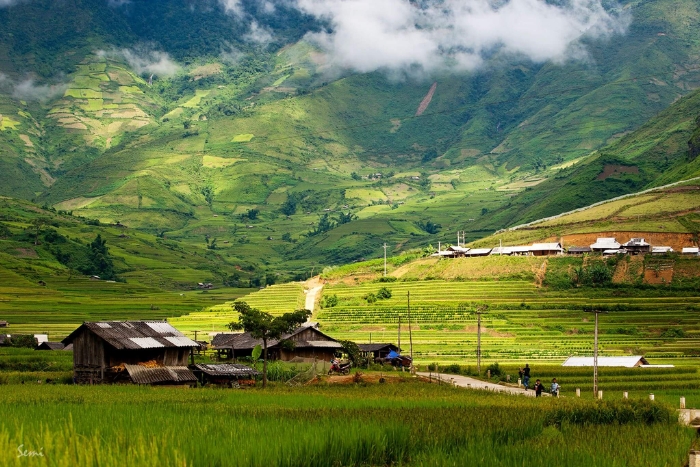
Nậm Cang is one of the earliest areas in northern Vietnam to see its terraced rice fields ripen. Autumn in Vietnam is the best time to admire the landscape, when the rice terraces gradually turn from green to golden. By early August, some fields are already ready for harvest, while the most scenic terraces are just beginning to take on their golden hues. With cool temperatures averaging 20-25°C, this period is ideal for trekking, exploring local villages and enjoying the spectacular mountain scenery.
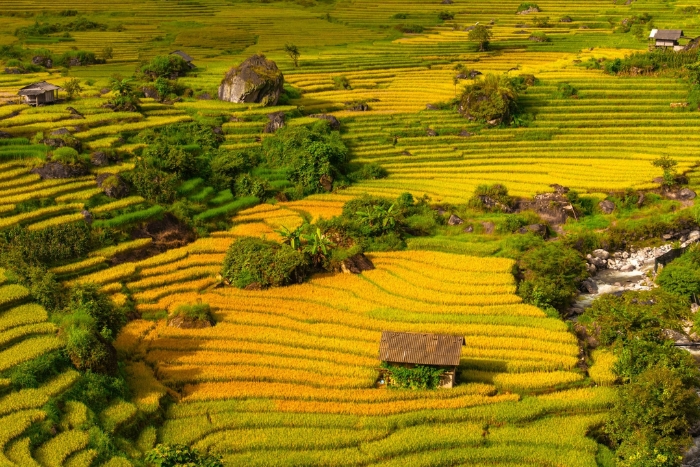
Choose the right time: Late September and October are ideal for seeing golden rice terraces, especially in northern Vietnam.
Check the weather: Autumn weather can vary between regions, so check the local forecast before heading to the mountains.
Wear comfortable shoes: Rice terraces often involve steep paths and uneven terrain, so sturdy walking shoes are recommended.
Bring a light jacket: Temperatures can be cooler in the northern mountains, particularly in the early morning and evening.
Respect local communities: Stay on designated paths, avoid damaging crops and ask permission before photographing local people.
Plan your accommodation early: Popular destinations such as Mu Cang Chai and Sapa can become busy during the rice harvest season.
Consider a local guide: A local guide can help you discover scenic viewpoints, traditional villages and less-visited rice fields.
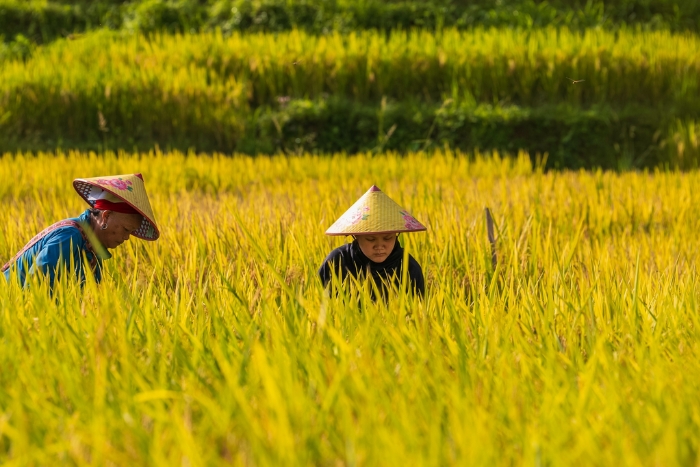
Autumn is an ideal time to explore the best rice fields in Vietnam, especially in the northern mountains. During Autumn in Vietnam, Northern Vietnam reveal golden landscapes, where terraced landscapes turn golden during the harvest season. To plan a tailored Vietnam trip and discover the country's most beautiful rural landscapes, you can also turn to Autour Asia, a local travel agency in Vietnam specializing in customized journeys.


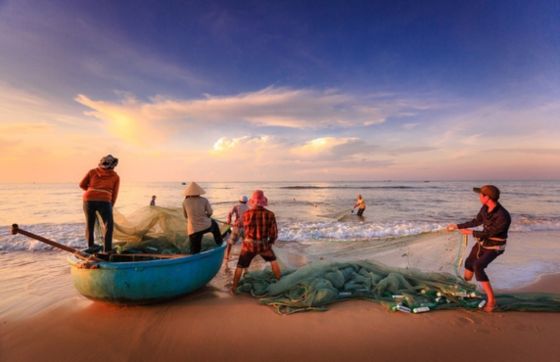
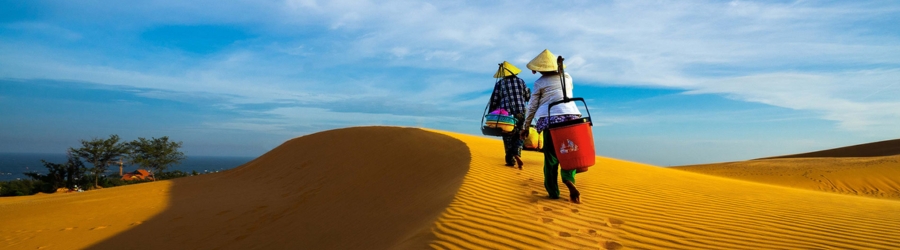
Phan Thiet, a coastal city in Binh Thuan Province, is best known for Mui Ne, an internationally renowned seaside destination. With its beaches, fishing villages, and desert-like sand dunes, the region offers a diverse range of landscapes rarely found elsewhere in Southeast Asia. In November, temperatures remain pleasant for exploring the coast, although occasional showers are still possible. Visiting Phan Thiet Mui Ne in November requires a little preparation to make the most of your stay. This complete guide covers the weather, must-see attractions, transportation options, and practical tips to help you plan your trip to Vietnam in November.
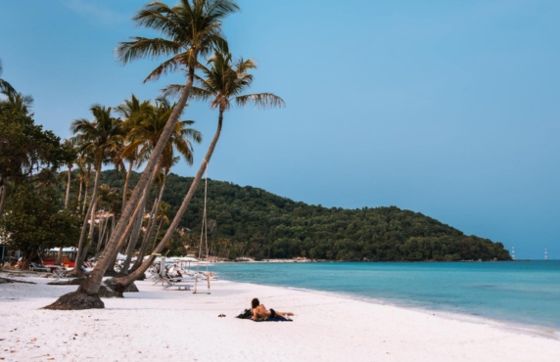
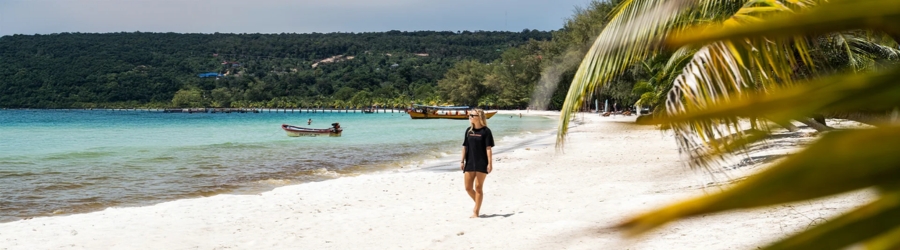
Vietnam’s beaches are best enjoyed at different times of the year, depending on the region. From the turquoise waters of the South to the long stretches of white sand in the Central region and tropical islands, each area has its own climate patterns. To better understand when to visit Vietnam, it is important to consider the weather conditions in each destination. The best time to visit beaches in Vietnam depends on region you choose as well as the activities you have planned. The best time to swim in Vietnam also varies according to rainfall, water temperature and sea conditions. Understanding the Vietnam beach season helps you choose destinations that match your travel dates and enjoy the coastline in good conditions.
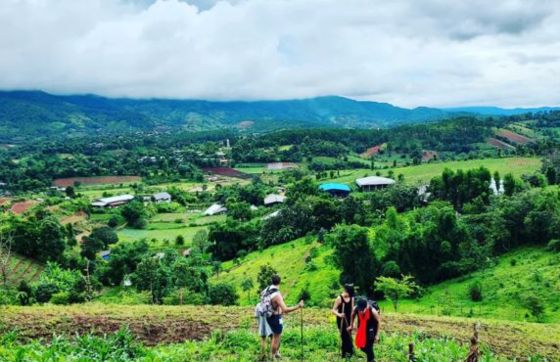
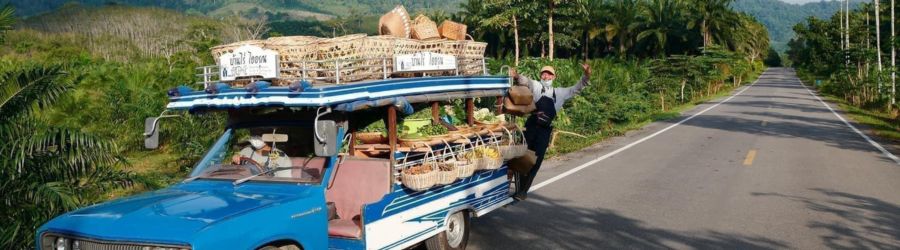
Discovering Thailand through its rice fields, plantations, and rural villages offers a different way to travel, far from traditional tourist circuits. But how can you choose the best agency for Thailand farm tours to enjoy authentic experiences with local communities? Several tour operators offer trips combining agriculture, gastronomy, and encounters with producers. Among them, Autour Asia is an option for travelers who want to personalize their itinerary. Known as Vietnam travel agency - Autour Asia, the company also offers tailor-made trips to several countries in Southeast Asia. With the local travel agency in Thailand - Autour Asia, travelers can explore a trip designed around their interests. Here are five organizations worth knowing, their distinctive features, and the essential criteria for planning a successful agricultural tour in Thailand.

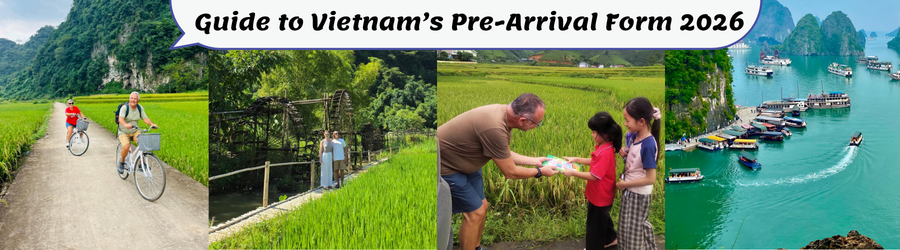
Planning a trip to Vietnam? Before packing your bags, take a few minutes to check the latest entry requirements and prepare the documents you may need at the airport.
Vietnam’s Pre-Arrival Information (PAI) system allows international travellers to submit selected personal, visa and travel details online before arriving in the country. After a successful submission, the system generates a QR code that travellers can save on their phones or print for use during immigration procedures. Although the online declaration is designed to help make arrival procedures smoother, travellers should understand when it applies, how to complete it correctly and which documents they still need to enter Vietnam.
In this practical guide, you will discover where to access the official PAI portal, what information to prepare, how to complete the declaration step by step, how to correct common mistakes and what to do when you arrive at the airport.
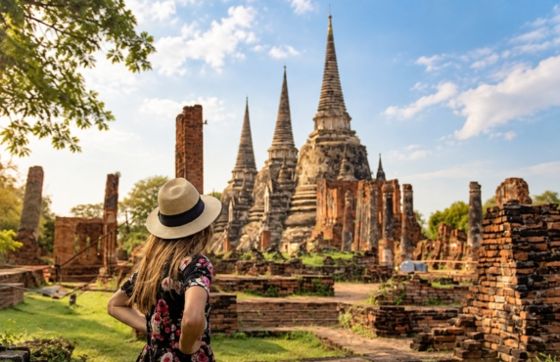
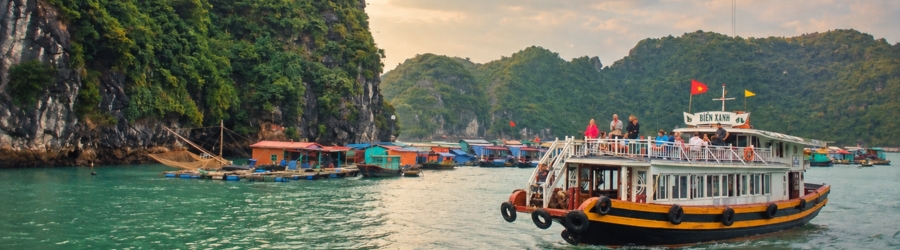
With its exotic landscapes, fascinating cultures and diverse experiences, Vietnam and Thailand are among the most popular destinations in Southeast Asia. However, safety remains an important criterion when planning your trip. So, how can you choose Vietnam or Thailand for a safe trip depending on the way you travel ? And is Vietnam safer than Thailand ? Each destination has its own characteristics and points to consider. In this article, Autour Asia helps you compare Vietnam and Thailand to better understand their differences and choose the destination that meets your expectations for your next trip to Asia.
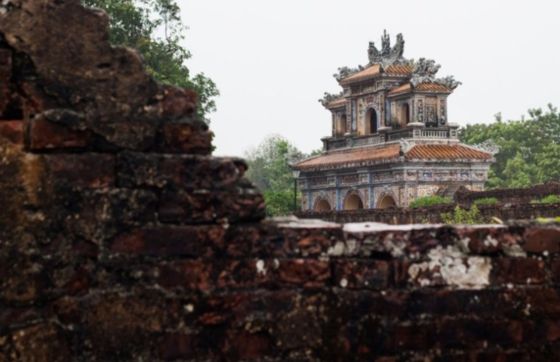
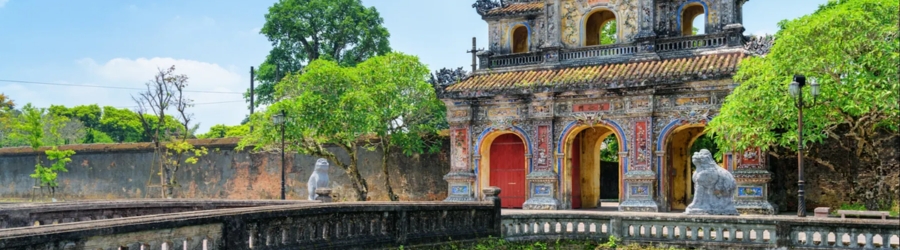
Planning a trip to Hue in November requires a little more flexibility than at other times of the year. Visiting Hue in November means experiencing the rainy season in central Vietnam, with prolonged showers and a risk of flooding. However, this period can also be an opportunity to explore the former imperial capital’s royal heritage, pagodas and renowned cuisine in a quieter atmosphere. The key is to choose your activities carefully, prepare alternative plans and check the weather conditions before setting out.
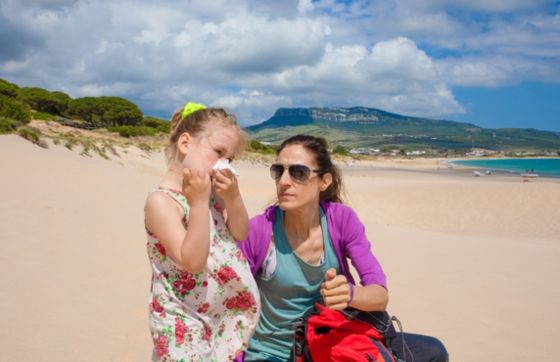

When travelling in Cambodia, some everyday habits may raise questions about local customs. Is blowing your nose in public considered polite? How should you behave in restaurants, on public transport or during a visit? These small details matter when you want to respect the local culture. Discover how to manage blowing your nose in Cambodia discreetly, along with practical tips on using tissues during your trip. Autour Asia, Cambodia travel agency, helps you discover local customs with advice tailored to travellers. From Cambodia travel etiquette to personal hygiene and everyday situations, a few simple guidelines can make your journey more comfortable. In Phnom Penh, Siem Reap or Kampot, understanding local customs helps you avoid awkward moments while making the most of your stay.
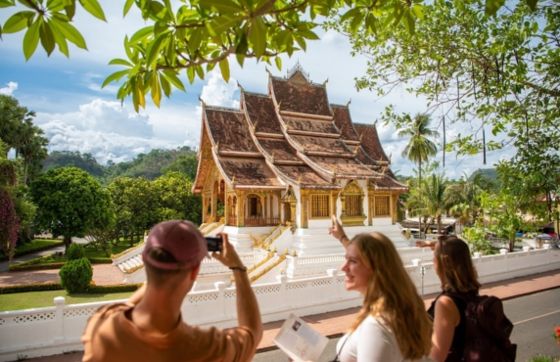
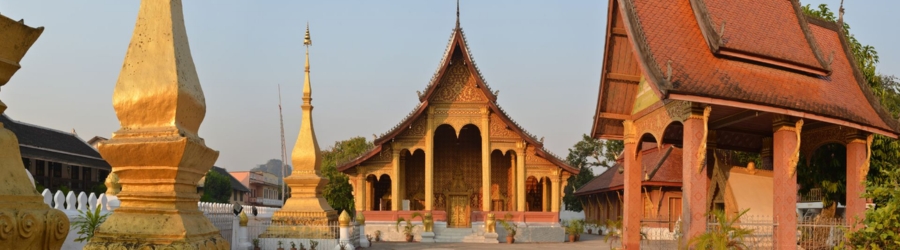
Blow your nose in Laos is not necessarily considered rude, but it is best to do so discreetly, especially in quiet places or during meals. If you have a cold, use a clean tissue and avoid blowing your nose loudly in public. In temples and other places of worship, respect the peaceful atmosphere and local customs. If you need to blow your nose frequently, step away from others for a moment whenever possible. Finally, dispose of used tissues in a rubbish bin. These simple habits will help you observe good manners during your trip to Laos.



 FR
FR EN
EN