
2 Days In Dien Bien Vietnam - What To Do And What To See ?
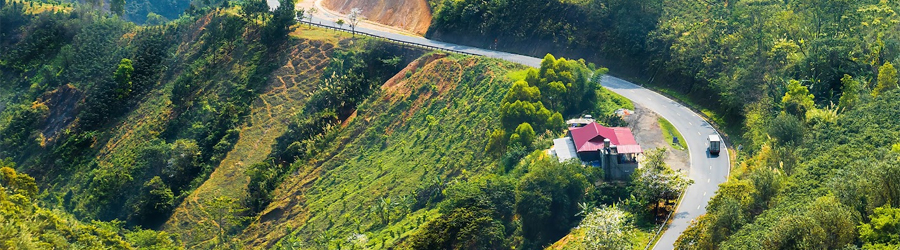
If you are planning a trip to Vietnam and want to explore its rich historical past while discovering spectacular landscapes, Điện Biên is a destination not to be missed. Located in the northwest of the country, this region offers a unique blend of local culture, authentic traditions, and fascinating historical sites, allowing you to gain a deeper understanding of Vietnam’s eventful history. What to do in Điện Biên? In this article, we share the experience of Mr. Bernard, who visited Dien Bien in 2 days, including his itinerary, practical tips, and impressions, to help you prepare your own travel plan.
Table of Contents
I. Why visit Điện Biên in Vietnam?
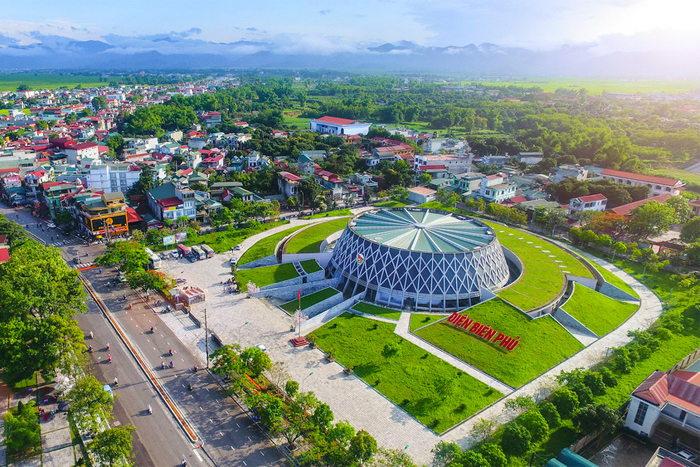
Situated in the northwest of Vietnam, Điện Biên is a mountainous province famous for the 1954 battle. It captivates visitors with its valleys, rice terraces, and lush hills, as well as the cultures of local ethnic groups such as the Thai and H’Mông. Between history, nature, and traditions, Điện Biên offers an authentic experience, far from the usual tourist routes.
I must admit that Điện Biên was not initially on my list. But while planning my trip to Vietnam, I wanted to better understand the country’s history, particularly the famous Battle of Điện Biên Phủ. Several travelers had also told me about its well-preserved landscapes, ethnic villages, and an atmosphere much more authentic than in typical tourist areas.
Ultimately, it was Autour Asia that suggested I spend two days there during my visit to the Northwest. And I can say today that it was an excellent decision. Dien Bien remains a simple, genuine region, with very warm encounters and historically rich visits.
II. How to spend 2 days in Điện Biên Vietnam: Our 2-day itinerary
1. Day 1: Discovering the Điện Biên Phủ Museum
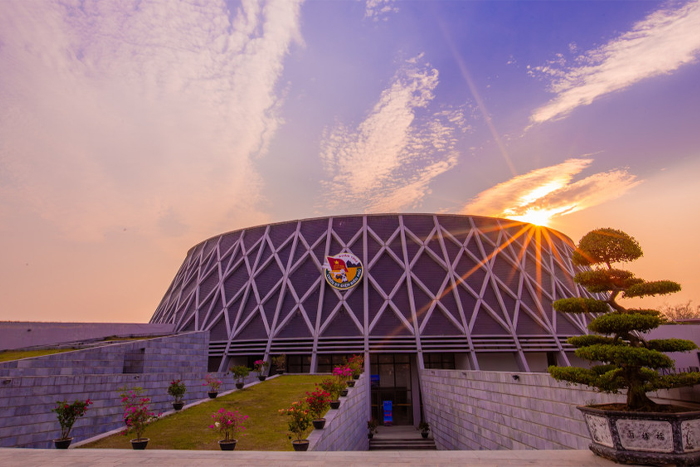
How to spend 2 days in Dien Bien Vietnam? I started my first day early, accompanied by the guide that Autour Asia arranged for me. Our first stop is the Điện Biên Phủ Museum, located in the heart of the city. I spent over an hour there, captivated by the historical artifacts, strategic maps, models, and vintage photographs. The panoramic room, which impressively reconstructs the battle, is one of the most striking moments of the visit. It’s the perfect introduction before heading to the actual battle sites.
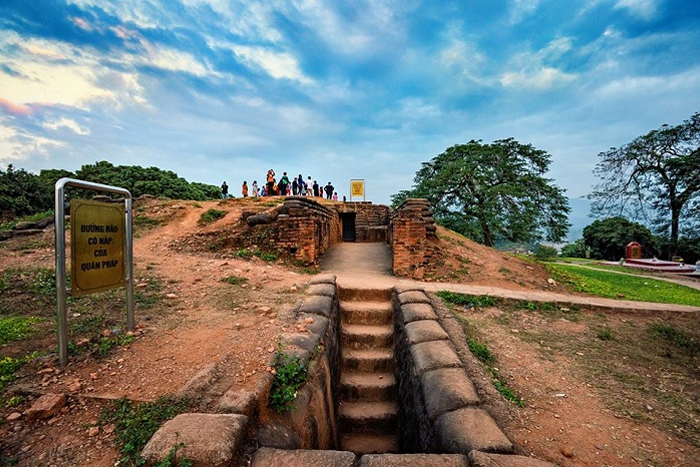
Just a few minutes away, we visited Colonel De Castries’ bunker. Descending into this underground command post, still imbued with the atmosphere of 1954, allows me to feel the tension of the time. The visit is short but powerful, deepening my understanding of the campaign.
We then move on to a key site: Hill A1 (Éliane 2). Here, I truly grasp the scale of the combat. I walk through the old trenches, observe the large crater left by the final explosion, and pause at length in front of the memorial at the top. Thanks to my guide’s explanations, I better visualize the military strategy and the stakes of this stronghold. From the summit, the view over the Mường Thanh Valley is absolutely spectacular.
After lunch, prepared by Autour Asia at a local restaurant - an opportunity to taste dried buffalo, sticky rice, and river fish - we stopped at the A1 Cemetery. The quiet and solemnity of the place deeply moved me. It’s a simple but essential visit to appreciate the weight of history.
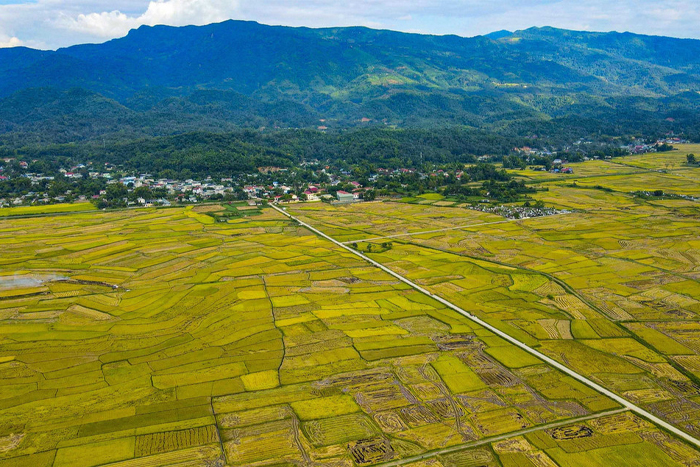
In the mid-afternoon, we stroll across the Mường Thanh suspension bridge. The rice fields stretch endlessly, bathed in a beautiful golden light. I take time to watch the farmers at work and enjoy the peaceful landscape.
The day ends in the Thai village of Noong Chứ, where Autour Asia arranged a meeting with a local family. Sitting in a stilt house, I share tea and learn about the culture of the White Thai people. It’s a warm, human moment that perfectly complements an already very rich first day.
2. Day 2: Walk around Pá Khoang Lake - Pha Đin Pass
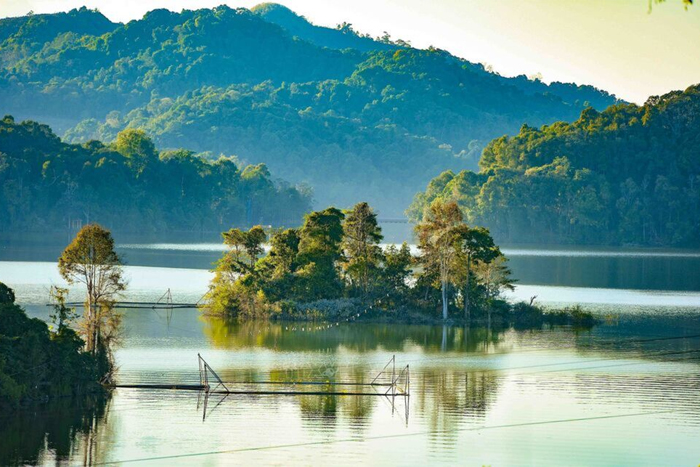
What to do in Dien Bien in 2 days? The next morning, our Autour Asia-prepared program begins with an excursion to Pá Khoang Lake. At this hour, the lake is perfectly calm, and the mountains reflecting in the water create an almost unreal atmosphere. I stroll along the shore, meet a few fishermen, and fully enjoy this peaceful moment in nature.
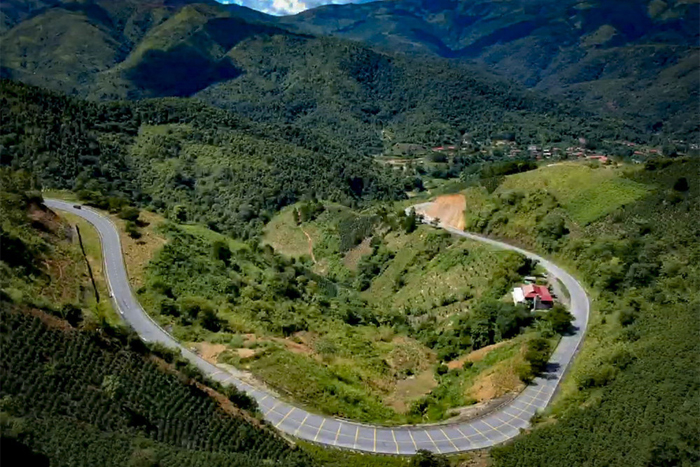
We then continue to one of the most beautiful mountain passes in Vietnam: Pha Đin. The journey is stunning, with the scenery becoming increasingly impressive as we climb. At the summit, I settled into a café overlooking the valley. Faced with this grand view - sea of clouds and layered mountains - I immediately understood why Autour Asia was so eager to bring me here. It is, without a doubt, one of the most memorable panoramas of my trip.
After a simple but delicious lunch at the foot of the pass, we return to the city and visit Điện Biên’s central market. I love local markets, and this one is no exception: fragrant spices, dried buffalo, medicinal herbs, traditional fabrics… I even found a few souvenirs to take home.
I end my day in a small café in the city center, savoring the peaceful life of Điện Biên one last time before my departure.
This 2-day trip in Dien Bien, entirely organized by Autour Asia, was for me an enriching, moving, and immersive experience. Thanks to their impeccable organization, I was able to discover the region under the best conditions, without rushing, and with an enthusiastic guide. If you love history, natural landscapes, and authentic encounters, I highly recommend including Điện Biên in your Vietnam itinerary.
III. Good to know before visiting Điện Biên Phủ
Điện Biên Phủ is a relatively remote destination, about 500 km from Hanoi. It is therefore recommended to plan at least two days on-site to visit the main attractions and enjoy the peaceful countryside surroundings.
The climate is tropical, with significant mountain monsoons. Avoid summer (June to August), as it can be very hot, with heavy rains and a risk of landslides. The dry season, from December to March, is cooler, while the period from September to November is ideal: temperatures are pleasant (around 22°C) and the rice fields are stunning during the harvest.
If you visit in May, you will have the chance to take part in the commemorations of the historic victory on May 7, 1954 - a unique moment shared with the locals.
At Autour Asia, Vietnam travel agency, we hope that this experience and detailed guide on Điện Biên will be helpful in planning your trip. Điện Biên is a region rich in history, landscapes, and local culture, yet it remains relatively unknown and somewhat isolated, making preparation essential to fully enjoy your stay.
If you wish to organize your own trip to Điện Biên or explore other authentic destinations in Vietnam, Laos, Thailand, or Cambodia, do not hesitate to contact our Autour Asia team. We will be delighted to help you create a tailor-made itinerary, perfectly suited to your interests and pace.
- Dien Bien 5-day travel itinerary
- Dien Bien Travel Guide
- Northern Vietnam itinerary 2 weeks
- North Vietnam Tours
The must-see attractions in Dien Bien include a mix of powerful historical sites and beautiful natural landscapes. The Điện Biên Phủ Museum is an essential first stop to understand the context of the 1954 battle, followed by the underground bunker of Colonel De Castries, which offers a vivid glimpse into the French command center. Hill A1 (Éliane 2), with its preserved trenches and impressive explosion crater, is another key site that brings the battlefield to life. The A1 Cemetery provides a solemn and meaningful tribute to the soldiers who fell during the conflict. Beyond history, nature lovers shouldn’t miss Pá Khoang Lake for its peaceful scenery and the spectacular Pha Đin Pass - one of Vietnam’s most beautiful mountain passes. Finally, visiting ethnic villages such as Noong Chứ allows travelers to experience the unique culture of the Thai and H’Mông communities, making Điện Biên a rich and well-rounded destination.
Yes, you can easily combine Điện Biên with other destinations, especially if you are exploring the mountainous northwest region of Vietnam. Many travelers choose to continue their journey toward Sơn La, Mộc Châu, or Sapa, which offer stunning landscapes, ethnic villages, and cooler climates. From Điện Biên, it’s also possible to cross the border into Laos - particularly to Muang Khua or Luang Prabang for a deeper cultural and scenic adventure. Whether you prefer history, nature, or multi-country itineraries, Điện Biên fits perfectly into a broader trip through Northern Vietnam and beyond.
The best time to visit Dien Bien Vietnam is from September to November, when the weather is pleasantly mild, averaging around 22°C, and the landscapes are at their most striking. During this period, the rice fields are golden and ready for harvest, creating breathtaking scenery that is perfect for photography and exploration. The dry season, from December to March, is also a good option, offering cooler temperatures and clear skies, although mornings can be chilly. It is advisable to avoid the summer months of June to August, as heavy rainfall, high humidity, and the risk of landslides can make travel difficult. Overall, visiting in the autumn months allows travelers to enjoy both the natural beauty and cultural richness of Điện Biên comfortably.
Related travel guide
Other similar articles


CUSTOMIZABLE BY LOCAL EXPERTS
Personalized trip at the original price!

REFUND GUARANTEE
We believe in our work and promise to give you money back.

GOOD PRICE / QUALITY
95% satisfied more than expected!

24/7 LOCAL SUPPORT
We are always available online to provide assistance at any time.

Most read articles


Autour Asia is highly recommended on
Embracing the mission of "Satisfied more than expected" and providing authentic experiences, we have received numerous recommendations on reputable travel forums: