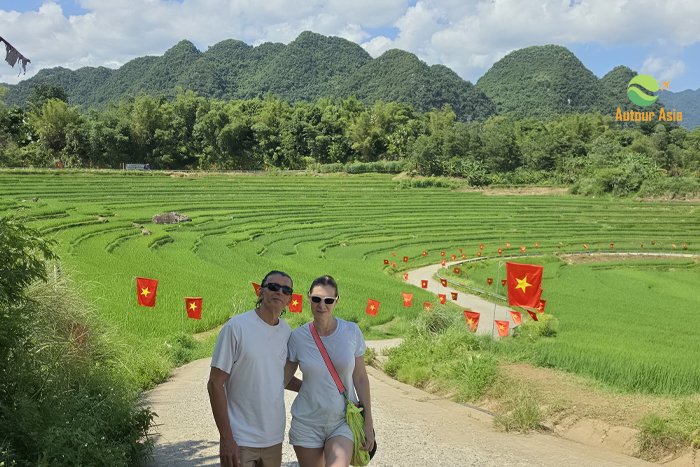
February can be an excellent time to discover Vietnam, especially if you want to experience several regions during one trip. However, one important point to keep in mind is that Vietnam does not have the same weather everywhere in February. Stretching more than 1,600 km from north to south, the country has distinct regional climates, so your experience can vary considerably depending on where you travel.
In Northern Vietnam, February is generally cool, with some days feeling cloudy, humid or misty. In the Central region, temperatures are usually milder, although weather conditions can still change from day to day. Further south, the weather is generally warmer and drier, making Southern Vietnam particularly appealing for outdoor activities and exploring the Mekong Delta.
This regional diversity is actually one of the advantages of planning 15 days in Vietnam in February. With a well-designed itinerary, you can experience very different landscapes and cultures in a single journey from the atmospheric streets of Hanoi and the limestone scenery of Ninh Binh to the imperial heritage of Hue, the lantern-lit streets of Hoi An, the energy of Ho Chi Minh City and the waterways of the Mekong Delta.
Another factor to consider is Tet, Vietnam's Lunar New Year. Its dates change every year according to the lunar calendar and can have a noticeable impact on travel. During the holiday period, domestic flights and other forms of transportation can be in high demand, accommodation may be more difficult to secure, and some restaurants and local businesses may temporarily close.
For this reason, February is not simply about asking whether the weather is "good" or "bad." The key is to choose the right destinations for your travel dates and build enough flexibility into your itinerary.
Vietnam's weather can vary significantly between the North, Central Vietnam and the South. This contrast is particularly noticeable in February: northern destinations can be cool and misty, while southern areas are generally warmer and drier. Central Vietnam lies somewhere in between, with mild temperatures but more changeable conditions.
If you are planning 15 days in Vietnam in February, it is therefore important to look beyond the weather in Hanoi or Ho Chi Minh City alone. The following figures provide a useful general guide for planning your trip, but they should not be considered a specific forecast.
Region | Typical February temperatures | Typical conditions | Destinations to consider |
North | Around 15-22°C | Cool, cloudy, sometimes misty | Hanoi, Ninh Binh, Ha Long Bay, Ha Giang |
Central Vietnam | Around 20-27°C | Mild, variable, occasional rain | Hue, Da Nang, Hoi An |
South | Around 25-33°C | Warm, generally drier and sunnier | Ho Chi Minh City, Mekong Delta, Phu Quoc |
Temperatures are indicative and can vary depending on the year, altitude and exact destination. Always check the local forecast shortly before your trip.
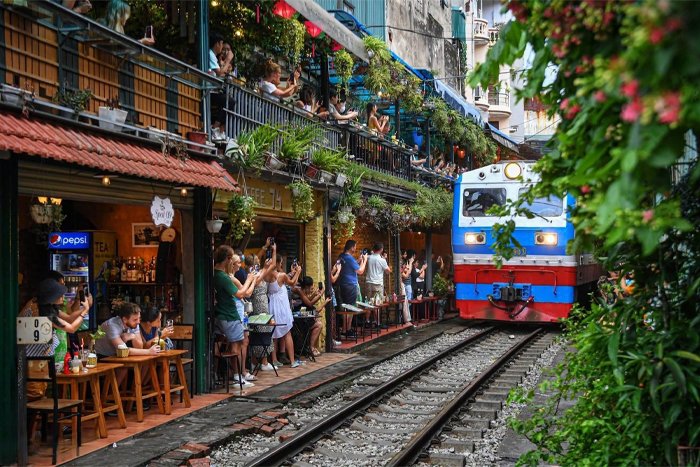
In Hanoi and Northern Vietnam, February is still part of the cooler season. Daytime temperatures can be comfortable, but mornings and evenings may feel noticeably chilly, particularly in mountainous areas.
Cloudy skies, humidity and mist are also possible, especially around the mountains and Ha Long Bay.
This does not mean you should skip Northern Vietnam. In fact, February can give places such as Hanoi, Ninh Binh and Ha Giang a distinctive atmosphere. Mist can soften the landscape and create beautiful, almost cinematic scenery.
However, there is a practical consideration: visibility is not always guaranteed.
For example, if you visit Mua Cave in Ninh Binh on a misty day, the panoramic view from the summit may be limited. Rather than planning your entire day around one viewpoint, it is better to enjoy Ninh Binh as a complete experience - taking a boat through the limestone landscapes, cycling through the countryside, visiting temples and discovering local villages.
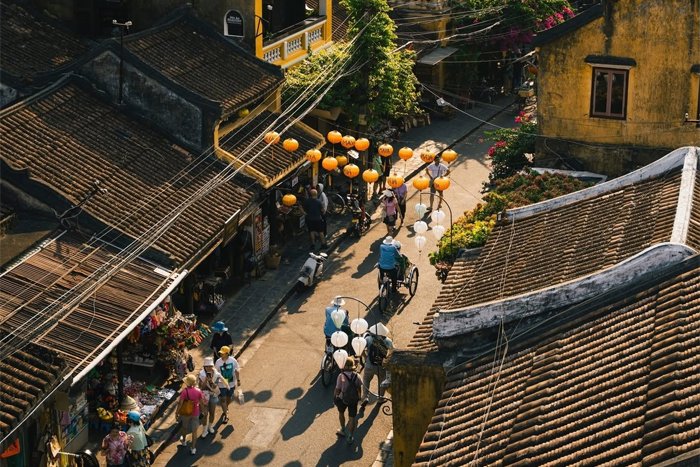
In Hue, Da Nang and Hoi An, temperatures are generally milder than in the North. However, the weather can still be changeable, with cloudy days and occasional rain depending on the period.
For travelers interested in culture and heritage, this does not necessarily present a problem.
You can spend a day exploring the Imperial City of Hue, visiting royal tombs and pagodas, then continue to Hoi An to wander through its historic streets, discover local markets or explore the surrounding countryside.
If you are visiting Central Vietnam in February, we recommend planning a mixture of indoor and outdoor experiences rather than making your entire itinerary dependent on sunshine or beach weather.
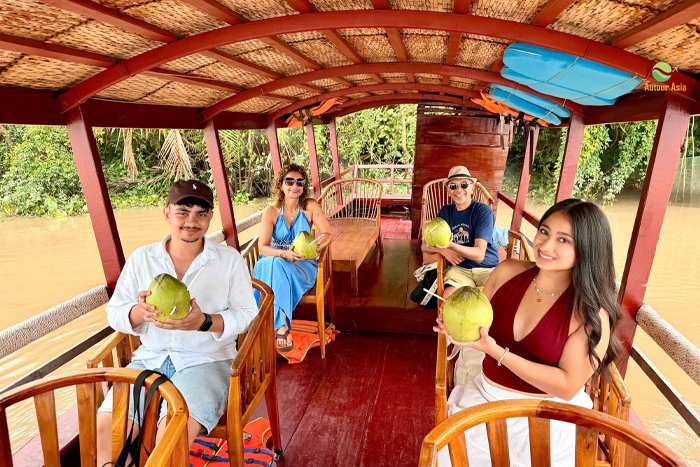
If warm weather is one of your priorities, Southern Vietnam is generally the most appealing part of the country in February.
In Ho Chi Minh City, the Mekong Delta and Phu Quoc, temperatures are typically higher and conditions are generally drier than in the North and Central Vietnam.
This makes February a comfortable time for outdoor experiences such as:
Exploring local markets;
Cruising along Mekong waterways;
Visiting rural villages;
Discovering local food;
Cycling through the countryside;
Relaxing on southern beaches when conditions are suitable.
For travelers who prefer warmer temperatures, ending a 15-day itinerary in Southern Vietnam can also be a pleasant way to finish the journey.
Where Should You Go in Vietnam in February?
With 15 days, you have enough time to combine several regions rather than choosing just one.
A classic first-time itinerary could follow this route:
Hanoi → Ninh Binh → Lan Ha Bay → Hue → Hoi An → Ho Chi Minh City → Mekong Delta
This route gives you a taste of Vietnam's many different sides: vibrant city life, spectacular nature, imperial history, traditional architecture, regional cuisine and rural river life.
However, there is no single perfect itinerary for everyone.
If you love mountains and landscapes, you may want to spend more time in Northern Vietnam. If history, culture and architecture are your priorities, Hue and Hoi An deserve more time. If you are mainly looking for warm weather, beaches and outdoor experiences, consider allocating more days to Central or Southern Vietnam.
The best itinerary is the one that matches your interests, travel pace and exact dates.
Do You Need to Change Your Itinerary Because of the Weather?
Not necessarily.
One of Vietnam's biggest advantages for February travel is its regional diversity. If conditions are less favorable in one area, your itinerary can often be balanced with destinations offering different experiences.
For a 15-day Vietnam itinerary, a route such as:
Hanoi → Ninh Binh → Lan Ha Bay → Central Vietnam → Ho Chi Minh City → Mekong Delta
allows you to experience several regions without relying entirely on the weather in one destination.
However, the order of the itinerary can be adjusted according to your exact travel dates, weather conditions, domestic flight schedules and, in some years, the Tet holiday period.
This is particularly important when planning a tailor-made journey. Rather than promising perfect weather - something no travel company can guarantee months in advance - the goal should be to create a realistic and flexible itinerary that continues to work when conditions change.
At Autour Asia, our Vietnam-based team takes these practical factors into account when designing private journeys. Local knowledge allows us to adjust routes, activities and transportation according to the season and the conditions on the ground, helping travelers make the most of their time in Vietnam.
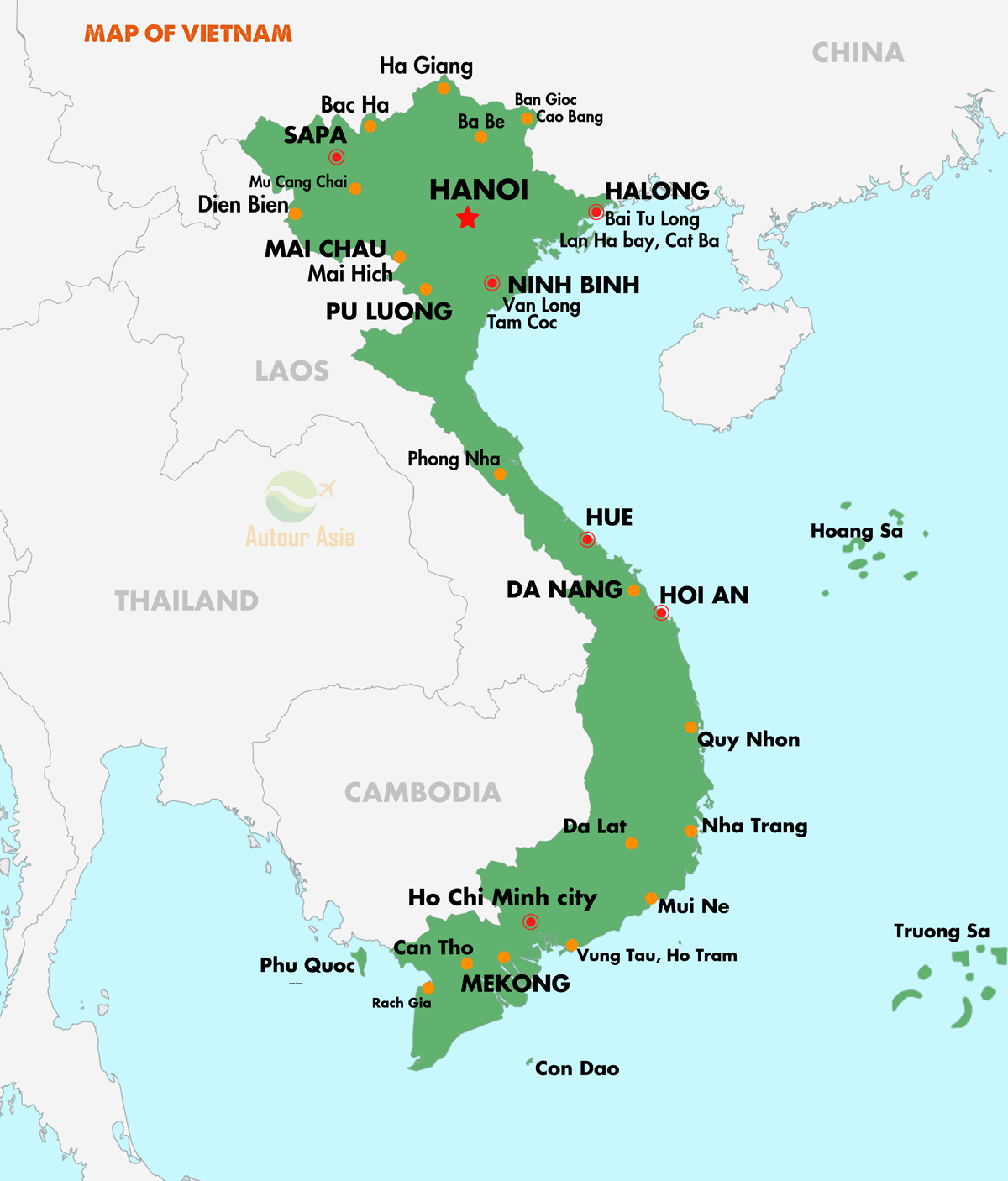
A 15-day trip to Vietnam in February gives you enough time to explore several regions of the country, but the key is not trying to see everything. Vietnam stretches more than 1,600 km from north to south, and weather conditions can vary significantly between regions. In February, the North is generally cooler and may be misty, while the South is typically warmer and drier.
For a first trip, we recommend focusing on three main regions: Northern, Central and Southern Vietnam. This allows you to experience Vietnam's landscapes, heritage and local life without spending too much of your holiday moving from one place to another.
The itinerary below is a flexible starting point, rather than a fixed formula. It can be adjusted according to your exact travel dates, international flights, budget, preferred pace and, especially in February, the weather and Tet holiday period.
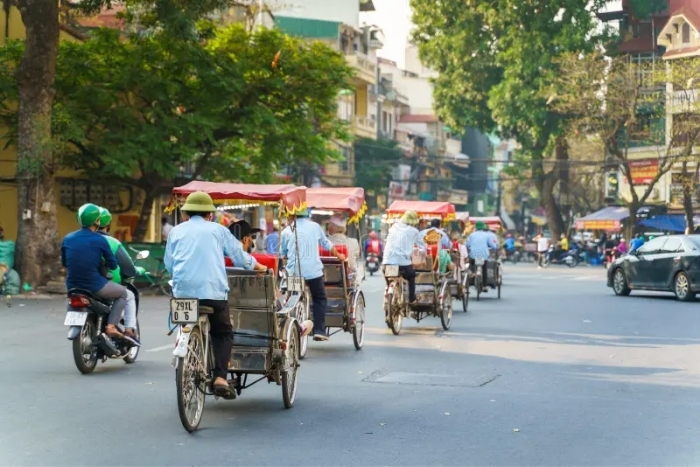
After landing at Noi Bai International Airport, arrange a transfer to your hotel in central Hanoi.
For your first day, it is best not to schedule too many activities. After a long international flight, a relaxed walk around Hoan Kiem Lake and Hanoi's Old Quarter is a great way to get your first taste of the capital without rushing.
What to do:
Airport transfer and hotel check-in
Rest after your flight
Walk around Hoan Kiem Lake
Explore the Old Quarter
Enjoy your first Vietnamese dinner

Spend a full day discovering Hanoi's historic landmarks and everyday life:
Temple of Literature
Ho Chi Minh Mausoleum area
One Pillar Pagoda
Hanoi Old Quarter
Hoan Kiem Lake
Vietnamese street food
To really understand Hanoi, don't limit your visit to famous monuments. Taking a break at a local café, wandering through smaller streets or visiting a traditional market can give you a much better feel for everyday life in the capital.
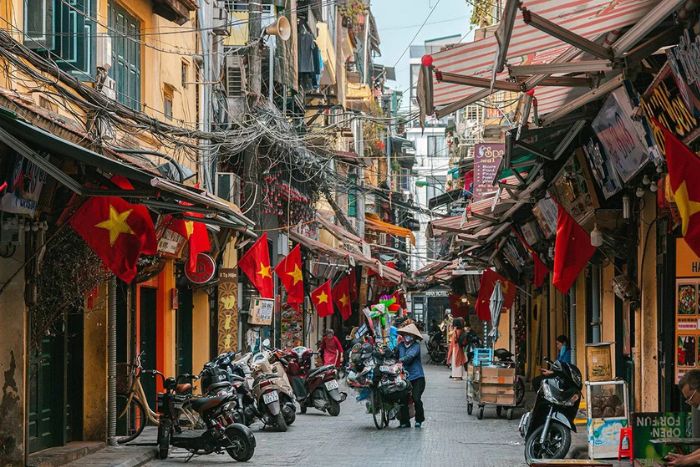
Keep your third day relatively flexible.
Depending on your interests, you could choose:
A traditional craft village near Hanoi
A Vietnamese cooking experience
A cycling tour
A local market visit
More time exploring the Old Quarter
This flexible day can also act as a buffer in case of unfavorable weather or travel fatigue after your international flight.
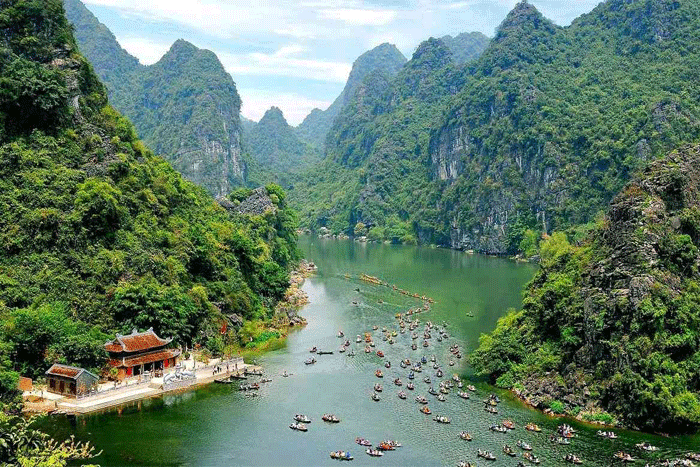
Leave Hanoi in the morning and travel to Ninh Binh.
In the afternoon, take a boat trip through Trang An or Tam Coc, depending on your chosen itinerary.
Here, dramatic limestone cliffs rise above rivers, rice fields and small villages, creating one of Northern Vietnam's most distinctive landscapes.
Overnight in Ninh Binh.
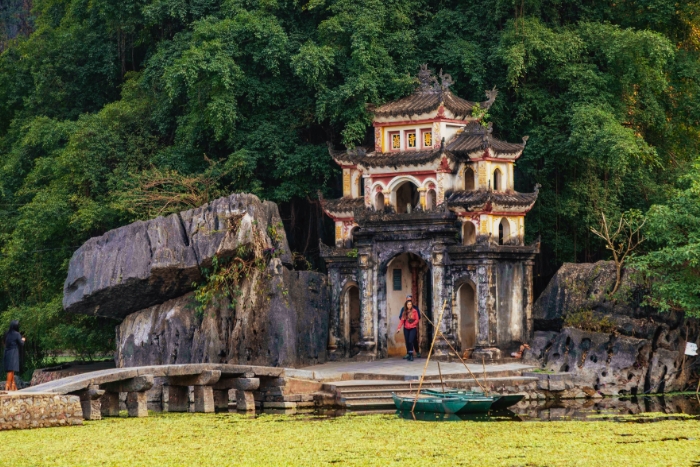
Start the day by exploring the surrounding countryside:
Cycling through rural landscapes
Bich Dong Pagoda
Hoa Lu, the ancient capital
Mua Cave, if weather and visibility are favorable
The panoramic view from Mua Cave is particularly impressive when visibility is good. However, February can bring cloudy or misty conditions to Northern Vietnam. Rather than promising a perfectly clear panorama, it is better to keep this visit flexible.
Local travel tip: Staying overnight in Ninh Binh is generally more rewarding than visiting as a day trip from Hanoi. It reduces travel time and allows you to experience the countryside in the quieter early morning hours.
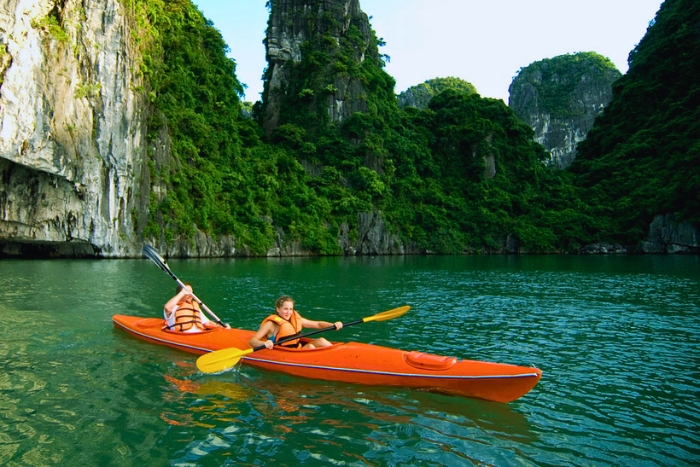
After Ninh Binh, continue towards the coast and board an overnight cruise.
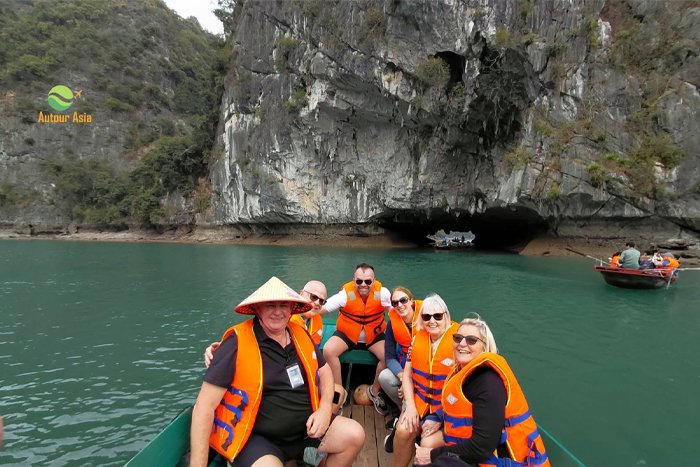
A 2-day, 1-night cruise gives you more time to enjoy the bay than a day trip and may include:
Cruising among limestone karst formations
Lunch on board
Kayaking or a local boat experience, depending on conditions
Exploring a cave or natural site
Sunset views
Overnight on the cruise
In February, Ha Long Bay and the surrounding area can be cool, cloudy or misty. The official Vietnam Tourism information also notes that December to March can be cool to cold, with frequent cloudy and misty conditions.
What to know before booking: Don't choose a February cruise solely because you expect a perfect sunset or bright blue skies. Weather conditions can change the views, even when the cruise itself remains an enjoyable experience.
After the morning activities and brunch on board, return to the mainland.
Depending on your itinerary, you can either:
Spend another night in Hanoi, or
Continue directly to the airport for your flight to Central Vietnam.
If you choose the second option, check the actual transfer and flight schedules carefully. Leaving enough time between the cruise and your flight will make the journey much less stressful.
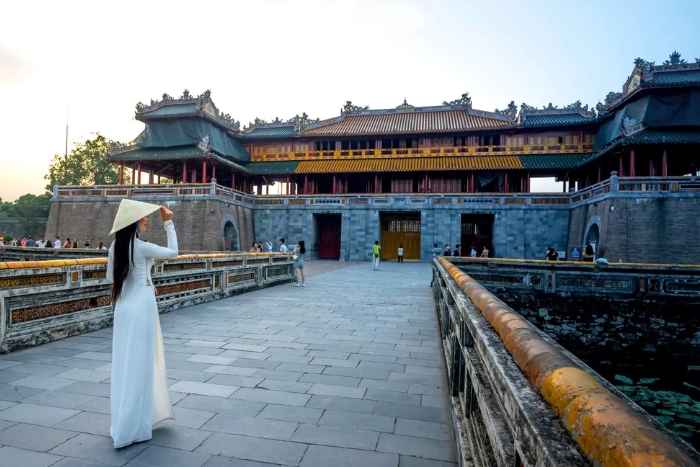
Take a flight from Hanoi to Da Nang and continue by road to Hue, or adjust the route according to your flight schedule.
Spend the afternoon getting your first taste of Hue:
Walk along the Perfume River
Explore a local market
Taste Hue's distinctive cuisine
Dedicate a full day to discovering the heritage of Vietnam's former imperial capital:
Hue Imperial City
Nguyen Dynasty royal tombs
Thien Mu Pagoda
Local specialties and traditional cuisine
Why spend a full day in Hue? Travel time between the different historical sites can add up quickly. Trying to visit too many places in just a few hours can turn an otherwise enjoyable day into a rushed schedule.
In February, Hue can still experience cool, cloudy and rainy weather. For this reason, it is useful to combine outdoor sightseeing with cultural and indoor experiences.
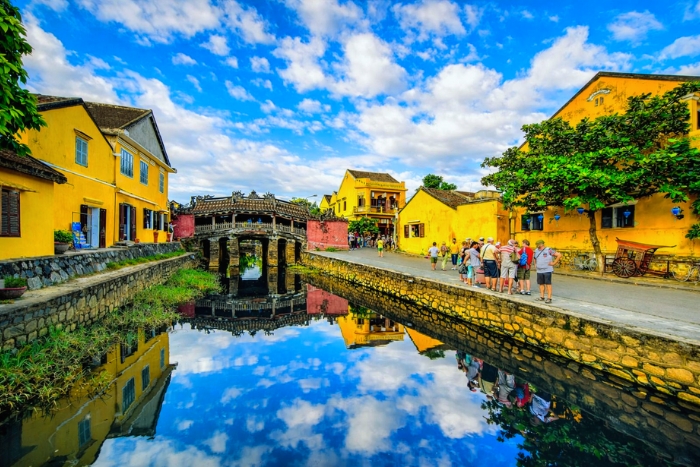
Travel from Hue to Hoi An by road.
Depending on your schedule and weather conditions, the journey can be adapted to include scenic stops around Central Vietnam, including the Da Nang area.
After arriving in Hoi An, settle into your hotel and explore:
Hoi An Ancient Town
Historic houses
Japanese Covered Bridge
Thu Bon River
Use this day to personalize your experience according to your interests.
For culture lovers:
Hoi An Market
Historic houses
Traditional craft villages
For food lovers:
Vietnamese cooking class
Local market tour
Regional specialties
For active travelers:
Cycling through the countryside
Rural villages around Hoi An
Local farming areas
February is generally more favorable for visiting Hoi An than some of the wetter months later in the year, but conditions can still vary. It is therefore better to plan a mix of activities rather than building your entire day around the beach.
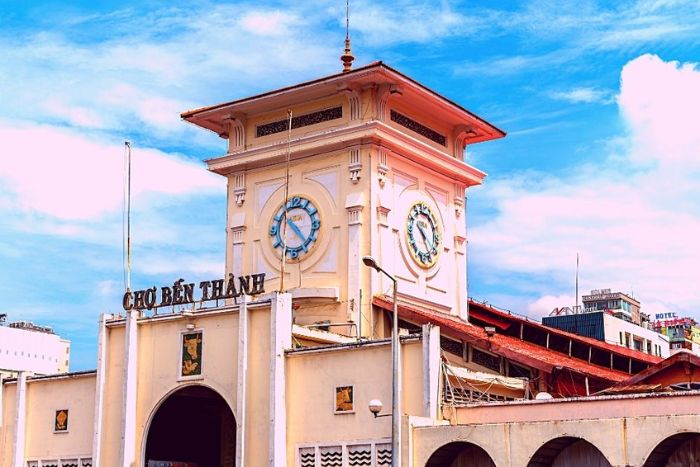
Take a flight from Da Nang to Ho Chi Minh City.
After checking in, spend the afternoon exploring the city center:
Saigon Central Post Office
Historic streets of Saigon
Local markets
Southern Vietnamese cuisine
The contrast with Northern Vietnam is particularly noticeable at this stage of the journey. After the cooler atmosphere of Hanoi and Central Vietnam, you will arrive in a much warmer environment.
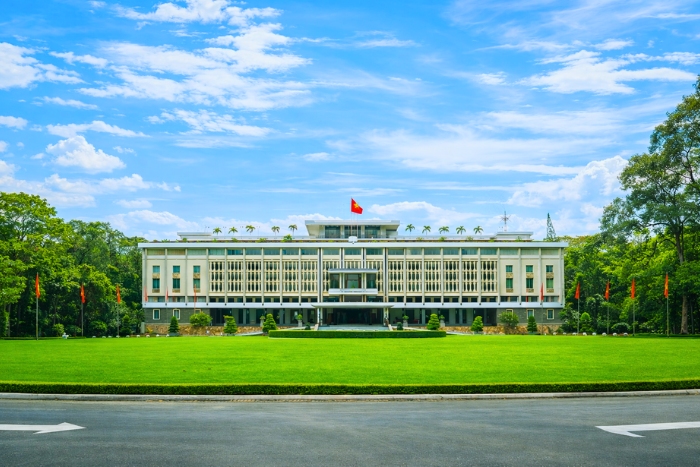
Leave early for the Mekong Delta.
Depending on your chosen experience, the day may include:
A boat ride
Narrow canals
A local village
Meetings with local artisans
Tasting regional specialties
Visiting fruit orchards
For travelers looking for a more immersive experience, spending a night in the Mekong Delta is worth considering.
If you choose to stay overnight in Can Tho, an early morning departure allows you to visit the famous Cai Rang Floating Market before returning to Ho Chi Minh City.
This arrangement is generally more comfortable than attempting a very long same-day excursion from Ho Chi Minh City, particularly because the floating market is best experienced early in the morning.
Southern Vietnam typically experiences warmer and drier conditions from December to April, making February a particularly convenient month for outdoor activities in the region.
Depending on the time of your international flight, keep your final morning free.
You could enjoy:
One last Vietnamese coffee
Some last-minute shopping
A relaxed walk through the city center
Extra time for your airport transfer
For an international flight, allow sufficient time for transportation and airport formalities.
Why Does This Itinerary Work Well for Vietnam in February?
The main advantage of this route is that it does not depend entirely on the weather in one region.
Northern Vietnam gives you Hanoi, Ninh Binh and spectacular limestone landscapes, even if conditions can be cool or misty. Central Vietnam adds a strong cultural and historical dimension, while Southern Vietnam generally offers warmer temperatures and conditions that are well suited to outdoor excursions.
The itinerary also creates a natural change of pace:
City → Nature → Cruise → Heritage → Ancient Town → Modern Metropolis → Mekong Delta
This is often more enjoyable than changing destinations every day and spending too much of your holiday on the road.
Do You Have to Visit All Three Regions in 15 Days?
Not at all.
A North-Central-South itinerary is a practical choice for a first trip, but it is not the only option.
If you prefer slow travel, you could spend your 15 days focusing on Northern and Central Vietnam. If your priority is sunshine and beaches, you could shorten your time in the North and spend more days in Central or Southern Vietnam.
Your choice should depend on your travel style, interests, budget, physical condition and how many domestic flights you are comfortable taking.
Our advice: With 15 days, it is usually better to experience 6–8 destinations properly than to try to squeeze Ha Giang, Sapa, Ha Long Bay, Ninh Binh, Hue, Hoi An, Da Nang, Da Lat, Ho Chi Minh City, the Mekong Delta and Phu Quoc into one trip. An overly packed itinerary means more time on the road and less room for unexpected discoveries.
Traveling During Tet? Your Itinerary May Need Adjustments
Tet, Vietnam's Lunar New Year, falls between late January and February depending on the year, so its exact dates should always be checked before planning your trip.
This period requires extra planning. Many Vietnamese people travel back to their hometowns and villages, which can lead to high demand for domestic flights, trains, buses and hotel rooms. Some restaurants and local businesses may also close during the first days of the holiday.
If your 15-day Vietnam itinerary includes Tet, we recommend booking transportation and accommodation well in advance and keeping your schedule flexible.
On the other hand, traveling during Tet offers a unique opportunity to experience Vietnamese culture through flower decorations, traditional markets, family celebrations and festive street scenes. Your trip will simply have a different atmosphere from traveling at other times of the year.
A 15-day trip to Vietnam in February is a wonderful opportunity to experience the country’s diverse landscapes, cultures, and atmospheres, from the cooler northern region to the warmer and sunnier South. The key to a successful trip is choosing an itinerary that suits the weather conditions and, if your trip coincides with Tet, planning your transportation and accommodation in advance.
In 15 days, it is possible to combine Hanoi, Ninh Binh, Lan Ha Bay, Hue, Hoi An, Ho Chi Minh City, and the Mekong Delta, provided that your itinerary is well balanced and you avoid unnecessary long journeys.
Since every traveler has different expectations, the ideal itinerary will depend on your travel pace, budget, interests, and exact travel dates. Autour Asia can help you create a tailor-made journey with advice adapted to the season and local conditions.
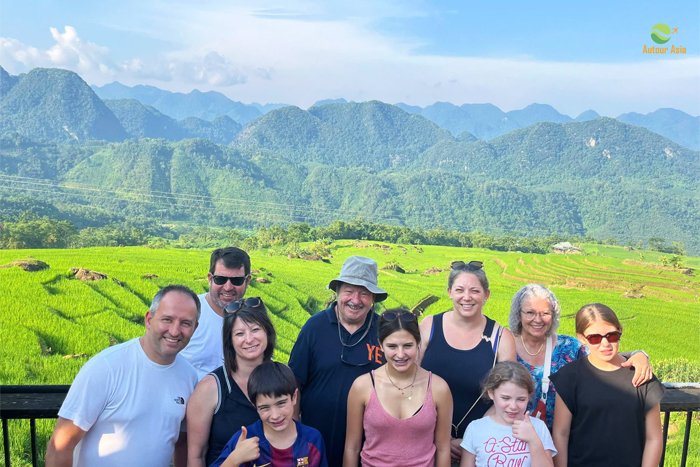
The cost of a 15-day trip to Vietnam in February can vary considerably depending on your travel style and the level of comfort you choose. A trip based on 3-star hotels and local transportation will naturally require a different budget from a private tour with a dedicated driver, English-speaking guides and 4- or 5-star hotels.
The exact travel dates also matter. If your trip coincides with Tet, Vietnam's Lunar New Year, prices and availability for some travel services may differ from those during a regular travel period.
If you are comparing different travel styles, our detailed guide can help you understand the typical costs involved: Vietnam 15 days budget.
What Budget Should You Expect with Autour Asia?
For a private Vietnam tour, Autour Asia calculates the price based on several factors, including your exact travel dates, number of travelers, hotel category, transportation, activities and preferred level of support.
This approach allows us to avoid giving you a generic price that may not accurately reflect the trip you actually want.
If you are planning 15 days in Vietnam in February, simply share your travel dates, number of travelers, preferred hotel category and the experiences you would like to include. Our local team can then design a personalized itinerary and provide a quote based on your actual travel plans.
Request a free quote from Autour Asia™ and create a Vietnam journey that fits your budget, travel pace and interests.
A 15-day trip to Vietnam in February allows you to experience an impressive variety of landscapes, cultures and local experiences - from the cooler atmosphere of Northern Vietnam to the warmer conditions of the South.
The key to a successful trip is choosing an itinerary that matches the regional weather and, if your journey overlaps with Tet, planning transportation and accommodation well in advance.
In 15 days, it is entirely possible to combine Hanoi, Ninh Binh, Lan Ha Bay, Hue, Hoi An, Ho Chi Minh City and the Mekong Delta, as long as the itinerary is well balanced and does not involve unnecessary travel.
There is no single itinerary that works for every traveler. Your ideal Vietnam trip will depend on your travel pace, budget, interests and exact travel dates. With a local team based in Vietnam, Autour Asia can help you adapt the itinerary to the season and current conditions on the ground.
Ready to plan your Vietnam adventure in February? Request a free quote from Autour Asia- Vietnam tour agency and create a personalized 15-day itinerary tailored to your interests.


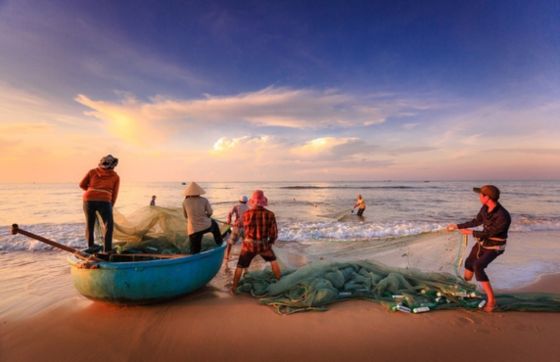
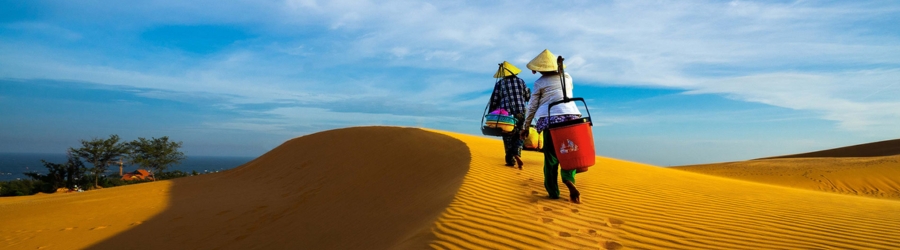
Phan Thiet, a coastal city in Binh Thuan Province, is best known for Mui Ne, an internationally renowned seaside destination. With its beaches, fishing villages, and desert-like sand dunes, the region offers a diverse range of landscapes rarely found elsewhere in Southeast Asia. In November, temperatures remain pleasant for exploring the coast, although occasional showers are still possible. Visiting Phan Thiet Mui Ne in November requires a little preparation to make the most of your stay. This complete guide covers the weather, must-see attractions, transportation options, and practical tips to help you plan your trip to Vietnam in November.
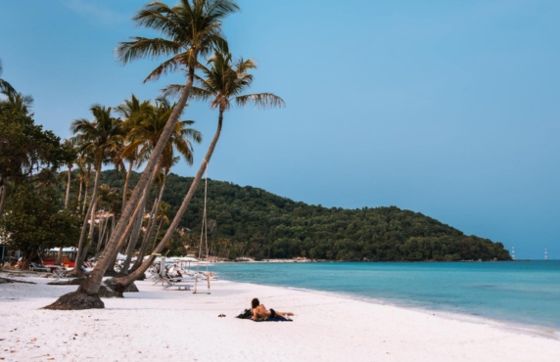
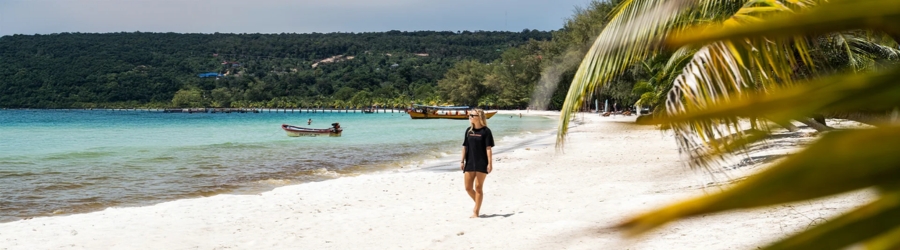
Vietnam’s beaches are best enjoyed at different times of the year, depending on the region. From the turquoise waters of the South to the long stretches of white sand in the Central region and tropical islands, each area has its own climate patterns. To better understand when to visit Vietnam, it is important to consider the weather conditions in each destination. The best time to visit beaches in Vietnam depends on region you choose as well as the activities you have planned. The best time to swim in Vietnam also varies according to rainfall, water temperature and sea conditions. Understanding the Vietnam beach season helps you choose destinations that match your travel dates and enjoy the coastline in good conditions.
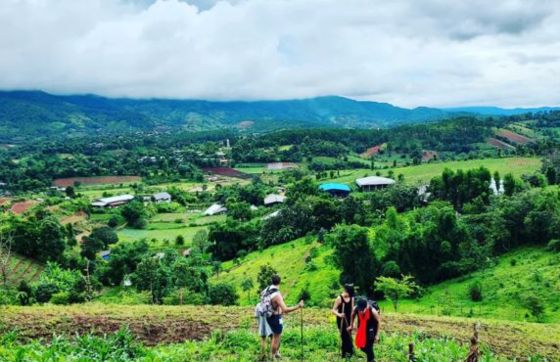
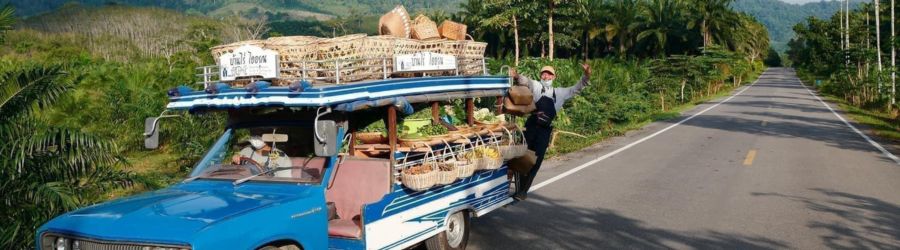
Discovering Thailand through its rice fields, plantations, and rural villages offers a different way to travel, far from traditional tourist circuits. But how can you choose the best agency for Thailand farm tours to enjoy authentic experiences with local communities? Several tour operators offer trips combining agriculture, gastronomy, and encounters with producers. Among them, Autour Asia is an option for travelers who want to personalize their itinerary. Known as Vietnam travel agency - Autour Asia, the company also offers tailor-made trips to several countries in Southeast Asia. With the local travel agency in Thailand - Autour Asia, travelers can explore a trip designed around their interests. Here are five organizations worth knowing, their distinctive features, and the essential criteria for planning a successful agricultural tour in Thailand.
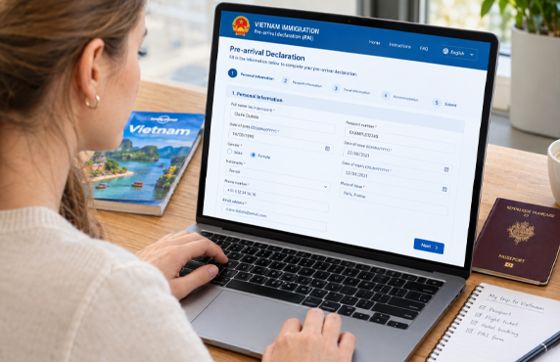

Planning a trip to Vietnam? Before packing your bags, take a few minutes to check the latest entry requirements and prepare the documents you may need at the airport.
Vietnam’s Pre-Arrival Information (PAI) system allows international travellers to submit selected personal, visa and travel details online before arriving in the country. After a successful submission, the system generates a QR code that travellers can save on their phones or print for use during immigration procedures. Although the online declaration is designed to help make arrival procedures smoother, travellers should understand when it applies, how to complete it correctly and which documents they still need to enter Vietnam.
In this practical guide, you will discover where to access the official PAI portal, what information to prepare, how to complete the declaration step by step, how to correct common mistakes and what to do when you arrive at the airport.
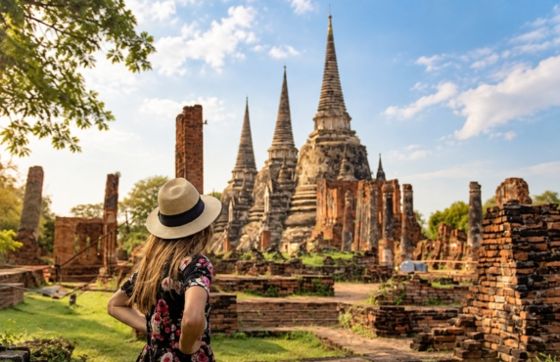
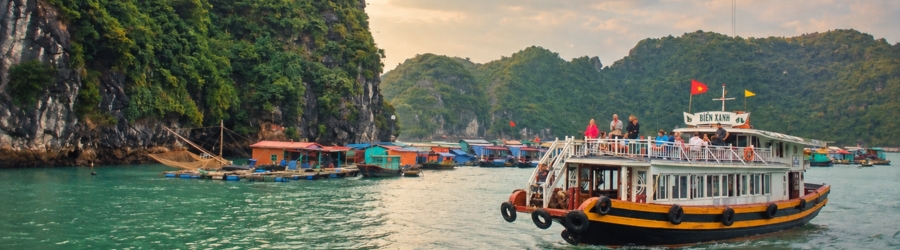
With its exotic landscapes, fascinating cultures and diverse experiences, Vietnam and Thailand are among the most popular destinations in Southeast Asia. However, safety remains an important criterion when planning your trip. So, how can you choose Vietnam or Thailand for a safe trip depending on the way you travel ? And is Vietnam safer than Thailand ? Each destination has its own characteristics and points to consider. In this article, Autour Asia helps you compare Vietnam and Thailand to better understand their differences and choose the destination that meets your expectations for your next trip to Asia.
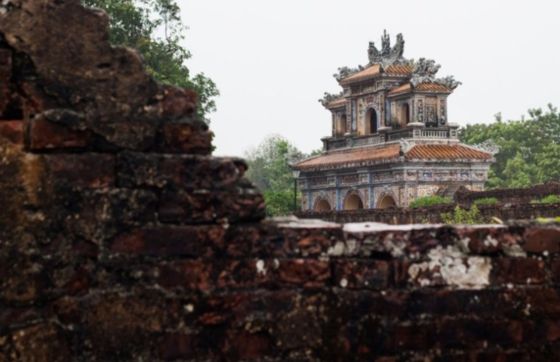
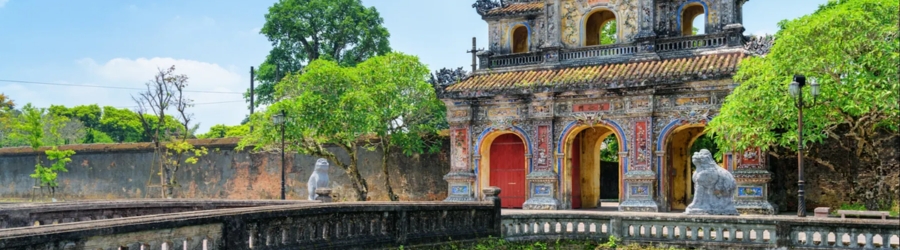
Planning a trip to Hue in November requires a little more flexibility than at other times of the year. Visiting Hue in November means experiencing the rainy season in central Vietnam, with prolonged showers and a risk of flooding. However, this period can also be an opportunity to explore the former imperial capital’s royal heritage, pagodas and renowned cuisine in a quieter atmosphere. The key is to choose your activities carefully, prepare alternative plans and check the weather conditions before setting out.
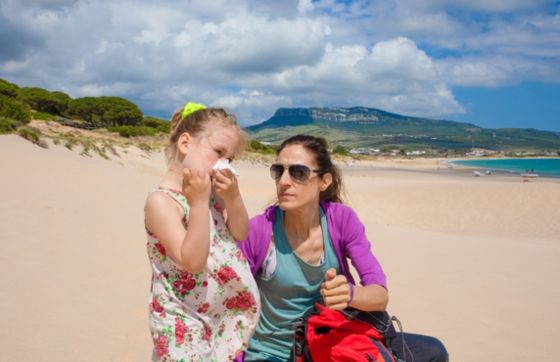

When travelling in Cambodia, some everyday habits may raise questions about local customs. Is blowing your nose in public considered polite? How should you behave in restaurants, on public transport or during a visit? These small details matter when you want to respect the local culture. Discover how to manage blowing your nose in Cambodia discreetly, along with practical tips on using tissues during your trip. Autour Asia, Cambodia travel agency, helps you discover local customs with advice tailored to travellers. From Cambodia travel etiquette to personal hygiene and everyday situations, a few simple guidelines can make your journey more comfortable. In Phnom Penh, Siem Reap or Kampot, understanding local customs helps you avoid awkward moments while making the most of your stay.
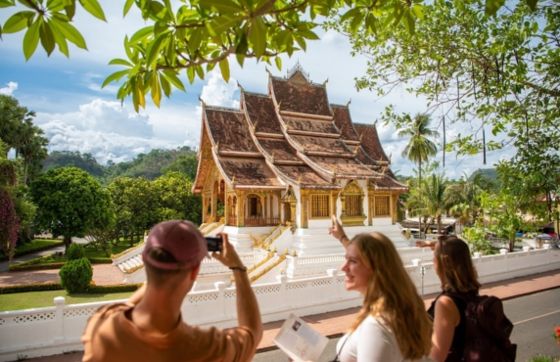
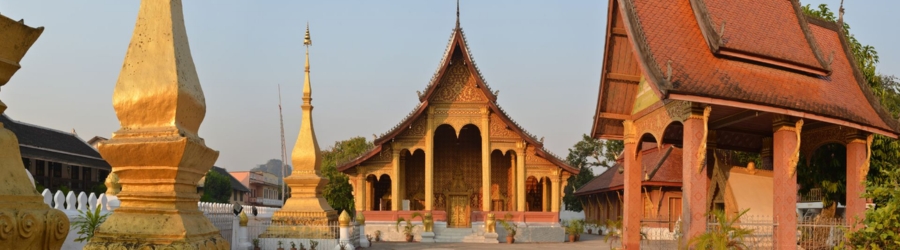
Blow your nose in Laos is not necessarily considered rude, but it is best to do so discreetly, especially in quiet places or during meals. If you have a cold, use a clean tissue and avoid blowing your nose loudly in public. In temples and other places of worship, respect the peaceful atmosphere and local customs. If you need to blow your nose frequently, step away from others for a moment whenever possible. Finally, dispose of used tissues in a rubbish bin. These simple habits will help you observe good manners during your trip to Laos.



 FR
FR EN
EN