Traveling remains one of the most enriching forms of learning. Travel teaches us to be content with little, because on the road, we meet people from different backgrounds, often faced with demanding living conditions. Exploring the world is also exploring oneself: learning gratitude, developing empathy, and cultivating a deep respect for the planet and those who inhabit it. However, today, tourism is too often accompanied by a worrying environmental degradation, transforming an experience meant to be joyful and meaningful into a source of heavy impact for future generations. Adopting responsible tourism not only allows for preserving millennia-old cultures and fragile ecosystems, but also gives meaning back to every step we take. So, what is sustainable tourism, and how to practice responsible travel in Vietnam ? In this article, we will explore the many advantages of this type of sustainable tourism, which not only enriches your experience, but also supports the host country.
Responsible travel represents a balanced approach to tourism that integrates respect for the environment, support for local communities, and cultural preservation. Sustainable tourism in Vietnam allows travelers to discover the country's riches while minimizing negative impacts. The fundamental principles include the protection of natural resources, the promotion of a fair economy, and the maintenance of sociocultural traditions. The challenges are crucial: faced with rapid tourist growth, it is about avoiding environmental degradation and promoting inclusive development.
Sustainable tourism is based on three main pillars. The environmental aspect aims to reduce carbon emissions and protect fragile ecosystems like terraced rice fields or national parks. The economic aspect ensures that benefits directly profit local populations through fair jobs and community projects. The sociocultural aspect encourages respect for customs and the valorization of heritage. The challenges include the fight against plastic pollution, overcrowding of sites, and social inequalities, making this model essential for a viable future.
On a global scale, sustainable tourism is experiencing notable expansion. Trends for 2025 emphasize carbon-neutral travel, regenerative ecotourism, and authentic local experiences. The ecotourism market is expected to reach 279 billion dollars, with an annual growth of 13%. Travelers prioritize extended stays, digital disconnections, and less frequented destinations. These developments respond to a growing demand for ethical practices, influenced by climate challenges and post-pandemic awareness.
In Vietnam, the situation of sustainable tourism presents advances and challenges. The tourism sector has rebounded with more than 17 billion international arrivals in 2025, but faces environmental degradation, pollution, and overtourism in areas like Ha Long. The government promotes green initiatives, such as ecological transition policies and certifications for operators. Community projects and protected national parks are emerging, although the lack of clear definitions and uniform certifications persists.
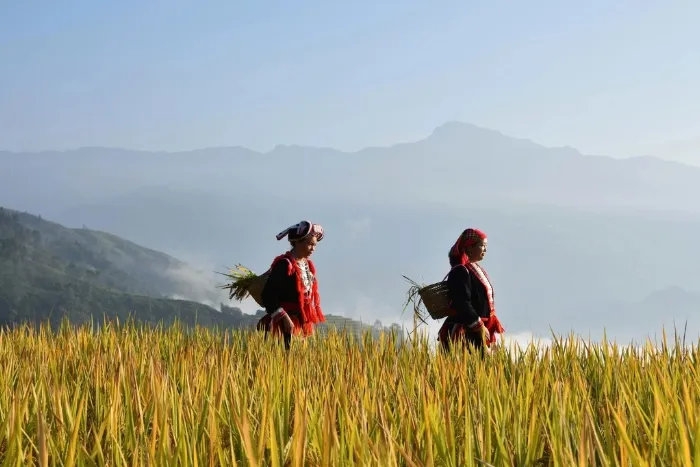
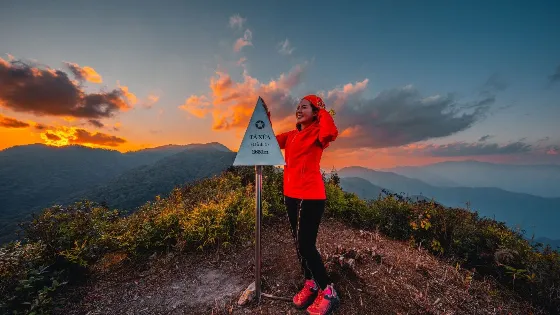
Hiking in the mountainous regions of northern Vietnam offers an authentic immersion by trekking through terraced rice fields and spending a night in a traditional homestay with a H'Mong, Dao, or Tay community. These homestays directly support families, while you admire the verdant landscapes and learn sustainable agricultural techniques. Go trekking in Sapa, Mu Cang Chai, Pu Luong, or Ha Giang by engaging guides from the villages through responsible operators like Sapa Sisters or Zonitrip. This approach minimizes environmental impact thanks to established trails, reduces overcrowding, and enriches cultural exchanges. A responsible travel in Vietnam feeds on these unique moments that preserve biodiversity and ancestral customs while generating maximum positive impact through certified tours.
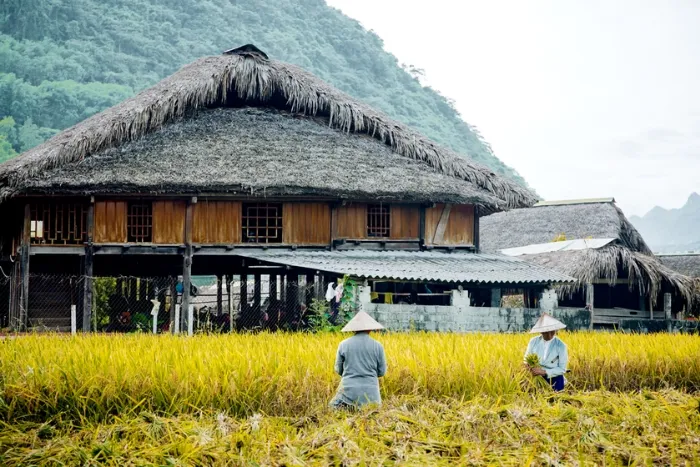
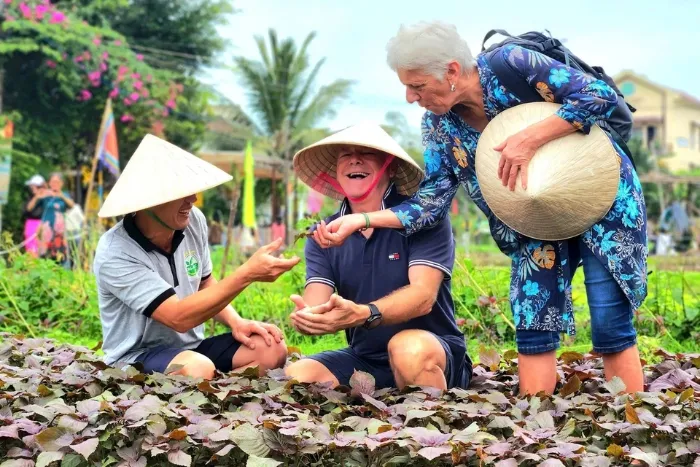
The organic Tra Que vegetable village, near Hoi An, and the tea plantations of Moc Chau in Son La province offer authentic agricultural experiences. Visitors actively participate in daily tasks: weeding, sowing, harvesting vegetables, or picking tea leaves alongside local farmers. These activities perpetuate ancestral techniques without chemicals and directly support rural families. This activity allows for maintaining a traditional trade and offers you the opportunity to share a "farm-to-table" meal with your host family.
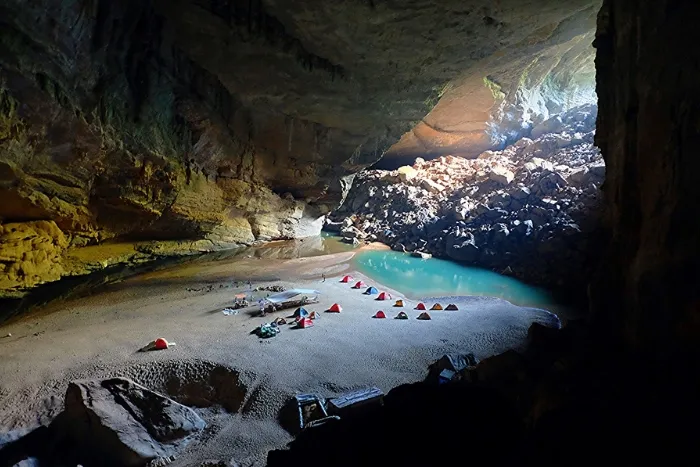
Phong Nha-Ke Bang, listed as a UNESCO World Heritage site and recognized as one of the largest cave systems in the world, is discovered through explorations supervised by certified local guides. By choosing eco-responsible circuits - notably with Oxalis Adventure - visitors learn about the richness of underground biodiversity while applying practices aimed at reducing waste. These excursions directly contribute to conservation programs and support community employment. Participants are also made aware of the importance of avoiding ecologically sensitive areas and opting for low-impact paths to preserve endemic fauna and flora.
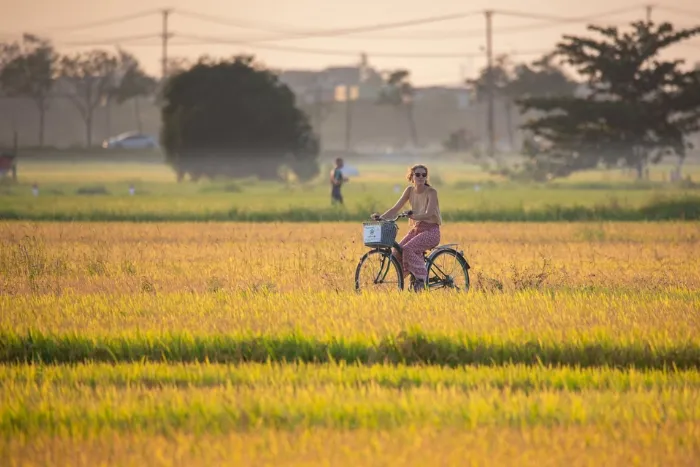
Biking is a soft mobility that allows exploring temples, rivers, and historical neighborhoods while reducing the carbon footprint. In Hue, one follows the Perfume River to reach the tombs; in Hoi An, the old town and its banks are easily traversed; in Ninh Binh, biking connects accommodations to the Trang An or Tam Coc embarkations. Renting from local operators supports the economy of native guides and guarantees authentic visits. For long distances, the Reunification Express line offers a sustainable alternative between Da Nang and Hue. Respecting local rules and avoiding sensitive areas preserves monuments and the environment.
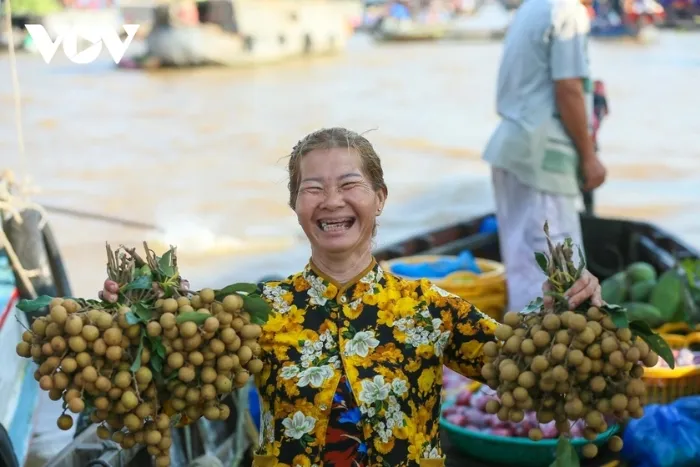
Immersion in the floating markets of the Mekong Delta is experienced in Ben Tre, Cai Rang (Can Tho), and Cai Be (Tien Giang) thanks to homestays like Mekong Rustic, and fits perfectly into a responsible travel approach in Vietnam; departing at dawn in a small local boat allows navigating the water aisles and buying a steaming hủ tiếu directly from local vendors, while participating in fruit harvesting and exchanges with artisans directly supports communities. These stays encourage organic agriculture, minimize plastic waste, and ensure fair economic impact, and the choice of community guides and tours promotes responsible tourism while protecting aquatic ecosystems.
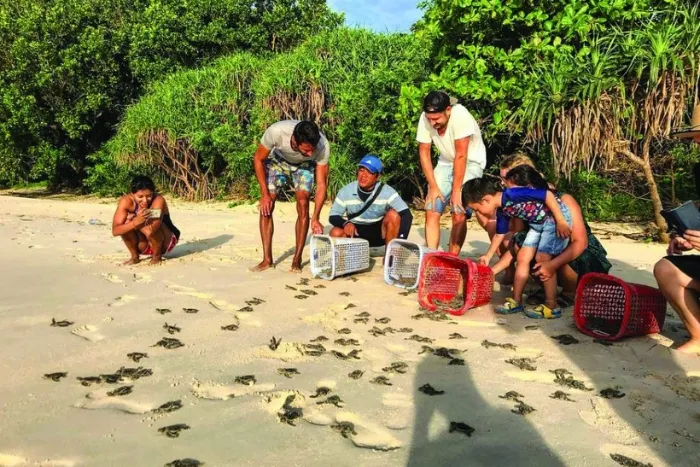
On the island of Con Dao, the choice of eco-responsible accommodations like Six Senses Con Dao allows observing sea turtles and coral reefs while respecting their habitat. Visitors participate in marine conservation programs that directly support the protection of local biodiversity. This approach encourages guided and ethical snorkeling, limiting damages caused by uncontrolled practices. It fully fits into sustainable tourism in Vietnam, by generating revenues for inhabitants engaged in preservation. Verifying partnerships with NGOs ensures a regenerative approach and strengthens the positive impact on the ecosystem.
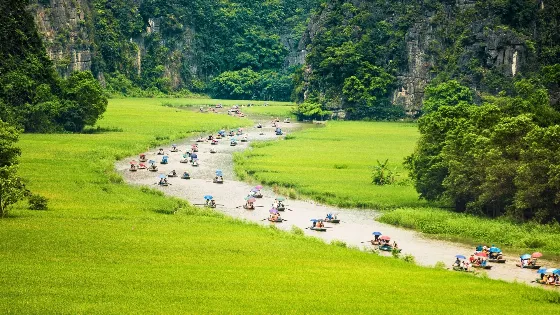
In Ninh Binh, hiking amid karst formations is associated with traditional boat rides in Trang An or Tam Coc to offer a harmonious discovery of a UNESCO-listed landscape. Manual boats preserve fragile ecosystems and ensure direct incomes for inhabitants. Visitors explore local biodiversity with certified guides, thus reducing carbon impact and strengthening the dimension of responsible travel in Vietnam. Integrating bike rides completes these explorations without pollution and allows appreciating the verdant valleys while respecting the environment.
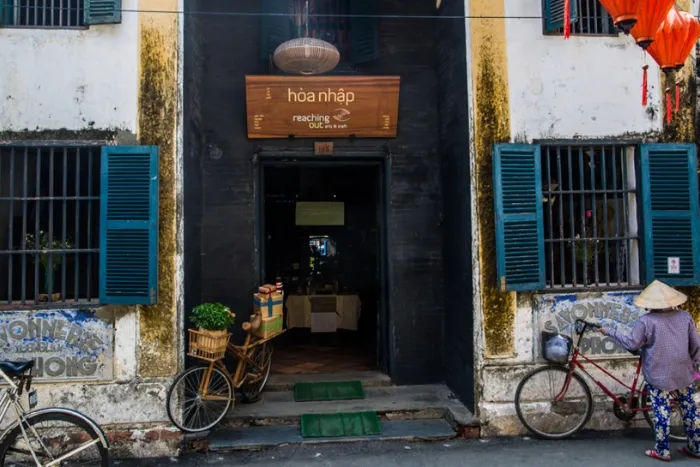
In Hoi An, learning ethical craftsmanship takes place in workshops like Reaching Out, where visitors discover batik, embroidery, or pottery while supporting artisans with disabilities. Direct purchases and social programs strengthen the autonomy of beneficiaries and promote responsible consumption. Exploring the countryside by bike offers a coherent cultural immersion with sustainable tourism in Vietnam. The valorization of handmade products and the choice of fair trade purchases contribute to a positive community impact while preserving local know-how.
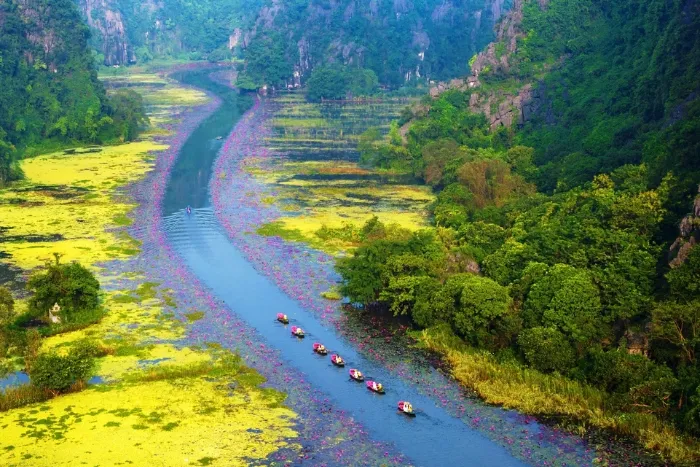
In Ba Be National Park, ecological navigation by boat allows admiring a serene lake bordered by primary forests. Local Tay guides transmit their knowledge on flora and fauna, while ensuring essential incomes for ethnic communities. This experience raises awareness about biodiversity protection and fully integrates into a responsible travel in Vietnam thanks to its low environmental impact. The choice of committed operators strengthens ecosystem conservation and limits pollution, thus offering a respectful discovery of the national park.

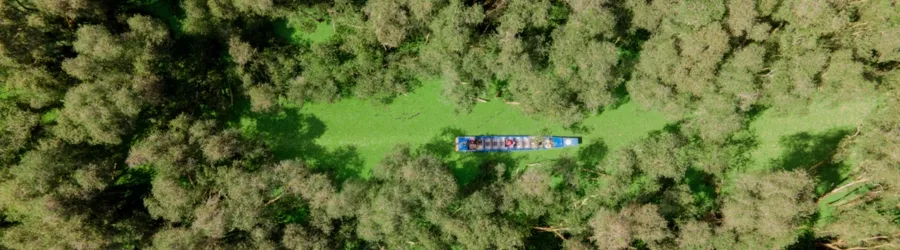
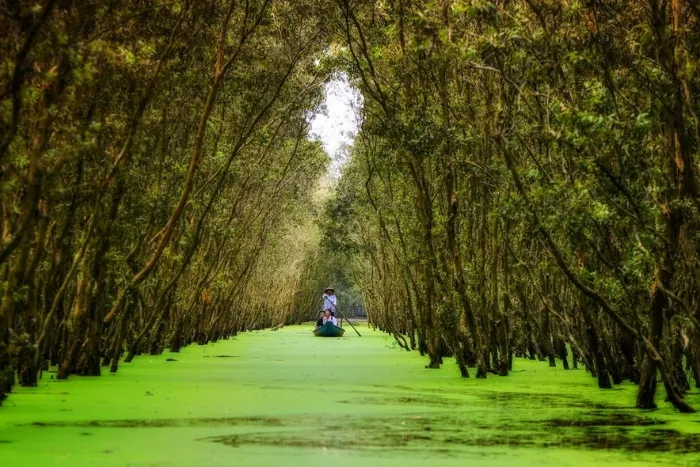
The cajeput forest of Tra Su, located in An Giang province, is an emblematic wetland of the Mekong Delta and an ideal destination for sustainable tourism in Vietnam. Spanning about 845 hectares, this unique ecosystem harbors remarkable biodiversity, including dozens of bird species, some of which are rare. Visitors explore the forest by motorboat then by small rowboat, gliding silently under the green canopy. The flood season, from September to November, is the ideal time to experience this magical adventure where the flooded forest reveals all its beauty and serenity, perfect for wildlife observation.
To travel responsibly, select a committed local agency. Look for those certified Travelife or Green Globe, like Footprint Travel, EXO Travel, or Handspan. These operators employ native guides, minimize waste, and support community projects. Based in Hanoi or Ho Chi Minh City, they offer personalized itineraries with transparency on salaries and ecological commitments. Verify their affiliations with NGOs to ensure sustainable tourism in Vietnam without compromising comfort.
Responsible itineraries give meaning to your stay. In the North, immerse yourself in Ha Giang or Mu Cang Chai for hikes in rice fields, staying with locals. Ba Be Park is explored by ecological boat. In the Center, traverse Hue by bike and discover Phong Nha-Ke Bang with local guides. Hoi An invites countryside walks. In the South, experience the river life of the Mekong in Ben Tre or Can Tho, with stilt accommodations. For the islands, Con Dao and Phu Quoc offer eco-committed options.
Even without an agency, everyday small gestures contribute strongly to responsible travel. Carrying a reusable bag, refusing disposable plastics, or asking permission before photographing people or sacred places manifests essential respect. Staying at least three days in the same destination limits unnecessary travel, while traveling in low season reduces tourist overload. Finally, choosing not to "see everything, do everything" allows for truly immersing in the local culture and becoming, for the duration of a stay, a living part of the community.
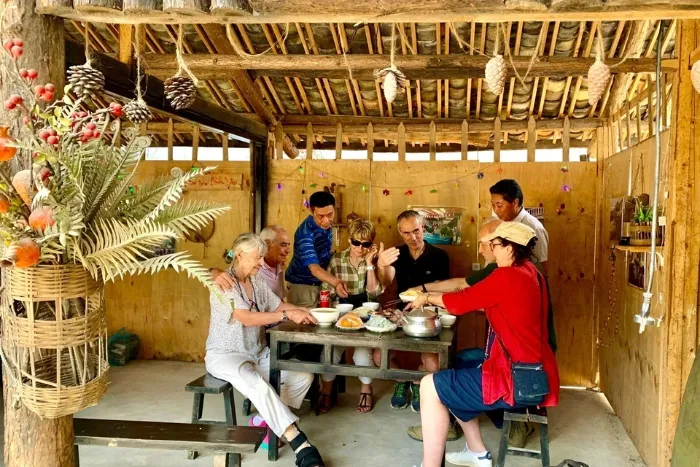
In summary, responsible travel in Vietnam allows for experiencing an authentic immersion while respecting landscapes and local communities. It’s not just a stay, but a more conscious way to discover the country, leaving a positive footprint. At Autour Asia, as a travel agency in Vietnam and a committed actor in the tourism sector, we pay particular attention to sustainable development and responsibility towards inhabitants as well as the environment. That’s why we always encourage our travelers to adopt sustainable practices, to travel more slowly, to respect local cultures, and to prioritize ethical services.
We hope that this information has given you ideas and inspiration for your next trip! We also wish to remind that sustainable tourism is not limited to traveling in the most "responsible" way possible from a physical point of view, nor to spending a minimum number of days in a destination. Sustainable tourism is above all a state of mind, a way to approach any trip, whatever its duration or style.
Share your ideas or contact us to build together a respectful and inspiring itinerary!









 FR
 ITA


