


Ba Be is one of the rare places in Vietnam that remains both accessible and appealing throughout the year. Thanks to its subtropical mountain climate, the national park offers a wide variety of landscapes, activities, and cultural encounters depending on the season.
The Vietnam travel agency recommends choosing your travel time based on your personal preferences—whether you're seeking lush nature, cultural immersion, or peaceful winter serenity. That’s why many travelers ask the key question: When to visit Ba Be?
It’s also worth noting that Ba Be stands out for its remarkable biodiversity, well-preserved ethnic villages, and tranquil atmosphere, making it a perfect escape all year long. No matter the month, you’ll always find something unique to experience there.
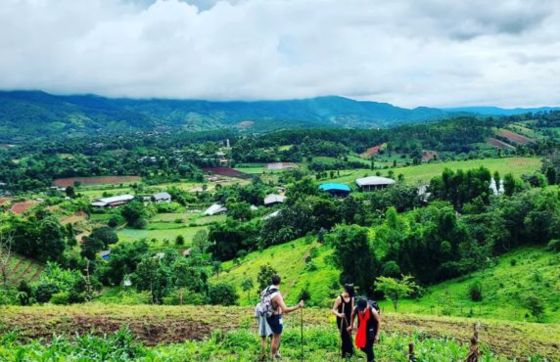
Summer in Ba Be means lush greenery and nourishing rainfall. While sudden showers may catch you by surprise, they breathe life into the landscape — rice fields turn a deep green, rivers swell, and waterfalls flow with spectacular force.
This season also brings vibrant local activity: ethnic communities are busy in the fields, markets overflow with fresh produce, and boat rides on the lake take on a mystical charm. However, the humid season does require extra preparation, especially for hikers.
Ba Be’s lush tropical forests become a perfect haven for biodiversity enthusiasts. Insects and birds are particularly active during this time, delighting wildlife observers.
For those who choose to visit in summer, nature rewards them with vivid landscapes and rich encounters, making this period the best time to visit Ba Be for tropical nature lovers.
From September to November, autumn is widely considered the best time to visit Ba Be. Rainfall decreases, the weather becomes milder, the landscapes are tinged with golden hues, and the morning mist creates an almost magical atmosphere.
The rice fields reach full maturity, painting a golden canvas around villages like Pac Ngoi and Coc Toc. It’s also the perfect time for mountain hikes, overnight stays with local families, and authentic encounters with ethnic communities.
Photographers, nature lovers, and families seeking peace often ask: When to visit Ba Be? The answer is almost always the same—autumn. Temperatures are just right—not too hot, not too cold—making it ideal for outdoor activities like biking or kayaking in optimal conditions. Moreover, accommodations are not yet fully booked, ensuring a warm and welcoming stay.
What is the best time to visit Ba Be for absolute quiet? Winter is the perfect choice. The weather becomes dry and cold, especially at night, but the days remain sunny and ideal for exploration. There’s a quiet charm in the crisp air and golden light that gives the landscape a completely different character compared to the other seasons.
This season sees fewer tourists, allowing for a deeper immersion into local life. You might share a warm meal with a Tay family around a wood fire, taste winter specialties like grilled corn or sticky rice, or explore hidden caves in serene silence. The absence of crowds also makes it easier to enjoy intimate cultural encounters and peaceful walks through ethnic villages.
Even when the lake is shrouded in mist, it adds a mysterious charm to your boat excursions. The fog hovering over the water in the early morning creates a dreamlike atmosphere that stays in your memory long after you leave. This is the perfect season for travelers seeking a different kind of experience and wanting to discover Ba Be from a new perspective.
Winter also offers a fantastic opportunity for black-and-white photography, with striking contrasts between dark karst mountains and layers of fog — an atmosphere worthy of the finest travel tales. If you’re a fan of peaceful landscapes and quiet reflection, winter may be the best time to visit Ba Be for you.
Some times of year offer a unique opportunity to witness the ancestral traditions of Ba Be’s ethnic groups. One of the most iconic celebrations is the Long Tong Festival (the festival of going down to the fields), usually held after Tet (Lunar New Year), around February or March. This festival is a vibrant expression of gratitude for the past harvest and prayers for agricultural abundance in the new year.
The atmosphere in the villages during festival times comes alive with music, traditional games, and cheerful gatherings that provide a rich cultural backdrop to your journey. You’ll get to witness rituals rarely seen elsewhere in Vietnam.
It’s a burst of color, dance, song, and ritual as communities pray for a good harvest. Tay, Dao, and Nung ethnic groups gather in villages like Pac Ngoi or Bo Lu, dressed in their finest traditional garments. Each costume tells a story, with unique patterns and embroidery that reflect the identity and beliefs of each ethnic group.
When is the best time to visit Ba Be for a rich cultural experience? During the festivals, without a doubt. It’s one of the rare times you can witness living ceremonies and join in the collective joy of local communities. Children play traditional games, elders lead rituals, and everyone shares in the communal atmosphere. It’s both joyful and deeply meaningful.
Attending these events also means discovering local crafts, traditional games, and ancient songs passed down through generations. This human and cultural dimension is what makes a stay in Ba Be so special. These festivals are more than just celebrations—they are windows into the soul of northern Vietnam’s ethnic culture, offering you unforgettable moments of connection.
When asking yourself when to visit Ba Be or what’s the best time to visit Ba Be, think about what you're looking for: vibrant nature, winter calm, or cultural immersion. To fully embrace this journey, the Vietnam travel agency offers tailored tours for every season. An authentic adventure, in rhythm with nature and tradition, is waiting for you at Ba Be.






 FR
 ITA
