Spending 2 weeks in Vietnam in summer offers many advantages for travellers who want to combine cultural discoveries, beautiful landscapes and time to relax.
Before finalizing your trip, it is also important to consider your overall travel expenses. You can get a better idea of the Vietnam 2-week travel budget by checking our guide to the cost of a 2-week trip to Vietnam. If your travel dates are flexible, comparing the best season for a 2-week trip can also help you choose the period that best matches your itinerary and travel preferences.
Understanding the Vietnam weather in summer is important when planning a two-week trip, as conditions can be quite different between the north, central and southern regions. Summer generally runs from June to August, with high temperatures, humidity and tropical rainfall across much of the country. However, this does not mean that every destination experiences the same weather.
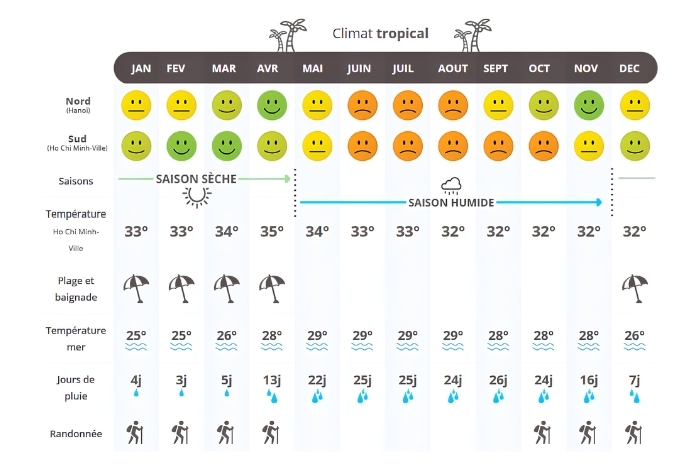
Before travelling, check local forecasts regularly and avoid planning important outdoor activities too tightly. If you are comparing different travel periods, you can also explore our guide on the best season for a 2-week trip, as well as itineraries for Vietnam in 2 weeks in October, Vietnam in 2 weeks in November, or Vietnam in 15 days in October and November.
Choosing the best places to visit in Vietnam in summer depends largely on the type of experience you are looking for and the weather conditions in each region. Since Vietnam has a long and varied geography, some destinations are particularly well suited to a summer trip, especially if you want to combine sightseeing, nature and time by the sea.
For a Vietnam summer itinerary, you do not necessarily need to visit every destination listed above. Choosing a balanced route according to your interests and the weather will make a two-week trip more comfortable and enjoyable.
A well-balanced Vietnam 2-week itinerary should combine cultural discoveries, natural landscapes and time to relax. The following route takes you from North to South, with enough time at each stop to enjoy the destination without making the trip feel rushed.
Start your Vietnam 2-week itinerary in Hanoi, where three days give you enough time to discover the capital without rushing from one attraction to another. The city is a lively mix of historic landmarks, narrow streets, local markets and an excellent food scene, making it a great introduction to Vietnam.
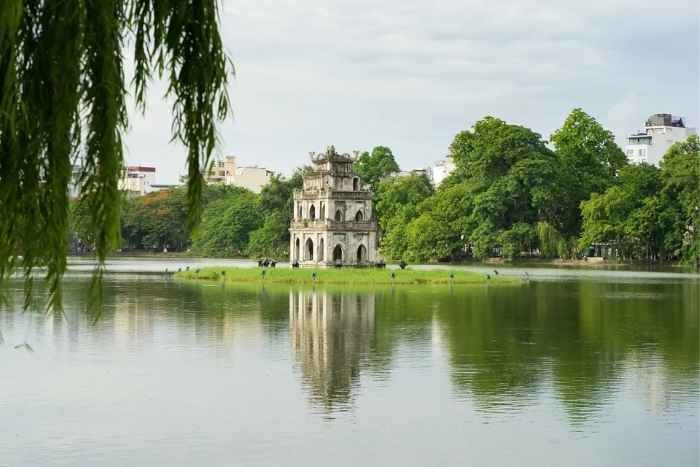
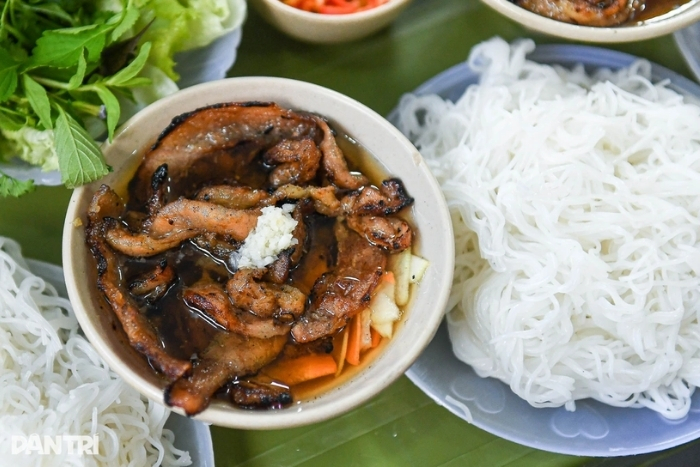
Begin your stay around Hoan Kiem Lake and the Old Quarter, the heart of central Hanoi. Walking through the old streets is a good way to get a feel for everyday life, with small shops, cafés and street food stalls around almost every corner. Make time to try some local favourites, including pho, bun cha and other traditional bun dishes served with fresh herbs. A Vietnamese coffee, or the famous egg coffee, is also worth trying during a break from sightseeing.
The city’s cultural and historical highlights can then fill the following days. Visit the Temple of Literature, the Ho Chi Minh Mausoleum and the One Pillar Pagoda to learn more about Vietnam’s history and traditions. You can also spend some time around West Lake, particularly if you prefer a quieter atmosphere away from the busiest streets. Summer in Hanoi can be hot and humid, so there is no need to pack too many activities into one day. Plan outdoor sightseeing for the early morning or late afternoon, and use the hottest part of the day for lunch, cafés or indoor visits. Three days in Hanoi offer a good balance between sightseeing, food and free time before continuing your 2 weeks in Vietnam towards Ha Long Bay.
After a few busy days in Hanoi, it is time to slow things down and head towards Ha Long Bay. Located in northeastern Vietnam, the bay is famous for its limestone islands rising from the sea and is one of the country's most recognizable landscapes. Spending one night on a cruise is a good way to experience it without adding too much travel time to your Vietnam 2-week itinerary. The journey from Hanoi usually takes several hours, depending on the transfer you choose. Once on board, there is little need to plan every minute. Most cruises include meals and a few activities, such as kayaking, visiting a cave or taking a short boat trip around the limestone formations. Simply sitting on the deck and watching the scenery change is also part of the experience. In the late afternoon, many cruises offer time to enjoy the sunset before dinner.
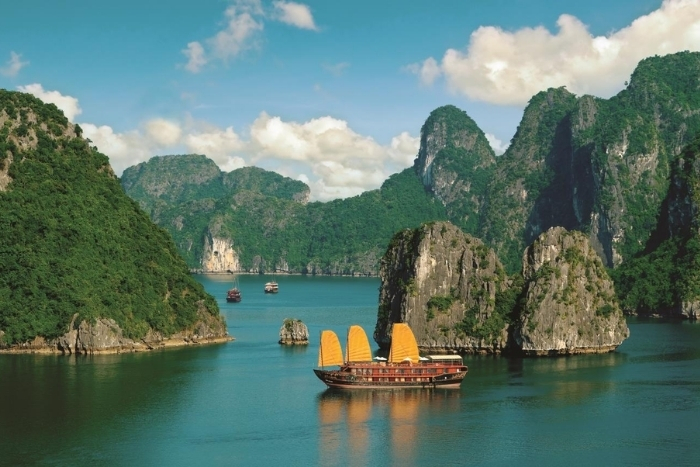
The following morning is usually quieter, with an early excursion or a final cruise through the bay before returning to the mainland. If you are travelling in summer, keep in mind that the weather can change quickly. Heavy rain or tropical storms may occasionally affect cruise schedules, so it is worth checking the forecast before leaving Hanoi and choosing a flexible booking when possible. Rather than trying to see every corner of the bay, two days are enough to enjoy the scenery at a relaxed pace. Once back on land, continue south towards Central Vietnam for the next part of your 2-week trip to Vietnam, with Hue and Hoi An offering a completely different atmosphere.
Continue your Vietnam summer itinerary towards Central Vietnam. Hue and Hoi An are quite different from Hanoi and Ha Long Bay, but that is precisely what makes them a good combination. Over three days, you can explore Vietnam’s imperial heritage, wander through an old trading town and still leave some time to slow down. Start with Hue, the former imperial capital, known for its Imperial City, royal tombs and historic pagodas. A visit to the Imperial City offers an introduction to the Nguyen dynasty, while the tombs along the Perfume River give you a chance to see a quieter side of the city. Hue is also worth exploring through its food. Local favourites such as bun bo Hue, banh beo, banh nam and banh khoai are very different from the dishes you may have tried in Hanoi.
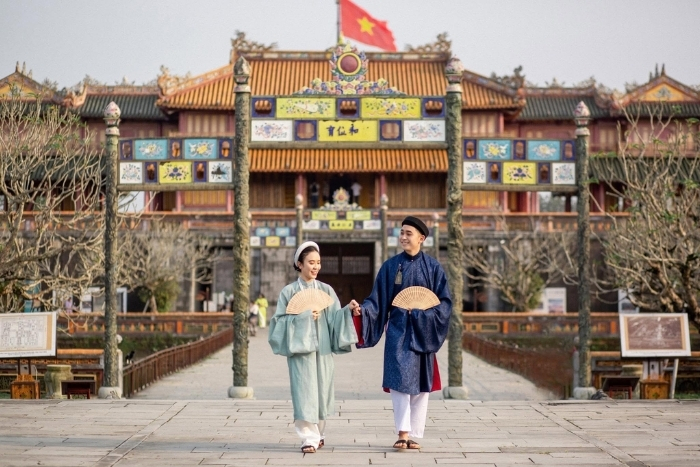
From Hue, make your way to Hoi An, a journey that takes a few hours by road. If the weather is clear, the route can be especially enjoyable, with coastal scenery and the Hai Van Pass along the way. Once in Hoi An, spend some time simply walking through the Ancient Town, where old merchant houses, small shops and colourful lanterns create a very different atmosphere from the larger Vietnamese cities.
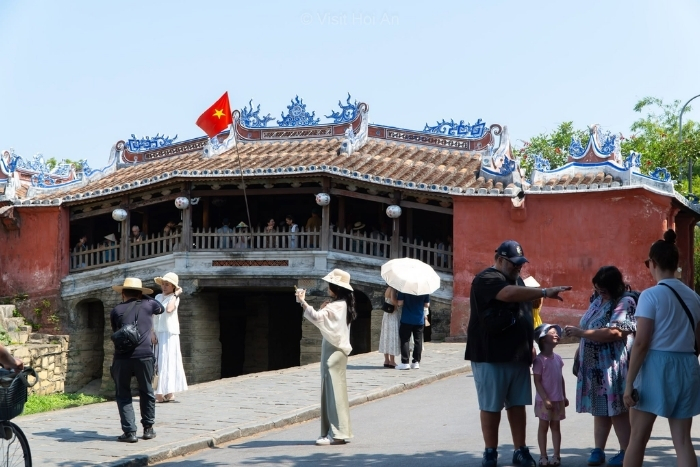
There is no need to fill your final day with sightseeing. Visit the local market, take a cycling trip through the surrounding countryside, join a Vietnamese cooking class or spend a few hours at An Bang Beach. Summer is generally a good time for outdoor activities in this part of Vietnam, although it is still better to avoid the hottest hours of the day. With Hue’s history and Hoi An’s slower pace, these three days add a more relaxed side to your 2 weeks in Vietnam before continuing to Da Nang.
From Hoi An, it is only a short journey to Da Nang, making the city an easy addition to a Vietnam summer itinerary. After several days of cultural visits, Da Nang brings a change of pace with long beaches, coastal views and a more modern city atmosphere. Two days are enough to see the main sights while still leaving time to relax. Start with My Khe Beach, one of Da Nang’s best-known stretches of sand. In summer, the warm weather makes it a natural place to swim, walk along the coast or simply take a break from sightseeing. For a change of scenery, head to the Marble Mountains, where caves, Buddhist shrines and viewpoints are spread across a group of limestone hills. The site can involve quite a few steps, so going early in the day is a good idea, especially during the hotter months.
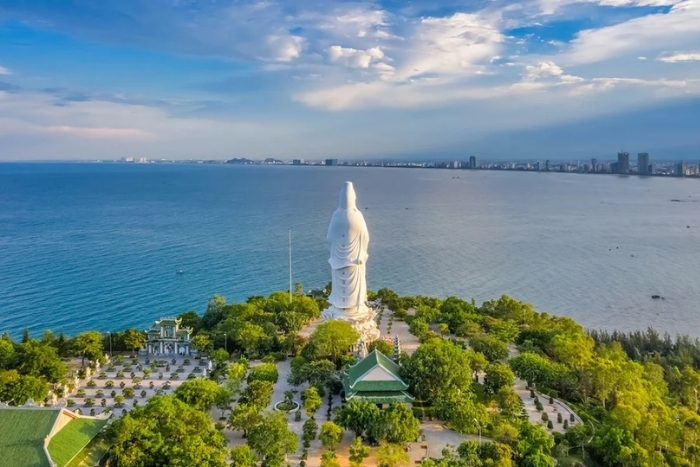
Later, take a drive along the coast towards the Son Tra Peninsula. The Linh Ung Pagoda is worth a stop for its large Lady Buddha statue and panoramic views over the sea. Back in the city, the Han River is a pleasant place for an evening walk, particularly around Dragon Bridge when it is lit up after dark. Da Nang is also a good place to try more Central Vietnamese food. Look for mi Quang, banh trang cuon thit heo and fresh seafood at local restaurants. If you have an extra day or prefer a more excursion-focused trip, the Ba Na Hills and Golden Bridge can be added, although the visit takes up most of the day.
After exploring Central Vietnam, continue south to Ho Chi Minh City, where the final four days of your Vietnam 2-week itinerary combine city life with the slower pace of the Mekong Delta. This part of the trip feels quite different from Hanoi and the coastal destinations you have visited earlier.
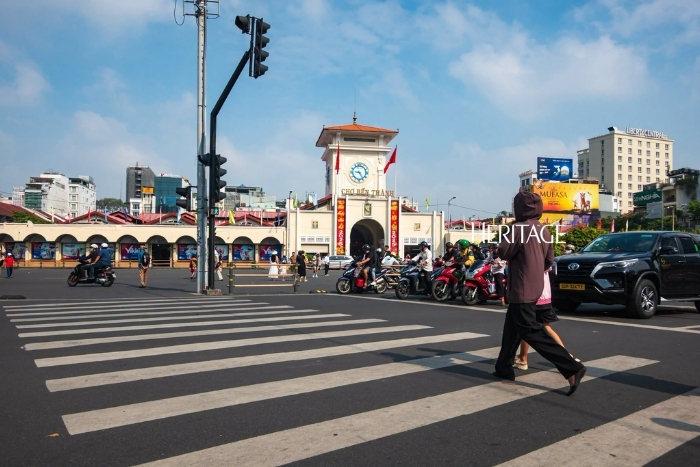
Spend the first two days getting to know the city at your own pace. The central area is easy to explore on foot, with landmarks such as the Central Post Office, Notre-Dame Cathedral, the Independence Palace and Ben Thanh Market all relatively close to one another. Beyond the main sights, it is worth leaving some time to wander through local streets, stop at a café or simply watch the city go by. Food is another highlight here, with Southern specialities such as banh mi, com tam and hu tieu offering a different taste from the dishes you tried in northern and central Vietnam.
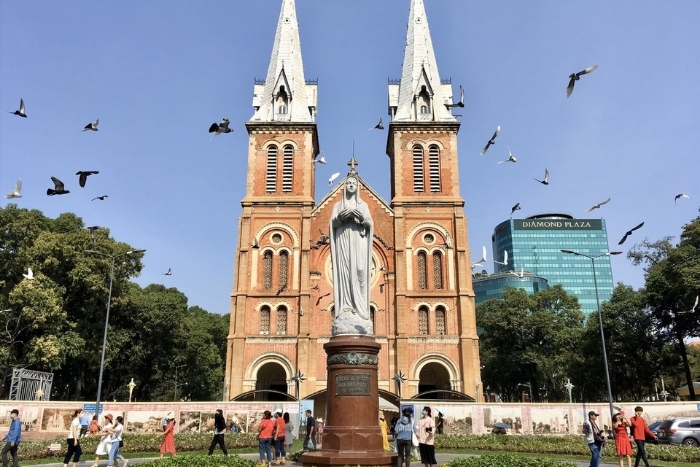
For the final part of your journey, head to the Mekong Delta. Ben Tre and Can Tho are two possible bases, depending on how much time you want to spend in the region. Boat trips through the canals offer a glimpse into everyday life along the river, while local markets, fruit orchards and small villages give the area a very different atmosphere from Vietnam’s major cities. If you stay overnight, you can experience the quieter side of the delta instead of returning to Ho Chi Minh City on the same day. Summer brings regular rain to southern Vietnam, but showers are often short. Keep your schedule flexible and check the forecast before boat excursions. Ending your 2 weeks in Vietnam in the Mekong Delta provides a more relaxed finish after a busy journey through the country.
A little preparation can make a big difference when travelling around Vietnam in summer. The country is easy to explore, but the combination of heat, humidity, rain and frequent transfers can sometimes make a 2-week trip to Vietnam more tiring than expected.
A Vietnam in 2 weeks in summer trip is a great way to discover the country’s diverse landscapes, culture and cuisine from north to south. This Vietnam 2-week itinerary allows you to experience historic cities, beautiful beaches, Ha Long Bay and the Mekong Delta while keeping a comfortable pace. Although Vietnam in summer can be hot, humid and rainy in some regions, the season also brings lush scenery and good conditions for exploring Central Vietnam. Whether you are planning your first 2-week trip to Vietnam or looking for a flexible Vietnam summer itinerary, the key is to leave enough room for weather changes and unexpected discoveries. If you would like help organizing your route, transport and activities, Autour Asia - Vietnam travel agent, can create a tailor-made Vietnam travel itinerary based on your travel dates, interests and budget.


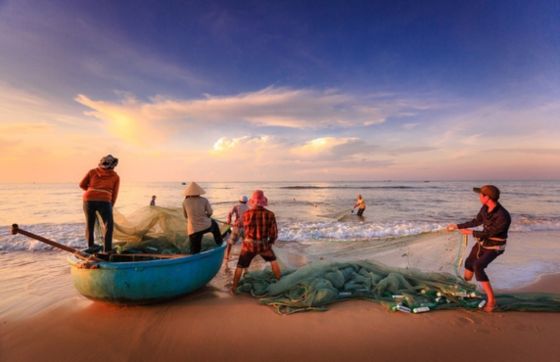

Phan Thiet, a coastal city in Binh Thuan Province, is best known for Mui Ne, an internationally renowned seaside destination. With its beaches, fishing villages, and desert-like sand dunes, the region offers a diverse range of landscapes rarely found elsewhere in Southeast Asia. In November, temperatures remain pleasant for exploring the coast, although occasional showers are still possible. Visiting Phan Thiet Mui Ne in November requires a little preparation to make the most of your stay. This complete guide covers the weather, must-see attractions, transportation options, and practical tips to help you plan your trip to Vietnam in November.
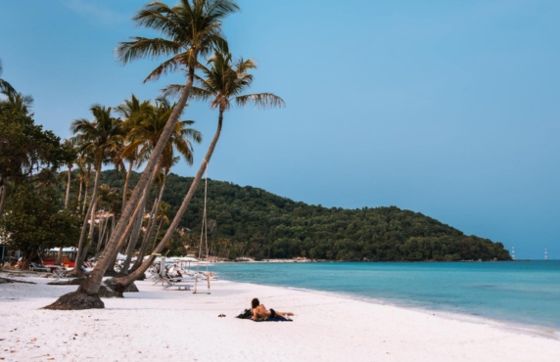
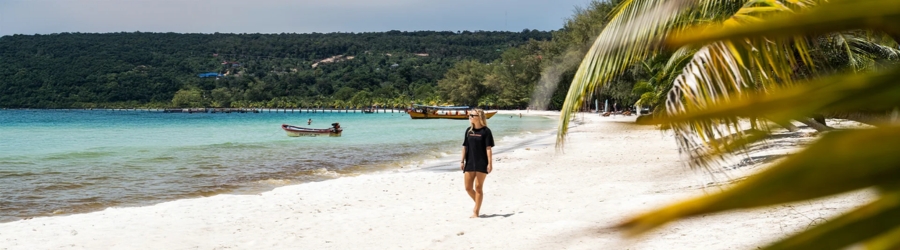
Vietnam’s beaches are best enjoyed at different times of the year, depending on the region. From the turquoise waters of the South to the long stretches of white sand in the Central region and tropical islands, each area has its own climate patterns. To better understand when to visit Vietnam, it is important to consider the weather conditions in each destination. The best time to visit beaches in Vietnam depends on region you choose as well as the activities you have planned. The best time to swim in Vietnam also varies according to rainfall, water temperature and sea conditions. Understanding the Vietnam beach season helps you choose destinations that match your travel dates and enjoy the coastline in good conditions.
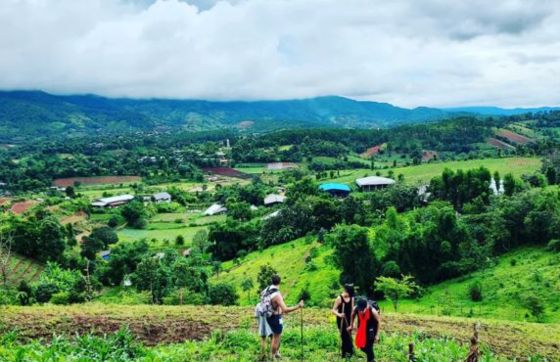
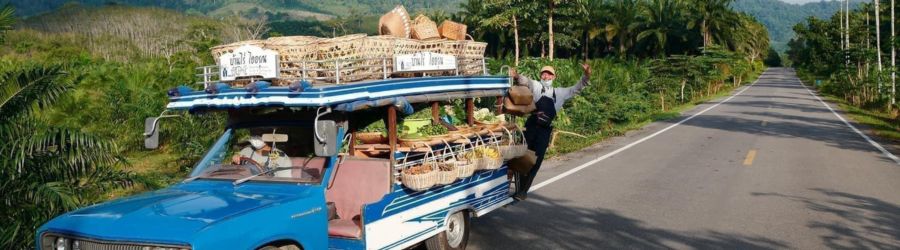
Discovering Thailand through its rice fields, plantations, and rural villages offers a different way to travel, far from traditional tourist circuits. But how can you choose the best agency for Thailand farm tours to enjoy authentic experiences with local communities? Several tour operators offer trips combining agriculture, gastronomy, and encounters with producers. Among them, Autour Asia is an option for travelers who want to personalize their itinerary. Known as Vietnam travel agency - Autour Asia, the company also offers tailor-made trips to several countries in Southeast Asia. With the local travel agency in Thailand - Autour Asia, travelers can explore a trip designed around their interests. Here are five organizations worth knowing, their distinctive features, and the essential criteria for planning a successful agricultural tour in Thailand.
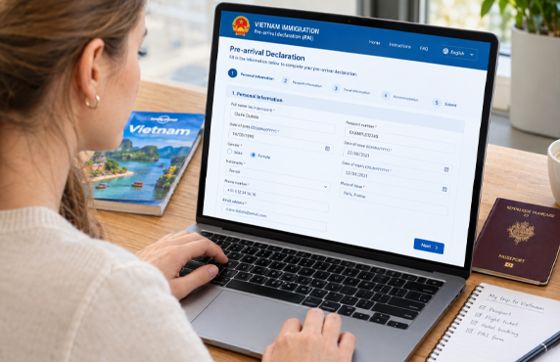

Planning a trip to Vietnam? Before packing your bags, take a few minutes to check the latest entry requirements and prepare the documents you may need at the airport.
Vietnam’s Pre-Arrival Information (PAI) system allows international travellers to submit selected personal, visa and travel details online before arriving in the country. After a successful submission, the system generates a QR code that travellers can save on their phones or print for use during immigration procedures. Although the online declaration is designed to help make arrival procedures smoother, travellers should understand when it applies, how to complete it correctly and which documents they still need to enter Vietnam.
In this practical guide, you will discover where to access the official PAI portal, what information to prepare, how to complete the declaration step by step, how to correct common mistakes and what to do when you arrive at the airport.
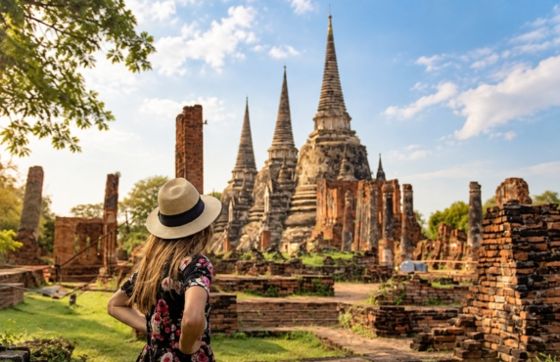
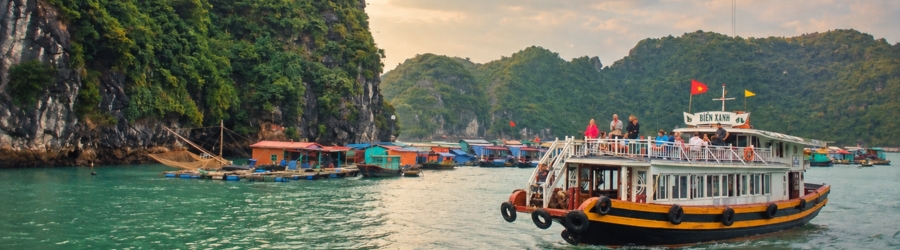
With its exotic landscapes, fascinating cultures and diverse experiences, Vietnam and Thailand are among the most popular destinations in Southeast Asia. However, safety remains an important criterion when planning your trip. So, how can you choose Vietnam or Thailand for a safe trip depending on the way you travel ? And is Vietnam safer than Thailand ? Each destination has its own characteristics and points to consider. In this article, Autour Asia helps you compare Vietnam and Thailand to better understand their differences and choose the destination that meets your expectations for your next trip to Asia.
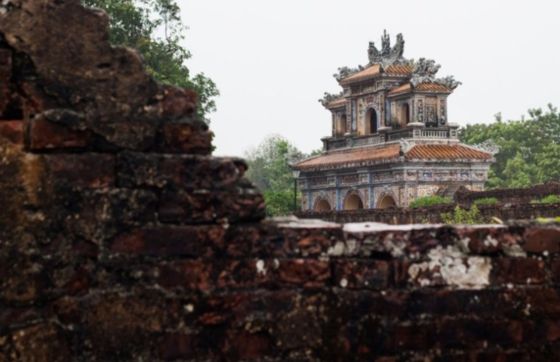
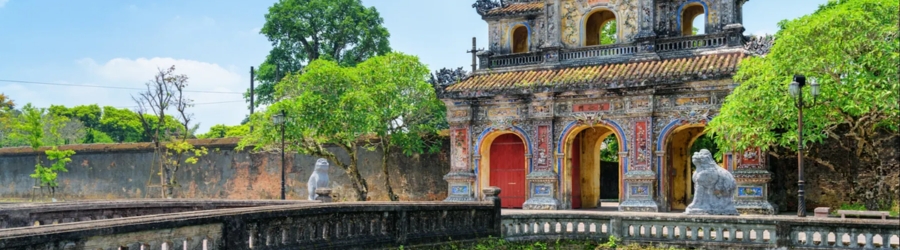
Planning a trip to Hue in November requires a little more flexibility than at other times of the year. Visiting Hue in November means experiencing the rainy season in central Vietnam, with prolonged showers and a risk of flooding. However, this period can also be an opportunity to explore the former imperial capital’s royal heritage, pagodas and renowned cuisine in a quieter atmosphere. The key is to choose your activities carefully, prepare alternative plans and check the weather conditions before setting out.
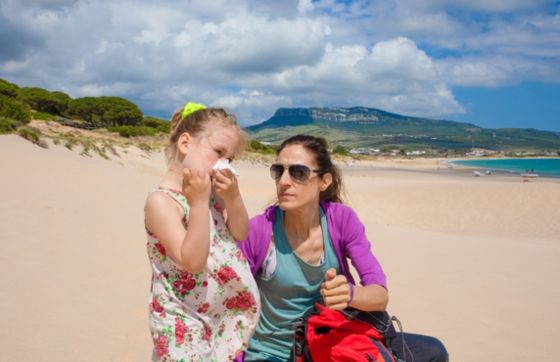

When travelling in Cambodia, some everyday habits may raise questions about local customs. Is blowing your nose in public considered polite? How should you behave in restaurants, on public transport or during a visit? These small details matter when you want to respect the local culture. Discover how to manage blowing your nose in Cambodia discreetly, along with practical tips on using tissues during your trip. Autour Asia, Cambodia travel agency, helps you discover local customs with advice tailored to travellers. From Cambodia travel etiquette to personal hygiene and everyday situations, a few simple guidelines can make your journey more comfortable. In Phnom Penh, Siem Reap or Kampot, understanding local customs helps you avoid awkward moments while making the most of your stay.
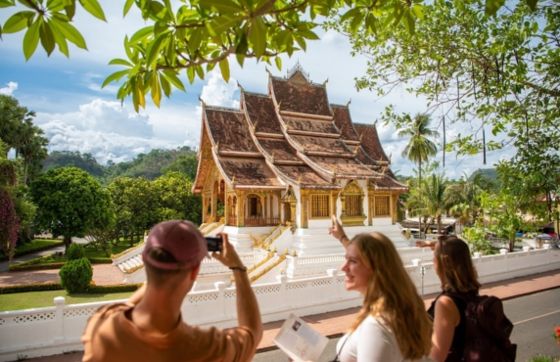
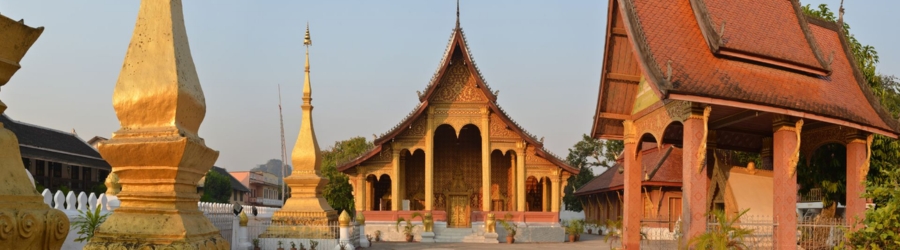
Blow your nose in Laos is not necessarily considered rude, but it is best to do so discreetly, especially in quiet places or during meals. If you have a cold, use a clean tissue and avoid blowing your nose loudly in public. In temples and other places of worship, respect the peaceful atmosphere and local customs. If you need to blow your nose frequently, step away from others for a moment whenever possible. Finally, dispose of used tissues in a rubbish bin. These simple habits will help you observe good manners during your trip to Laos.



 FR
FR EN
EN