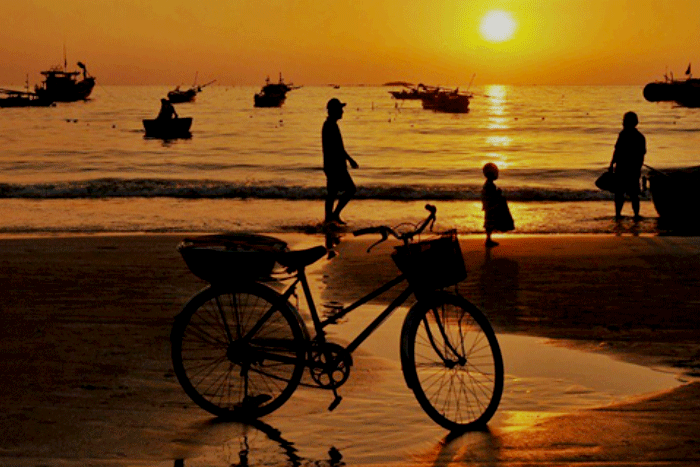
Peak Beach Season: July to September
Shoulder Season: March to June, October to November
Low Season: December to February
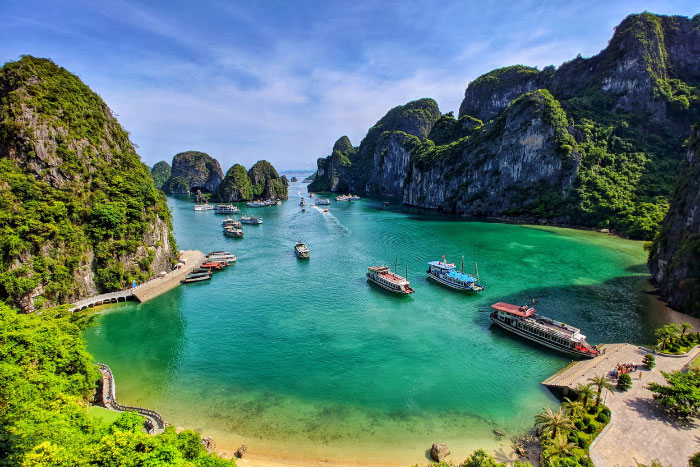
Bai Chay Beach:
Located in the town of Halong City, Bai Chay is the most popular and accessible beach in Halong Bay.
It offers a long stretch of soft, golden sand and calm, clear waters that are ideal for swimming, sunbathing, and various water sports.
The beach is well-developed with a range of hotels, resorts, restaurants, and tourist facilities catering to visitors.
Titop Island Beach:
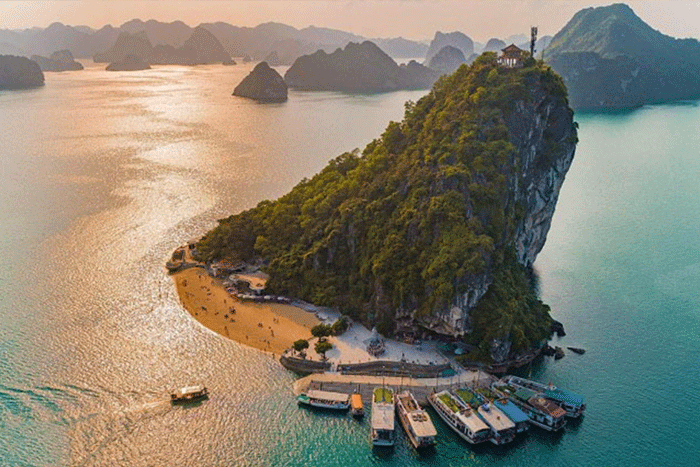
Situated on the small, picturesque Titop Island, this beach is accessible via a short boat ride from the mainland.
The beach features fine, white sand and turquoise waters, offering a serene and secluded atmosphere.
Visitors can also hike up to the island's peak for panoramic views of Halong Bay.
Quan Lan Beach:
Quan Lan is a pristine, crescent-shaped beach located on the remote Quan Lan Island.
It is known for its clean, white sand and calm, crystal-clear waters that are perfect for swimming and relaxation.
The island has a small, traditional fishing village and offers a more authentic, off-the-beaten-path experience.
Dao Yen Beach:
Dao Yen Beach is situated on the Dao Yen (Yen Island), which can be accessed by boat from the mainland.
The beach features a long stretch of fine, golden sand and is surrounded by lush, verdant hills, providing a picturesque setting.
Facilities on the island are limited, offering visitors a chance to escape the crowds and enjoy a peaceful, natural environment.
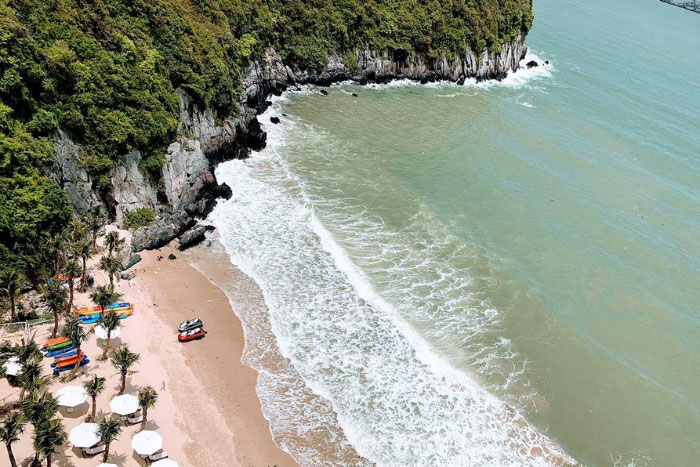
Cat Co 1 Beach:
This is the largest and most popular of the three Cat Co beaches.
It features a long, crescent-shaped stretch of soft, golden sand.
The water is generally calm and clear, making it suitable for swimming.
Cat Co 1 is lined with hotels, resorts, and beachside restaurants and cafes.
Cat Co 2 Beach:
Slightly smaller than Cat Co 1, this beach has a more secluded and tranquil atmosphere.
It is surrounded by limestone cliffs and lush greenery, creating a picturesque setting.
The sand is fine and well-maintained, and the water is calm and clear.
Facilities and amenities are more limited compared to Cat Co 1.
Cat Co 3 Beach:
This is the smallest and most remote of the three Cat Co beaches.
It is located at the northern end of the beach stretch and is less developed.
Cat Co 3 offers a more natural and secluded beach experience, with fewer crowds.
The beach is surrounded by lush vegetation and limestone formations.
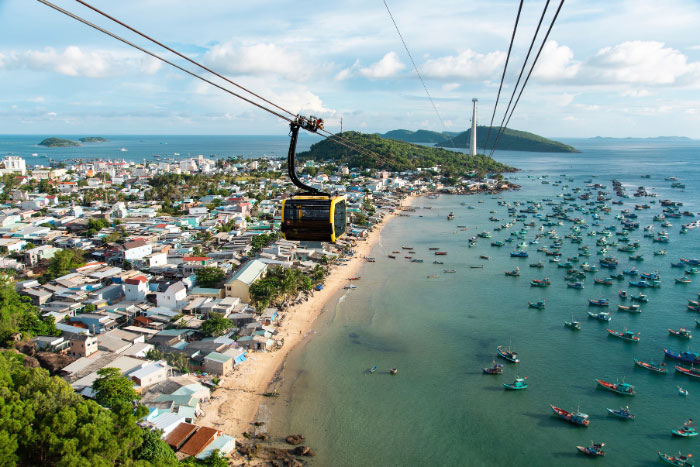
Long Beach (Bai Truong):
Long Beach is the most famous and popular beach on Phu Quoc, stretching for over 20 km along the island's west coast.
It features soft, white sand and clear, turquoise waters, making it a prime destination for swimming, sunbathing, and water sports.
The beach is lined with a range of resorts, restaurants, and beach bars, catering to both luxury and budget-conscious travelers.
Ong Lang Beach:
Located in the northern part of the island, Ong Lang Beach is known for its tranquil, laid-back atmosphere.
The beach features pristine, golden sand and calm, crystal-clear waters, offering a more serene alternative to the busier Long Beach.
Ong Lang is popular with families and those seeking a quieter, more peaceful beach experience.
Sao Beach:
Sao Beach, situated on the southeastern coast of Phu Quoc, is often considered one of the most beautiful beaches on the island.
It boasts fine, white sand and turquoise waters, with a gentle slope that makes it ideal for swimming and sunbathing.
The beach is relatively less developed than some of the other major beaches, retaining a more natural and secluded ambiance.
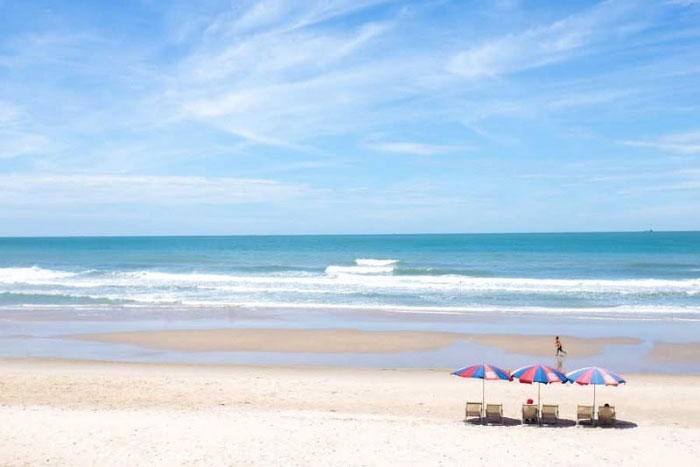
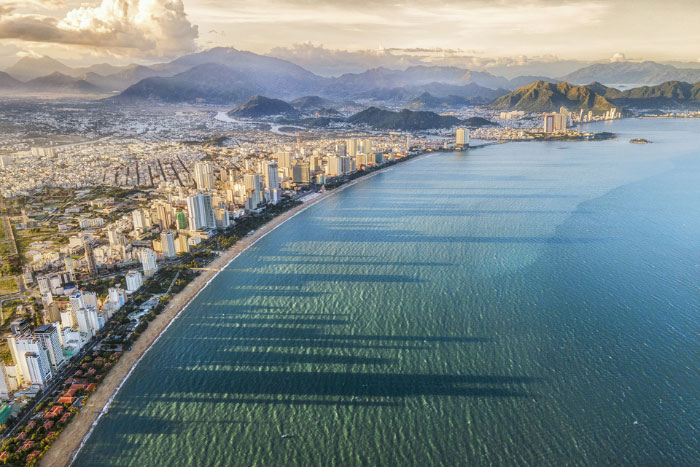
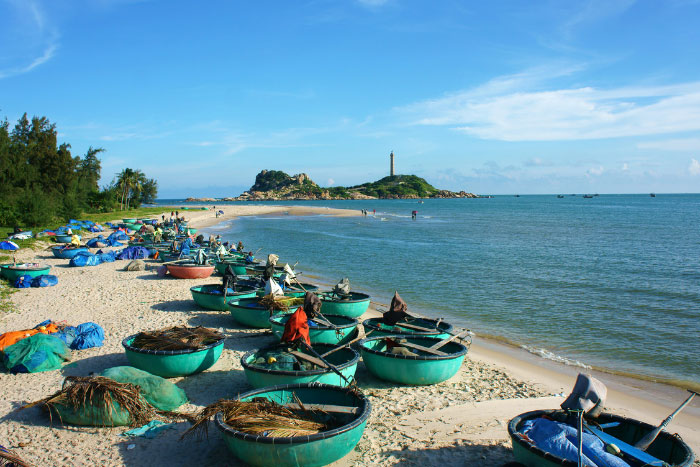
Phan Thiet is a fascinating destination that does a great job in maintaining the harmony between the natural masterpieces and interesting cultural traditions. One of it remarkable attractions is the noted sand tracts like the White Sand Dunes and the Red Sand Dunes. Sandboarding, quad biking, and various other fun activities are possible here with these unique geographical structures accompanied by breathtaking shots for tourists. It is one of the best and suggested places for the adventurers and nature lovers as well. The vibrancy of colors and forms of the dunes amazes and enchants one, which is why the focus is on the naturalness of the site.
Not only for natural site seeing, but the city also has the opportunity to visit the fisheries market which gives a closer look at the fishing industry of the region. As for the official sights of gastronomical interest, here the tourists are allowed to see the daily fishers haul and taste the freshest seafood thus getting the true experience of what it is like to live by the sea. The market region is very lively and this is a perfect place where you can observe the native culture and customs.
The city of Phan Thiet is also rich in histories and culture with such landmark as the Po Shanu Cham Tower and the Van Thuy Tu Temple. The Po Shanu Cham Towers are some of the magnificent towers that belong to the old Cham civilization which gives a good account of the historical background of the area. The Van Thuy Tu Temple that is established to worship whales explains the different religious systems and culture of the residents.
Timing is key: The weather and beach conditions in Vietnam can vary significantly depending on the region and time of year. Plan your trip during the dry season (November to May) for the best beach weather, especially in central and southern Vietnam.
Research local customs and etiquette: Vietnam has a rich cultural heritage, and it's important to be mindful of local customs and etiquette, especially when visiting beaches and coastal areas. Dress conservatively, avoid public displays of affection, and be respectful of the local community.
Pack smart and light: When packing for your beach vacation, focus on lightweight, breathable clothing, swimwear, and beach accessories. Don't forget essential items like sunscreen, a hat, and water shoes to protect your feet on hot sand.
Explore beyond the main beaches: While the famous beaches like Nha Trang and Mui Ne are certainly worth a visit, don't forget to explore some of the lesser-known, more secluded beaches. Places like Lang Co, Ong Lang, and Bai Xep can offer a more authentic and less crowded beach experience.
Embrace local cuisine and activities: Vietnamese coastal cities and towns offer a wealth of local culinary delights, from fresh seafood to delicious street food. Take the time to immerse yourself in the local culture by trying the local cuisine, participating in water sports, or even exploring nearby historical sites or natural landscapes.


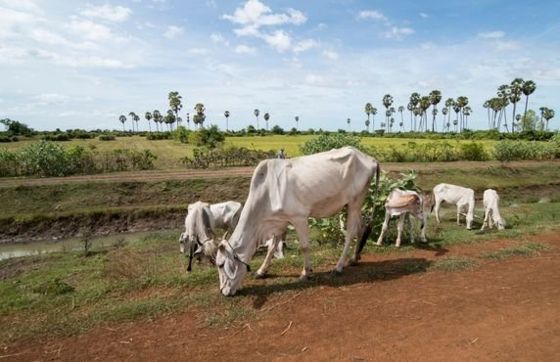
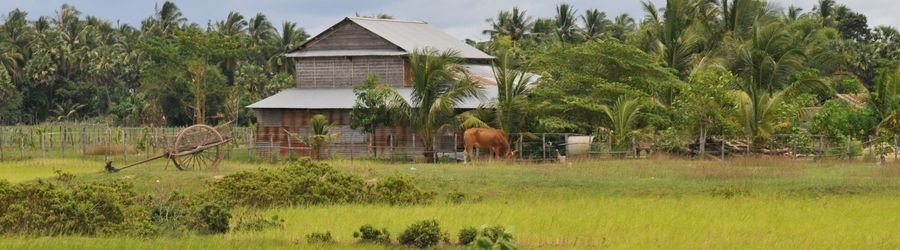
After exploring Angkor’s temples, bustling markets and the streets of Phnom Penh, Cambodia can also be discovered through its countryside. A weekend farm tour in Cambodia offers a chance to slow down and experience a rural way of life that remains closely connected to the land, the seasons and the harvest. Depending on the region, you may take part in farm activities, cook with a local family or follow rural paths between rice fields and orchards. This countryside escape is ideal for couples and families looking to experience Cambodia beyond the usual tourist routes. To make travel easier and choose an experience suited to your needs, a Cambodia travel company can also incorporate this rural immersion into a more comprehensive itinerary.
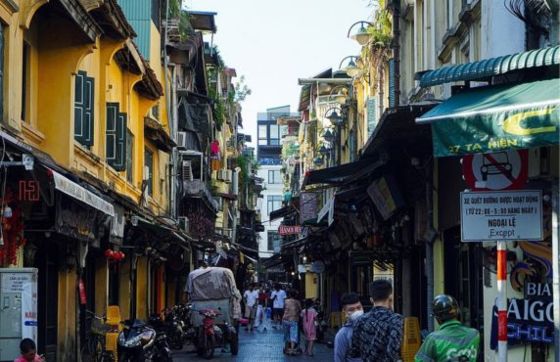
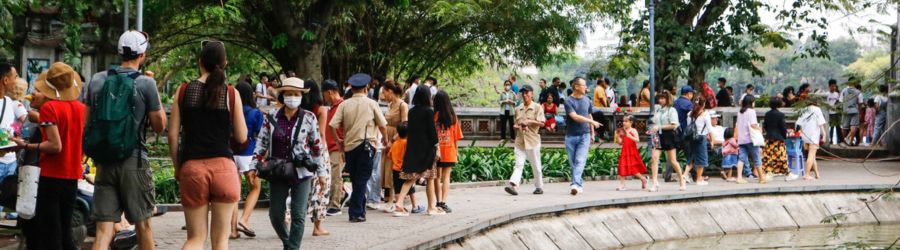
In Hanoi, walking is not just a way of getting around: it is one of the best ways to experience the rhythm of the capital. Between the bustling shopping streets of the Old Quarter, colonial-era façades, shady lakes and street food stalls, each area has its own atmosphere. But which Hanoi walking tour should you choose if you have half a day, a full day or just a few hours? This guide presents five ways to explore the city, from Hoan Kiem Lake to Long Bien Bridge, via Truc Bach and Hanoi’s food districts. Heritage, photography, gastronomy or local life: everyone can find a route that suits them. To plan a more comprehensive trip, the Local travel agency in Hanoi - Autour Asia can also help you incorporate Hanoi into the other stages of your itinerary.
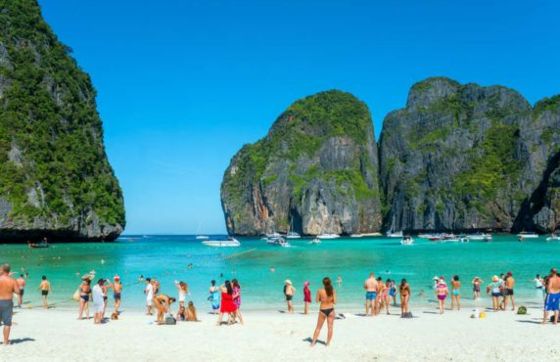
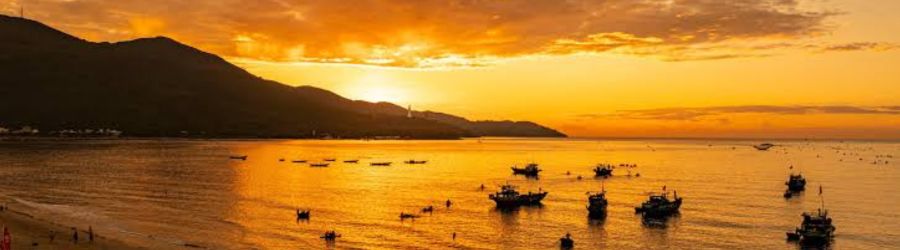
A 3 weeks in Vietnam with beach itinerary allows you to combine cultural discoveries, natural landscapes, and a few days of seaside relaxation, without turning the trip into a succession of transfers. In 21 days, it is possible to start in Hanoi, discover Ha Long Bay or Lan Ha Bay, continue to Hue and Hoi An, then head south before ending with a beach destination suited to the season. But where should you go to the beach in Vietnam? The answer depends mainly on the time of year: Phu Quoc is particularly suitable during the dry months in the South, while Da Nang, Hoi An, or Quy Nhon are good options during part of the year. To build a coherent itinerary, the Vietnam travel agency - Autour Asia can also adapt the stops to each traveler's pace and preferences.
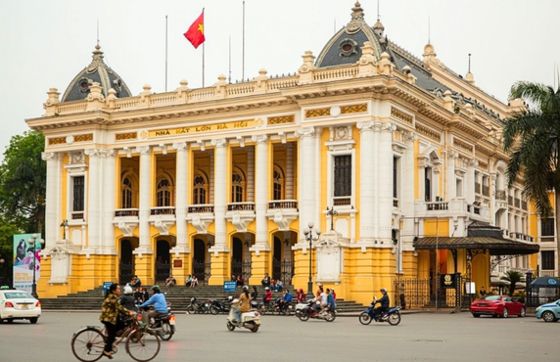
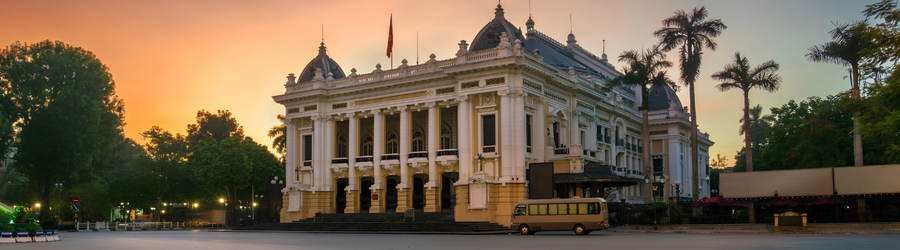
Located in the heart of Vietnam’s capital, the Hanoi Opera House is one of the city’s most iconic cultural and architectural landmarks. Built during the French colonial period, this elegant building has become an essential stop for travelers interested in Hanoi’s history and performing arts. But what can you actually see during a visit? Is visiting Hanoi Opera House possible without attending a show, and is a Hanoi Opera House tour worth adding to your itinerary? In this guide, discover the history, architecture, cultural significance and practical information you need to make the most of your visit to the Hanoi Opera House Vietnam.
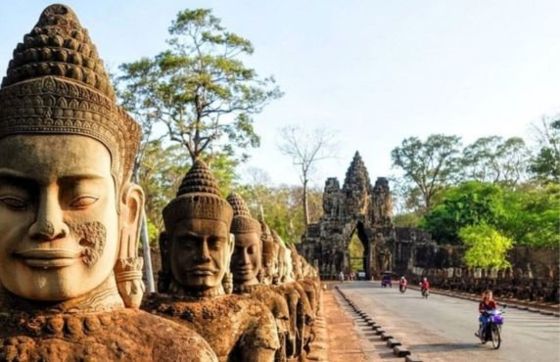

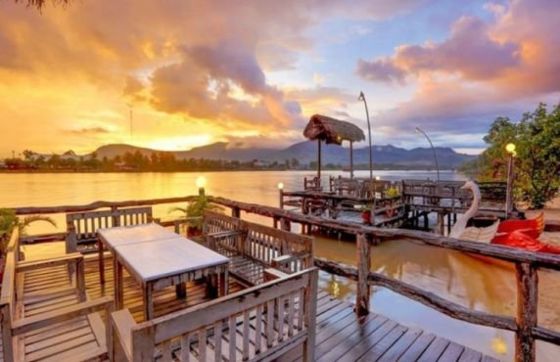

Traveling with children in southern Cambodia makes it easy to enjoy a variety of experiences: peaceful small towns, tropical landscapes, beaches, islands, local markets, and nature discoveries. To know where to visit Southern Cambodia with family, however, it is better not to include too many stops. Kampot, Kep, and the islands of Preah Sihanouk Province offer complementary atmospheres, with family-friendly activities and plenty of opportunities to relax. The choice mainly depends on the children’s age, your preferred pace, and the season. In this guide, we offer a balanced itinerary and practical ideas for organizing your stay, with advice from Cambodia travel company - Autour Asia to help you enjoy southern Cambodia without turning your holiday into a race against the clock.
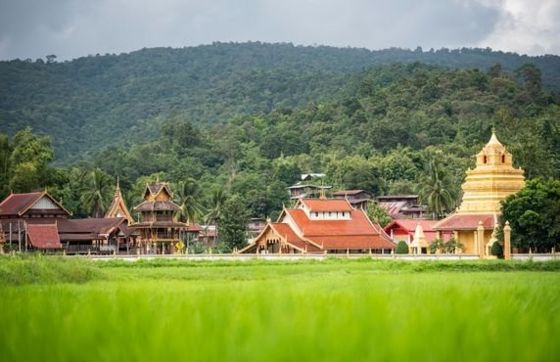
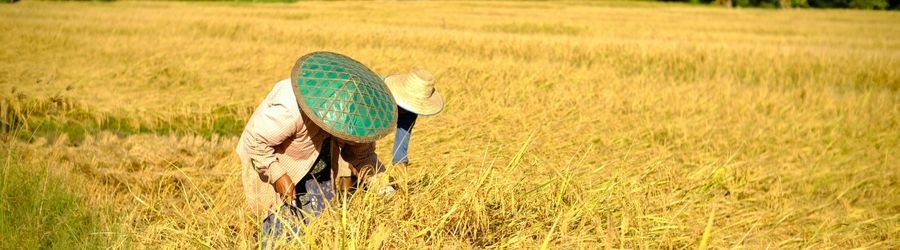
When we think of Thailand, the first images that often come to mind are temples, lively markets, tropical islands, or the beaches of the south. Yet, the country has another, more discreet side that is deeply connected to its identity: its countryside and agricultural heritage. Today, agritourism trends are attracting travelers looking for authentic experiences, closer to nature and local communities. To discover this different side of Thailand, a Thailand travel company can include rural stops in a classic itinerary. It is a great way to slow down, taste local products, and understand the daily life of local communities.

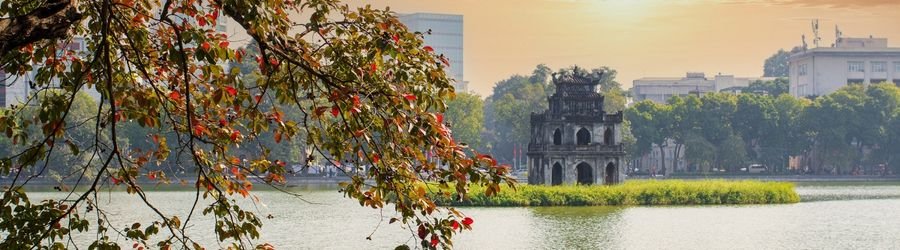
In the heart of Hanoi, some places tell the story and spirit of the Vietnamese capital better than others. Hoan Kiem lake is certainly one of them. Surrounded by trees, historic monuments and lively streets, it is a meeting point between heritage, traditions and daily life. A walk around the lake also allows visitors to experience the unique rhythm of Hanoi, from early-morning tai chi sessions to family walks and the lively atmosphere of the weekend. For travelers who want to discover the capital in a different way, this iconic site deserves a place in any itinerary planned by a Vietnam travel agency. But what is really hidden behind this famous lake?



 FR
FR EN
EN