Customize this tour
FRFR ENEN
2 weeks in Vietnam 3 weeks in Vietnam 15 days in Vietnam
• 7,845 views Nguyen Phuong

Wat Huay Pla Kung ( Big Buddha) Chiang Rai: All Travel Guide For Your Visit

I. Overview of Wat Huay Pla Kung Chiang Rai

Wat Huay Pla Kung Chiang Rai
Unlike many ancient temples in Thailand, Wat Huay Pla Kung is relatively new. Despite its modern origins, it has quickly gained recognition as a spiritual hub and architectural marvel. The temple is dedicated to Guan Yin, the Goddess of Mercy in Chinese Buddhism, symbolizing compassion and kindness. Its design and details reflect the blending of Thai and Chinese influences, making it a representation of cross-cultural reverence.
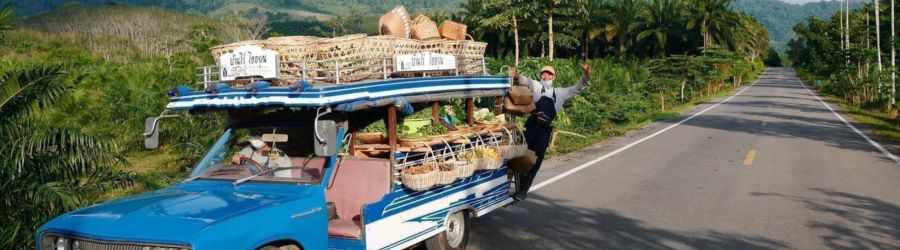
Situated about 6 kilometers north of Chiang Rai’s city center, Wat Huay Pla Kung is easily accessible. Visitors can reach the temple by hiring a taxi, renting a scooter, or joining a guided tour. For those who prefer a local experience, songthaews (shared taxis) are an affordable option. The short drive through lush greenery and local villages is part of the charm of the journey.
Wat Huay Pla Kung: a must-see temple in Chiang Rai
 
The temple complex is set on a hill, offering sweeping views of the surrounding countryside. The highlight is undoubtedly the massive Guan Yin statue, often mistaken for a Buddha due to its scale and presence. The pagoda, adorned with intricate carvings, and the serene temple grounds provide a peaceful escape from the bustling city.
 

II. What to do and what to see in  Wat Huay Pla Kung Chiang Rai

1. Explore the Giant Guan Yin Statue

Explore the Giant Guan Yin Statue
What to see in Wat Huay Pla Kung Chiang Rai? The Guan Yin statue at Wat Huay Pla Kung is a masterpiece of modern art and devotion. At 25 stories tall, it is one of the tallest statues in Thailand. Visitors can take an elevator inside the statue to reach the top floor, where large windows provide panoramic views of Chiang Rai’s landscape. Inside, the floors are adorned with delicate carvings and serene depictions of Buddhist teachings.
 

2. Visit the pagoda

Visit the pagoda
The 9-story pagoda is another standout feature of the temple complex. With its intricate architecture and symbolic design, the pagoda invites visitors to climb its spiral staircase. Along the way, you’ll encounter shrines, statues, and beautiful craftsmanship, each level representing a step closer to spiritual enlightenment.
 

3. Admire the White Temple structures

Admire the White Temple structures
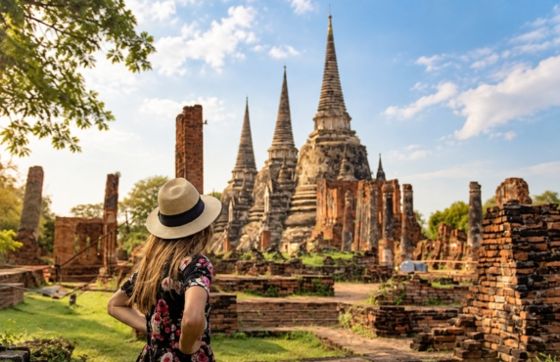
The temple grounds feature dazzling white buildings that exude purity and elegance. Though less ornate than the famous Wat Rong Khun (The White Temple), Wat Huay Pla Kung’s structures have a charm of their own. The simplicity and serenity of the design make it an ideal place for quiet reflection and meditation.
 

4. Interact with Buddhist culture

What to do in  Wat Huay Pla Kung Chiang Rai? Wat Huay Pla Kung isn’t just a tourist site; it’s a functioning temple where you can observe and, in some cases, participate in Buddhist rituals. Light incense, offer flowers, or simply sit and meditate to connect with the spiritual atmosphere. Engaging respectfully with monks and locals can also provide deeper insights into the Buddhist way of life.
 

5. Enjoy the surrounding views

Enjoy the surrounding views - Wat Huay Pla Kung Chiang Rai
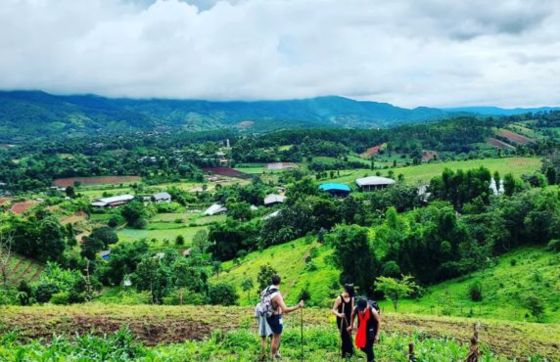
The temple’s hilltop location offers breathtaking vistas of the surrounding mountains, valleys, and farmland. Whether you visit in the early morning, when the mist rolls over the hills, or during sunset, when the golden light bathes the landscape, the views are unforgettable.
 

III. Practical tips for your visit 

1. Best time to visit

Practical tips for your visit in Wat Huay Pla Kung Chiang Rai
The best time to visit Wat Huay Pla Kung is early in the morning or late in the afternoon. These times not only offer cooler temperatures but also better lighting for photography. While the temple is open year-round, the dry season (November to February) provides the most comfortable weather and clear skies.
 

2. Entrance fees and hours

Wat Huay Pla Kung is open daily from 7:00 AM to 9:00 PM. Entry to the temple grounds is free, but there is a small fee for taking the elevator inside the Guan Yin statue, typically around 40-50 THB per person.
 

3. Dress code and etiquette

As with any religious site in Thailand, modest attire is required. Visitors should cover their shoulders and knees to show respect. Shoes must be removed before entering temple buildings, so it’s a good idea to wear easy-to-remove footwear. Speaking quietly and refraining from disruptive behavior are essential to maintain the sacred atmosphere.
 

4. Getting around the complex

The temple complex is spread out, but it’s easy to navigate on foot. For elderly visitors or those with mobility challenges, some areas might be more difficult to access. However, the main attractions, including the Guan Yin statue and the pagoda, are equipped with facilities like elevators and paved pathways.
 

5. Facilities and amenities

Wat Huay Pla Kung offers ample parking space and clean restrooms. Small stalls and shops around the temple sell drinks, snacks, and souvenirs. However, it’s wise to bring water and sunscreen, especially if visiting during the hotter months.
 

6. Photography tips

What to do in  Wat Huay Pla Kung Chiang Rai? Photography enthusiasts will find plenty of opportunities at Wat Huay Pla Kung Chiang Rai. The best spots include the base of the Guan Yin statue, the temple grounds with the pagoda in the background, and the hilltop views. Sunrise and sunset are particularly magical times for capturing the beauty of the complex.

Wat Huay Pla Kung Chiang Rai
is more than just a temple; it’s a destination that offers a blend of spirituality, culture, and natural beauty. Whether you’re seeking a peaceful retreat, an architectural wonder, or an insight into local traditions, this temple has it all. Don’t miss the chance to experience its serene charm and awe-inspiring vistas on your next visit to Chiang Rai.
If you're ready to explore more and discover even more authentic places, feel free to CONTACT ATOUR ASIA, Thailand Travel Agency now. Our team is here to guide you to the best routes and tailor your trekking experience to your preferences. Discover Chiang Rai from a new perspective!
5.0
2 reviews
Share this article
Author:Nguyen Phuong
English travel marketing expert at Autour Asia. ✅ Content verified by: Tran Ba Duy Founder of Autour Asia, with over 20 years of experience in inbound tourism for English-speaking, European, and North American travelers. 🌏 Why trust this travel guide? ✔️ Based on real tours organized by our local team across Vietnam, Cambodia, Thailand, Laos, Bali, and Myanmar. ✔️ Regularly updated to reflect the latest travel conditions, seasonal changes, prices, and local regulations. ✔️ More than 25,000 travelers served, 8,000 tailor-made tours successfully organized, and 1,500 five-star reviews from international travelers. ✔️ Written by a team of travel experts based in Vietnam, with in-depth local knowledge and first-hand expertise across Indochina's top destinations.

Leave a comment

Your email address will not be published.

Related articles

Visiting Phan Thiet Mui Ne In November - Everything You Need To Know
14 October 2026 134 views

Visiting Phan Thiet Mui Ne In November - Everything You Need To Know

Nhi Nguyen Useful infos

What to do in Mui Ne and Phan Thiet in november?

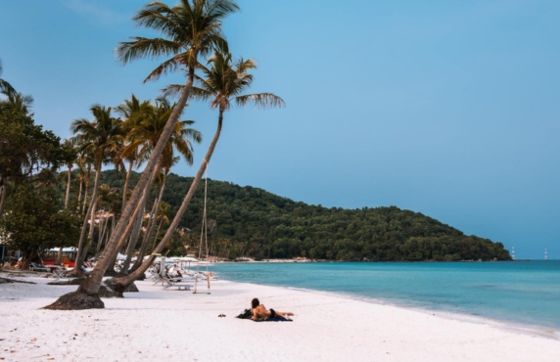
Phan Thiet, a coastal city in Binh Thuan Province, is best known for Mui Ne, an internationally renowned seaside destination. With its beaches, fishing villages, and desert-like sand dunes, the region offers a diverse range of landscapes rarely found elsewhere in Southeast Asia. In November, temperatures remain pleasant for exploring the coast, although occasional showers are still possible. Visiting Phan Thiet Mui Ne in November requires a little preparation to make the most of your stay. This complete guide covers the weather, must-see attractions, transportation options, and practical tips to help you plan your trip to Vietnam in November.
When Is The Best Time To Visit Beaches In Vietnam?
14 October 2026 341 views

When Is The Best Time To Visit Beaches In Vietnam?

Ngan Ha Useful infos

Best time to visit beaches in Vietnam

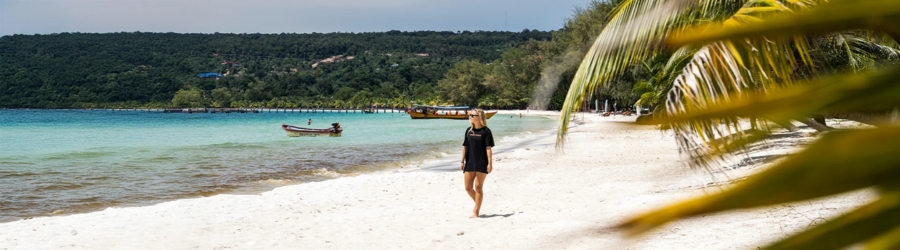
Vie​tnam’s​​​​​ ​be​aches are best enjoye​d at different time​s of the year, dependi​n​g on the region. From the turquoise ​waters of the Sout​h to the long stretches​ of white sand in th​e Central region and tropical islands,​ ​each area has its own climate patterns. To better understand when to visit Vietnam, it is ​im​​​​​​​​​porta​nt to con​sider the weather​ conditions in eac​h destination. T​he best time to visit beaches ​in Vietn​​​​​​am de​pends on ​​re​gion you​ choo​se as well as the acti​vities you have planned. The ​bes​t time to s​wi​m in Vie​tnam also ​varies accor​ding to​ rainfall, water temperature and sea conditions. U​nderstanding the Vie​tnam beach season helps​ you choose desti​nations that match ​your t​ravel dates and enjoy th​e coastline in good ​conditions.

Where To Find The Best Agency For Thailand Farm Tours?
14 October 2026 418 views

Where To Find The Best Agency For Thailand Farm Tours?

Noah Useful infos

Discover how to find the best agency for agricultural tours in Thailand

Discovering Thailand through its rice fields, plantations, and rural villages offers a different way to travel, far from traditional tourist circuits. But how can you choose the best agency for Thailand farm tours to enjoy authentic experiences with local communities? Several tour operators offer trips combining agriculture, gastronomy, and encounters with producers. Among them, Autour Asia is an option for travelers who want to personalize their itinerary. Known as Vietnam travel agency - Autour Asia, the company also offers tailor-made trips to several countries in Southeast Asia. With the local travel agency in Thailand - Autour Asia, travelers can explore a trip designed around their interests. Here are five organizations worth knowing, their distinctive features, and the essential criteria for planning a successful agricultural tour in Thailand.
Guide To Vietnam’s Pre-Arrival Form 2026 (72 Hours Before Arrival)
14 October 2026 188 views

Guide To Vietnam’s Pre-Arrival Form 2026 (72 Hours Before Arrival)

Nguyen Phuong Useful infos

Guide To Vietnam’s Pre-Arrival Form 2026 (72 Hours Before Arrival)

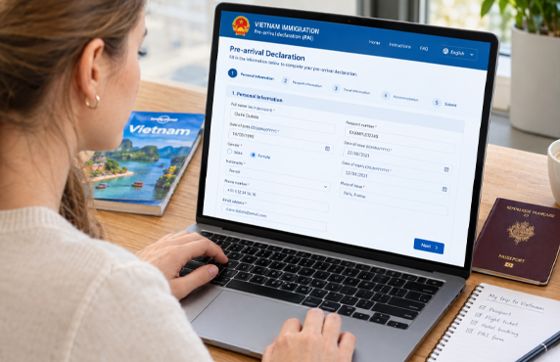
Planning a trip to Vietnam? Before packing your bags, take a few minutes to check the latest entry requirements and prepare the documents you may need at the airport.

Vietnam’s Pre-Arrival Information (PAI) system allows international travellers to submit selected personal, visa and travel details online before arriving in the country. After a successful submission, the system generates a QR code that travellers can save on their phones or print for use during immigration procedures. Although the online declaration is designed to help make arrival procedures smoother, travellers should understand when it applies, how to complete it correctly and which documents they still need to enter Vietnam.

In this practical guide, you will discover where to access the official PAI portal, what information to prepare, how to complete the declaration step by step, how to correct common mistakes and what to do when you arrive at the airport.
Important: Vietnam’s PAI arrangements may change as the system is implemented. Check the latest official guidance before departure. The PAI declaration is not a visa application and does not replace any visa or entry permission you may need.
Vietnam Or Thailand - Which Destination To Choose For A Safe Trip ?
14 October 2026 432 views

Vietnam Or Thailand - Which Destination To Choose For A Safe Trip ?

Phuong Thao Useful infos

Is Vietnam safer than Thailand ?

With its exotic landscapes, fascinating cultures and diverse experiences,‎‎ Vietnam and Thailand are among the most popular destinations in Southeast Asia.‎‎ However,‎‎ safety remains an important criterion when planning your trip. So, how can you choose Vietnam or Thailand for a safe trip depending on the way you travel‎‎ ? And is Vietnam safer than Thailand‎‎ ? Each destination has its own characteristics and points to consider. In this article,‎‎ Autour Asia helps you compare Vietnam and Thailand to better understand their differences and choose the destination that meets your expectations for your next trip to Asia.
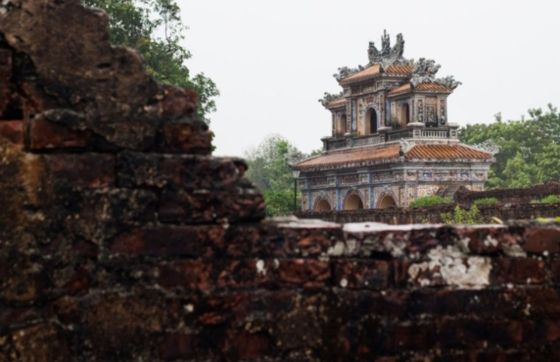
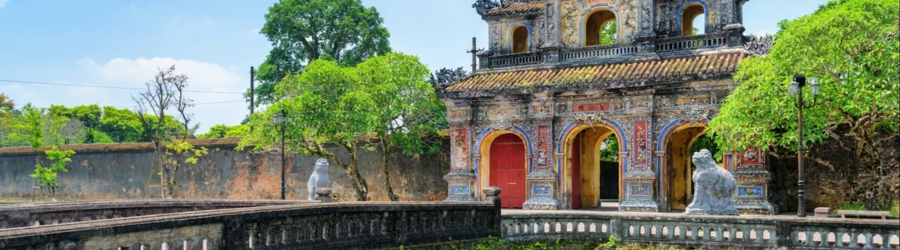
Visiting Hue In November - Everything You Need To Know
13 October 2026 89 views

Visiting Hue In November - Everything You Need To Know

Nhi Nguyen Useful infos

November in Hue

Planning a trip to Hue in November requires a little more flexibility than at other times of the year. Visiting Hue in November means experiencing the rainy season in central Vietnam, with prolonged showers and a risk of flooding. However, this period can also be an opportunity to explore the former imperial capital’s royal heritage, pagodas and renowned cuisine in a quieter atmosphere. The key is to choose your activities carefully, prepare alternative plans and check the weather conditions before setting out.
What To Know About Blowing Your Nose In Cambodia?
13 October 2026 395 views

What To Know About Blowing Your Nose In Cambodia?

Ngan Ha Useful infos

What to know about blowing your nose in Cambodia?

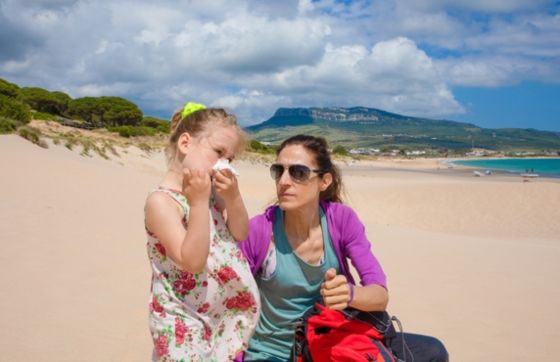
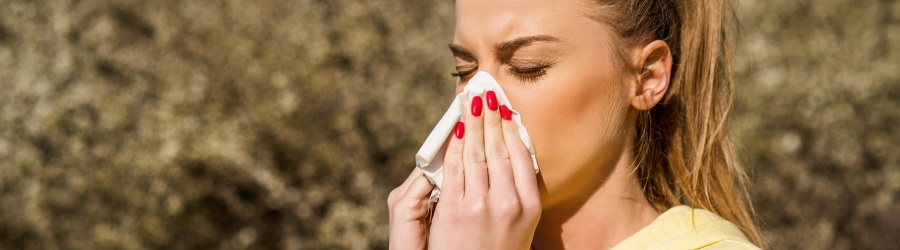
When‎ travelling‎ in Cambodia, some everyday‎ habits may raise‎ questions about local‎ customs. Is blowing‎ your‎ nose in public considered polite?‎ How should you‎ behave in restaurants,‎ on public transport‎ or‎ during a visit? These small details‎ matter when you‎ want to respect the local‎ culture. Discover‎‎ how to manage blowing your nose‎ in Cambodia discreetly, along with practical‎ tips on using‎ tissues during your trip. Autour Asia, Cambodia travel agency, helps you‎ discover local‎ customs with advice tailored to‎ travellers. From Cambodia travel etiquette to‎ personal hygiene‎‎ and everyday situations, a‎ few simple guidelines‎ can make your journey‎ more comfortable.‎‎ In Phnom Penh, Siem Reap‎ or Kampot, understanding‎ local customs helps you‎ avoid awkward‎‎ moments while making the most‎ of your stay.

Is It Rude To Blow Your Nose In Laos?
10 October 2026 433 views

Is It Rude To Blow Your Nose In Laos?

Nhi Nguyen Useful infos

Blow your nose in Laos: etiquette tips to know

Blow your nose in Laos is not necessarily considered rude, but it is best to do so discreetly, especially in quiet places or during meals. If you have a cold, use a clean tissue and avoid blowing your nose loudly in public. In temples and other places of worship, respect the peaceful atmosphere and local customs. If you need to blow your nose frequently, step away from others for a moment whenever possible. Finally, dispose of used tissues in a rubbish bin. These simple habits will help you observe good manners during your trip to Laos.


Hanoi, Vietnam
Satisfied more than expected
Phone & WhatsApp+84 971 33 77 08
Hanoi, Vietnam
Hanoi, Vietnam
MAY Place, 38/11 Hoang Cau, O Cho Dua Ward, Hanoi
Ho Chi Minh City, Vietnam
103/2 Tran Thai Tong, Tan Son Ward, Ho Chi Minh City
Siem Reap, Cambodia
007 Merry, Svay Dangkhum
Contact us WhatsApp Customize this tour