In Vietnam, summer generally begins in May and lasts until around September, particularly in the northern part of the country. This period is typically hot and humid, with frequent showers and thunderstorms as the rainy season sets in.
Thailand experiences its summer from mid-February to mid-May. This is the hottest period of the year, with April usually being the hottest month. From around mid-May, the southwest monsoon brings the rainy season to much of the country.
For travelers from across the ocean, the summer holiday period usually falls between June and August. If you plan to visit Thailand or Vietnam in summer, expect hot and humid weather with varying levels of rainfall. However, conditions can differ considerably depending on the region and destination you choose.
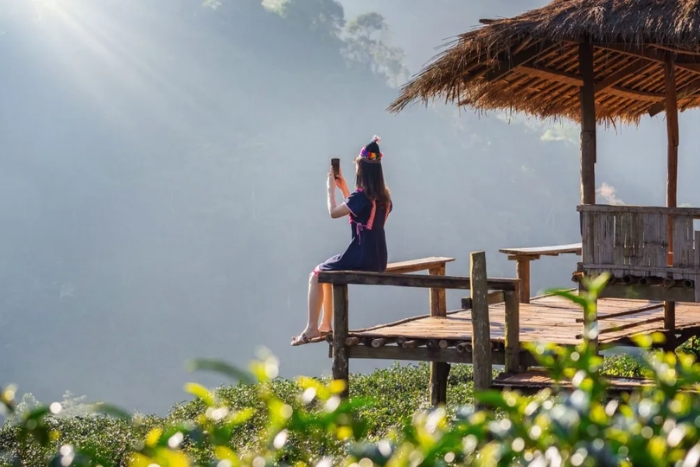
Vietnam can still be an appealing summer destination from June to August, despite the hot and humid weather. The main advantage is that the climate varies considerably from one region to another, giving you plenty of flexibility when planning your trip. While northern Vietnam experiences frequent rain and a higher risk of storms, the central coast generally offers better conditions for a beach holiday, particularly around Nha Trang, Quy Nhon and Phu Yen. In southern Vietnam, rain usually comes in short, heavy afternoon showers, so mornings can still be suitable for sightseeing and outdoor activities.
Summer is also a good time to combine beach time with cooler mountain escapes. Da Lat, Sapa and Moc Chau offer fresher temperatures and lush green landscapes, making them ideal places to escape the heat. If you are flexible with your itinerary, choosing destinations according to regional weather patterns allows you to enjoy Vietnam in summer without letting the rainy season disrupt your entire trip.
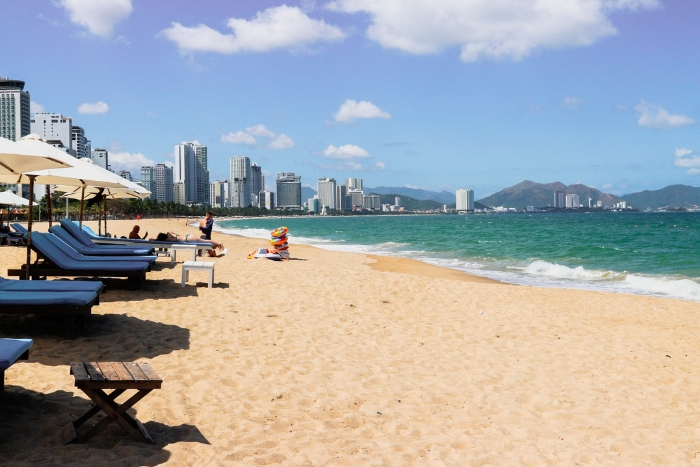
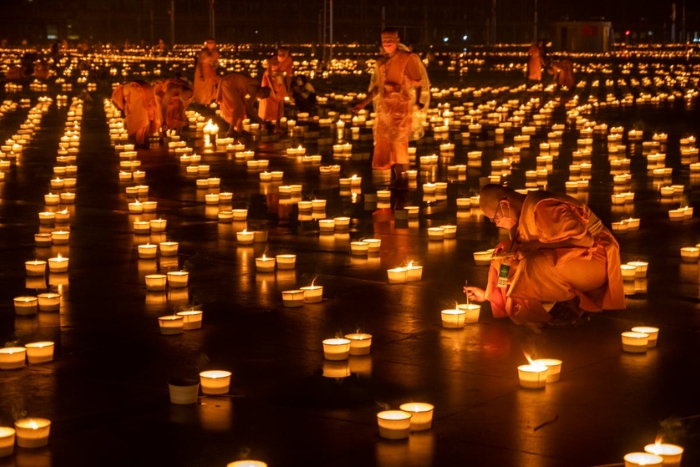
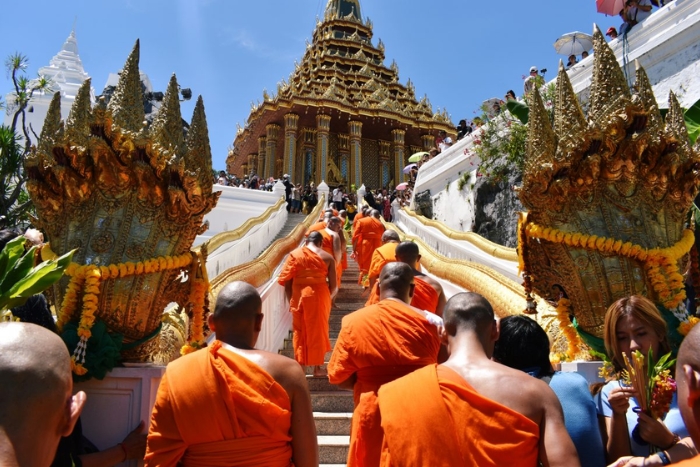
Thailand can be an attractive summer destination from June to August, particularly for travelers interested in culture, local traditions and a more relaxed travel experience. July and August fall within the green season, so you can expect hot and humid weather with occasional rain, especially in coastal areas. However, the showers often come in short bursts, leaving time to explore temples, markets and cultural attractions. Chiang Mai is a great choice during this period, offering a chance to experience Thailand’s rich Buddhist traditions and local festivals, including Asalha Puja and Khao Phansa in July, when temples become especially atmospheric.
Another reason to consider Thailand in summer is the lower number of tourists in many destinations. Traveling during July and August can mean fewer crowds and more attractive prices for accommodation and activities compared with the peak season. You can also explore destinations such as Koh Phi Phi, enjoying its spectacular limestone cliffs, turquoise waters and island scenery when conditions are favorable. If you are interested in local culture, summer events and a quieter atmosphere, Thailand can offer a rewarding alternative to the busy high season.
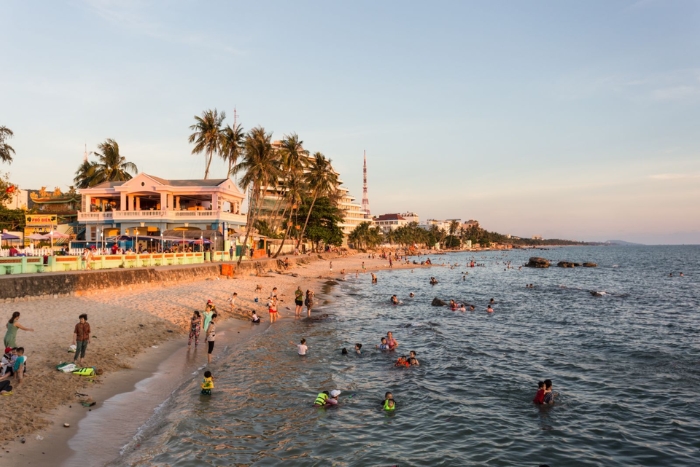
Vietnam has the better beaches in summer. When comparing Vietnam and Thailand in summer, from June to August, Central and Southern Vietnam (Đà Nẵng, Hội An, Nha Trang, and Phú Quốc) sit in their dry season, with calm seas and steady sun, making it peak swimming weather. Thailand is split down the middle: the Andaman coast (Phuket, Krabi, Phi Phi) is deep in monsoon, with rough surf and frequent rain, while the Gulf coast (Koh Samui, Koh Phangan, Koh Tao) stays largely dry, since its rainy season doesn't hit until October. For a reliable summer beach trip, lean toward Vietnam or Thailand's Gulf islands over the Andaman side.
Vietnam or Thailand in summer? When it comes to budget, Vietnam is generally more affordable overall. Daily expenses for accommodation, street food, domestic transport, and local tours tend to be lower than in Thailand, although prices can vary by destination. Thailand does offer summer discounts on the Andaman coast, including Phuket and Krabi, as these areas are in their off-season. However, the Gulf islands, such as Koh Samui and Koh Phangan, tend to maintain higher prices during this period. For budget-conscious travelers, Vietnam remains the more economical choice for accommodation, food, and transportation, while Thailand can become more competitive when you take advantage of off-season deals on the Andaman coast.
Thailand has a slight edge for culture in summer, thanks to its lively festival calendar and strong Buddhist traditions. In July, travelers can experience important celebrations such as Khao Phansa (Buddhist Lent) and Asalha Puja, when temples across the country become especially vibrant with religious ceremonies and local traditions. Chiang Mai and Bangkok are excellent places to experience this cultural atmosphere, from historic temples to seasonal events. Vietnam also offers an impressive cultural journey, with the heritage of Hanoi, Hoi An and Hue, as well as traditional architecture, cuisine and local customs. While both countries are rewarding for culture lovers, Thailand may be slightly more appealing in summer if you want to combine sightseeing with the excitement of local festivals and religious celebrations.
Vietnam or Thailand in summer? There is no universal winner. The best destination depends on what you want from your summer holiday.
Choose Vietnam if your ideal summer holiday means calm, sunny beaches and better value for money. Its dry-season coastline makes it well suited to travellers who enjoy spending most of their time by the water without stretching the budget.
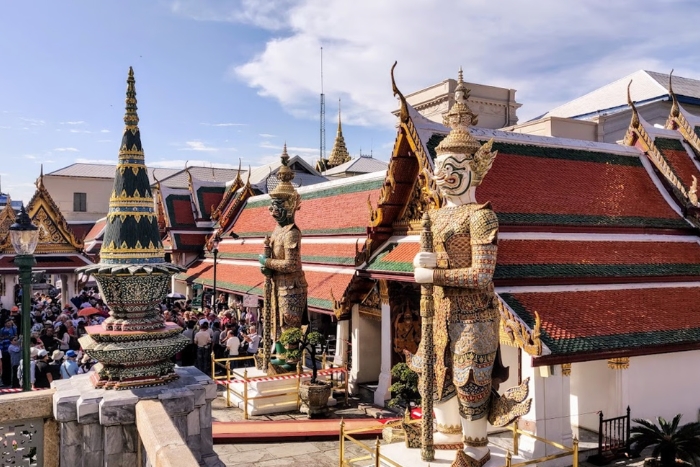
Choose Thailand if you want a holiday built around festivals, temple life and a livelier cultural atmosphere, particularly in Chiang Mai and Bangkok. Its well-developed tourism infrastructure also makes travelling relatively easy, though it comes at a higher cost, and the Andaman coast is best avoided during monsoon season.
When deciding Vietnam or Thailand in summer, think about the type of holiday you want rather than simply comparing temperatures. If you are still unsure, a personalised itinerary by Autour Asia (travel agency in Asia) can help you match destinations, travel pace and accommodation with your preferences. Share your travel plans and let a local travel specialist help you design a summer journey that fits you.


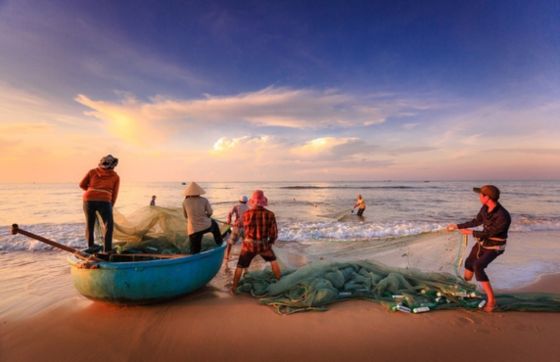
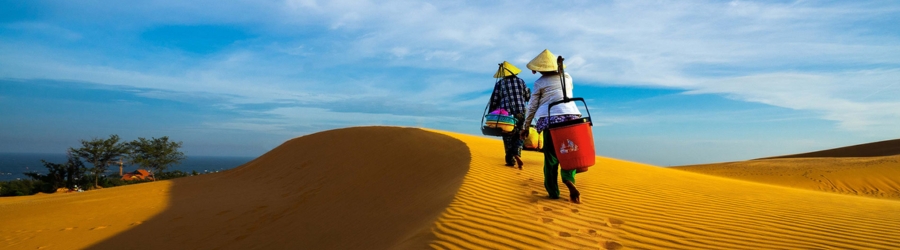
Phan Thiet, a coastal city in Binh Thuan Province, is best known for Mui Ne, an internationally renowned seaside destination. With its beaches, fishing villages, and desert-like sand dunes, the region offers a diverse range of landscapes rarely found elsewhere in Southeast Asia. In November, temperatures remain pleasant for exploring the coast, although occasional showers are still possible. Visiting Phan Thiet Mui Ne in November requires a little preparation to make the most of your stay. This complete guide covers the weather, must-see attractions, transportation options, and practical tips to help you plan your trip to Vietnam in November.
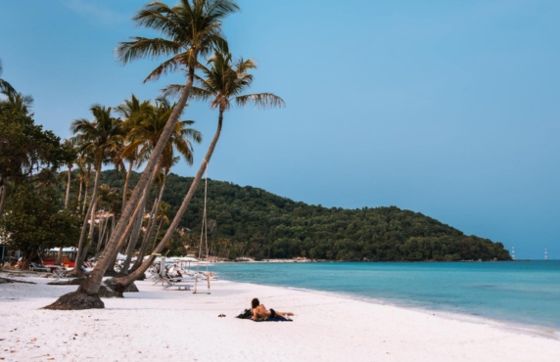
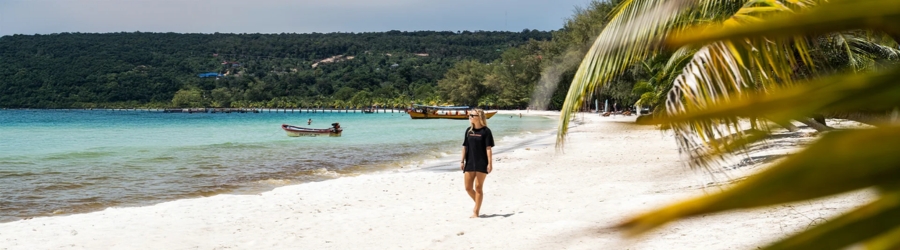
Vietnam’s beaches are best enjoyed at different times of the year, depending on the region. From the turquoise waters of the South to the long stretches of white sand in the Central region and tropical islands, each area has its own climate patterns. To better understand when to visit Vietnam, it is important to consider the weather conditions in each destination. The best time to visit beaches in Vietnam depends on region you choose as well as the activities you have planned. The best time to swim in Vietnam also varies according to rainfall, water temperature and sea conditions. Understanding the Vietnam beach season helps you choose destinations that match your travel dates and enjoy the coastline in good conditions.
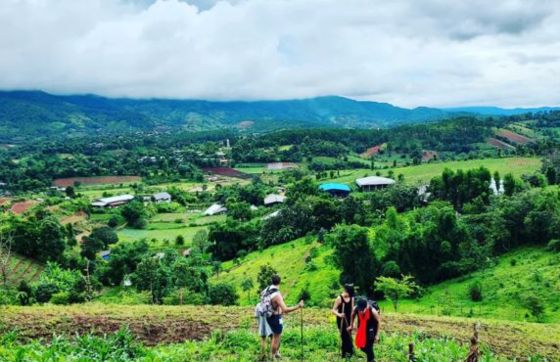
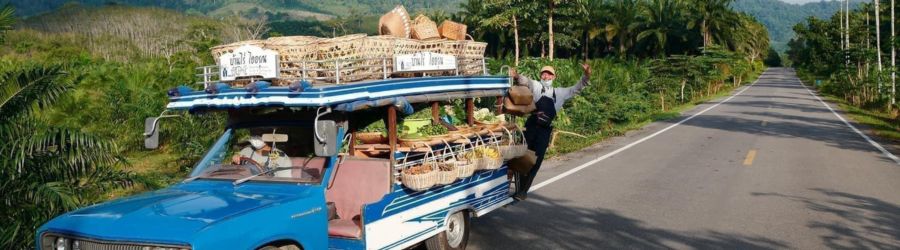
Discovering Thailand through its rice fields, plantations, and rural villages offers a different way to travel, far from traditional tourist circuits. But how can you choose the best agency for Thailand farm tours to enjoy authentic experiences with local communities? Several tour operators offer trips combining agriculture, gastronomy, and encounters with producers. Among them, Autour Asia is an option for travelers who want to personalize their itinerary. Known as Vietnam travel agency - Autour Asia, the company also offers tailor-made trips to several countries in Southeast Asia. With the local travel agency in Thailand - Autour Asia, travelers can explore a trip designed around their interests. Here are five organizations worth knowing, their distinctive features, and the essential criteria for planning a successful agricultural tour in Thailand.
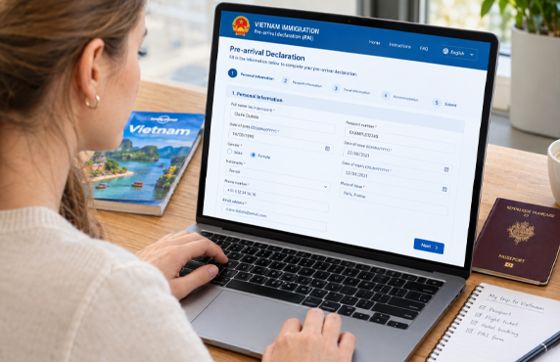
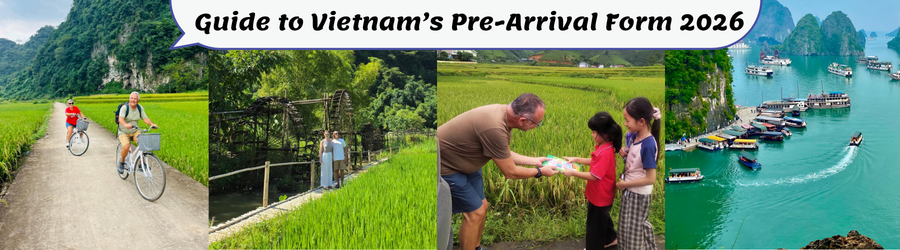
Planning a trip to Vietnam? Before packing your bags, take a few minutes to check the latest entry requirements and prepare the documents you may need at the airport.
Vietnam’s Pre-Arrival Information (PAI) system allows international travellers to submit selected personal, visa and travel details online before arriving in the country. After a successful submission, the system generates a QR code that travellers can save on their phones or print for use during immigration procedures. Although the online declaration is designed to help make arrival procedures smoother, travellers should understand when it applies, how to complete it correctly and which documents they still need to enter Vietnam.
In this practical guide, you will discover where to access the official PAI portal, what information to prepare, how to complete the declaration step by step, how to correct common mistakes and what to do when you arrive at the airport.
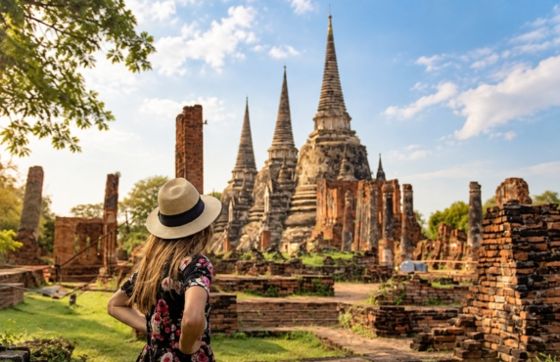
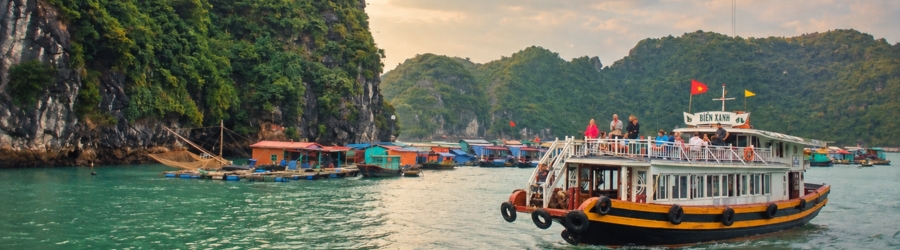
With its exotic landscapes, fascinating cultures and diverse experiences, Vietnam and Thailand are among the most popular destinations in Southeast Asia. However, safety remains an important criterion when planning your trip. So, how can you choose Vietnam or Thailand for a safe trip depending on the way you travel ? And is Vietnam safer than Thailand ? Each destination has its own characteristics and points to consider. In this article, Autour Asia helps you compare Vietnam and Thailand to better understand their differences and choose the destination that meets your expectations for your next trip to Asia.
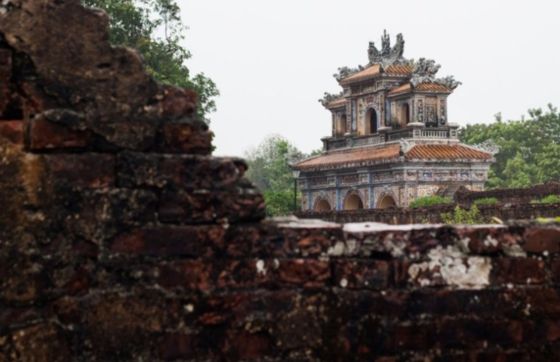
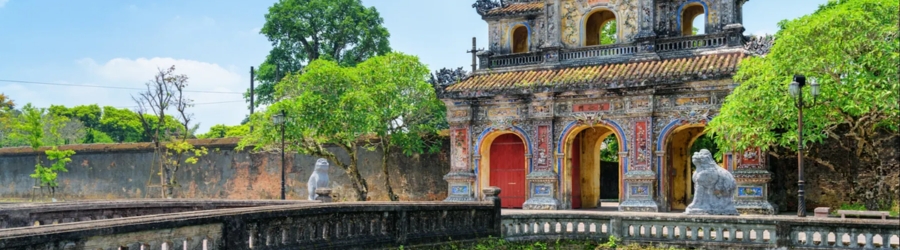
Planning a trip to Hue in November requires a little more flexibility than at other times of the year. Visiting Hue in November means experiencing the rainy season in central Vietnam, with prolonged showers and a risk of flooding. However, this period can also be an opportunity to explore the former imperial capital’s royal heritage, pagodas and renowned cuisine in a quieter atmosphere. The key is to choose your activities carefully, prepare alternative plans and check the weather conditions before setting out.
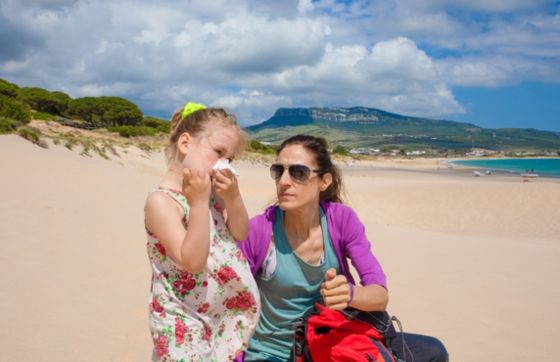

When travelling in Cambodia, some everyday habits may raise questions about local customs. Is blowing your nose in public considered polite? How should you behave in restaurants, on public transport or during a visit? These small details matter when you want to respect the local culture. Discover how to manage blowing your nose in Cambodia discreetly, along with practical tips on using tissues during your trip. Autour Asia, Cambodia travel agency, helps you discover local customs with advice tailored to travellers. From Cambodia travel etiquette to personal hygiene and everyday situations, a few simple guidelines can make your journey more comfortable. In Phnom Penh, Siem Reap or Kampot, understanding local customs helps you avoid awkward moments while making the most of your stay.
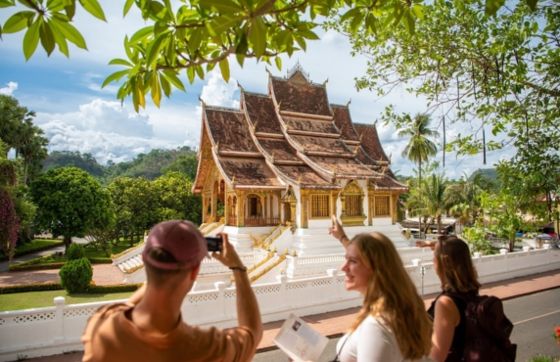
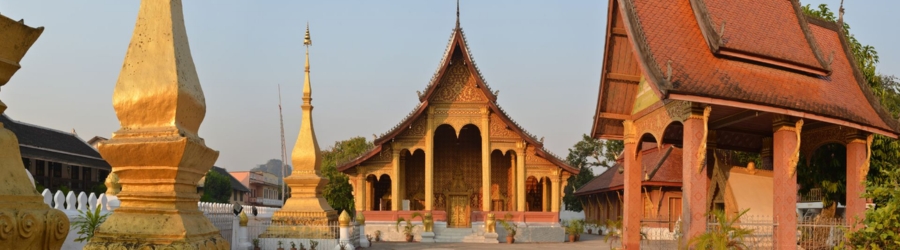
Blow your nose in Laos is not necessarily considered rude, but it is best to do so discreetly, especially in quiet places or during meals. If you have a cold, use a clean tissue and avoid blowing your nose loudly in public. In temples and other places of worship, respect the peaceful atmosphere and local customs. If you need to blow your nose frequently, step away from others for a moment whenever possible. Finally, dispose of used tissues in a rubbish bin. These simple habits will help you observe good manners during your trip to Laos.


 FR
FR EN
EN