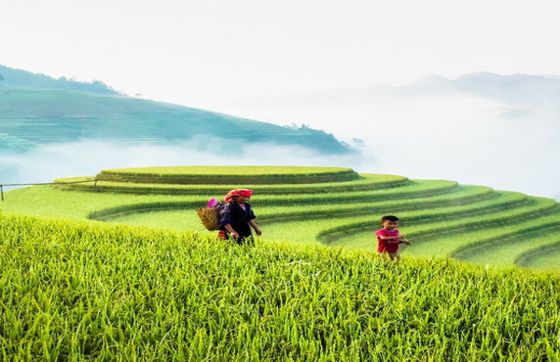
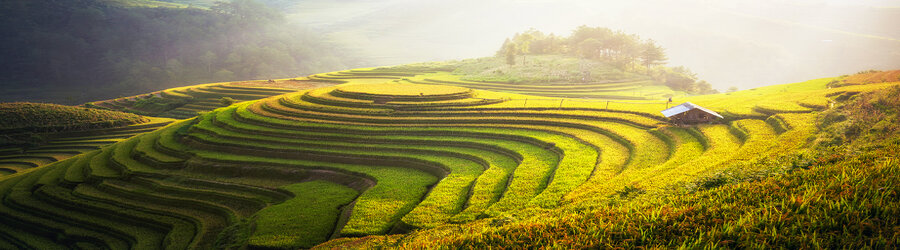
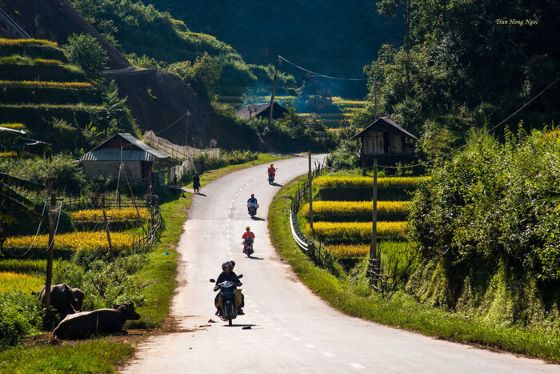
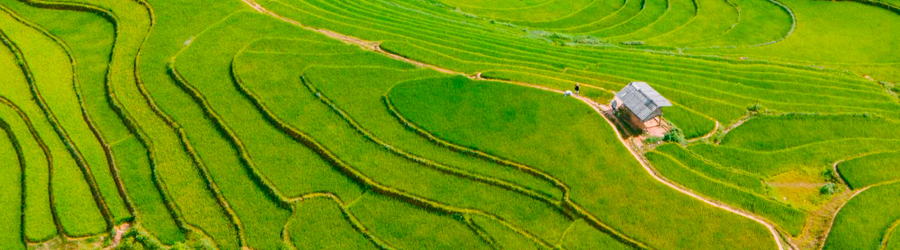
Situated in the Northwest mountainous region, Mu Cang Chai is a district within Yen Bai province, renowned for its distinctive landscapes and designated as a national scenic relic. Revered by enthusiasts of Vietnam customized tours, Mu Cang Chai captivates with its remarkable features, including towering mountains, rich cultural heritage, and breathtaking terraced fields. For those eager to explore this enchanting destination, the question often arises: When is the best time to visit Mu Cang Chai? Join Autour Asia as we unravel the answer in the following article.
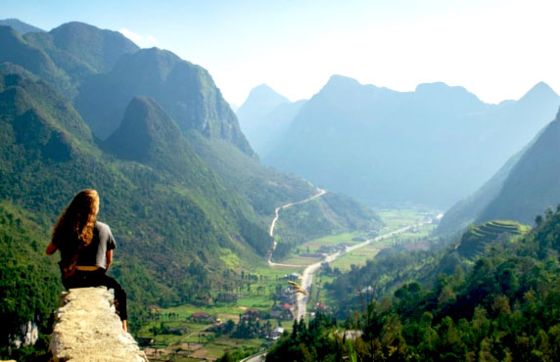

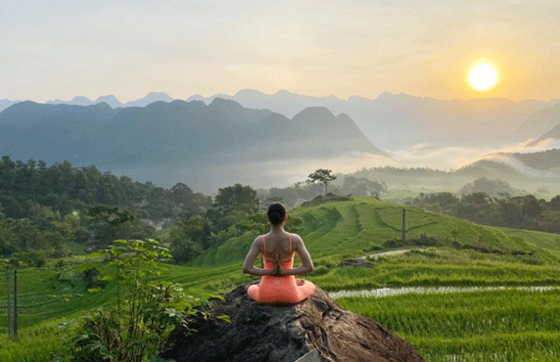

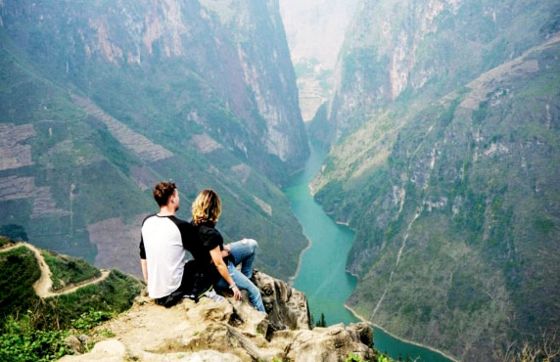

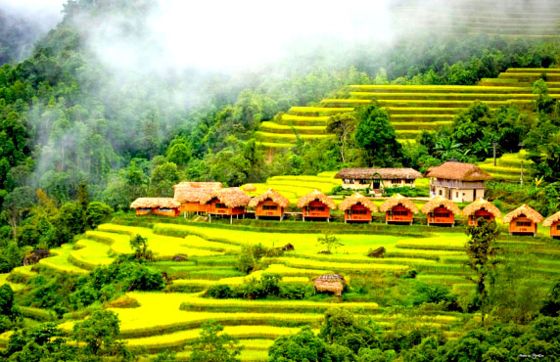

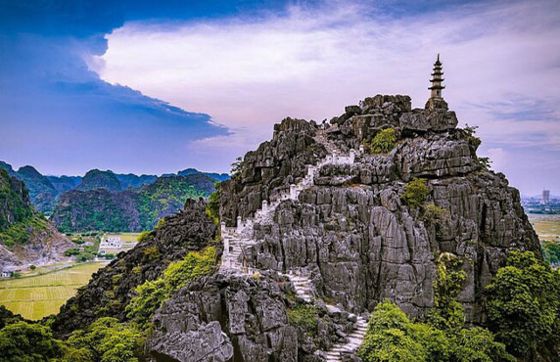
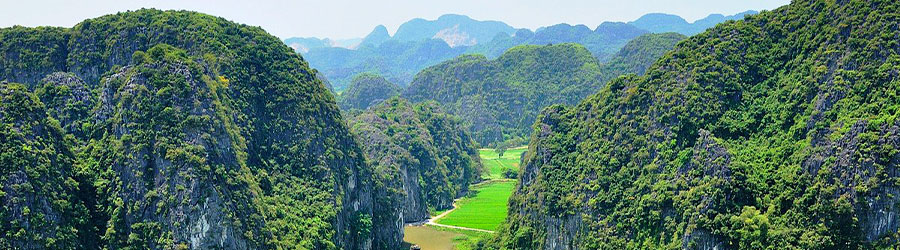
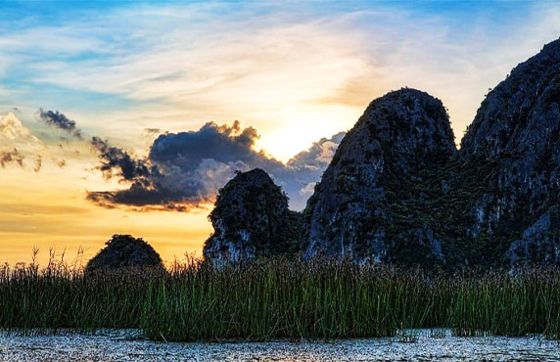

Located in the peaceful province of Ninh Binh, Van Long Nature Reserve is one of northern Vietnam’s most stunning hidden gems. Known as the largest wetland reserve in the region, Van Long Ninh Binh offers a magical landscape where calm waterways reflect towering limestone mountains and lush greenery. Unlike the busier sites of Trang An or Tam Coc, this tranquil haven allows visitors to enjoy nature in its purest form, from rare Delacour’s langurs to diverse bird species. If you’re dreaming of a quiet escape surrounded by breathtaking scenery, Van Long is the perfect destination. In this complete guide, you’ll find all the useful information you need to plan your visit - best time to go, boat trip details, travel tips, and more. Let’s begin!
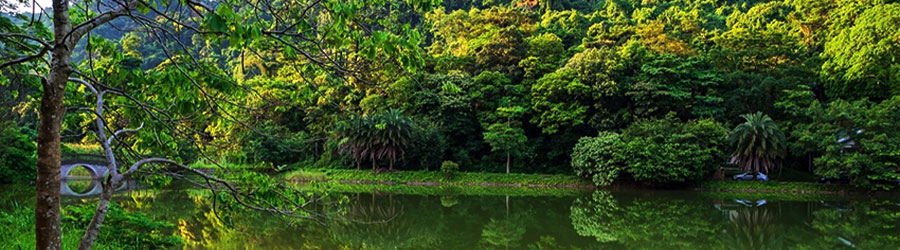
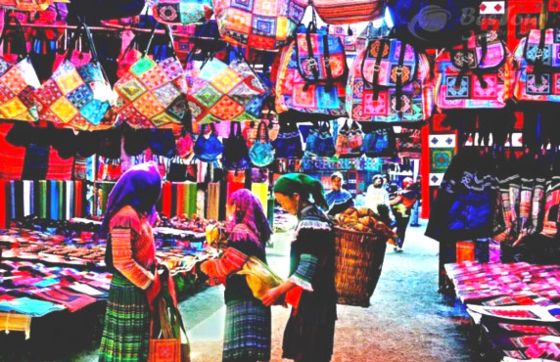
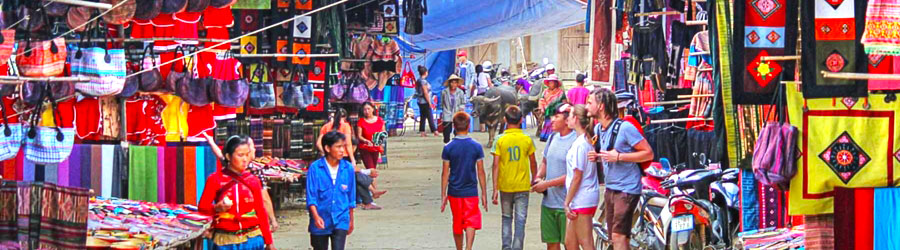
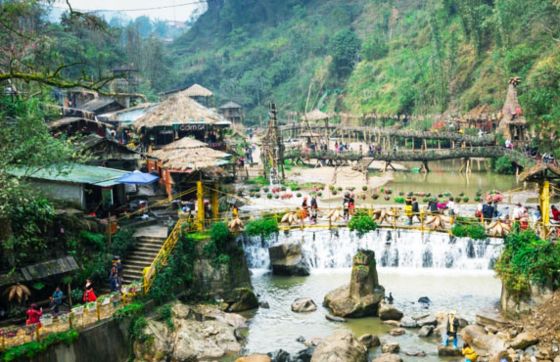
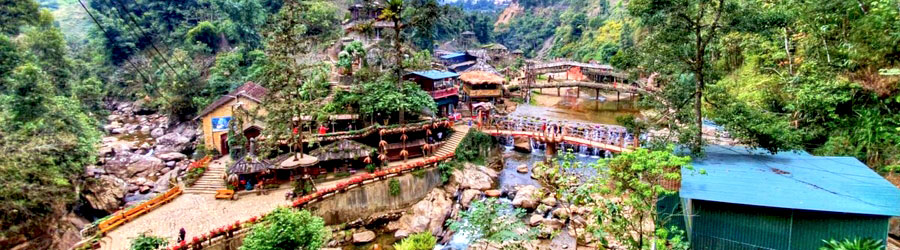
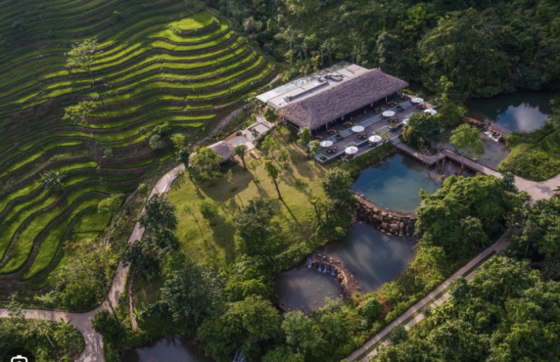
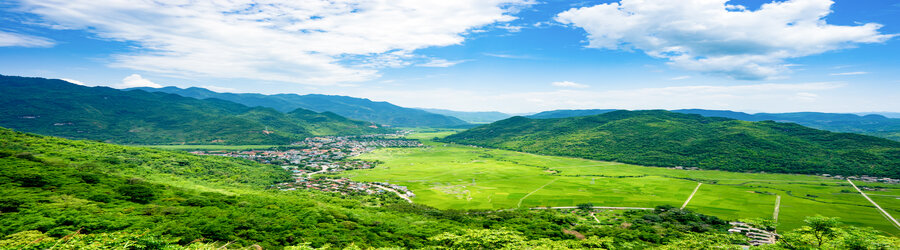
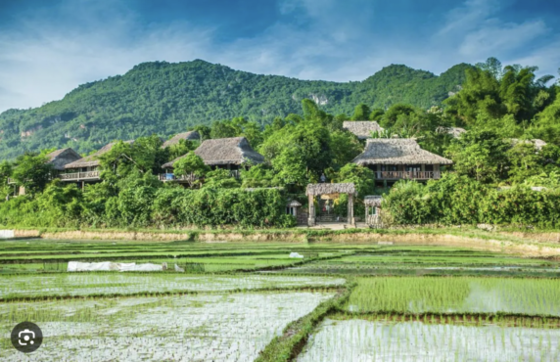
Embarking on a captivating expedition through Vietnam, Mai Chau emerges as an indispensable destination for every traveler. Nestled within the scenic embrace of Mai Chau lies a unique opportunity for authentic cultural immersion—homestay experiences. It's a compelling facet of the journey that offers visitors a genuine taste of local life. Yet, as travelers plan their excursions, a pertinent question often arises: “Is staying in a homestay in Mai Chau safe ?" In this article, Autour Asia will provide valuable insights into the safety and richness of the homestay experience in Mai Chau, ensuring that travelers can make informed and delightful choices during their exploration of this enchanting locale.
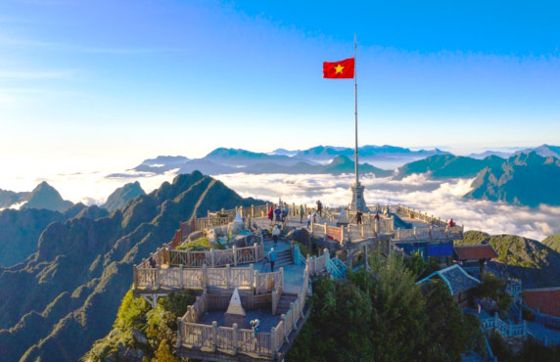
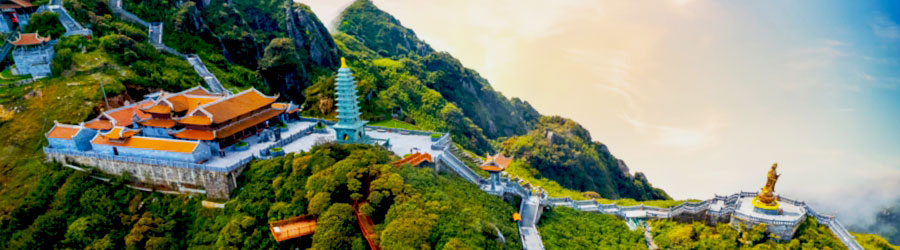
Vietnam, a peaceful and friendly country in Southeast Asia, is a member of ASEAN. It attracts tourists with its captivating natural beauty and hospitable locals. From beautiful sandy beaches to adventurous mountains, and dynamic cities to tranquil villages, Vietnam offers a variety of experiences for all types of travelers.

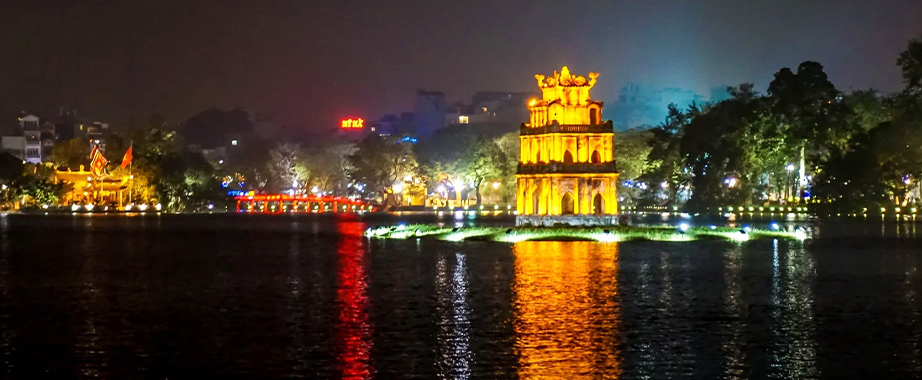
Vietnam has a long and brave history, marked by wars and struggles. For tourists, a visit to the country's historical sites is a must.
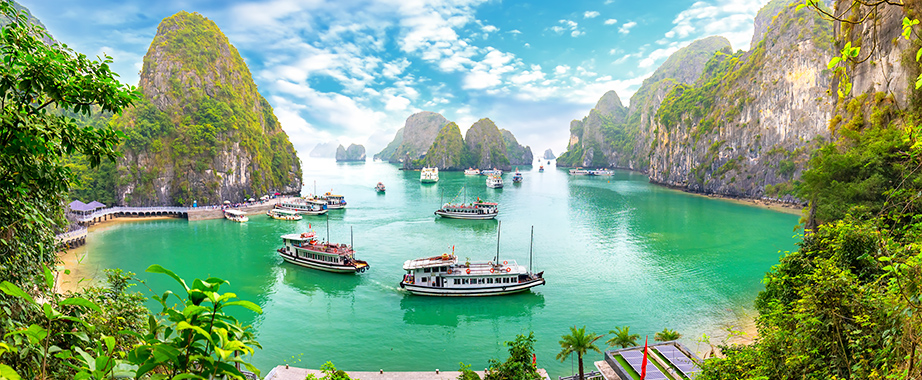
Halong Bay: A Dazzling Natural Landscape
Halong Bay, a UNESCO World Heritage Site, is a stunning destination with over 2,000 sparkling limestone islands surrounded by crystal-clear waters in the South East Sea. To experience its breathtaking beauty, consider spending a night on a ship, exploring mysterious caves, swimming with marine life, and savoring fresh seafood. There are 4 cruise piers to choose from, each offering unique experiences. For a serene and authentic experience, opt for Ben Beo, where you can marvel at sites like the Surprise Cave, Tunnel Cave, Titop Island, and more.
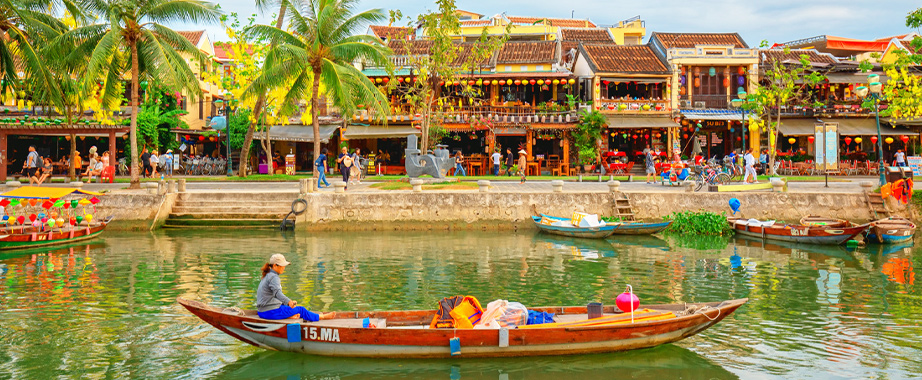
Hoi An, a mystical old town on Vietnam's central coast, is a true treasure trove of the nation's cultural legacy. Its winding cobblestone paths, vivid wooden houses, and ancient Japanese archways create a beguiling atmosphere. Immerse yourself in its rich history by exploring sacred shrines, artisanal boutiques, and local culinary delights. Don't miss the Quan Cong Temple, Phuc Kien Pagoda, Japanese Bridge, and Tan Ky Ancient House.
Vietnam has 54 official ethnic groups, with the majority being Kinh/Viet. Its diverse culture offers a mix of customs, beliefs, and religions for foreigners to experience. Marriages were historically influenced by family interests, not just love.
Vietnamese society embraces 37 religious organizations, including Buddhism, Catholicism, Protestantism, Muslim, Caodaism, and Hoa Hao Buddhism. Ancestor worship is also common.
Festivals in Vietnam showcase its rich history and art. Tet holiday features rituals, fireworks, and temple visits, while the Mid-Autumn Festival includes lanterns, lion dances, and moon cakes. Highland areas offer more adventurous festivals.
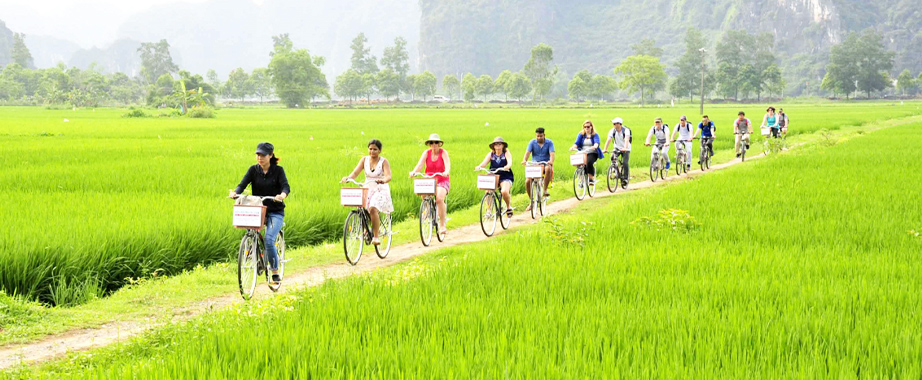
Vietnam experiences dramatic seasonal variations from North to South. The North has four seasons, with harsh cold in Winter and Spring and scorching heat in Summer. Tourists prefer visiting the North during Autumn for pleasant weather.
Conversely, the South has two main seasons: rainy and dry. For a sunny trip, plan your visit between April to September.
The middle area, known for its beautiful long beaches, faces storms during the rainy season. Travelers should be cautious and plan their trips accordingly.



 FR
FR EN
EN