
Mui Ne Travel Guide - All You Need To Know
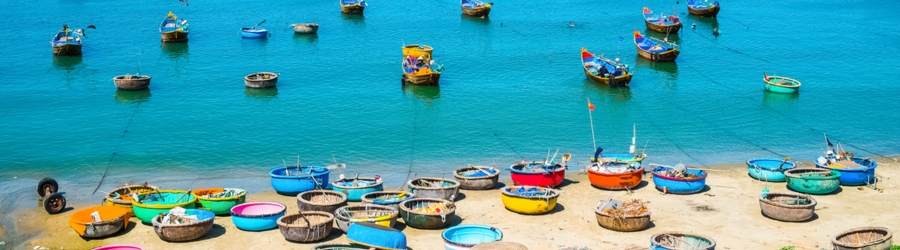
Do you feel like a getaway combining sea, desert, and culture in Vietnam? Just a few hours from Ho Chi Minh City, Mui Ne stands out as a well-rounded destination where exceptional natural landscapes and diverse experiences blend seamlessly. With its clear-water beaches, spectacular sand dunes, dynamic water activities, and authentic cultural heritage, every traveler can find their own pace. Not to mention the local cuisine rich in marine flavors that prolongs the pleasure of the stay. Whether you are seeking relaxation, adventure, or cultural immersion, this Mui Ne travel guide will accompany you step by step in organizing a smooth, coherent, and discovery-filled trip to Mui Ne.
Mui Ne travel guide
I. Overview of Mui Ne Vietnam
Mui Ne now falls under the Mui Ne ward (including the former wards of Ham Tien, the commune of Thien Nghiep, and the former Mui Ne ward) of Lam Dong Province. This administrative change is an important detail for any traveler planning a trip to Mui Ne.
Mui Ne is a coastal headland stretching into the sea, located about 20 km northeast of the former center of Phan Thiet. Once a major tourism hub, Mui Ne remains one of Vietnam’s must-visit destinations, often nicknamed the “paradise of seaside tourism” thanks to its beautiful beaches, distinctive sand dunes, network of resorts, and Cham cultural heritage.

Why the name “Mui Ne”? Two common explanations exist. The first is linked to geography and fishermen’s lives: “Mui” refers to a cape jutting into the sea, while “Ne” means to avoid, referring to a shelter where boats take refuge from storms. The second explanation comes from a Cham legend about Princess Bà Nà Né; over time, this name is believed to have evolved into “Mui Ne,” now used throughout Mui Ne, Vietnam and frequently mentioned in travel accounts about Mui Ne.
Recognized as a national tourist area since 2020, the region has steadily confirmed its attractiveness on Vietnam’s tourism map and maintains stable popularity. In early April 2026, Mui Ne, Vietnam was once again ranked among trending destinations worldwide, alongside many international cities, further increasing interest in traveling to Mui Ne.
This destination stands out for its diverse tourism resources and strong identity. The vast sand dunes, symbols of the former Binh Thuan Province, are a major highlight, along with beaches defined by “blue sea, white sand, golden sunshine.” Added to this are a rich cultural heritage, traditional festivals, the simple life of coastal fishing villages, and a cuisine deeply rooted in marine flavors. Thanks to strong and consistent winds year-round, Mui Ne has become a familiar destination for international visitors who enjoy water sports such as kitesurfing and windsurfing, making it ideal for an extended stay in Mui Ne.
II. What to see and do in Mui Ne?
1. Discover the beautiful beaches of Mui Ne
Mui Ne stands out for its many beautiful beaches, with clear waters, gently sloping shores, and areas that still retain a wild, untouched character. Each beach has its own features, offering diverse experiences for visitors during a trip to Mui Ne:
- Hon Rom Beach: Located about 28 km from the former center of Phan Thiet, this beach offers unspoiled setting, with clean sand, clear water, and calm waves; ideal for swimming, camping, and watching the sunrise and sunset.
- Bai Rang Beach: Considered the most beautiful beach in Mui Ne, it is distinguished by rows of coconut trees along the coast, golden sand, and clear waters; the scenery is harmonious, combining rocks and fine sand.
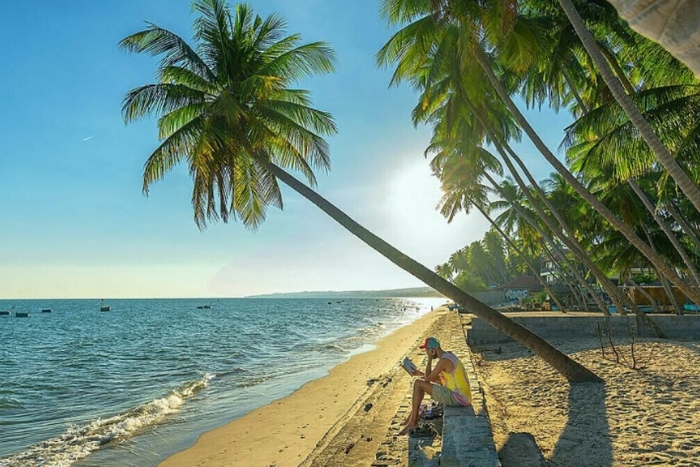
- Hon Ghenh Island (Hon Lao): Still largely untouched, this island is suitable for fishing and snorkeling; it is especially beautiful at sunset.
- Ong Dia Rocky Beach: An easily accessible public beach, characterized by fresh water, open space, and cultural significance linked to the legend of a rock shaped like a sea-facing deity. It is also a popular spot for watching sunrise and sunset and taking photos.
- Co Thach Beach: Notable for its multicolored pebbles with unique shapes formed by nature. Visitors can also combine the visit with nearby sites such as Co Thach Pagoda or Ong Nam Hai Temple.
2. Experience water activities
What to do in Mui Ne? Beyond exploring beach landscapes, Mui Ne, Vietnam offers a wide range of attractive sports and leisure activities. Visitors can swim, snorkel, kayak, ride traditional basket boats, or go fishing to gently explore the sea. For thrill-seekers, activities such as jet skiing or parasailing provide more exciting experiences.
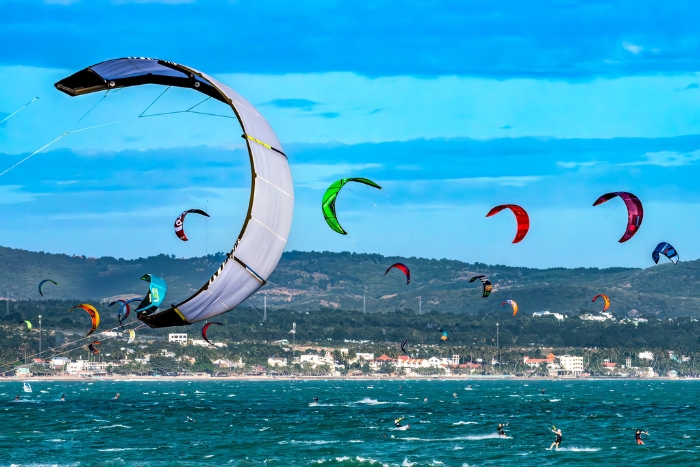
In particular, thanks to stable wind conditions year-round, Mui Ne is one of the top destinations in Vietnam for kitesurfing and windsurfing, attracting many international visitors who come to learn and practice these sports during a trip to Mui Ne.
3. Explore the sand dunes and enjoy a mini-desert experience
Wondering what to see in Mui Ne? The sand dunes of Mui Ne, Vietnam offer a unique and rare landscape, with vast stretches of sand whose shapes constantly change under the influence of the wind. The most notable are the Red Sand Dunes (Đồi Cát Hồng in Vietnamese) and the Mui Ne dunes, known for their shifting colors depending on the light, creating particularly impressive scenes for photography and sightseeing during a trip to Mui Ne.
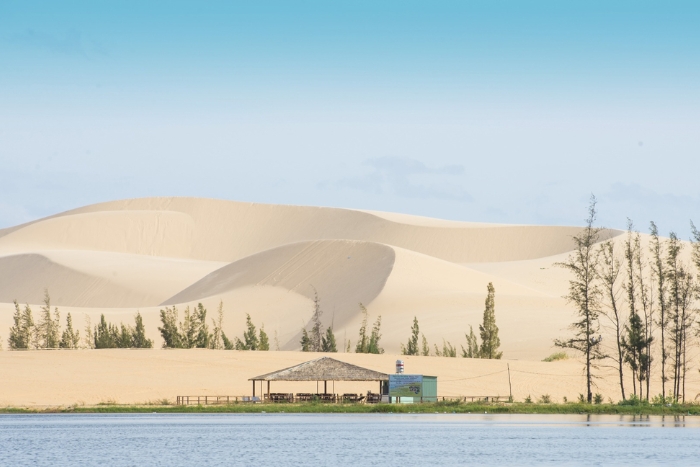
In addition, Bau Trang – Bau Sen (Bàu Trắng – Bàu Sen in Vietnamese) stands out for its unique beauty, featuring a freshwater lake nestled among vast white sand dunes, often compared to a “mini-desert” of Vietnam. This expansive and preserved area is especially spectacular during the lotus blooming season.
On these dunes, visitors can enjoy various activities such as sandboarding, riding all-terrain vehicles (ATVs), or taking jeep tours to explore the terrain and admire the landscape from above. It is one of the must-have experiences in Mui Ne.
4. Discover the Fairy Stream of Mui Ne
The Fairy Stream of Mui Ne (Suối Tiên in Vietnamese) is a unique site located in the former Ham Tien ward (now part of Mui Ne, Lam Dong Province), about 7 km from the former center of Phan Thiet.
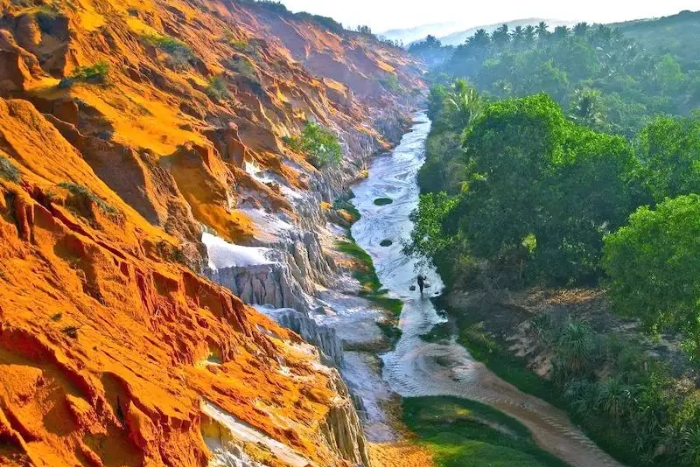
This place charms visitors with its shallow stream winding between red-orange sand cliffs and rows of lush coconut trees. This distinctive natural scenery creates a special attraction, ideal for a relaxing walk and gentle exploration during a trip to Mui Ne.
5. Trekking at Takou Mountain
What to do in Mui Ne? For nature lovers and those who enjoy physical activities, Takou Mountain is an interesting option, with an elevation of about 650 meters above sea level. The ascent follows green trails dotted with seasonal flowers such as purple flamboyant blossoms.
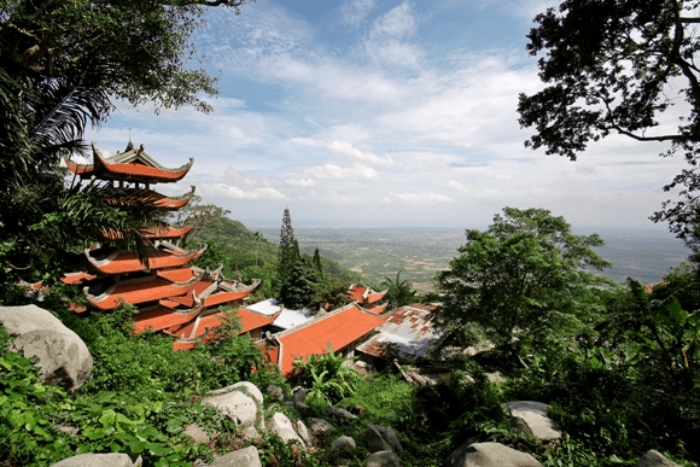
After climbing thousands of steps, visitors can enjoy panoramic views of the surrounding landscapes and breathe in fresh air. The highlight of the visit is the giant reclining Buddha statue (entering Nirvana) at the summit, offering an experience that combines nature and spirituality—an essential stop during a stay in Mui Ne.
6. Discover local culture and history
What to see in Mui Ne? Beyond its beaches, Mui Ne also boasts remarkable cultural and historical values, reflecting the life and long-standing traditions of coastal communities, to be discovered during a trip to Mui Ne:
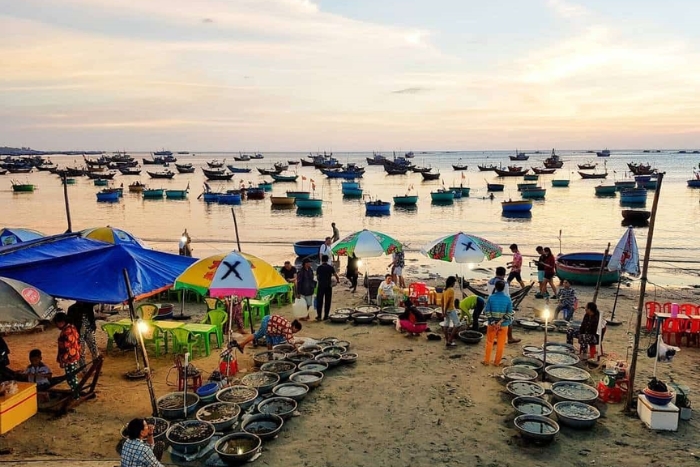
- Mui Ne Fishing Village: A place where visitors can observe the daily life of fishermen, especially lively in the early morning when boats return to shore. It is also ideal for experiencing the authentic and peaceful seaside atmosphere.
Van Thuy Tu Temple (Dinh Van Thuy Tu): An ancient religious site of Phan Thiet fishermen, famous for its large whale skeleton and associated with whale worship, considered a protective deity of seafarers.
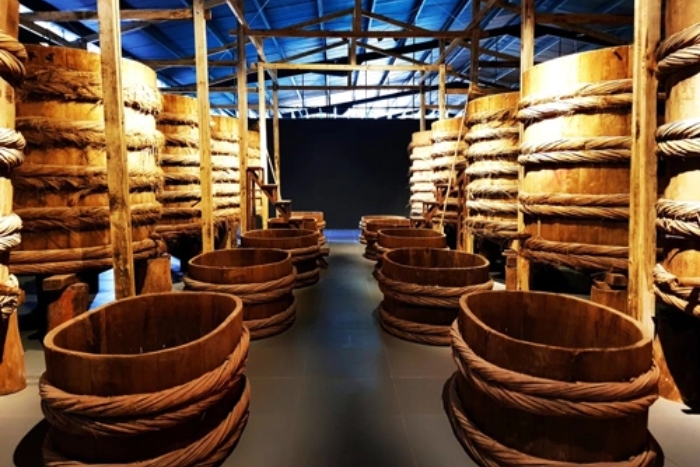
Lang Chai Xua Fish Sauce Museum: A space showcasing the history and traditional production process of fish sauce, helping visitors better understand one of the region’s iconic specialties.
Duc Thanh School: A historical site linked to the period when Ho Chi Minh taught here before going abroad to seek a path for the nation. It holds significant historical and educational value.
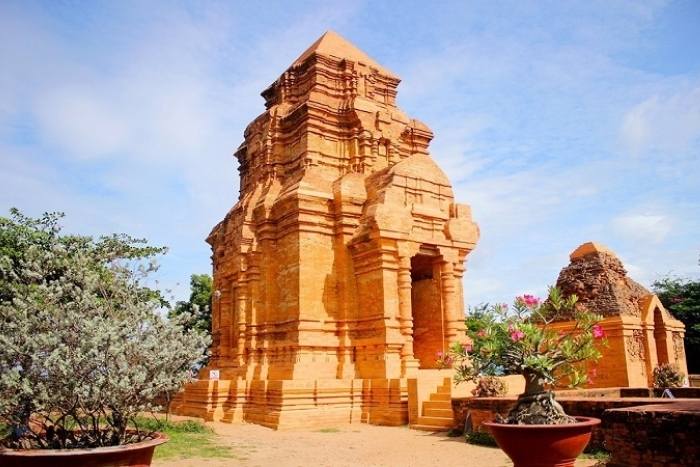
Po Shanu Cham Towers: An ancient architectural complex of the Cham civilization, located on a hill, marked by strong cultural and spiritual significance while offering a beautiful viewpoint.
III. What to eat in Mui Ne?
The cuisine of Mui Ne is strongly influenced by marine flavors, combining local specialties with fresh seafood. Here are some representative dishes, each with its own distinctive characteristics:
Mini rice pancakes (bánh căn): Thick pancakes, crispy on the outside and soft on the inside, served with a flavorful fish sauce, often accompanied by braised fish or pork meatballs.
Phan Thiet crispy pancake (bánh xèo): A thin rice pancake filled with shrimp and pork, served with fresh herbs.
Translucent rice dumplings (bánh quai vạc): Filled with shrimp and pork, lightly flavored and typically enjoyed as a snack.
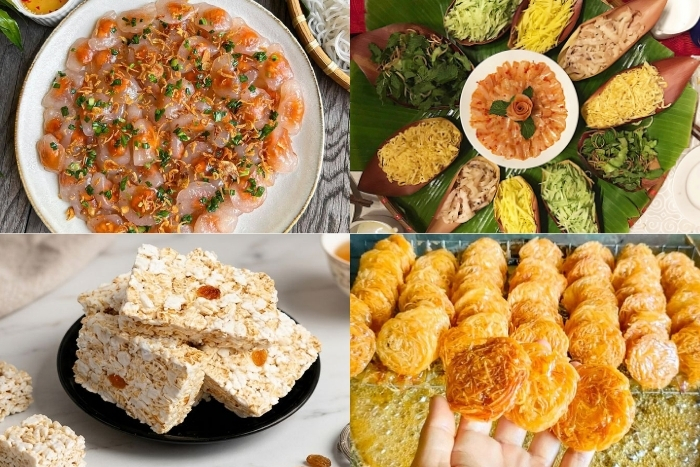
Grilled squid eggs and squid teeth: Grilled specialties that are both crunchy and slightly chewy, very popular as snacks.
Grilled pork skewers (chả lụi): Served wrapped in rice paper with herbs and a distinctive dipping sauce.
Fresh seafood: Squid, shrimp, and fish caught during the day, simply prepared to preserve their naturally sweet taste.
Coconut-based fish hotpot (lẩu thả): A local specialty combining fresh fish, meat, herbs, and rice vermicelli, served with a coconut-based broth that is mild and well-balanced in flavor.
Vietnamese salads: Such as raw fish salad, giác snail salad, or crab salad with dragon fruit, featuring characteristic sweet-and-sour flavors.
Dông (sand lizard): A specialty from sandy areas, with delicate meat, prepared grilled, in salad, or as pâté.
Milk-based soft candy (bánh cốm sữa): A sweet, slightly creamy treat, often chosen as a souvenir.
Crispy sweet potato snack (bánh rế): Made from fried sweet potato strands coated in sugar, ideal as a gift.
IV. How to get to Mui Ne?
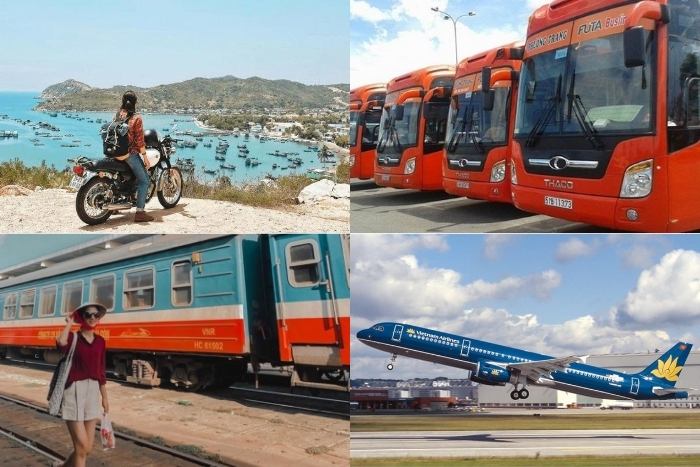
Located about 200 km from Ho Chi Minh City, Mui Ne offers several transport options to suit different needs and budgets:
- Motorbike / private car
From Ho Chi Minh City, you can take National Highway 1A or the Dau Giay – Phan Thiet Expressway. National Highway 1A offers scenic views and multiple stops along the way but may be prone to traffic congestion. The expressway reduces travel time to around 2 hours, with toll fees applied. Traveling by personal vehicle provides great flexibility but requires good driving skills and experience with long-distance travel.
- Bus
The bus is a popular option, with a travel time of about 5 hours. Prices range from 150,000 to 500,000 VND per person (approximately €5.5 to €18), depending on the company, type of bus, and booking period. Well-known operators include FUTA Bus Lines, Sinh Cafe, Kumho Samco, Nam Hai Limousine, and Hanh Cafe.
- Train
You can also take a train from Saigon Station to Phan Thiet on routes such as SPT1, SPT2, or SPT4, usually departing in the morning. The journey takes around 4–5 hours, with ticket prices ranging from 192,000 to 400,000 VND (approximately €7 to €15), depending on the type of seat or sleeper. Detailed information and bookings are available via Vietnam Railways.
From Phan Thiet Station, you can reach Mui Ne by taxi or via the Grab app.
- Plane
If departing from Hanoi, you can fly to Ho Chi Minh City, then continue to Phan Thiet. Another option is to fly to Cam Ranh (near Nha Trang), then travel about 200 km by car to Mui Ne, Vietnam.
V. How to get around Mui Ne?
- Motorbike rental
This is an economical and very popular option, especially for independent travelers or groups. Renting a motorbike allows great flexibility in transportation and scheduling. Prices generally range from 100,000 to 150,000 VND per day (about €4 to €5.5), depending on the vehicle type and rental duration. You can rent directly from hotels, homestays, or reliable shops found on Google Maps. Identification and a deposit are usually required. Be sure to carefully check the vehicle’s condition and avoid leaving original documents.
- Traditional taxi
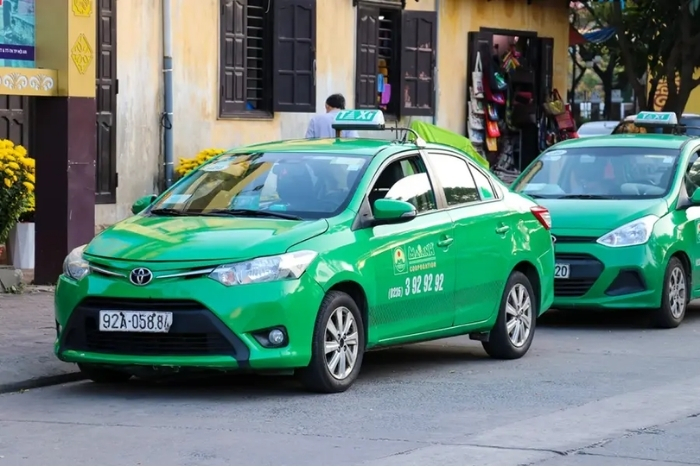
Taxis are a convenient option, especially in the evening or during bad weather. Fares are metered, with a starting price of around 10,000 to 15,000 VND (approximately €0.4 to €0.6), then increasing based on distance, making them generally more expensive than other transport methods. Taxi companies operating in Mui Ne include Mai Linh Taxi, Vinasun Taxi, Quoc Te Taxi Mui Ne, and Sun Taxi.
- Ride-hailing – Grab
Compared to traditional taxis, Grab often offers more competitive prices and frequent promotions. The app clearly displays driver details, route, and fare before the trip. Simply download the app, create an account, and book easily—making it especially convenient during a trip to Mui Ne.
VI. When to visit Mui Ne?
Mui Ne enjoys a typical tropical monsoon climate, with average temperatures ranging from 25 to 30°C and sunshine almost all year round. As a result, visitors can plan a trip to Mui Ne at any time of the year.
However, the best time to visit Mui Ne, Vietnam is from April to August. During this period, the weather is dry, the sky is clear, the sea is calm, and the water turns a blue, making it especially favorable for activities such as swimming, snorkeling, or excursions to nearby islands.
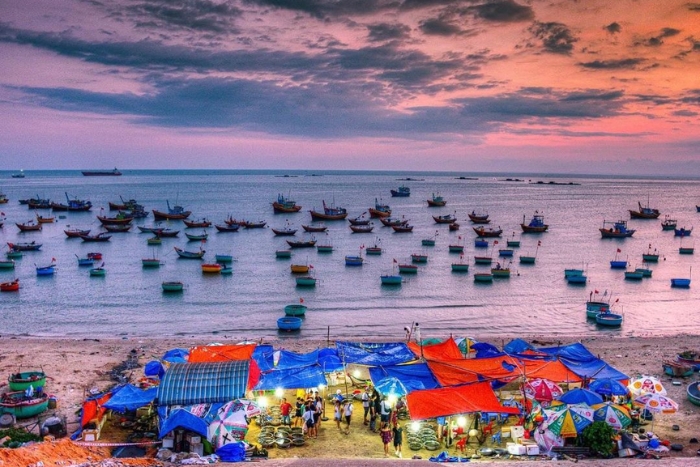
Between July and December, intermittent rains may occur and the sea can sometimes be rough, which may affect certain outdoor activities. Therefore, to fully enjoy the seaside experience, it is recommended to prioritize the dry season when planning a trip to Mui Ne in order to benefit from the best weather conditions.
VII. Where to stay in Mui Ne Vietnam?
The rapid development of tourism has made accommodation options in Mui Ne, Vietnam highly diverse, ranging from budget homestays to high-end hotels and resorts, catering to different needs.
Homestays are generally located farther from the sea and are suitable for young travelers or international visitors seeking unique experiences, with prices starting from 500,000 VND (€18) per night. Guesthouses and hotels typically offer mid-range rates between 700,000 and 1,000,000 VND per night (€25 to €37).
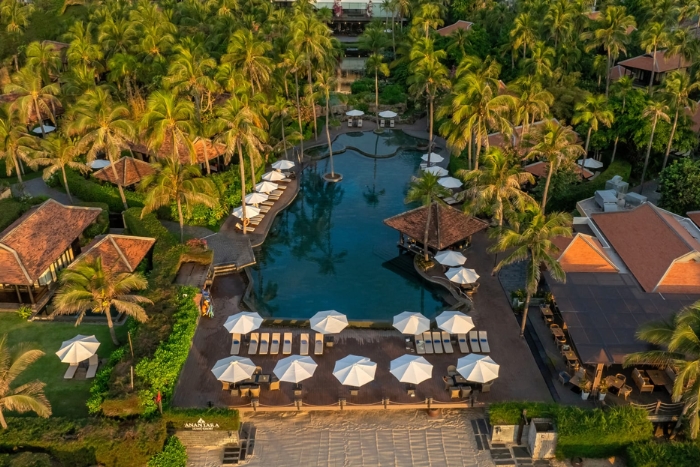
Beachfront resorts represent the most iconic accommodation in Mui Ne, stretching along the coastline with a wide range of price categories. Most of these establishments, although built some time ago, still provide full facilities such as private beaches, swimming pools, spas, and leisure areas. Prices generally range from 1,000,000 to 5,000,000 VND per night (€37 to €185). Notable resorts include Hawaii Beach Resort Mui Ne, Sailing Club Resort Mui Ne, The Anam Mui Ne, Anantara Mui Ne Resort, Pandanus Resort, and Nang Hon Rom Resort.
Thanks to this diverse accommodation offering, flexible pricing, and good service quality, Mui Ne is often considered a "resort capital", suitable for both luxury tourism and independent travel.
By combining idyllic beaches, spectacular dunes, cultural heritage, and cuisine rich in marine flavors, Mui Ne stands out as a must-visit destination when traveling in Vietnam. This Mui Ne travel guide has covered the essentials: what to see, what to do, when to go, where to stay, and how to plan your trip effectively. From relaxing by the sea to engaging in water sports and exploring local culture, each experience contributes to making a trip to Mui Ne unique and memorable. To plan your itinerary with peace of mind and benefit from tailored advice, you can contact AUTOUR ASIA, a travel agency in Vietnam that can assist you in organizing a customized trip.
Also discover:
> Restaurants in Phan Thiet
> Phan Thiet – Mui Ne travel guide
> 14 days in Vietnam
> Vietnam tours
Related travel guide
Other similar articles


CUSTOMIZABLE BY LOCAL EXPERTS
Personalized trip at the original price!

REFUND GUARANTEE
We believe in our work and promise to give you money back.

GOOD PRICE / QUALITY
95% satisfied more than expected!

24/7 LOCAL SUPPORT
We are always available online to provide assistance at any time.

Most read articles


Autour Asia is highly recommended on
Embracing the mission of "Satisfied more than expected" and providing authentic experiences, we have received numerous recommendations on reputable travel forums: