The climate in Laos in summer is generally hot, humid and increasingly rainy. From June to August, Laos experiences the transition into its rainy season, with frequent showers and high humidity across much of the country. Daytime temperatures commonly remain between 25°C and 35°C, although conditions vary depending on the region and altitude. For travelers, understanding the Laos weather in summer is important when planning outdoor activities. Northern destinations such as Luang Prabang can feel slightly cooler than lowland areas, while Vientiane and southern Laos remain warm. Despite the humidity, summer rainfall helps create lush green landscapes and brings waterfalls and rivers to life.
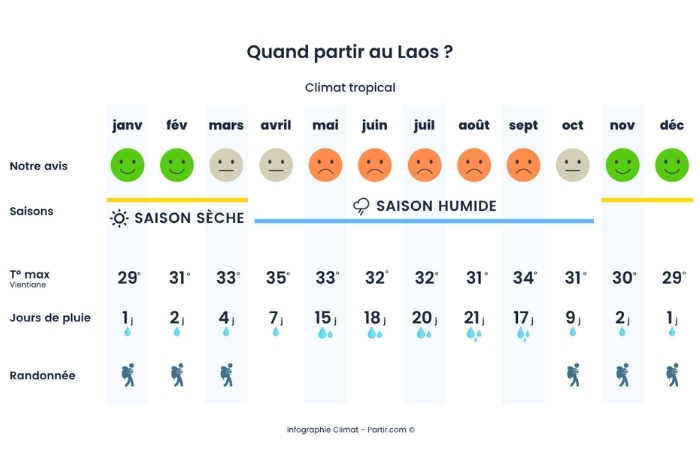
Does it rain a lot in Laos in summer ? Yes, rainfall is an important feature of the weather in Laos in summer, especially from July to August. Showers can be heavy but are often temporary, allowing travelers to continue their activities between periods of rain. In Vientiane, for example, July and August can experience intense rainfall, although showers may last only a few hours. The rainy season in Laos also has some advantages. The countryside becomes greener, waterfalls are more spectacular and the atmosphere is generally fresh after rainfall. However, heavy rain can make hiking trails slippery and may affect access to some outdoor attractions. Checking the local forecast before excursions and keeping your itinerary flexible are therefore recommended when traveling to Laos in summer
The average temperature in Laos in summer generally stays warm, with daytime temperatures often reaching around 30°C or higher in many lowland areas. From June to August, temperatures remain relatively stable, while humidity and rainfall increase during the rainy season. Across the country, the average summer temperature is around 26 - 28°C, although it varies depending on altitude and location. The average temperature in Laos can also vary from month to month. June is generally slightly warmer, while July and August tend to be a little cooler because of increased cloud cover and rainfall. Travelers should also expect warm nights, with temperatures commonly remaining above 20°C in many destinations.
| Month | Average temperature | Average high | Average low |
| June | 27 - 28 °C | 31 - 35 °C | 24 - 25 °C |
| July | 27 - 28 °C | 31 - 35 °C | 24 - 25 °C |
| August | 27 °C | 31 - 31 °C | 24 - 25 °C |
Temperatures can vary between popular destinations because of differences in geography and altitude. Vientiane and Pakse are generally warm, while Luang Prabang can feel slightly cooler, especially at night. Vang Vieng also benefits from its mountainous surroundings. The average temperature in Luang Prabang remains around 31°C during the day in summer, while the average temperature in Vang Vieng is generally slightly lower. In Vientiane, temperatures can reach around 31 - 32°C, making early mornings and late afternoons more comfortable for sightseeing. Further south, the average temperature in Pakse remains around 30 - 31°C.
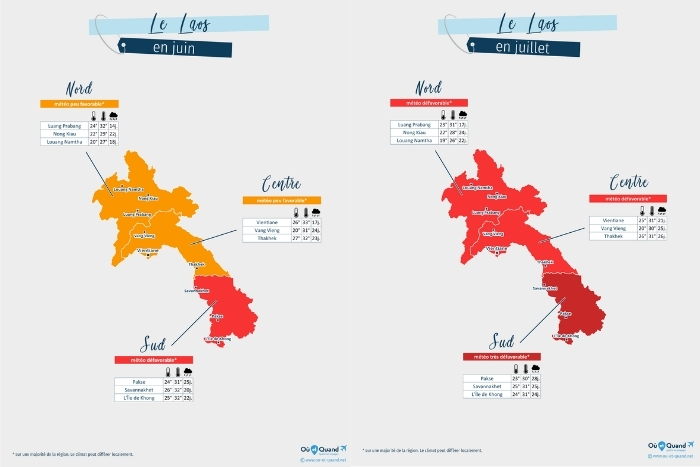
If you are wondering when to visit Laos in summer, June can be a good choice for travelers who want to experience green landscapes while avoiding some of the heavier rainfall later in the season. July and August are generally wetter, with more frequent showers and high humidity. However, each summer month has its advantages. June can offer a balance between warm weather and manageable rainfall, while July and August are particularly attractive for seeing lush vegetation and impressive waterfalls. Travelers should check the local Laos weather forecast before planning outdoor activities and remain flexible during periods of heavy rain.
Despite the warm and humid Laos weather in summer, this season is a great time to enjoy lush landscapes, flowing rivers and impressive waterfalls. The rainy season brings fresh greenery to the countryside and creates beautiful scenery in many parts of the country. From exploring historic temples to discovering limestone mountains and waterfalls, there are plenty of things to do in Laos in summer. However, it is best to check local weather conditions before planning outdoor activities, especially hiking and river excursions.
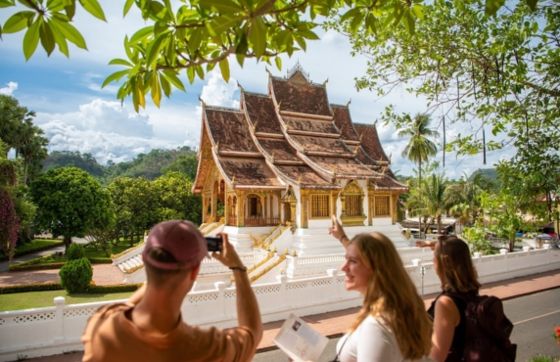
Luang Prabang is one of the best destinations to visit in Laos in summer, especially for travelers interested in culture, history and nature. This UNESCO-listed town is known for its well-preserved traditional architecture, Buddhist temples and peaceful atmosphere at the meeting point of the Mekong and Nam Khan rivers. Visitors can begin their day by exploring the Old Town, where golden temples, colonial buildings and quiet streets create a unique atmosphere. Wat Xieng Thong, Wat Mai and Mount Phousi are among the most popular attractions. In the evening, the night market is a pleasant place to discover local handicrafts, Lao textiles and traditional snacks.
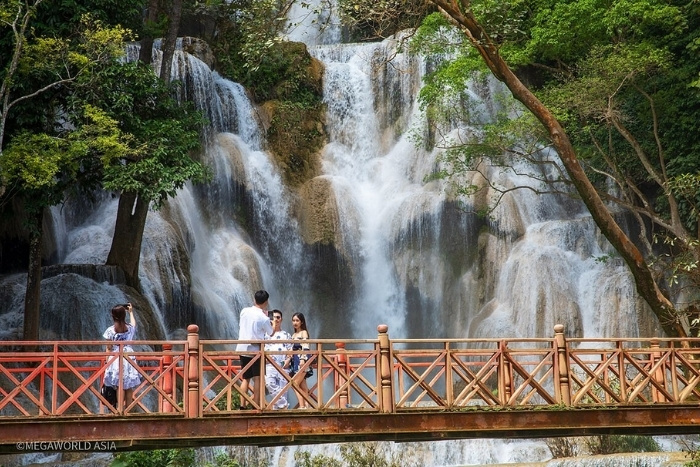
Summer is also a good time to explore the natural surroundings of Luang Prabang. Kuang Si Waterfalls are particularly impressive during the rainy season, when abundant water flows through the forest and fills the turquoise pools. Visitors can swim, take photographs or walk along the nearby forest trails. Tad Sae Waterfall is another option, although its water level can vary depending on rainfall. Travelers may also enjoy a boat trip on the Mekong River or visit nearby villages to learn about local life. However, the weather in Laos in summer can be hot, humid and unpredictable. Heavy showers may make hiking paths slippery, so comfortable shoes and a light rain jacket are essential. It is best to plan temple visits and outdoor excursions in the morning, check the forecast regularly and keep your schedule flexible.
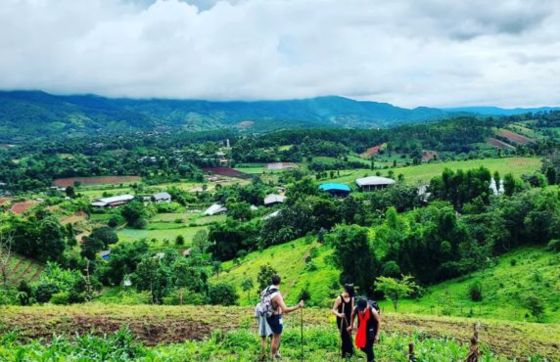
Vang Vieng is one of the most attractive destinations for travelers who want to enjoy nature and outdoor activities in Laos in summer. Located between the Nam Song River and dramatic limestone mountains, the town is surrounded by green rice fields, caves and peaceful rural landscapes. During the rainy season, the vegetation becomes especially lush, creating beautiful scenery for photography and sightseeing. The fresh landscape also gives Vang Vieng a more relaxing atmosphere than during the drier months.
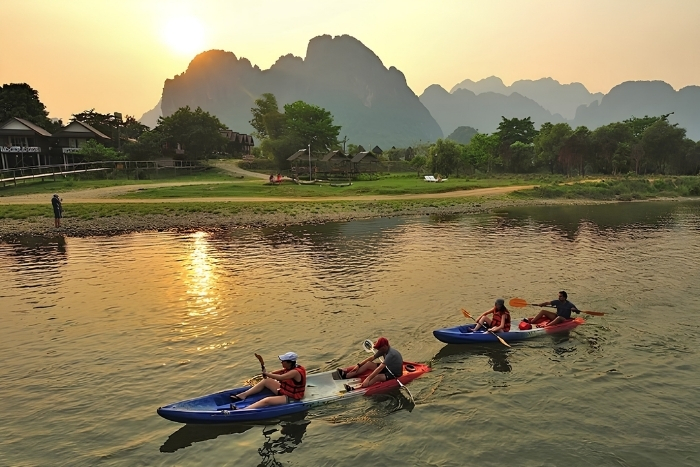
There are many things to do in Vang Vieng during summer. Travelers can visit Tham Chang Cave, explore Tham Phu Kham Cave and swim in the Blue Lagoon. These attractions offer a good combination of adventure and relaxation. Visitors who prefer a slower experience can rent a bicycle or motorbike to explore nearby villages and rice fields. A hot-air balloon flight is another popular activity, offering panoramic views of the karst mountains, although flights depend strongly on wind and rainfall conditions. The climate in Laos in summer is warm and humid, so it is important to drink enough water, use sunscreen and wear light clothing.
Vientiane offers a more relaxed way to experience Laos in summer. Unlike Vang Vieng or southern Laos, the capital is not mainly focused on adventure activities, but it provides an excellent introduction to Lao history, religion and everyday life. Travelers can explore important landmarks such as Pha That Luang, the national symbol of Laos, and Patuxai, a monumental gate offering views over the city. Wat Si Saket, with its many Buddha images, is another worthwhile stop for visitors interested in architecture and Buddhist culture.
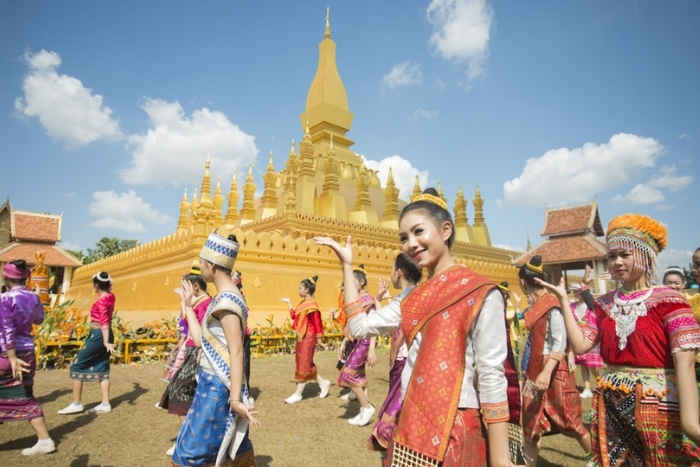
The city is also a pleasant place to discover local food and urban life. Travelers can visit Talat Sao, explore small markets, enjoy Lao dishes in local restaurants or relax in cafés around the city center. In the late afternoon, the Mekong riverside becomes more lively, with food stalls, walking paths and a night market. Watching the sunset over the river is one of the simplest but most enjoyable things to do in Vientiane. When planning what to do in Laos in summer, it is helpful to keep outdoor visits flexible. If rain interrupts your plans, you can spend time in museums, cafés, markets or restaurants. Vientiane is therefore a convenient destination for travelers who want to combine cultural discovery with a slower and more comfortable holiday pace.
Southern Laos is an excellent choice for travelers looking for impressive landscapes, waterfalls and a quieter atmosphere. Pakse is the main gateway to the region and provides a convenient base for exploring the Bolaven Plateau. Located at a higher altitude, the plateau is generally cooler than the lowlands and is famous for its coffee plantations, ethnic villages and beautiful waterfalls. Tad Fane and Tad Yuang are among the most popular falls, especially during the rainy season when the water flow becomes stronger and the surrounding vegetation turns bright green.
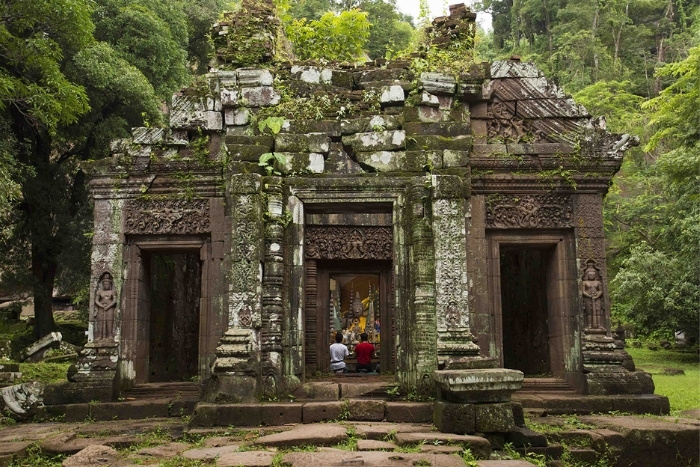
Travelers can also visit Champasak, a peaceful riverside town known for Wat Phou, an ancient Khmer temple complex and UNESCO World Heritage Site. The temple is surrounded by mountains and offers a fascinating insight into the history of southern Laos. Further south, the 4000 Islands, or Si Phan Don, provide a relaxing setting along the Mekong River. Don Det and Don Khon are popular for cycling, river views and a slower island lifestyle. Visitors may also see traditional villages and, with some luck, rare Irrawaddy dolphins.
Traveling to Laos in summer requires a little preparation because the weather can be hot, humid and rainy. The following tips can help you enjoy your trip more comfortably while adapting to the Laos weather in summer.
Laos in summer offers a unique travel experience with warm temperatures, lush green landscapes and spectacular waterfalls brought to life by the rainy season in Laos. While the Laos weather in summer can be hot and humid, careful planning and a flexible itinerary allow travelers to enjoy the country's cultural treasures and natural beauty. Whether you explore Luang Prabang, Vang Vieng, Vientiane or southern Laos, summer reveals a quieter and greener side of the country. With Autour Asia - Laos travel agent, discover the best of Laos and enjoy a tailor-made journey designed around your travel style and interests.






 FR
 ITA
