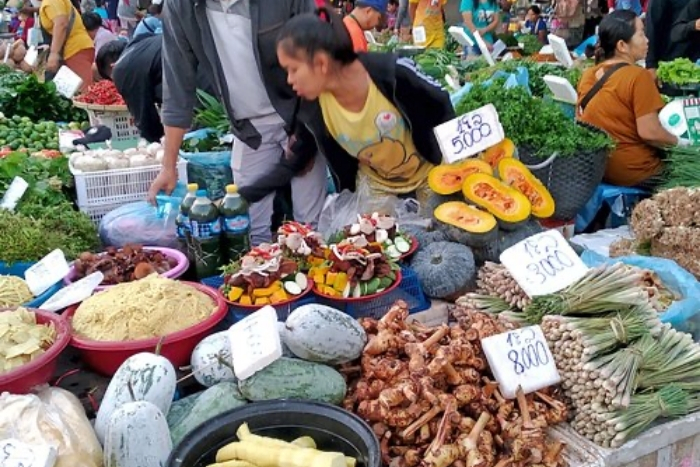
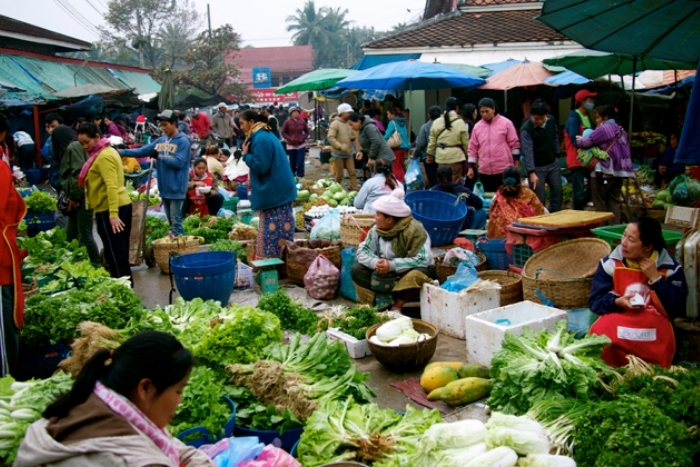
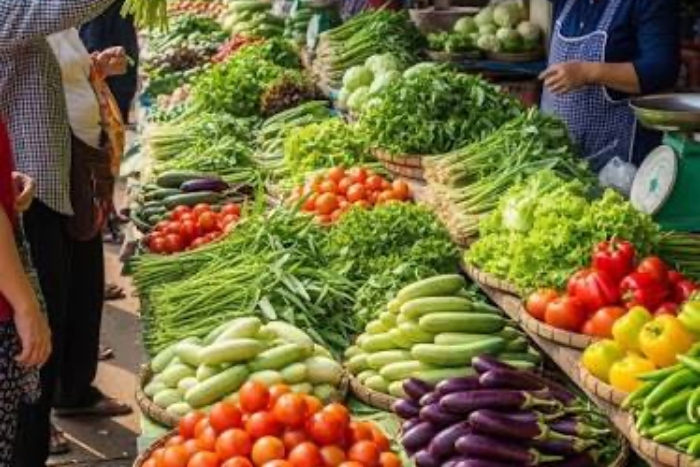
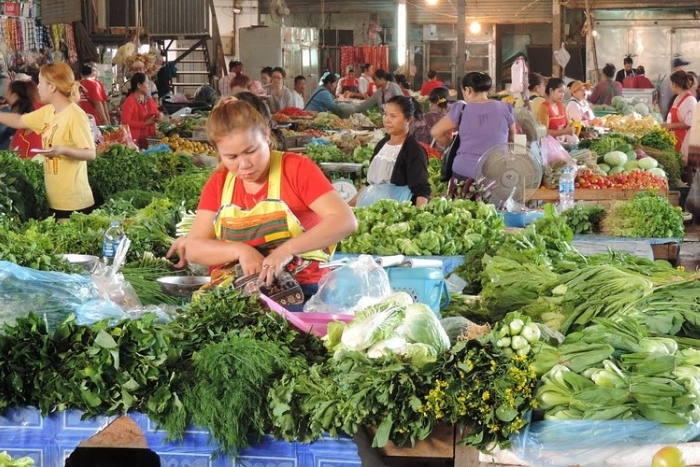
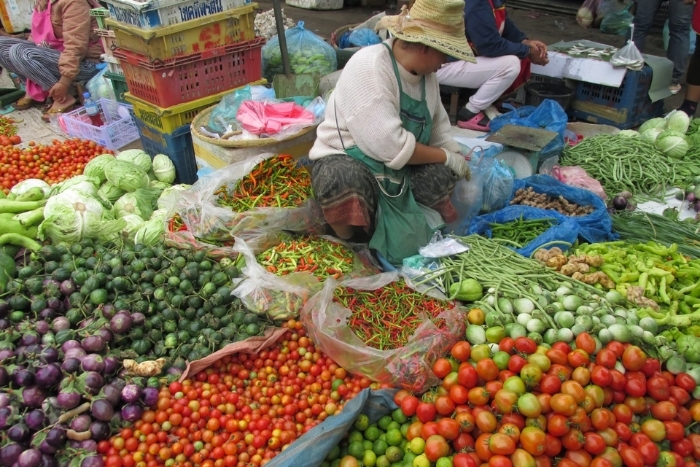
Markets are an integral part of daily life in Laos. Early in the morning, the stalls fill up with fresh products brought by people from nearby villages: vegetables, fruits, meat, fish, aromatic herbs, rice and local culinary preparations.
For a traveler, this lively atmosphere offers a unique opportunity to observe everyday Lao life away from the usual tourist routes. Here, you can discover eating habits, the products consumed by families and the diversity of ingredients used in local cuisine.
The official Laos tourism website notably describes the morning market in Muang Sing as a true heart of the town, where people from different ethnic communities come together to sell and buy fresh products. Tai Lue women, in particular, offer their traditional noodles, while the market also features handicraft products.
Visiting an agritourism market in Laos thus makes it possible to turn a simple stroll into a genuine local experience in Laos.
The appeal of an agritourism market in Laos lies above all in the diversity of products that can be observed, tasted or purchased there.
The stalls offer the opportunity to discover a wide variety of locally grown vegetables, fruits and herbs. Their availability naturally depends on the seasons and regions, making every visit different.
For travelers interested in gastronomy, the market is also an excellent introduction to the ingredients that make up Lao dishes. Fresh herbs, chilies, vegetables, sticky rice and fermented products help visitors better understand local flavors even before sitting down at the table.
Don't miss: 2 weeks in Laos on a budget
Some markets also offer traditional preparations and sweets made on site. In Muang Sing, for example, visitors can taste products such as soybean paste, waffles and local sweets made notably from sticky rice and coconut.
These discoveries are particularly interesting for those wishing to combine agritourism in Laos with a gastronomic discovery.
In the south of the country, coffee is one of the best examples of the link between agriculture and tourism. The Bolaven Plateau, in Champasak Province, is renowned for its coffee plantations. According to Tourism Laos, this region provides more than 80% of the country’s coffee production.
Travelers can therefore go beyond tasting: visiting a plantation, meeting producers, discovering the processing stages and then buying local coffee becomes a true immersion in the Lao agricultural world.
Don't miss: Michelin-worthy Restaurants In Laos
Not all markets offer the same experience. Some are more oriented toward local residents, while others are integrated into tourist areas or rural destinations. Here are some interesting stops to include in an itinerary.
Located in Luang Namtha Province, Muang Sing Market is one of the most interesting experiences for discovering the products and traditions of communities in northern Laos.
It is particularly lively between 7 a.m. and 8 a.m., when vendors arrive with vegetables, fruits and other products intended for daily consumption. Visitors can also discover textiles and handicrafts produced by different ethnic communities.
To fully enjoy the atmosphere of the market, it is best to arrive early, when interactions between vendors and local residents are at their liveliest.
In Vientiane, markets offer a different, more urban experience. Talat Sao, or Morning Market, is an important commercial center in the capital. It offers textiles, handicrafts, jewelry, souvenirs and various local products. According to Tourism Laos, it is open daily from 7 a.m. to 5 p.m.
Although it is not strictly an agricultural market, it can easily be incorporated into a broader exploration of Lao culture and know-how.
Discover: Vaccines for Laos travel
For lovers of agricultural products, the Bolaven Plateau is an essential stop in southern Laos. The region is known for its coffee plantations, cooler climate and lush green landscapes.
Near Tad Yeuang Waterfall, for example, visitors pass through a community market where fruits, organic vegetables, local products, handicrafts and Bolaven Plateau coffee are sold.
This combination of nature, agriculture, market and encounters with vendors particularly well illustrates the spirit of rural tourism in Laos.
To go beyond a simple market visit, travelers can combine it with an immersion in a farm.
Coffee from the Bolaven Plateau offers an excellent example. Some experiences allow visitors to discover a plantation, participate in the harvest during the coffee season, observe the processing of the beans and finish with a tasting.
Tourism Laos notably presents experiences organized by the Bolaven Plateau Coffee Producers Cooperative, allowing visitors to discover a plantation, participate in the harvest with farming families, visit the processing center and then have lunch with a local family.
This approach transforms the product purchased at the market into a complete story: from field to plate, or from plantation to cup.
This is precisely what makes agritourism trends particularly interesting for travelers seeking more immersive experiences. Instead of simply observing a destination, they can understand how local people grow, process, cook and market their products.
See also: Getting Around in Laos
A market can easily become a sustainable rural tourism experience, provided that a few simple habits are adopted.
First, favor products made or grown locally rather than imported goods. Whenever possible, bring a reusable bag to reduce single-use packaging.
It is also important to respect the people you meet. Before photographing a vendor or resident, always ask for their permission. In rural villages, observe local customs and avoid disrupting daily activities.
Finally, do not systematically try to negotiate a few thousand kip when the asking price remains reasonable. A purchase made directly from a small producer often represents much more than a simple souvenir: it is a concrete way to contribute to the local economy.
To discover markets in the best conditions, morning is generally the most interesting time. The products have just arrived and activity starts early.
However, travelers who wish to combine markets with agricultural experiences in Laos should take the seasons into account. The products available change according to harvest periods and regions.
For coffee from the Bolaven Plateau, the harvest period extends notably from November to March for some experiences offered to visitors.
Before leaving, therefore, find out about the seasonal activities available in the region you are visiting.
Markets can easily be integrated into a broader tour. In Luang Namtha, a morning at Muang Sing Market can be combined with exploring the villages and landscapes of the north. In the south, a stop at Tad Yeuang Market can complement an excursion to the waterfalls and plantations of the Bolaven Plateau.
For travelers passionate about gastronomy, another option is to combine a market visit, a cooking class and a meal with a local family. This formula allows visitors to follow the journey of products from their sale to their preparation.
Thus, the market does not necessarily constitute an isolated destination. It can become the starting point for an immersion in the rural life, gastronomy and traditions of Laos.
Discovering an agritourism market in Laos is ultimately about much more than doing some shopping during a trip. It means observing daily life, tasting seasonal products, meeting local people and understanding the deep connection between agriculture, food and culture. From Muang Sing to the Bolaven Plateau, markets allow visitors to experience another side of the country, closer to its communities and know-how. By favoring local producers, regional products and responsible behaviors, each visit can also contribute to sustainable rural tourism and local development agritourism. For travelers seeking authenticity, these markets are therefore an excellent gateway to a more vibrant, flavorful and deeply human Laos.


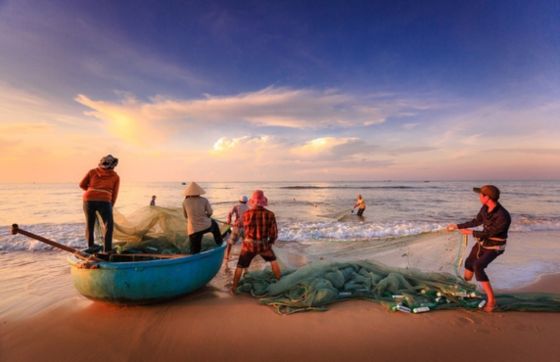

Phan Thiet, a coastal city in Binh Thuan Province, is best known for Mui Ne, an internationally renowned seaside destination. With its beaches, fishing villages, and desert-like sand dunes, the region offers a diverse range of landscapes rarely found elsewhere in Southeast Asia. In November, temperatures remain pleasant for exploring the coast, although occasional showers are still possible. Visiting Phan Thiet Mui Ne in November requires a little preparation to make the most of your stay. This complete guide covers the weather, must-see attractions, transportation options, and practical tips to help you plan your trip to Vietnam in November.
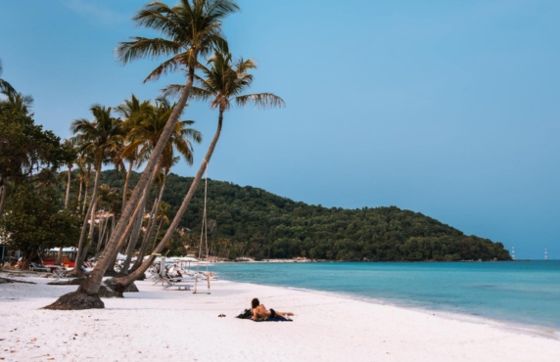
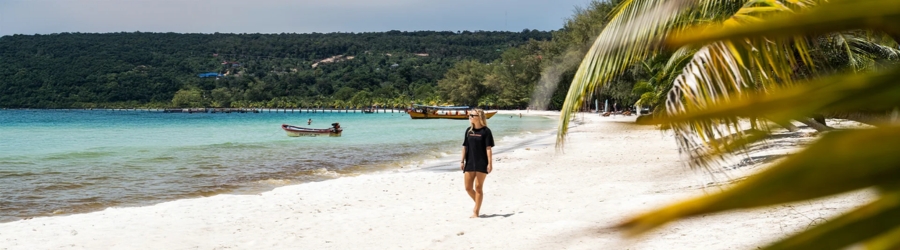
Vietnam’s beaches are best enjoyed at different times of the year, depending on the region. From the turquoise waters of the South to the long stretches of white sand in the Central region and tropical islands, each area has its own climate patterns. To better understand when to visit Vietnam, it is important to consider the weather conditions in each destination. The best time to visit beaches in Vietnam depends on region you choose as well as the activities you have planned. The best time to swim in Vietnam also varies according to rainfall, water temperature and sea conditions. Understanding the Vietnam beach season helps you choose destinations that match your travel dates and enjoy the coastline in good conditions.
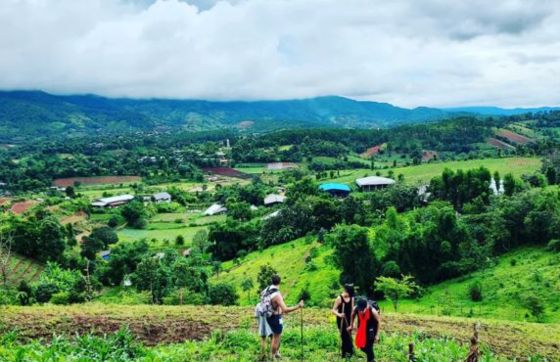
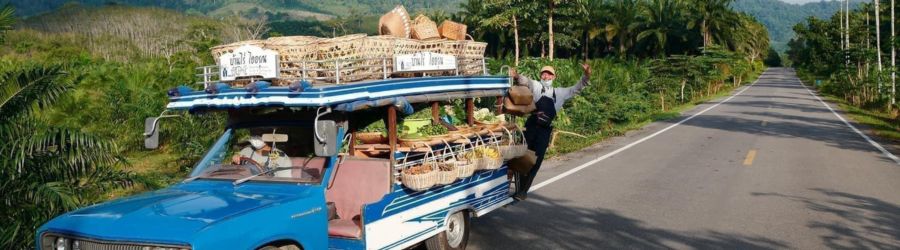
Discovering Thailand through its rice fields, plantations, and rural villages offers a different way to travel, far from traditional tourist circuits. But how can you choose the best agency for Thailand farm tours to enjoy authentic experiences with local communities? Several tour operators offer trips combining agriculture, gastronomy, and encounters with producers. Among them, Autour Asia is an option for travelers who want to personalize their itinerary. Known as Vietnam travel agency - Autour Asia, the company also offers tailor-made trips to several countries in Southeast Asia. With the local travel agency in Thailand - Autour Asia, travelers can explore a trip designed around their interests. Here are five organizations worth knowing, their distinctive features, and the essential criteria for planning a successful agricultural tour in Thailand.
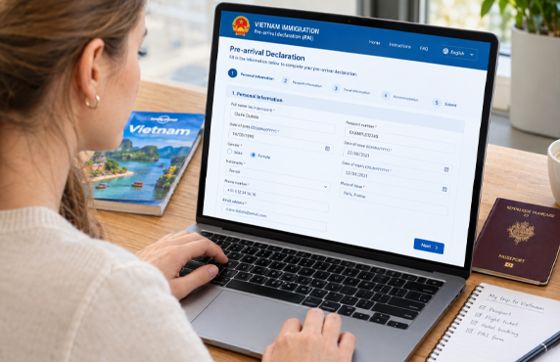
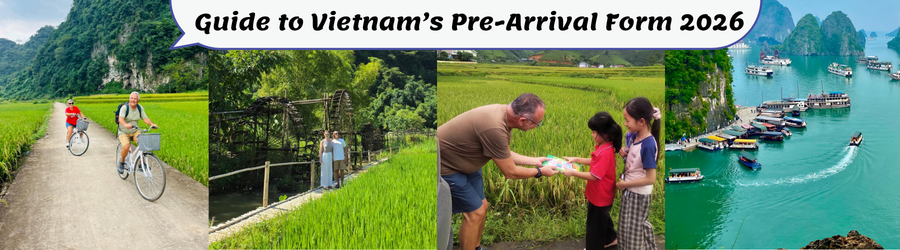
Planning a trip to Vietnam? Before packing your bags, take a few minutes to check the latest entry requirements and prepare the documents you may need at the airport.
Vietnam’s Pre-Arrival Information (PAI) system allows international travellers to submit selected personal, visa and travel details online before arriving in the country. After a successful submission, the system generates a QR code that travellers can save on their phones or print for use during immigration procedures. Although the online declaration is designed to help make arrival procedures smoother, travellers should understand when it applies, how to complete it correctly and which documents they still need to enter Vietnam.
In this practical guide, you will discover where to access the official PAI portal, what information to prepare, how to complete the declaration step by step, how to correct common mistakes and what to do when you arrive at the airport.
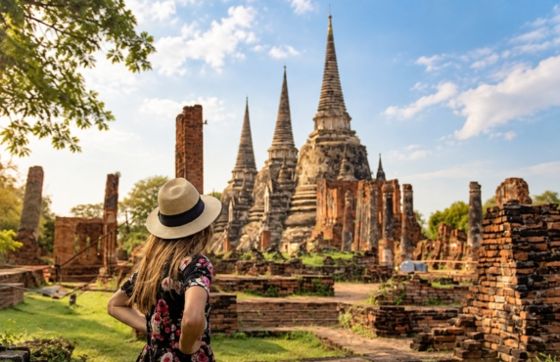
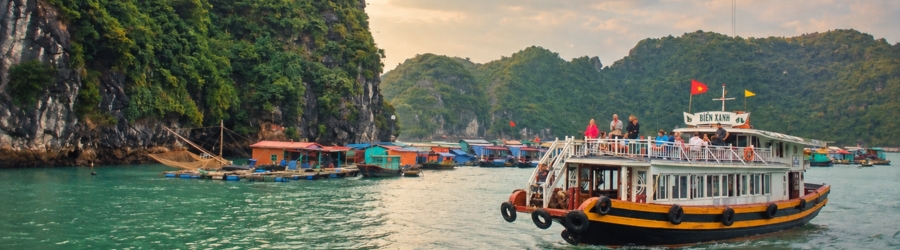
With its exotic landscapes, fascinating cultures and diverse experiences, Vietnam and Thailand are among the most popular destinations in Southeast Asia. However, safety remains an important criterion when planning your trip. So, how can you choose Vietnam or Thailand for a safe trip depending on the way you travel ? And is Vietnam safer than Thailand ? Each destination has its own characteristics and points to consider. In this article, Autour Asia helps you compare Vietnam and Thailand to better understand their differences and choose the destination that meets your expectations for your next trip to Asia.
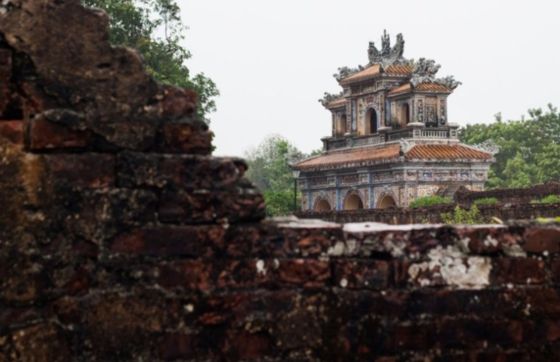
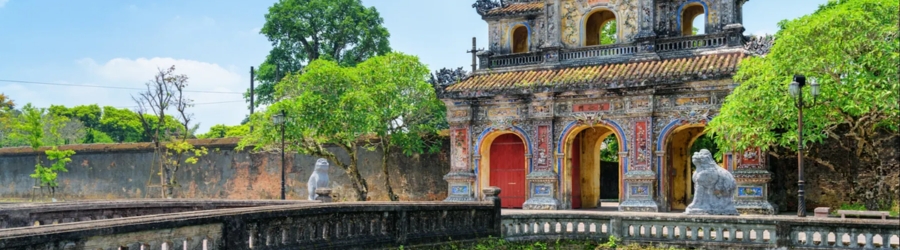
Planning a trip to Hue in November requires a little more flexibility than at other times of the year. Visiting Hue in November means experiencing the rainy season in central Vietnam, with prolonged showers and a risk of flooding. However, this period can also be an opportunity to explore the former imperial capital’s royal heritage, pagodas and renowned cuisine in a quieter atmosphere. The key is to choose your activities carefully, prepare alternative plans and check the weather conditions before setting out.


When travelling in Cambodia, some everyday habits may raise questions about local customs. Is blowing your nose in public considered polite? How should you behave in restaurants, on public transport or during a visit? These small details matter when you want to respect the local culture. Discover how to manage blowing your nose in Cambodia discreetly, along with practical tips on using tissues during your trip. Autour Asia, Cambodia travel agency, helps you discover local customs with advice tailored to travellers. From Cambodia travel etiquette to personal hygiene and everyday situations, a few simple guidelines can make your journey more comfortable. In Phnom Penh, Siem Reap or Kampot, understanding local customs helps you avoid awkward moments while making the most of your stay.
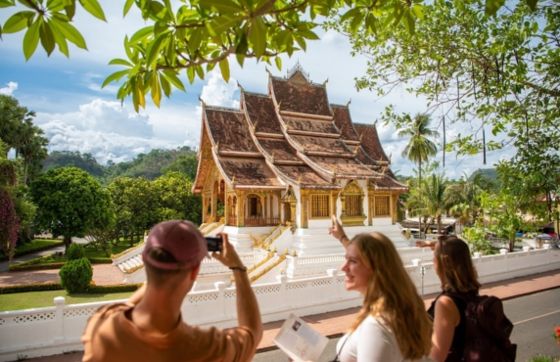
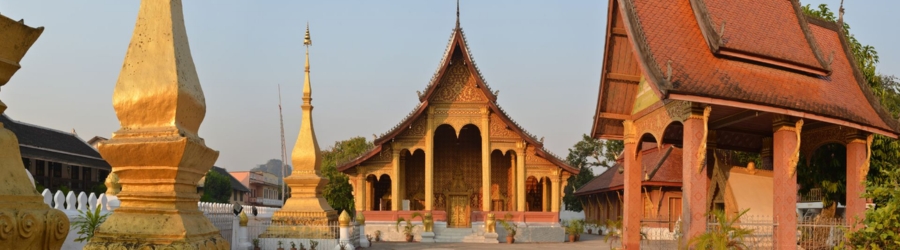
Blow your nose in Laos is not necessarily considered rude, but it is best to do so discreetly, especially in quiet places or during meals. If you have a cold, use a clean tissue and avoid blowing your nose loudly in public. In temples and other places of worship, respect the peaceful atmosphere and local customs. If you need to blow your nose frequently, step away from others for a moment whenever possible. Finally, dispose of used tissues in a rubbish bin. These simple habits will help you observe good manners during your trip to Laos.


 FR
FR EN
EN