Looking to leave the cities behind and discover a more rural side of Laos? A farm stay in Laos offers an opportunity to meet local farmers, learn about their traditional skills, and enjoy a peaceful natural environment. From the rice fields of Luang Prabang to the coffee plantations of the Bolaven Plateau, several establishments offer agricultural experiences for travellers. Some welcome visitors for just a few hours, while others provide rooms or traditional accommodation where guests can extend their stay. To plan this kind of getaway, Local travel agency in Laos - Autour Asia can help create an itinerary suited to individual interests. Here are four places to consider when discovering Lao agricultural life, along with their distinctive features, activities, and practical tips for planning an authentic stay.
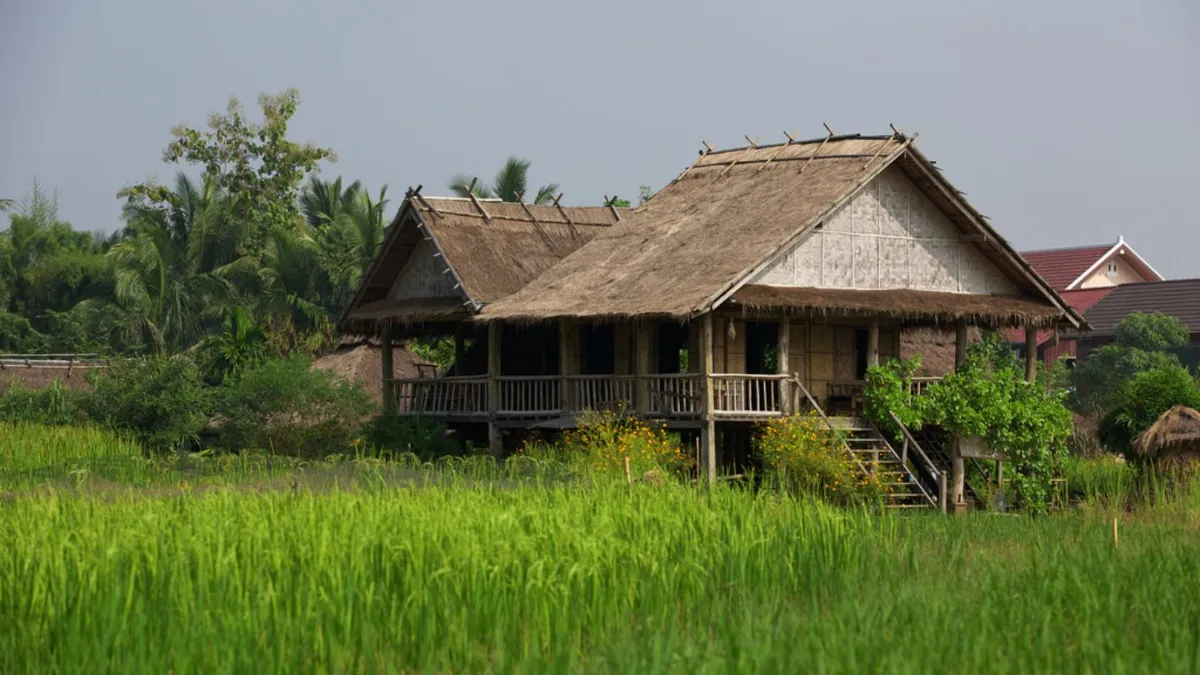
When planning a farm stay in Laos, it is best to choose an establishment that offers genuine agricultural activities rather than simply accommodation surrounded by greenery. With advice from Local travel agency in Laos - Autour Asia, travellers can select authentic experiences suited to their interests and desire to discover rural life. These four places offer different ways to explore the Lao countryside. They are also worth considering when looking for a weekend farm stay Laos experience, whether focused on rice cultivation or coffee production.
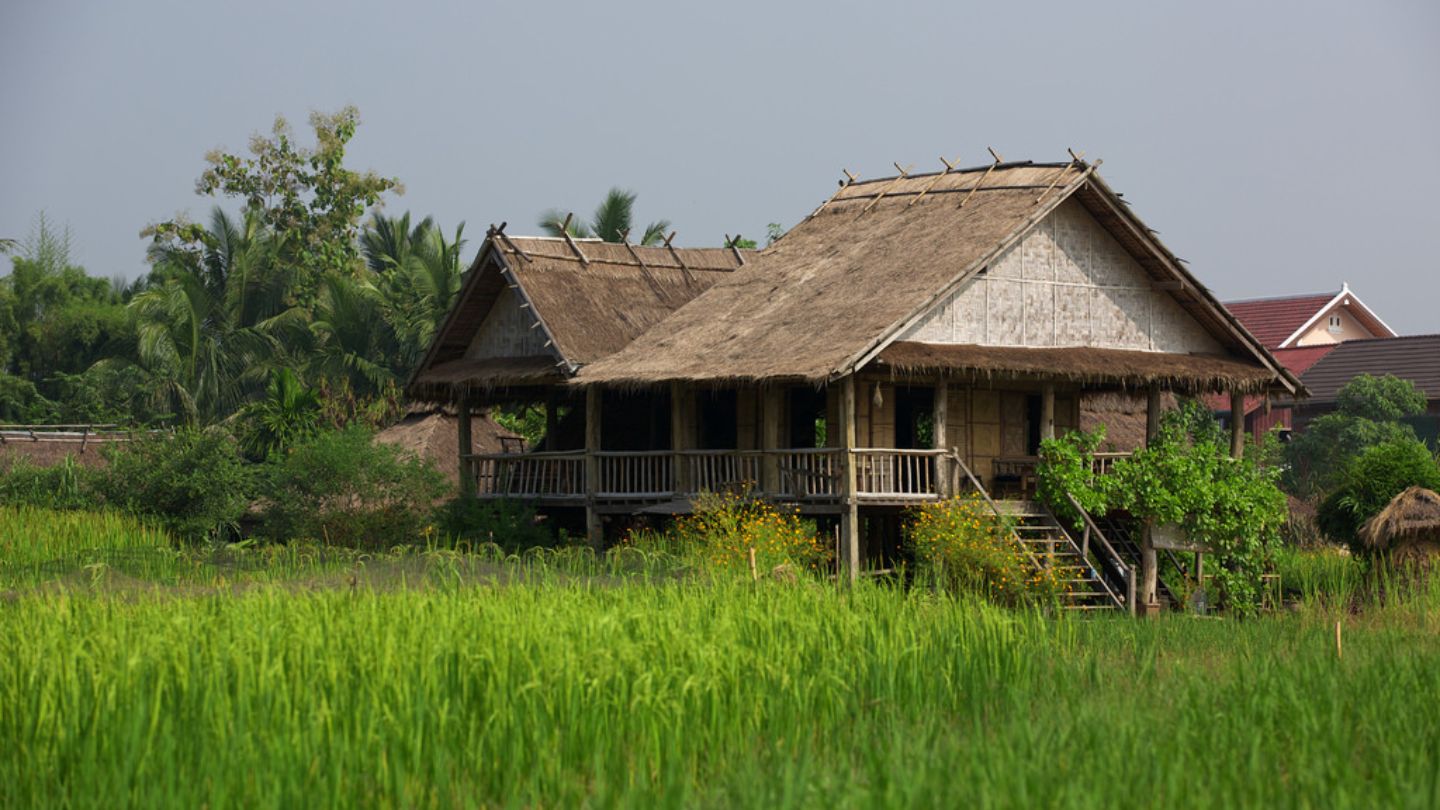
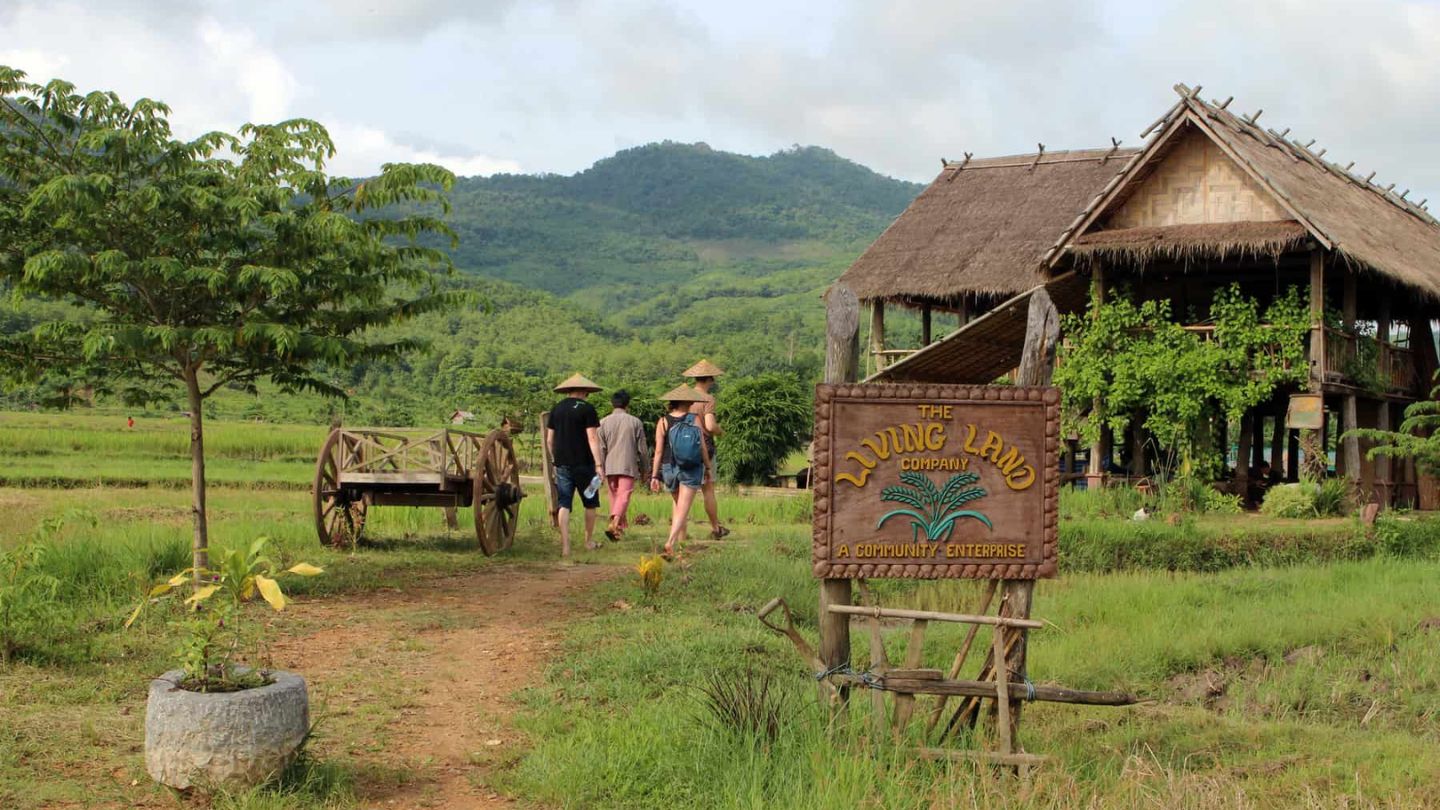
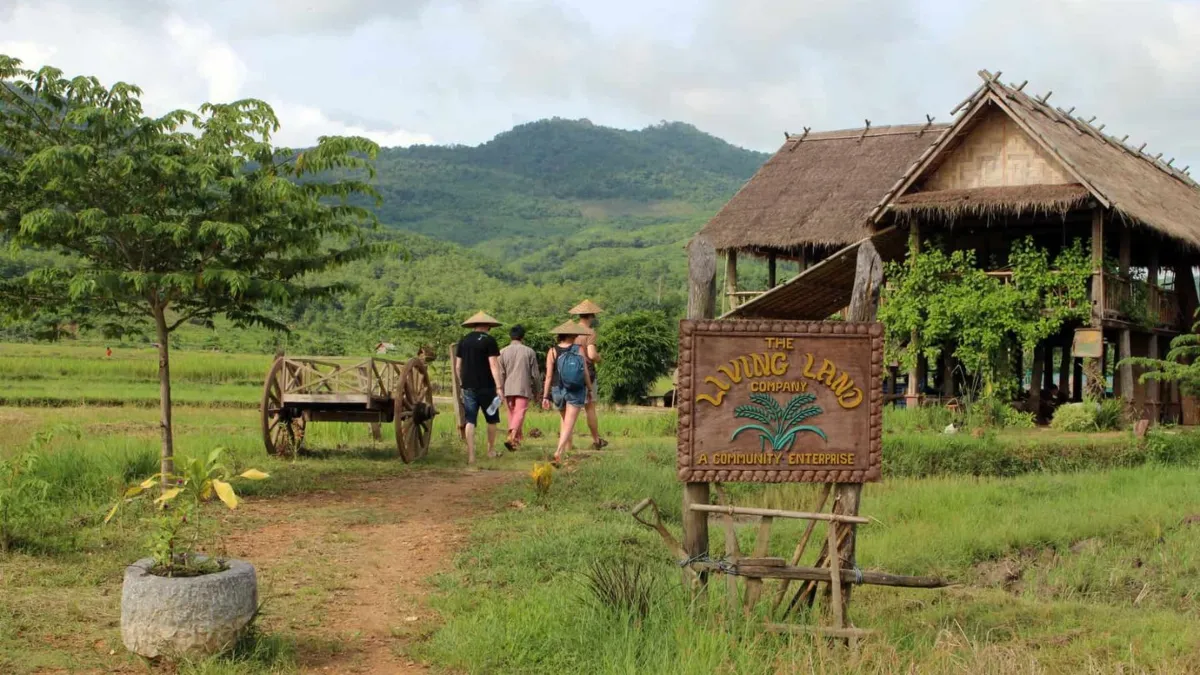
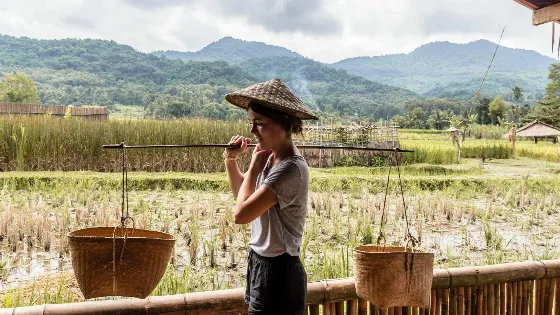
Located in Ban Phong Van, approximately five kilometres from Luang Prabang, Living Land Farm is a community-based farm specialising in organic rice and vegetable cultivation.
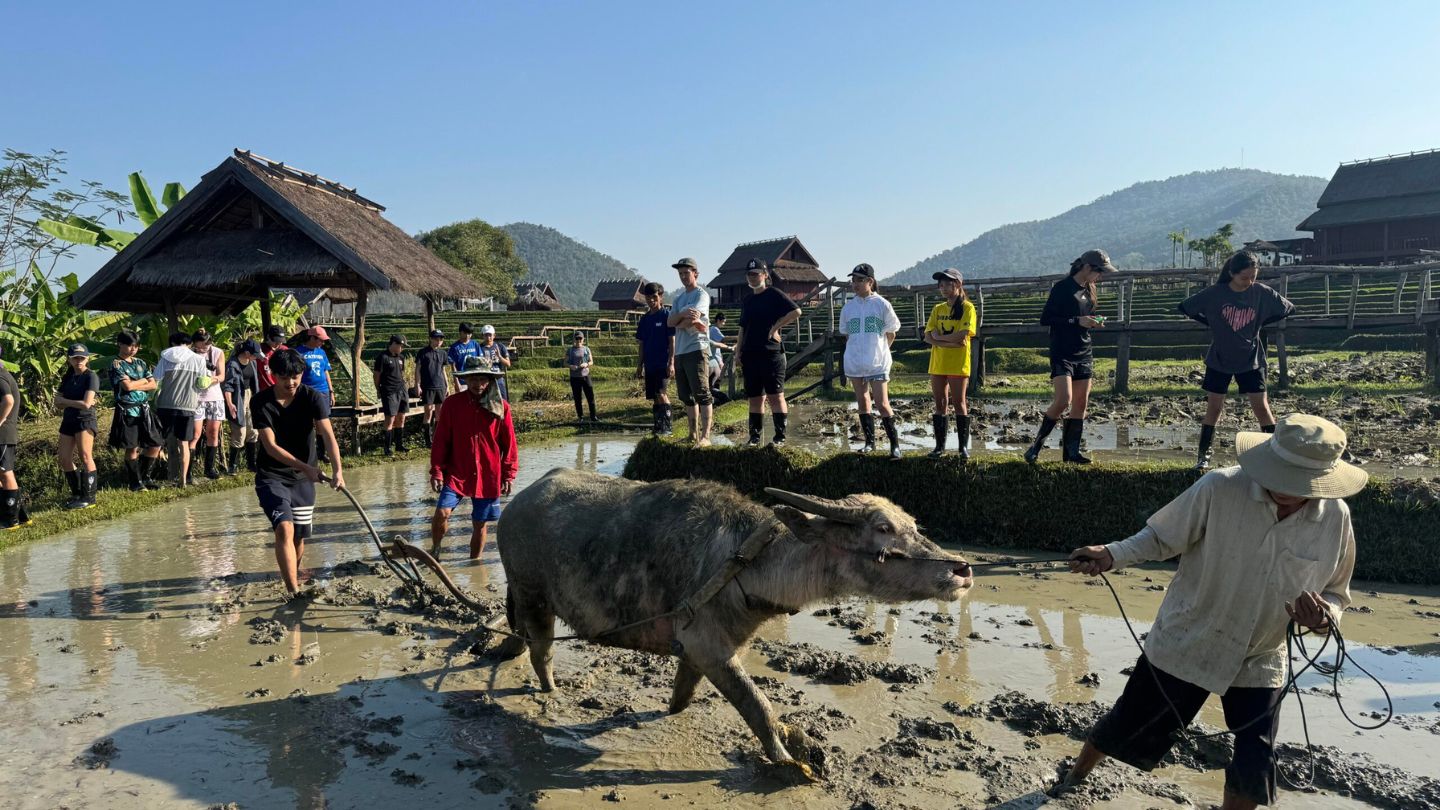
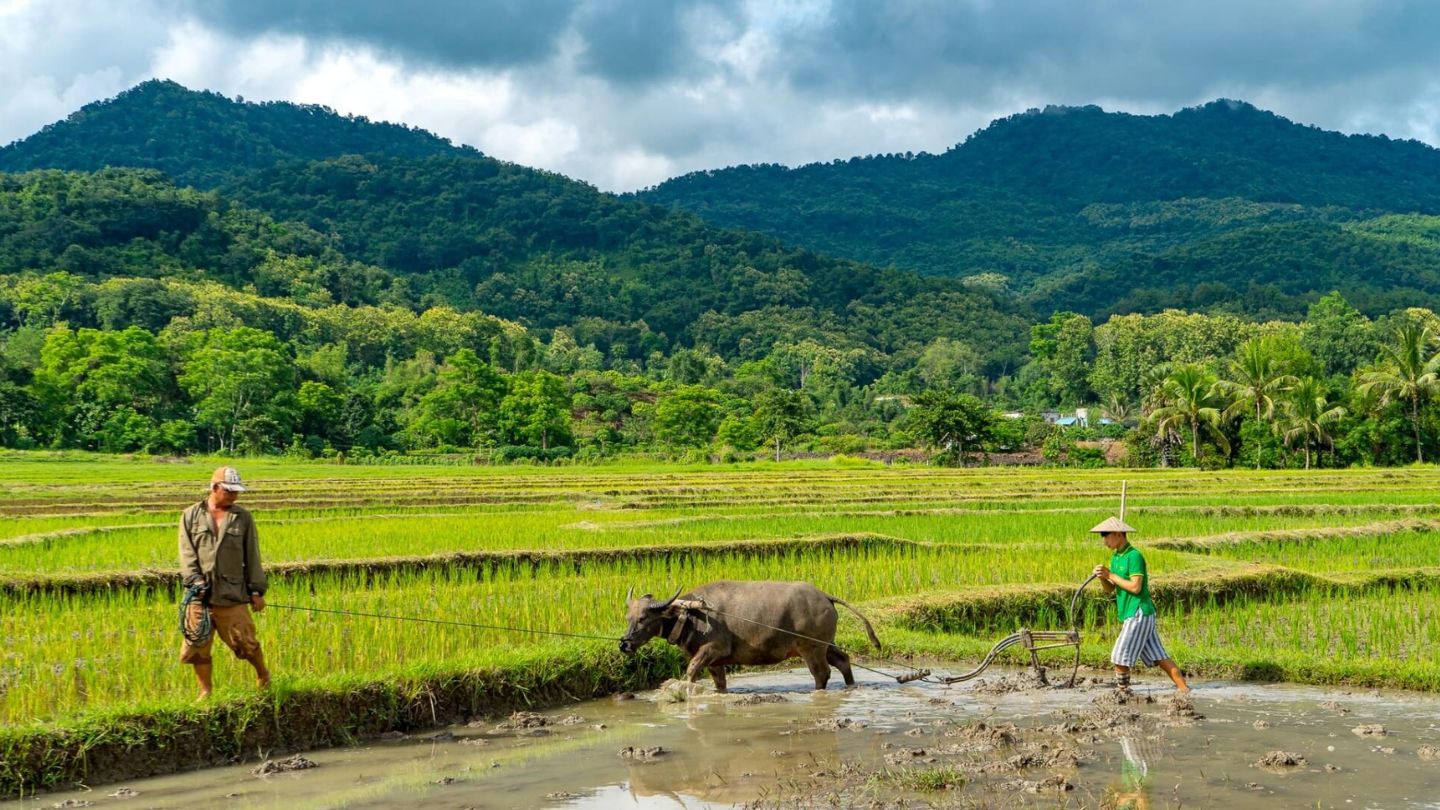
This is an excellent choice for a farm stay in Laos centred on traditional agricultural practices. Visitors can discover the different stages of rice farming, from preparing the fields and planting to harvesting and processing the rice.
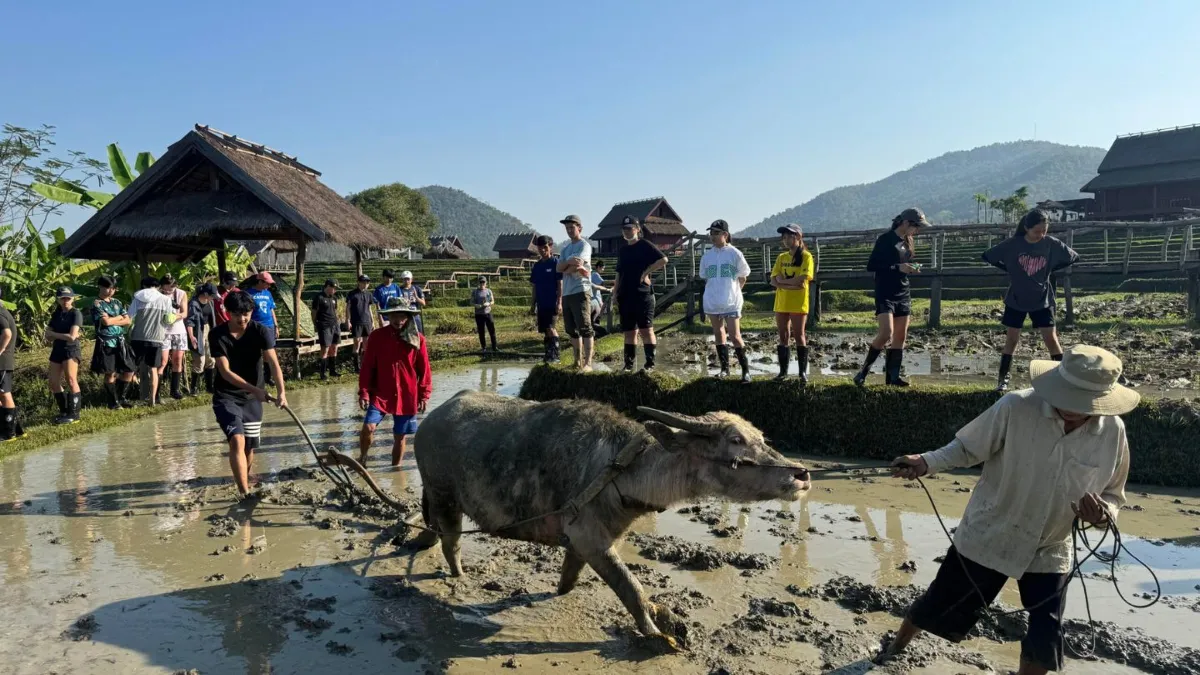
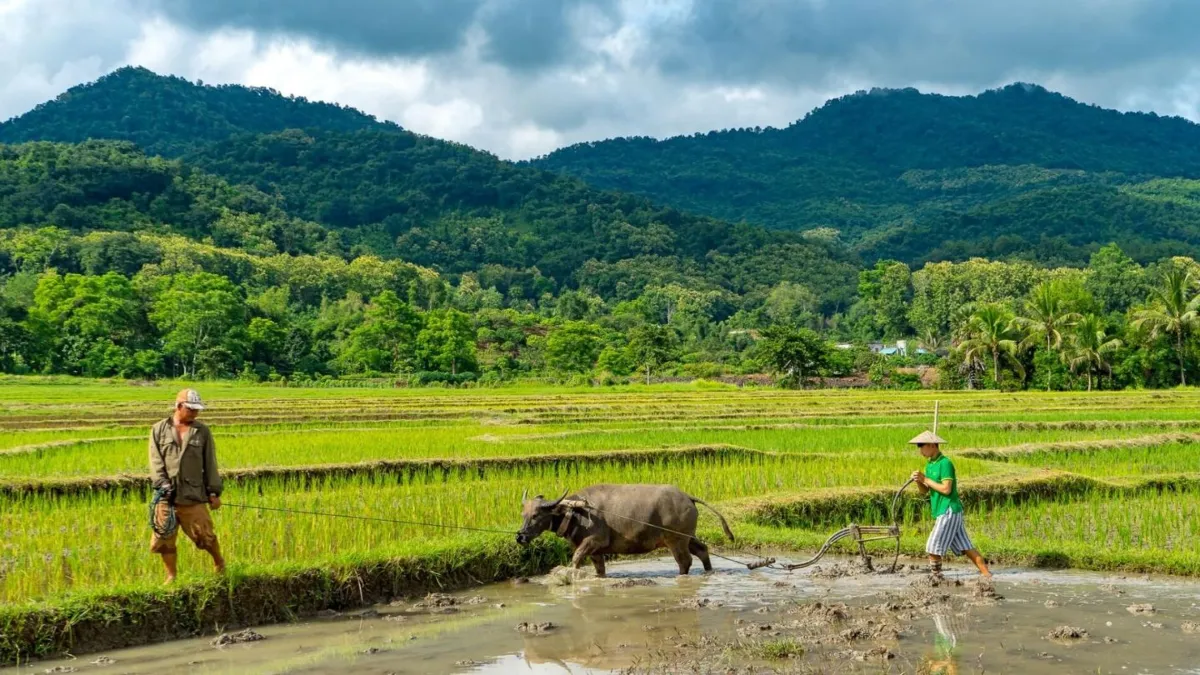
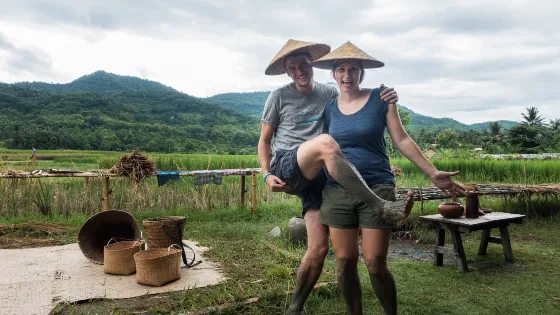
The experience is hands-on. Depending on the activities available, travellers may observe buffaloes at work, handle traditional farming tools, and learn about the techniques used by local farmers.
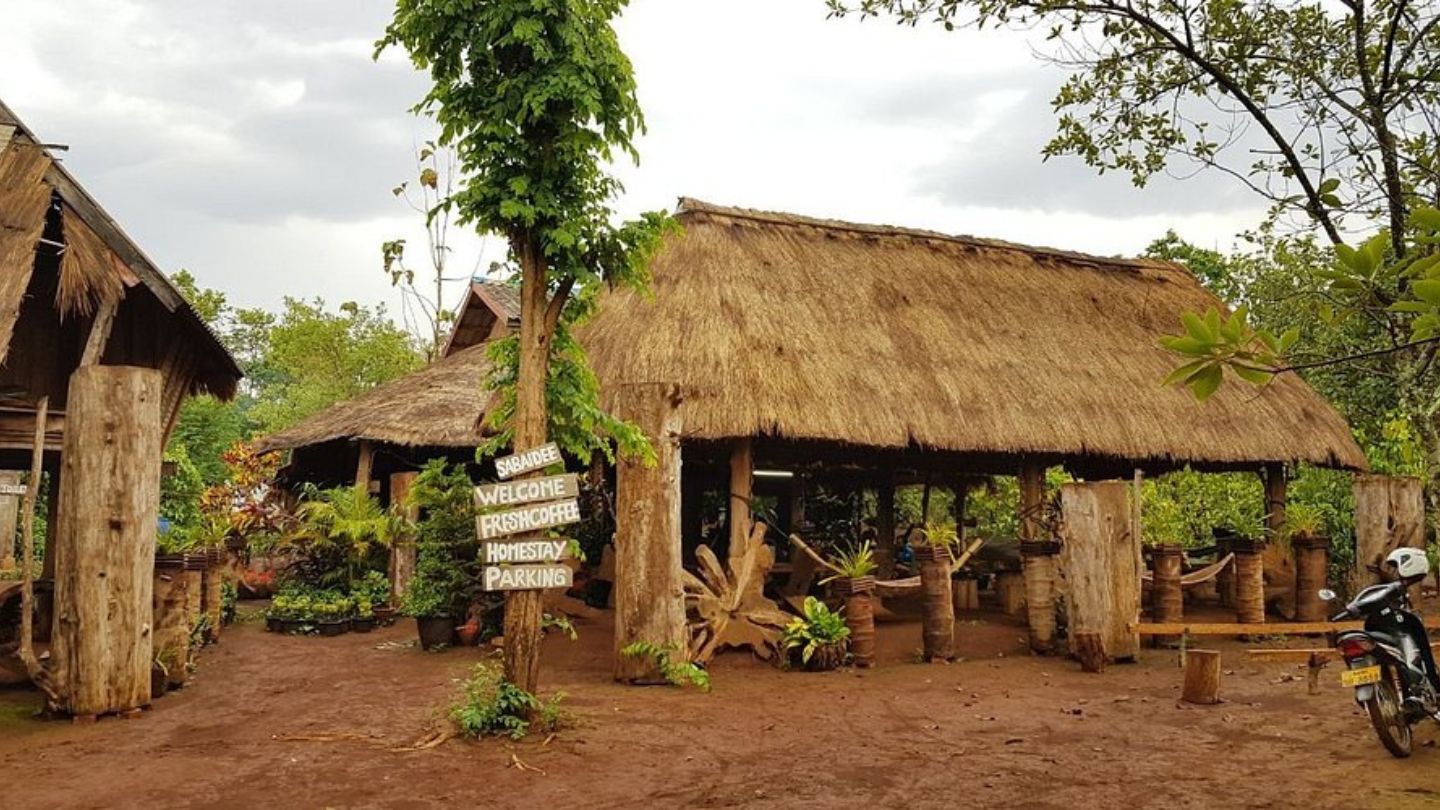
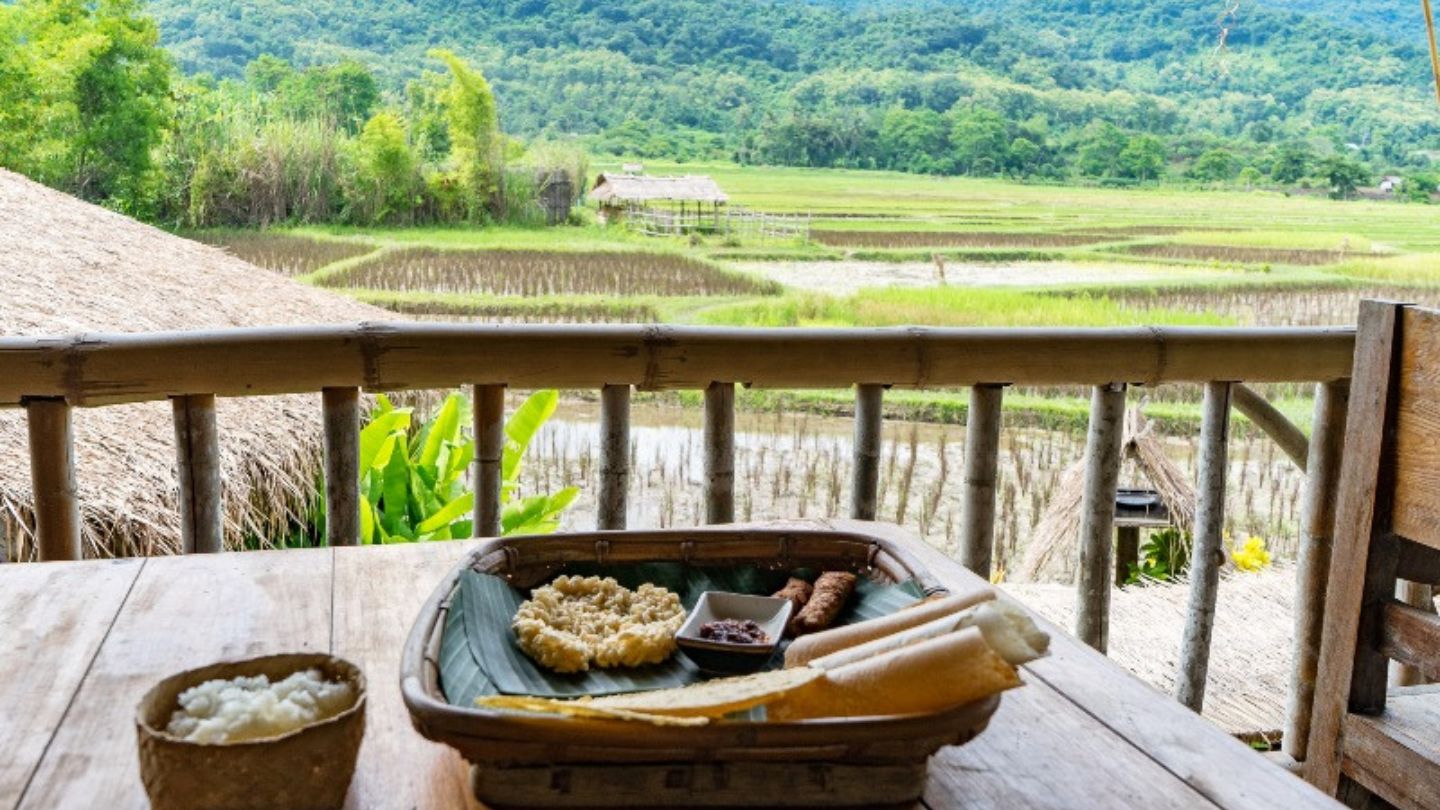
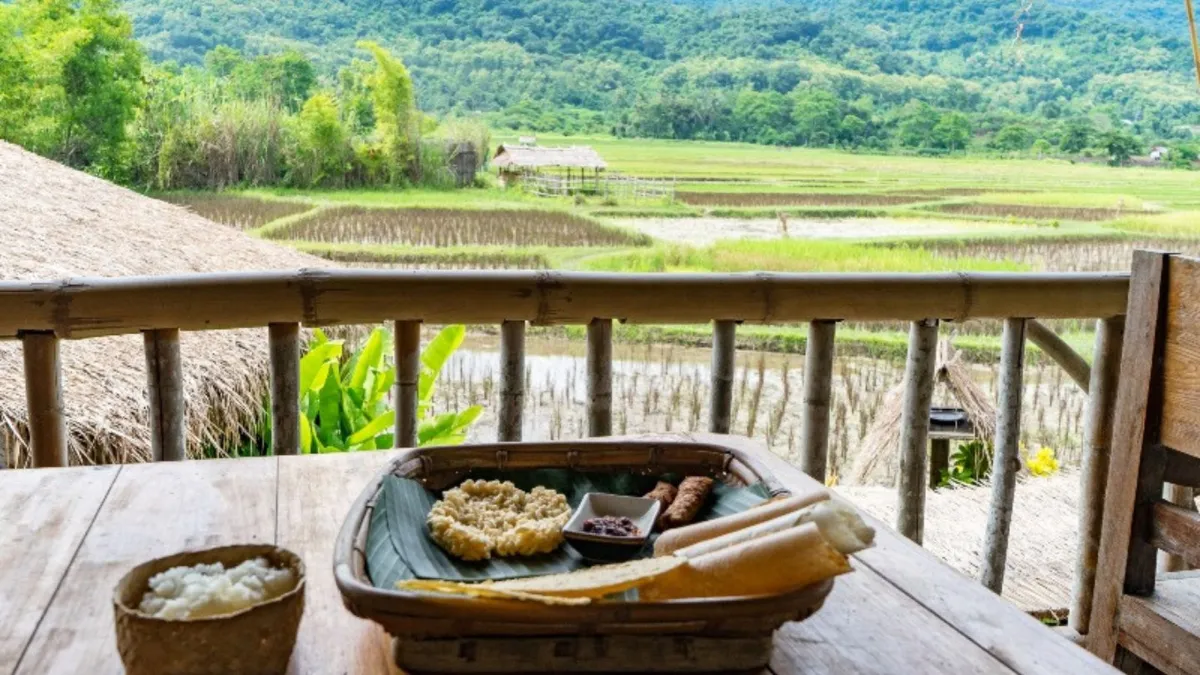
Why stay here? Living Land Farm also offers simple accommodation in converted former rice barns. Visitors can spend the night on the property, enjoy a terrace overlooking the rice fields, and share time with the local team.
Ideal for: Families, travellers curious about rural traditions, and those seeking an authentic experience close to Luang Prabang.
Near the famous Kuang Si Waterfalls, Kao Niaw Farmstay offers an experience combining rural accommodation with opportunities to discover local agriculture.
For a weekend farm stay Laos combining relaxation and practical activities, this establishment is another option in the Luang Prabang area.
Visitors can take part in rice-growing activities, discover how buffaloes are used in farming, or try their hand at certain rural tasks. The farm also follows a farm-to-table approach, connecting locally grown produce with its preparation in the kitchen.
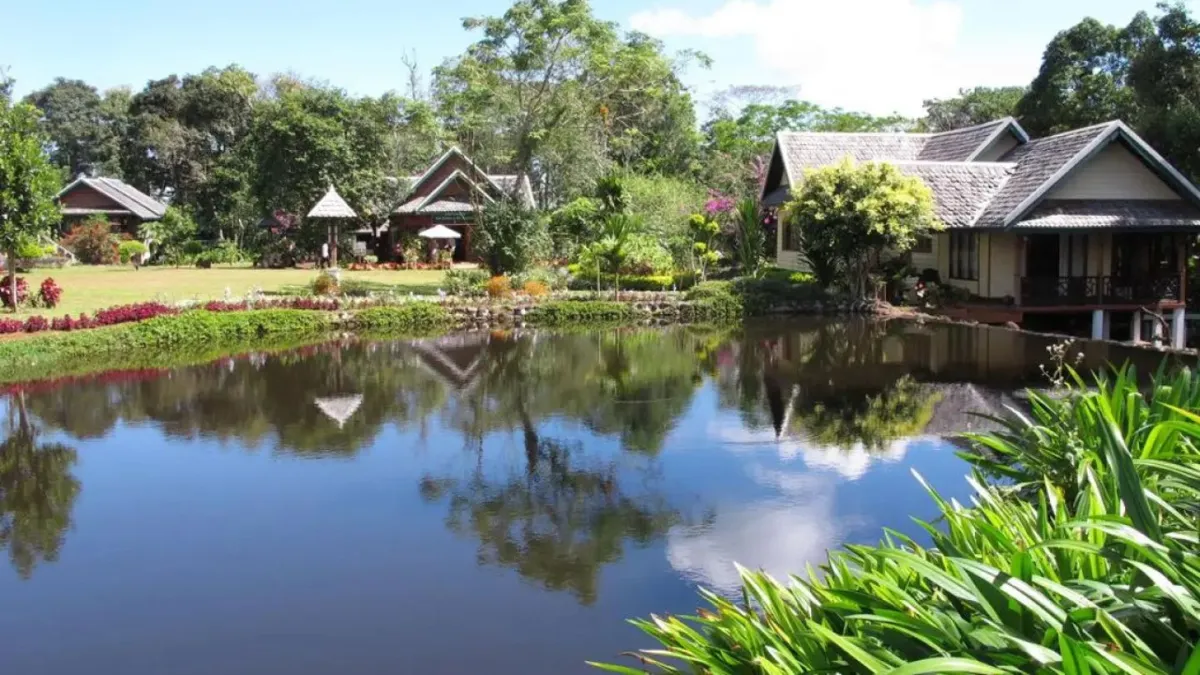
In terms of accommodation, several options are advertised, including rooms and rustic villas. This means guests can choose a more comfortable stay than a night in very basic traditional accommodation.
Its location near Kuang Si also makes it possible to combine an agricultural experience with an excursion around the area without making the itinerary too demanding.
Ideal for: Couples and families wishing to alternate farm activities with moments of relaxation.
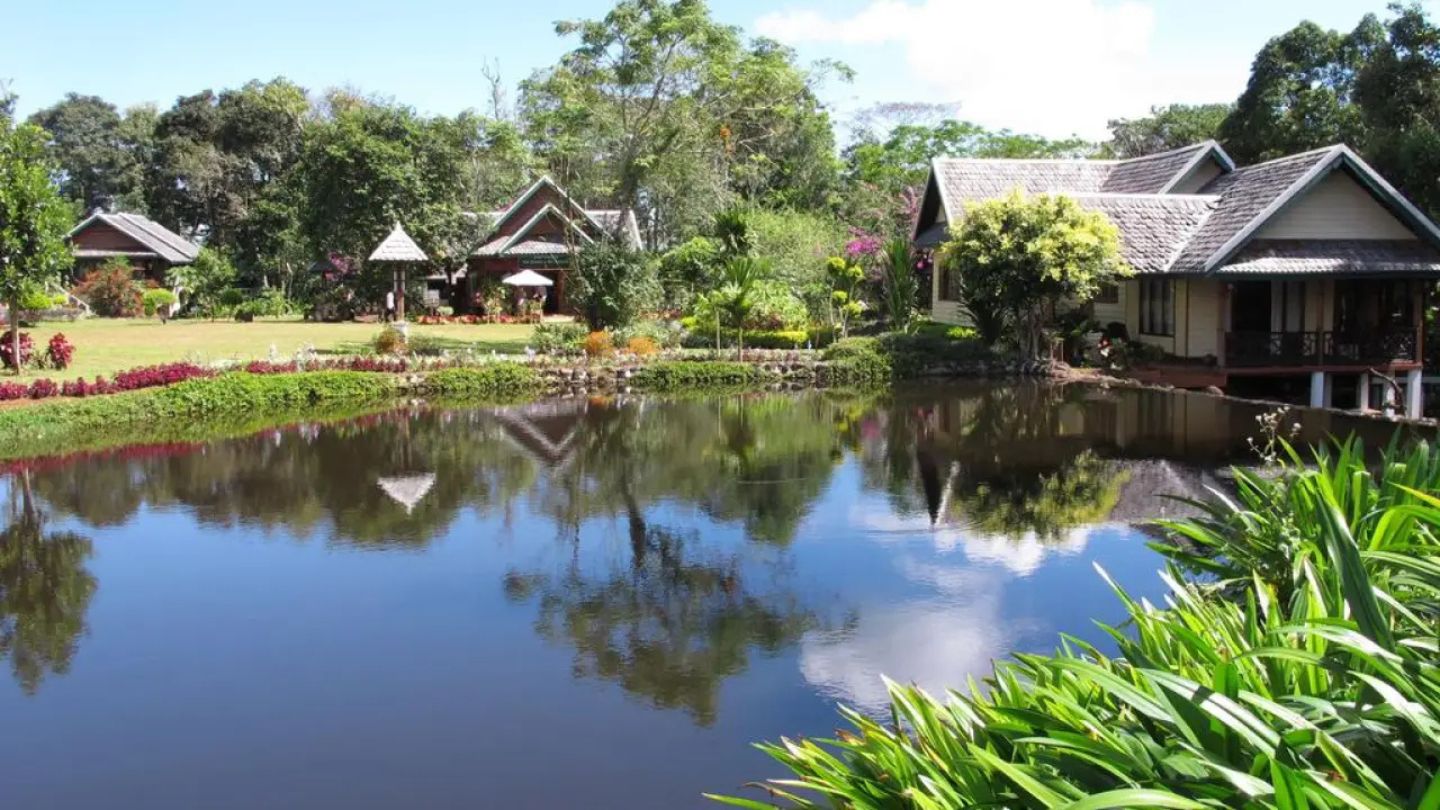
In southern Laos, the Bolaven Plateau is particularly well known for its coffee plantations. Sinouk Coffee Plantation & Resort, located in Champasak Province, offers an opportunity to discover coffee cultivation in a lush green setting.
Unlike the rice farms around Luang Prabang, this place is more suitable for travellers interested in plantation crops.
A farm stay in Laos at this establishment can focus on discovering coffee plants, learning about the production process, and tasting different coffee preparations.
The site also provides accommodation, making it easier to arrange an overnight stay on the plateau. From the Paksong area, travellers can consider visiting Tad Fane or Tad Yuang Waterfalls.
The coffee harvest, which generally takes place around October and November at this plantation, is a particularly interesting time to observe certain stages of production.
Ideal for: Coffee lovers, couples, and travellers looking for an agricultural getaway in southern Laos.
For travellers looking for a more modest establishment, Mr. Vieng Coffee & Homestay is one of the places on the Bolaven Plateau that combines coffee discovery with rural accommodation.
This accommodation option is suitable for travellers who value interactions with local residents more than the facilities of a large hotel.
The main attraction is the opportunity to learn about local coffee production, with the possibility of taking part in a tasting and finding out more about agricultural practices.
The Bolaven Plateau also offers landscapes of plantations, villages, and waterfalls that can complement a two-day getaway.
However, accommodation services and available visits should be confirmed directly before departure, as small rural establishments may adapt their services according to the season.
Ideal for: Independent travellers, coffee enthusiasts, and those who appreciate simple accommodation.
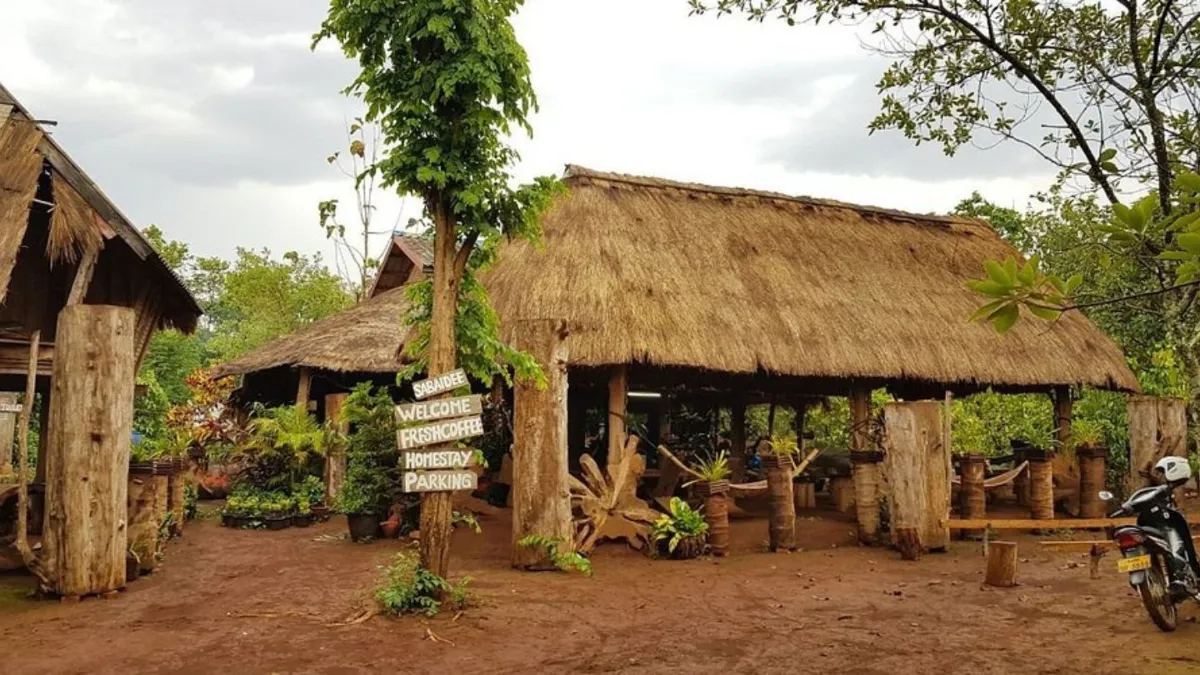
A farm stay in Laos is about more than sleeping in the middle of nature. It is also an opportunity to discover agricultural traditions, take part in hands-on activities, and gain a better understanding of local people's daily lives. Here are four experiences to consider, depending on the farm you choose.
At farms in the Luang Prabang area, travellers can discover the different stages of rice farming, from preparing the rice fields to processing the grains. Some activities allow visitors to handle traditional tools and observe buffaloes at work. This is a particularly interesting way to understand the importance of rice in Lao culture.
On the Bolaven Plateau, plantations offer visits dedicated to coffee plants and production methods. Depending on the season and the services available, visitors may observe the harvest, learn about the different stages of bean processing, and take part in a tasting. This activity also provides a better understanding of the economic role of coffee in the region.
Some farms offer culinary experiences showcasing ingredients grown on the property. Travellers can discover aromatic herbs and local vegetables, as well as learn how traditional Lao dishes are prepared. These workshops provide an enjoyable way to connect agriculture with gastronomy while interacting with local residents.
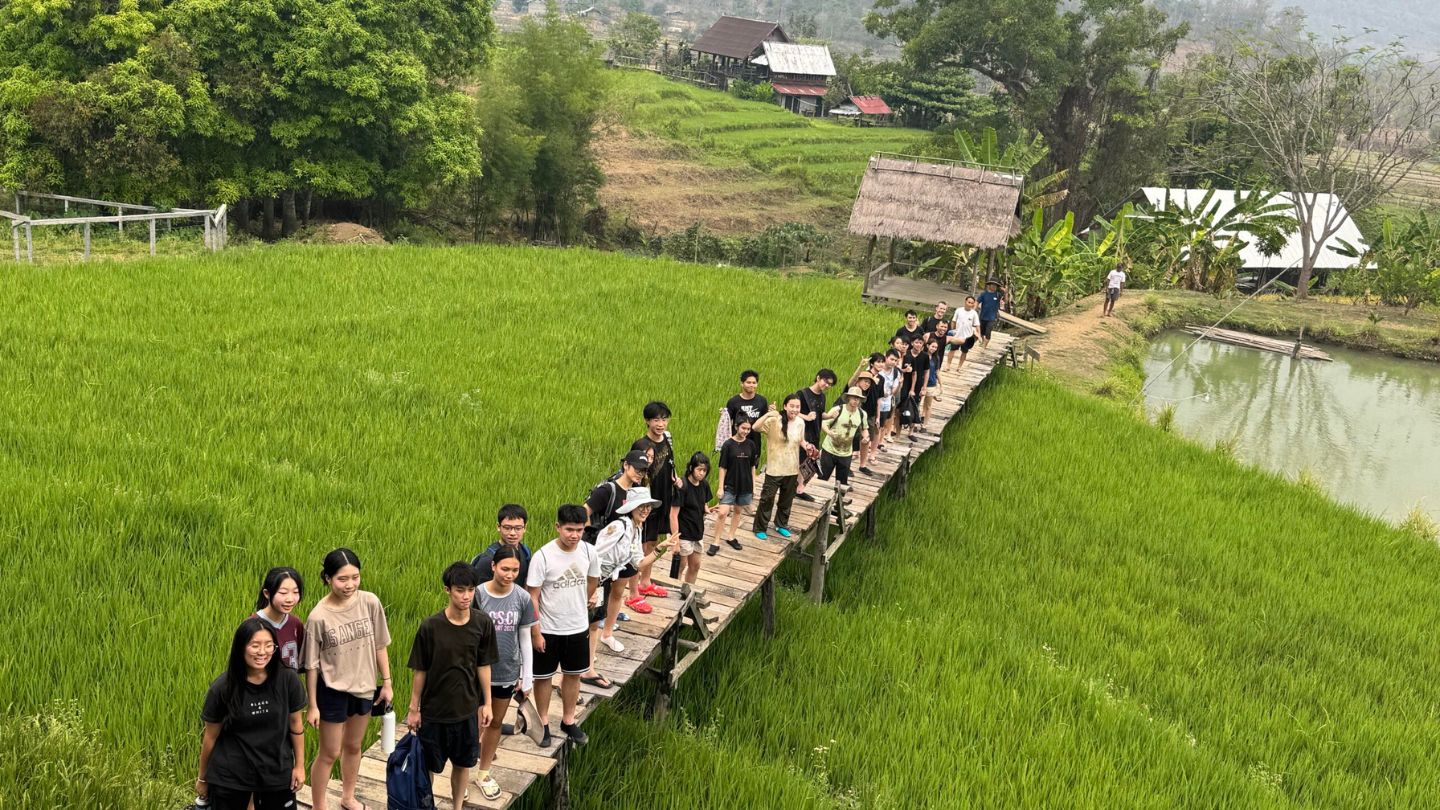
A rural weekend farm stay Laos experience may also include a walk through vegetable gardens, an introduction to seasonal crops, or an opportunity to learn basic gardening techniques. Depending on the establishment, visitors can find out how farmers maintain their plots and make use of natural resources. These activities are particularly suitable for families and travellers interested in sustainable agriculture.
To make the most of these two days, it is better to choose a farm near Luang Prabang or on the Bolaven Plateau rather than planning long journeys between the two regions.
The budget for a farm stay in Laos mainly depends on the type of accommodation, the activities booked, and transport to the farm.
For a two-day, one-night stay, here is an indicative estimate per person, based on a room shared by two travellers.
|
Expenses |
Indicative budget |
|
One night's accommodation |
$17-52 |
|
Meals and drinks |
$14-29 |
|
Agricultural activity or guided visit |
$23-52 |
|
Local transport |
$12-35 |
|
Estimated total per person |
$66-168 |
These figures are budget estimates, not confirmed prices from the four establishments. They exclude long-distance transport, flights, and personal expenses.
These amounts are intended as a general planning guide. Actual prices may vary depending on the season, accommodation category, and activities selected. Travellers should contact their chosen establishment to confirm current rates and availability.
Those wishing to compare these costs with a regional itinerary can also find out more about Vietnam travel budget.
The period from November to February is generally pleasant for exploring the Lao countryside, with temperatures often more moderate and less rainfall.
However, agricultural activities vary according to the crops being cultivated. In rice-growing areas, certain stages depend on the planting and harvesting calendar. On the Bolaven Plateau, plantation visits are still possible outside the coffee harvest season, although the experiences available may differ.
For a farm stay in Laos, it is advisable to bring closed-toe shoes, lightweight clothing, a hat, and insect repellent. These items are useful when taking part in farm activities or exploring the countryside.
Regarding camping in Laos, do not assume that a farm automatically allows visitors to pitch a tent. Permission from the owner, access to sanitary facilities, and safety conditions should all be checked in advance. Not every farm offers camping facilities, so it is important to confirm the available accommodation options directly.
Finally, it is best to book agricultural activities before arrival, particularly when the stay lasts only two days.
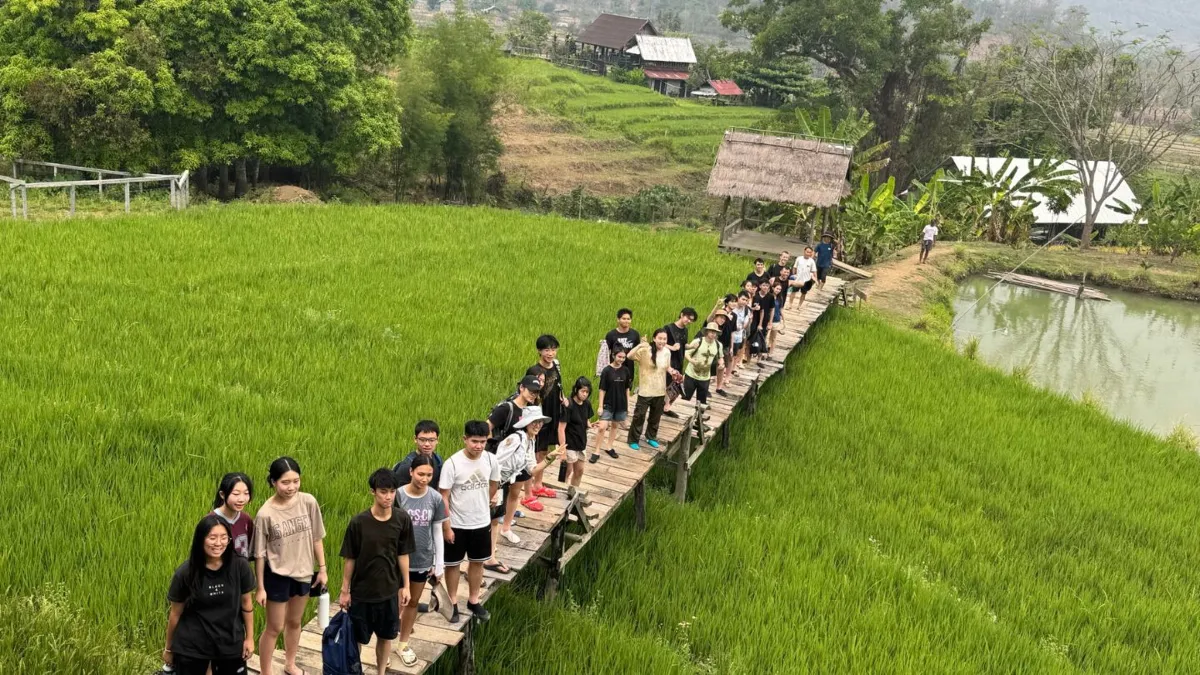
Choosing a farm stay in Laos is a wonderful way to discover the country from a different perspective, surrounded by agricultural landscapes and local communities. In Luang Prabang, Living Land Farm and Kao Niaw Farmstay offer experiences centred on rice cultivation, with opportunities to stay overnight. In the south, Sinouk Coffee Plantation & Resort and Mr. Vieng Coffee & Homestay allow visitors to explore the world of coffee on the Bolaven Plateau. Each place has its own character, whether it offers community-based experiences, more comfortable rural accommodation, or plantation visits. For travellers interested in camping in Laos, it is important to remember that tent camping is not automatically available at every farm and must be confirmed in advance. To make the most of a rural getaway, check availability and the activities offered before departure. Local travel agency in Laos - Autour Asia can help travellers organise a personalised stay that respects the relaxed pace of the Lao countryside.
You can refer to:


A family trip to Laos offers many opportunities to discover local culture through experiences suitable for both children and adults. In Luang Prabang, families can take part in a traditional paper-making workshop using mulberry bark or learn basic weaving techniques from local artisans. In Vientiane, a walk through the markets provides an opportunity to discover ingredients used in Lao cuisine and taste local specialities. Children can also learn a few Lao expressions to communicate with local residents. To make these discoveries enjoyable, it is better to choose short, interactive activities suited to their ages. These shared experiences create lasting memories while encouraging curiosity about other cultures.
Yes, a three-week Laos, Vietnam, and Cambodia itinerary is entirely possible, provided you select a few essential destinations rather than trying to explore all three countries in depth. A balanced schedule could include six days in Laos, eight days in Vietnam, and seven days in Cambodia. In Laos, Luang Prabang offers a wonderful introduction to local culture. In Vietnam, Hanoi and Ha Long Bay provide opportunities to discover diverse landscapes. Finally, in Cambodia, Siem Reap and the temples of Angkor are major highlights. To reduce travel fatigue, it is preferable to choose flights when distances are considerable and allow enough free time between visits.
Yes, a farm stay in Laos can be an excellent opportunity to introduce children to nature and where food comes from. Away from screens and the pace of city life, they can discover how fruits and vegetables grow, learn to recognise different plants, and observe animals in their everyday surroundings. These experiences stimulate their curiosity and encourage hands-on learning. Parents can also use the stay as an opportunity to enjoy quality time together as a family. Before booking, however, it is important to check the minimum age requirements for certain activities, the availability of safe spaces, and the accessibility of the facilities. A farm offering workshops suitable for younger children will be particularly interesting for a first rural experience.





 FR
 ITA