
How To Spend One Day In Dien Bien ?
Passionate about history, and particularly the Indochina War, I wanted to share with you my one day in Dien Bien, an iconic place where the past continues to resonate intensely. If you're looking for an authentic visit to Dien Bien in 1 day, combining the discovery of historical sites in Dien Bien Phu with local encounters, this article is for you. This trip has a very special meaning for me, because here, history is not limited to books: it is still visible, tangible, deeply rooted in the landscapes and the collective memory of this land charged with emotions.
1 day in Dien Bien Vietnam
I. Morning
My day started early, with a meeting in the lobby of my hotel in Dien Bien Phu. Excited at the idea of discovering the historical sites in Dien Bien Phu, I set off for an immersive exploration of the battle that changed the course of history.
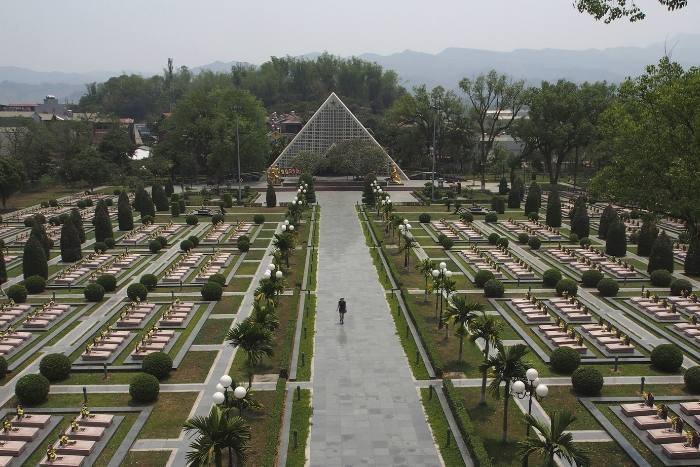
1. A1 Martyrs Cemetery - a historical site in Dien Bien Phu
First stop of the itinerary in Dien Bien in 1 day: the war cemetery, a solemn place where the heroes of the war against the French in 1954 rest. The atmosphere there is charged with emotion, and I took the time to reflect on these events that have profoundly marked the history of Vietnam.
2. The Dien Bien Phu Victory Museum
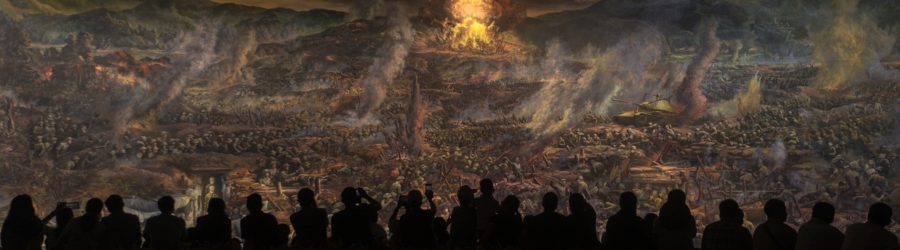
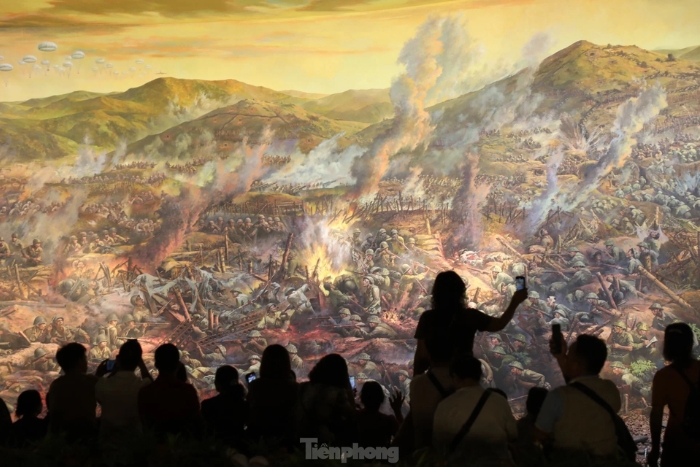
From there, we naturally continued to the Dien Bien Phu Victory Museum, one of the most striking historical sites in Dien Bien Phu. I spent a long time exploring the exhibitions recounting the 1954 battle. Between artifacts, photos, and personal objects of soldiers, I felt the full strength of the spirit of resistance led by General Vo Nguyen Giap. During one day in Dien Bien, this museum is, in my opinion, an essential stop to understand the human and historical scale of the Indochina War.
3. Dien Bien Phu battlefield : A1, Muong Thanh, and the Bunker of Colonel De Castries
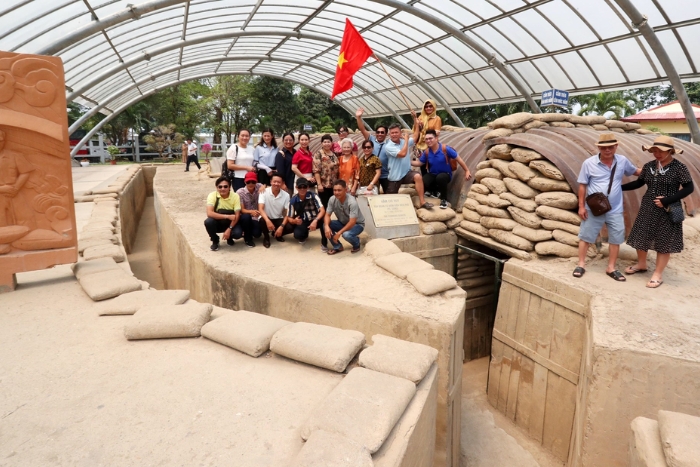
Among the must-see places in Dien Bien, Hill A1 remains one of the highlights of my itinerary to understand what to do in Dien Bien Phu on the history side. The former most fortified French position, it still preserves its trenches, bunkers, and an immense crater left by the final explosion. Not far from there, the Muong Thanh bridge, a symbol of military logistics, and the bunker of Colonel De Castries, now reconstructed, allow one to imagine the intensity of the last days of the battle. Walking through these battlefield remnants is a powerful experience, ideal for grasping the historical scale of Dien Bien Phu.
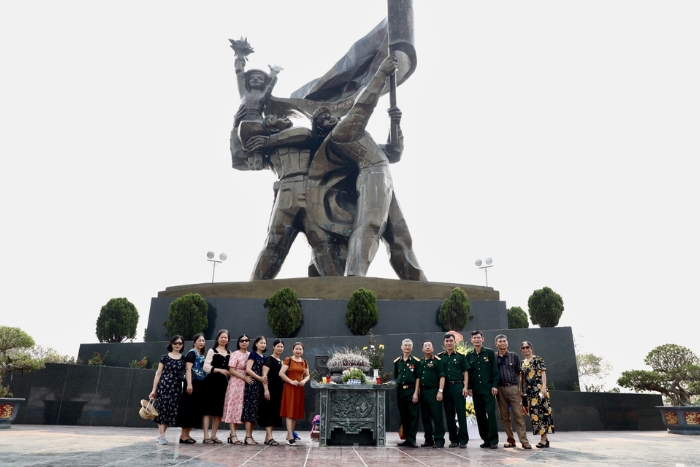
4. Dien Bien Phu Victory Monument
On Dominique Hill, the Victory Monument dominates the entire vallcey and stands as a strong symbol during one day in Dien Bien. By climbing the hill, I discovered this imposing sculpture representing three Viet Minh soldiers hoisting their flag, the embodiment of the 1954 victory. Once at the top, the panoramic view over Dien Bien Phu is striking and provides a true sense of historical pride.
II. Afternoon
After a light lunch to recharge, I took the road toward the mountains, about 25 km from Dien Bien Phu.
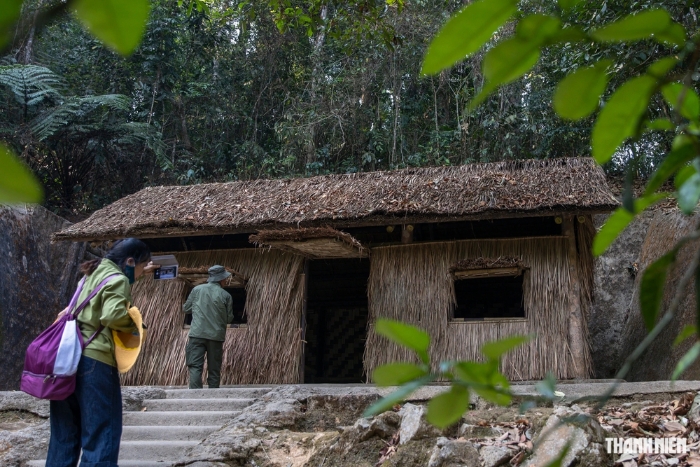
1. Dien Bien Phu Campaign Command Headquarters
After a light lunch to regain strength, we took the road toward the mountains, about 25 km from the city. Heading to the Dien Bien Phu Campaign Command Headquarters in Muong Phang, one of the most striking places to discover during a 1-day Dien Bien itinerary focused on history. By walking the paths leading to the preserved huts and cabins, I imagined Giap and his staff planning the 1954 campaign. This discreet site perfectly illustrates the strategic ingenuity of the Viet Minh against the French army.
2. Pa Khoang Lake
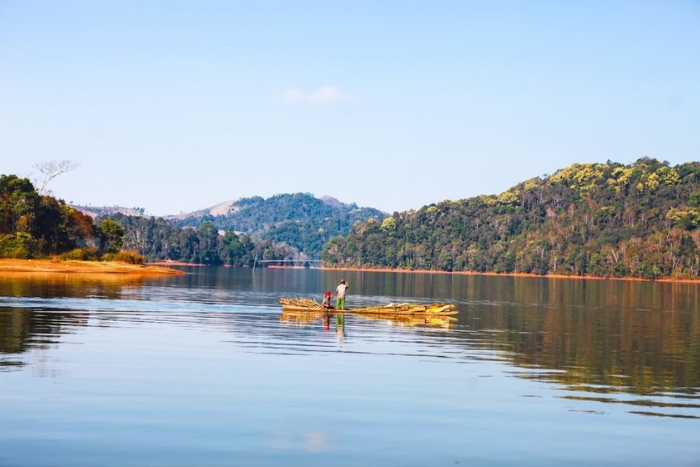
On the way back, a magical stop at the Pa Khoang reservoir, a vast lake of 2400 hectares surrounded by lush forest. I opted for a boat excursion to the orchid island, a haven of peace where calm reigns supreme. The wild orchids and serene landscapes offered me a perfect moment of relaxation after the historical intensity of the morning.
III. Late Afternoon and Evening
Around 4:30 pm, on the way back to Dien Bien Phu, I made some enriching stops.
1. A strategic Viet Minh site
This historical Viet Minh site, where artillery was hauled through the mountains, deeply marked me and is part of the best things to do in Dien Bien to understand the battle. By observing the former mortar positions hidden in the hills, I measured the logistical feat accomplished by the Viet Minh. A short but striking stop, which illustrates the determination and strategic ingenuity that led to the 1954 victory.
2. Visit to a Che Căn village
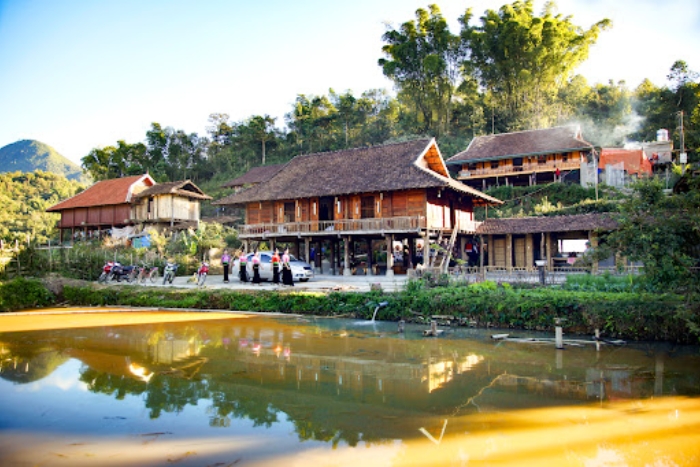
Then, the discovery of a Thai village, an ethnic minority full of living traditions. I wandered freely in the village of Che Can, one of the oldest villages, exchanged with the inhabitants, and observed their daily life. It was authentic and touching, far from the classic tourist circuits. What to do in Dien Bien Phu ? In the village of Che Căn, visitors can discover typical stilt houses, traditional festivals, as well as artisanal skills like brocade weaving, basketry, forging, or the making of musical instruments.
3. Dinner at a local's home and folkloric evening
The highlight of the day was dinner at a local's home in a stilt house. Seated around the table, I shared traditional local specialties – sticky rice, grilled meats, fresh vegetables – and tasted homemade rice alcohol, a convivial ruou can that loosened tongues. The conversations were warm, allowing me to better understand Thai culture, its values of unity, and its connection with nature.
To extend the magic, I opted for a cultural evening: a Xoe dance performance, a circular dance symbolizing community harmony, and a bamboo dance (Mua Sap), rhythmic with traditional instruments like the gourd lute. Around a crackling fire, the graceful movements and enchanting rhythms transported me to an unforgettable folkloric world.

In conclusion, this one day in Dien Bien gave me a concentrate of history, emotions, and strong human encounters. Between the iconic sites of the 1954 battle, the peaceful landscapes of Pa Khoang Lake, and the authenticity of Che Căn village, each step gave meaning to this timeless journey. Dien Bien Phu is not just about its military past: it is also a land of living cultures and sincere hospitality. To organize an experience as rich and balanced, calling on a travel agency in Vietnam – Autour Asia remains, in my opinion, the best option to discover the region in depth.
>>> Best hiking trails in Dien Bien Vietnam
>>> 2 Days In Dien Bien Vietnam
>>> Dien Bien Travel Guide
>>> Best of Northern Vietnam itinerary 2 weeks
>>> Vietnam Tours
In Dien Bien Phu, it is entirely possible to live a rich and complete experience, even during one day in Dien Bien. The visit generally starts with the major historical sites linked to the 1954 battle, such as the Victory Museum, the martyrs' cemetery, the emblematic hills, or even the command post of General Vo Nguyen Giap in Muong Phang. Beyond history, the city also offers beautiful natural landscapes, between verdant valleys and rice fields, as well as authentic encounters with local ethnic minorities. Dien Bien Phu is a destination where memory, culture, and nature meet harmoniously.
Yes. The atmosphere there is calm and peaceful, the inhabitants are welcoming and accustomed to visitors, particularly around the historical sites in Dien Bien Phu, which are well maintained and easily accessible. Getting around the city is done without difficulty, day or night, provided that the usual rules of caution are respected. As everywhere, it is advisable to watch one's personal belongings, but overall, Dien Bien Phu offers a reassuring setting for a cultural and historical stay.
Reaching Dien Bien Phu, an iconic historical site and a must-visit stop on any Northern Vietnam itinerary 2 weeks, is straightforward from Hanoi. The fastest option is a direct flight (about 1 hour, prices $80–$210). Daily buses depart from My Dinh Bus Station and take around 12 hours (cost $15–$50). For the most scenic and flexible journey, drive or ride a motorbike: the 420 km route takes roughly 10–11 hours and lets you soak in the breathtaking Northwest landscapes while stopping wherever you like.
Related travel guide
Other similar articles


CUSTOMIZABLE BY LOCAL EXPERTS
Personalized trip at the original price!

REFUND GUARANTEE
We believe in our work and promise to give you money back.

GOOD PRICE / QUALITY
95% satisfied more than expected!

24/7 LOCAL SUPPORT
We are always available online to provide assistance at any time.

Most read articles


Autour Asia is highly recommended on
Embracing the mission of "Satisfied more than expected" and providing authentic experiences, we have received numerous recommendations on reputable travel forums: