| Category | Vietnam | Laos |
| Area | 331,212 km² | 236,800 km² |
| Population in 2026 | ~100 million | ~8 million |
| Coastline | Over 3,260 km | Landlocked |
| Tourism infrastructure | Extensive and well-developed | More limited but improving |
| Security | Generally safe, but heavier motorbike traffic and higher road-accident risks | Generally safe and peaceful, but road conditions and medical facilities are more limited |
| Average daily budget | $25-$90 per person | $20-$85 per person |
| Signature dishes | Pho, banh mi | Laap, sticky rice |
| UNESCO World Heritage Sites | 9 sites | 4 sites |
| Best-fit travel style | First-time visitors, food and beach lovers | Nature lovers, backpackers, and slow travelers seeking peace |
One of the most noticeable differences between Vietnam and Laos is their geography. Vietnam has a long coastline stretching from the limestone islands of Ha Long Bay in the north to the beaches of the central and southern coast. The country also has mountains, rice terraces, national parks, and the fertile Mekong Delta. This geographical diversity allows travelers to combine beaches, mountains, cultural sites, and major cities within a single Vietnam trip.
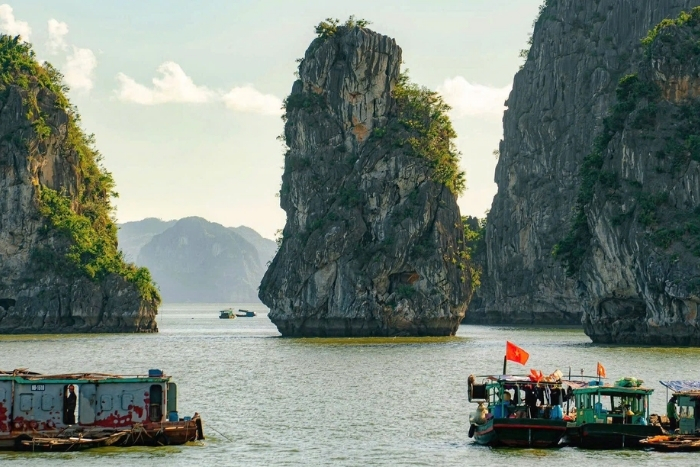
Laos, by contrast, is landlocked and largely mountainous. The Mekong River plays a central role in the country's landscape and daily life, while waterfalls, forests, caves, and river valleys are among its main natural attractions. Destinations such as Luang Prabang, Vang Vieng, and the 4,000 Islands appeal particularly to travelers looking for nature and outdoor experiences rather than beach holidays.

In simple terms, Vietnam is the better choice for geographical variety, while Laos is better suited to travelers who prefer mountains, rivers, and a slower-paced natural environment.
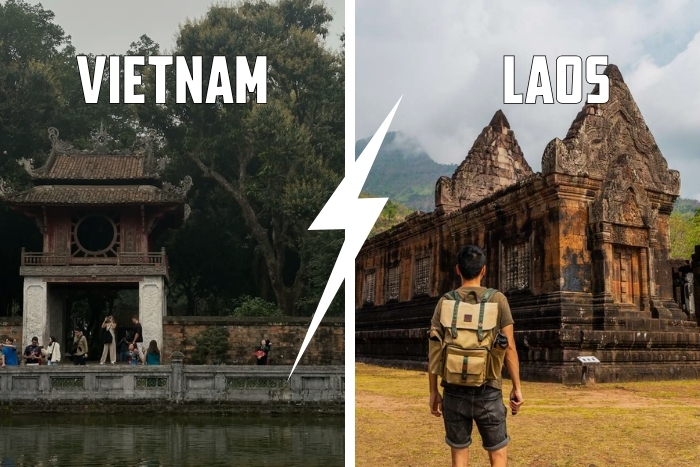
Vietnam has 9 properties inscribed on the UNESCO World Heritage List, including the Complex of Hue Monuments, Hoi An Ancient Town, My Son Sanctuary, Trang An Landscape Complex, and Ha Long Bay-Cat Ba Archipelago. Its heritage reflects different periods of Vietnamese history, from imperial dynasties and ancient kingdoms to colonial-era influences and remarkable natural landscapes.
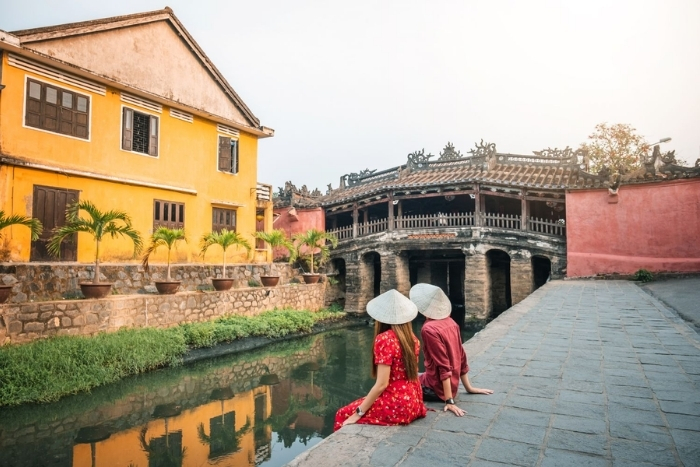
Laos has 4 UNESCO World Heritage properties, with a stronger emphasis on Buddhist, Khmer, and prehistoric heritage. Luang Prabang is particularly famous for its well-preserved Buddhist temples and traditional architecture, while Vat Phou reflects the influence of the ancient Khmer civilization. The Plain of Jars in Xiengkhuang offers a completely different experience, with thousands of ancient stone jars scattered across the landscape.
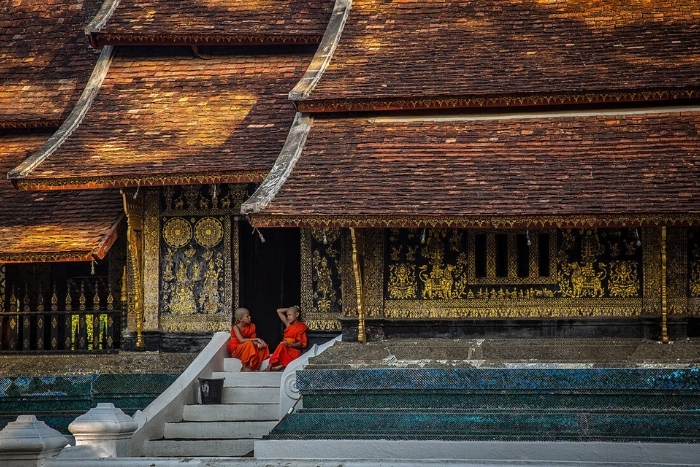
This makes Vietnam a stronger choice for travelers interested in a wider range of historical and cultural sites, while Laos is especially appealing if you want to explore Buddhist heritage and ancient Southeast Asian civilizations.
Both countries are relatively affordable by international standards, but there are some noticeable differences between Vietnam and Laos when it comes to travel costs.
Laos can be very affordable for accommodation, local food, and everyday activities, especially outside the main tourist centers. However, transportation can take up a larger share of your budget because journeys between destinations are often longer and there are fewer transport options.
Vietnam offers a broader range of accommodation, restaurants, and transportation, from budget hostels and street food to luxury hotels and fine dining. Domestic flights, sleeper trains, and frequent buses also make it relatively inexpensive to travel long distances.
Infrastructure is another key point to consider when comparing Vietnam vs Laos.
Vietnam has a well-developed tourism network. Major cities and tourist destinations are connected by domestic flights, trains, buses, and private transfers. Popular routes such as Hanoi-Ninh Binh-Ha Long Bay-Hoi An-Ho Chi Minh City are relatively easy to organize, even for independent travelers. Hotels, restaurants, ATMs, pharmacies, and international-standard medical facilities are also widely available in major cities.
Laos is affordable for accommodation, food, and daily activities, but transportation can be more expensive due to long distances and limited options. The Lao-China Railway makes travel between Vientiane, Vang Vieng, Luang Prabang, and Boten faster and more convenient. However, tickets can sell out quickly, so booking in advance is recommended.
Safety is generally not a major concern in either country, but the risks are slightly different. For Vietnam travel safety, heavy motorbike traffic means road safety deserves particular attention, especially when crossing busy streets or renting a scooter. For Laos travel safety, road conditions and more limited medical facilities in remote areas mean travelers should be more cautious when traveling far from major towns.
So, is Vietnam safer than Laos? Both countries are generally safe for tourists, but safety depends on the destination, transport choices, and personal behavior. Vietnam may feel more convenient because it has better infrastructure, more transport options, and easier access to medical services. Laos can also be safe, although travelers should prepare carefully for longer journeys, remote areas, and less predictable road conditions.
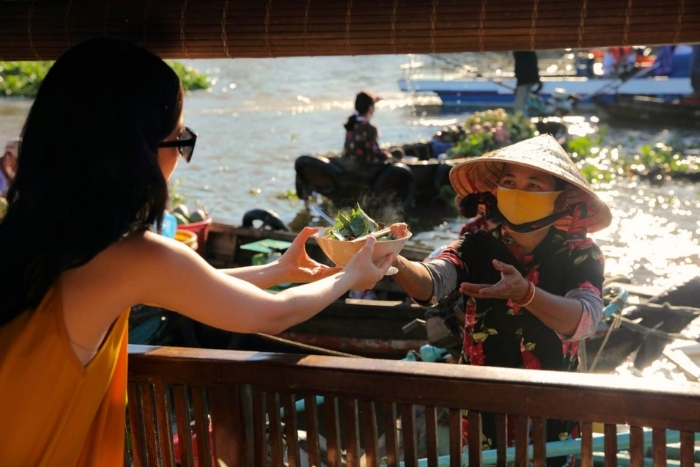
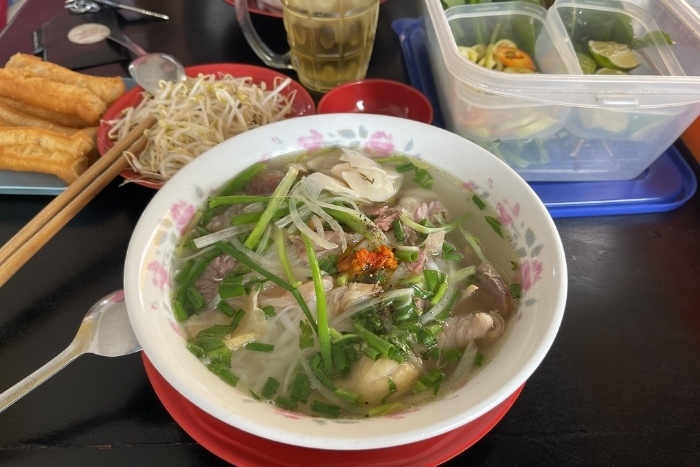
Food is another major aspect to consider when comparing the differences between Vietnam and Laos. Vietnam has one of Southeast Asia's most diverse culinary traditions, with strong regional differences between the north, central coast, and south. Popular dishes include pho, banh mi, bun cha, cao lau, and fresh spring rolls. In addition to its famous street food, Vietnam is also gaining international recognition for its Michelin restaurants in Vietnam, particularly in Hanoi, Ho Chi Minh City, and Da Nang.
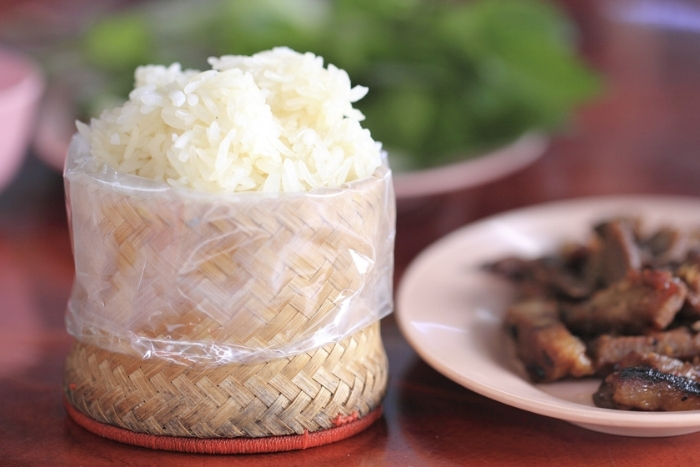
Lao cuisine is less internationally known but has a distinctive identity of its own. Sticky rice is a staple, while laap, grilled meats, tam mak hoong (green papaya salad), and river fish are common choices. Lao cuisine often features fresh herbs, chili, galangal, fermented fish, and other bold flavors. It also shares similarities with the cuisine of northeastern Thailand, particularly the Isaan region.
Which is better to visit, Laos or Vietnam? The best choice ultimately depends on the type of trip you want.
Choose Vietnam if you want:
Beaches, mountains, cities, and cultural attractions in one trip
A wide variety of food and accommodation options
Easier domestic transportation
A more developed tourism infrastructure
A trip packed with different activities and experiences
Choose Laos if you prefer:
A slower and more relaxed travel experience
Fewer crowds and a quieter atmosphere
Mountains, waterfalls, rivers, and outdoor activities
Buddhist temples and traditional culture
Smaller towns and a more laid-back way of traveling
In short, looking at the main differences between Vietnam and Laos, Vietnam is the better choice for variety and convenience, while Laos is ideal for travelers seeking tranquility, nature, and a slower pace. If you have enough time, combining the two can also be a rewarding option. A Vietnam and Laos itinerary allows you to experience the contrast between Vietnam's energetic cities and coastal landscapes and Laos's peaceful riverside towns and mountainous countryside.
For a tailor-made journey across Southeast Asia, Autour Asia, a travel agency in Asia, can help you plan and organize your Vietnam, Laos, or combined Vietnam and Laos trip.


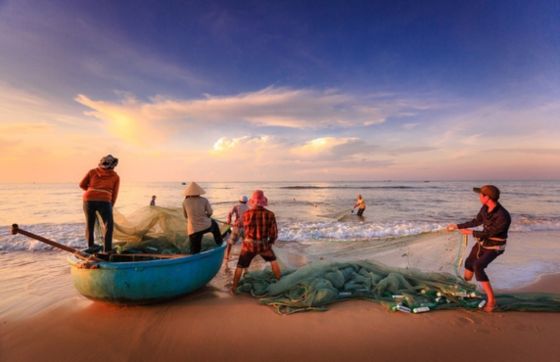

Phan Thiet, a coastal city in Binh Thuan Province, is best known for Mui Ne, an internationally renowned seaside destination. With its beaches, fishing villages, and desert-like sand dunes, the region offers a diverse range of landscapes rarely found elsewhere in Southeast Asia. In November, temperatures remain pleasant for exploring the coast, although occasional showers are still possible. Visiting Phan Thiet Mui Ne in November requires a little preparation to make the most of your stay. This complete guide covers the weather, must-see attractions, transportation options, and practical tips to help you plan your trip to Vietnam in November.
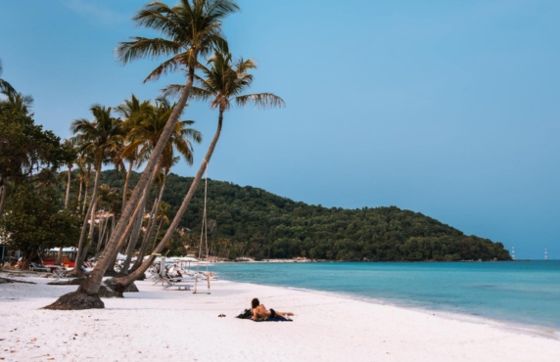
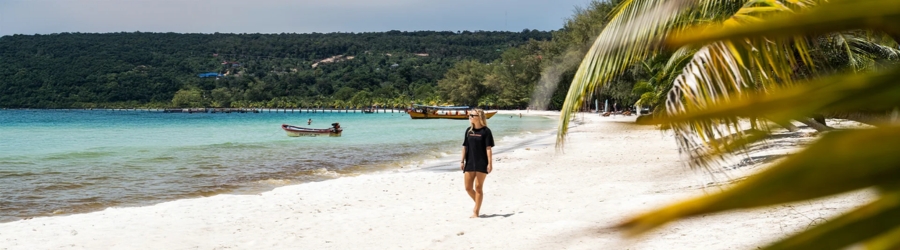
Vietnam’s beaches are best enjoyed at different times of the year, depending on the region. From the turquoise waters of the South to the long stretches of white sand in the Central region and tropical islands, each area has its own climate patterns. To better understand when to visit Vietnam, it is important to consider the weather conditions in each destination. The best time to visit beaches in Vietnam depends on region you choose as well as the activities you have planned. The best time to swim in Vietnam also varies according to rainfall, water temperature and sea conditions. Understanding the Vietnam beach season helps you choose destinations that match your travel dates and enjoy the coastline in good conditions.
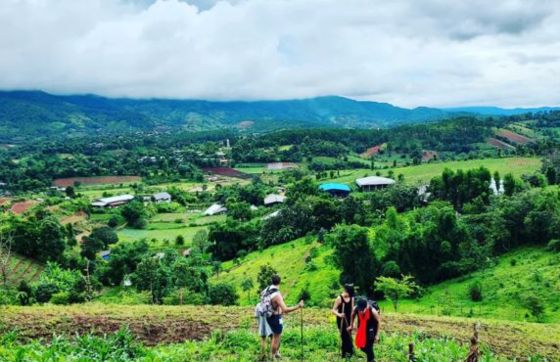
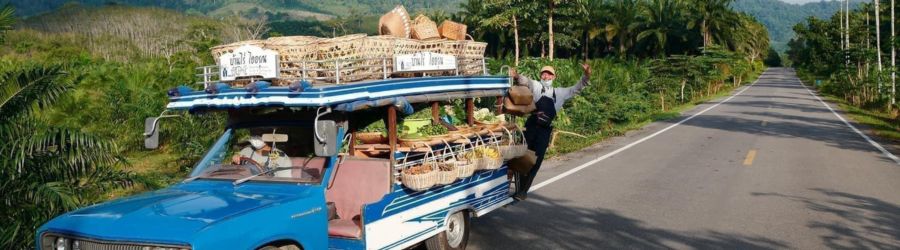
Discovering Thailand through its rice fields, plantations, and rural villages offers a different way to travel, far from traditional tourist circuits. But how can you choose the best agency for Thailand farm tours to enjoy authentic experiences with local communities? Several tour operators offer trips combining agriculture, gastronomy, and encounters with producers. Among them, Autour Asia is an option for travelers who want to personalize their itinerary. Known as Vietnam travel agency - Autour Asia, the company also offers tailor-made trips to several countries in Southeast Asia. With the local travel agency in Thailand - Autour Asia, travelers can explore a trip designed around their interests. Here are five organizations worth knowing, their distinctive features, and the essential criteria for planning a successful agricultural tour in Thailand.
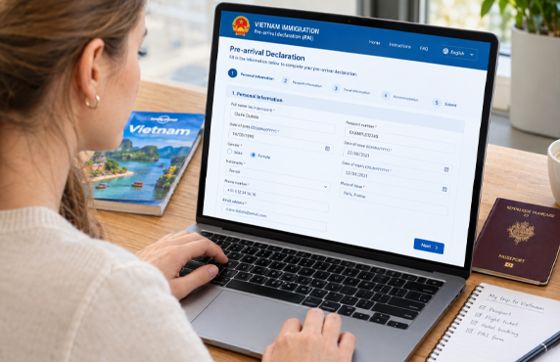
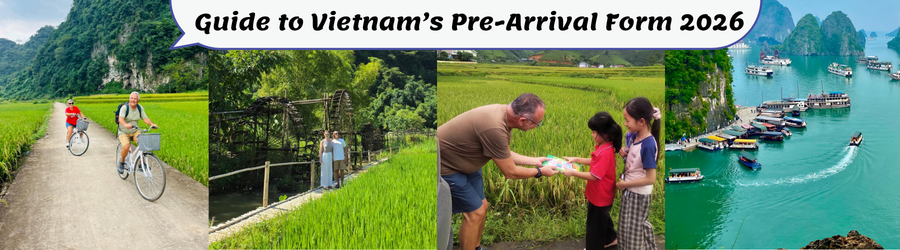
Planning a trip to Vietnam? Before packing your bags, take a few minutes to check the latest entry requirements and prepare the documents you may need at the airport.
Vietnam’s Pre-Arrival Information (PAI) system allows international travellers to submit selected personal, visa and travel details online before arriving in the country. After a successful submission, the system generates a QR code that travellers can save on their phones or print for use during immigration procedures. Although the online declaration is designed to help make arrival procedures smoother, travellers should understand when it applies, how to complete it correctly and which documents they still need to enter Vietnam.
In this practical guide, you will discover where to access the official PAI portal, what information to prepare, how to complete the declaration step by step, how to correct common mistakes and what to do when you arrive at the airport.
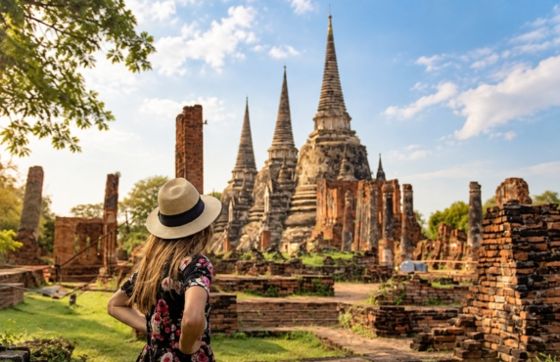
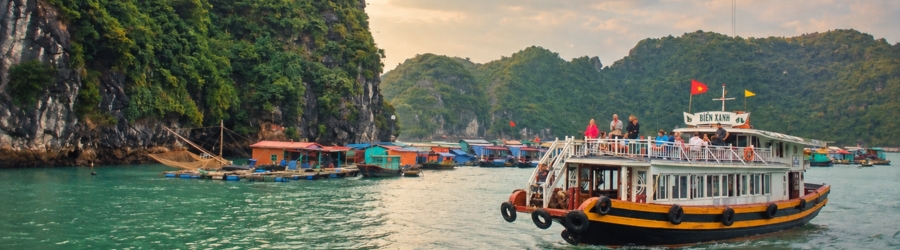
With its exotic landscapes, fascinating cultures and diverse experiences, Vietnam and Thailand are among the most popular destinations in Southeast Asia. However, safety remains an important criterion when planning your trip. So, how can you choose Vietnam or Thailand for a safe trip depending on the way you travel ? And is Vietnam safer than Thailand ? Each destination has its own characteristics and points to consider. In this article, Autour Asia helps you compare Vietnam and Thailand to better understand their differences and choose the destination that meets your expectations for your next trip to Asia.
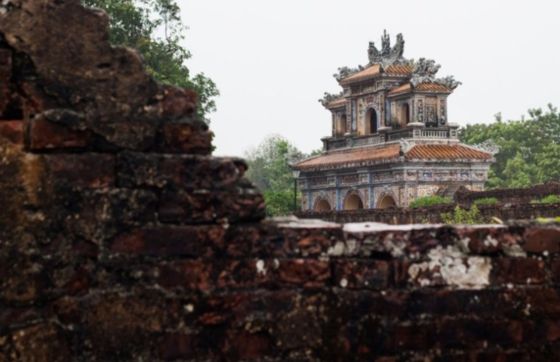
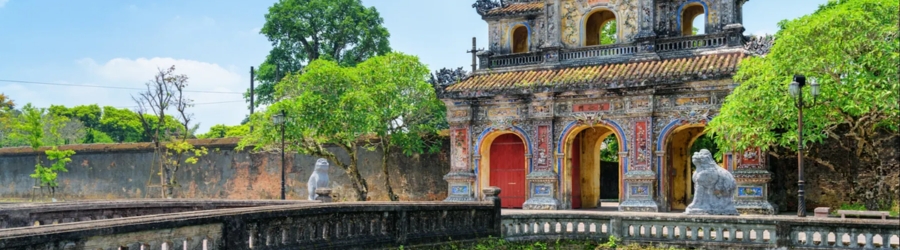
Planning a trip to Hue in November requires a little more flexibility than at other times of the year. Visiting Hue in November means experiencing the rainy season in central Vietnam, with prolonged showers and a risk of flooding. However, this period can also be an opportunity to explore the former imperial capital’s royal heritage, pagodas and renowned cuisine in a quieter atmosphere. The key is to choose your activities carefully, prepare alternative plans and check the weather conditions before setting out.
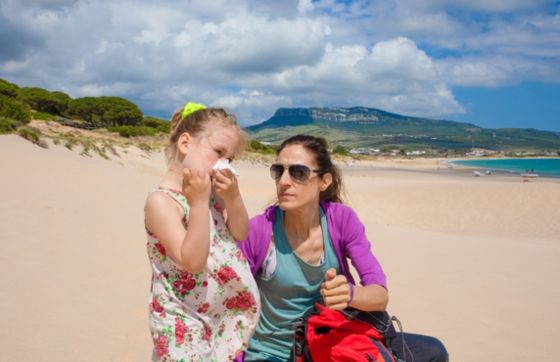

When travelling in Cambodia, some everyday habits may raise questions about local customs. Is blowing your nose in public considered polite? How should you behave in restaurants, on public transport or during a visit? These small details matter when you want to respect the local culture. Discover how to manage blowing your nose in Cambodia discreetly, along with practical tips on using tissues during your trip. Autour Asia, Cambodia travel agency, helps you discover local customs with advice tailored to travellers. From Cambodia travel etiquette to personal hygiene and everyday situations, a few simple guidelines can make your journey more comfortable. In Phnom Penh, Siem Reap or Kampot, understanding local customs helps you avoid awkward moments while making the most of your stay.
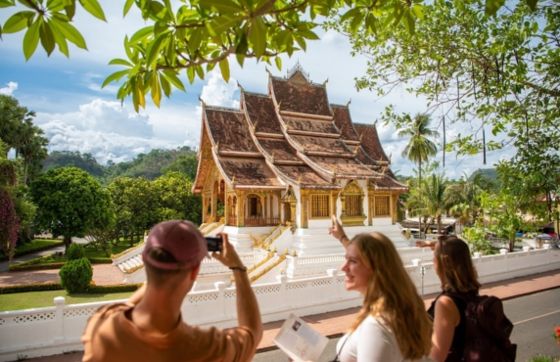
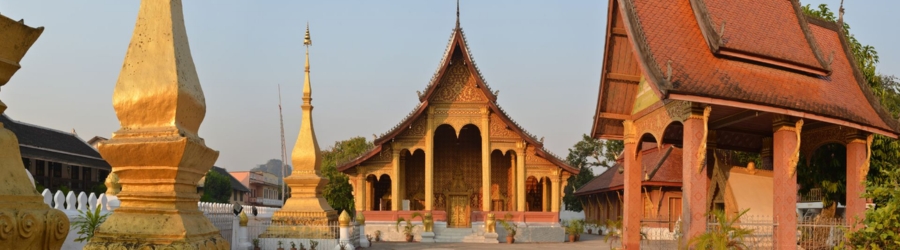
Blow your nose in Laos is not necessarily considered rude, but it is best to do so discreetly, especially in quiet places or during meals. If you have a cold, use a clean tissue and avoid blowing your nose loudly in public. In temples and other places of worship, respect the peaceful atmosphere and local customs. If you need to blow your nose frequently, step away from others for a moment whenever possible. Finally, dispose of used tissues in a rubbish bin. These simple habits will help you observe good manners during your trip to Laos.


 FR
FR EN
EN