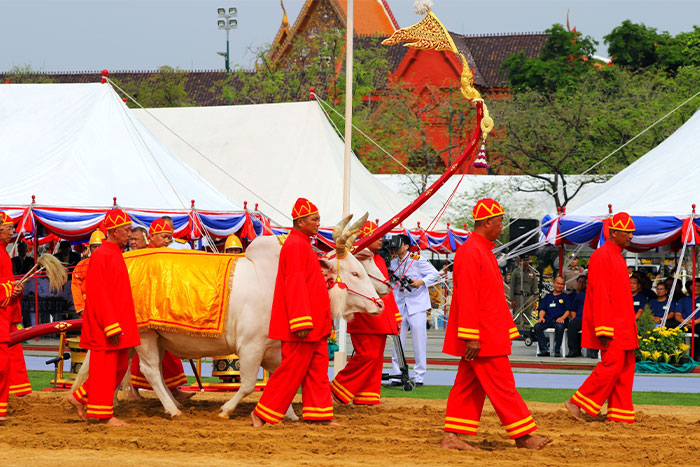
The Royal Plowing Ceremony, known as "Preah Reach Pithi Bonn Chrot Preah Neangkol," holds immense significance in Cambodia, marking the commencement of the rice-growing season in the month of Pisak (May). As the dry season concludes and the rainy season begins, this period becomes crucial for Cambodians to prepare for their farming activities.
Originating from the concern of a Khmer king about farming conditions, this ancient royal rite has been an annual celebration for centuries. Traditionally led by the King or high officials, recent ceremonies have been presided over by His Majesty Norodom Sihamoni, the King of Cambodia.
People in many Asian countries, especially those with royal traditions, have been practicing this old ceremony for a very long time. The ploughing is important because it represents Seeds of Hope or Royal Ploughing, indicating that it's time to start planting for the season. Celebrated annually in several Asian nations, including Thailand and Cambodia, festivals in Cambodia and the region, this festival is referred to as 'Raek Na Khwan' in the Thai language.
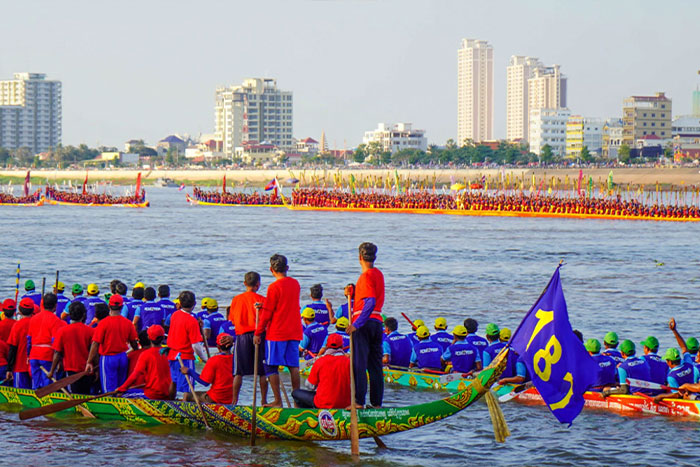
Bon Om Touk, also known as the Cambodia Water Festival, stands as a lively and culturally meaningful festivity in Cambodia. This annual event typically takes place in November and marks the reversal of the flow of the Tonle Sap River. The festival includes in lot of fun activities, celebrations, and boat races.
One of the main attractions of Bon Om Touk, including the Phnom Penh Water Festival and Bon Om Touk Siem Reap, is the boat races, where teams from different provinces compete in long, sleek boats. In the boat races, it's not just about being strong and skilled; it's also about people working together. People stand by the river, cheering for their favorite teams, and have a good time in the lively atmosphere.
Apart from the exciting boat races, including the Cambodia Water Festival, Bon Om Touk includes beautiful boat parades with lights, traditional music and dance shows, and tasty local food. Bon Om Touk has a historical significance too, remembering old battles during the Khmer Empire. Nowadays, it has become an important event that attracts both locals and tourists, offering a special and unforgettable taste of Cambodian culture.
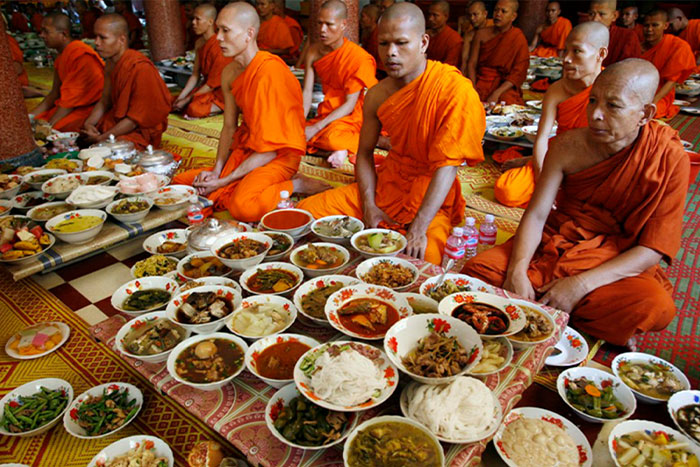
In Khmer language, the word "Pchum" means "meeting, gathering." Khmer people believe in a strong connection between ancestors and descendants, where the living and the deceased can come together through special rituals.
Therefore, in a year according to the Khmer calendar, there are 15 days dedicated to remembering ancestors, praying for relatives, and the spirits. "Ben" in Khmer means to gather or, in another sense, a compartmentalized rice container.
In ancient times, Khmer people believed that hungry spirits often came to the pagoda to eat, so they used this bowl to collect food and rice, partly to offer to the spirits and partly to support the monks in the temple. However, nowadays, many people do not practice the act of spreading rice because they consider it wasteful; that portion of rice could be allocated for the poor in the vicinity. Nevertheless, during festivals in Cambodia, the tradition of offering food and rice in such symbolic bowls often takes center stage, reviving and preserving cultural practices with a sense of community and spirituality.
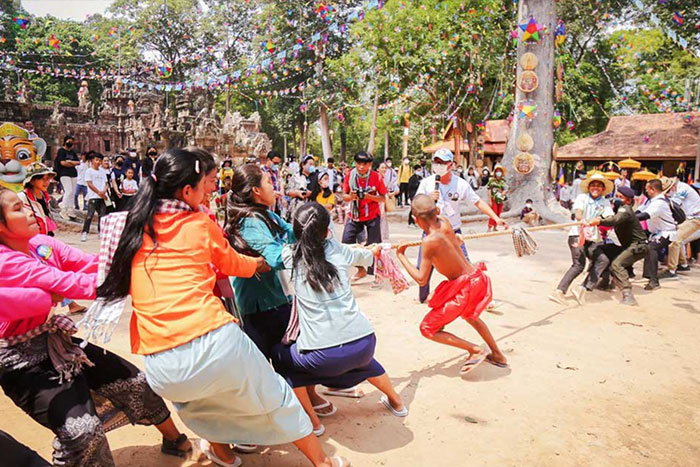
The Khmer New Year Celebration is a moment when Cambodian families reunite, particularly in their hometowns, to commemorate the occasion. Throughout the festivals in Cambodia, pagoda spaces and public street corners come alive with the joyful presence of both children and adults engaging in traditional Khmer games and dances. The New Year typically falls in April, and the celebration lasts for three days. During Cambodian New Year, families come together to celebrate the occasion, often returning to their hometowns to be with loved ones.
During the celebrations, an important part is blending historical and religious customs in a harmonious way. Cambodian New Year places a strong emphasis on paying tribute to seniors and ancestors. During the three-day event, people do different Buddhist activities like saying thank you, giving things to family members who passed away, and helping those who need it.
During Cambodian New Year, people have fun playing traditional games and dancing, especially in places like pagodas and street corners, where both kids and adults bring a lot of lively energy. The festivals in Cambodia, such as Cambodian New Year, bring everyone together, making us feel connected and sharing common values.
This may concern you:
>> Is it safe to travel to Cambodia right now ?
>> 3 days in Siem Reap
>> Best restaurant in Siem Reap
>> Siem Reap travel guide
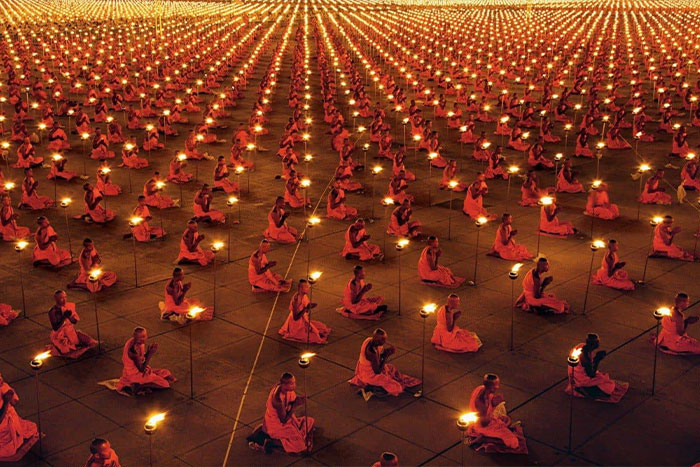
When it comes to the Meak Bochea festival, we cannot forget that this is one of the most important celebrations for the people of Cambodia. The Meak Bochea festival is organized to honor the Buddha and his teachings. The Meak Bochea festival is often held at large temples, where Buddhists gather in the colorful Buddhist atmosphere to meditate and contemplate life and all living beings around them. A unique event during this festival is that the Buddhists come together to offer food and participate in candlelit processions at a large temple in the evening.
Meak Bochea Day usually happens on the full moon day of the third lunar month, which is around late February or early March. Buddhists believe that the full moon day is special and perfect for doing good deeds. On Meak Bochea Day, many people visit local temples to earn good karma. In the evening, temples in Cambodia organize festivals in Cambodia like a candle procession called Wien Tien.
During Wien Tien, people hold lotus flowers and candles while walking around the temples three times. This is a way of showing respect to Buddha, his teachings (Dharma), and the monastic life (Sangha). Meak Bochea Day is not just a time for religious reflection but also adds to the cultural beauty of Cambodia.
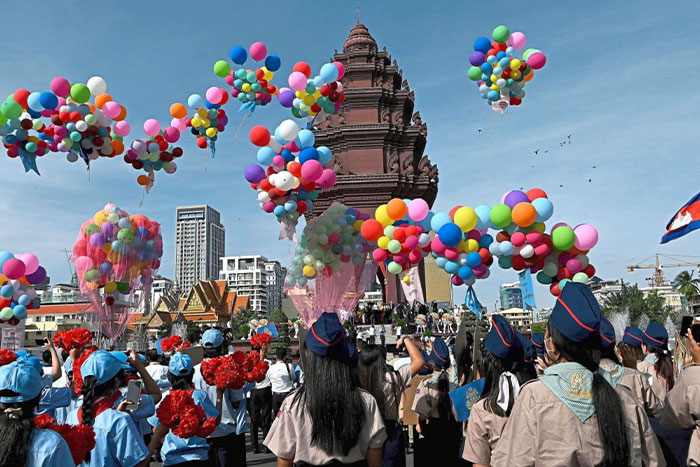
Cambodia's Independence Day is a big celebration that happens every year on November 9th. It marks the time when Cambodia became free from French rule in 1953.
On this day, the entire country takes part in various commemorative activities, festivals in Cambodia, and cultural events. These activities include parades, flag processions, artistic performances, and traditional festivals. The people actively participate to honor the heroes and their efforts in achieving national independence.
This day of reflection isn't just about looking back; it's an opportunity to express emotions for the homeland and the essence of national unity. Moreover, it provides a moment to light incense and lay flowers at memorials, paying tribute to those who made sacrifices for the freedom of Cambodia.
It is advisable to refer to the following circuits:
>> 10 days in Vietnam and Cambodia
>> 2-week Vietnam and Cambodia itinerary
>> Vietnam and Cambodia Tours
Festivals are one of the unique highlights and cannot be missed when you set food in a country. Immersing yourself in joyful activities and elaborate rituals at major festivals in Cambodia, you will gain a deeper understanding of the people, the country, as well as the traditional beauty of this place.


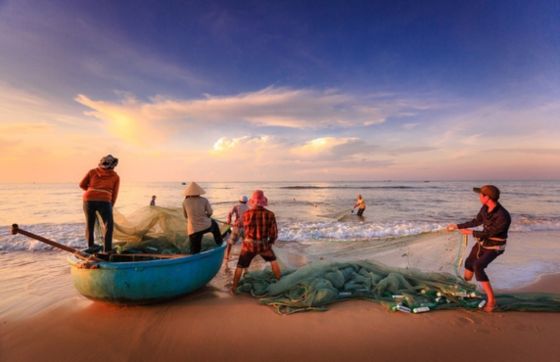
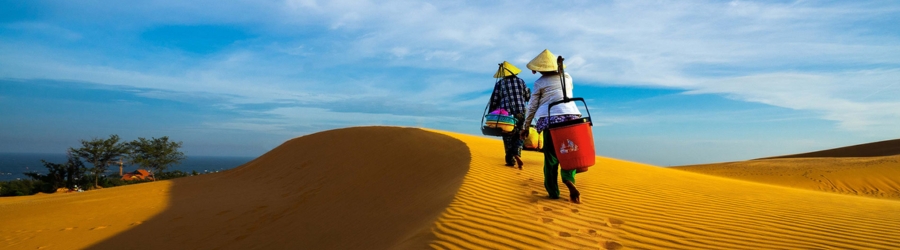
Phan Thiet, a coastal city in Binh Thuan Province, is best known for Mui Ne, an internationally renowned seaside destination. With its beaches, fishing villages, and desert-like sand dunes, the region offers a diverse range of landscapes rarely found elsewhere in Southeast Asia. In November, temperatures remain pleasant for exploring the coast, although occasional showers are still possible. Visiting Phan Thiet Mui Ne in November requires a little preparation to make the most of your stay. This complete guide covers the weather, must-see attractions, transportation options, and practical tips to help you plan your trip to Vietnam in November.
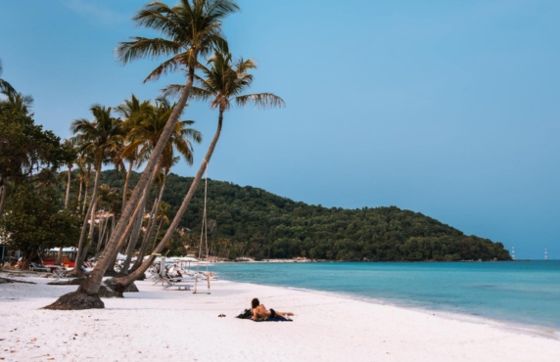
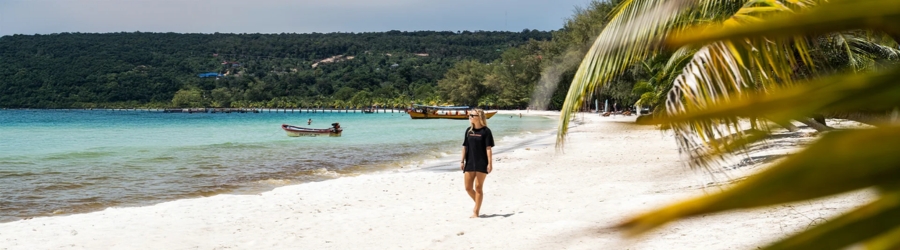
Vietnam’s beaches are best enjoyed at different times of the year, depending on the region. From the turquoise waters of the South to the long stretches of white sand in the Central region and tropical islands, each area has its own climate patterns. To better understand when to visit Vietnam, it is important to consider the weather conditions in each destination. The best time to visit beaches in Vietnam depends on region you choose as well as the activities you have planned. The best time to swim in Vietnam also varies according to rainfall, water temperature and sea conditions. Understanding the Vietnam beach season helps you choose destinations that match your travel dates and enjoy the coastline in good conditions.
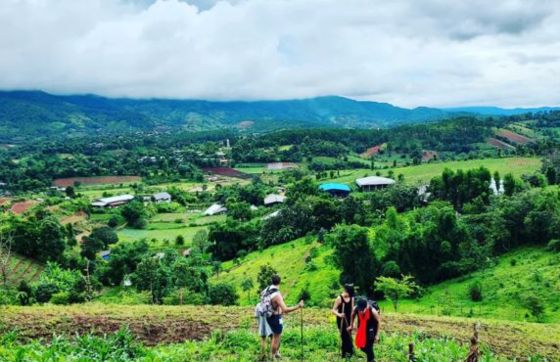
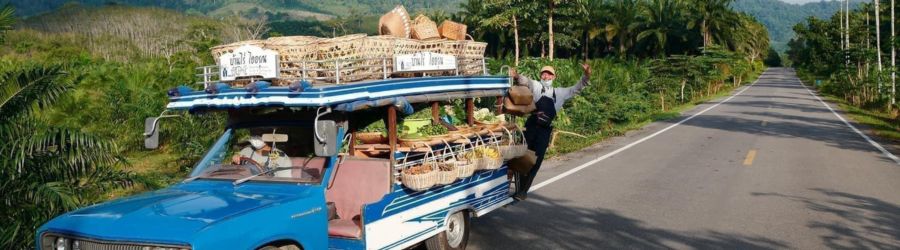
Discovering Thailand through its rice fields, plantations, and rural villages offers a different way to travel, far from traditional tourist circuits. But how can you choose the best agency for Thailand farm tours to enjoy authentic experiences with local communities? Several tour operators offer trips combining agriculture, gastronomy, and encounters with producers. Among them, Autour Asia is an option for travelers who want to personalize their itinerary. Known as Vietnam travel agency - Autour Asia, the company also offers tailor-made trips to several countries in Southeast Asia. With the local travel agency in Thailand - Autour Asia, travelers can explore a trip designed around their interests. Here are five organizations worth knowing, their distinctive features, and the essential criteria for planning a successful agricultural tour in Thailand.
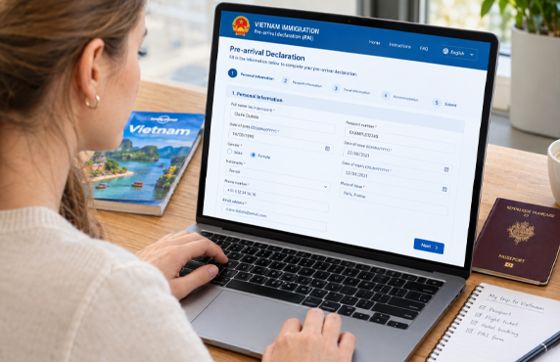
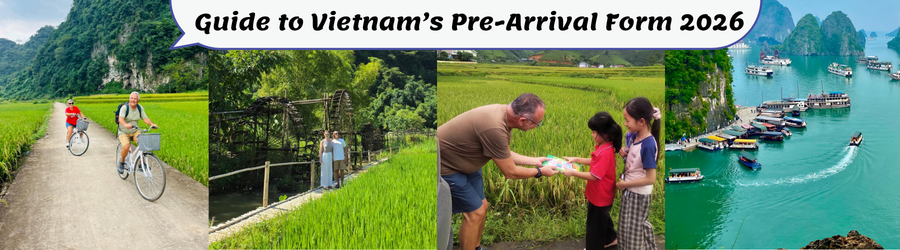
Planning a trip to Vietnam? Before packing your bags, take a few minutes to check the latest entry requirements and prepare the documents you may need at the airport.
Vietnam’s Pre-Arrival Information (PAI) system allows international travellers to submit selected personal, visa and travel details online before arriving in the country. After a successful submission, the system generates a QR code that travellers can save on their phones or print for use during immigration procedures. Although the online declaration is designed to help make arrival procedures smoother, travellers should understand when it applies, how to complete it correctly and which documents they still need to enter Vietnam.
In this practical guide, you will discover where to access the official PAI portal, what information to prepare, how to complete the declaration step by step, how to correct common mistakes and what to do when you arrive at the airport.
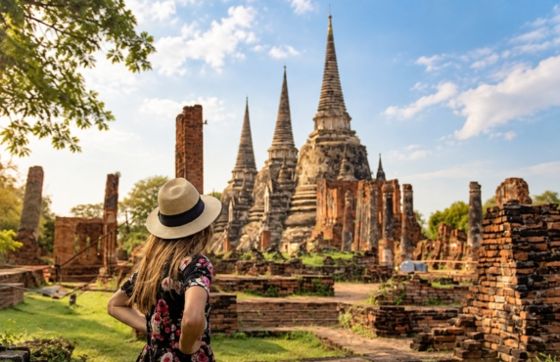
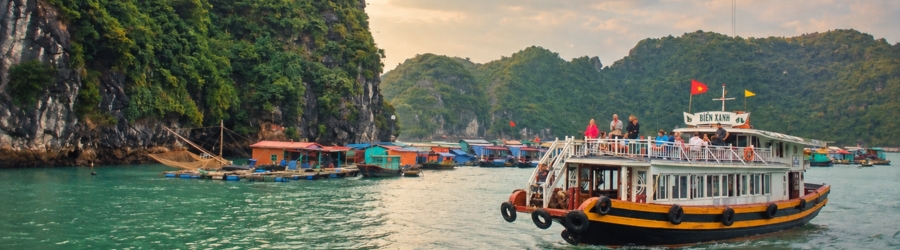
With its exotic landscapes, fascinating cultures and diverse experiences, Vietnam and Thailand are among the most popular destinations in Southeast Asia. However, safety remains an important criterion when planning your trip. So, how can you choose Vietnam or Thailand for a safe trip depending on the way you travel ? And is Vietnam safer than Thailand ? Each destination has its own characteristics and points to consider. In this article, Autour Asia helps you compare Vietnam and Thailand to better understand their differences and choose the destination that meets your expectations for your next trip to Asia.
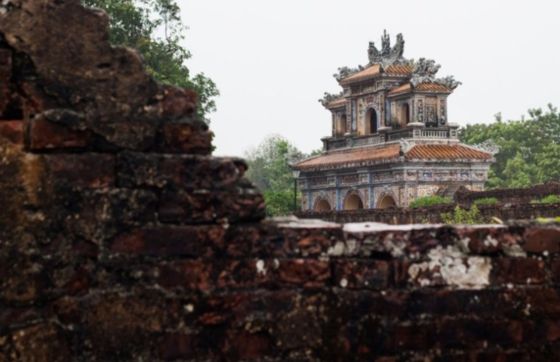
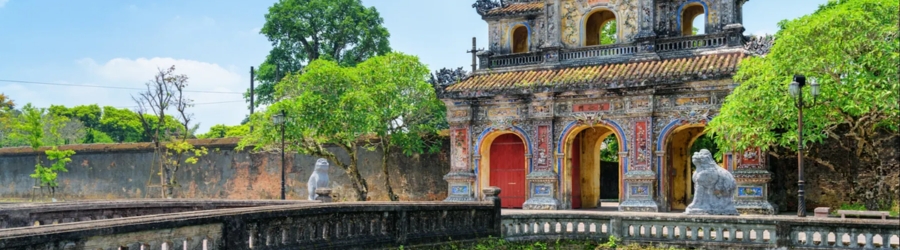
Planning a trip to Hue in November requires a little more flexibility than at other times of the year. Visiting Hue in November means experiencing the rainy season in central Vietnam, with prolonged showers and a risk of flooding. However, this period can also be an opportunity to explore the former imperial capital’s royal heritage, pagodas and renowned cuisine in a quieter atmosphere. The key is to choose your activities carefully, prepare alternative plans and check the weather conditions before setting out.
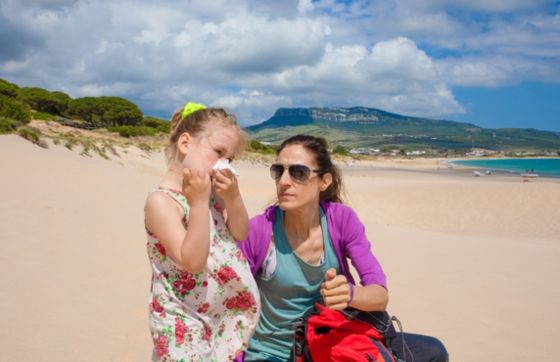
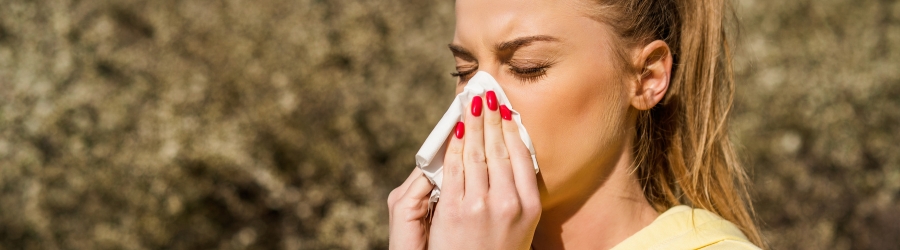
When travelling in Cambodia, some everyday habits may raise questions about local customs. Is blowing your nose in public considered polite? How should you behave in restaurants, on public transport or during a visit? These small details matter when you want to respect the local culture. Discover how to manage blowing your nose in Cambodia discreetly, along with practical tips on using tissues during your trip. Autour Asia, Cambodia travel agency, helps you discover local customs with advice tailored to travellers. From Cambodia travel etiquette to personal hygiene and everyday situations, a few simple guidelines can make your journey more comfortable. In Phnom Penh, Siem Reap or Kampot, understanding local customs helps you avoid awkward moments while making the most of your stay.
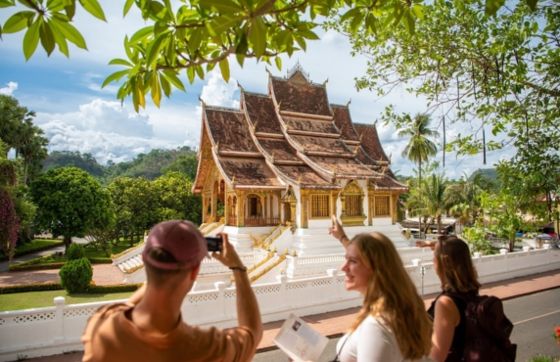
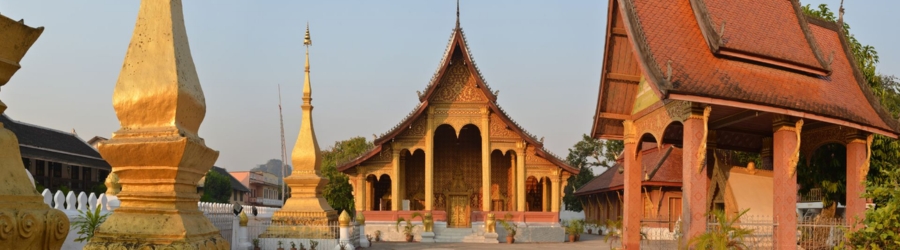
Blow your nose in Laos is not necessarily considered rude, but it is best to do so discreetly, especially in quiet places or during meals. If you have a cold, use a clean tissue and avoid blowing your nose loudly in public. In temples and other places of worship, respect the peaceful atmosphere and local customs. If you need to blow your nose frequently, step away from others for a moment whenever possible. Finally, dispose of used tissues in a rubbish bin. These simple habits will help you observe good manners during your trip to Laos.



 FR
FR EN
EN