
What To Do On A Weekend Farm Tour In Cambodia?
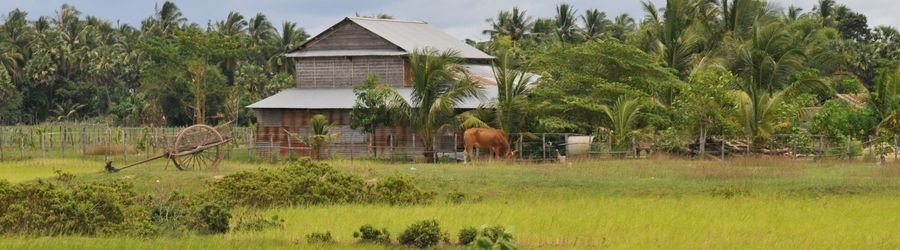
After exploring Angkor’s temples, bustling markets and the streets of Phnom Penh, Cambodia can also be discovered through its countryside. A weekend farm tour in Cambodia offers a chance to slow down and experience a rural way of life that remains closely connected to the land, the seasons and the harvest. Depending on the region, you may take part in farm activities, cook with a local family or follow rural paths between rice fields and orchards. This countryside escape is ideal for couples and families looking to experience Cambodia beyond the usual tourist routes. To make travel easier and choose an experience suited to your needs, a Cambodia travel company can also incorporate this rural immersion into a more comprehensive itinerary.
👤 Author: Noah
English travel marketing expert at Autour Asia.
✔️ Find the author on: Facebook Noah, Linkedin Noah, Twitter Noah
✅ Content verified by: Tran Ba Duy
Founder of Autour Asia, with over 20 years of experience in inbound tourism for English-speaking, European, and North American travelers.
🌏 Why trust this travel guide?
✔️ Based on real tours organized by our local team across Vietnam, Cambodia, Thailand, Laos, Bali, and Myanmar.
✔️ Regularly updated to reflect the latest travel conditions, seasonal changes, prices, and local regulations.
✔️ More than 25,000 travelers served, 8,000 tailor-made tours successfully organized, and 1,500 five-star reviews from international travelers.
✔️ Written by a team of travel experts based in Vietnam, with in-depth local knowledge and first-hand expertise across Indochina's top destinations.
Table of Contents
I. Why choose a weekend farm tour in Cambodia?
A weekend farm tour in Cambodia offers a different perspective on the country. There is no need to pack your days with sightseeing: just a few hours can be enough to understand how local people work the land, grow vegetables and organize their daily routines around the climate.
The experience is also about taking part. Depending on the season, you may water crops, harvest fruits or vegetables, prepare seedlings or simply observe the everyday tasks of a farming family. The activities are generally simple, but they offer a better understanding of the important role agriculture plays in local life.
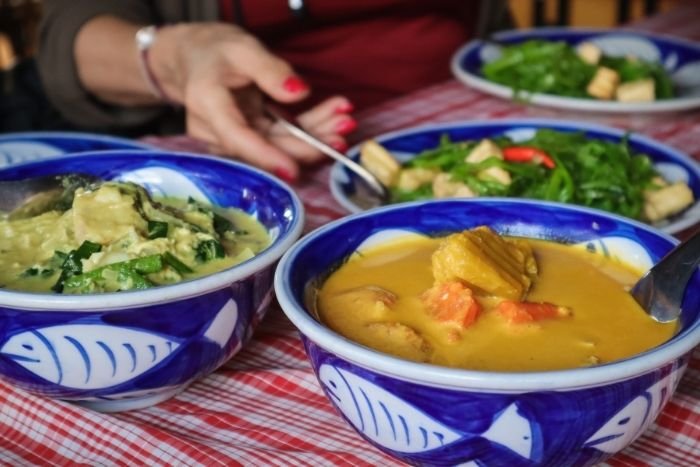
This type of experience also gives you the chance to discover a different side of Cambodian cuisine. Ingredients may come directly from the garden or a nearby market before being prepared together with your hosts. The meal then becomes a moment of sharing and conversation rather than simply a break during your trip.
Finally, two days are enough to slow down without disrupting your itinerary. After visiting the temples of Siem Reap or spending several days exploring Cambodia’s cultural highlights, a rural stay provides a pleasant change of pace.
II. Where to enjoy a weekend farm tour in Cambodia?
1. Siem Reap and its rural villages
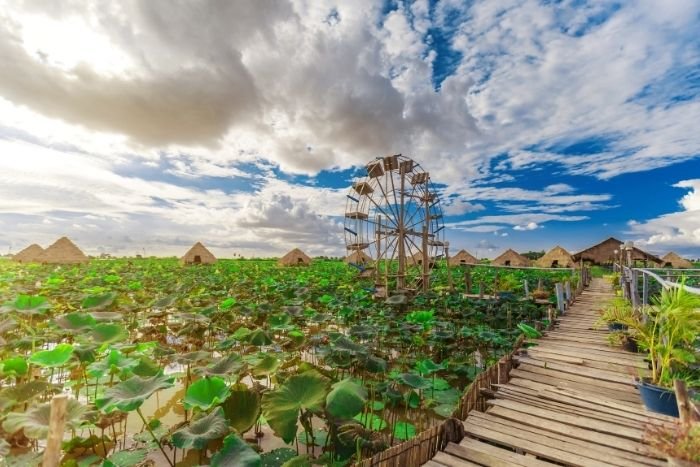
Around Siem Reap, a farm experience can easily be combined with a visit to the temples of Angkor. After a morning exploring Khmer heritage, you can head into the countryside to discover rice fields and small family-run farms.
During the rainy season, particularly from June onward, agricultural activities may involve preparing fields, transplanting rice seedlings or maintaining the crops. As the harvest approaches, the landscape changes and travelers can observe farmers working in the rice fields. The rice-growing cycle varies depending on the fields and local conditions, but the main wet-season harvest generally takes place between November and January.
A weekend farm tour in Cambodia in this region may also include cycling through the rice fields, exploring a vegetable garden, preparing a local meal or meeting a farming family. It is a good option if you have limited time and want to add a rural experience to your stay in Siem Reap.
2. Battambang
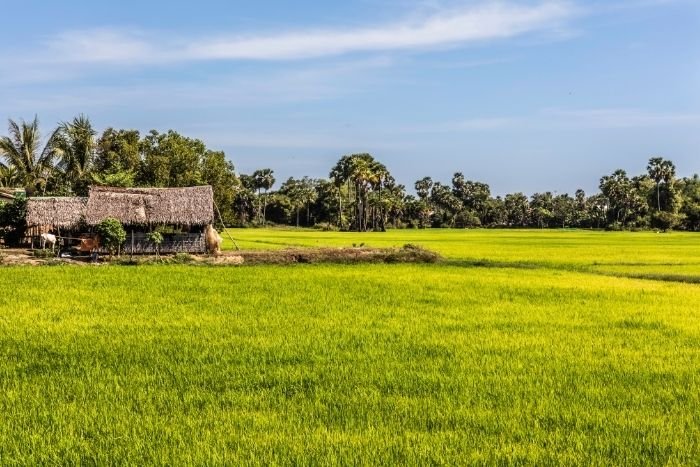
Battambang is particularly interesting for travelers who want to better understand the role of agriculture in northwestern Cambodia. The province is one of the country’s major rice-growing regions and is also known for its significant fruit production.
Depending on the season, during a weekend farm tour in Cambodia, you may observe field preparation, work in the rice paddies or the different stages leading up to the harvest. Between November and January, travelers can also discover the atmosphere of the countryside after the main rice-growing cycle. For a more hands-on experience, some farms allow visitors to take part in simple tasks such as sowing seeds, tending crops, harvesting vegetables or preparing produce for a shared meal.
3. Kampot
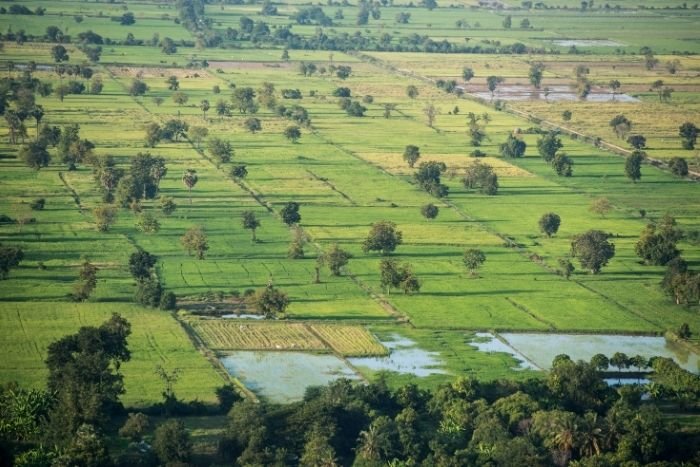
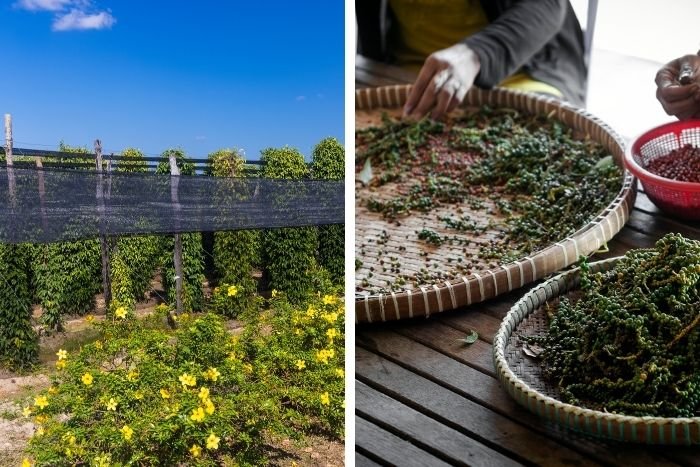
In Kampot, the farming experience takes on a different character. Here, a weekend farm tour in Cambodia can focus on plantations rather than rice fields alone. The province is particularly famous for its pepper, as well as fruits such as durian, mango and coconut.
A visit to a pepper plantation offers an opportunity to discover the plants, learn how they are cultivated and understand the different stages involved before the pepper reaches the market. Some farms also invite visitors to explore the gardens, learn about local production methods or taste the products directly on site.
The season is also worth considering. The region experiences a rainy season from May to October, which supports lush vegetation, while November to March generally brings drier and more pleasant conditions for exploring the countryside.
4. The Tonlé Sap Region
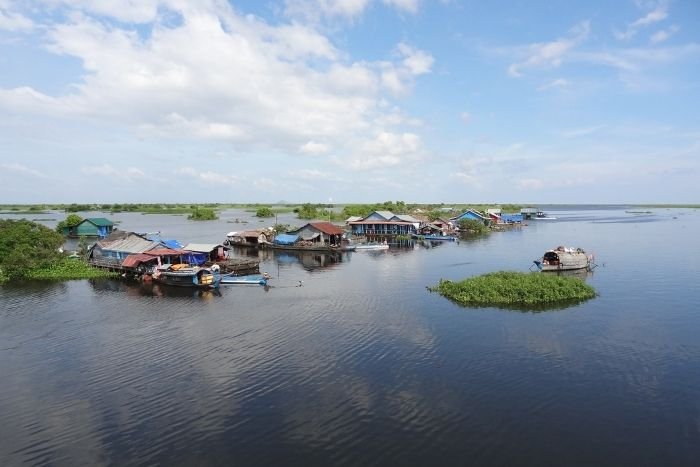
Around Tonlé Sap, agriculture is closely connected to the natural water cycle. Depending on their location and the season, local families may combine rice farming, vegetable cultivation, livestock raising and fishing. The Tonlé Sap Basin is one of Cambodia’s major agricultural areas, with rice, mangoes, cashews and vegetables among its important products.
The rainy season gradually transforms the landscape: fields become flooded and farming activities adapt to changing local conditions. By contrast, the dry season makes it easier to explore rural paths and reach certain villages by bicycle or on foot.
For a weekend farm tour in Cambodia, this region therefore offers a broader perspective on rural life. You can observe local crops, visit a family garden, discover products at a village market or combine your farming experience with an excursion on Tonlé Sap Lake.
III. What to do during a weekend farm tour in Cambodia?
A weekend farm tour in Cambodia does not necessarily mean spending two full days working in the fields. The program depends on the farm, the season and the weather conditions. It is therefore best to plan several complementary experiences.
Take part in seasonal farming activities
Planting, watering, tending crops or harvesting: farm tasks change throughout the year. Taking part is a great way to discover everyday skills and routines that you might not notice on a traditional tour.
Explore a vegetable garden or plantation
A walk around the farm with your host can help you identify vegetables, herbs, fruit trees and crops specific to the region. It is also a good opportunity to understand where the ingredients served at the table come from.
Prepare a meal with the family
Buying a few ingredients at the local market, washing vegetables, preparing condiments and cooking together creates a simple and friendly experience. The menu usually depends on the products available that day.
Explore local markets
A local market is an excellent place to observe everyday food habits. You can find fruits, vegetables, fish, spices and prepared foods, with an atmosphere very different from that of tourist-oriented markets.
Cycle or walk along rural paths
When temperatures are comfortable, a bicycle ride or walk allows you to reach small hamlets, rice fields and rural paths that are rarely accessible by car.
Observe traditional farming techniques
Finally, take time to observe rather than trying to fill every moment with activities. Irrigation, soil preparation, the use of hand tools and crop organization all reveal part of the economic and social history of Cambodia’s countryside.
IV. Tips for a successful weekend farm tour in Cambodia
A weekend farm tour in Cambodia is relatively easy to prepare, but a few details are worth considering before you leave:
Choose the right season: farming activities vary depending on planting and harvesting periods.
Check the activities available: some farms invite visitors to take part in farm work, while others focus more on visits and workshops.
Pack lightweight clothing: choose comfortable clothes that you do not mind getting dusty or dirty.
Wear suitable shoes: sneakers or closed-toe shoes are more practical for walking through fields.
Protect yourself from the sun: a hat, sunglasses, sunscreen and a reusable water bottle are particularly useful for outdoor activities.
Leave some free time: avoid filling your schedule completely. Part of the appeal of a rural stay is simply enjoying the peaceful surroundings.
Check the accommodation: ask about the type of room, bathroom facilities, air conditioning and available amenities.
Check what is included in the price: meals, activities, transportation and local assistance are not always included.
Follow the farm’s daily rhythm: farm work often starts early and depends on weather conditions.
Encourage natural interactions: always ask before taking photos of local people and respect their privacy.
Choose a responsible experience: favor farms that work with local communities and provide fair compensation for participants.
Consider a Cambodia travel company if needed: it can arrange transfers, select a suitable farm and incorporate this rural experience into your itinerary.
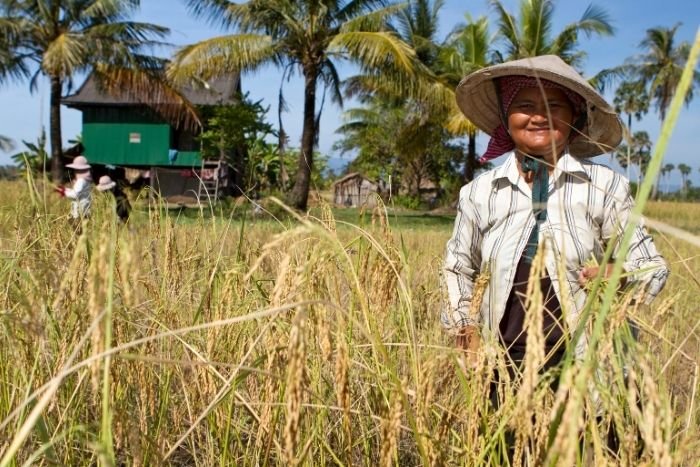
In conclusion, a weekend farm tour in Cambodia offers a different way to discover the country, taking the time to observe the landscapes, understand agricultural work and share simple moments with local people. Siem Reap, Battambang, Kampot and the areas around Tonlé Sap each offer a different experience, depending on the crops and surrounding environment. To make the most of this rural escape, choose your travel period carefully and check exactly what the experience includes before setting off. A Cambodia travel company can also help you incorporate this rural immersion into a longer itinerary without compromising your comfort or valuable travel time.
Read more:
Yes, a farm stay in Cambodia can be a great experience for children, provided you choose a farm suited to their age. An eco-farm visit in Cambodia can give them the opportunity to discover local crops, observe animals, harvest vegetables or take part in a simple cooking activity. For younger children, choose a flexible program with plenty of breaks and short journeys. Closed-toe shoes, a hat, drinking water and sun protection are essential. If you are traveling with a young child, also check the hygiene and safety conditions at the farm before booking.
The price of a farm weekend in Cambodia depends on the region, type of accommodation and activities included. When estimating your Cambodia travel cost, expect to pay around $34–90 per person for two days, depending on the level of comfort you choose. This price may include accommodation, meals, farming activities and sometimes the assistance of a local guide. A package with private transfers or more comfortable accommodation will naturally cost more. Before booking, check exactly what is included in the price, such as transportation, meals, activities and visits. This will make it easier to compare different offers.
Yes, the rainy season can be an interesting time to take part in farming activities in Cambodia. From May to October, rainfall helps with rice-field preparation, rice planting and crop maintenance. However, activities depend on the weather and the farming calendar of each farm. Lightweight, quick-drying clothes, suitable footwear and rain protection are recommended. When planning a Cambodia Itinerary Tour 15 Days, a few days at a farm can easily be included between Siem Reap, Battambang and Phnom Penh. In case of heavy rain, some outdoor activities may be replaced with cooking sessions or local workshops.
Related travel guide
Other similar articles


CUSTOMIZABLE BY LOCAL EXPERTS
Personalized trip at the original price!

REFUND GUARANTEE
We believe in our work and promise to give you money back.

GOOD PRICE / QUALITY
95% satisfied more than expected!

24/7 LOCAL SUPPORT
We are always available online to provide assistance at any time.

Most read articles


Autour Asia is highly recommended on
Embracing the mission of "Satisfied more than expected" and providing authentic experiences, we have received numerous recommendations on reputable travel forums: