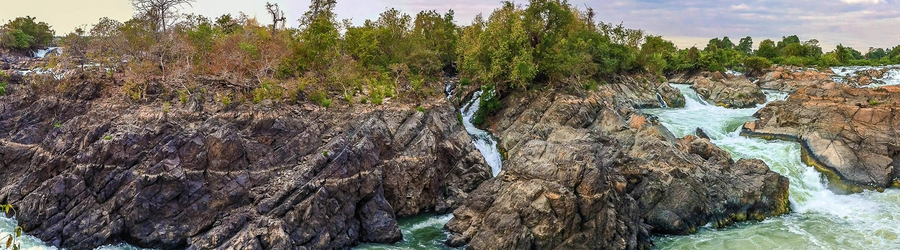
Laos captivates visitors with its authenticity, peaceful temples and preserved landscapes. Before departing, it is essential to be well-informed to organize your stay serenely. This Laos travel guide gathers all the Laos general information you need: entry formalities, visas, climate, budget, transport and practical advice. You will find here the indispensable essential info Laos to prepare your itinerary and understand what to know before traveling to Laos. Discover everything about this "Land of a Million Elephants" to experience a unique adventure in Southeast Asia.
Before organizing your stay, it is essential to understand the foundational Laos general information. This part of our Laos travel guide presents the key elements to better understand the country, its history, and its geography, helping you prepare your itinerary with peace of mind.
1. History of Laos
Among the Laos general information, its history plays an essential role in understanding the country's identity. Formerly the Kingdom of Lan Xang in the 14th century, Laos experienced various regional influences before becoming a French protectorate in the 19th century. Independence was proclaimed in 1953, and the Lao People's Democratic Republic was established in 1975. Today, the country retains a rich cultural and religious heritage, visible through its Buddhist temples and traditions, essential info on Laos for any traveler wishing to know the historical context before leaving.
2. Geographical framework, capital and main cities
One of the most important pieces of Laos general information is that Laos is the only landlocked country in Southeast Asia. About 70% of its territory is covered by rugged mountains and dense forests, offering raw, beautiful landscapes.
- The Mekong River: A vital artery, this mythical river crosses the country from north to south, serving as both a natural border and an essential transport route for trade and tourism.
- Neighboring Countries: Laos shares borders with China, Myanmar, Thailand, Cambodia and Vietnam, making it a rich cultural and ethnic crossroads.

A complete Laos travel guide would not be perfect without mentioning its urban centers:
- Vientiane (The Capital): Located on the banks of the Mekong, it is a human-sized capital where iconic Buddhist monuments (like Pha That Luang) blend harmoniously with French colonial vestiges.
- Luang Prabang: The former royal capital and a UNESCO World Heritage site, it is considered the spiritual and cultural heart of the country.
- Pakse: Located in the south, this dynamic city is the ideal starting point for exploring the Bolaven Plateau and its renowned coffee plantations.
II. Practical Laos travel info - What to know
Organizing a journey requires logistical preparation. To ensure a stress-free trip, here are the essential Laos travel tips regarding entry requirements, the new 2026 digital regulations, and smart budget management. For most international travelers, obtaining a visa is mandatory. Here is what to know before traveling to Laos regarding the latest administrative procedures:
- E-visa (Recommended): This is currently the most efficient option for tourists. You can apply online via the official government portal. The cost is approximately 50 USD, and the processing time is usually around 3 business days. It is valid for a 30-day stay and is accepted at major international airports and certain land borders.
- Visa on Arrival: If you prefer flexibility, this is available at international airports (Vientiane, Luang Prabang, Pakse) and most major land border crossings.. Budget about 40 USD in cash (bills must be in perfect condition) and bring two passport photos.
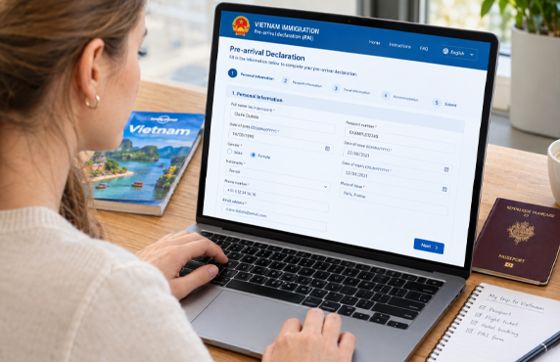
- Lao Digital Immigration Form (New for 2026): All travelers must now complete a digital immigration form online before arrival to streamline customs. This QR-code-based system replaces the old paper arrival/departure cards, significantly reducing wait times at the border.
- Validity: Your passport must be valid for at least 6 months after your entry date.

The official currency is the Lao Kip (LAK). Due to recent economic fluctuations, prices in Kip can change, but the country remains one of the most affordable destinations in Southeast Asia. While the Kip is used for daily expenses, US Dollars and Thai Baht are frequently accepted for larger purchases, hotels, or tours in tourist hubs like Vientiane and Luang Prabang.
III. When to Go to Laos ?
In any Laos travel guide, timing is everything. Choosing when to visit depends on your itinerary and tolerance for tropical weather. Understanding the three distinct seasons is essential Laos general information for every traveler:
- Cool Dry Season (November to February): This is widely considered the best time to visit Laos. With temperatures ranging from 15°C to 25°C, the weather is perfect for exploring Luang Prabang or trekking in the northern highlands. As this is peak tourist season, expect clear blue skies, vibrant festivals, and the most comfortable conditions for outdoor activities.
- Hot Dry Season (March to May): During these months, temperatures often soar above 35°C. While the heat can be intense, it coincides with Pi Mai (Lao New Year) in April, a spectacular water festival that is a must-see for cultural enthusiasts.
- Rainy Season (June to October): Despite the name, rain often falls in short, refreshing bursts. This "Green Season" offers spectacular emerald landscapes and powerful waterfalls, particularly on the Bolaven Plateau. It is also an ideal time to find lower prices and fewer crowds.
Knowing these tips before traveling to Laos regarding the climate ensures you pack correctly and choose the perfect window for your adventure, whether you prefer cool mountain air or lush, tropical scenery.
IV. How to Get Around Laos ?
Transportation in Laos has undergone a major transformation in recent years, making it much easier for travelers to navigate the rugged terrain between the North and South. Integrating these logistics into your Laos travel guide is key to a smooth journey.

- High-Speed Train (LCR): The fastest way to connect Vientiane, Vang Vieng and Luang Prabang. Tickets sell out quickly, so try to book 2-3 days in advance through the official LCR app or a local agent.
- Ride-Hailing Apps: Essential in cities to avoid negotiating. Use Xanh SM (electric taxis), LOCA, or KOKKOK Move.
- Buses and Minivans: For destinations off the rail line, such as the Plain of Jars or the far south, air-conditioned mini-vans remain a popular and budget-friendly choice.
- Tuk-tuks and Songthaews: These iconic three-wheeled vehicles are perfect for short hops or reaching nearby sites like the Kuang Si Falls. One of the most important Laos travel tips is to always agree on the fare with the driver before you start your trip.
- Slow Boat: For a legendary 2-day Mekong cruise between the Thai border and Luang Prabang.
V. Top must-see destinations: - Ultimate Laos travel guide
No Laos travel guide is complete without diving into the iconic destinations that define this nation's spiritual and natural beauty. From the saffron-clad monks of the north to the cascading waterfalls of the south, here is what to know before traveling to Laos regarding its must-visit locations.
1. Luang Prabang
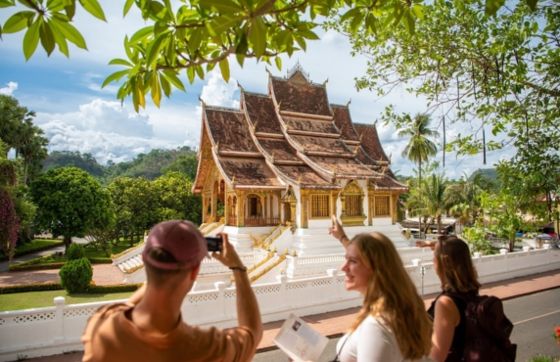
As a UNESCO World Heritage site, Luang Prabang is the crown jewel of Laos general information. This city is a breathtaking blend of traditional Lao architecture and 19th-century French colonial influence.
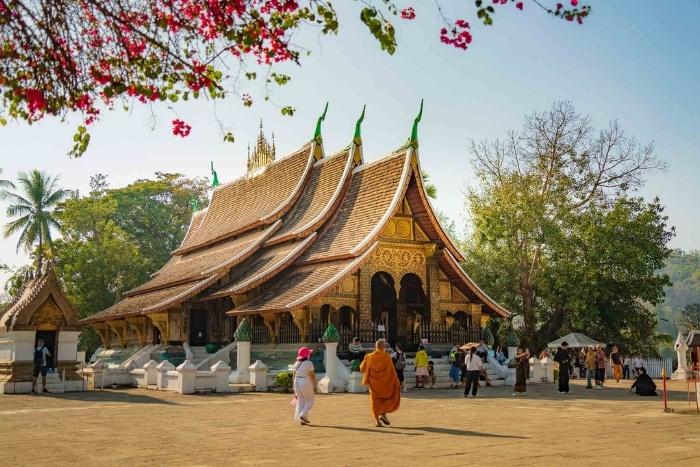
- The Spiritual Heart: Every morning at dawn, the city participates in Tak Bat, the alms-giving ceremony. Watching hundreds of monks move silently through the streets is a profound experience. While visiting, Wat Xieng Thong is an essential stop; its "tree of life" mosaic and sweeping roofs represent the pinnacle of Lao craftsmanship.
- Nature’s Beauty: A short drive from the center lies Kuang Si Falls. These multi-tiered turquoise pools are perfect for swimming. For the best experience, arrive early to beat the crowds and visit the nearby Sun Bear Rescue Center.
2. Vang Vieng
If you are looking for Laos travel tips on adventure, Vang Vieng is the place. Once famous for its wild nightlife, it has successfully rebranded as the adventure capital of Southeast Asia.

- Adventure and Views: The town is surrounded by dramatic limestone karsts and hidden lagoons. Hiking to the Nam Xay Viewpoint is a physical challenge, but the reward, a panoramic view of the valley with a motorbike perched on the peak is an Instagram classic.
- Water Activities: The Nam Song River is the lifeblood of the town. Whether you choose a peaceful kayak trip or the traditional "tubing" experience, being on the water at sunset is the best way to soak in the mountain scenery.
3. Vientiane
Often overlooked, Vientiane offers a unique pace of life compared to other Asian capitals. It is the best place to find Laos general information regarding the country's political and religious history.
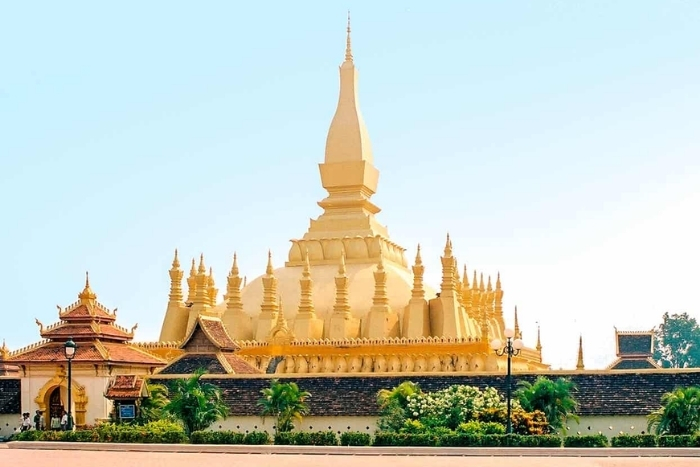
- Golden Landmarks: The Pha That Luang is the most important national monument in Laos, a gold-covered stupa that symbolizes Buddhist sovereignty. Nearby, the Patuxai Victory Gate provides a stunning view of the city’s skyline.
- The Surreal Buddha Park: Located 25km outside the city, Wat Xieng Khuan (Buddha Park) is a whimsical forest of over 200 Hindu and Buddhist statues, including a massive reclining Buddha and a giant "pumpkin" structure you can climb for a bird’s-eye view.
4. Bolaven Plateau and the 4,000 Islands
For those seeking what to know before traveling to Laos off the beaten path, the southern provinces offer raw nature and a slower tempo.

- Bolaven Plateau: This high-altitude region is famous for its cool climate and world-class coffee plantations. It is home to Tad Fane, the tallest twin-waterfalls in the country, where thrill-seekers can now zipline across the canyon.
- Si Phan Don (4,000 Islands): Near the Cambodian border, the Mekong River expands to a width of 14km, creating a labyrinth of islands. Don Det and Don Khone are the most popular, offering a chance to see the rare Irrawaddy dolphins and the thunderous Khone Phapheng Falls, the largest waterfall by volume in Southeast Asia.
These destinations provide a perfect balance of culture, history, and nature, ensuring your journey through Laos is truly unforgettable.
VI. Practical advice and etiquette for your first trip
To ensure your journey is respectful and smooth, here are the final Laos travel tips and essential advice before traveling to Laos regarding local customs and daily life:
- Respect and Etiquette: Laos is a deeply Buddhist country. Always wear clothing that covers your shoulders and knees when visiting temples. It is also customary to remove your shoes before entering a local home or a religious building.
- The "Sabaidee" Spirit: Interaction starts with a smile and a Nop (placing your hands together in a prayer-like gesture under the chin). This is a fundamental part of Laos general information for anyone wanting to connect with the local people.
- Connectivity: To stay connected, you can easily purchase a local Laos SIM card at international airports or city centers. Providers like Unitel or Lao Telecom offer very affordable 4G/5G data packages, which are stable in most tourist hubs.
- Health and Safety: While Laos is generally very safe for solo and group travelers, always be mindful of your belongings in busy markets. Regarding health, never drink tap water. Stick to bottled or purified water, which is readily available everywhere.
Laos captivates travelers with its raw authenticity, breathtaking landscapes and an atmosphere of peace that is hard to find elsewhere. Thanks to this Laos travel guide, you now possess the Laos general information and practical Laos travel tips needed to organize your stay with confidence. Whether you are seeking the spiritual serenity of Luang Prabang or the adventurous trails of Vang Vieng, what to know before traveling to Laos is that this country will leave a lasting impression on your heart. With Autour Asia, your expert Laos travel guide, you can benefit from local insights to design a tailor-made journey. Let us help you experience an unforgettable adventure in the soul of Southeast Asia.





 FR
FR ITA
ITA