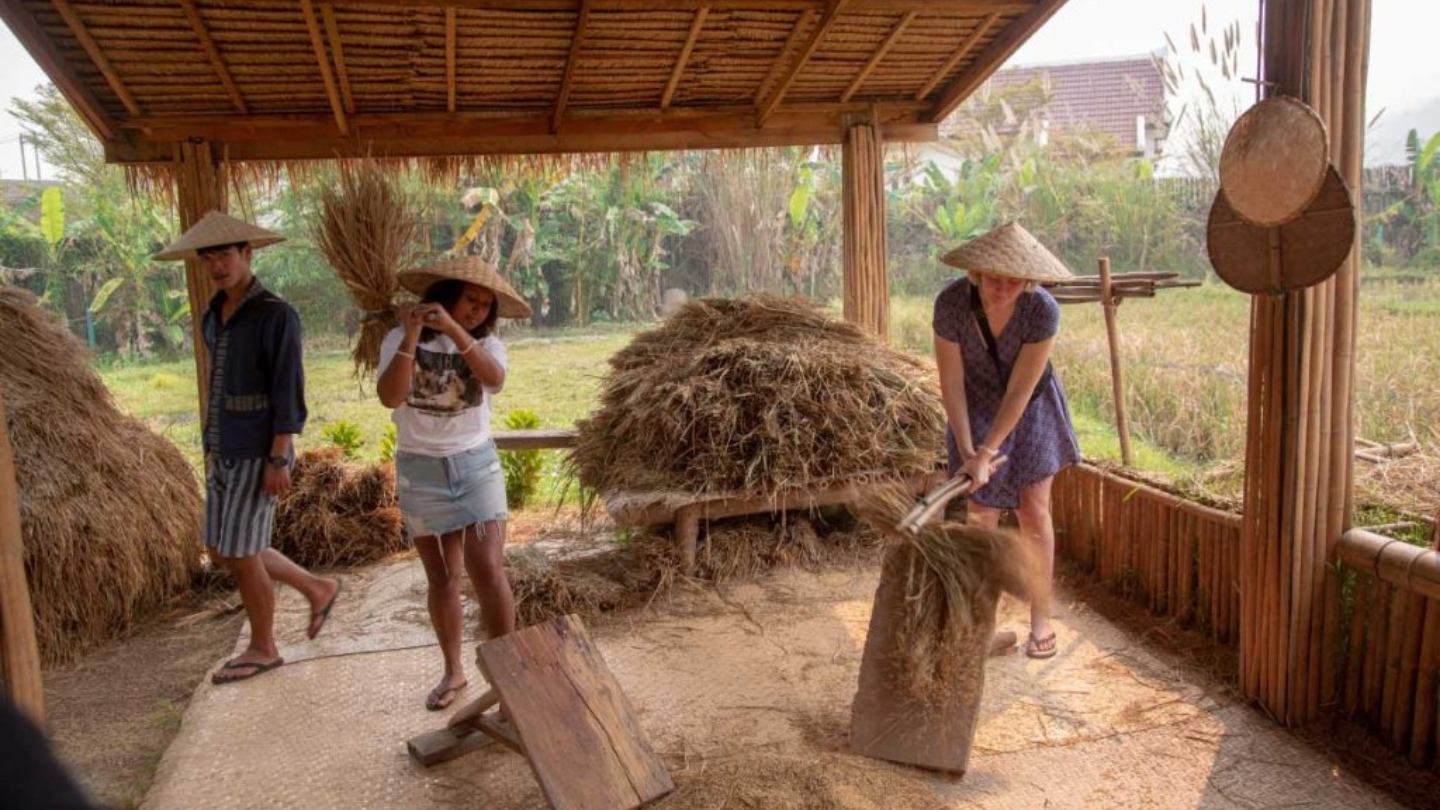
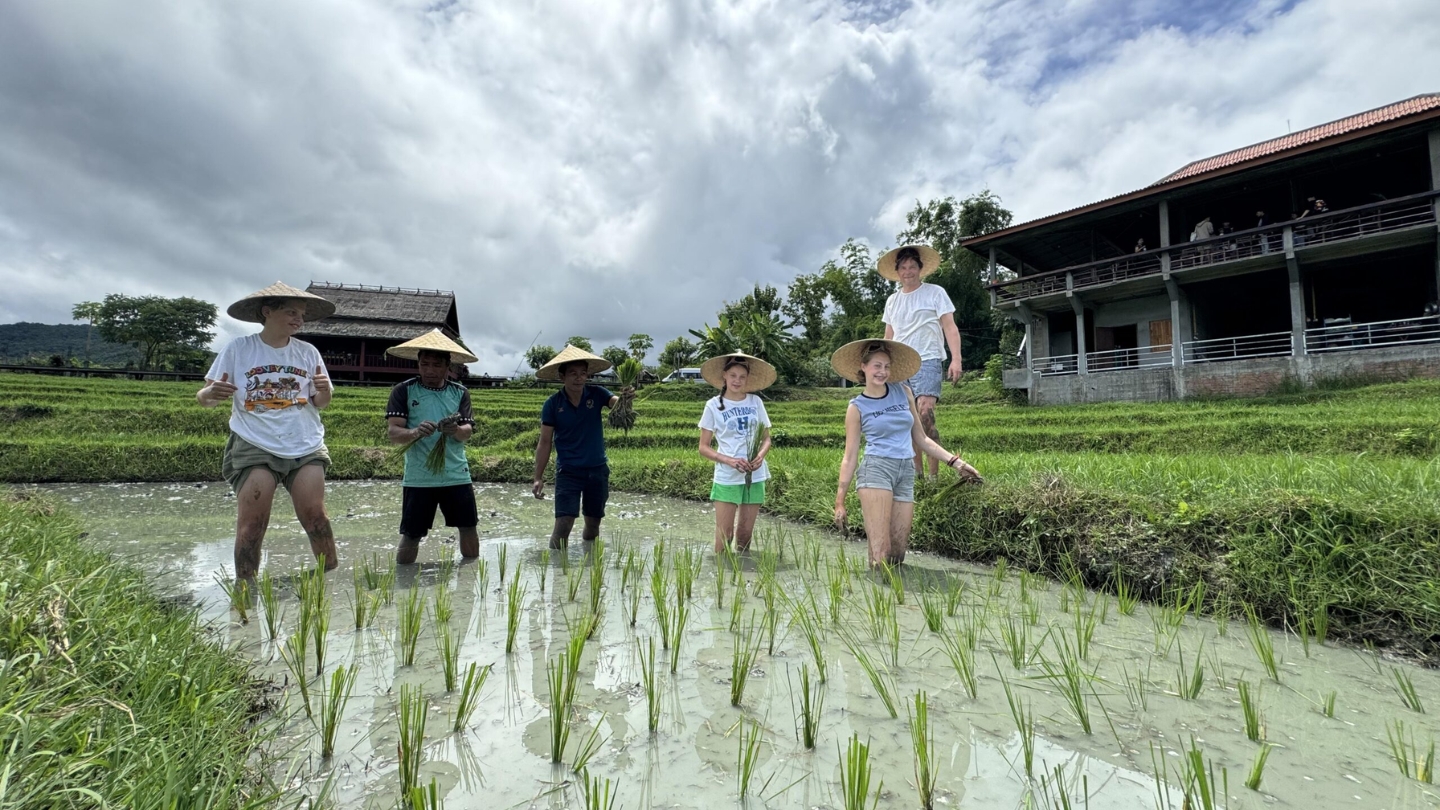
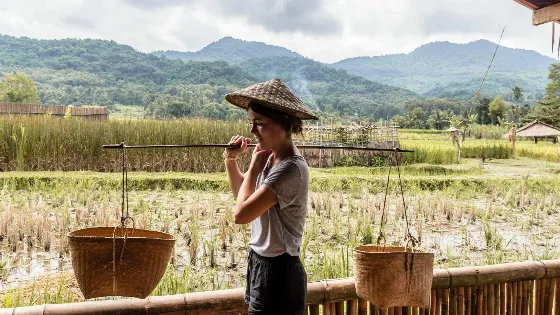
Laos is a great place for someone looking to experience rural life, with its green landscapes, traditional villages and rich farming heritage. A 3-day rice farming tour in Laos offers the opportunity to visit local farms, learn about traditional rice cultivation and discover how local communities grow and prepare their food. Around Luang Prabang, you can combine hands-on farming activities with village visits and local food experiences. Here is a suggested three-day itinerary to help you make the most of your stay.
In Laos, agriculture is an integral part of everyday life, especially in villages where rice cultivation and rural traditions remain deeply rooted. A farm stay allows you to discover this way of life, meet local residents and take part in farming activities, depending on the season. Around Luang Prabang, some farms offer hands-on experiences focused on rice cultivation and organic produce.
This type of trip is particularly suitable for families with children, couples and travellers interested in nature, local cuisine and culture. It is ideal for those seeking an interactive experience and wishing to support local communities rather than spending their entire holiday visiting tourist attractions. Since farming activities vary throughout the year, it is best to check with individual farms in advance.
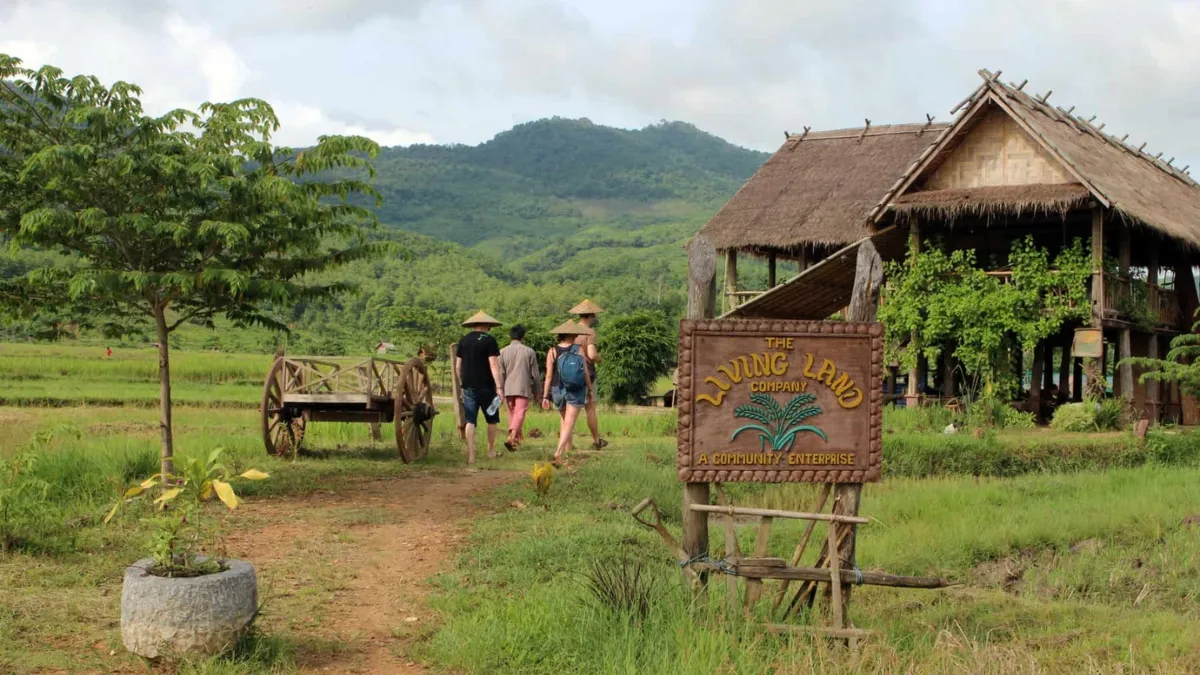
To experience rural life in Laos without spending too much time travelling, this three-day itinerary focuses on Luang Prabang and the surrounding countryside.
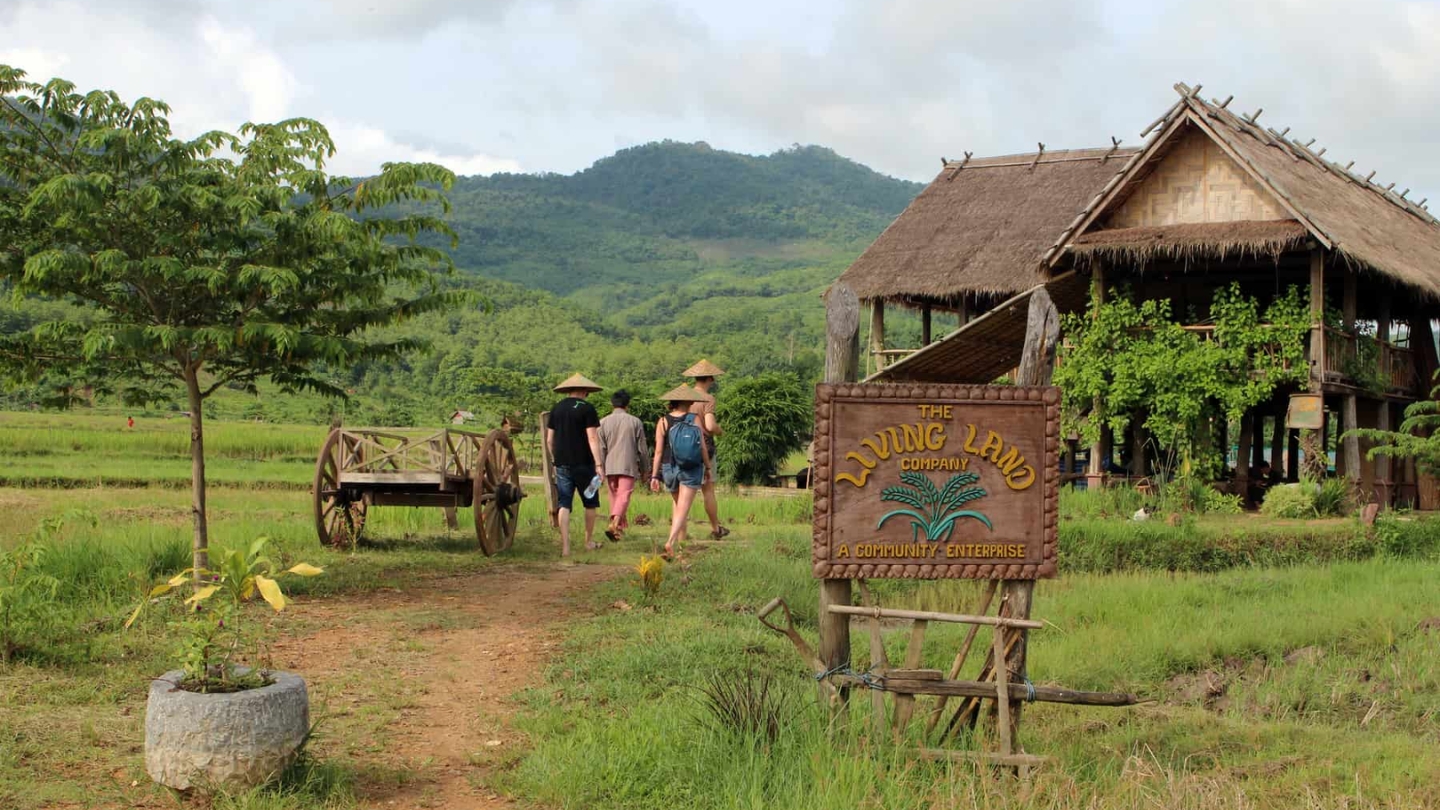
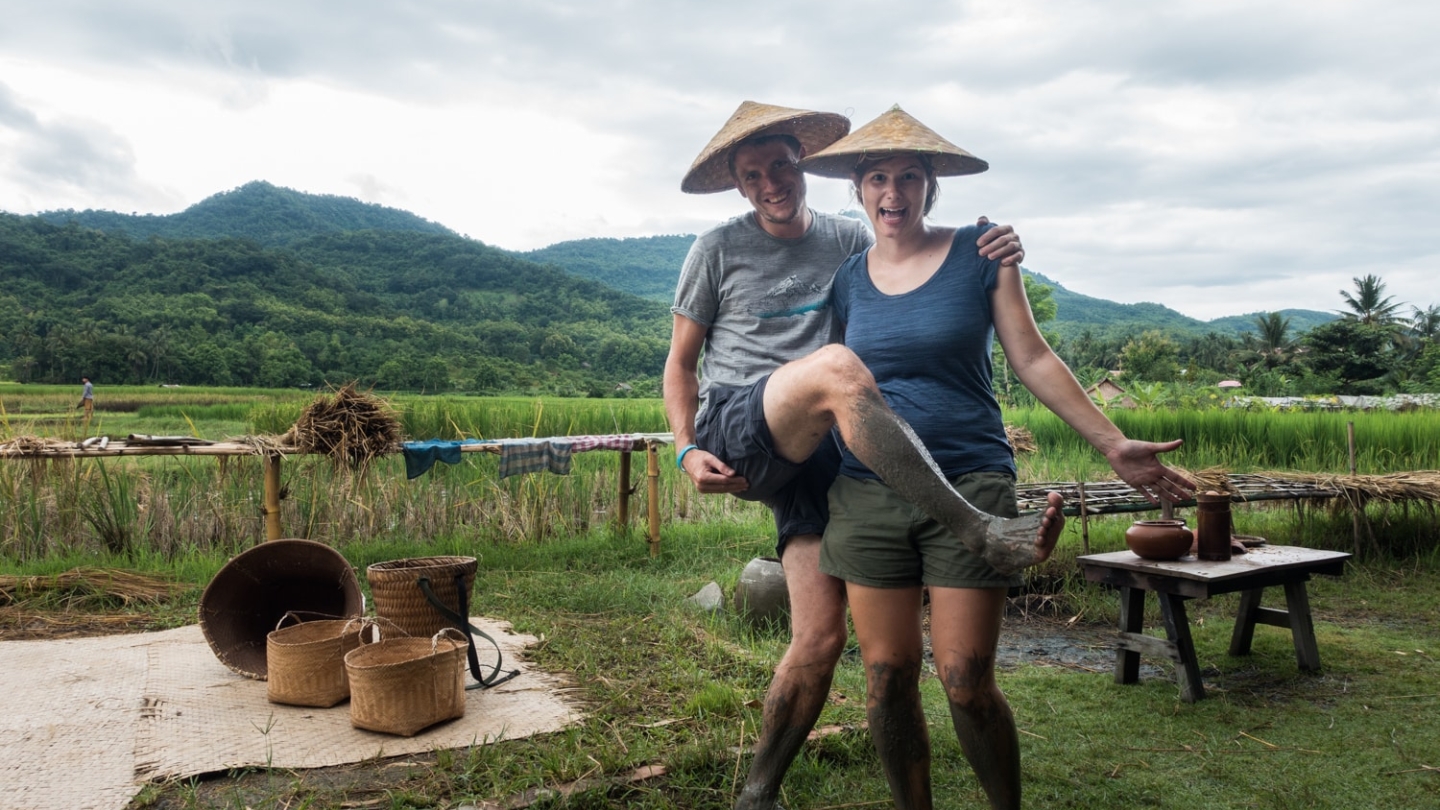
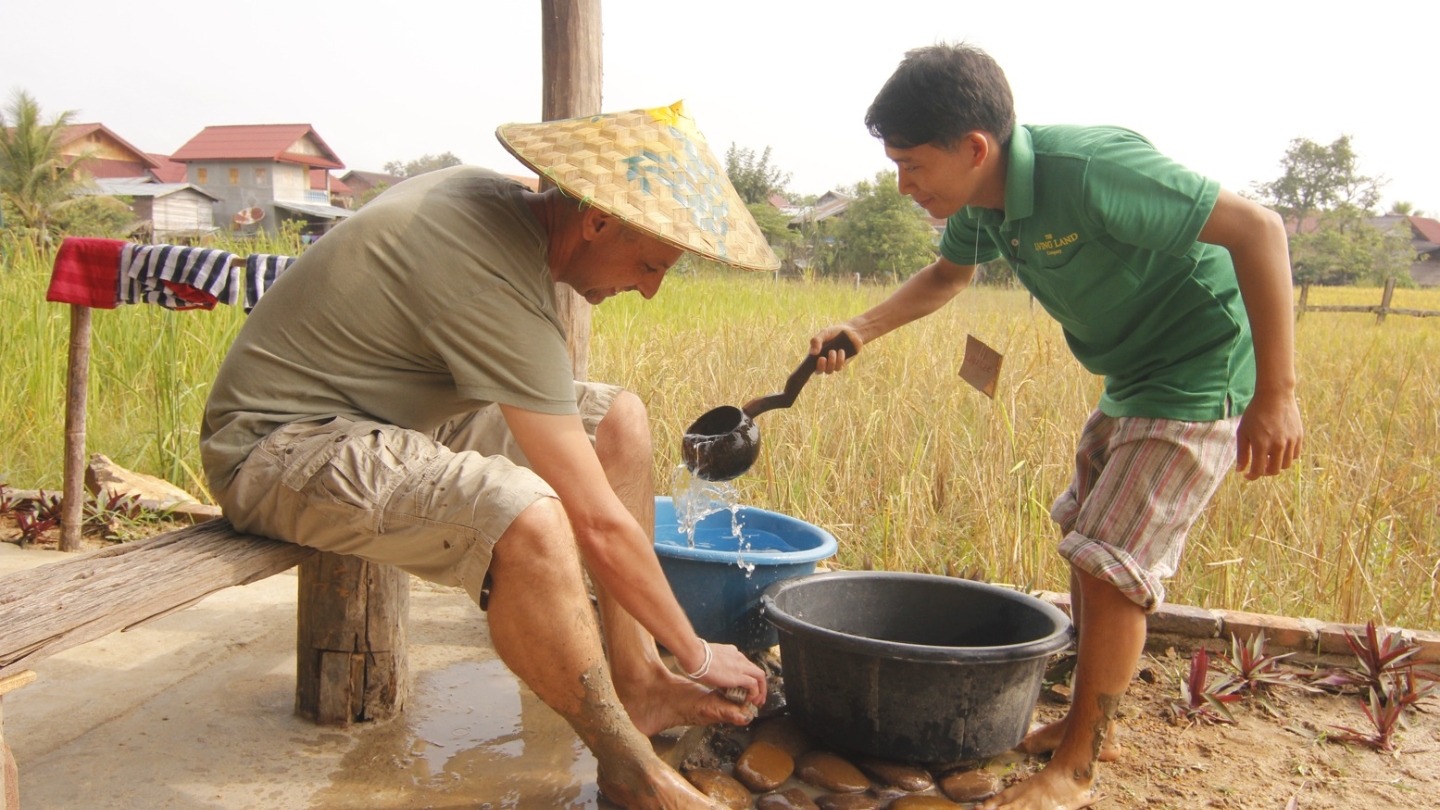
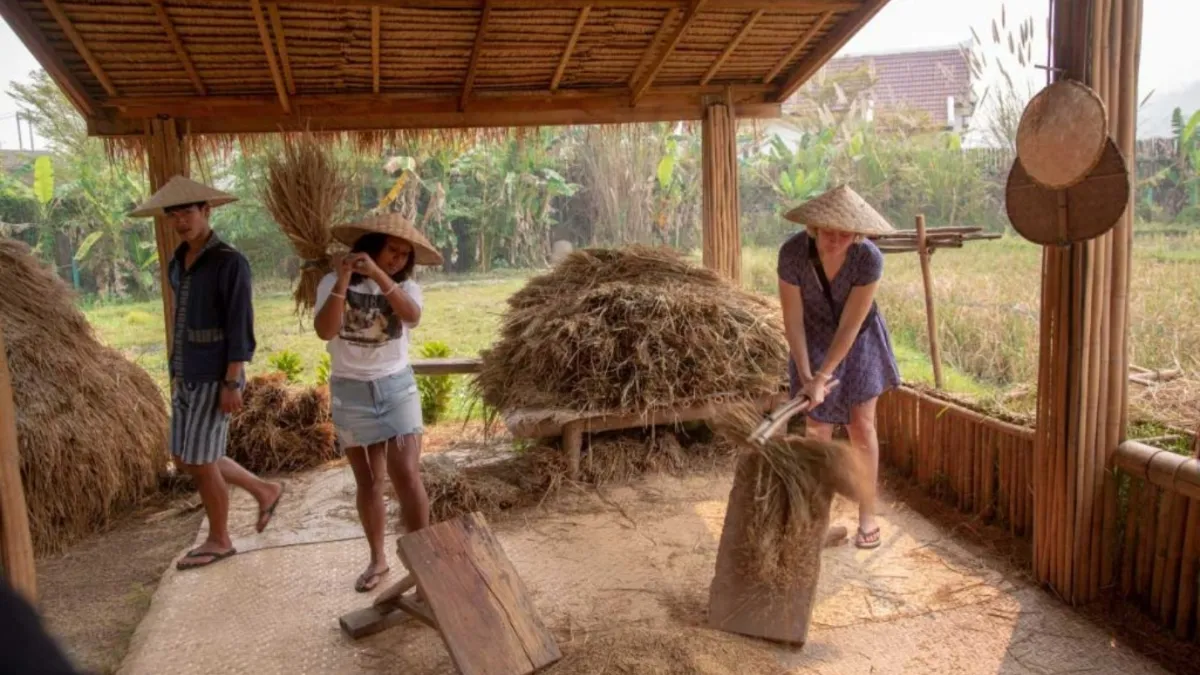
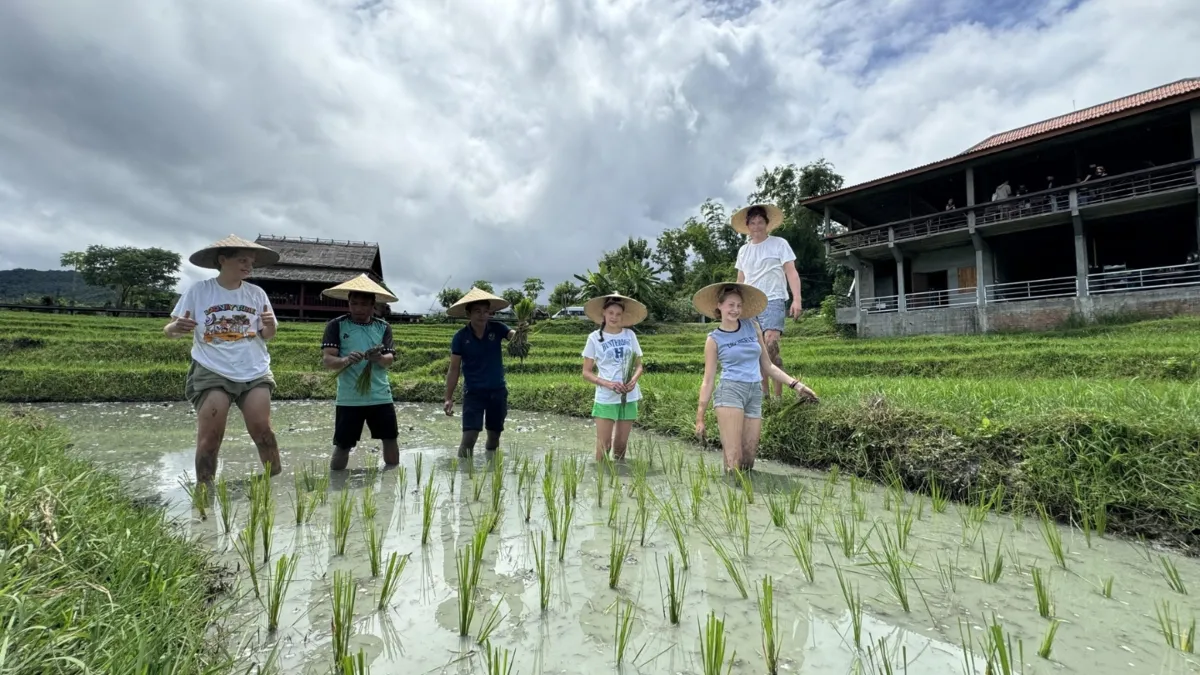
In the morning, visit Living Land Farm near Luang Prabang to discover the different stages of traditional rice cultivation, from planting to harvesting. Depending on the season, you may be able to participate in farming activities alongside the local team and gain a better understanding of traditional agricultural methods.
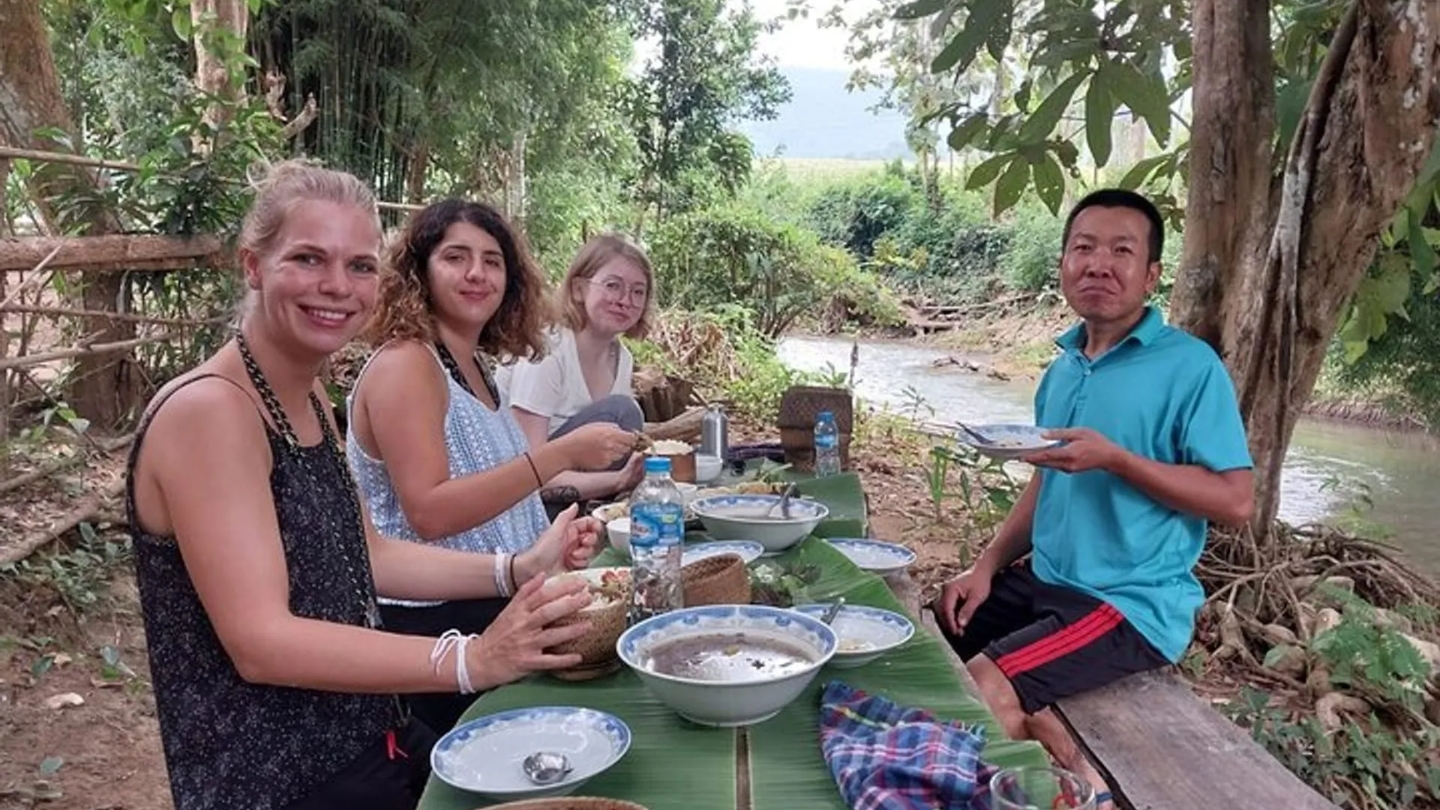
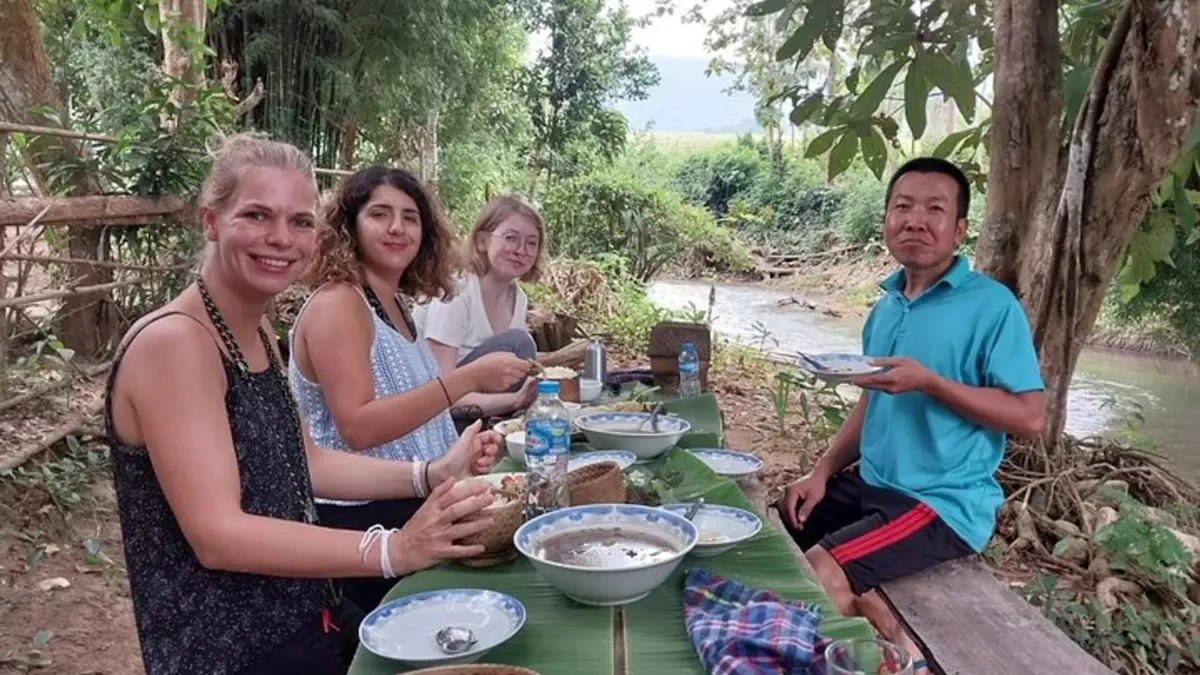
After experiencing farm life firsthand, enjoy lunch at the farm or a local restaurant. Try Lao specialities such as sticky rice, laap (a minced meat salad with fresh herbs) and seasonal vegetables.
In the afternoon, continue exploring the farm's vegetable gardens and aromatic herbs. You can also chat with farmers about their daily routines and traditional practices before returning to Luang Prabang in the late afternoon. This first day offers a practical introduction to agritourism in Laos.
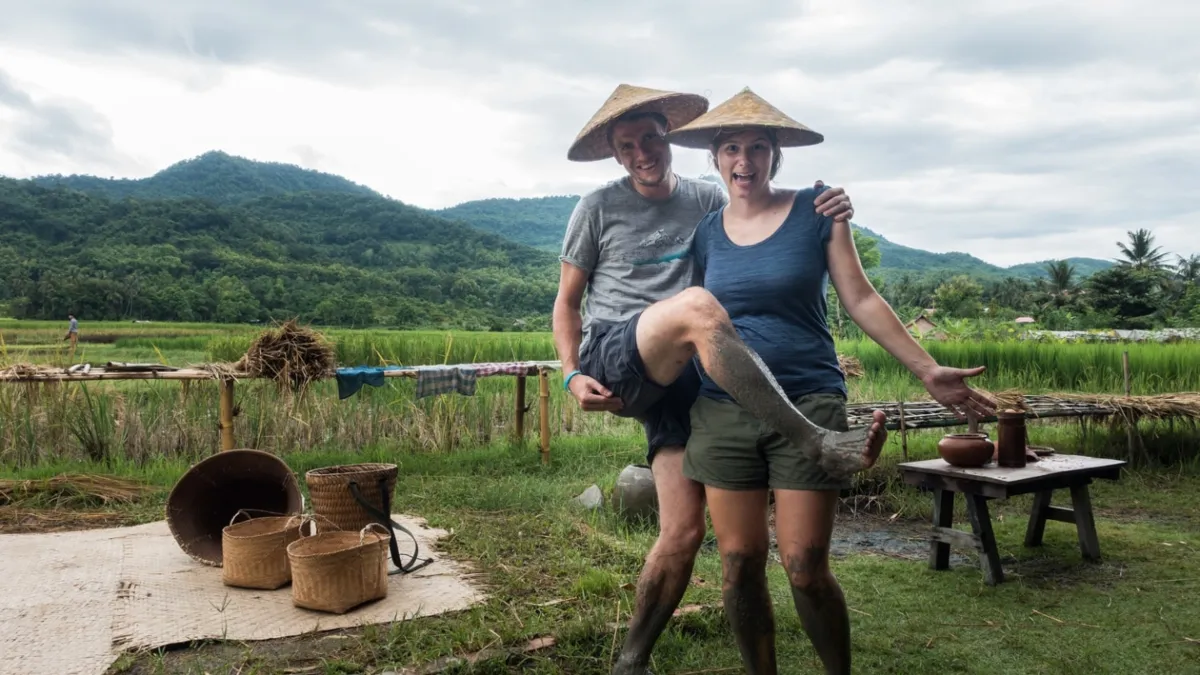
After your introduction to farming, spend the second day discovering rural life in Laos. In the morning, join a local guide for a walk through family gardens and agricultural landscapes around Luang Prabang. Along the way, observe food crops and learn more about the traditions and daily lives of local communities.
At lunchtime, stop at a local restaurant to sample Lao specialities, including sticky rice, laap and stir-fried vegetables.
In the afternoon, continue exploring local traditions with visits to Ban Xang Khong and Ban Xieng Lek. These two villages are known for traditional paper-making using mulberry bark and textile weaving. You can watch local artisans at work, purchase handmade products and learn about the traditional crafts passed down through generations.
Return to Luang Prabang in the late afternoon for a stroll through the old town and dinner at a local restaurant. This day complements your farm stay in Laos by combining agricultural discoveries, encounters with local residents and traditional craftsmanship.
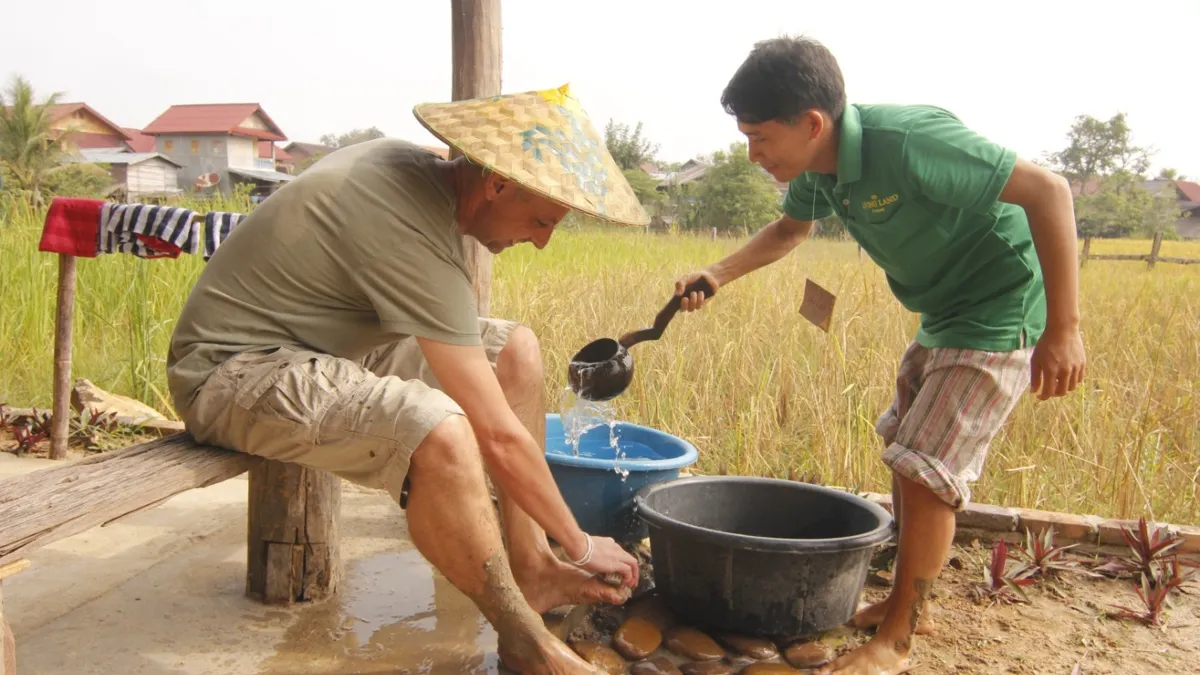
To round off your 3-day rice farming tour in Laos, visit a farm near Luang Prabang to explore its vegetable garden and, depending on the season, help harvest vegetables and aromatic herbs. Continue with a Lao cooking class using fresh, locally sourced ingredients, where you will learn to prepare sticky rice and traditional dishes such as green papaya salad.
Enjoy lunch featuring the dishes prepared during the workshop. In the afternoon, take a leisurely walk through the countryside, browse local handicrafts or simply relax before returning to Luang Prabang and continuing your journey.
The best time for a 3-day rice farming tour in Laos depends on the agricultural activities you wish to experience. Farming schedules vary according to the region, rainfall and cultivation methods.
| Approximate period | Possible farming activities | What to expect |
|---|---|---|
| May to September | Field preparation, sowing and rice transplanting, depending on the farm | Frequent rain and potentially muddy paths |
| October to November | Rice harvesting in many areas and opportunities to explore agricultural landscapes | Harvest dates vary from farm to farm |
| December to February | Farm visits, garden exploration and discovery of local produce | Some fields may have already been harvested or may look less green |
| March to April | Discover seasonal crops and local farming practices | Temperatures can be particularly high |
In lowland areas, rain-fed rice cultivation generally begins with the rainy season, around May or June, while harvesting often takes place in October or November. However, the exact timing depends on the rice variety and the availability of irrigation.
If you want to see golden rice fields, plan your visit close to harvest time and confirm the conditions with the farm beforehand. If you are interested in rice transplanting and working in the paddies, check the agricultural calendar before departure to find out when these activities take place.
Weather also plays an important role in planning your stay. During the rainy season, the countryside is lush and green, but showers may affect your itinerary. Conversely, during the hottest months, arrange outdoor visits early in the morning and take regular breaks to enjoy the activities comfortably.
A few simple precautions will help you make the most of your 3-day rice farming tour in Laos while respecting local farmers' work and everyday customs.
Confirm activities before booking. Ask about the tasks available during your stay and check whether they depend on the season or weather conditions.
Pack suitable clothing. Wear lightweight clothes that can get dirty, along with shoes that are easy to clean. A hat and sunscreen are useful for outdoor activities.
Bring water and insect repellent. Heat and humidity can make farming activities tiring, particularly during the rainy season.
Respect crops and farming equipment. Do not enter cultivated areas without permission, and follow your guide's instructions. Fields are working environments first and foremost.
Ask permission before taking photographs. This is especially important when photographing local residents or their families.
Choose reputable local providers. Look for farms that clearly explain their activities, prices and visiting conditions.
Keep your itinerary flexible. A sudden shower, an early harvest or a change in farming schedules may affect your plans. Have an alternative ready, such as a Lao cooking class or a visit to a traditional craft village.
A 3-day rice farming tour in Laos is a wonderful way to discover the countryside, understand the importance of rice cultivation and meet local people through hands-on experiences. Using Luang Prabang as your base allows you to combine a farm visit, traditional village discoveries and local cooking without spending too much time on the road. The key is to plan your itinerary around the agricultural calendar and remain flexible throughout your stay. For a longer journey across Southeast Asia, Autour Asia, a travel agency in Asia, can also help you plan an itinerary tailored to your interests and preferred pace.
Learn more :
>>> 2 weeks in Laos on a budget
>>> Guide to Laos
>>> Laos travel itinerary 2 weeks
>>> Laos day trips


A 3-day agricultural tour in Laos offers an opportunity to discover rural traditions through hands-on activities. In Luang Prabang, Living Land Farm offers an experience that introduces visitors to the different stages of rice cultivation. Depending on the season, you can try transplanting rice seedlings, observe the harvest or learn how rice grains are processed. Some farms also offer activities in vegetable gardens. However, experiences vary depending on the season and the farm. Before booking, check which activities are available, how long the visit lasts and whether visitors can actively participate.
A 3-day agricultural tour in Laos offers an opportunity to discover rural life while taking part in farming or culinary activities. This short trip is ideal for travellers who want to enrich their Laos itinerary without spending an entire week on the experience. By choosing a region such as Luang Prabang and its surroundings, you can visit a farm, explore traditional villages and interact with local residents while keeping travel distances to a minimum. However, if you wish to spend several nights in a homestay or visit more remote farms, allow a few extra days. Before setting off, check travel distances, available activities and their accessibility depending on the season.
A Laos travel itinerary 2 weeks is ideal for travelers who want to explore the country's highlights at a relaxed pace. However, the ideal length of a trip depends on your interests and travel style. 5 to 7 days is enough to visit Luang Prabang, Vang Vieng and Vientiane. For a slower journey, 10 to 14 days allows you to discover rural villages, local markets, waterfalls and outdoor activities. With two weeks, you can also explore southern Laos, including Pakse and the Bolaven Plateau, to experience coffee plantations, spectacular waterfalls and traditional village life without rushing between destinations.







 FR
 ITA