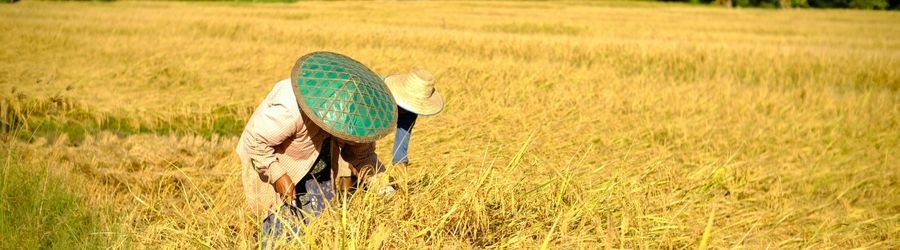
When we think of Thailand, the first images that often come to mind are temples, lively markets, tropical islands, or the beaches of the south. Yet, the country has another, more discreet side that is deeply connected to its identity: its countryside and agricultural heritage. Today, agritourism trends are attracting travelers looking for authentic experiences, closer to nature and local communities. To discover this different side of Thailand, a Thailand travel company can include rural stops in a classic itinerary. It is a great way to slow down, taste local products, and understand the daily life of local communities.
Agritourism means discovering a destination through its agriculture, rural landscapes, and the traditional skills of local people. In agricultural tourism Thailand, this type of travel can take many different forms: walking through a coffee plantation, exploring a rice field, picking tropical fruits, visiting an organic farm, or taking part in a traditional cooking workshop.
The interest is therefore not limited to visiting a farm. Travelers are invited to participate, observe daily activities, and, above all, interact with the people who help keep these rural areas alive.
Thailand agritourism is part of a broader shift in tourism towards local, immersive, and responsible experiences. For many rural communities, welcoming visitors also provides an opportunity to diversify agricultural income and promote local products. This approach helps bring tourism, agriculture, and local life closer together, while giving greater visibility to regions that are still less visited.
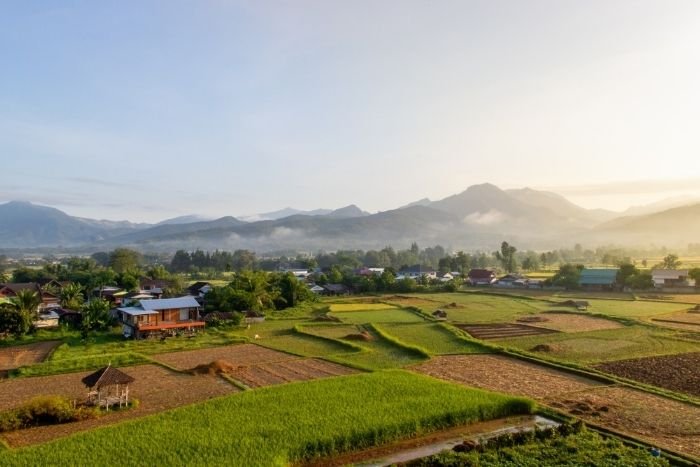
Agritourism trends show that travelers are no longer looking only for beautiful landscapes. They want to understand a destination, meet local people, and experience moments they could not have at home.
Among the main agritourism trends in Thailand, the desire for immersive experiences is becoming increasingly important. Travelers are increasingly looking to move away from overly standardized tours and discover the country through contact with local people. Rather than simply taking photos of a plantation or village, they can spend a few hours with a local family, discover their farm, and taste the products they grow.
This close contact allows travelers to better understand the pace of rural life in Thailand, which is often very different from the hustle and bustle of Bangkok or the country's beach resorts. Agricultural tourism in Thailand offers a simple way to experience this more authentic side of the country.
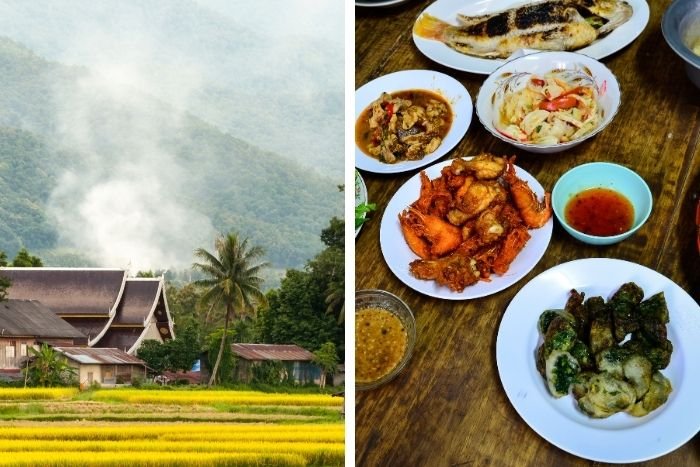
Hiking through fields, cycling through the countryside, exploring rice fields, or walking through a plantation: outdoor activities naturally have their place in these stays.
In northern Thailand, the mountainous landscapes offer a particularly beautiful setting to combine hiking, agriculture, and village discovery. A rural stop can therefore provide a welcome break during a cultural tour.
Agritourism becomes particularly interesting when travelers can get hands-on. Depending on the region and season, visitors may take part in a harvest, prepare a Thai dish, learn how a local product is processed, or discover traditional farming techniques.
These workshops also give another dimension to Thai cuisine: behind a coffee, a fruit, a spice, or a traditional dish, there is a local region, farmers, and skills passed down from generation to generation.
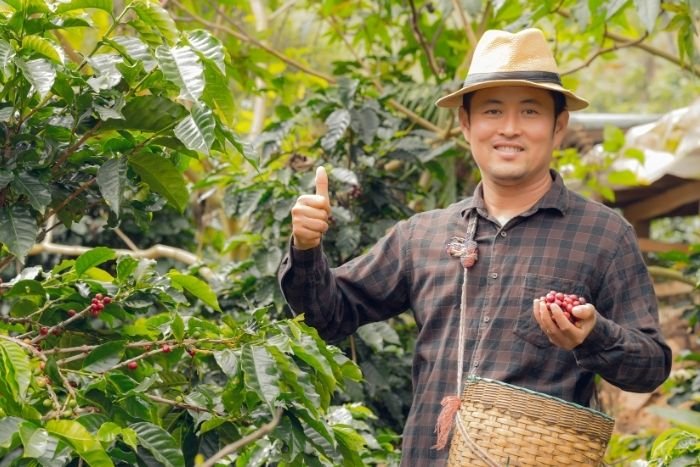
Some farms are developing methods that reduce the use of chemicals, support biodiversity, or make better use of locally available resources. For visitors, this is an opportunity to better understand the challenges faced by farmers and discover concrete initiatives.
However, it is important to remain careful: not all activities presented as "green" necessarily meet the same standards. It is better to choose projects that are transparent about their practices and genuinely connected to local communities.
The appeal of agritourism in Thailand is that it can easily be included in many travel itineraries. Each region has its own agricultural products, landscapes, and traditions.
Around Chiang Mai, the mountains are home to many plantations and rural communities. Coffee, tea, fruits, vegetables, and mountain crops are part of the landscape. Away from the city, travelers can discover a more peaceful side of Thailand, with villages surrounded by forests and farmland.
These encounters can also contribute to agritourism and rural development by providing additional income for local families and promoting products from their region. This approach can also support sustainable rural tourism by creating closer connections between visitors, local communities, and agriculture. Agricultural tourism in Thailand therefore offers an opportunity to discover both the rural landscape and the people who help shape it.
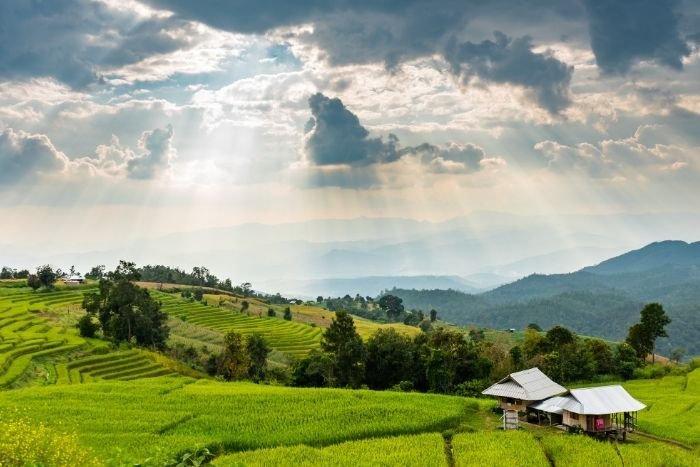
Further north, Chiang Rai also offers great opportunities for rural immersion. Tea and coffee plantations, especially in the mountainous areas, allow travelers to combine agricultural discovery, beautiful landscapes, and encounters with local communities.
It is an excellent stop for travelers who want to explore northern Thailand beyond the main tourist attractions. Agritourism in Thailand here offers a more authentic way to discover the region and its rural traditions.
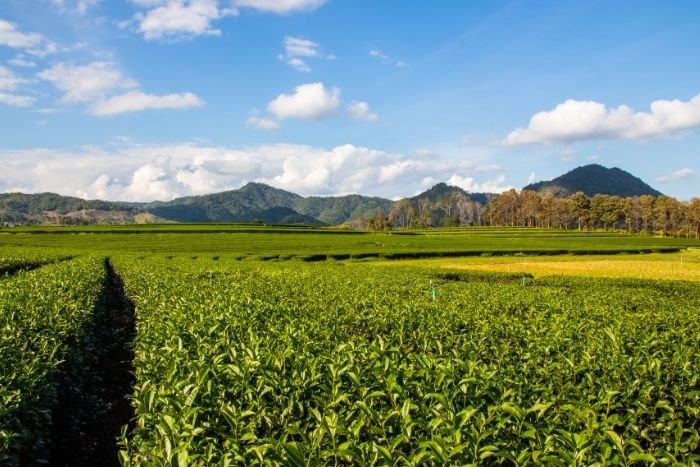
Located near Bangkok, Samut Songkhram is an interesting option for discovering the countryside without traveling too far from the capital. The province is known for its orchards, coconut trees, gardens, and network of canals.
A trip to this region allows travelers to experience a completely different atmosphere within just a few hours and observe agriculture closely connected to water and local markets. It is also a good opportunity to experience agritourism in Thailand while discovering rural life and local traditions.
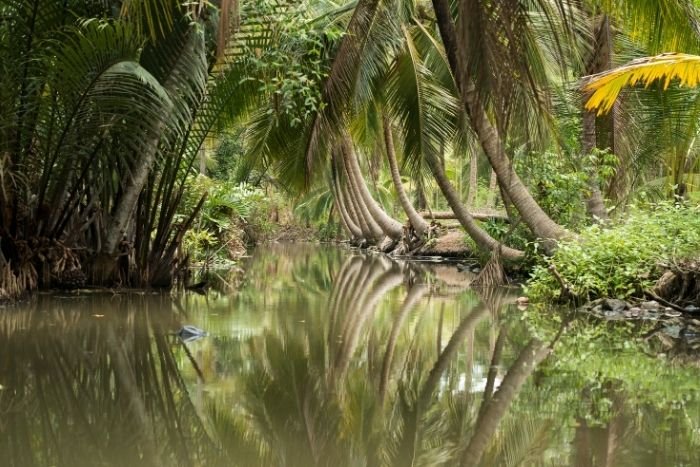
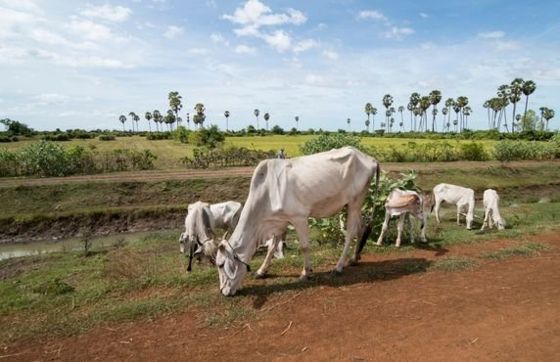
The countryside of central Thailand and Isan, in the northeast, offers an even deeper immersion into Thai agricultural culture. Rice plays an essential role, both in the landscapes and in local traditions. For travelers with more time, these areas offer the chance to discover a lesser-known side of Thailand, where community hospitality, handicrafts, cuisine, and agriculture are closely connected.
Agritourism and rural development take on their full meaning here. By visiting farms, tasting local products, or taking part in activities organized by local communities, visitors directly contribute to promoting the traditional skills and resources of these rural areas. This approach also supports sustainable rural tourism and agricultural tourism in Thailand.
Choosing rural tourism sustainability is not simply about visiting a farm labeled "eco-friendly". The behavior of travelers also plays an important role.
Choosing small local businesses directly helps families, farmers, and communities that organize the activities.
Respecting local cultures and people is essential. Always ask before taking photos of a person, a house, or a ceremony, and adapt to local customs.
Buying directly from producers is a simple way to support the local economy. Fruits, coffee, tea, handicrafts, and processed products can make great souvenirs while providing real benefits to local communities.
Avoid artificial activities or experiences that stage local communities solely for tourists. A simple and authentic activity is often better than a highly elaborate show.
Reducing waste, especially single-use bottles and packaging, is an easy habit to adopt during a rural stay.
Finally, choosing a Thailand travel company that works with local partners helps promote sustainable rural tourism and a fairer distribution of tourism benefits. An English-speaking agency with good local knowledge can, in particular, offer experiences adapted to the season, region, and travelers’ profiles.
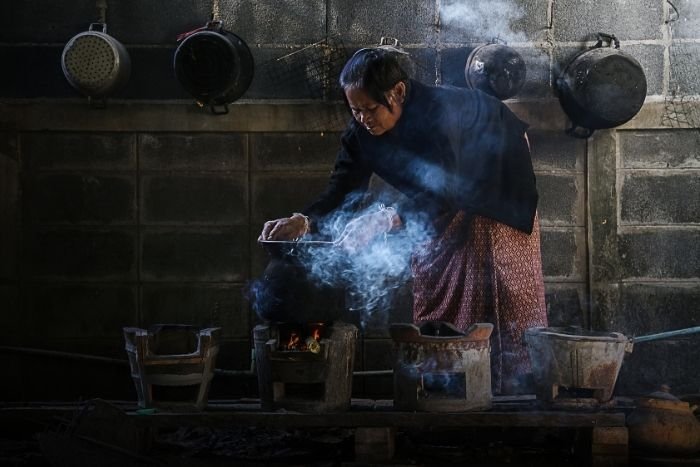
In conclusion, discovering Thailand through its countryside, plantations, and villages means choosing a different way of traveling, closer to everyday life and local traditions. The latest agritourism trends also show the growing interest in these human-scale experiences, where nature, gastronomy, and local encounters naturally come together. By choosing sustainable rural tourism, travelers can help promote local areas while discovering a more authentic side of Thailand, away from the most crowded tourist routes. To include these experiences in an itinerary without spending time searching for the right places, working with a Thailand travel company that knows the local partners can help create a trip adapted to the season, your interests, and your way of traveling.







 FR
FR ITA
ITA