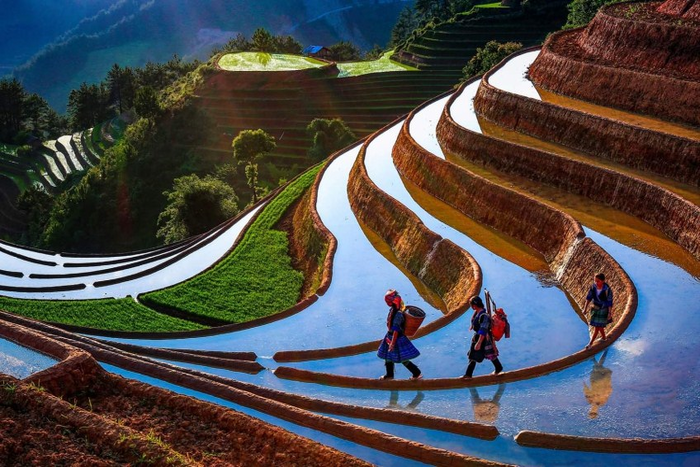
As the first rains of summer arrive, Mu Cang Chai transforms into a mesmerizing landscape of mirrored rice terraces, offering one of the most breathtaking scenes of Vietnam in June. Water from mountain streams floods the fields, reflecting sky and clouds in shimmering layers carved into the hillsides. This unique season creates a dreamlike setting that photographers and nature lovers find irresistible. The weather Vietnam in June here is pleasantly warm with refreshing showers that intensify the lush greenery. Trekking across these terraces allows you to witness traditional farming practices up close while soaking in panoramic mountain views.
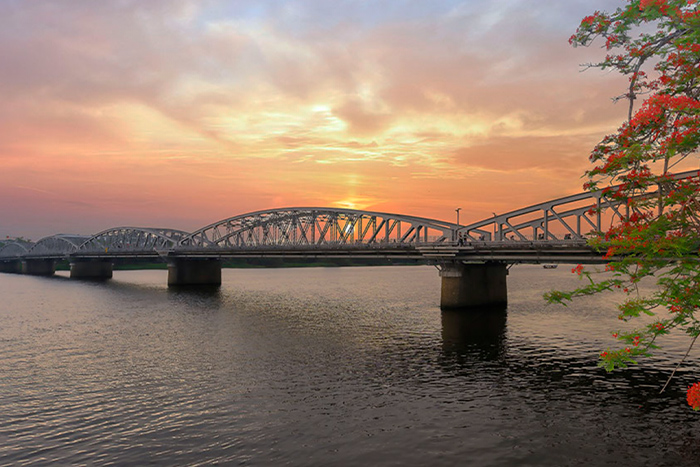
Under the intense golden sun of central Vietnam, Hue reveals a different rhythm, one steeped in history and imperial elegance. Rather than resisting the heat, the city invites you to slow down and absorb its heritage. The ancient Imperial City, with its weathered walls and royal courtyards, tells stories of dynasties past, while a gentle cruise along the Perfume river offers a contrast to the summer warmth. For those considering weather Vietnam in June, Huế is undeniably hot, yet its clear skies provide uninterrupted opportunities for exploration. When the temperature peaks, nearby beaches like Thuan An or Lang Co offer cooling retreats with fresh seafood and sea breezes.
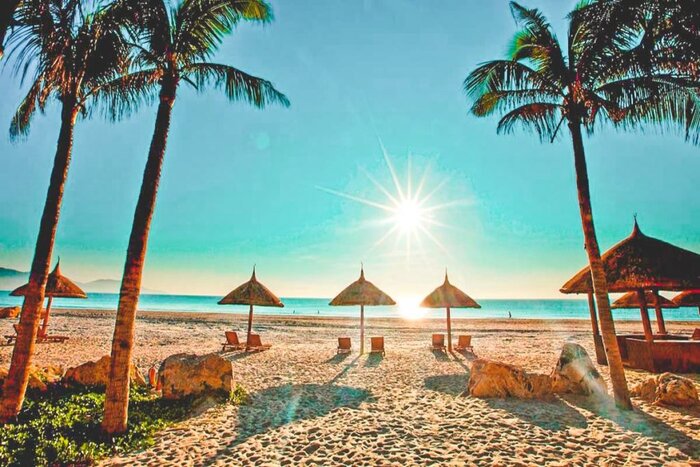
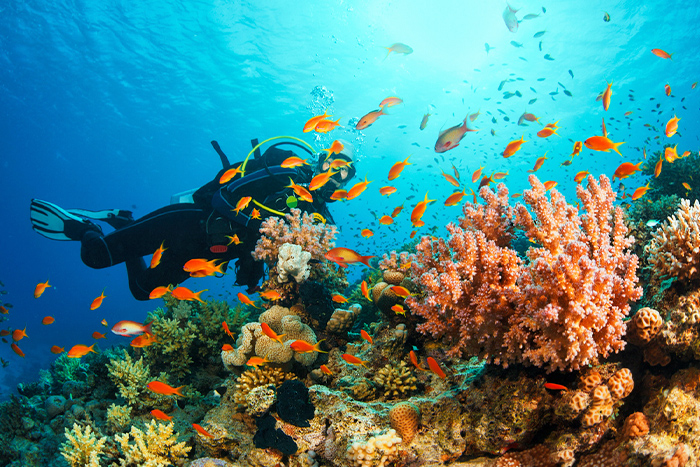
Bathed in golden sunlight and framed by turquoise waters, Nha Trang emerges as a coastal highlight when considering visit Vietnam in June. The weather Vietnam in June here is especially inviting, with warm temperatures, gentle sea breezes, and only sporadic showers that rarely disrupt outdoor plans. This makes it effortlessly one of the best place to visit in Vietnam in June for beach lovers. Days unfold with leisurely swims along powdery shores or thrilling dives into vibrant coral reefs, where marine life flourishes beneath crystal-clear waters. Beyond the coastline, island-hopping excursions reveal hidden coves and tranquil lagoons, adding depth to any itinerary. Cultural explorers can wander through the ancient Po Nagar Cham Towers, where history and panoramic views intertwine. As dusk settles, the city shifts into a lively rhythm with beachfront bars and energetic nightlife. For travelers wondering where to go in Vietnam in June, Nha Trang offers a seamless blend of relaxation, adventure, and coastal charm, an essential stop when you travel to Vietnam in June.
If your journey is shaped by curiosity and cultural depth, Ho Chi Minh City answers the question of where to go in Vietnam in June with compelling contrast. Rather than endless sunshine, the weather Vietnam in June here brings short, dramatic downpours that refresh the city and reveal a greener, more atmospheric side. This seasonal rhythm enhances its appeal, positioning it quietly among the best place to visit in Vietnam in June for urban exploration. Mornings may begin with visits to historical landmarks like the War Remnants Museum or Independence Palace, while afternoons invite discovery through bustling markets and hidden cafés. The rain, often brief, adds a cinematic charm to tree-lined boulevards and colonial architecture.
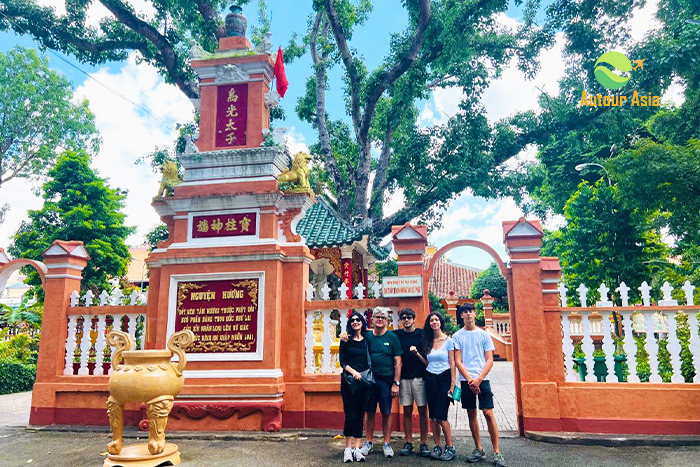
For those planning to travel to Vietnam in June, the city also offers fewer crowds and better value, making each experience more personal. From sampling street food at Ben Thanh Market to exploring the Cu Chi Tunnels, Ho Chi Minh City captures the vibrant, ever-evolving spirit of Vietnam in June.

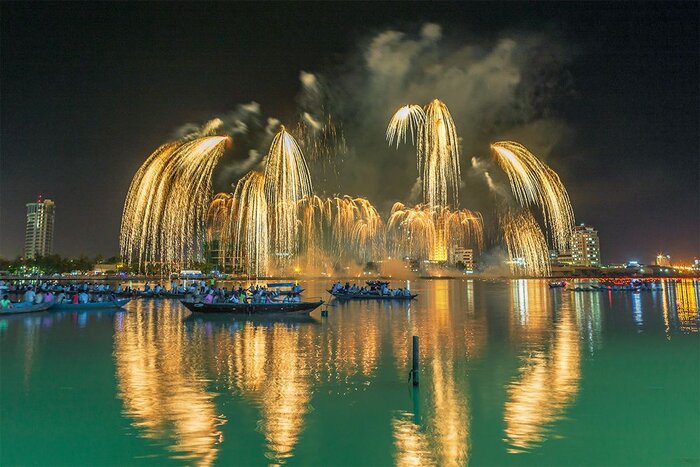
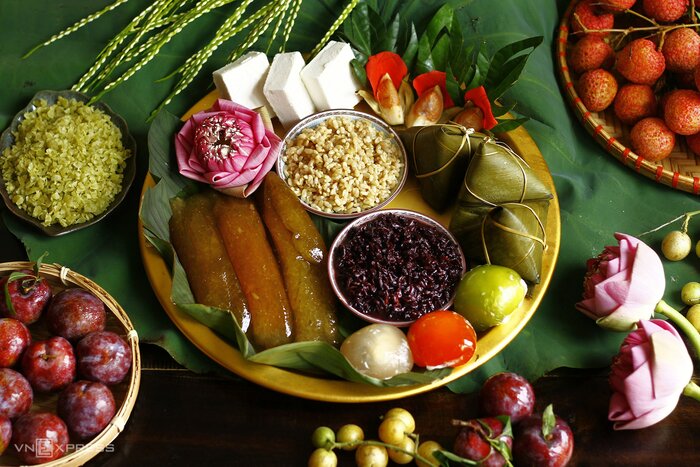
To wrap it all up, Vietnam in June reveals a dynamic travel landscape where each region offers a distinct experience shaped by shifting climates and local rhythms. Understanding the weather Vietnam in June helps you plan smarter, whether you’re drawn to sunlit beaches in the south or misty, atmospheric scenes in the north. For those still deciding where to go in Vietnam in June, the key lies in matching destinations with your travel preferences. This diversity is exactly what makes it the best place to visit in Vietnam in June for both relaxation and exploration. With a flexible itinerary and the right essentials, your decision to travel to Vietnam in June will reward you with vibrant culture, striking scenery, and unforgettable memories.


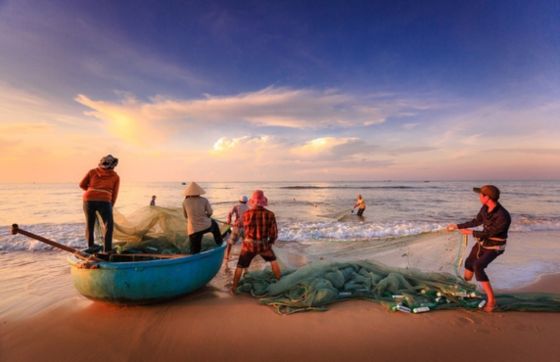
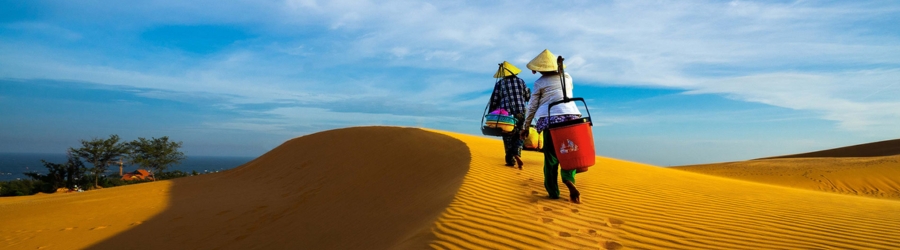
Phan Thiet, a coastal city in Binh Thuan Province, is best known for Mui Ne, an internationally renowned seaside destination. With its beaches, fishing villages, and desert-like sand dunes, the region offers a diverse range of landscapes rarely found elsewhere in Southeast Asia. In November, temperatures remain pleasant for exploring the coast, although occasional showers are still possible. Visiting Phan Thiet Mui Ne in November requires a little preparation to make the most of your stay. This complete guide covers the weather, must-see attractions, transportation options, and practical tips to help you plan your trip to Vietnam in November.
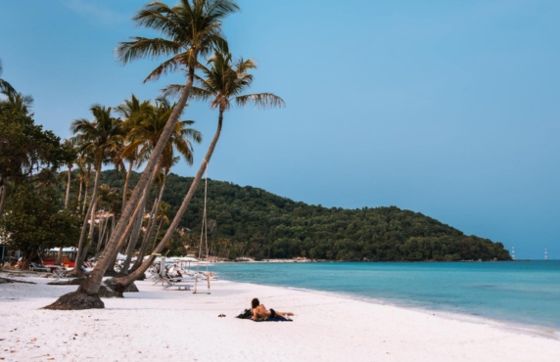
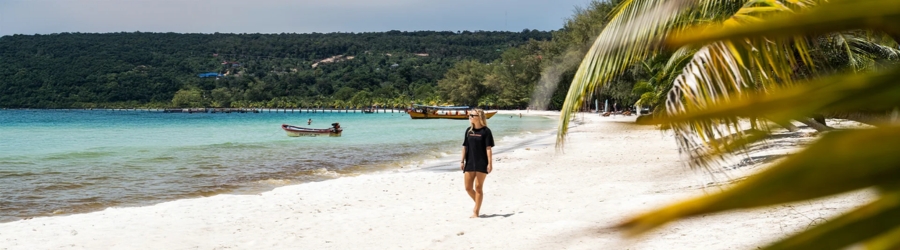
Vietnam’s beaches are best enjoyed at different times of the year, depending on the region. From the turquoise waters of the South to the long stretches of white sand in the Central region and tropical islands, each area has its own climate patterns. To better understand when to visit Vietnam, it is important to consider the weather conditions in each destination. The best time to visit beaches in Vietnam depends on region you choose as well as the activities you have planned. The best time to swim in Vietnam also varies according to rainfall, water temperature and sea conditions. Understanding the Vietnam beach season helps you choose destinations that match your travel dates and enjoy the coastline in good conditions.
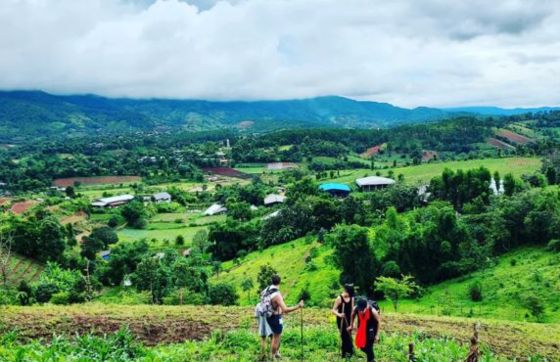
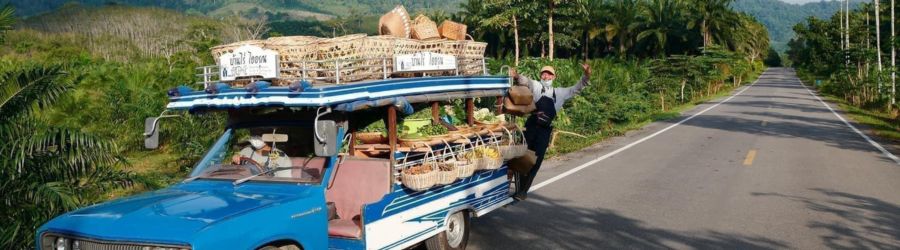
Discovering Thailand through its rice fields, plantations, and rural villages offers a different way to travel, far from traditional tourist circuits. But how can you choose the best agency for Thailand farm tours to enjoy authentic experiences with local communities? Several tour operators offer trips combining agriculture, gastronomy, and encounters with producers. Among them, Autour Asia is an option for travelers who want to personalize their itinerary. Known as Vietnam travel agency - Autour Asia, the company also offers tailor-made trips to several countries in Southeast Asia. With the local travel agency in Thailand - Autour Asia, travelers can explore a trip designed around their interests. Here are five organizations worth knowing, their distinctive features, and the essential criteria for planning a successful agricultural tour in Thailand.
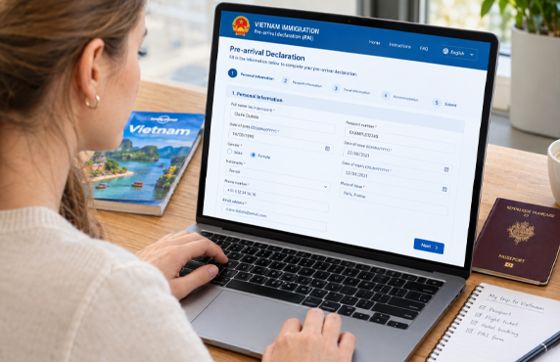
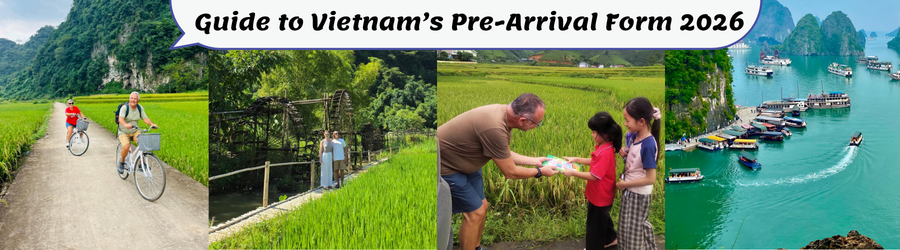
Planning a trip to Vietnam? Before packing your bags, take a few minutes to check the latest entry requirements and prepare the documents you may need at the airport.
Vietnam’s Pre-Arrival Information (PAI) system allows international travellers to submit selected personal, visa and travel details online before arriving in the country. After a successful submission, the system generates a QR code that travellers can save on their phones or print for use during immigration procedures. Although the online declaration is designed to help make arrival procedures smoother, travellers should understand when it applies, how to complete it correctly and which documents they still need to enter Vietnam.
In this practical guide, you will discover where to access the official PAI portal, what information to prepare, how to complete the declaration step by step, how to correct common mistakes and what to do when you arrive at the airport.
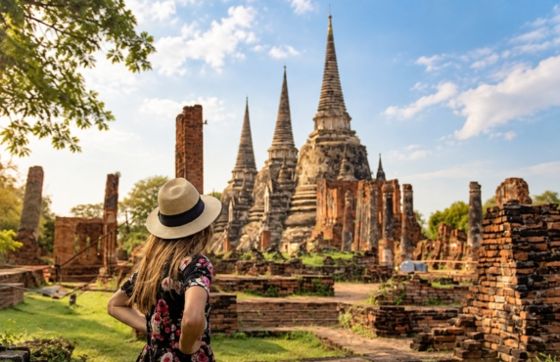
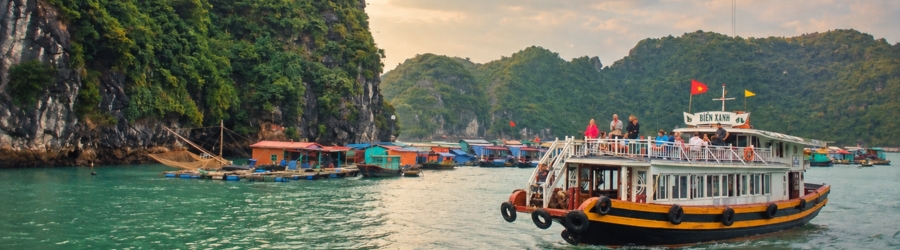
With its exotic landscapes, fascinating cultures and diverse experiences, Vietnam and Thailand are among the most popular destinations in Southeast Asia. However, safety remains an important criterion when planning your trip. So, how can you choose Vietnam or Thailand for a safe trip depending on the way you travel ? And is Vietnam safer than Thailand ? Each destination has its own characteristics and points to consider. In this article, Autour Asia helps you compare Vietnam and Thailand to better understand their differences and choose the destination that meets your expectations for your next trip to Asia.
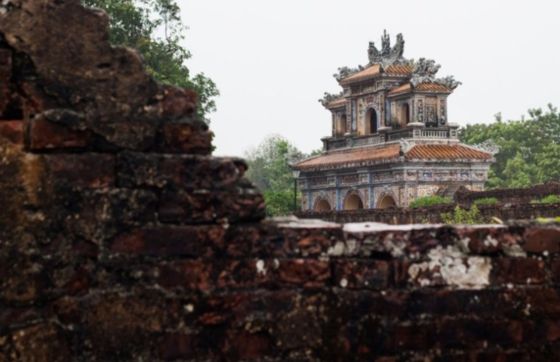
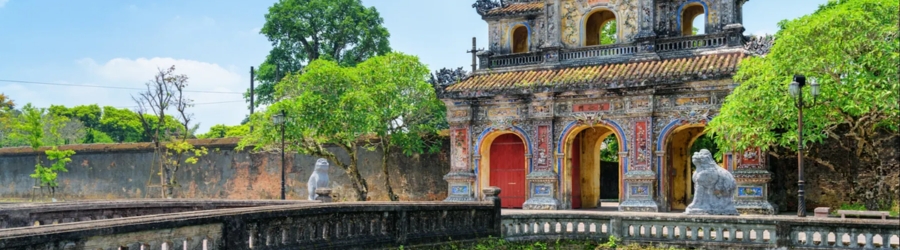
Planning a trip to Hue in November requires a little more flexibility than at other times of the year. Visiting Hue in November means experiencing the rainy season in central Vietnam, with prolonged showers and a risk of flooding. However, this period can also be an opportunity to explore the former imperial capital’s royal heritage, pagodas and renowned cuisine in a quieter atmosphere. The key is to choose your activities carefully, prepare alternative plans and check the weather conditions before setting out.
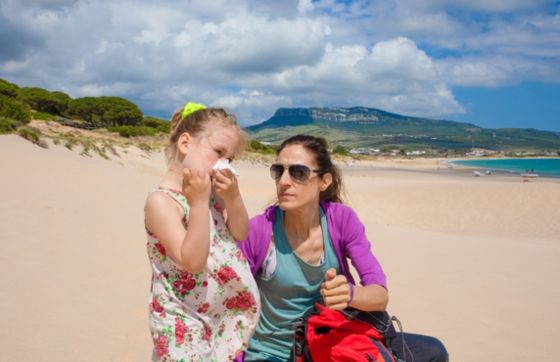

When travelling in Cambodia, some everyday habits may raise questions about local customs. Is blowing your nose in public considered polite? How should you behave in restaurants, on public transport or during a visit? These small details matter when you want to respect the local culture. Discover how to manage blowing your nose in Cambodia discreetly, along with practical tips on using tissues during your trip. Autour Asia, Cambodia travel agency, helps you discover local customs with advice tailored to travellers. From Cambodia travel etiquette to personal hygiene and everyday situations, a few simple guidelines can make your journey more comfortable. In Phnom Penh, Siem Reap or Kampot, understanding local customs helps you avoid awkward moments while making the most of your stay.
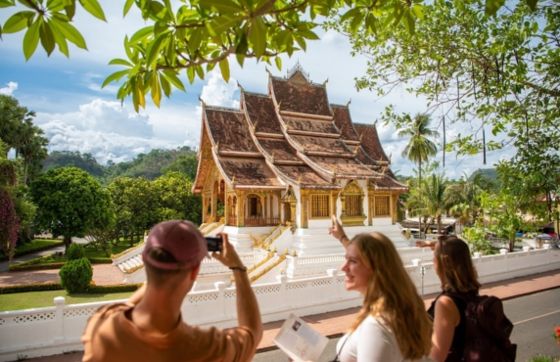
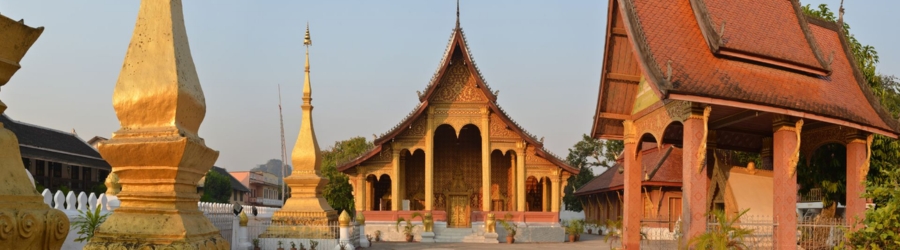
Blow your nose in Laos is not necessarily considered rude, but it is best to do so discreetly, especially in quiet places or during meals. If you have a cold, use a clean tissue and avoid blowing your nose loudly in public. In temples and other places of worship, respect the peaceful atmosphere and local customs. If you need to blow your nose frequently, step away from others for a moment whenever possible. Finally, dispose of used tissues in a rubbish bin. These simple habits will help you observe good manners during your trip to Laos.



 FR
FR EN
EN