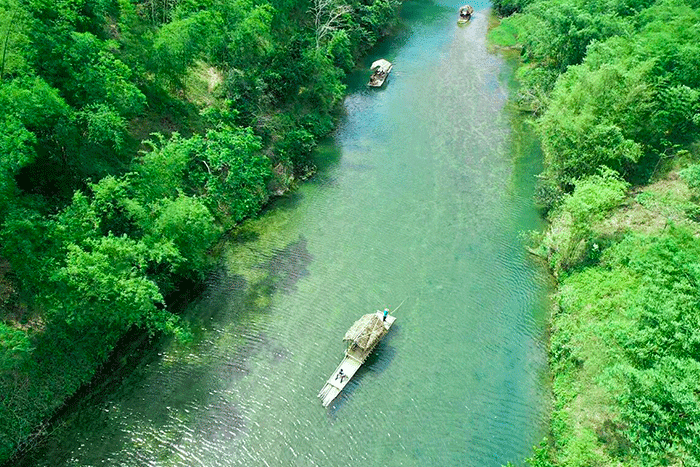
Pu Luong Cham Stream, located in Chieng Lau, Ban Cong commune, Ba Thuoc district, Thanh Hoa province, is a captivating destination in Pu Luong. The black Thai people in the area discovered this stream because it is the largest stream in the region made up of small streams flowing into the Ma River. Today, Cham Stream has become a popular spot for tourists visiting Pu Luong. When coming here, you will discover the life of indigenous people with water wheels. They use these waterwheels to serve their farming needs. Additionally, the stream offers thrilling rafting experiences. Sitting on a bamboo raft and dropping into the water, visitors will feel the freshness of nature and the freedom of the soul.
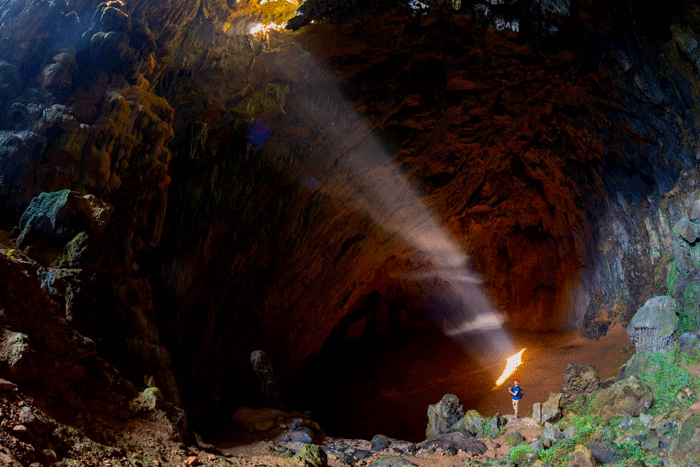
To reach Bat Cave Kho Muong, visitors have to pass relatively dangerous roads. Specifically, to venture deep into Kho Muong village, it is best to travel by motorbike as the narrow roads make car travel impossible. However, for the intrepid souls willing to navigate the winding path, they will be rewarded with awe-inspiring mountain vistas and the chance to explore the enigmatic Bat Cave. Researchers have identified at least four species of bats inhabiting Kho Muong Bat Cave. This cave, formed over 250 million years ago, showcases ancient rock formations. This extraordinary encounter allows visitors to marvel at the wonders of nature while fostering a greater appreciation for the preservation of natural habitats and wildlife.
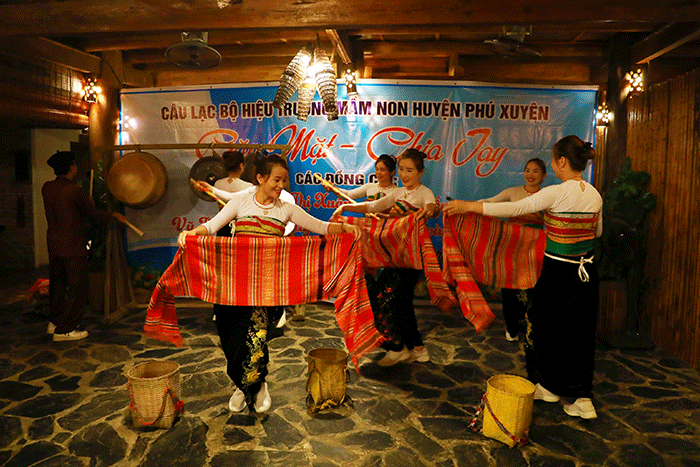
Beyond cave exploration, visitors can also partake in leisurely walks through verdant forests, immersing themselves in the symphony of natural sounds, and discovering crystal-clear waterfalls. Arriving in Kho Muong village opens up opportunities to engage in various activities such as witnessing traditional dances, learning the art of fabric weaving and bamboo basket making, as well as crafting local musical instruments. Visitors' presence in this village not only creates lasting memories but also contributes to the growth and development of the local community.
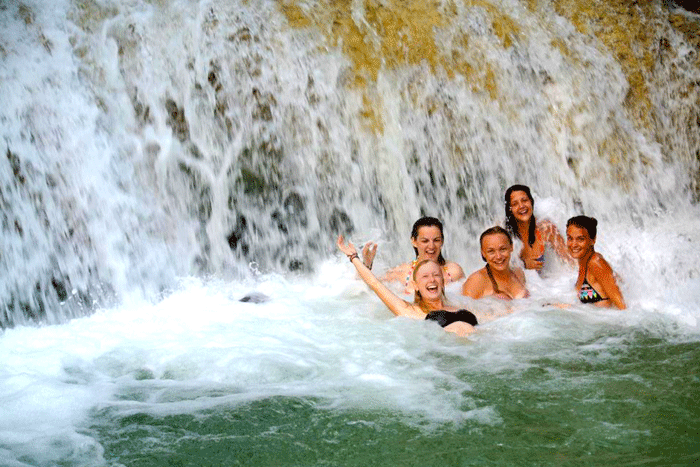
Hieu Waterfall Pu Luong, situated within the Pu Luong Nature Reserve in Co Lung commune, Ba Thuoc district, is a mesmerizing natural gem located approximately 180 km from Hanoi. Surrounded by awe-inspiring landscapes of terraced fields, lush forests, and majestic limestone mountains, Hieu Waterfall offers a picturesque setting that is perfect for capturing unforgettable moments. Regardless of the season, Hieu Waterfall exudes its beauty throughout the year. The water flowing in Hieu Waterfall is crystal clear, refreshing in summer, and pleasantly warm in winter.
Stretching over a length of about 800m, the waterfall cascades from the rocky mountainside, dividing into two branches that flow in opposite directions before merging at the end of the stream. Outside the foot of the waterfall there is a natural swimming pool, just over 1m deep. Visitors can freely immerse themselves in the waterfall, take a refreshing dip in the pool, and marvel at the surrounding majestic mountains.
For those who are passionate about hiking, a hike to Hieu waterfall will be an ideal choice. The journey will lead you through a majestic landscape that will undoubtedly be a must-visit spot for capturing stunning check-in photos when exploring the beauty of Pu Luong.
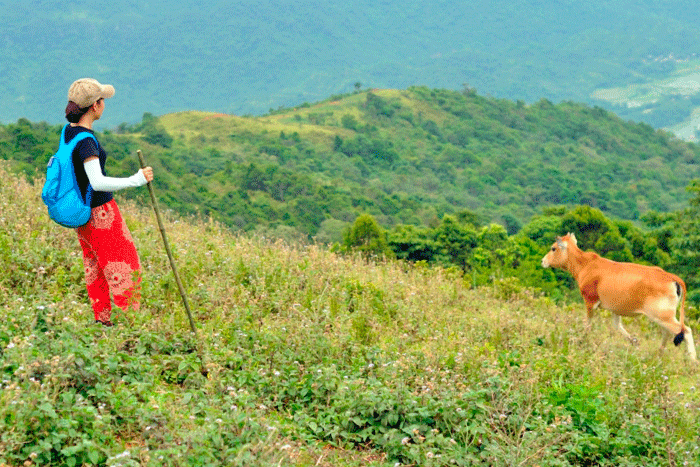
Pu Luong, located in the northwest of Vietnam, can be aptly described as a hidden paradise shrouded in clouds throughout the year. One of the highlights for visitors to Pu Luong is the opportunity to witness the ethereal beauty of the clouds as they gracefully dance over the peaks, especially when they wake up early in the morning. Within Pu Luong National Park stands the majestic Pu Luong Peak, soaring 1,700m above sea level. It serves as an enticing destination for adventure enthusiasts eager to embark on an unforgettable trekking experience.
Ascending to the summit of Pu Luong is a rewarding challenge, taking approximately 6-8 hours on a clear day. As you conquer this towering milestone, a breathtaking panorama awaits, revealing a mesmerizing landscape of mountains, expansive fields, and stilt houses scattered in the valleys. Reaching the summit of Pu Luong at 1,700m is an accomplishment that fills one with a sense of pride and awe.
For those traveling in groups, an exhilarating option is to indulge in a barbecue and camp overnight at the pinnacle of Pu Luong. This thrilling journey promises unforgettable memories, as you immerse yourself in the tranquility of the surroundings and create cherished moments under the starry night sky.
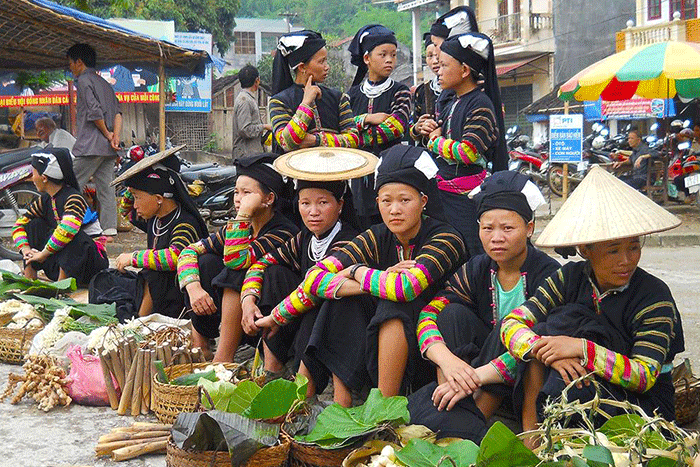
Pho Doan Market, established centuries ago during the French colonial period, holds a significant historical value. This vibrant market operates exclusively on Thursday and Sunday mornings, offering visitors a glimpse into the traditional attire of the local ethnic groups. It is also a hub for captivating dance performances showcasing the rich cultural heritage of the Thai and Muong communities.
Not only is it a trading center, Pho Doan market is also a gathering place for locals to connect, forge friendships, and exchange news. Visitors here will be warmly welcomed and enjoy the traditional dishes of the mountains of Vietnam. More specifically, in addition to buying and selling with money, people here still choose not to use money but exchange goods with each other.
Located in the middle of majestic mountains and forests of Pu Luong nature reserve, Doan street market, Lung Nhiem commune, Ba Thuoc district has become an attractive tourist attraction for domestic and foreign tourists. Its presence contributes to the preservation of the cultural treasures and distinctiveness of the ethnic minorities residing in the area.
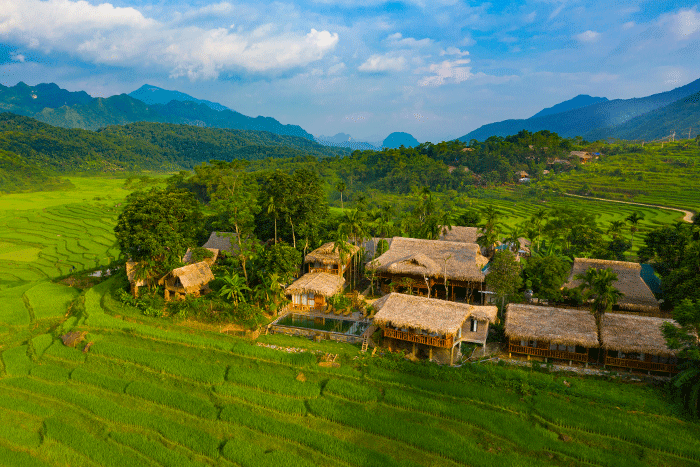
Located just 24 km away from Don village, Son Ba Muoi villages in Pu Luong are often compared to Sapa of the Northwest or Da Lat of the Central Highlands because of its pleasant and refreshing climate throughout the year. The average temperature hovers between 18 and 22 degrees Celsius, creating a mild and enjoyable atmosphere. In winter, the temperature can drop to around 1 or 2 degrees Celsius, occasionally bringing the possibility of snow. While the daytime weather remains pleasant, the nights can be a bit chilly.
Upon arrival, visitors admire the wild and majestic beauty of nature, blending into the ancient, simple and peaceful atmosphere of the villages. More specifically, this is the land where there are the most delicious tangerine gardens in the North of Vietnam. However, to get to these beautiful villages, you have to overcome the challenge of the road, because the villages are located at the top of the mountains. Son - Ba - Muoi stands apart from the villages situated at the mountain's base, providing a majestic and alluring landscape that entices tourists. Here, the traditional stilt houses and ancient customs are still preserved intact.
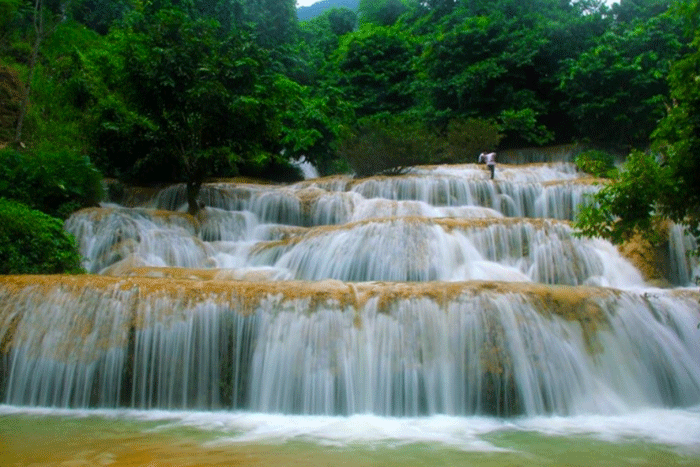
Located approximately 170 km from Hanoi, Muon Waterfall also known as Mo waterfall is nestled atop Want mountain, standing over 500 meters above sea level. A visit to Mo Waterfall in Thanh Hoa will treat you to a majestic sight of more than 40 cascading levels of water, where the crystal-clear and refreshing flow remains consistent throughout the year. What is especially interesting is that when visitors come to Thac Mo, visitors can climb 43 floors of the waterfall without having to take off their sandals, as the rocks here offer a sandy and smooth texture, ensuring a secure footing. With the cool air and the scent of wild flowers, Muon waterfall has become one of the places that attracts nature lovers and photography enthusiasts.
What to see in Pu Luong? Autour Asia presents top 08 must-visit tourist attractions in Pu Luong. All these destinations promise to bring visitors the most unique and memorable experiences. For a perfect trip, let's find out more information about specialties and resorts in Pu Luong with Autour Asia vietnam travel agency in other articles. We wish you have a great vacation!


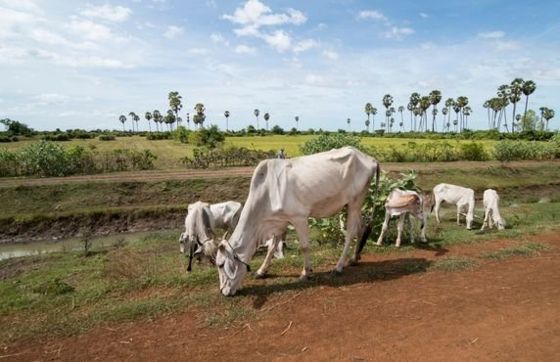
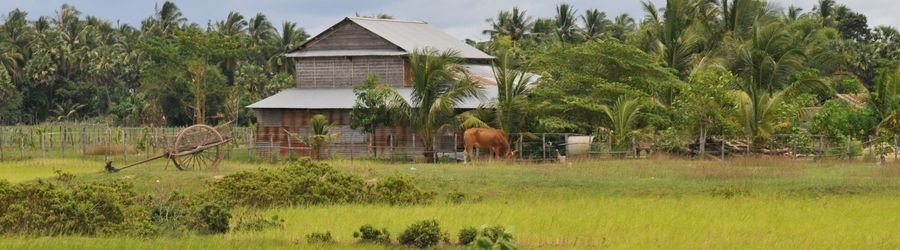
After exploring Angkor’s temples, bustling markets and the streets of Phnom Penh, Cambodia can also be discovered through its countryside. A weekend farm tour in Cambodia offers a chance to slow down and experience a rural way of life that remains closely connected to the land, the seasons and the harvest. Depending on the region, you may take part in farm activities, cook with a local family or follow rural paths between rice fields and orchards. This countryside escape is ideal for couples and families looking to experience Cambodia beyond the usual tourist routes. To make travel easier and choose an experience suited to your needs, a Cambodia travel company can also incorporate this rural immersion into a more comprehensive itinerary.
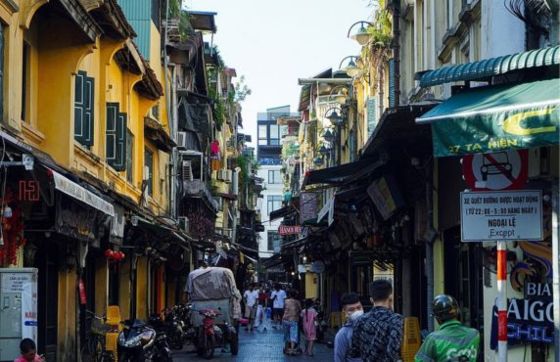
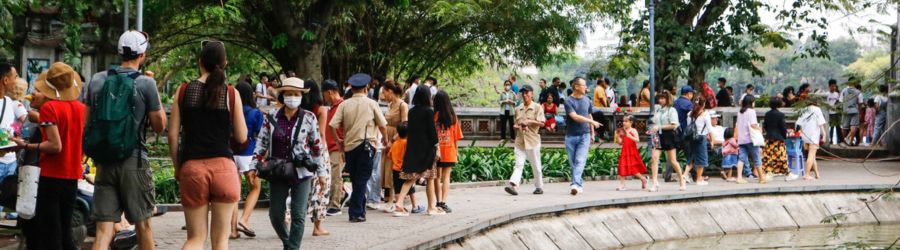
In Hanoi, walking is not just a way of getting around: it is one of the best ways to experience the rhythm of the capital. Between the bustling shopping streets of the Old Quarter, colonial-era façades, shady lakes and street food stalls, each area has its own atmosphere. But which Hanoi walking tour should you choose if you have half a day, a full day or just a few hours? This guide presents five ways to explore the city, from Hoan Kiem Lake to Long Bien Bridge, via Truc Bach and Hanoi’s food districts. Heritage, photography, gastronomy or local life: everyone can find a route that suits them. To plan a more comprehensive trip, the Local travel agency in Hanoi - Autour Asia can also help you incorporate Hanoi into the other stages of your itinerary.
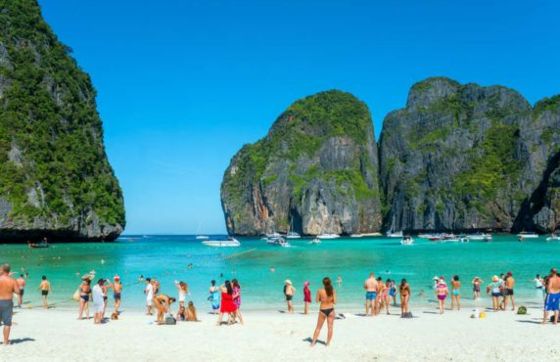
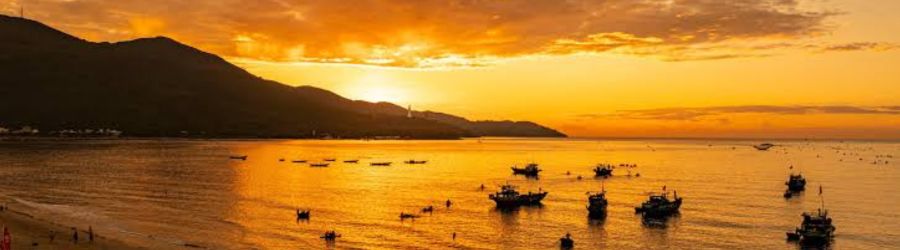
A 3 weeks in Vietnam with beach itinerary allows you to combine cultural discoveries, natural landscapes, and a few days of seaside relaxation, without turning the trip into a succession of transfers. In 21 days, it is possible to start in Hanoi, discover Ha Long Bay or Lan Ha Bay, continue to Hue and Hoi An, then head south before ending with a beach destination suited to the season. But where should you go to the beach in Vietnam? The answer depends mainly on the time of year: Phu Quoc is particularly suitable during the dry months in the South, while Da Nang, Hoi An, or Quy Nhon are good options during part of the year. To build a coherent itinerary, the Vietnam travel agency - Autour Asia can also adapt the stops to each traveler's pace and preferences.
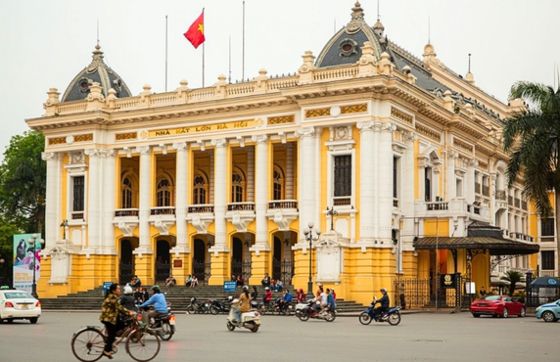
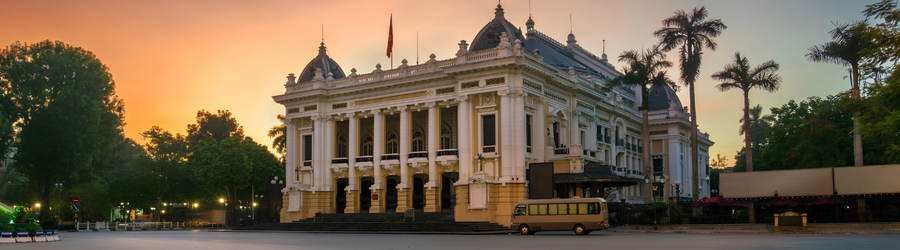
Located in the heart of Vietnam’s capital, the Hanoi Opera House is one of the city’s most iconic cultural and architectural landmarks. Built during the French colonial period, this elegant building has become an essential stop for travelers interested in Hanoi’s history and performing arts. But what can you actually see during a visit? Is visiting Hanoi Opera House possible without attending a show, and is a Hanoi Opera House tour worth adding to your itinerary? In this guide, discover the history, architecture, cultural significance and practical information you need to make the most of your visit to the Hanoi Opera House Vietnam.
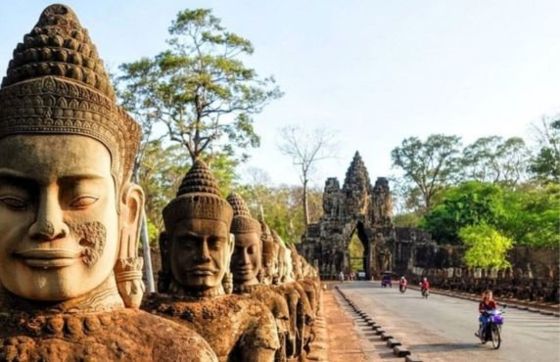

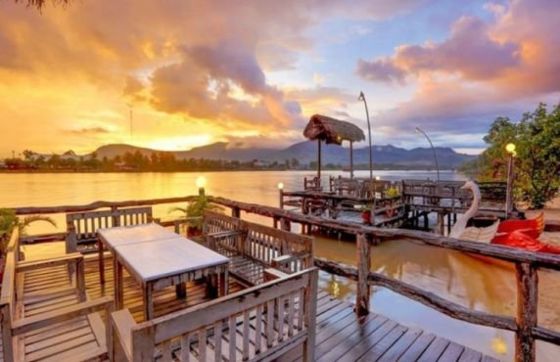

Traveling with children in southern Cambodia makes it easy to enjoy a variety of experiences: peaceful small towns, tropical landscapes, beaches, islands, local markets, and nature discoveries. To know where to visit Southern Cambodia with family, however, it is better not to include too many stops. Kampot, Kep, and the islands of Preah Sihanouk Province offer complementary atmospheres, with family-friendly activities and plenty of opportunities to relax. The choice mainly depends on the children’s age, your preferred pace, and the season. In this guide, we offer a balanced itinerary and practical ideas for organizing your stay, with advice from Cambodia travel company - Autour Asia to help you enjoy southern Cambodia without turning your holiday into a race against the clock.
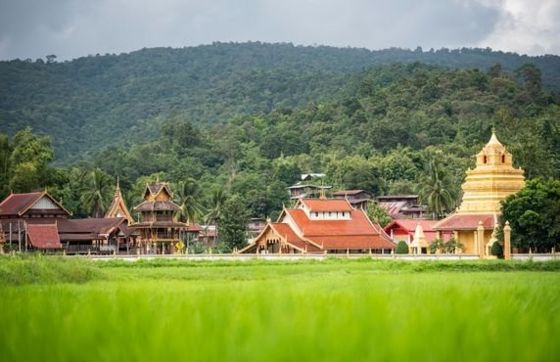
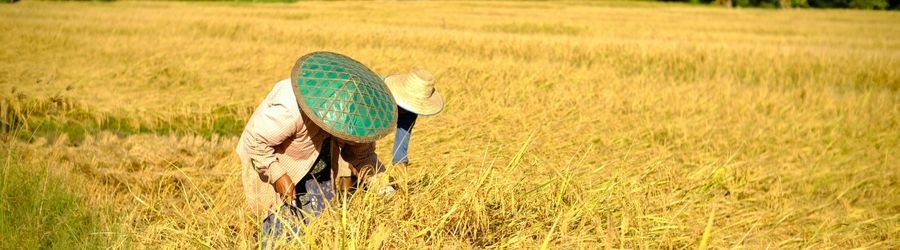
When we think of Thailand, the first images that often come to mind are temples, lively markets, tropical islands, or the beaches of the south. Yet, the country has another, more discreet side that is deeply connected to its identity: its countryside and agricultural heritage. Today, agritourism trends are attracting travelers looking for authentic experiences, closer to nature and local communities. To discover this different side of Thailand, a Thailand travel company can include rural stops in a classic itinerary. It is a great way to slow down, taste local products, and understand the daily life of local communities.

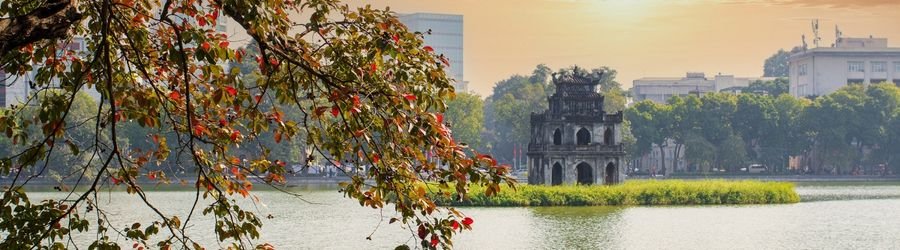
In the heart of Hanoi, some places tell the story and spirit of the Vietnamese capital better than others. Hoan Kiem lake is certainly one of them. Surrounded by trees, historic monuments and lively streets, it is a meeting point between heritage, traditions and daily life. A walk around the lake also allows visitors to experience the unique rhythm of Hanoi, from early-morning tai chi sessions to family walks and the lively atmosphere of the weekend. For travelers who want to discover the capital in a different way, this iconic site deserves a place in any itinerary planned by a Vietnam travel agency. But what is really hidden behind this famous lake?



 FR
FR EN
EN