The rainy season in Dien Bien generally runs from May to October, with a very marked peak between June and September. During these months, showers are daily, often short but intense in the afternoon or evening. Temperatures remain pleasant (20–26 °C), but humidity is high.
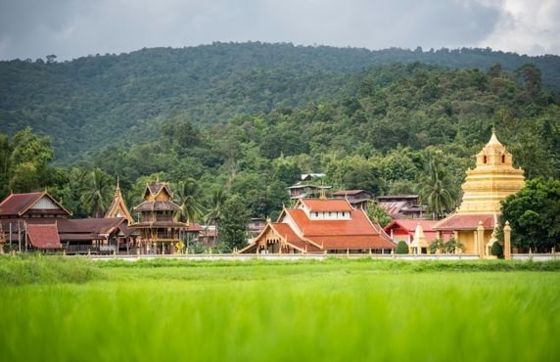
November and December mark the transition: rains become more sporadic. The real dry season truly begins from January–February and lasts until April, the best time to visit Dien Bien Vietnam. If you come during the rainy season in Dien Bien, bring a light poncho and waterproof shoes: you’ll need them, but you won’t regret the trip, because the lush green landscapes and swollen waterfalls are magnificent.
Even in the rain, Dien Bien Phu offers plenty of exploration opportunities, especially by focusing on its rich historical and cultural heritage.
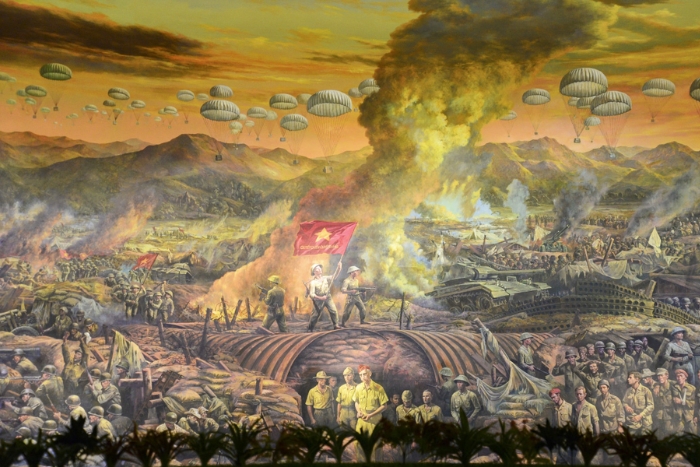
One of the top things to do in Dien Bien when it rains is visiting the Dien Bien Phu Victory Museum—an excellent way to spend a rainy morning. This fully covered institution features models, archives, weapons, and testimonies that shed light on the 1954 battle. Allow about one and a half to two hours to explore the rooms and read the explanatory panels; outdoor areas such as A1 Hill or Castries’ bunker can be shortened in case of heavy rain. The main building alone is more than enough to understand the historical context while staying dry. Approximate 2025 entrance fee: 100,000 VND/adult; usual opening hours: 7–11 a.m. and 1:30–5 p.m.
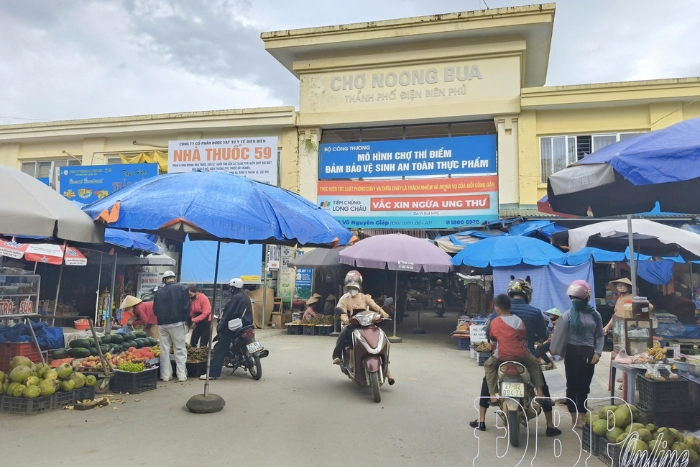
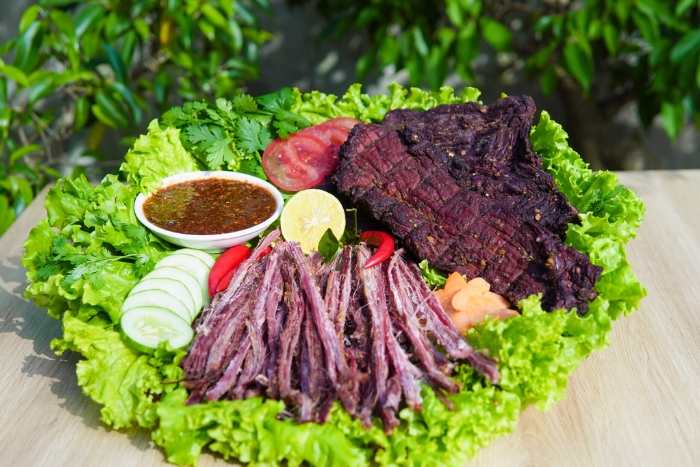
The central covered market is ideal for a sensory immersion when the weather turns bad. The sheltered alleys are filled with the aromas of phở (Vietnamese soup), grilled meats, and xôi ngũ sắc (five-colour sticky rice), while Thai and H’mong vendors offer fresh produce, spices, and handicrafts. It’s also a perfect spot for a typical breakfast at a low price — try cà phê trứng (egg coffee) or thịt trâu gác bếp (hung dried buffalo meat). Stick to busy stalls and feel free to bargain politely. The market is especially lively in the morning.
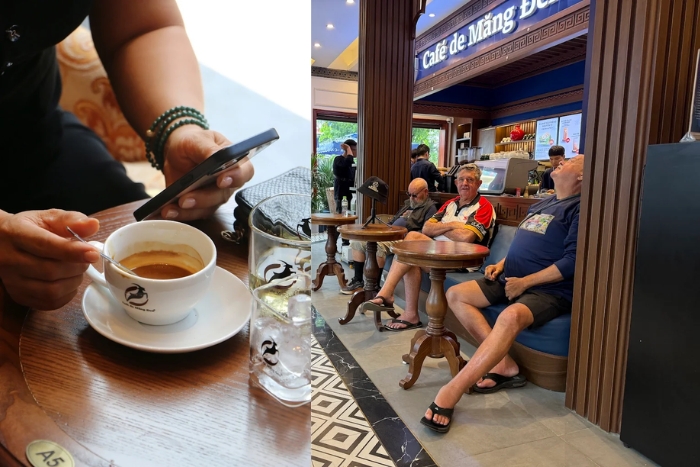
Settling into a cosy café turns the rain into a restful interlude. Establishments made of wood or with large bay windows offer a warm atmosphere to watch the town under the mist, read, or work. Many serve high-quality local robusta or retro-style drinks. Most have wifi and power outlets, perfect for sending photos or getting some work done. These places also encourage conversation: locals are happy to share recommendations and reveal house specialties.
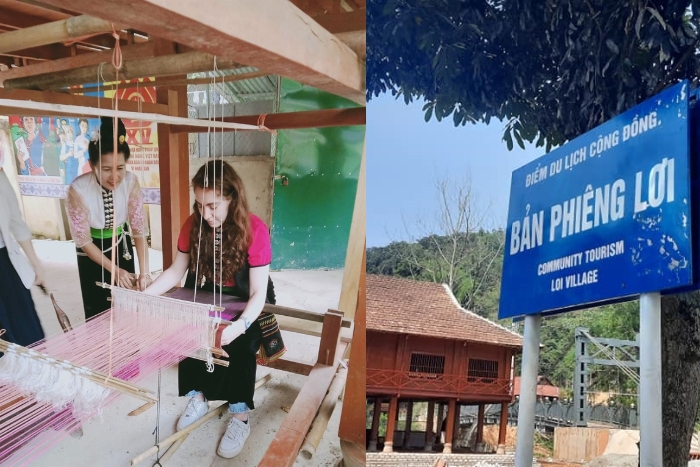
Discovering traditional weaving and handicrafts is a cultural experience perfectly suited to rainy days. About fifteen minutes from the centre, villages such as bản Phiêng Lợi, bản Ten, or bản Chả are home to workshops and cooperatives where you can watch looms in action, natural dyeing, and embroidery. The artisans willingly explain the symbolic patterns, and you can buy scarves, bags, or fabrics directly from them, often at better prices than in Hanoi or Sapa. Respect local customs: ask before taking photos and prefer direct purchases to support the families.
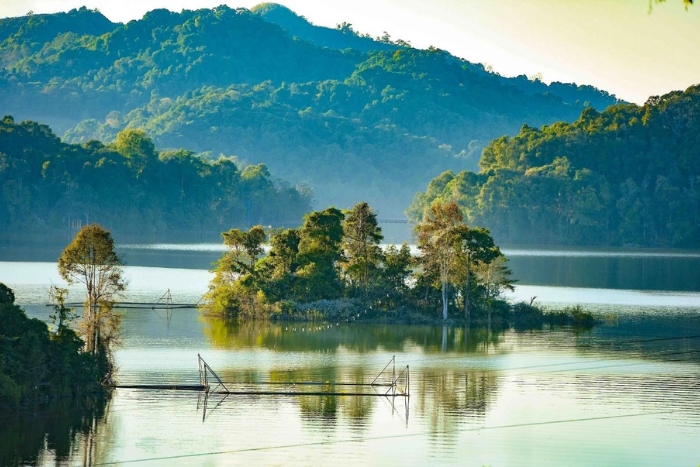
Visiting Lake Pá Khoang is one of the best things to do in Dien Bien when it rains to immerse yourself in the humidity and nature. Located about 30 km from Dien Bien Phu, via national road 279 to the commune of Nà Nhạn then provincial road 3 to Mường Phăng, this emerald jewel nestled in the heart of the Northwest mountains features islands and peninsulas formed from August when the water rises. Under the rain, the landscape is covered in a mystical mist, the lush forests sparkle, the winding paths invite poetic contemplation; opt for a boat ride to explore the narrow bays, admire the unique biodiversity or fish by the lake. The neighboring ethnic villages, inhabited by the Thai, Khơ-mú and Mông (nearly 50 scattered Thai hamlets), overflow with hospitality, inviting you to taste xôi nếp nương (steamed glutinous rice), cơm lam (rice in bamboo tube), grilled river fish or smoked buffalo meat.
Rain becomes the perfect excuse to savor local cuisine in a cozy restaurant. You will find steaming phở, thịt lợn gác bếp (dried pork), gà nướng (grilled chicken) with mắc khén, as well as Thai specialties such as fish wrapped in dong leaves or banana flower salad. Opt for dishes to share in order to discover multiple flavors and choose busy establishments to ensure freshness. Don’t hesitate to ask for seasonal recommendations and accompany your meal with a local tea or coffee for a complete experience.
In summary, when considering things to do in Dien Bien when it rains, rather than spoiling your trip, the rain reveals an entirely different side of Dien Bien Phu: a gentler, almost secret city, where streets glisten under the water, mountains are draped in mist, and the smell of wet red earth mingles with that of steaming phở. The six proposed activities (museum, covered market, cozy cafés, Thai handicrafts, herbal baths, and warm restaurants) are all 100% sheltered or perfectly suited to gray weather. Add a small swollen waterfall or a mystical cave under a light shower, and you have a program as rich as in the dry season–but far more poetic. To organize these discoveries smoothly, a travel agency in Vietnam – Autour Asia – can guide you step by step.






 FR
 EN
