
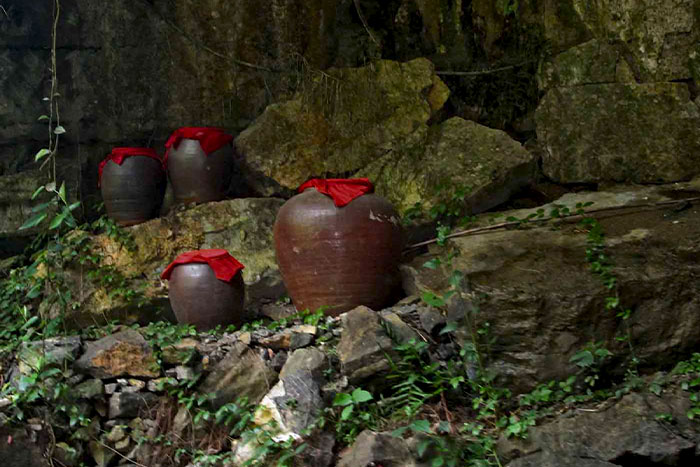
Nau Ruou Cave: This cave is home to a deep well with crystal-clear water, renowned for producing delicious rice wine. In Nau Ruou Cave, there is an underground water pipe more than 10m deep, which is believed to have been brought here by ancestors to collect water to make alcohol for the king. During the research and surveys, numerous pottery, jars, vases, and wine-making tools were discovered, hence the name “Nau Ruou”. Near the cave entrance, many ancient wine jars are displayed.
Sinh Cave - Si Cave - Ba Giot Cave: Ba Giot Cave is one of the most popular Trang An caves, known for its three natural waterfalls. It is an ideal destination for those seeking a refreshing break during their journey. Legend has it that there was once a deeply in love couple. When the man brought the bridal gifts to Sinh Cave to propose, the woman had already been promised to a neighboring country. Unable to marry her, he went to Ba Giot Cave to bathe, then sacrificed himself along with all his feelings, to the depth of Si Cave.
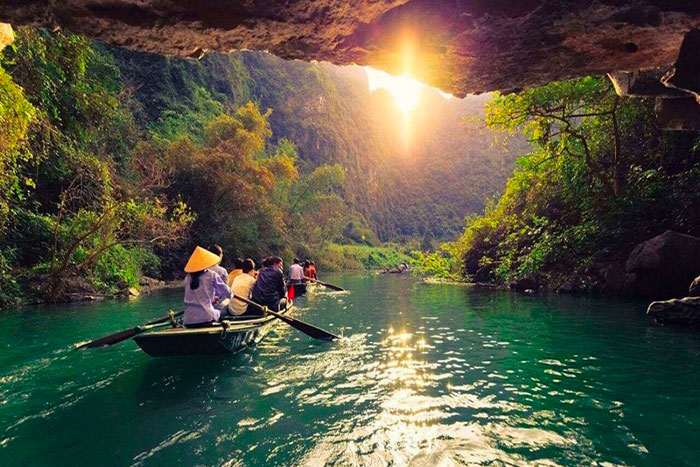
Bright Cave - Dark Cave (Hang Sang - Hang Toi): These two caves are located next to each other and are often visited together in Trang An scenic landscape complex. Dark Cave is completely dark as its name describes because the cave has a winding terrain, making it difficult for light to penetrate inside. As for Bright Cave, despite its name, the cave is quite dark and requires artificial lighting. The name of the cave reflects the ancient people's aspirations for advancement: from darkness to brightness, from the past to a better future.
Boi Cave: The cave is named "Boi", which means "fortune-telling" because it is associated with the legend of Tran dynasty kings who used to cast divinations here. Additionally, many fossilized shells, animal bones, and some stone tools have been discovered here providing evidence of prehistoric human imprints belonging to the Hoabinhian period dating back approximately ten thousand years.
Dia Linh Cave: The cave is also known as Treasure Cave because when entering it, visitors will feel like they are entering a world of "treasures" with magnificent stalactites. The stalactites in the cave are still intact, beautiful, and mysterious. With added lighting, they become even more glamorous and sparkling.
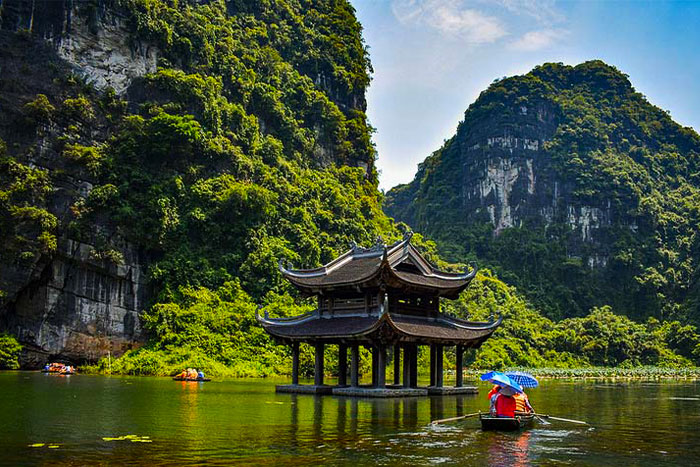
Trinh Temple: This temple is dedicated to the four faithful generals of the Dinh Dynasty, entrusted with safeguarding the royal treasury and the king's valuables. According to legend, during the tumultuous period following King Dinh Tien Hoang's passing, these four generals escorted Dinh Toan (the king's son) to this location to ensure his safety. Trinh Temple attracts numerous visitors during holidays and the Lunar New Year, who come to light incense and offer prayers for prosperity and fortune.
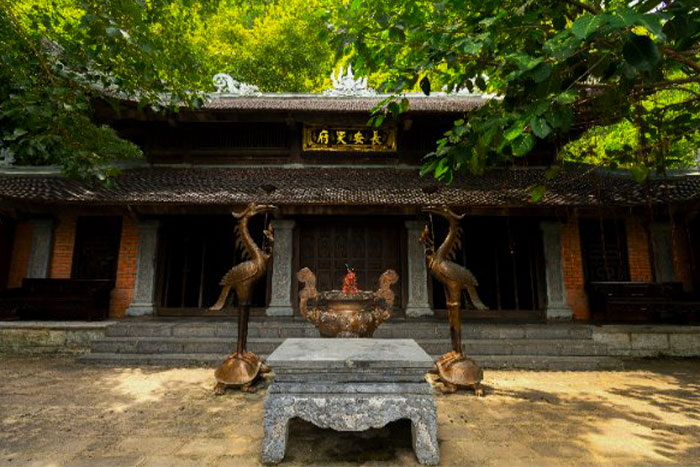
Tran Temple: Tran Temple is devoted to Quy Minh, the deity believed to protect the southern entrance of Hoa Lu citadel. The Tran Temple festival is held every year on the 18th day of the third lunar month in Ninh Binh. Travelers visiting Trang An Vietnam during this event have the opportunity to immerse themselves in the celebratory ambiance at this revered temple.
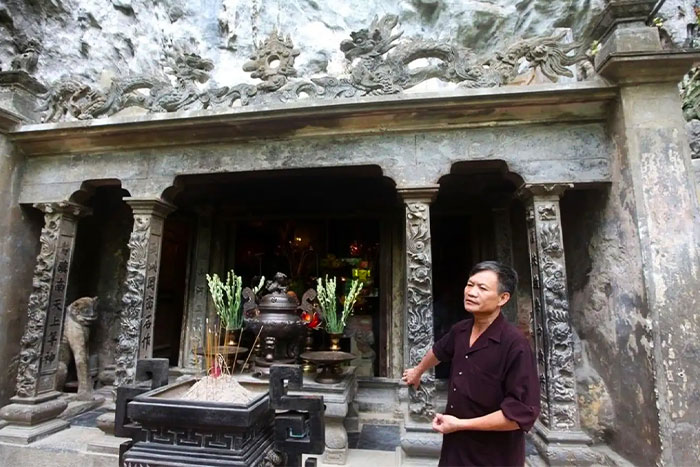
Vu Lam Palace: This is the military base of the Tran dynasty and is located in the core area of the Trang An, in Ninh Binh Vietnam. Here, the early kings of the Tran dynasty built a stronghold to reinforce their counter-offensive forces and liberate Dai Viet during the second and third Mongol invasions. Additionally, Vu Lam Palace is closely associated with the events of the Tran dynasty kings entering monastic life and expanding Buddhism.
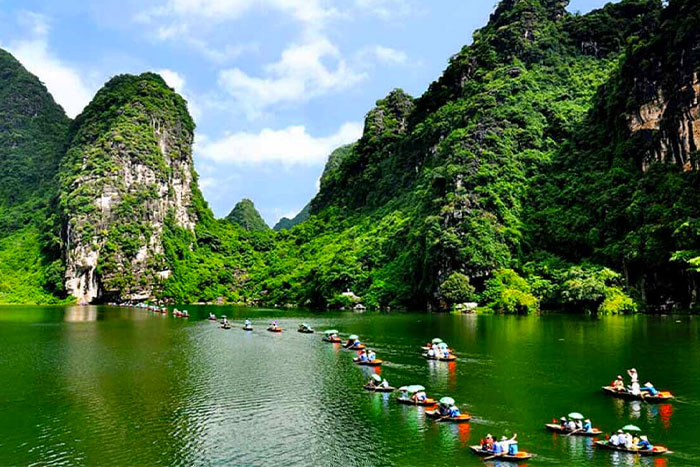
Phu Khong: Built on a beautiful piece of land, nestled against Khong Cave with one side facing a towering rock wall and the other overlooking a vast valley. According to the tale, during the reign of King Dinh Tien Hoang, upon his passing, seven high-ranking officials carried numerous coffins in different directions and took their own lives to safeguard the secret of the true tomb. Thus, the locals established a temple to worship and uphold the honor of the seven officials, overlooking the ancient citadel.
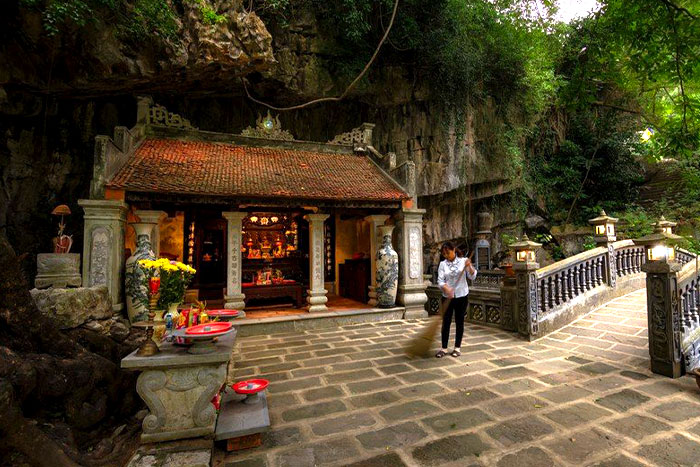



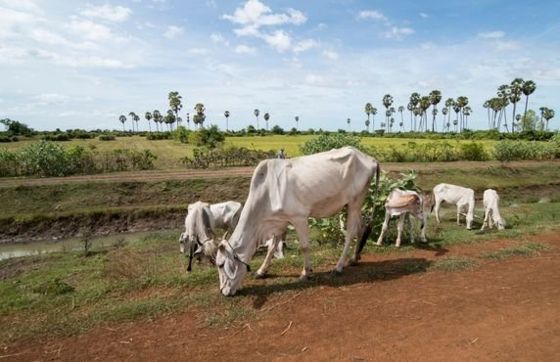
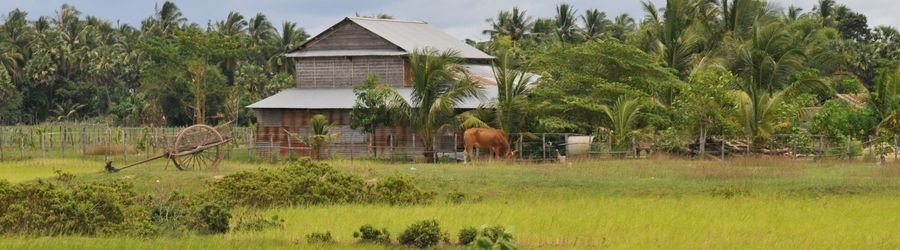
After exploring Angkor’s temples, bustling markets and the streets of Phnom Penh, Cambodia can also be discovered through its countryside. A weekend farm tour in Cambodia offers a chance to slow down and experience a rural way of life that remains closely connected to the land, the seasons and the harvest. Depending on the region, you may take part in farm activities, cook with a local family or follow rural paths between rice fields and orchards. This countryside escape is ideal for couples and families looking to experience Cambodia beyond the usual tourist routes. To make travel easier and choose an experience suited to your needs, a Cambodia travel company can also incorporate this rural immersion into a more comprehensive itinerary.
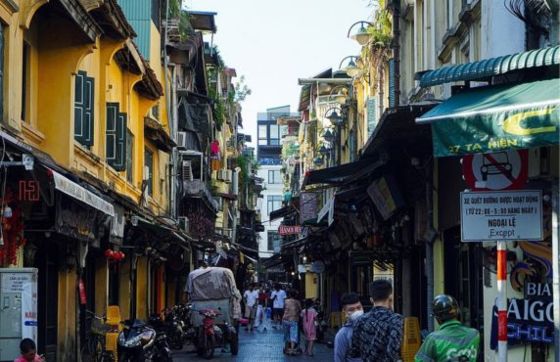
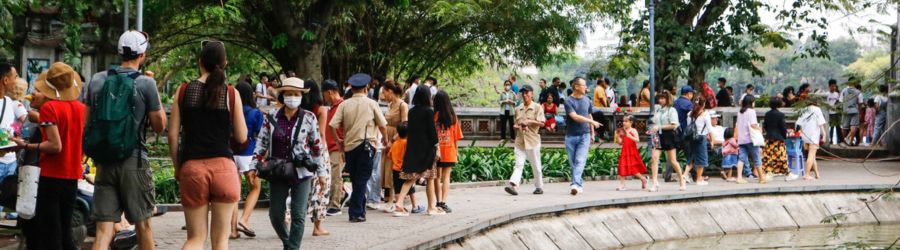
In Hanoi, walking is not just a way of getting around: it is one of the best ways to experience the rhythm of the capital. Between the bustling shopping streets of the Old Quarter, colonial-era façades, shady lakes and street food stalls, each area has its own atmosphere. But which Hanoi walking tour should you choose if you have half a day, a full day or just a few hours? This guide presents five ways to explore the city, from Hoan Kiem Lake to Long Bien Bridge, via Truc Bach and Hanoi’s food districts. Heritage, photography, gastronomy or local life: everyone can find a route that suits them. To plan a more comprehensive trip, the Local travel agency in Hanoi - Autour Asia can also help you incorporate Hanoi into the other stages of your itinerary.
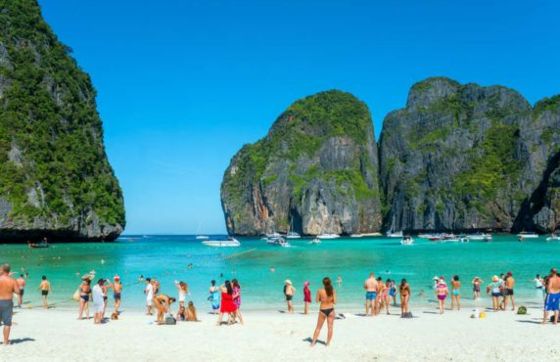
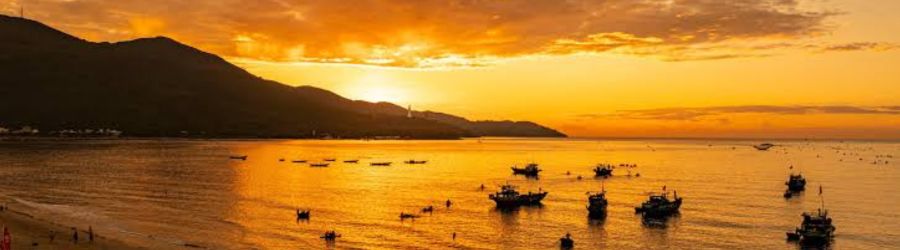
A 3 weeks in Vietnam with beach itinerary allows you to combine cultural discoveries, natural landscapes, and a few days of seaside relaxation, without turning the trip into a succession of transfers. In 21 days, it is possible to start in Hanoi, discover Ha Long Bay or Lan Ha Bay, continue to Hue and Hoi An, then head south before ending with a beach destination suited to the season. But where should you go to the beach in Vietnam? The answer depends mainly on the time of year: Phu Quoc is particularly suitable during the dry months in the South, while Da Nang, Hoi An, or Quy Nhon are good options during part of the year. To build a coherent itinerary, the Vietnam travel agency - Autour Asia can also adapt the stops to each traveler's pace and preferences.
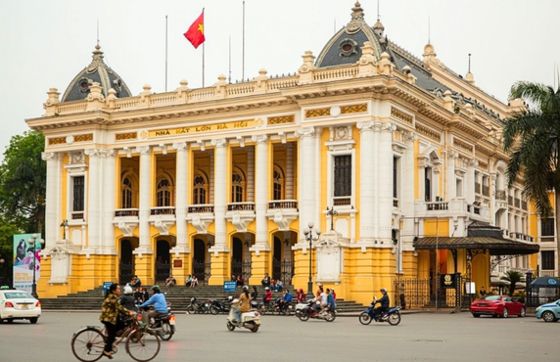
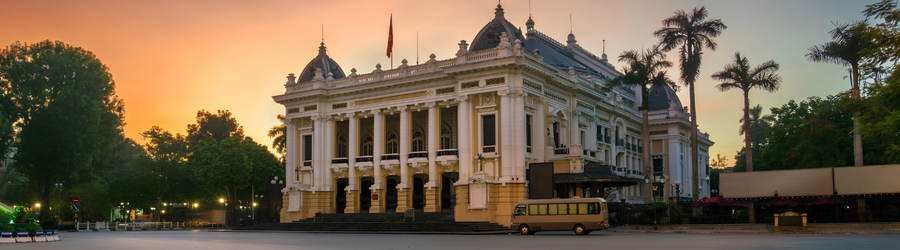
Located in the heart of Vietnam’s capital, the Hanoi Opera House is one of the city’s most iconic cultural and architectural landmarks. Built during the French colonial period, this elegant building has become an essential stop for travelers interested in Hanoi’s history and performing arts. But what can you actually see during a visit? Is visiting Hanoi Opera House possible without attending a show, and is a Hanoi Opera House tour worth adding to your itinerary? In this guide, discover the history, architecture, cultural significance and practical information you need to make the most of your visit to the Hanoi Opera House Vietnam.
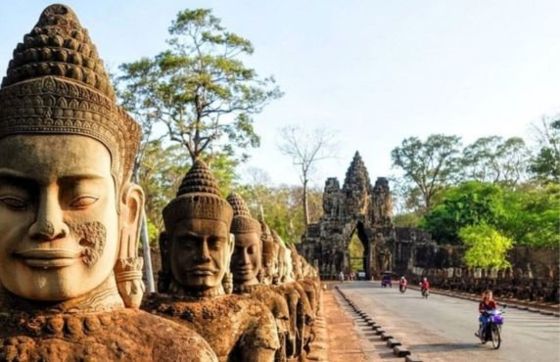

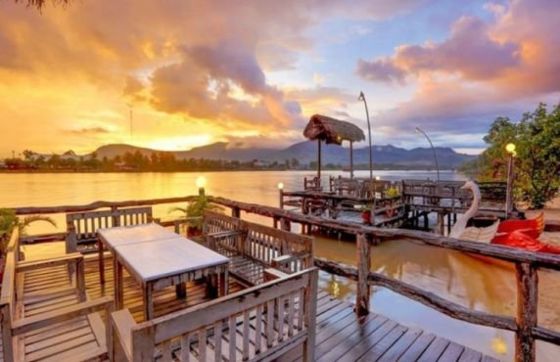

Traveling with children in southern Cambodia makes it easy to enjoy a variety of experiences: peaceful small towns, tropical landscapes, beaches, islands, local markets, and nature discoveries. To know where to visit Southern Cambodia with family, however, it is better not to include too many stops. Kampot, Kep, and the islands of Preah Sihanouk Province offer complementary atmospheres, with family-friendly activities and plenty of opportunities to relax. The choice mainly depends on the children’s age, your preferred pace, and the season. In this guide, we offer a balanced itinerary and practical ideas for organizing your stay, with advice from Cambodia travel company - Autour Asia to help you enjoy southern Cambodia without turning your holiday into a race against the clock.
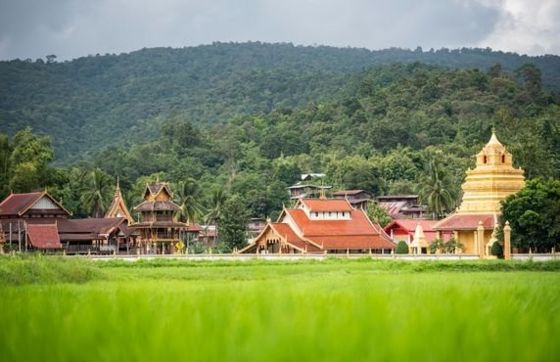
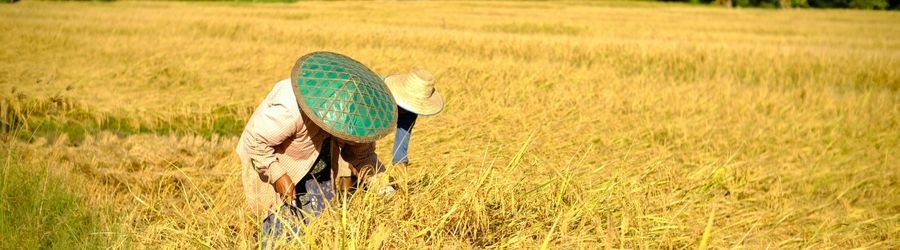
When we think of Thailand, the first images that often come to mind are temples, lively markets, tropical islands, or the beaches of the south. Yet, the country has another, more discreet side that is deeply connected to its identity: its countryside and agricultural heritage. Today, agritourism trends are attracting travelers looking for authentic experiences, closer to nature and local communities. To discover this different side of Thailand, a Thailand travel company can include rural stops in a classic itinerary. It is a great way to slow down, taste local products, and understand the daily life of local communities.

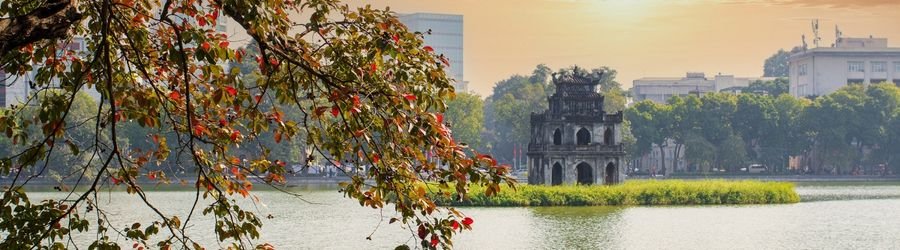
In the heart of Hanoi, some places tell the story and spirit of the Vietnamese capital better than others. Hoan Kiem lake is certainly one of them. Surrounded by trees, historic monuments and lively streets, it is a meeting point between heritage, traditions and daily life. A walk around the lake also allows visitors to experience the unique rhythm of Hanoi, from early-morning tai chi sessions to family walks and the lively atmosphere of the weekend. For travelers who want to discover the capital in a different way, this iconic site deserves a place in any itinerary planned by a Vietnam travel agency. But what is really hidden behind this famous lake?



 FR
FR EN
EN