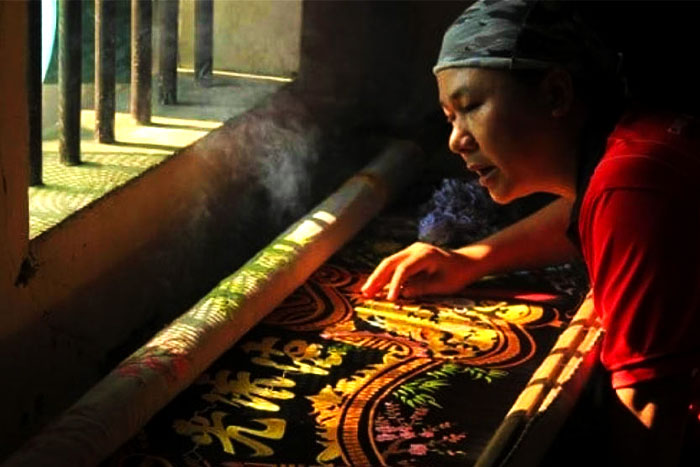
Situated in Ninh Hai Commune, Hoa Lu District, this village is an integral part of the Tam Coc – Bich Dong tourism site, so it’s recommended for you to pay a visit here during your trip in case you don’t know yet what to do in Ninh Binh Vietnam. Legend has it that the first trace of embroidery craft here dates back to the Tran Dynasty over 800 years ago and was taught by Mrs. Tran Thi Dung, the wife of Tran Thu Do, a prominent politician who played a crucial role in establishing the Tran dynasty in Vietnam. Until the early 20th century, two brothers from the village, Dinh Ngoc Henh and Dinh Ngoc Xoan, ventured to Hanoi to learn the art of lace and embroidery from the French. Upon returning, they imparted their newfound knowledge to the villagers, sparking the gradual development of the lace and embroidery craft in the village.
Since then, the artisans have crafted a myriad of embroidery products, including clothing, bed linens, curtains, pillows, tablecloths, paintings, and more. The exquisite embroidery creations from Van Lam are showcased at fairs and tourist destinations nationwide, consistently attracting attention and admiration from both domestic and international patrons, hailing from countries such as Japan, Korea, France, Germany, Italy, the UK, and the USA. Skilled artisans use thin threads and colorful fabrics to create vibrant and intricate artworks. The delicate lace embroidery adds a touch of elegance to the local craftsmanship.
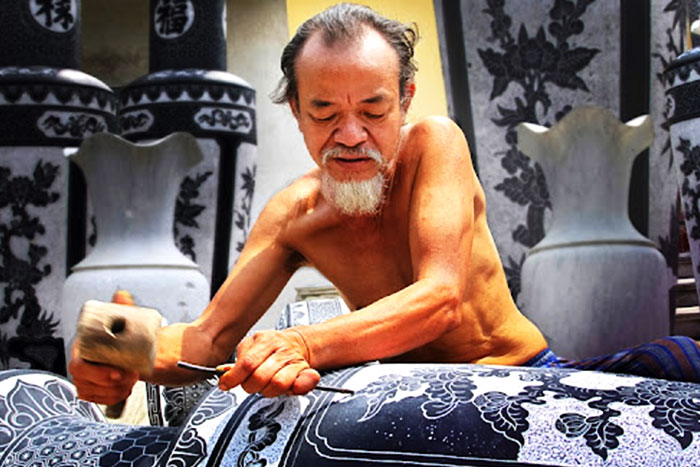
Ninh Van Stone Carving Village, situated in Xuan Vu Village, Ninh Van Commune, Hoa Lu District, boasts a rich history spanning 400 years, making it a renowned craft village in Ninh Binh Vietnam. Historically, skilled artisans from this village were celebrated for creating stone statues destined for the ancient capitals of the Dinh and Anterior Le Dynasty, as well as for crafting ornate pieces for temples and pagodas in Hoa Lu. With masterful precision, these artisans transform rugged stones into exquisite works of art, producing statues, birds, and various decorative items adorned with intricate patterns that showcase their creativity and expertise.
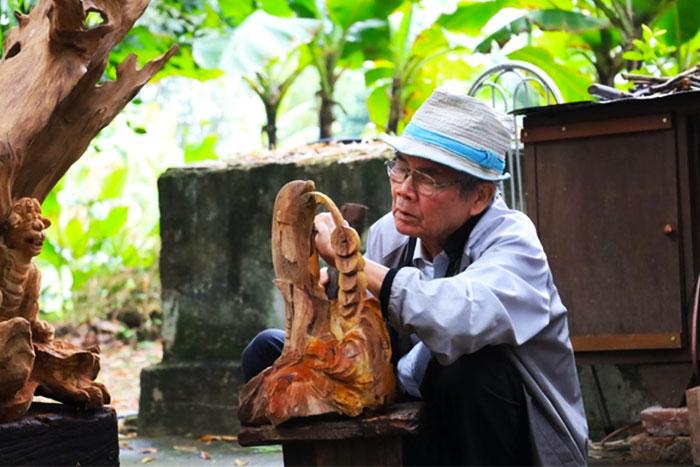
Located in Ninh Phong Ward, Ninh Binh City, Phuc Loc Carpenter Village has gained renown for its skilled craftsmanship in producing household and handicraft wooden items. With a heritage spanning centuries, the village has diligently preserved and transmitted its traditions across generations. In bygone times, Phuc Loc carpenters were celebrated for creating intricately sculpted wooden products used in the construction of churches, temples, and community houses. Presently, the village is home to over 600 households, encompassing a population of over 3,000 individuals, including approximately 400 skilled carpenters. Phuc Loc Carpenter Village serves as a living testament to the safeguarding of traditional carpentry techniques, drawing visitors from the province and beyond who are eager to experience the essence of this time-honored craft. Not only the popular tourist sites in Ninh Binh, but you can also visit traditional handicraft villages here to learn more about the culture of Vietnam.
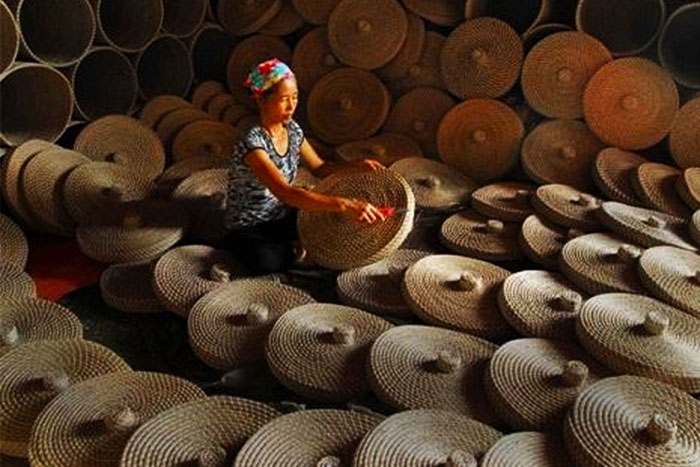
Among the many things to see in traditional handicraft villages, it's advisable to take a look at the enormous array of products made from sedge mat in Kim Son village. Located near Phat Diem Cathedral in Kim Son District, this village boasts a two-century tradition of cultivating sedge. Over the years, Kim Son people have transformed the landscape to cultivate sedge, creating a stable source for products like mats, baskets, trays, cups, hats, bags, and more. The sedge mat products are renowned for their stability and beautiful patterns, offering visitors a glimpse into the artistry of local craftsmen. Presently, sedge products from Kim Son have reached more than 20 countries.
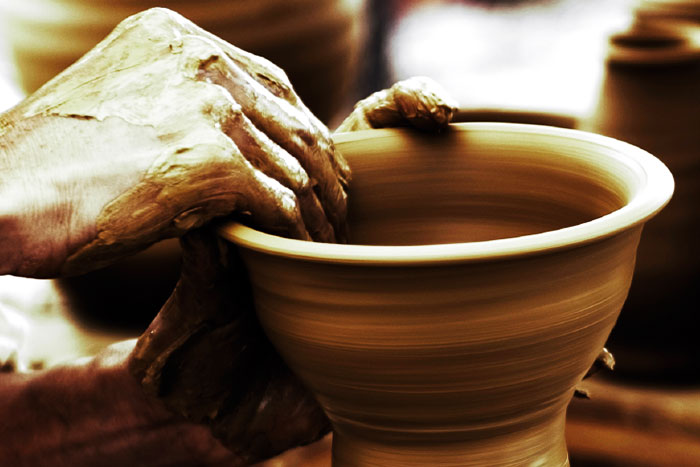
Formerly recognized as Bo Bat Pottery Village and now identified as Bach Lien Village in Yen Thanh Commune, Yen Mo District, this ancient pottery village boasts a rich history spanning thousands of years among many traditional handicraft villages in Ninh Binh. Its origins trace back over a millennium to the time when King Ly Thai To relocated the capital to Dai La citadel. During this period, he brought five major families from Bo Bat to the new capital to engage in the production of ceramic products. Renowned as the precursor to present-day Bat Trang pottery, Bo Bat Pottery Village has gained acclaim for crafting pottery items tailored for daily use and construction. The refined pottery pieces, which include cups, bowls, plates, and intricate artistic statues adorned with elaborate brocade patterns and vibrant colored enamel, stand as a testament to the enduring artistic legacy of the village.
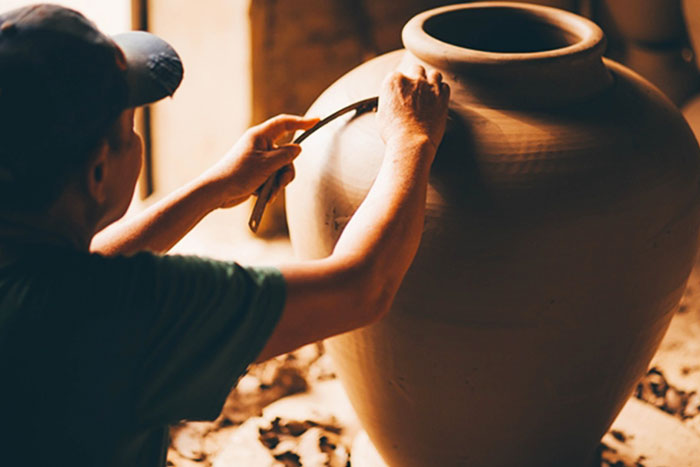
Nestled in Gia Thuy Commune, Nho Quan District, this traditional pottery village has flourished for over 50 years. What sets Gia Thuy Pottery apart is its use of golden-brown ceramic, a material unique to the local area. This ceramic exhibits exceptional adhesion, smoothness, and resistance to high temperatures. Among the beloved products are wine bottles and jars, adorned with intricate patterns and scenes depicting Vietnamese villages, creating a distinctive hallmark of Gia Thuy Pottery.


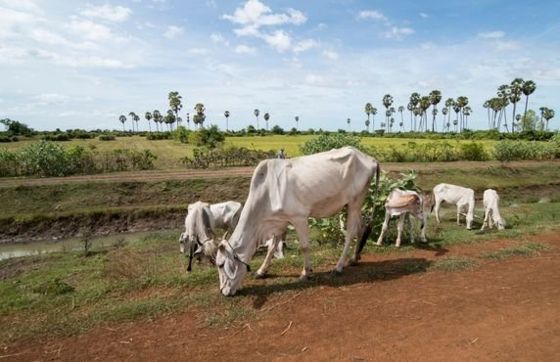
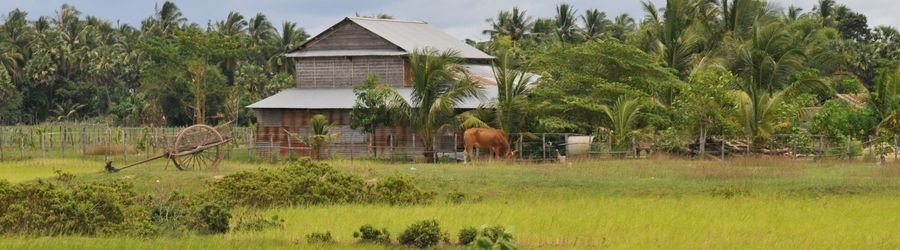
After exploring Angkor’s temples, bustling markets and the streets of Phnom Penh, Cambodia can also be discovered through its countryside. A weekend farm tour in Cambodia offers a chance to slow down and experience a rural way of life that remains closely connected to the land, the seasons and the harvest. Depending on the region, you may take part in farm activities, cook with a local family or follow rural paths between rice fields and orchards. This countryside escape is ideal for couples and families looking to experience Cambodia beyond the usual tourist routes. To make travel easier and choose an experience suited to your needs, a Cambodia travel company can also incorporate this rural immersion into a more comprehensive itinerary.
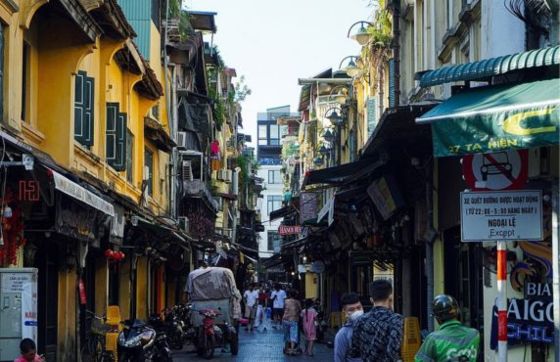
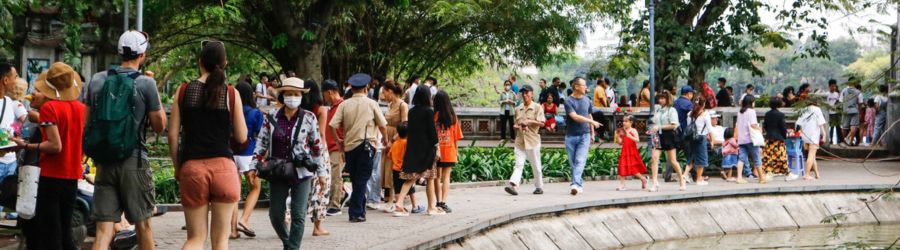
In Hanoi, walking is not just a way of getting around: it is one of the best ways to experience the rhythm of the capital. Between the bustling shopping streets of the Old Quarter, colonial-era façades, shady lakes and street food stalls, each area has its own atmosphere. But which Hanoi walking tour should you choose if you have half a day, a full day or just a few hours? This guide presents five ways to explore the city, from Hoan Kiem Lake to Long Bien Bridge, via Truc Bach and Hanoi’s food districts. Heritage, photography, gastronomy or local life: everyone can find a route that suits them. To plan a more comprehensive trip, the Local travel agency in Hanoi - Autour Asia can also help you incorporate Hanoi into the other stages of your itinerary.


A 3 weeks in Vietnam with beach itinerary allows you to combine cultural discoveries, natural landscapes, and a few days of seaside relaxation, without turning the trip into a succession of transfers. In 21 days, it is possible to start in Hanoi, discover Ha Long Bay or Lan Ha Bay, continue to Hue and Hoi An, then head south before ending with a beach destination suited to the season. But where should you go to the beach in Vietnam? The answer depends mainly on the time of year: Phu Quoc is particularly suitable during the dry months in the South, while Da Nang, Hoi An, or Quy Nhon are good options during part of the year. To build a coherent itinerary, the Vietnam travel agency - Autour Asia can also adapt the stops to each traveler's pace and preferences.
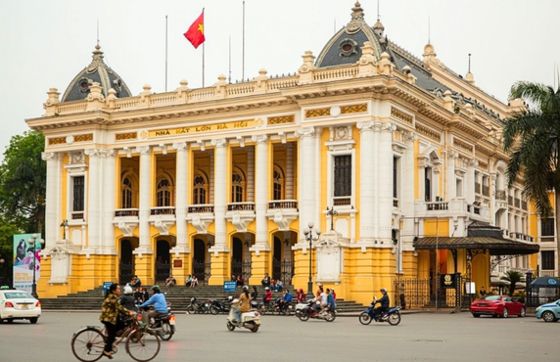

Located in the heart of Vietnam’s capital, the Hanoi Opera House is one of the city’s most iconic cultural and architectural landmarks. Built during the French colonial period, this elegant building has become an essential stop for travelers interested in Hanoi’s history and performing arts. But what can you actually see during a visit? Is visiting Hanoi Opera House possible without attending a show, and is a Hanoi Opera House tour worth adding to your itinerary? In this guide, discover the history, architecture, cultural significance and practical information you need to make the most of your visit to the Hanoi Opera House Vietnam.




Traveling with children in southern Cambodia makes it easy to enjoy a variety of experiences: peaceful small towns, tropical landscapes, beaches, islands, local markets, and nature discoveries. To know where to visit Southern Cambodia with family, however, it is better not to include too many stops. Kampot, Kep, and the islands of Preah Sihanouk Province offer complementary atmospheres, with family-friendly activities and plenty of opportunities to relax. The choice mainly depends on the children’s age, your preferred pace, and the season. In this guide, we offer a balanced itinerary and practical ideas for organizing your stay, with advice from Cambodia travel company - Autour Asia to help you enjoy southern Cambodia without turning your holiday into a race against the clock.
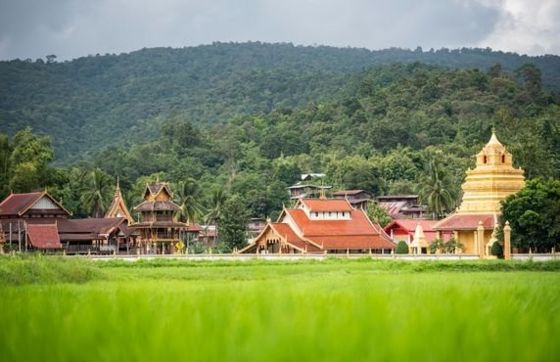
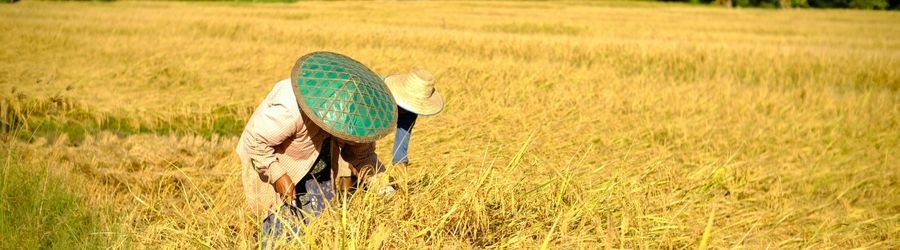
When we think of Thailand, the first images that often come to mind are temples, lively markets, tropical islands, or the beaches of the south. Yet, the country has another, more discreet side that is deeply connected to its identity: its countryside and agricultural heritage. Today, agritourism trends are attracting travelers looking for authentic experiences, closer to nature and local communities. To discover this different side of Thailand, a Thailand travel company can include rural stops in a classic itinerary. It is a great way to slow down, taste local products, and understand the daily life of local communities.

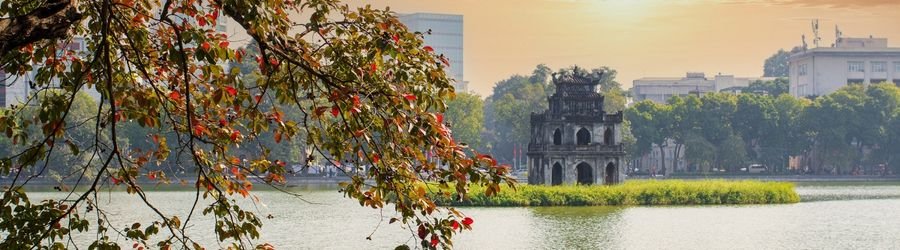
In the heart of Hanoi, some places tell the story and spirit of the Vietnamese capital better than others. Hoan Kiem lake is certainly one of them. Surrounded by trees, historic monuments and lively streets, it is a meeting point between heritage, traditions and daily life. A walk around the lake also allows visitors to experience the unique rhythm of Hanoi, from early-morning tai chi sessions to family walks and the lively atmosphere of the weekend. For travelers who want to discover the capital in a different way, this iconic site deserves a place in any itinerary planned by a Vietnam travel agency. But what is really hidden behind this famous lake?



 FR
FR EN
EN