Southeast Asia in March forms a tapestry of cultures, landscapes, and adventures that particularly flourish in March. The climate in March in Southeast Asia varies by country, but overall, it's the end of the dry season in the north (like in Laos or northern Vietnam) and the start of the heat in the south (Thailand, Indonesia). Average temperatures hover around 28-32°C, with low risk of rain, making hikes, beaches, and cultural visits comfortable.
From a budget perspective, it's a great time for where to travel in March on a budget: flight tickets from Europe often feature promotions, and local accommodations (guesthouses or hostels) range between 10 and 30 euros per night. Add delicious and economical street food (less than 5 euros per meal) and affordable transportation like tuk-tuks or buses. Festivals in March add an enchanting dimension: from the Tattoo Festival in Thailand to Nyepi in Bali, these cultural events enrich your stay in Southeast Asia.
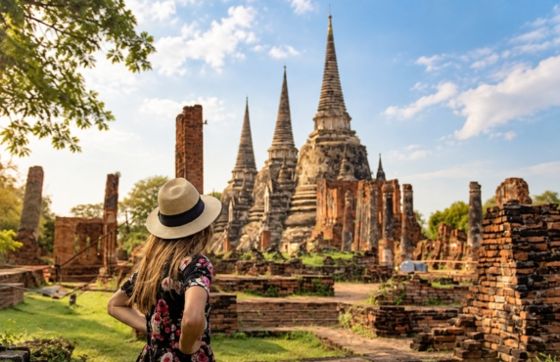
For travelers seeking ideas for Southeast Asia in March, Thailand in March is particularly favorable: the season shifts toward heat with temperatures around 26–31°C, generally dry and sunny skies (low precipitation, ~30 mm), and manageable humidity. It’s the ideal time to enjoy the southern beaches or go hiking in the north without fearing showers – and, if you get the chance, attend the Sak Yant Tattoo Festival. Recommended daily budget: 30–50 € (hostels ≈ 15 €, meals ≈ 2 €). Suggested itinerary: 3 days in Bangkok, 4 days in the cultural north, and 7 days relaxing on the beaches.

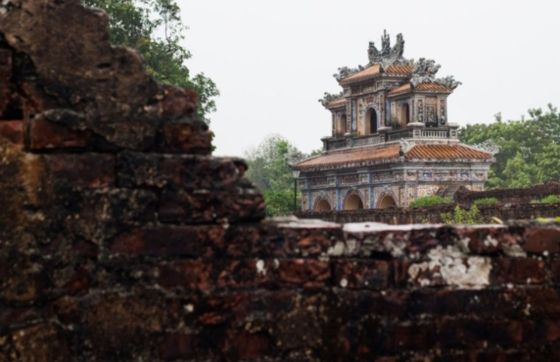
Where to go in Southeast Asia in March for a varied adventure? Vietnam shines among the best Asian countries to visit in March with mild weather in the north (17-24°C, with occasional showers and moderate humidity, ideal for exploring historical sites and savoring street food), transitioning to drier conditions in the center (23-28°C, with reduced rains and humidity for sunny visits), and hot in the south (25-33°C, with refreshing afternoon showers and increased tropical humidity). Sunny days and little rain overall make it a perfect time for explorations. To travel without breaking the bank, opt for modest hotels at 10 euros per night and affordable local meals. Proposed itinerary: 3 days in the historical capital, 2 days sailing in Halong Bay, 4 days in the alleys of Hoi An, and 3 days feeling the energy of Ho Chi Minh - estimated budget: 25 - 40 €/day.

In Southeast Asia in March, the weather in Cambodia is particularly mild: hot, dry, and stable, with temperatures around 32°C and less than 50 mm of rain. This ideal climate allows you to admire sunrises at Angkor Wat, visit temples without mud or showers, or fully enjoy the beaches of Sihanoukville and Koh Rong. Moderate humidity also makes city walks, markets, and outings along the Mekong comfortable. With a budget of 20–35 € per day (meals ≈ 3 €), you can follow a smooth itinerary: 4 days in Siem Reap, 2 days in Phnom Penh, and 5 days on the beaches.

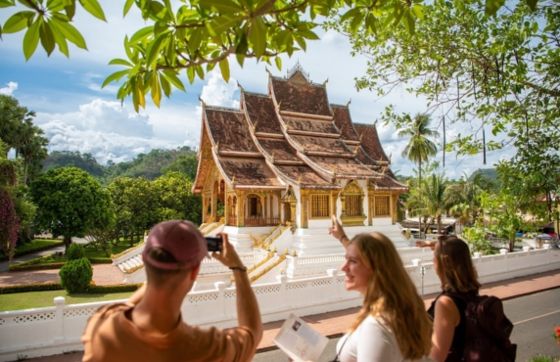
Laos excels for those seeking peace among the best places to go in Asia in March, with dry weather in March in Southeast Asia and temperatures of 16-29°C, low humidity, conducive to nature. This stable climate is perfect for outdoor activities: climbing Mount Phousi to admire the dawn, exploring the karst landscapes and lagoons of Vang Vieng, or peacefully cruising among the 4,000 Islands under a clear sky. And if your stay coincides with Boun Pha Vet, it’s the ideal opportunity to discover an iconic Buddhist festival under optimal weather conditions.

Where to go in Southeast Asia in March ? Bali remains an excellent choice: in March, the island is still in the transition phase between the rainy season and the drier season, with daily temperatures around 24–30°C, high humidity, and short but sometimes intense showers (monthly rain concentrated ~90–150 mm). Mornings are often sunny – perfect for exploring the rice fields of Ubud or climbing a volcano at dawn – while afternoons may bring a quick shower, ideal for a surfing session afterward. Finally, note that Nyepi (the Day of Silence) usually falls in March or April according to the Saka calendar: if your trip coincides, prepare for a unique but highly regulated day.

Myanmar in March attracts curious travelers among the best weather destinations in March in Asia. In March, Myanmar enjoys particularly dry weather, with very low precipitation (10–30 mm) and long sunny days. These conditions offer perfect visibility for admiring the pagodas of Bagan, sailing on Inle Lake, or exploring ancient capitals without clouds or excessive humidity. Travel is pleasant, whether visiting markets, climbing sacred hills, or touring archaeological sites by electric bike. However, check visa requirements before departure. With a budget of about 20 € per day, a coherent itinerary can include 3 days in Yangon, 4 days in Bagan, and 3 days in Mandalay.

Budget: Plan a budget of about 500–800 € for 2 weeks (excluding flights) to cover accommodation, meals, and local transportation. To cut costs, try Couchsurfing or well-rated hostels, and prioritize street food and public transport. These tips are particularly useful when traveling through Southeast Asia.
Itineraries: If you're planning to go to Southeast Asia in March, combine beaches and cultural visits – for example, Thailand → Vietnam → Cambodia (≈ 3 weeks). Prioritize direct and low-cost flights (AirAsia) and book internal flights in advance.
Health and safety: Protect yourself from the sun (sunscreen, hat), stay hydrated with bottled water, and avoid tap water. Pack a first-aid kit, check your vaccines, and get travel insurance covering repatriation and medical care. Be cautious at night: avoid isolated areas and keep your belongings secure.

In summary, if you're wondering where to go in March, Southeast Asia offers an ideal balance between adventure, culture, and relaxation, thanks to particularly pleasant weather in March in Southeast Asia. Choose the destination that inspires you and prepare for a truly memorable stay in Southeast Asia in March. And if you prefer guidance, our travel agency in Asia – Autour Asia can help organize every step.





 FR
 ITA
