
Dreaming of Thailand's stunning beaches and tropical islands, but wondering about the mosquito season in Thailand ? If you're planning your trip, knowing when to go to Thailand to avoid mosquitoes can make your holiday much more enjoyable. While mosquitoes in Thailand are present throughout the year, their activity changes with the seasons. During the rainy months, the Thailand mosquito season reaches its peak, increasing the risk of dengue in Thailand, a viral disease transmitted by daytime-biting mosquitoes. So, how can you avoid mosquito bites and travel with peace of mind? In this complete guide, you'll learn everything you need to know about the mosquito season in Thailand, the best time to visit, and practical tips to reduce health risks during your journey.
If you're planning a trip to the Land of Smiles, you're probably wondering when mosquitoes are most active. Thanks to Thailand's tropical climate, warm temperatures and high humidity, mosquitoes in Thailand can be found all year round. However, their population does not remain constant. Instead, the intensity of the mosquito season in Thailand varies according to the country's weather patterns and seasonal rainfall. Although mosquitoes never completely disappear, their numbers generally fluctuate between two main periods:

Although mosquitoes in Thailand are still present, the chances of being bitten are generally lower than during the rainy season. This is one of the reasons why many travelers consider this period the ideal time to explore the country. Since mosquitoes remain active throughout the year, choosing the right travel dates can greatly influence your overall comfort. So, when is the best time to visit Thailand to avoid mosquitoes? Which months offer the lowest mosquito activity while still providing excellent weather for sightseeing? We'll answer these questions in the next section.
If you're hoping to enjoy a comfortable holiday while minimizing mosquito bites, it's natural to ask when to go to Thailand to avoid mosquitoes. Although mosquitoes in Thailand are present throughout the year, some seasons offer much better travel conditions thanks to drier weather and lower humidity. Understanding the mosquito season in Thailand will help you choose the ideal time for your trip while reducing the risk of insect bites.
From November to February, Thailand enjoys its cool and dry season, making it the best time to visit Thailand to avoid mosquitoes. Temperatures are pleasant, rainfall is minimal, and humidity levels are much lower than during the monsoon season. With fewer pools of stagnant water available for breeding, mosquito populations naturally decrease.

This period also coincides with Thailand's peak tourist season. Whether you're planning to explore Bangkok's cultural landmarks, wander through Chiang Mai's ancient temples, relax on the beaches of Phuket, or discover the limestone cliffs of Krabi, you'll enjoy excellent weather for sightseeing and outdoor activities. Although mosquitoes in Thailand never disappear completely, the risk of bites is generally much lower than during the peak Thailand mosquito season.
March and April are Thailand's hottest months, with temperatures often exceeding 35°C (95°F) across many parts of the country. While the rainy season has not yet begun, the intense heat and occasional showers still provide favorable conditions for mosquitoes in Thailand, especially near rivers, parks, gardens, and other humid environments.

Compared with the monsoon months, mosquito activity remains relatively moderate. Travelers can still enjoy this period by taking a few simple precautions, such as applying mosquito repellent regularly and wearing lightweight long-sleeved clothing, particularly during the early morning and late afternoon when mosquitoes are most active.
Between May and October, the southwest monsoon brings frequent rainfall to much of Thailand. This marks the peak mosquito season in Thailand, as heavy rain creates puddles, ponds, canals, and other stagnant water sources where mosquitoes breed rapidly.
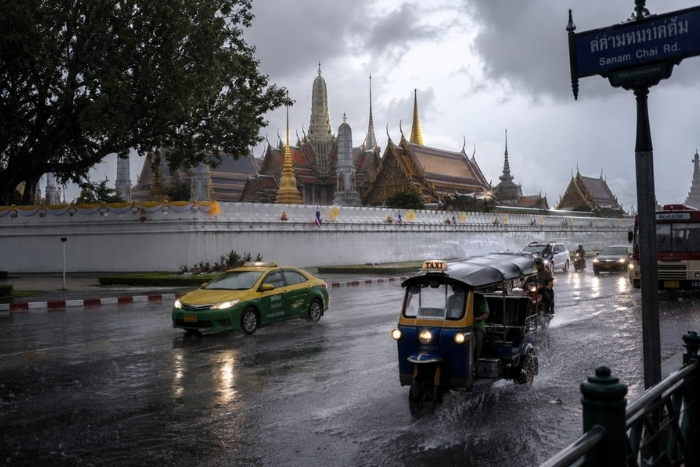
During this period, health authorities also pay closer attention to dengue in Thailand, as the number of reported cases tends to rise alongside mosquito populations. However, this should not discourage you from visiting the country. Millions of travelers visit Thailand during the rainy season every year without experiencing any health issues. The key is to practice good mosquito prevention in Thailand by using an effective insect repellent, wearing protective clothing, and choosing accommodation equipped with air conditioning, mosquito screens, or bed nets whenever possible. In short, if you're wondering when to go to Thailand to avoid mosquitoes, the period from November to February offers the most comfortable travel conditions. Nevertheless, no matter when you visit, following a few simple mosquito prevention in Thailand tips will allow you to enjoy a safe and memorable holiday while minimizing the risk of mosquito bites and dengue in Thailand.
Dengue in Thailand is one of the most common health concerns among travelers planning a trip to the country. However, it's important to put the risk into perspective. Every year, millions of visitors enjoy their holidays in Thailand without experiencing any health issues. By following a few simple mosquito prevention in Thailand measures, you can significantly reduce the risk of mosquito bites and travel with confidence, regardless of the mosquito season in Thailand.
Dengue is a viral infection transmitted by the bites of infected Aedes aegypti mosquitoes and, to a lesser extent, Aedes albopictus. Unlike many other mosquito species, the mosquitoes that spread dengue are most active during the daytime, especially in the early morning and late afternoon. Symptoms usually appear between four and ten days after being bitten by an infected mosquito. Common signs of dengue in Thailand include:
- High fever
- Severe headache
- Muscle and joint pain
- Extreme fatigue
- Nausea or skin rash
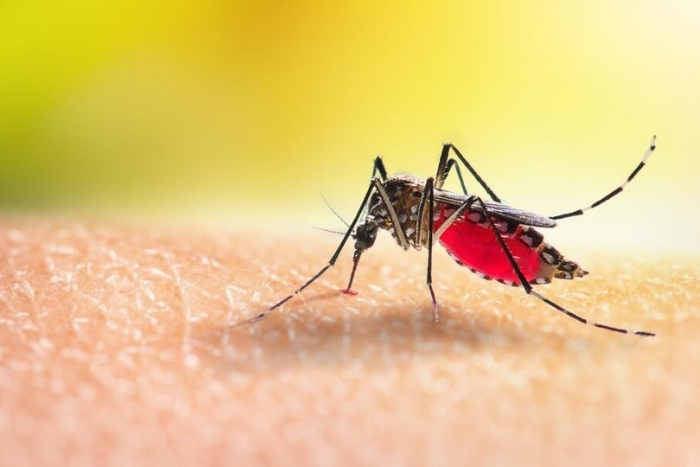
In most cases, people recover within one to two weeks with plenty of rest and proper hydration. However, if symptoms become severe or persist, you should seek medical attention as soon as possible.
Vaccines against dengue are now available, but they are not recommended for every traveler. Whether vaccination is appropriate depends on several factors, including your age, country of residence, medical history, and whether you have previously been infected with dengue. Before traveling, it's advisable to consult your doctor or a travel medicine clinic to determine whether vaccination is suitable for your individual circumstances. For most international visitors, preventing mosquito bites remains the most effective way to reduce the risk of dengue in Thailand.

If you develop a high fever, severe body aches, unusual fatigue, or other symptoms during your stay in Thailand or shortly after returning home, seek medical advice immediately. Early diagnosis allows healthcare professionals to provide appropriate treatment and rule out other tropical diseases with similar symptoms. While waiting to see a doctor, drink plenty of fluids to stay hydrated and avoid taking anti-inflammatory medications unless they have been specifically recommended by a healthcare professional. Overall, dengue in Thailand should not be a cause for unnecessary concern. By understanding the mosquito season in Thailand, staying alert during periods of higher mosquito activity, and following practical mosquito prevention in Thailand advice, you can explore Thailand safely and enjoy everything this incredible destination has to offer.
Although mosquitoes in Thailand are present throughout the year, protecting yourself from mosquito bites is relatively easy with a few simple precautions. Whether you're traveling during the dry season or the peak mosquito season in Thailand, good preparation is the best way to reduce the risk of bites and dengue in Thailand while enjoying a safe and comfortable trip.
The first and most important step is to apply a high-quality mosquito repellent to exposed areas of your skin. Products containing DEET, picaridin (also known as icaridin), or IR3535 are widely recommended for their proven effectiveness against mosquitoes.
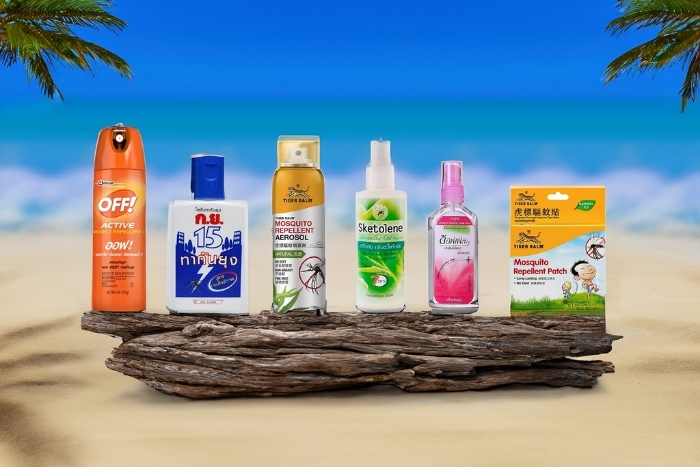
Be sure to reapply the repellent according to the manufacturer's instructions, especially after swimming or excessive sweating. If you're planning to visit national parks, forests, waterfalls, or other natural areas, using insect repellent is strongly recommended, as mosquitoes tend to be more active in these environments.
Wearing the right clothing is one of the easiest ways to reduce exposure to mosquitoes in Thailand. Lightweight long-sleeved shirts, long trousers, and closed-toe shoes provide an effective physical barrier, particularly when exploring gardens, forests, or riverside areas. Light-colored clothing is also a better choice, as mosquitoes are generally more attracted to dark colors than to white, beige, or other pale shades.
When booking your accommodation, look for hotels or guesthouses equipped with air conditioning, window screens, or mosquito nets if necessary. Air-conditioned rooms are generally less attractive to mosquitoes and provide a more comfortable environment for sleeping. It's also worth checking that there is no stagnant water around your accommodation, since puddles, buckets, and uncovered containers can become mosquito breeding sites.
The mosquitoes responsible for dengue in Thailand are mainly active during the daytime, especially in the early morning and late afternoon. Other mosquito species tend to bite around sunset and during the evening. If you plan to spend time outdoors during these periods, apply mosquito repellent before leaving your hotel and wear protective clothing to minimize the risk of mosquito bites.
Before traveling, it's a good idea to prepare a small mosquito protection kit that includes:
- An effective mosquito repellent
- Anti-itch cream for insect bites
- Lightweight long-sleeved clothing
- A portable mosquito net if you're staying in remote areas
These simple essentials take up very little space in your luggage but can make a significant difference, especially if you're visiting during the Thailand mosquito season. In summary, there's no reason to avoid visiting Thailand because of mosquitoes. By following these practical mosquito prevention in Thailand tips and remaining cautious during the mosquito season in Thailand, you can greatly reduce your chances of mosquito bites and dengue in Thailand, allowing you to enjoy your trip with complete peace of mind.
To make your trip more enjoyable during the mosquito season in Thailand, a little preparation goes a long way. Here are a few practical tips to help reduce mosquito bites and travel with confidence.
Understanding the mosquito season in Thailand is one of the best ways to plan a safe and enjoyable trip. Although mosquitoes in Thailand are present year-round, their activity is highest during the rainy season, from May to October. By choosing the best time to visit Thailand to avoid mosquitoes, using an effective insect repellent, and following simple mosquito prevention in Thailand tips, you can greatly reduce the risk of mosquito bites and dengue in Thailand. For a hassle-free holiday tailored to your interests, let Autour Asia - Thailand travel agency help you create the perfect itinerary for your next adventure.











 FR
FR ITA
ITA