Is Cambodia Safe For Kids? Family Travel Safety Guide
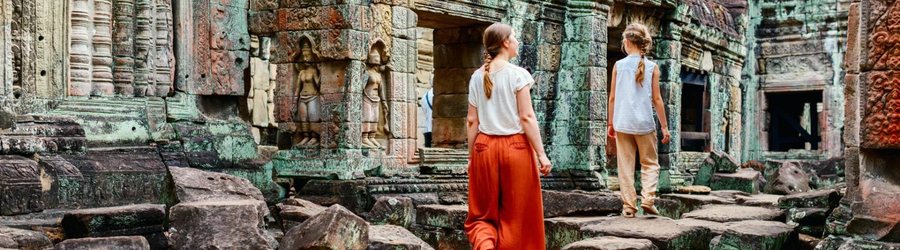
Traveling to Cambodia as a family appeals to more and more parents looking for an exotic, cultural, and accessible destination in Southeast Asia. But before booking, one question often arises: Is Cambodia safe for children? Overall, a family trip is entirely feasible provided you adapt your itinerary and habits to local realities. The main points of vigilance relate less to the tourist sites themselves than to travel, traffic, mosquitoes, food, and certain rural or border areas. To enjoy the country with peace of mind, careful preparation is all it takes. Here are the main Cambodia family travel safety rules to know before departure.
English travel marketing expert at Autour Asia.
✔️ Find the author on: Facebook Kobe Nguyen ; LinkedIn Kobe
✅ Content verified by: Tran Ba Duy
Founder of Autour Asia, with over 20 years of experience in inbound tourism for English-speaking, European, and North American travelers.
🌏 Why trust this travel guide?
✔️ Based on real tours organized by our local team across Vietnam, Cambodia, Thailand, Laos, Bali, and Myanmar.
✔️ Regularly updated to reflect the latest travel conditions, seasonal changes, prices, and local regulations.
✔️ More than 25,000 travelers served, 8,000 tailor-made tours successfully organized, and 1,500 five-star reviews from international travelers.
✔️ Written by a team of travel experts based in Vietnam, with in-depth local knowledge and first-hand expertise across Indochina's top destinations.
Is Cambodia safe for children?
- I. Is Cambodia a safe destination for families?
- II. Key risks to know about when traveling with children
- III. What precautions to take at temples and in rural areas?
- IV. Animals, swimming, and activities: what rules for children?
- V. Where to travel in Cambodia with children with complete peace of mind?
- VI. How to prepare a safe family trip to Cambodia?
I. Is Cambodia a safe destination for families?
Is Cambodia safe for children? The answer is generally yes, but it comes with a few nuances. Major tourist destinations such as Siem Reap, Phnom Penh, or seaside resorts welcome many international travelers every year. For a family, the most important thing is to maintain standard precautions: keep an eye on children in crowded places, choose appropriate accommodations, and prioritize reliable means of transport.
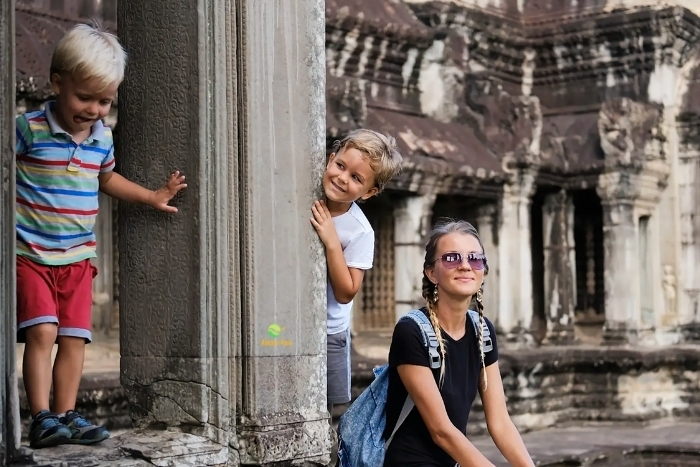
However, U.S. authorities recommend increased vigilance in Cambodia, notably due to crime and risks associated with landmines. For its part, the United Kingdom currently advises against non-essential travel within 20 km of the land border with Thailand, due to persistent tensions in this area.
For a classic family trip centered on major tourist sites, this geographical distinction is essential: safety in Cambodia depends heavily on the regions visited and the type of activities chosen.
II. Key risks to know about when traveling with children
1. Road traffic: the primary concern
Traffic is probably one of the most important topics regarding Cambodia family travel safety. In cities, motorbikes, tuk-tuks, cars, buses, and pedestrians may share very crowded spaces. Traffic rules and road conditions may also differ from what European families are used to.
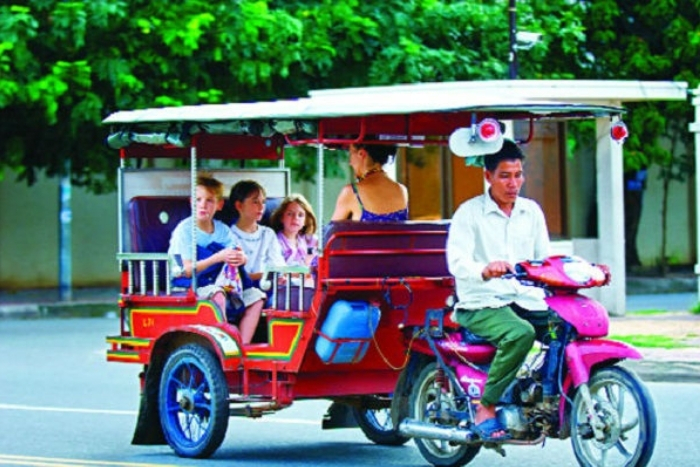
With a child, it is better to avoid renting a motorbike yourself and instead favor a car with a driver or transport arranged by the hotel or a recognized agency. In a car, children must be buckled up and, whenever possible, seated in the back. The CDC points out that motor vehicle crashes are a particularly major risk for traveling children and recommends the use of a suitable car seat or restraint system.
For short trips, a tuk-tuk can be a fun experience, but parents must remain particularly attentive to the lack of protection around passengers.
2. Mosquitoes and tropical diseases
Mosquitoes are another element to take seriously when planning a trip to Cambodia with children. Dengue fever poses a year-round risk, and the CDC recommends that travelers take measures to prevent mosquito bites.
The risk of malaria, on the other hand, varies by region. It is mainly present in certain rural and forested areas, while transmission is nonexistent or negligible in Phnom Penh, Siem Reap, and the main Angkor Wat area according to CDC information.
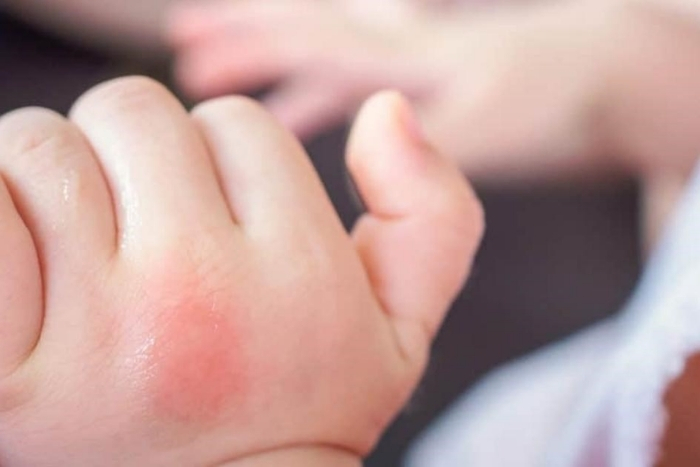
To protect children, provide an age-appropriate repellent, lightweight clothing covering arms and legs, as well as an air-conditioned room or one equipped with mosquito nets. For babies, repellent recommendations differ depending on age: it is therefore best to seek advice from a healthcare professional before departure.
3. Water, food, and hygiene
Digestive issues can quickly ruin a family vacation, especially with young children. To minimize risks, prefer sealed bottled water and hot drinks, and pay attention to where food comes from.
The CDC specifically recommends choosing foods that are thoroughly cooked and served hot, or dry and packaged products. Particular attention should be paid to young children, as diarrhea can cause dehydration more quickly in them.
It is therefore wise to pack a few essential items in the family kit: oral rehydration solution, the child’s regular medications, and hygiene products. For babies, families using infant formula can also bring an adequate supply for the entire duration of the stay.
III. What precautions to take at temples and in rural areas?
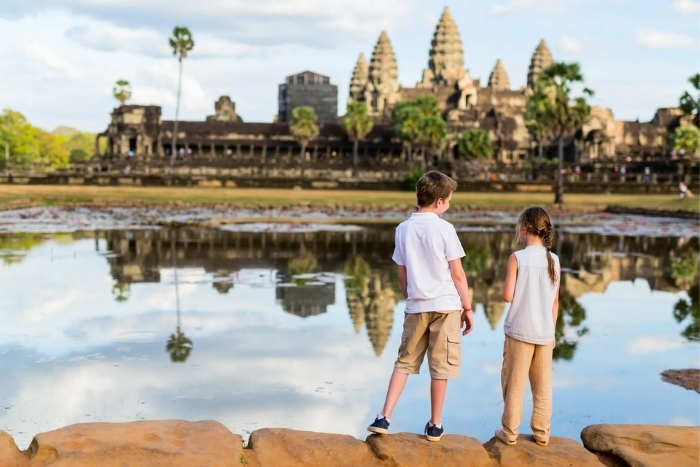
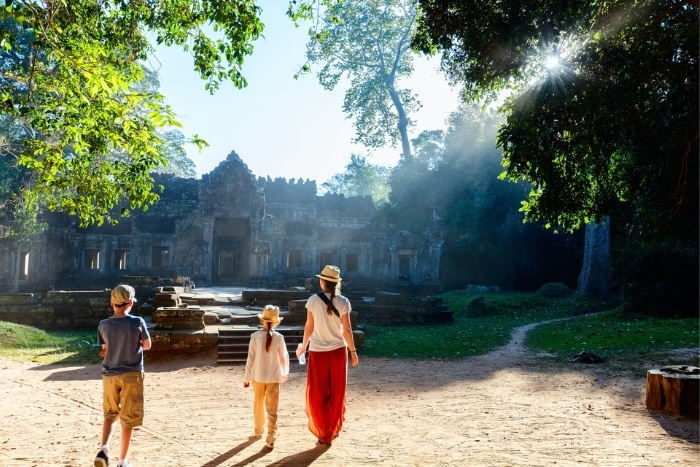
The temples of Angkor are one of the great highlights of a family trip to Cambodia, but parents must supervise children on stairs, terraces, and elevated areas. High heat can also quickly tire younger ones.
Away from tourist itineraries, an additional precaution is essential: never stray from marked paths or handle an abandoned metal object. Cambodia remains heavily affected by landmines and unexploded ordnance, some of which may be found in rural areas and poorly marked.
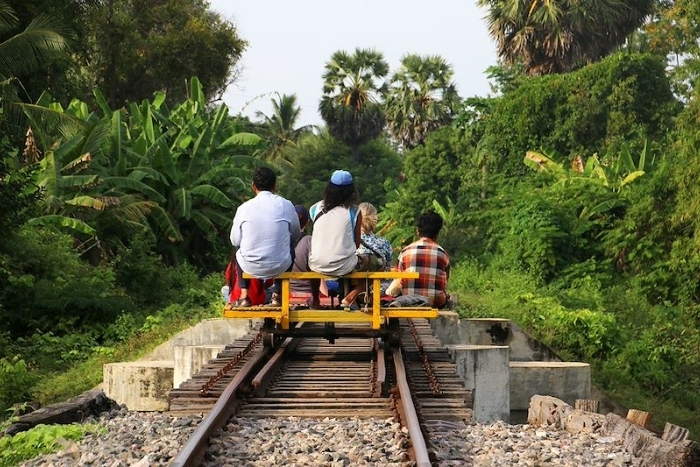
This rule is particularly important with children, who are naturally curious and likely to touch an unfamiliar object. Excursions into the countryside should therefore be conducted with a guide who knows the area thoroughly.
IV. Animals, swimming, and activities: what rules for children?
Children are often drawn to dogs, monkeys, and other animals encountered during the trip. However, it is best to never let a child touch or feed an unfamiliar animal. A bite or scratch may require rapid medical attention due to the risk of rabies. The CDC recommends avoiding all contact with animals and seeking medical care quickly in the event of a bite or scratch.
The same caution applies to water activities. Favor well-maintained swimming pools and designated swimming areas. The CDC notably recommends avoiding swimming in untreated fresh water, such as certain rivers, lakes, or ponds, which can present health risks.
Finally, in Cambodia, the sun and heat can be grueling for children. Pack a hat, sunscreen, water, and plan regular breaks in the shade, especially during temple visits.
V. Where to travel in Cambodia with children with complete peace of mind?
For a first trip, families can opt for a relatively straightforward itinerary connecting Siem Reap, Phnom Penh, and possibly the southern coast. Siem Reap is especially appealing for exploring Angkor while keeping long-distance travel to a minimum.
Phnom Penh allows you to discover the capital and its heritage, but requires greater vigilance regarding traffic and urban travel.
On the other hand, areas near the border with Thailand should currently be excluded from a non-essential family itinerary. British authorities report a persistently tense situation in this region and advise against travel within 20 km of the border.
Before departure, always check the official travel advice corresponding to your nationality and itinerary.
VI. How to prepare a safe family trip to Cambodia?
Proper preparation helps significantly reduce unforeseen issues. Before leaving, schedule an appointment with a healthcare professional to review the child's routine vaccinations and discuss any recommendations related to your itinerary. The CDC ideally advises consulting at least one month before departure for international travel with children.
Also secure a Cambodia family travel safety policy that covers medical expenses and, if possible, medical evacuation. Keep a copy of passports, key medical information, and emergency contacts.
Finally, select family-friendly hotels: secure rooms, protected windows and balconies, a supervised pool, and easy access to medical services. These details can make a real difference when traveling with children.
So, is Cambodia safe for children? Yes, provided you travel with a minimum of preparation and common sense. Families must primarily pay attention to traffic, mosquitoes, water and food, contact with animals, as well as specific risks in certain rural areas. Border regions with Thailand currently require special vigilance. By choosing a suitable itinerary, reliable transport, and family-oriented accommodations, Cambodia can become an exceptionally rewarding destination for children. Between the temples of Angkor, cultural discoveries, and encounters with local life, the country offers a wonderful family experience, as long as you place Cambodia family travel safety at the heart of your preparations.
>> Cambodia Travel Guide
>> 15 Days in Cambodia
>> Vietnam Cambodia Laos 3 week
>> Indochina Tours
A stay with children in Cambodia is entirely feasible by adopting simple habits. Cambodia family travel safety relies on choosing classic and secure itineraries such as Siem Reap or Phnom Penh. Favor private vehicles with a driver, drink sealed bottled water, apply suitable mosquito repellent, and avoid any contact with animals to fully enjoy the Khmer treasures.
Opting for a tailor-made tour guarantees optimal Cambodia family travel safety. Using an experienced local agency allows you to book comfortable family-friendly hotels with swimming pools, have suitable car seats, and adjust the pace of Angkor visits for younger travelers. A private French-speaking guide watches over your family, thus avoiding unmarked rural areas and logistical issues.
A combined Vietnam - Cambodia tour is an excellent option to introduce your children to Indochinese cultures with complete peace of mind. To ensure family travel safety in Cambodia and Vietnam, arrange comprehensive health insurance and a medical check-up before departure. Favor short domestic flights or private cruises on the Mekong, while avoiding isolated land border areas for a smooth and secure journey.
Related travel guide
Other similar articles


CUSTOMIZABLE BY LOCAL EXPERTS
Personalized trip at the original price!

REFUND GUARANTEE
We believe in our work and promise to give you money back.

GOOD PRICE / QUALITY
95% satisfied more than expected!

24/7 LOCAL SUPPORT
We are always available online to provide assistance at any time.

Most read articles


Autour Asia is highly recommended on
Embracing the mission of "Satisfied more than expected" and providing authentic experiences, we have received numerous recommendations on reputable travel forums: